

Most of us picture our garden as a sanctuary. A peaceful patch of green where the biggest worry is whether the tomatoes get enough sun. Honestly, I used to think that too. But beneath all that beauty and calm, there’s a side to the garden that rarely gets talked about, and it is genuinely surprising once you start paying attention.
From plants that look completely harmless but carry venom-like toxins, to the compost bag sitting by your shed that might harbor something far nastier than rotting leaves, your garden has more going on than you might imagine. And it’s not about scaring you away from your spade and gloves. It’s about knowing what you’re dealing with. Let’s dive in.
Beautiful Plants That Can Seriously Hurt You
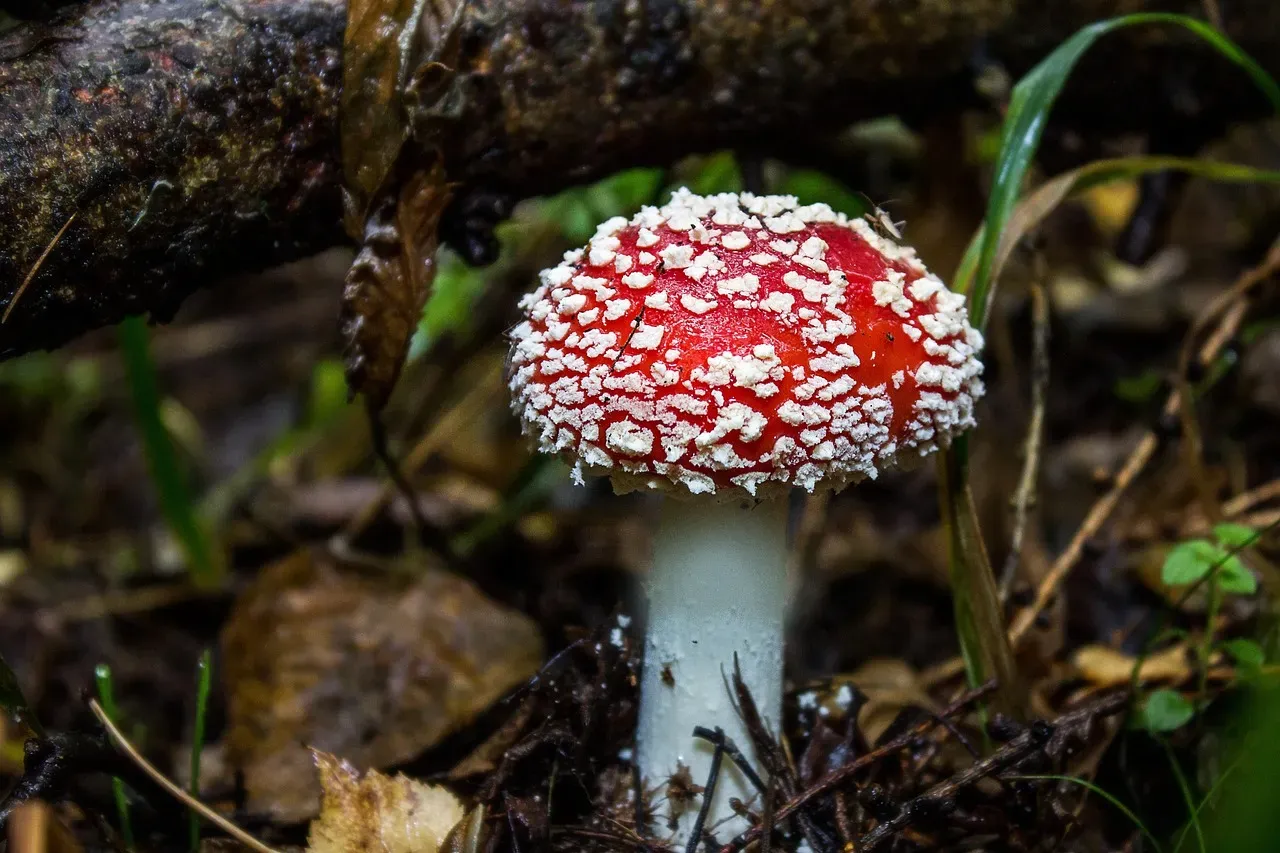
Here’s the thing about toxic plants – they never look the part. Your backyard might seem like a peaceful oasis, but lurking among the blooms and greenery could be a lineup of silent assassins. Some of the prettiest plants are the ones you should be most wary of, hiding dangerous toxins behind their charming colors or sweet scents.
Take Oleander as a vivid example. Oleander looks like it belongs in a tropical postcard, with clusters of pink, white, or red flowers that seem to invite you closer. Yet every part of this plant, from the leaves to the flowers, is highly toxic. Ingesting even a small piece can cause nausea, vomiting, irregular heart rhythms, or worse.
Then there is Angel’s Trumpet, which sounds like something from a fairy tale. Angel’s Trumpet captivates with its large, pendulous flowers and enticing aroma. Yet danger lies within its beauty, as it contains scopolamine, a powerful hallucinogen. The plant’s risk even extends beyond ingestion, as simply inhaling its scent can cause dizziness.
Giant Hogweed is another one that deserves serious respect. Its sap causes severe burns and blindness upon contact, made worse by sunlight. Native to the Caucasus Mountains, it has now invaded regions in North America and Europe. It’s practically invisible until you’ve already touched it – which is exactly what makes it so alarming.
The Shock of Toxic Parts in Everyday Edible Plants
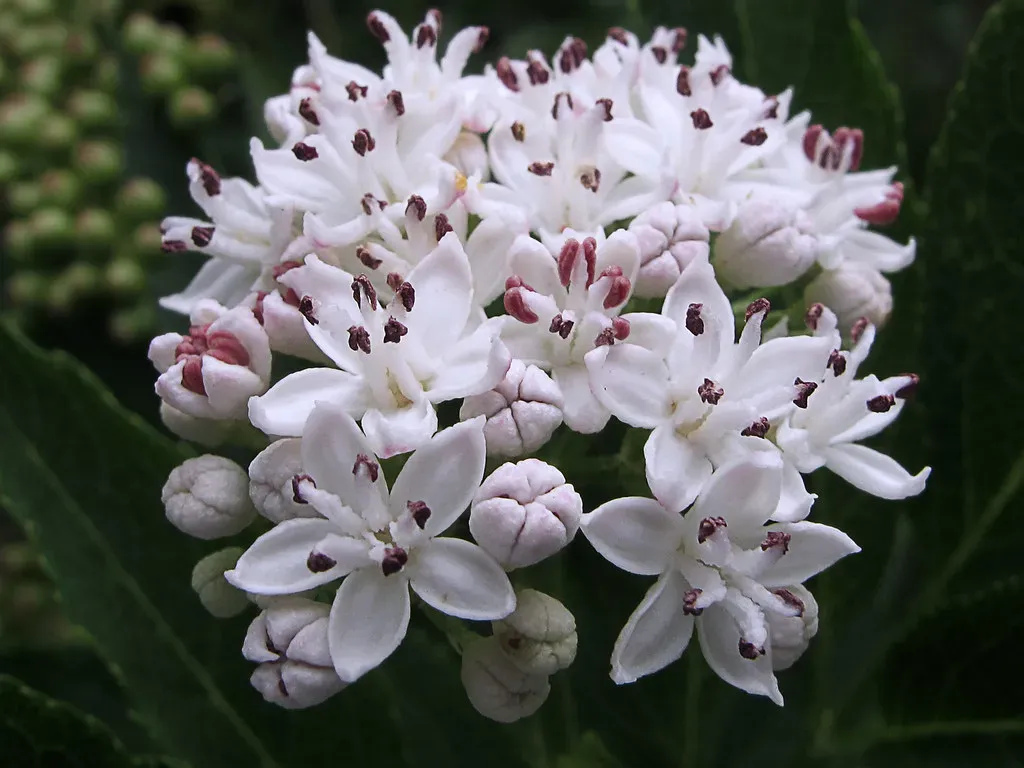
This is the section that genuinely surprises most people. We grow tomatoes, potatoes, and rhubarb thinking we know them well. But these familiar vegetables carry a deceptive double life. Gardens are full of charming deceptions. Edible plants can delight your taste buds while hiding dangerous secrets in their leaves, roots, or flowers.
Rhubarb is a perfect example of this split personality. Most people do not realize that rhubarb’s leaves contain oxalic acid, among other unidentified poisonous substances. The stalks contain only trace amounts and are obviously safe for consumption. Think of it like a sword: one end is your pie filling, the other end could send you to the hospital if mistreated.
Potatoes carry their own surprise too. Potatoes have the potential to be the most dangerous of the nightshade family; tubers that have turned green or sprouted due to sunlight exposure or improper storage have high amounts of solanine, and should never be eaten. And cooking doesn’t save you either. Excessive heat will kill the enzyme that produces solanine, but not the toxins themselves.
Even the humble tomato plant needs a second look. The stems and leaves hide alkaloids that can make your stomach churn. Tomatine is a toxic chemical found specifically in the stems and leaves, while solanine is a toxic alkaloid found in the leaves, stems, and unripe fruit of the plant. Admire the vine, love the fruit. Just don’t taste the rest.
What’s Really Hiding in Your Compost and Soil
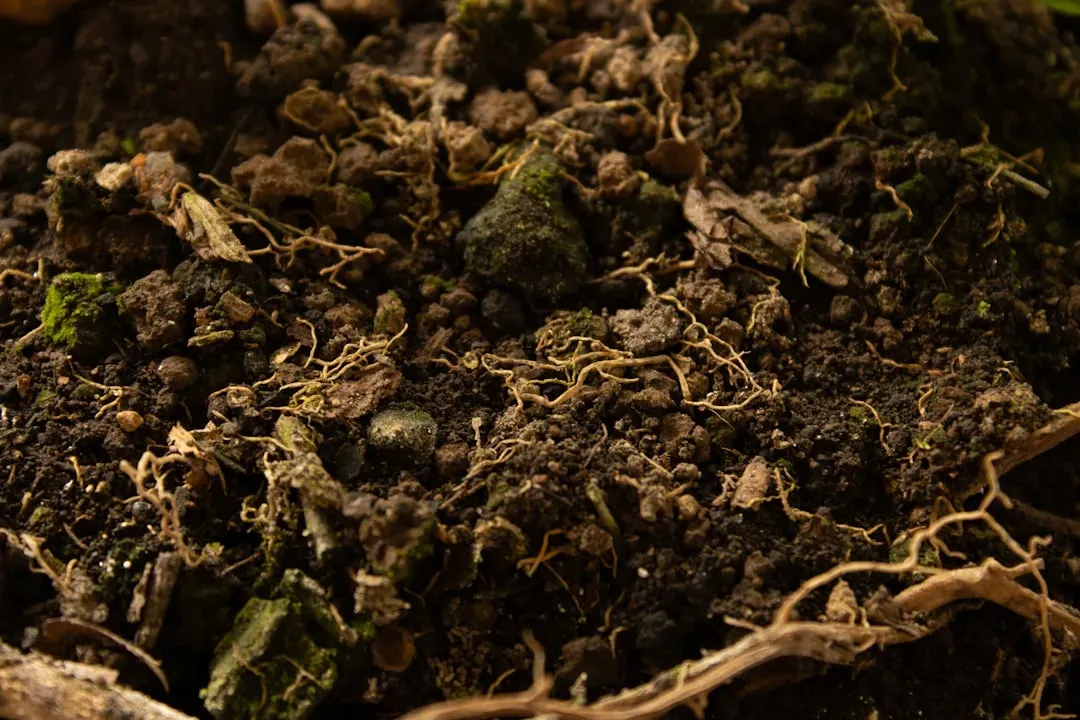
Your compost heap and garden soil are living ecosystems. That sounds wonderful, and largely it is. However, some of what lives in there is genuinely hazardous if you’re not careful. Lurking in a humble bag of compost is an ingredient many of us wouldn’t expect: Legionella bacteria. This bacteria can cause an infection called Legionnaires’ disease, which is particularly harmful for the elderly and people with a compromised immune system. It can lead to a nasty and often fatal pneumonia when inhaled.
That’s not all. The mould Aspergillus can grow when it’s hot outside, giving rise to some nasty lung lesions that may become widespread in the body, especially in the elderly and immunosuppressed. Mould spores can also trigger allergies in some people, a condition known as extrinsic allergic alveolitis or “farmer’s lung.”
Even a simple scratch in the garden carries a hidden risk many overlook. Many people associate tetanus with rusty nails. But the organism Clostridium tetani is also found in the soil, particularly if manured, because clostridia are found in the gut. Roses like soil with manure, so this could turn these beloved flowers deadly if you get cut by contaminated thorns or if soil enters a wound.
The Pesticide Problem You Can’t Ignore

Reaching for a pesticide spray feels like the sensible solution when pests show up. But the story doesn’t end there. Pesticides can cause short-term adverse health effects called acute effects, as well as chronic adverse effects that can occur months or years after exposure. Examples of acute effects include stinging eyes, rashes, blisters, blindness, nausea, and dizziness. Examples of known chronic effects include cancers, birth defects, reproductive harm, and disruption of the endocrine system.
It goes deeper than your own health, too. A 2025 study published in Nature Communications found that pesticide exposure causes negative effects on the presence of plant-beneficial bacteria in soil, particularly bacteria with plant growth-promoting traits that are essential for crop productivity. In other words, the very chemicals you use to protect your garden can slowly destroy the microbial foundation it relies on.
Just as overusing antibiotics can lead to resistant bacteria, overusing pesticides can result in resistant pests. When pesticides are used too frequently, pests can develop a tolerance, rendering the chemicals ineffective. This creates a vicious cycle where gardeners feel compelled to use even more pesticides, exacerbating the problem.
The broader environmental picture is equally troubling. In more than roughly two-thirds of cases studied, pesticides kill or harm soil invertebrates like earthworms, ants, beetles, and ground-nesting bees. Negative effects were found across all studied pesticide classes, showing that pesticides as a group pose a clear hazard to soil life. That’s the earthworms and beetles that make your garden thrive. Gone. Quietly.
Physical Dangers Most Gardeners Underestimate
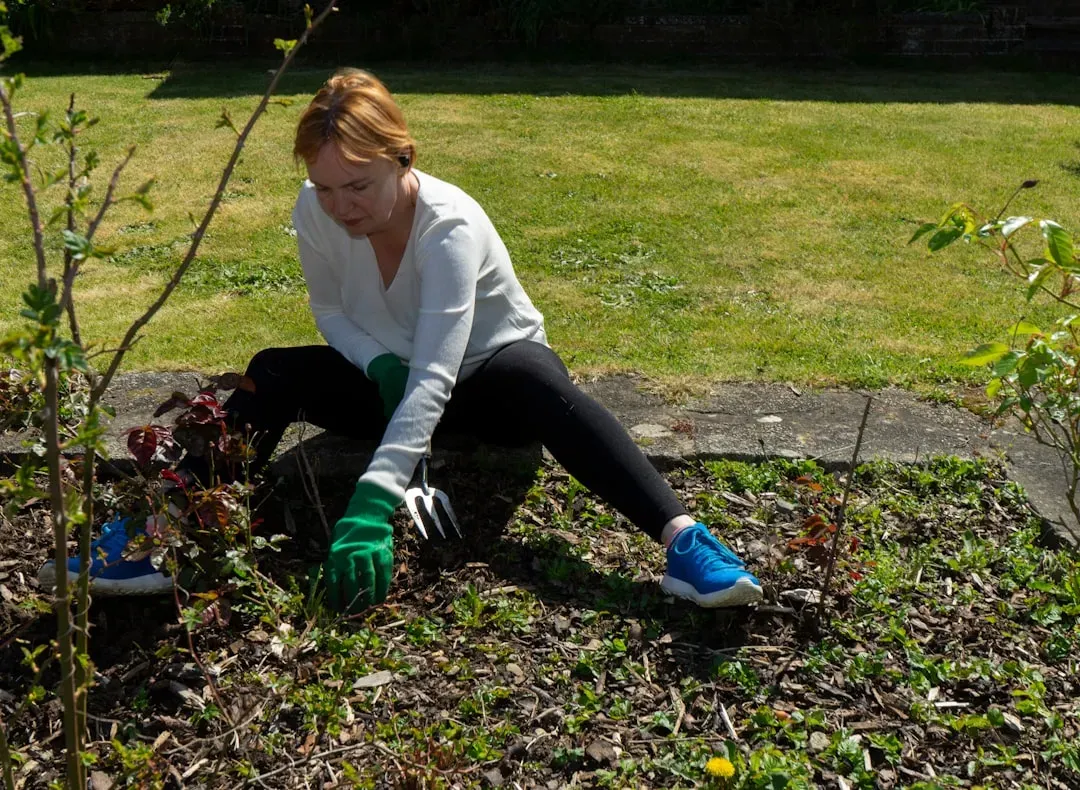
Let’s be real – nobody thinks of gardening as an extreme sport. Yet the numbers tell a very different story. Gardening may seem like a safe hobby, but it can lead to injury or illness. Emergency rooms treat more than 400,000 injuries each year related to outdoor garden tools, according to the U.S. Consumer Product Safety Commission. That’s a staggering figure for a hobby associated with calm and leisure.
Accidental contact with sharp tools, thorny plants, or jagged edges of gardening equipment can cause cuts, puncture wounds, and lacerations. Improper lifting techniques or overexertion when moving heavy objects can lead to muscle strains, sprains, and back injuries. These are not rare edge cases. They happen to experienced gardeners all the time.
Heat is another threat that sneaks up on people. Symptoms of heat exhaustion include heavy sweating, weakness, cold and clammy skin, fainting, or vomiting. Heatstroke is more severe and is characterized by high body temperature, hot and dry skin, rapid pulse, and possible unconsciousness. If you suspect heatstroke, it is a medical emergency that requires immediate attention. Something as simple as forgetting to drink water on a warm afternoon can escalate quickly. Gardening in hot or humid weather puts you at risk for dehydration, heat exhaustion, or heatstroke. Experts advise drinking water every 20 to 30 minutes and avoiding gardening during peak sun hours between 10 a.m. and 4 p.m.
How to Garden Smarter and Stay Safer
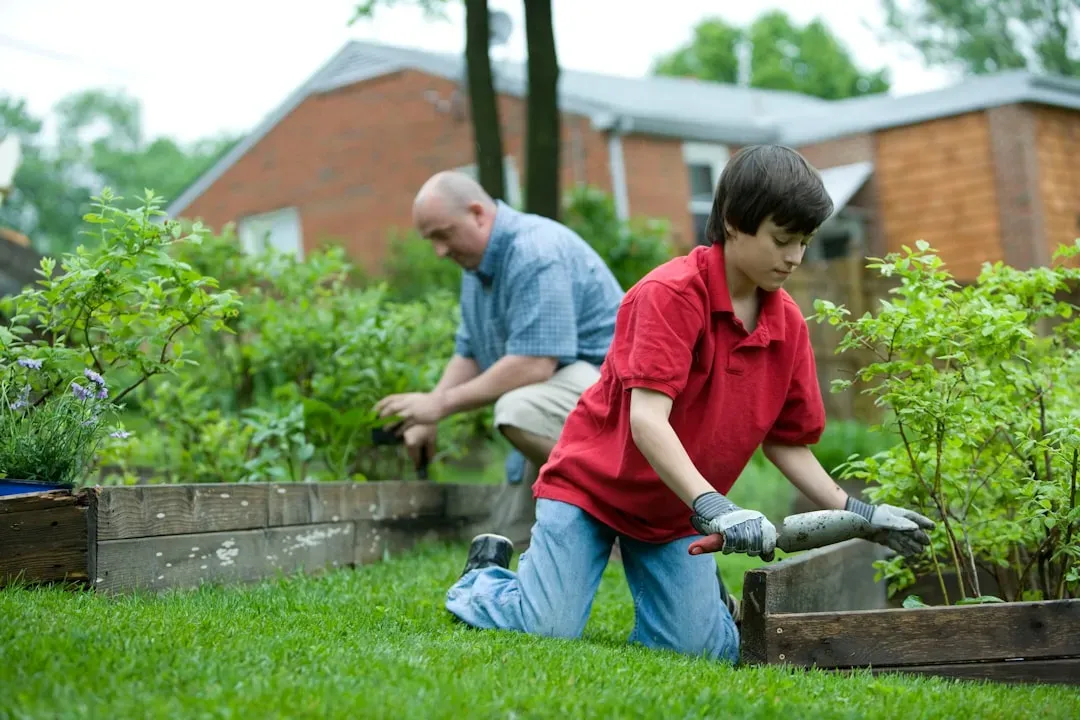
None of this means you should give up on your garden. Far from it. The goal is to go out there with open eyes instead of blind trust. Recognizing the plants that carry toxins is essential for keeping children, pets, and even adults safe. The thrill of gardening doesn’t have to come with risk, as long as you stay informed and vigilant.
When it comes to plants, the golden rule is simple. The important thing is to not presume that if one part of a plant is edible, the rest must be too, or that a plant usually served cooked is also edible raw. Never assume that a plant grown in a vegetable garden is necessarily safe to eat. That assumption has sent people to hospitals and worse.
For pesticides, the smart approach is restraint. There are plenty of safer, more sustainable ways to manage pests in your home garden. By adopting integrated pest management practices, you can reduce your reliance on pesticides while still protecting your plants. Many insects, such as ladybugs and lacewings, are natural predators of common garden pests. By creating a garden environment that attracts these beneficial insects, you can keep pest populations in check without resorting to chemicals.
Protecting yourself physically is equally important. Gardening is a joyful, productive activity, but like any outdoor work, it comes with risks. Wearing the right gloves, gear, and clothing, and using tools correctly, can dramatically reduce your chances of injury. Taking the time to stretch, hydrate, and work under safe conditions is just as important as selecting the right plants or compost.
Conclusion: The Garden Rewards the Informed

There is something deeply satisfying about a garden. The smell of fresh soil, the slow patience of watching things grow, the quiet reward of a harvest. I think most people would agree it is one of life’s genuinely good things. The point of all this is not to make you fearful of your flowerbeds or paranoid about your potato patch.
The point is that the garden, like most beautiful things in life, rewards the people who understand it. A toxic ornamental planted near where children play, an unlabeled compost bag inhaled without a second thought, a pesticide applied without reading the label – these are the small oversights that can lead to real harm.
Knowledge is the best pair of gardening gloves you will ever own. Once you know what’s out there, you can work with your garden confidently, safely, and with the deep respect this ancient and remarkable hobby deserves.
So the next time you walk out into your patch of green, take a moment to really look at what’s growing there. You might be surprised by what you find. What’s growing in your garden that you never questioned before?

- 8 Ways Glaciers Carved New York's Finger Lakes - August 10, 2026
- 8 Ways Bobcats Move Through Suburbs Without Being Seen - August 9, 2026
- 7 Reasons Black Bears Return to the Same Food Source - August 9, 2026