
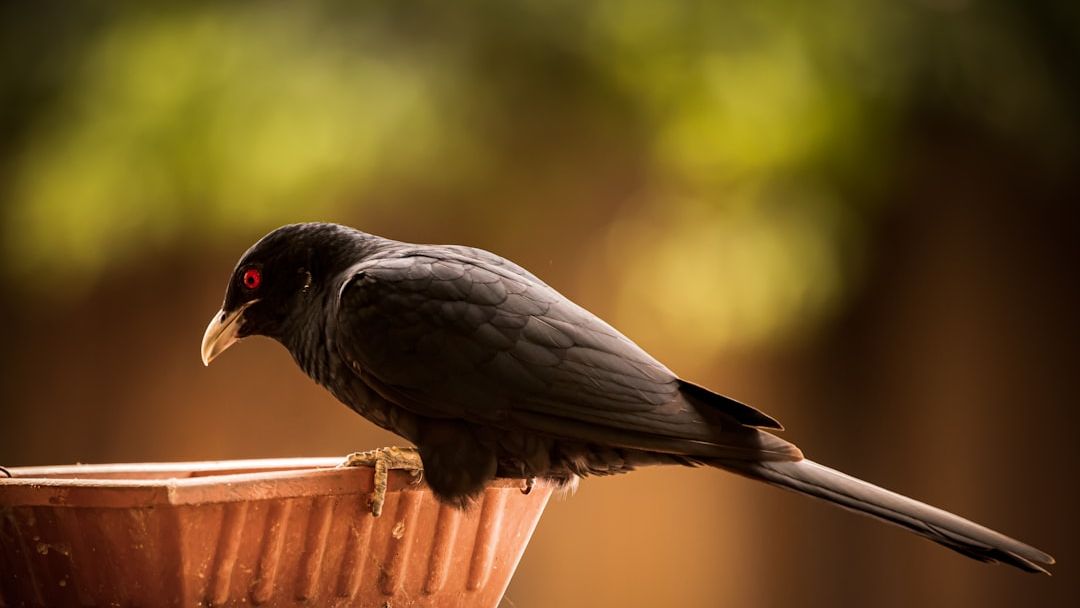
Worried about unexpected vet bills?
Pet insurance can cover thousands in unexpected vet costs. Get a free quote from Lemonade in under 2 minutes.
Get My Free Quote →Sponsored · Opens Lemonade.com
Most people glance into their backyard and see a fairly predictable scene: a few sparrows on a fence, a squirrel raiding the feeder, maybe a robin pulling a worm from the lawn. It’s easy to assume that’s the whole story. The truth is quietly more interesting.
Your yard provides food, water, and shelter for a surprising variety of animals. That includes not just birds and squirrels, but also the skunk digging a den under the back shed, the red fox eating kibble left out for a neighborhood stray, or the coyote silently passing through each week while hunting mice at the compost pile. The backyard ecosystem, it turns out, is far richer and stranger than most of us notice.
A Miniature Ecosystem Right Outside Your Door
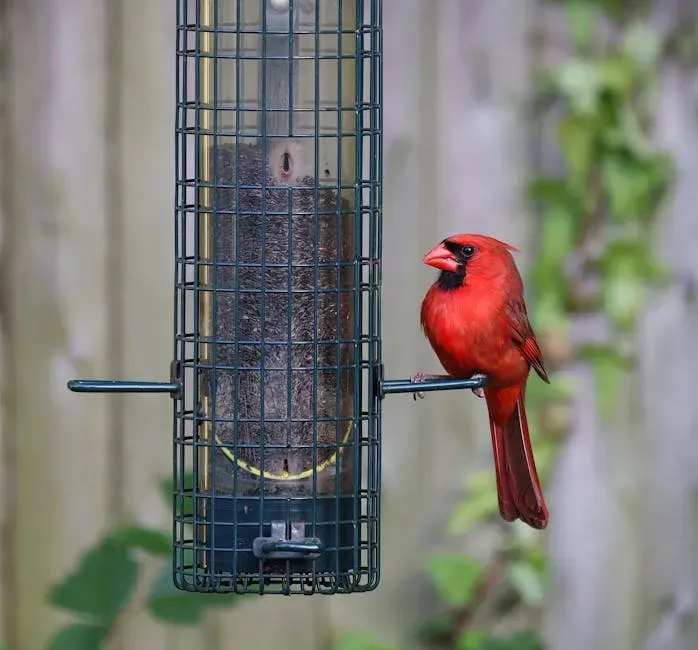
As a homeowner, you may not realize it, but you are effectively a land manager for wildlife. Each of us controls our own private greenspace, and that space provides food, water, and shelter for a range of animals.
A variety of mammals make use of either purposeful or incidental food sources in backyards, resulting in highly localized animal abundance. Research has found that there is often higher species richness and higher relative abundance of mammals in yards compared to rural areas, with detections increasing substantially around supplemental feeders.
Places of dense human habitation are also home to a remarkable diversity of species. A recent analysis of birds and plants across 147 cities globally found those sampled cities were home to roughly 2,000 bird species, about one-fifth of Earth’s total avian diversity, and over 14,000 plant species. These included dozens of bird and plant species actually threatened with global extinction.
The diversity of wildlife in any given yard is also shaped by factors beyond homeowners’ direct control, such as the surrounding land cover. Yards located near forest tend to host a greater variety of wildlife, including both predators and herbivores.
The Surprising Mammals That Share Your Space
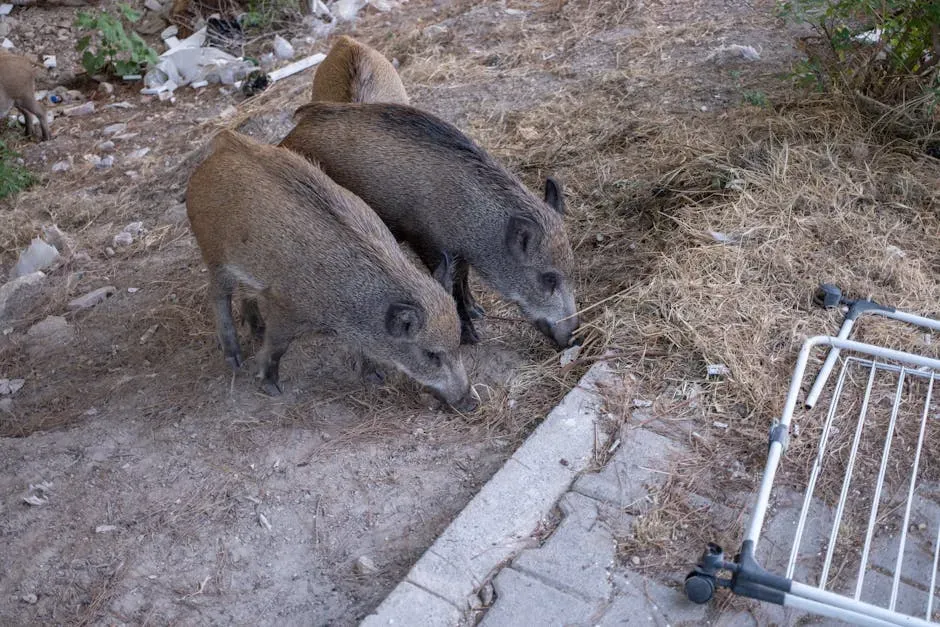
Common urban wildlife species in the United States include both native species such as raccoons, red-tailed hawks, and coyotes, as well as various introduced species that have found their footing in residential environments.
Deer, woodchucks, and cottontail rabbits are most attracted to yards with gardens, likely due to the availability of tasty plants and safe hiding spots. These visits often happen at dawn or dusk, which is why so many homeowners never actually see them despite finding clear evidence the next morning.
Gray foxes are most often seen in yards that have chickens, hinting at a potential conflict between homeowners and this elusive species. Interestingly, not all animals respond predictably to yard characteristics; red foxes and bobcats showed no particular correlation with specific yard features in research conducted across Northwest Arkansas.
Many species adjust to urban environments through a process called synurbization, which describes the behavioral and ecological changes that allow animals to cope with human-dominated landscapes. In other words, wild animals aren’t just stumbling through our neighborhoods by accident. They’re adapting, learning, and sometimes thriving.
The Nocturnal Night Shift: Bats, Moths, and What Happens After Dark
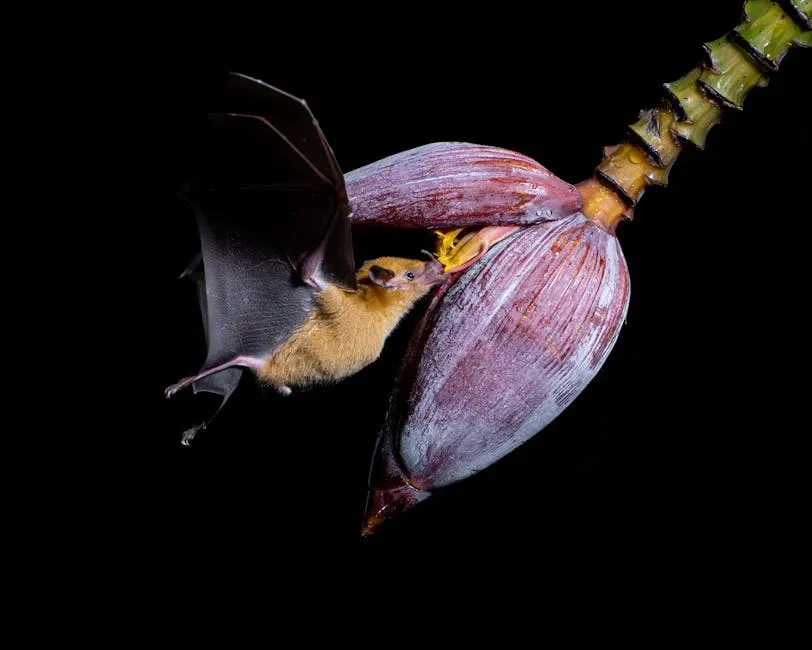
Pollination does not stop at sunset. Bats, moths, beetles, and other insects collect pollen and nectar at night, and while these night-shift workers are often overlooked, scientists are beginning to understand just how important nocturnal pollinators are for both crops and wild plants.
Many bat species feed exclusively on insects, especially moths, beetles, flies, and mosquitoes. A single little brown bat can consume up to 1,000 mosquitoes in an hour. That’s a level of pest control no garden spray can realistically match.
Recent studies estimate that bats eat enough pests to save more than one billion dollars per year in crop damage and pesticide costs in the United States corn industry alone. Across all agricultural production, bat consumption of insect pests results in savings of more than three billion dollars per year.
Research has concluded that moths can actually be more efficient pollinators than day-flying insects such as bees. A three-year study on apple trees at the University of Arkansas Division of Agriculture Experiment Station showed nocturnal pollinators do as much pollinating as non-native honeybees. Additional research at the University of Sussex found that moths can pollinate flowers at a faster rate than day-flying insects.
Installing a bat house is one practical way to invite these animals in. Wooden boxes mounted on poles or buildings mimic the tight, dark crevices bats seek in the wild. When placed 12 to 20 feet high in a sunny location near a water source, these houses can attract colonies of insect-eating bats, and are especially useful in mosquito-prone areas or near vegetable gardens suffering from nighttime pests.
How Your Yard’s Design Shapes What Moves Through It
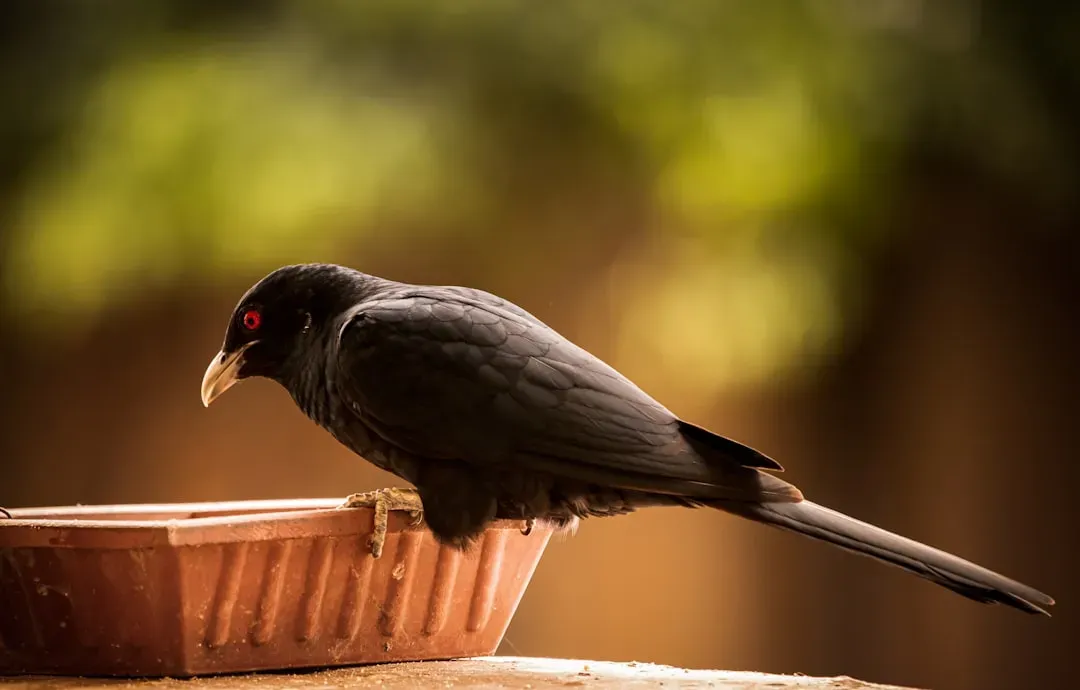
Research reveals that yards with solid privacy fencing or tall chain-link fences exhibit the least diversity of wildlife. In contrast, those with multiple bird feeders attracted the highest variety of species. The physical structure of a yard, it turns out, matters just as much as what you plant in it.
Homeowners aiming to keep coyotes away from their yards should note that these animals rarely entered fenced areas but were commonly found in yards with ample cover, such as brush piles. Understanding those relationships gives you a measure of real control over who shows up.
Creating wildlife habitats in your backyard isn’t just about beautifying your outdoor space; it’s about making a meaningful environmental impact. When you transform your yard into a haven for local wildlife, you’re directly contributing to biodiversity conservation at a grassroots level. Native birds, butterflies, bees, and small mammals face shrinking habitats due to urban development, making your property a crucial sanctuary for these species.
Doing so doesn’t even require a big yard. Small spaces, such as patios and balconies, can easily be transformed into havens for wildlife. A few well-chosen native plants in containers can make a genuine difference for pollinators and small insects moving through a neighborhood.
Small Choices, Larger Consequences
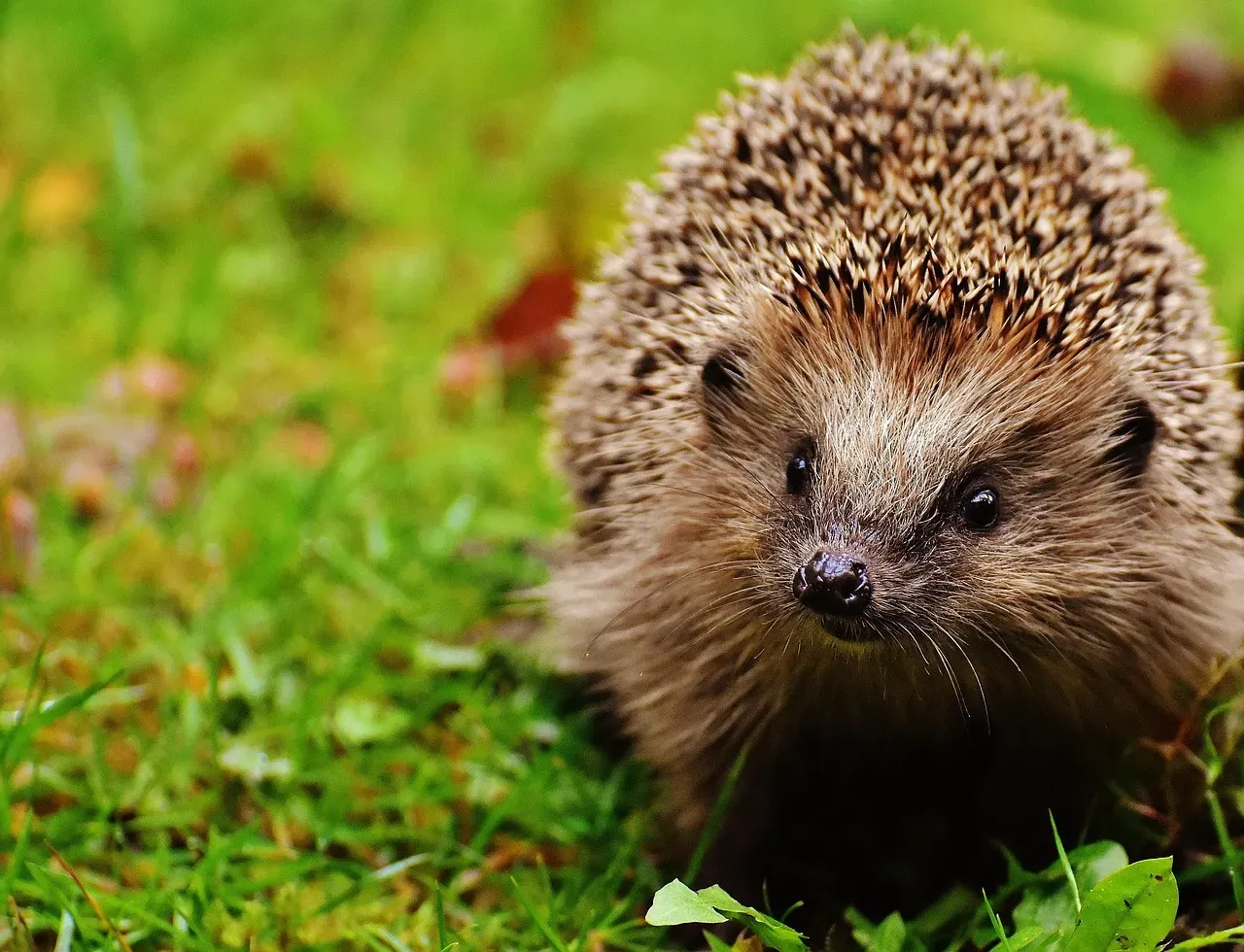
If we start viewing our millions of private residential lawns as wildlife habitats, we can make decisions that benefit wildlife and minimize unwanted conflicts. Simple choices regarding cover, water, and food resources can collectively contribute to wildlife conservation efforts across the country.
Backyard habitats help restore ecological balance by supporting pollinators that are essential for food production, with roughly one in three bites of food we eat depending on pollination. These habitats also create natural pest control systems, as birds, bats, and beneficial insects help manage unwanted pests without chemicals.
To genuinely transform your yard, start with native plants. Aim for a minimum of roughly 70 percent native coverage, including flowers that bloom in various seasons, and prioritize keystone species. A keystone plant is one that has a substantial impact on local biodiversity by providing food and shelter to a large number of species.
Setting aside areas free from mowing or raking gives pollinators and other species a place to live and overwinter. Keeping house cats indoors also makes a significant difference, as they prey on birds and other animals by instinct.
Conclusion
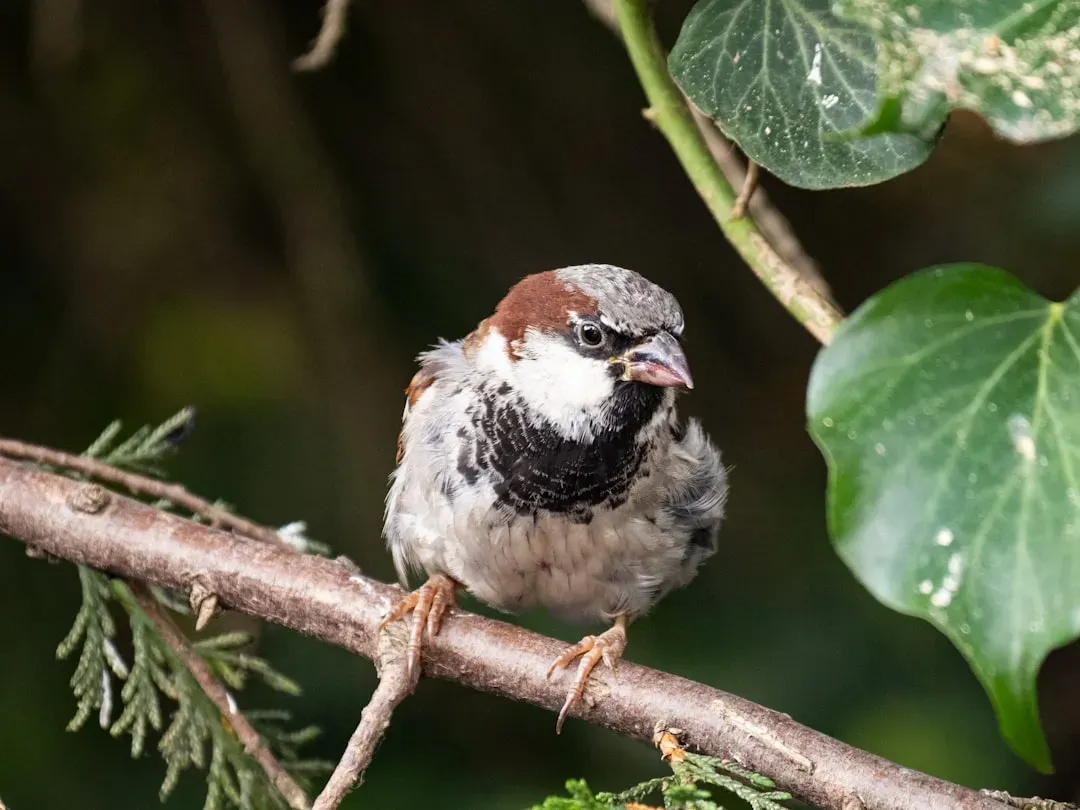
There’s something quietly startling about realizing the patch of grass outside your back door is already a wildlife corridor, a foraging ground, and sometimes a nursery, all without any help from you. The animals were there long before the lawn furniture.
What the research makes clear is that the gap between “ordinary yard” and “functioning habitat” is narrower than most people think. A water source, a few native plants, a bat box, and fewer pesticides can shift the balance in meaningful ways. If we start viewing our millions of private residential lawns as wildlife habitats, we can make decisions that benefit wildlife and minimize unwanted conflicts, with simple choices regarding cover, water, and food resources collectively contributing to conservation efforts across the country.
The hidden world of backyard wildlife doesn’t ask for much. It mostly just asks to be left a little room.
Worried about unexpected vet bills?
Pet insurance can cover thousands in unexpected vet costs. Get a free quote from Lemonade in under 2 minutes.
Get My Free Quote →Sponsored · Opens Lemonade.com
