


Some connections in life don’t need words, shared language, or matching species. Anyone who’s ever had a dog curl up on their bad day, or a cat silently reposition itself on their lap right when they needed comfort, knows that something deeper is going on. It’s not magic, and it’s not wishful thinking. It’s a mix of biology, trust, routine, and a kind of everyday love that quietly rewires both bodies and brains.
When we talk about “unbreakable bonds” between animals and caregivers, we’re not just being sentimental. Research over the past couple of decades has shown that these relationships change stress hormones, influence heart rates, and even reshape behaviour on both sides. But you don’t actually need a lab to see it. You can feel it in the way a once-terrified rescue dog finally falls asleep on someone’s chest, or how a therapy horse lowers its head to meet a child’s eyes at their level. Let’s dig into what makes these bonds so powerful, and why they matter far more than we usually admit.
The Science Under the Fur: Why These Bonds Feel So Deep
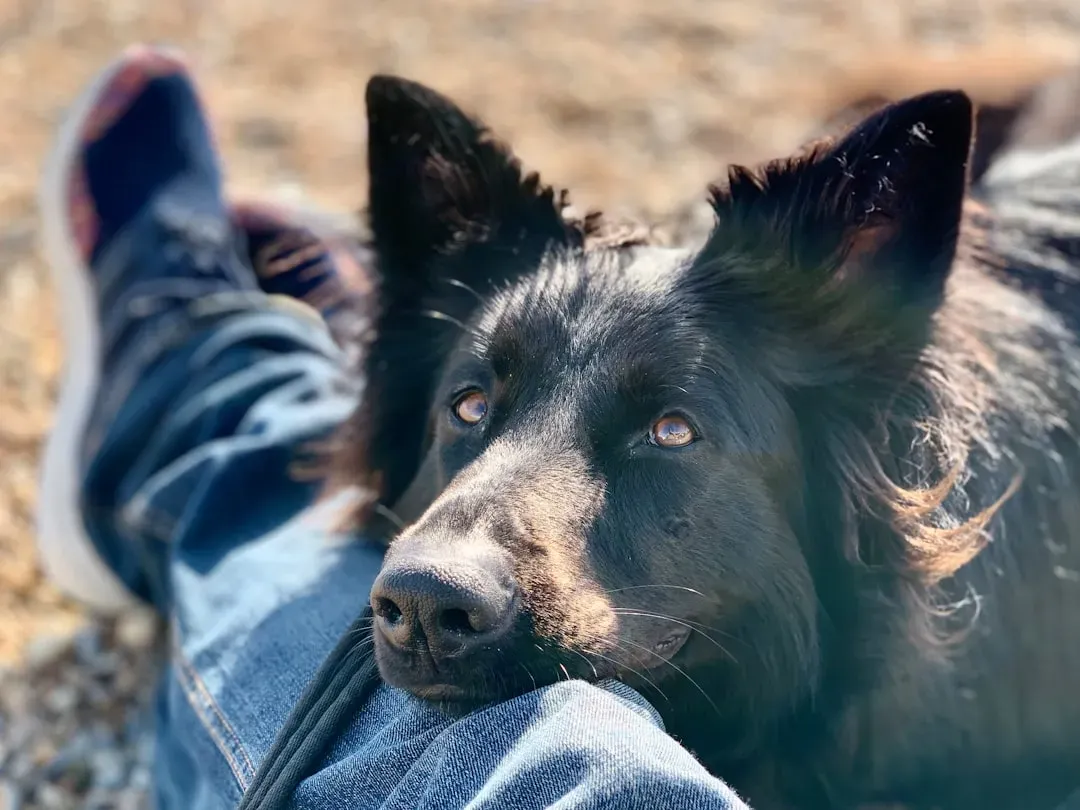
One of the most surprising things scientists have found is that the bond between a caregiver and an animal isn’t just emotional; it’s chemical. When a person and a familiar animal interact calmly, levels of a hormone often nicknamed the “bonding hormone” tend to rise in both. It’s the same hormone involved when parents connect with their children, which helps explain why caring for animals can feel so intense and protective.
At the same time, stress hormones generally go down in both humans and animals after gentle, positive contact, like petting or grooming. Heart rates can slow, muscles loosen, and that buzzing anxiety a lot of people carry just softens a little. Animals show similar patterns: relaxed body language, softer eyes, slower breathing. It’s like a silent feedback loop between nervous systems, each one helping the other to settle. That’s not just sweet – it’s powerful biology at work.
From Strangers to Family: How Trust Is Earned, Not Given
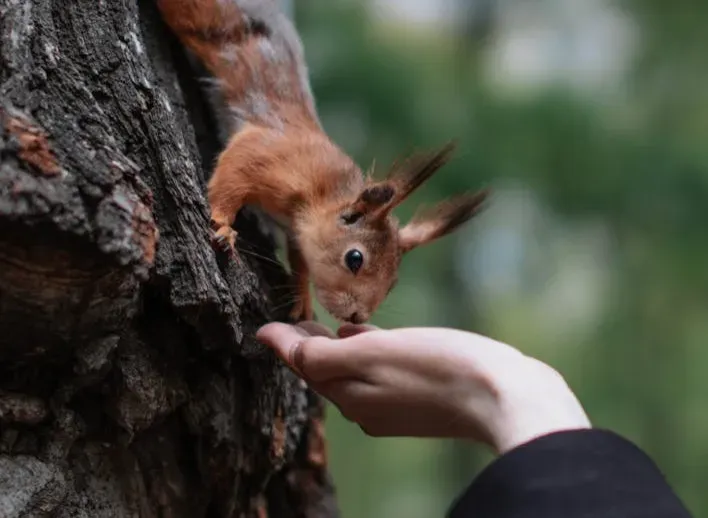
No bond starts out unbreakable. Especially with animals who’ve had rough starts, trust often arrives late and in small pieces. A shy shelter dog that won’t make eye contact at first might only accept a treat from a caregiver’s outstretched hand for a few seconds before retreating. Over days and weeks of patient, consistent care – regular feeding, calm voices, predictable routines – that dog slowly begins to associate this person with safety instead of risk.
Other animals show similar patterns. A formerly neglected horse might panic at the sight of a halter, but after dozens of quiet, non-threatening interactions, it may eventually accept touch and handling. I still remember the first time a nervous rescue cat I was fostering chose to step onto my lap instead of hiding under the bed; it felt like being handed a small, fragile trophy made of trust. These little turning points are what eventually harden into those “unbreakable” bonds people talk about so fiercely.
Therapy and Service Animals: Partnership on a Different Level
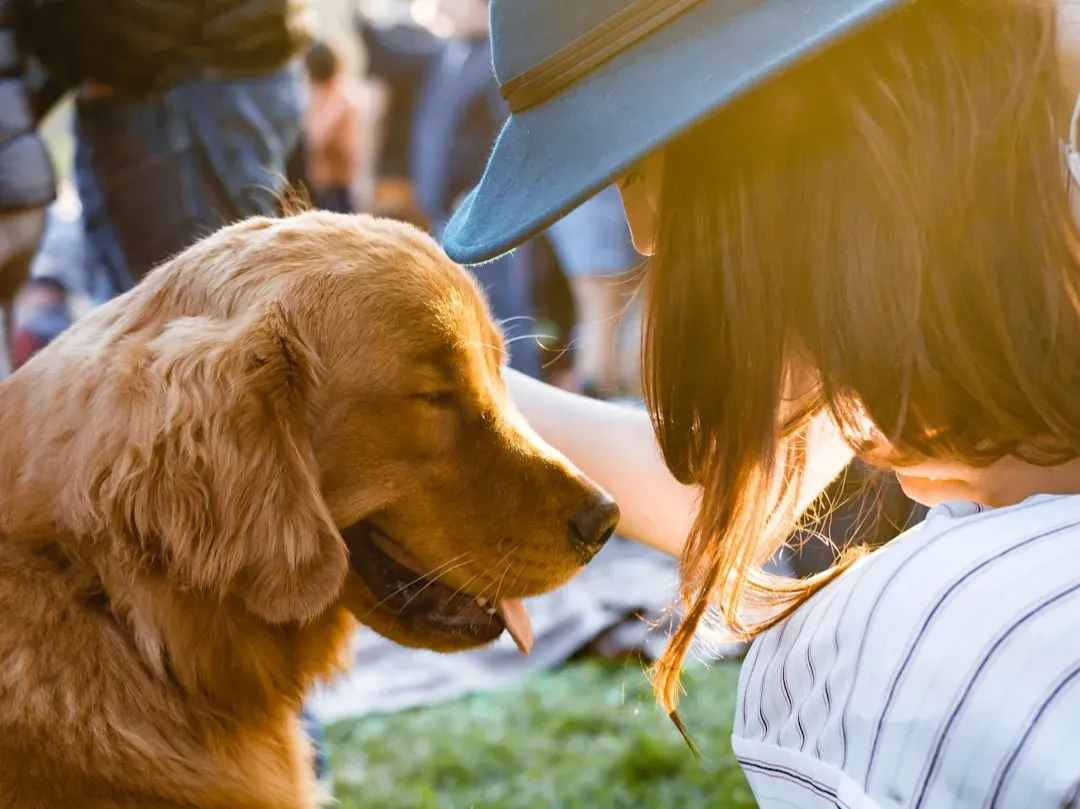
Nowhere is the strength of human–animal bonds more visible than in service and therapy work. Service dogs trained to help people with mobility challenges, epilepsy, diabetes, or post-traumatic stress do far more than follow commands; they learn to read subtle body cues and respond to changes before a person even speaks. Over time, many handlers describe their service animals as something like an extra limb or an external nervous system, because they’re so reliably attuned to their partner’s needs.
Therapy animals – dogs, horses, and sometimes even smaller animals – also form deep, working relationships with their primary caregivers or handlers. These bonds give the animals the confidence to walk into hospitals, schools, or mental health facilities filled with noise and unfamiliar smells. The animal’s trust in their caregiver works like a safety rope, letting them stay calm and open with strangers who might be sick, scared, or withdrawn. It’s a kind of teamwork where emotional stability is the shared goal.
The Quiet Language of Body, Eyes, and Routine
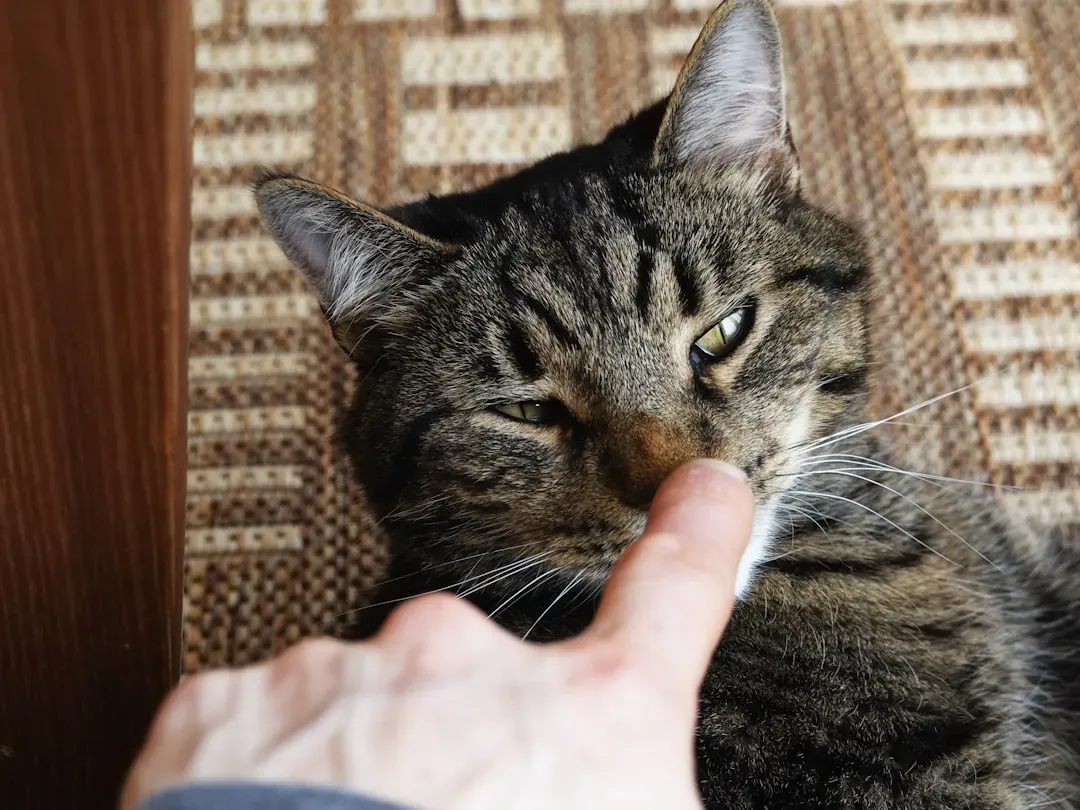
Because animals and humans don’t share spoken language, their bonds depend heavily on nonverbal communication. Dogs, for example, watch where we look, how we move, and what our faces are doing far more than many people realize. When an animal spends years with the same caregiver, it learns the micro-patterns: the sound of footsteps on the stairs, the slight shift in tone that means “we’re leaving soon,” the way keys are set down when someone’s had a bad day.
Caregivers, in turn, become fluent in their animals’ signals. A tiny change in ear position can tell an experienced horse owner that something is wrong; a certain kind of meow might mean a cat is not just hungry but anxious. Over time, daily rituals – the walk after breakfast, the evening grooming, the way the cage is cleaned or the tank is checked – become their own quiet language. That shared rhythm is one of the most underrated ways bonds become deep and difficult to fracture.
Healing on Both Sides: Emotional Support and Mental Health
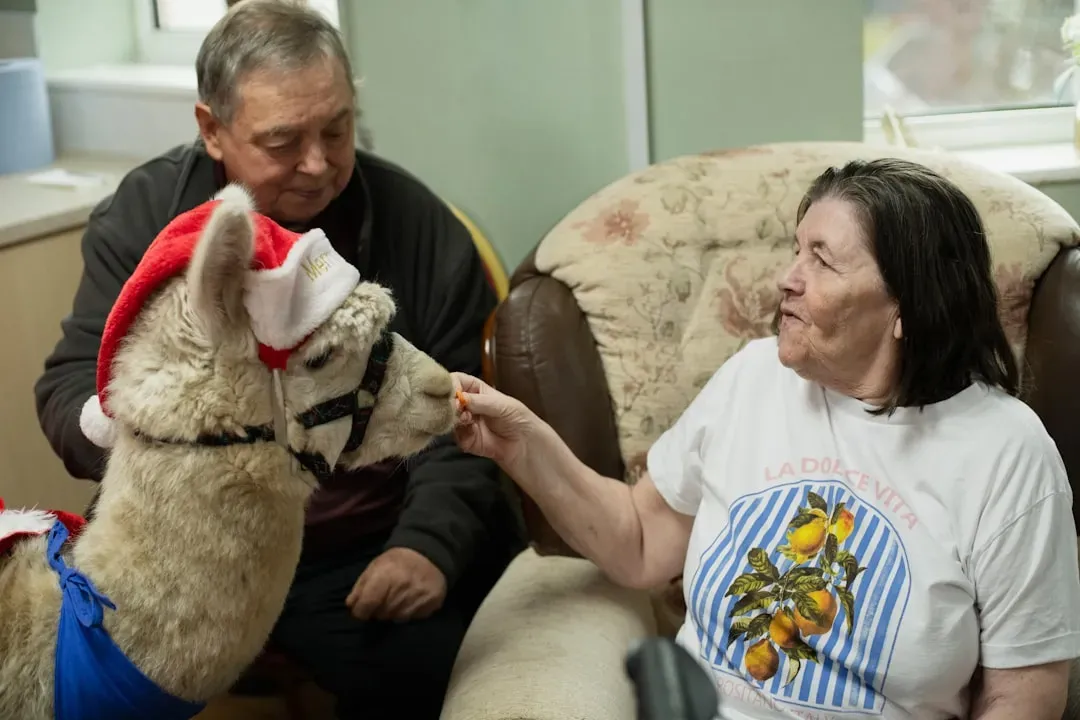
There’s now a substantial body of research showing that interaction with familiar animals can help reduce symptoms of anxiety, loneliness, and low mood in many people. Regular contact with a trusted animal often creates a sense of routine and purpose, which is especially important for individuals living alone or coping with mental health challenges. The simple act of getting up to walk a dog or feed a rabbit can be a lifeline on days when doing anything else feels impossible.
But the bond isn’t one-way. Animals also seem to benefit emotionally from consistent, kind caregiving. Many pets become visibly distressed when separated too abruptly from their person, which can be a sign of how strongly attached they’ve become. That emotional tie can be healing for animals who started life in unstable or frightening conditions. In a quiet, everyday way, both sides help regulate each other, like two metronomes slowly syncing their ticks over time.
When Care Is a Lifeline: Rescues, Sanctuaries, and Second Chances
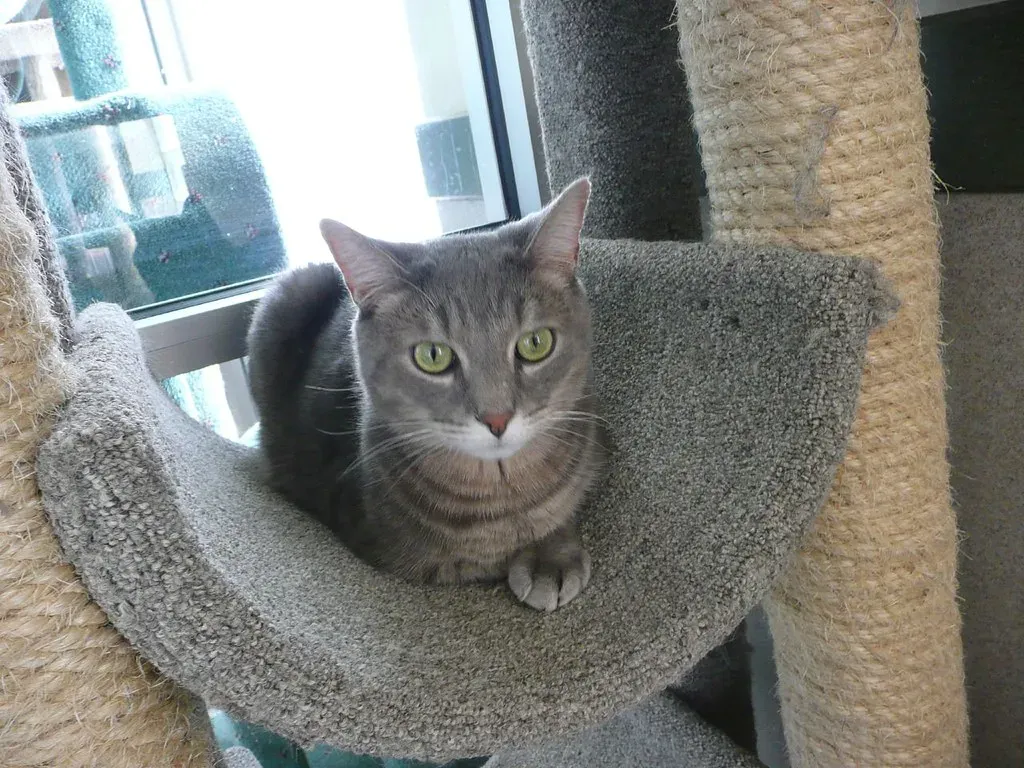
Some of the most striking bonds form in situations where animals have been rescued from neglect, abandonment, or harsh environments. Animal shelters and sanctuaries around the world are full of stories of dogs, cats, farm animals, and wildlife that came in fearful, shut down, or aggressive and slowly changed under gentle, consistent care. The turnaround doesn’t happen because of one dramatic moment; it comes from a hundred small acts of reliability.
Caregivers in these settings often become emotional anchors for animals who have never had one before. A caregiver might be the first person a neglected horse ever associates with full hay and clean water, or the first hand that touches a frightened dog without hurting it. Over time, these animals sometimes show an almost fierce loyalty to the people who helped them recover. It’s not that they forget the past; it’s more that they discover, almost with relief, that a different kind of future is possible.
Beyond Pets: Working and Farm Animals Form Bonds Too
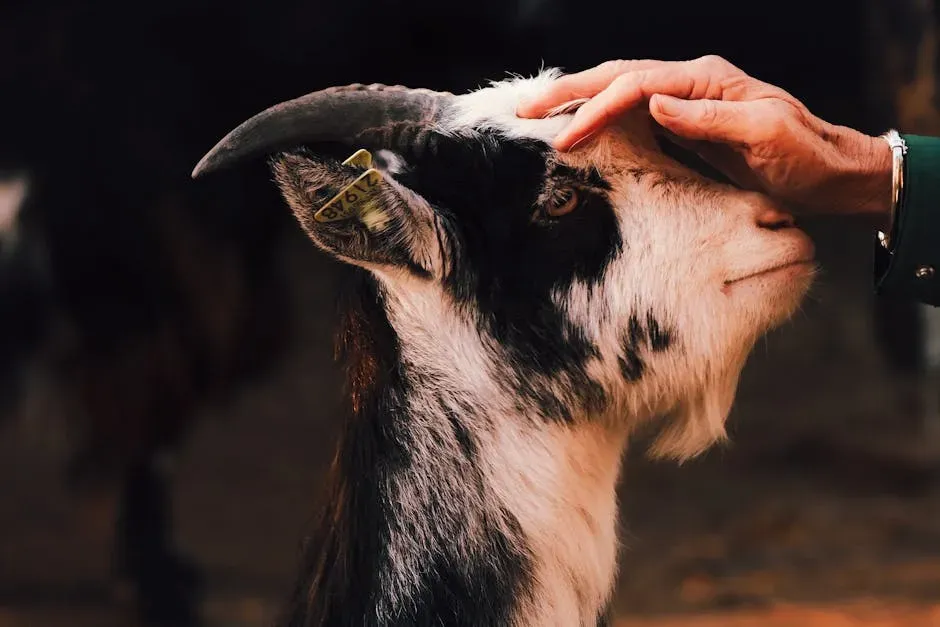
It’s easy to focus only on dogs and cats, but working and farm animals also form strong relationships with their caregivers. Many farmers can tell at a glance if a particular cow or goat is “off” that day, because they’re so used to how that individual usually behaves. That kind of familiarity comes from countless hours of feeding, mucking out stalls, moving animals, and simply sharing space, season after season.
Working animals like herding dogs, police dogs, or search-and-rescue dogs often develop especially intense connections with their handlers. They’re trained to work as a unit, which means both sides are constantly paying attention to each other amid distraction and stress. When that partnership is built with patience and respect, you can see it in the way the animal checks back with their person, almost asking, “What next?” It becomes less about command and control, and more about mutual confidence.
Grief, Loss, and What Happens When the Bond Is Broken
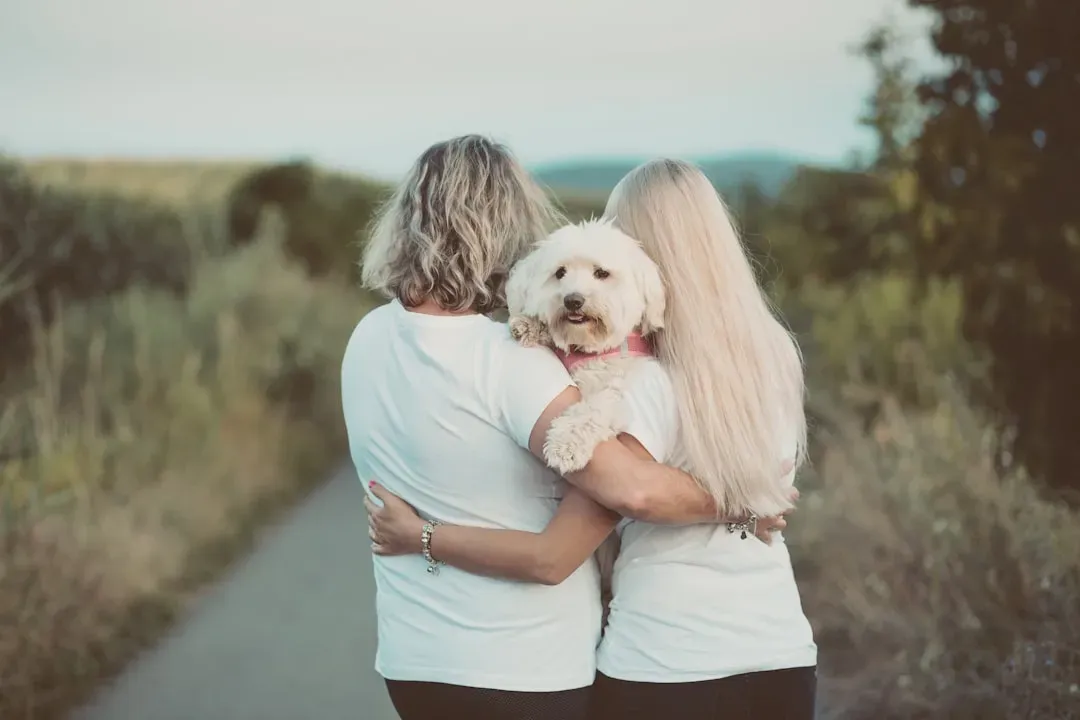
Calling these bonds “unbreakable” doesn’t mean they never end; it means that even when they do, something essential remains. Anyone who has lost a beloved animal knows how sharp that grief can be. The routines that once anchored your day – the morning walk, the cage cleaning, the tank check, the evening cuddle – suddenly vanish, and yet your body almost keeps doing them on autopilot. That’s how deep habit and emotion can intertwine.
Animals also show real signs of grief when a familiar caregiver disappears. Some refuse food for a while, become withdrawn, or wander the house searching. While we should be cautious not to project human stories onto them too strongly, it’s clear that many animals feel the absence. For both sides, the bond reshapes the brain and the daily rhythm enough that its loss can feel like a tear in the fabric of normal life, not just a minor change.
The unbreakable part lives in memory, in how that relationship changes what we expect from the world – maybe we start to believe a little more in gentleness, or in the possibility of being understood without words.
The Ethics of Love: Responsibility Inside the Bond
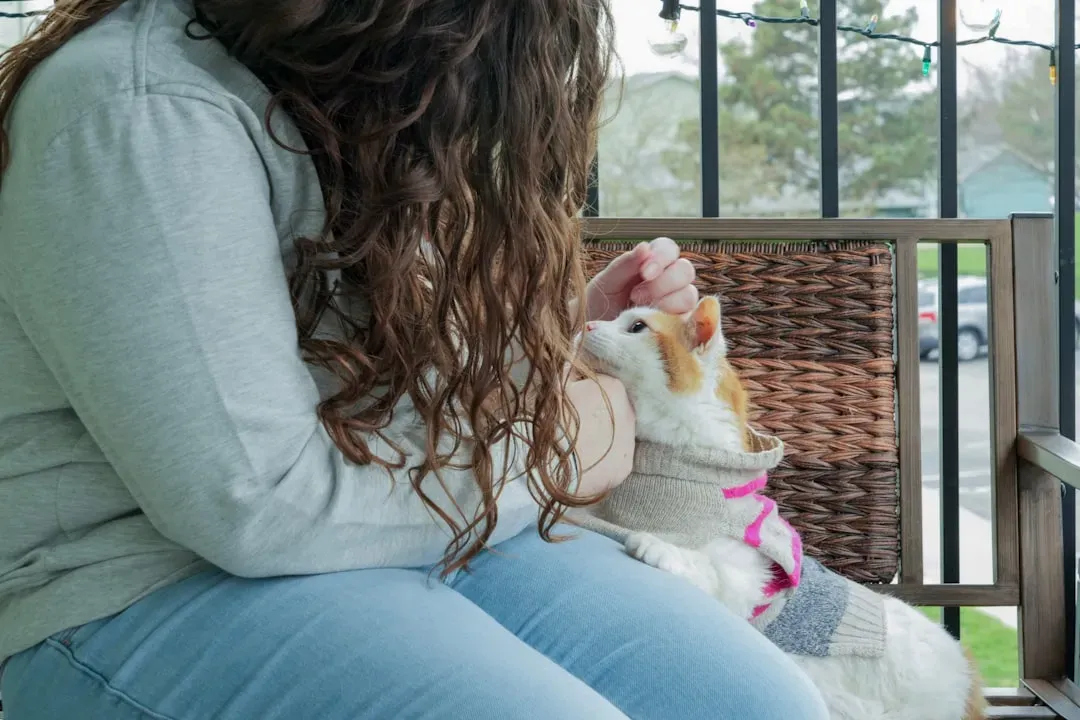
There’s a harder side to these relationships that’s important to name: when you have this much emotional power over another being, you also carry real responsibility. An animal that trusts its caregiver completely is vulnerable to neglect, impatience, or simple distraction. That’s why experts in animal welfare often stress that love alone isn’t enough; it has to be paired with proper nutrition, veterinary care, species-appropriate housing, and respect for natural behaviour.
For caregivers, that responsibility can feel heavy at times – the vet bills, the time commitment, the decisions at the end of an animal’s life. But that’s part of what makes the bond so meaningful. It’s not a casual affection; it’s a long-term promise to show up, again and again, even on the days when it’s inconvenient or painful. When we take that seriously, the relationship becomes something more than “having a pet” or “owning an animal.” It becomes a shared life, with all the weight and reward that implies.
How These Bonds Change Us – And Why They Matter So Much
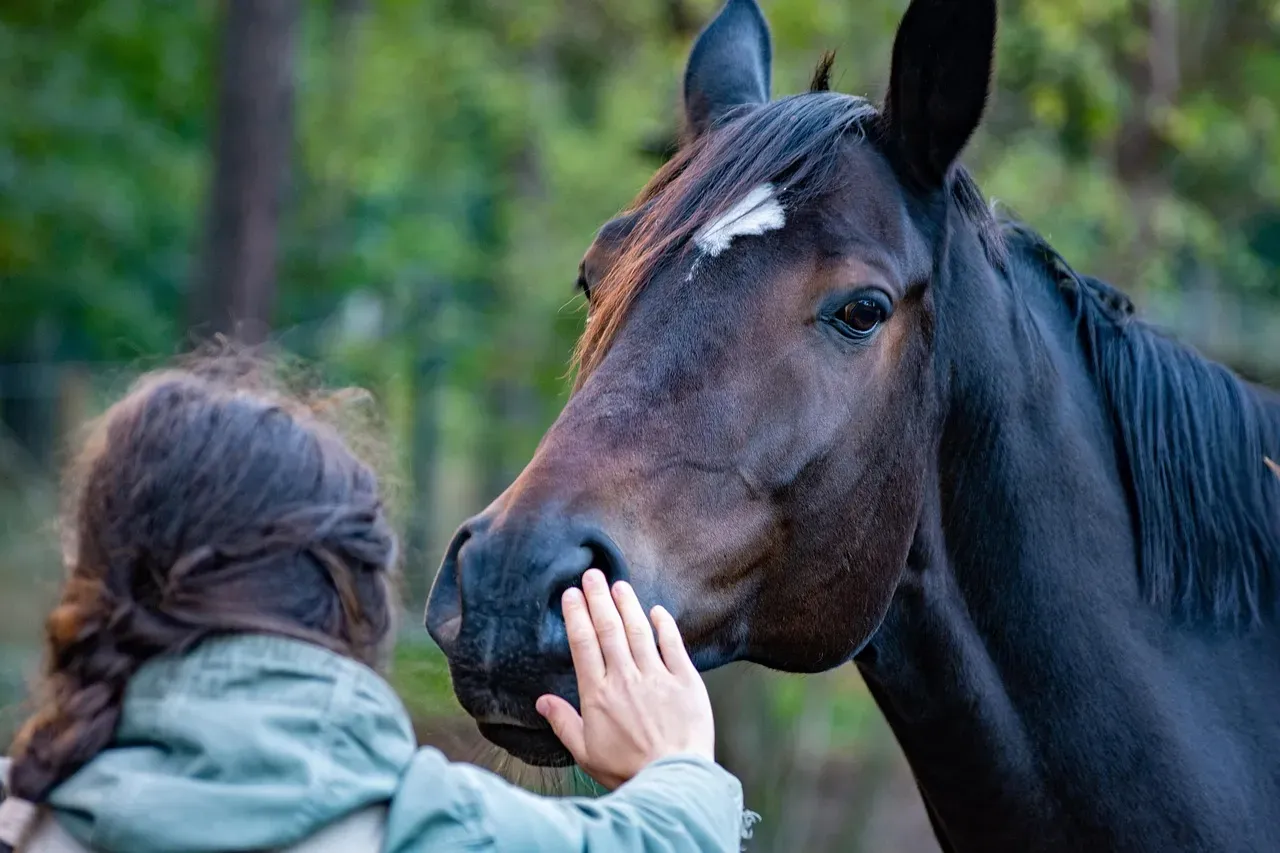
If you zoom out, the incredible thing about these bonds is how quietly they reshape people. Caring for an animal often teaches patience in a way no self-help book can. You learn to read signals that are not verbal, to respect limits, to forgive accidents, and to find joy in tiny, repetitive moments – like the way a bird tilts its head when you walk in, or how a dog’s whole body wags at the sound of your key in the lock.
On a larger scale, strong human–animal relationships can shift how we see other species altogether. It becomes harder to dismiss animals as “just animals” once you’ve spent years sharing a home or workplace with one who clearly feels, remembers, and chooses. Maybe that’s why these bonds feel unbreakable: they don’t just connect us to one creature, they quietly stretch our circle of empathy. And once your heart has stretched like that, can it ever really go back to the size it was before?
Conclusion: The Invisible Threads We Choose to Hold
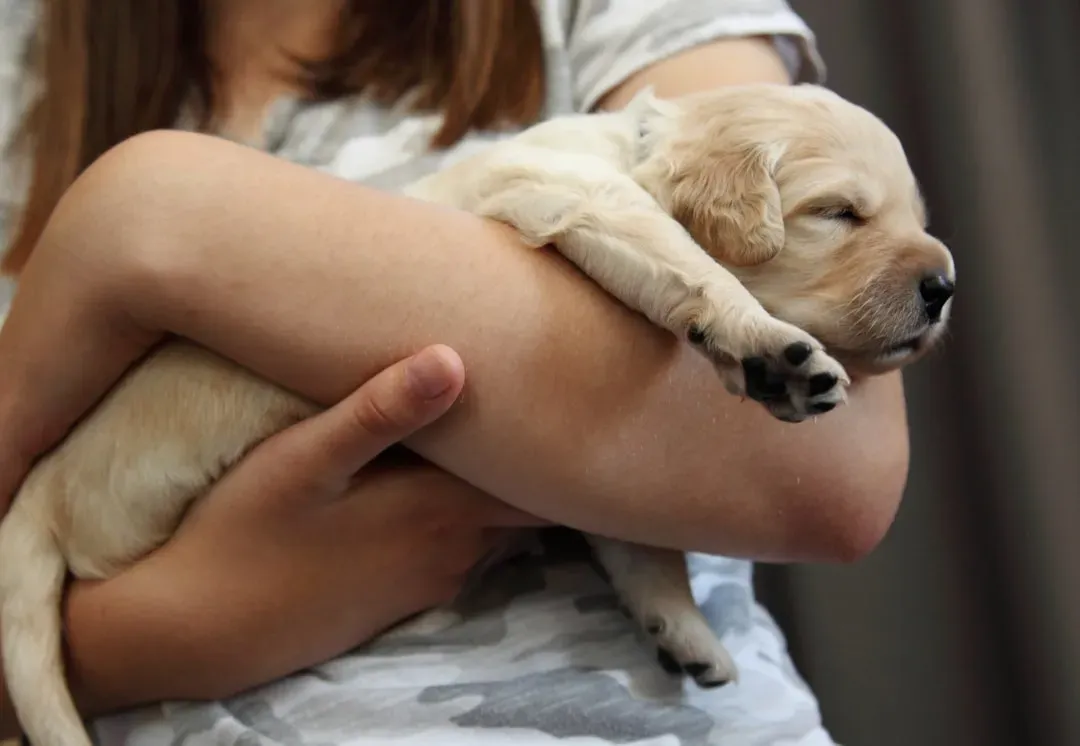
When you strip everything else away, the bond between animals and their caregivers is made of a thousand invisible threads: shared routines, mutual trust, healed fears, and simple, steady presence. It’s not always glamorous or dramatic. Most days, it looks like cleaning bowls, scooping litter, refilling hay nets, clipping leads, or turning off the light after one last goodnight pat. But underneath those ordinary acts is something quietly extraordinary – two different species choosing, day after day, not to walk away.
In a world that often feels loud, rushed, and disconnected, these relationships can be a kind of stubborn, gentle rebellion. They remind us that attention is a form of love, that reliability can be sacred, and that connection doesn’t need words to be real. Maybe that’s why, years later, we still dream about the animals we’ve loved and lost, and still feel pulled to care for new ones. When you think of the animals in your life – past or present – which invisible thread do you feel most strongly tug on your heart?
