

Close your eyes for a moment and think about what you can sense. Light, sound, smell, touch, taste. That’s essentially the full inventory of human perception. It’s not nothing, but compared to the rest of the animal kingdom, it’s a remarkably narrow slice of reality.
Out there, right now, a shark is detecting the faint electrical pulse of a heartbeat buried under sand. A bat is painting a perfect three-dimensional map of a cave using only sound. A tiny bumblebee is reading an invisible electrical signature on a flower petal to figure out whether another bee got there first. The world is saturated with information that most of us will never perceive. Animals don’t just have sharper versions of our senses. Some of them have entirely different ones.
#1: Electroreception: The Sixth Sense That Actually Exists
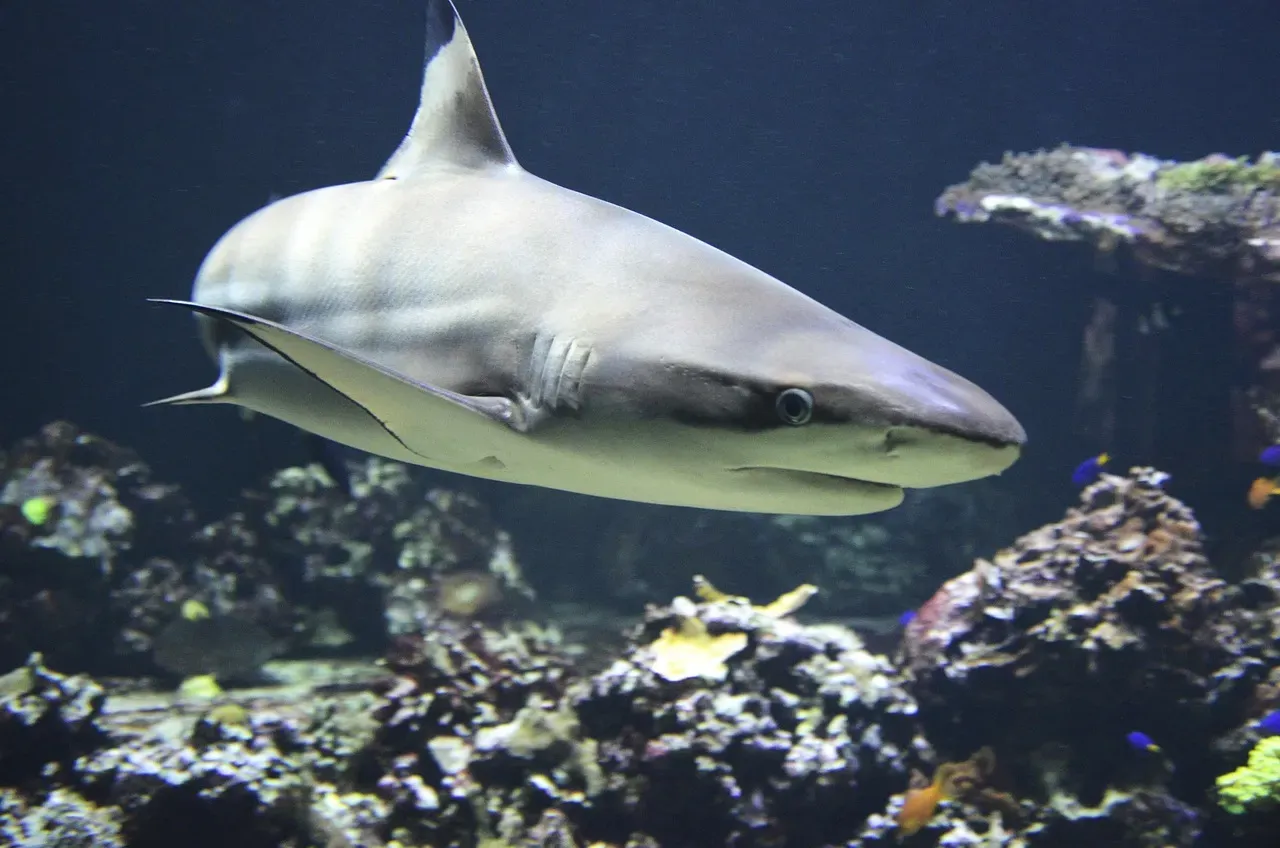
Of all the sensory abilities in the animal world, electroreception is perhaps the most genuinely alien to human experience. It is the ability to detect electrical fields in the environment, a genuine sixth sense that humans completely lack, used by hundreds of species to find food, navigate, and communicate. The physics behind it are surprisingly elegant. Every living thing generates faint electrical fields: muscles produce tiny voltages when they contract, the heart creates a rhythmic electrical pulse, and even the chemistry between saltwater and freshwater generates detectable fields.
Sharks are among the most celebrated examples, and for good reason. In sharks and rays, electroreception depends on structures called ampullae of Lorenzini, visible as tiny dark pores scattered across the snout. Each pore opens into a gel-filled tube that ends in a cluster of sensory cells, and the gel acts as a conductor, funneling voltage from the skin’s surface down to those cells. The sensitivity is almost absurd. Voltages below 0.05 microvolts per centimeter are enough to trigger a response. A single AA battery produces 1.5 volts. Sharks are detecting signals tens of millions of times weaker.
The platypus is one of the few mammals with electroreception, a sensory ability that allows it to detect electrical signals generated by the muscle contractions of its prey. This superpower is especially useful when hunting underwater, where visibility is low. By sensing the faint electrical fields of its prey, it can navigate and hunt with incredible accuracy. What makes the platypus case so fascinating is the anatomy involved. Instead of gel-filled tubes, its bill contains modified mucous glands that function as electroreceptors, developing in a distinctive striped pattern across the bill’s surface and reaching full maturity around six months, right when young platypuses begin foraging on their own.
#2: Echolocation: Hearing the Shape of the World
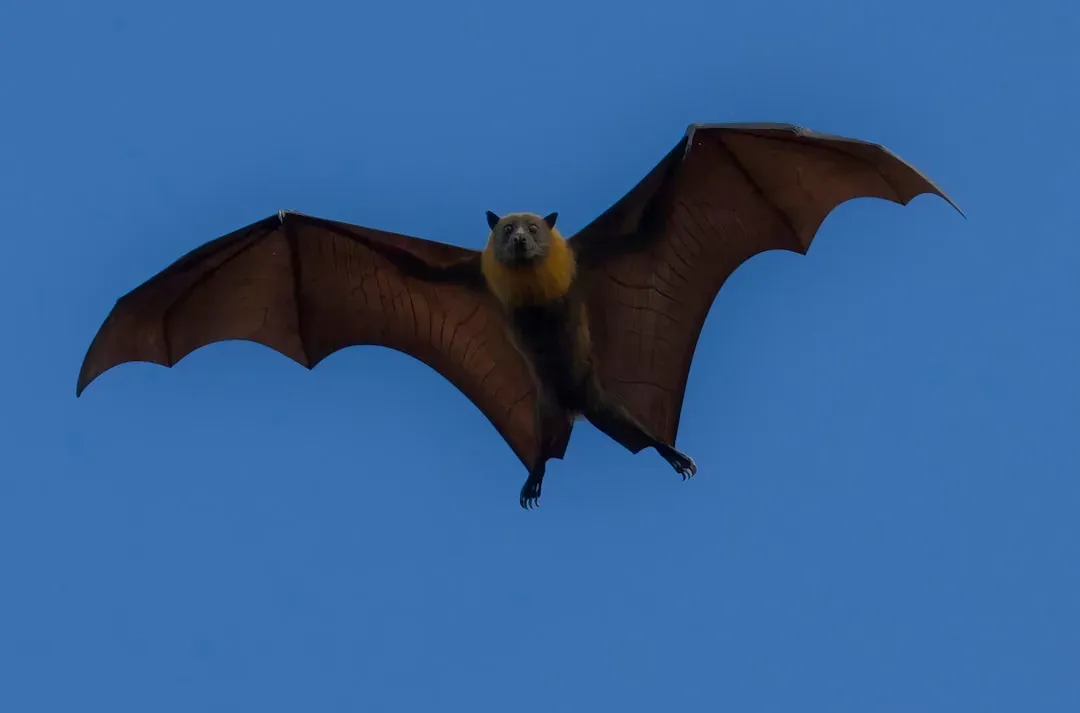
Bats are perhaps the best-known animals with highly evolved sensory perception, using echolocation to navigate and hunt in complete darkness. By emitting high-frequency sound waves and listening to the echoes that bounce back, bats can “see” their surroundings even when light is unavailable. This allows them to detect small insects mid-flight, making them incredibly efficient nocturnal predators. What’s less commonly appreciated is the sheer resolution of that system. Echolocation uses ultrasonic frequencies well beyond human hearing, and bats typically emit calls between 20 and 100 kilohertz depending on species and environment.
Dolphins take this ability to an even more remarkable level. Dolphins and other toothed whales emit clicks and whistles from their melon, a fatty organ in their forehead. These sound waves travel through water, and echoes return to their lower jaw, transmitting vibrations to their inner ear. This system allows them to navigate murky waters, locate fish, and identify prey hidden within sand or vegetation by creating detailed acoustic images of their underwater world. Research has suggested that dolphin sonar is so precise that it can determine the size, shape, and even internal structure of objects.
A 2024 study added another dimension to our understanding of bat echolocation. In addition to using echolocation for short-range tasks such as locating prey and avoiding obstacles, bats can use echolocation to create longer-range mental maps that allow them to navigate over several kilometers. That’s not just sensory detection. That’s something closer to spatial memory built entirely from sound.
#3: Magnetoreception: The Built-In Compass
Imagine navigating thousands of miles across open ocean without a map, a GPS, or even a visible landmark. For many animals, this isn’t a thought experiment. Magnetoreception is a sense that allows an organism to detect the Earth’s magnetic field. Animals with this sense include some arthropods, molluscs, and vertebrates including fish, amphibians, reptiles, birds, and mammals. The sense is mainly used for orientation and navigation, but it may also help some animals form regional maps.
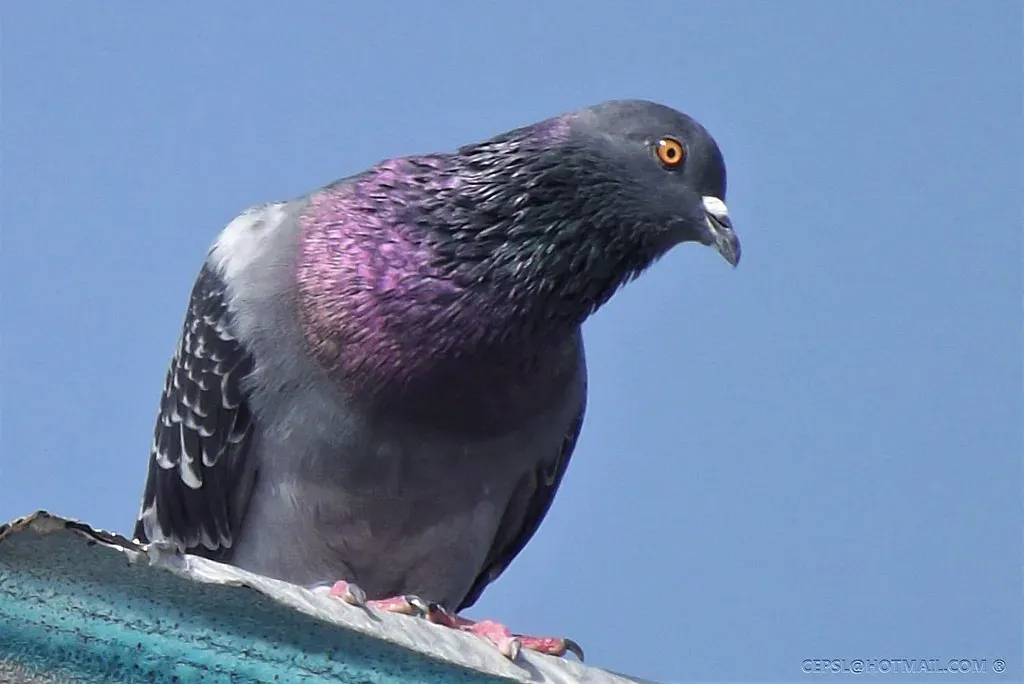
Magnetoreception acts as an internal compass for long-distance navigation. Migratory birds such as warblers and swallows use this sense to orient themselves during seasonal journeys across continents. While the exact biological mechanism is still being researched, it is thought to involve specialized cells in their eyes sensitive to magnetic fields, providing directional information. Birds actually appear to have multiple overlapping systems for this. Experiments on migratory birds provide evidence that they make use of a cryptochrome protein in the eye, relying on a quantum radical pair mechanism to perceive magnetic fields, an effect that is extremely sensitive to weak magnetic fields and readily disturbed by radio-frequency interference.
The range of species involved is wider than most people expect. A 2023 study demonstrated that magnetoreception is likely more common in animals than once thought, with scientists discovering that a molecule present in all living cells can make animals sensitive to magnetic fields if there’s enough of it, suggesting many additional animals beyond those already known may have this capability. Even dogs appear to have some degree of it. Research into animal behavior found that even dogs seem to have magnetoreception, which they can use for navigation. Many dogs align themselves along a north-south axis when defecating, which scientists believe may help them map their location relative to other spots.
#4: Ultraviolet Vision and the Invisible Color Spectrum
Human color vision is, objectively, pretty limited. We see three primary color channels, which is enough to produce a rich visual world by our standards. Some animals see far beyond that. Our measly three cone cell types are trumped by a tiny creature sporting an incredible 15 different types of cone cell: the humble mantis shrimp. Researchers are still debating exactly how that translates into visual experience, but what’s certain is that the mantis shrimp is operating with a fundamentally different visual system than anything we can fully imagine.
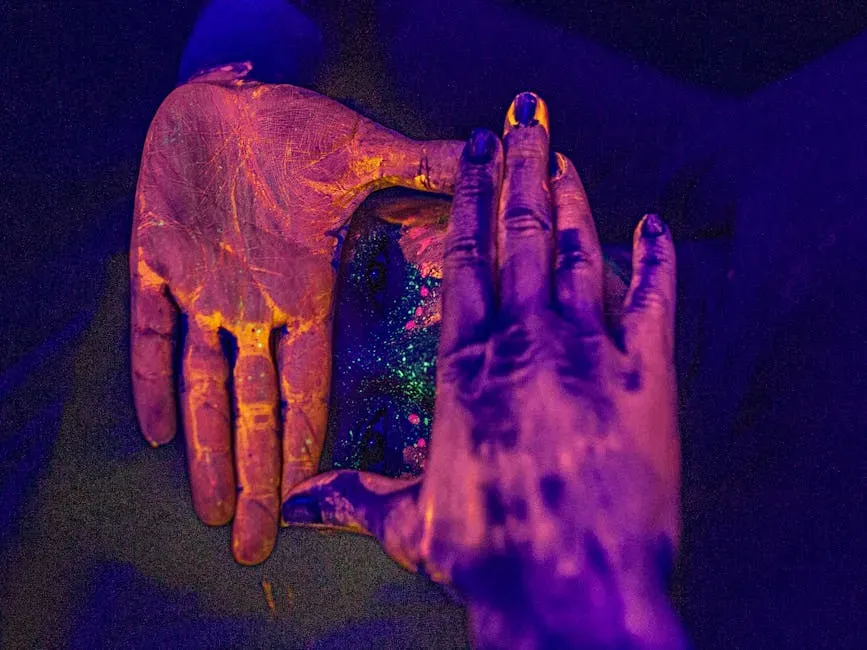
For bees, ultraviolet vision is a practical tool rather than just a biological curiosity. Bees can process ultraviolet light to make the flowers they target more vivid and ensure the pollen stands out. Flowers that appear plain to a human eye often carry elaborate ultraviolet patterns that effectively act as landing guides for pollinators. Bees use UV patterns on flowers to locate nectar efficiently, and birds use UV vision for mate selection and territorial signaling.
Some predators use ultraviolet perception in an equally striking way. Certain animals, such as kestrels, can locate prey by seeing rodents’ urine trails in UV light. This essentially gives them a glowing trail map across an open field, completely invisible to the prey being tracked. The ability to perceive UV light expands the visual world, revealing details and patterns that are completely hidden from human view. It’s a reminder that the visual world we experience is just one possible interpretation of the light that surrounds us.
#5: Infrared Detection and Full-Body Taste: The Senses We Can’t Even Imagine Having
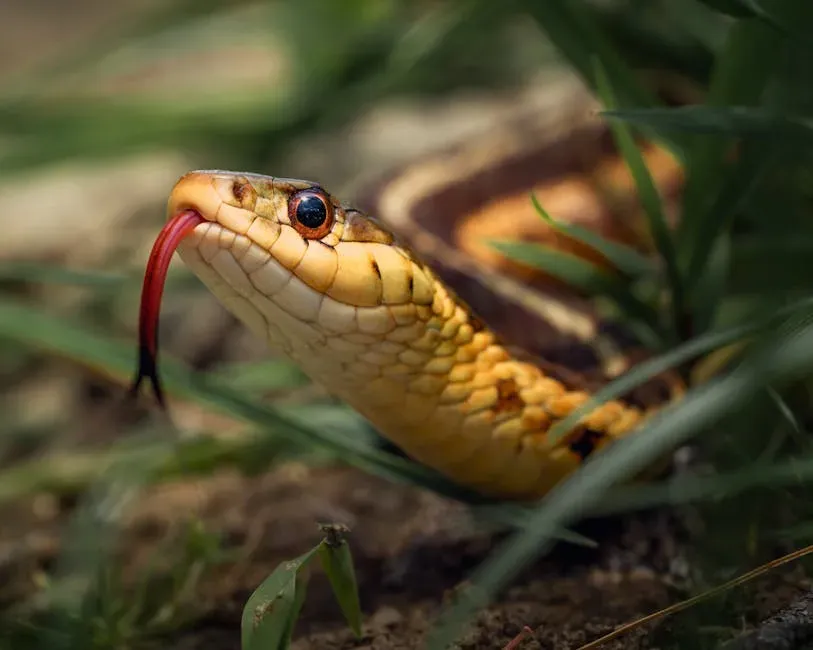
Pit vipers and related species possess a sensory ability that sits somewhere between touch and sight. Pit vipers detect infrared radiation to locate warm-blooded prey in darkness. The heat-sensing pits located on either side of their snout are so sensitive that they can detect temperature differences of fractions of a degree, effectively allowing the snake to construct a thermal image of a nearby animal in complete darkness. Vampire bats use heat-sensitive channels in their noses to “see” blood, tracking the warmth of fat and juicy vessels on food sources like tapirs, cattle, and chickens.
Then there’s the catfish, which takes the concept of taste and stretches it far beyond anything recognizable. This fish has up to 175,000 taste-sensitive cells in its entire body, compared to the average person’s roughly 10,000 taste buds. Along with its four pairs of whiskers, these taste cells help the fish taste its food and locate any prey nearby. The entire body becomes a sensory organ. Catfish bodies are covered in taste receptors so they can tell when a tasty meal is close by, a sense that is crucial for survival in the murky waters they call home.
The star-nosed mole offers yet another sensory extreme worth mentioning. Their exquisite noses have six times as many sensory receptors as human hands. That nose, with its ring of 22 fleshy tentacles, is one of the most touch-sensitive organs ever documented in a mammal. Advanced sensory perception refers to the enhanced or specialized ability of an animal to detect and interpret environmental stimuli, with heightened senses allowing animals to perceive their surroundings in extraordinary ways. These abilities provide a significant survival advantage, helping animals navigate, hunt, and avoid predators in their unique environments.
What This All Means for How We Understand the World
There’s something quietly humbling about all of this. Humans have built telescopes to see distant galaxies and microphones to detect faint sounds, but a shark already carries the equivalent of a precision electrical sensor in the skin of its face. A bat navigates through a forest at night with spatial accuracy that would challenge sophisticated radar. Animal senses extend far beyond human perception, revealing a biological world shaped by extreme sensitivity and specialization. From mantis shrimp detecting multiple light channels to bats using echolocation to navigate complete darkness, evolution has produced sensory systems tuned for survival rather than comfort.
What makes this topic worth sitting with is not just the catalog of abilities, impressive as it is. It’s the deeper implication that the more we learn about other species, the less impressive even our sharpest sensory powers become. Pit vipers have infrared vision, bees can view ultraviolet light, and electric eels use their zaps to “see” through the murky waters of the Amazon. These animals and others have evolved to experience aspects of the world that sit beyond the borders of our perception.
In my view, the real takeaway here isn’t envy, it’s perspective. Every creature inhabiting this planet lives inside its own version of reality, shaped by millions of years of sensory evolution. We share the same physical world, but we’re not all reading the same information from it. The shark gliding through shallow water and the bee hovering above a flower are each perceiving a richness of signal that we can study and admire but never fully inhabit. That’s not a limitation so much as a reminder: the world contains far more than any single set of senses can ever reveal.

- Why Veterinarians Say If Your Cat Sleeps With Their Back to You, It's the Highest Form of Trust in Feline Behavior - July 20, 2026
- The Zodiac Signs That Owls Avoid Completely (And What Folklore Says It Means About Your Energy) - July 20, 2026
- You Won’t Believe What These 5 Animals Eat for Dinner - July 20, 2026