


The picturesque landscapes of the United States have long been home to diverse and abundant wildlife, including the majestic deer species that roam freely across forests, plains, and mountains. Among the many captivating wildlife events captured on camera, the sighting of the largest deer herd ever filmed in the U.S. stands out as a truly extraordinary phenomenon. This remarkable gathering of deer has sparked interest among wildlife enthusiasts and researchers alike, offering invaluable insights into deer behaviour and ecology.
Understanding Deer Populations in the U.S.
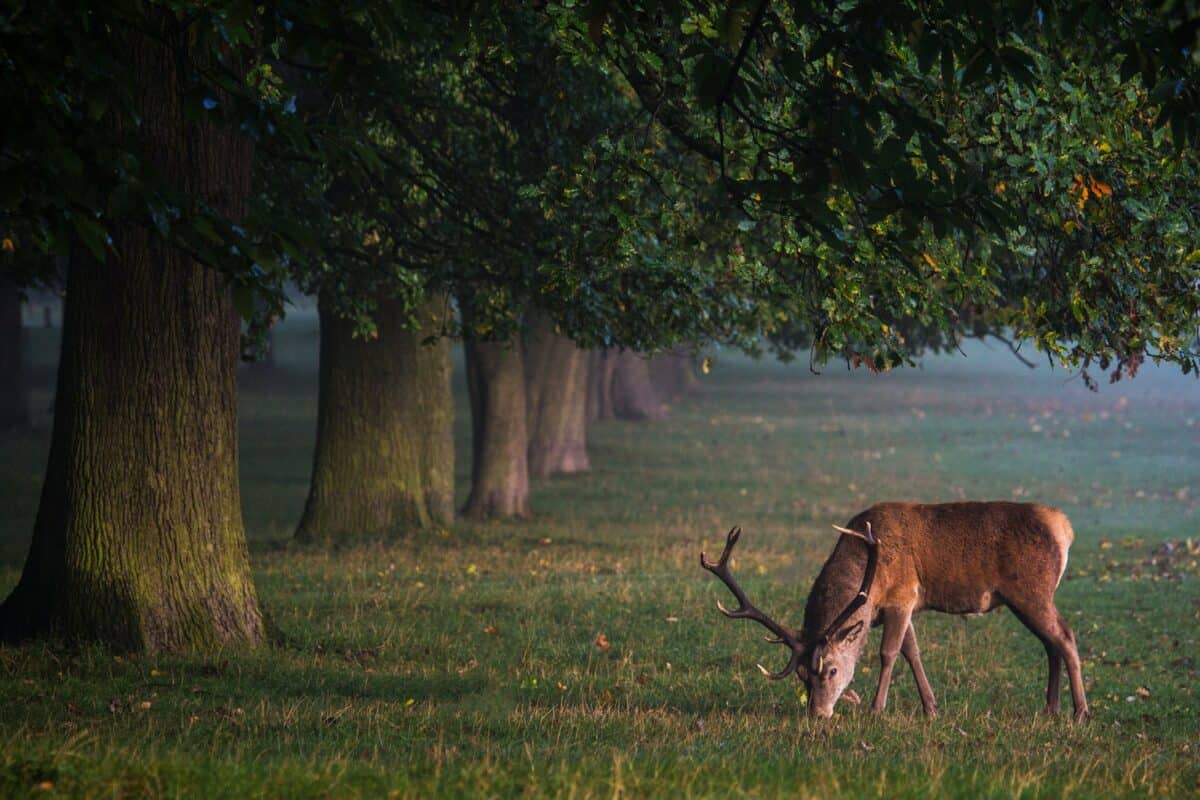
Deer are an important part of the American wildlife tapestry, with several species inhabiting different regions of the country. The most common species include the white-tailed deer, mule deer, and black-tailed deer. Understanding the distribution and dynamics of these populations is essential for effective wildlife management and conservation efforts.
The Significance of Large Deer Herds
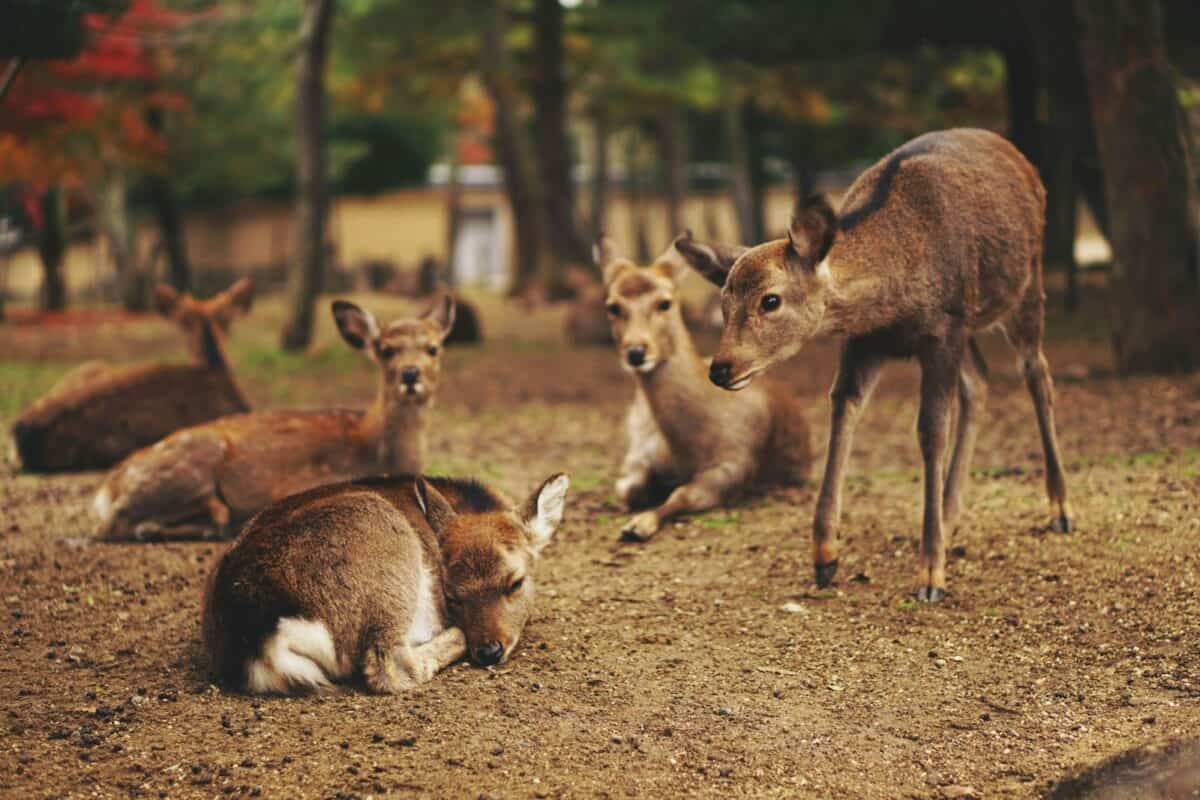
Large deer herds are a spectacle to behold, providing clues about the ecological health of their habitats. These gatherings can be indicators of population health, food availability, and the success of conservation strategies. The sighting of a particularly large herd can reveal much about the balance of nature in that area.
The Event: Capturing the Largest Deer Herd
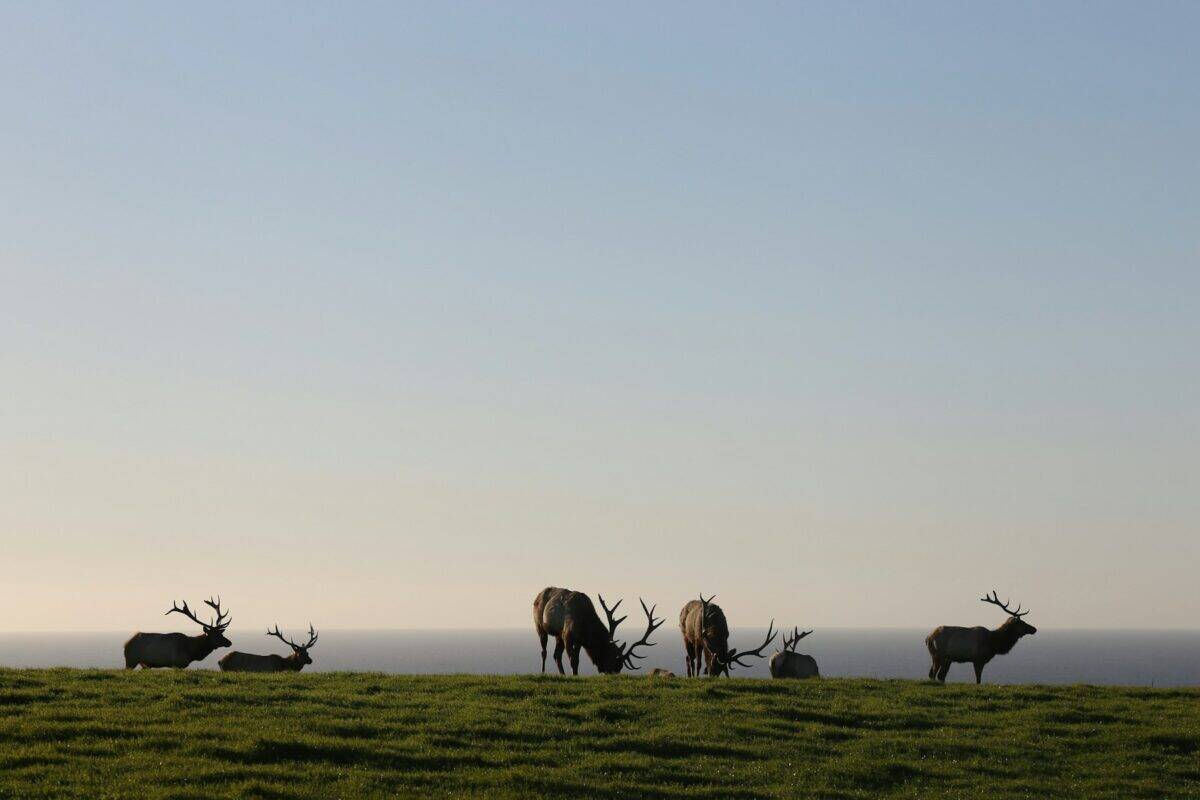
In a remarkable event that captivated wildlife observers, the largest deer herd ever filmed in the U.S. was documented in the northwestern region of the country. This incredible sighting involved thousands of deer moving across the landscape, a scene reminiscent of the great plains migrations of other large herbivores.
Habitat and Conditions Favorable for Large Herds

The formation of large deer herds is often influenced by the availability of suitable habitat and favorable environmental conditions. In this particular instance, the expansive landscapes of grasslands and open forests provided ideal conditions for the deer to gather in such large numbers.
Factors Contributing to the Herd’s Size
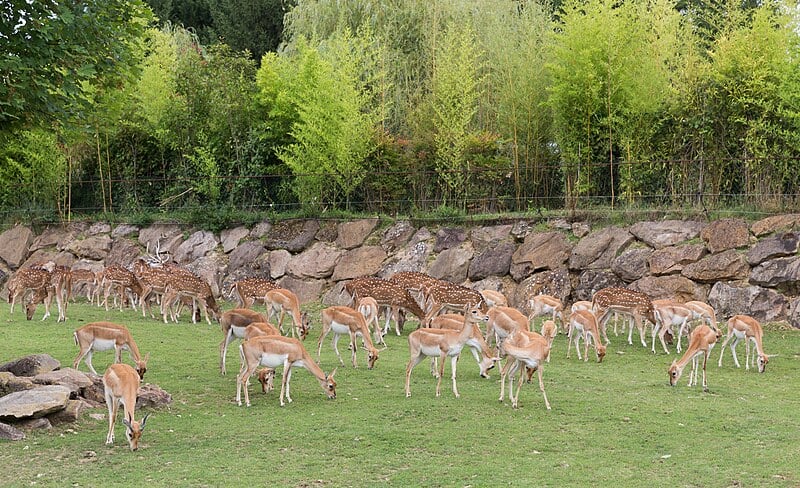
Several factors contribute to the formation of substantial deer herds. Food availability, predator pressure, mating behaviors, and seasonal changes are all critical elements that impact herd size. In regions where these conditions align favorably, deer can congregate in impressive numbers.
The Role of Technology in Observing Wildlife
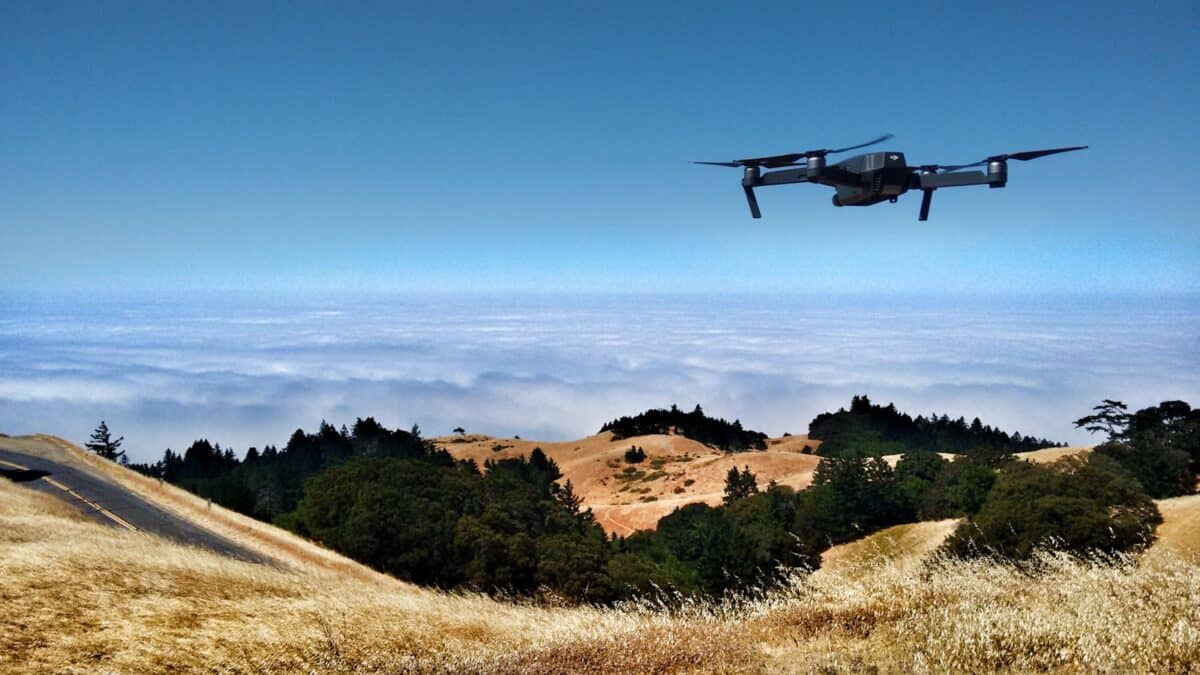
Advancements in technology have played a vital role in wildlife observation and research. The use of drones and high-definition cameras allowed researchers and enthusiasts to document this massive deer herd from a unique aerial perspective, providing invaluable data for further study.
Insights Gained from the Observation

Observing such a large gathering of deer offers researchers insights into social behaviors, movement patterns, and herd dynamics. This information can inform conservation strategies and improve our understanding of how deer interact with their environment.
The Ecological Impact of Large Deer Herds
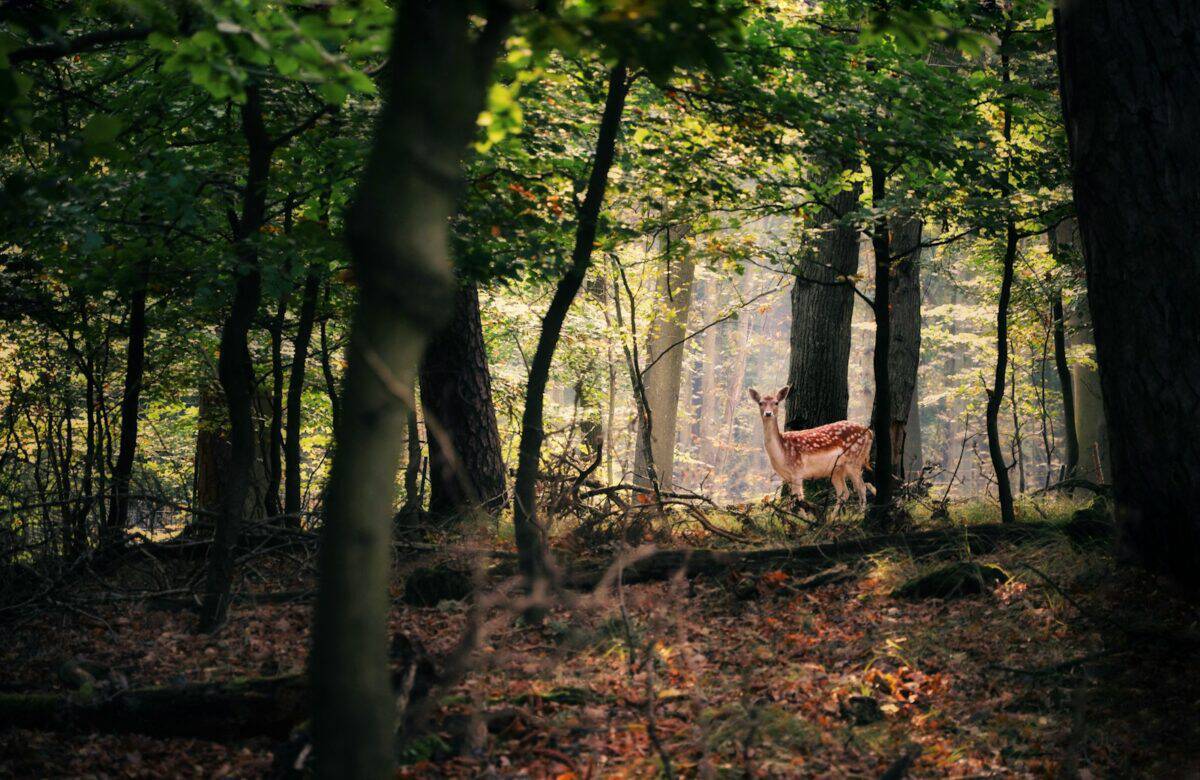
Large herds of deer can have significant ecological impacts, both positive and negative. They play a role in seed dispersion and plant growth, but overpopulation can lead to overgrazing and habitat degradation. Understanding these dynamics is essential for managing deer populations effectively.
Challenges in Filming Large Wildlife Gatherings
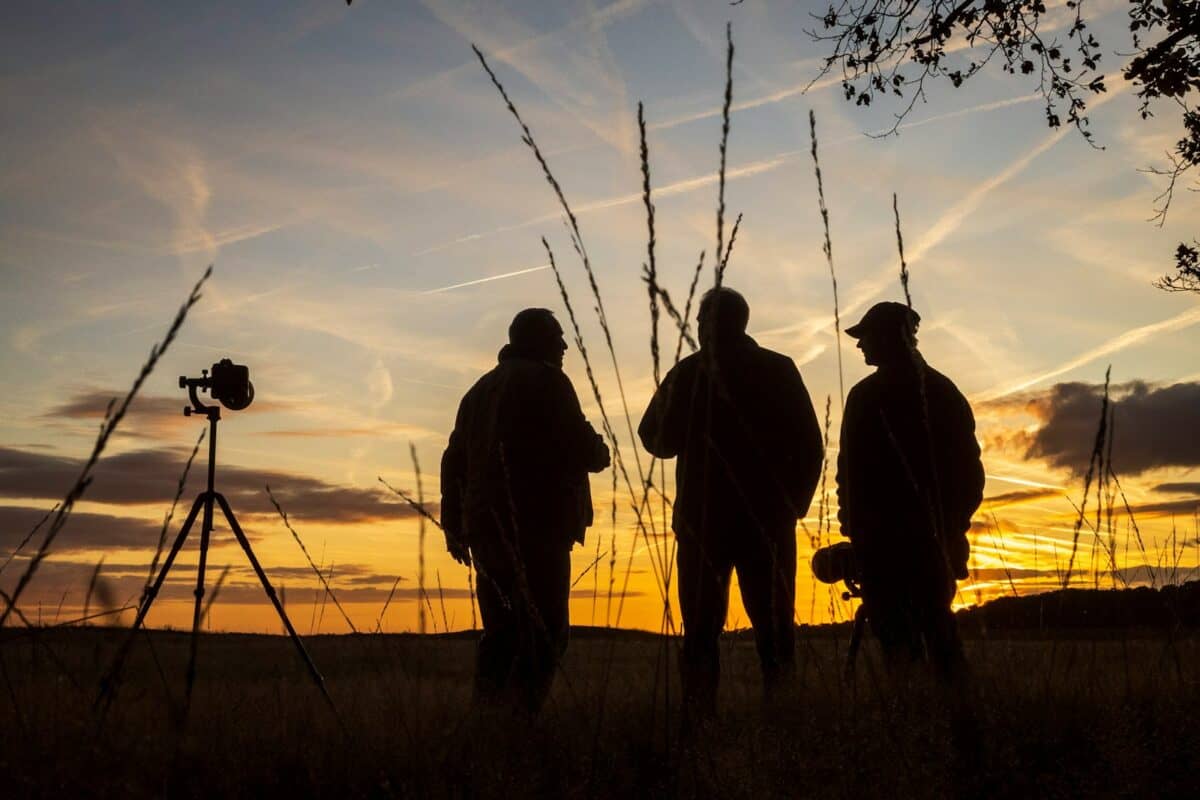
Documenting large wildlife gatherings poses several challenges, from logistical considerations to ensuring the welfare of the animals. Capturing these events requires meticulous planning and coordination among wildlife experts, camera operators, and conservationists.
Public Interest and Conservation Awareness
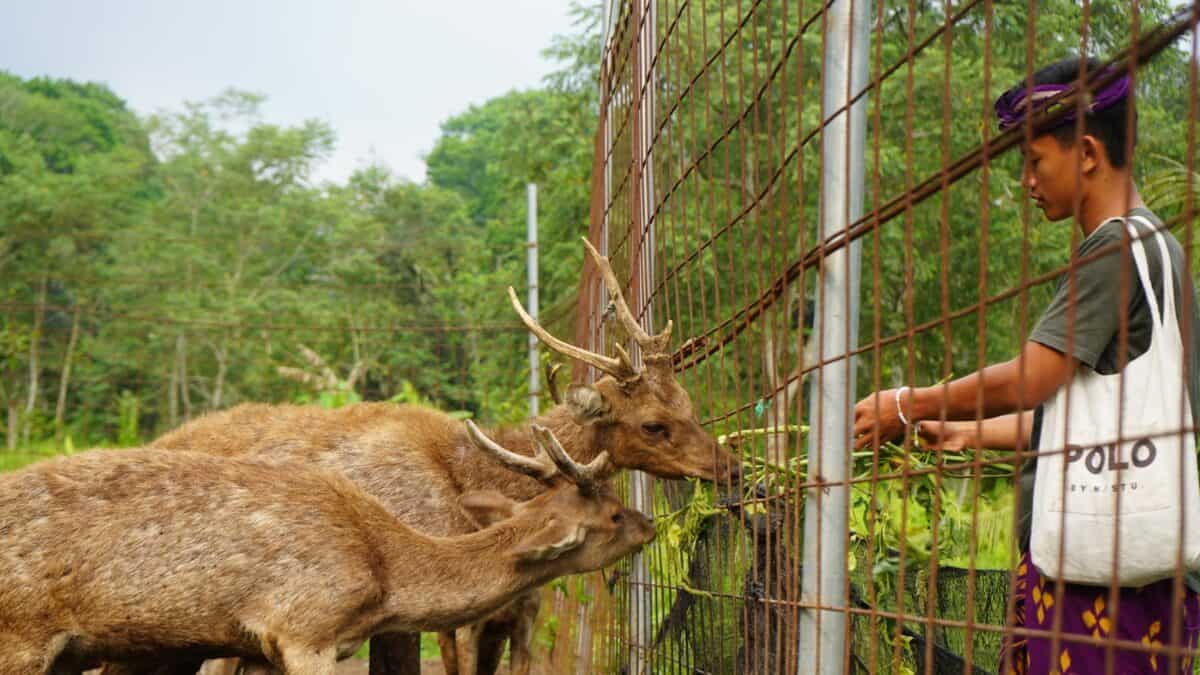
The filming of the largest deer herd sparked significant public interest, highlighting the importance of wildlife conservation and the role of protected areas in maintaining biodiversity. These events inspire curiosity and concern, encouraging people to support conservation efforts.
The Future of Deer Populations in the U.S.
As conservation strategies continue to evolve, understanding deer populations and their behaviors remains a priority. Protecting their habitats and ensuring sustainable population levels are crucial for the long-term health of these iconic species and the ecosystems they inhabit.
The sighting of the largest deer herd ever filmed in the U.S. serves as a reminder of the wonders of the natural world and the intricate balance that sustains wildlife. By studying such events, we gain a deeper appreciation for the complexity of ecological systems and the importance of preserving them for future generations. This incredible gathering of deer is not just a spectacle but a call to action to protect our natural heritage.

- 10 Incredible Turtle Species You Should Know About - July 19, 2026
- What’s Causing the Largest Bird Die-Off in America? - July 19, 2026
- How Tea Plantations Support Biodiversity and Wildlife - July 19, 2026