
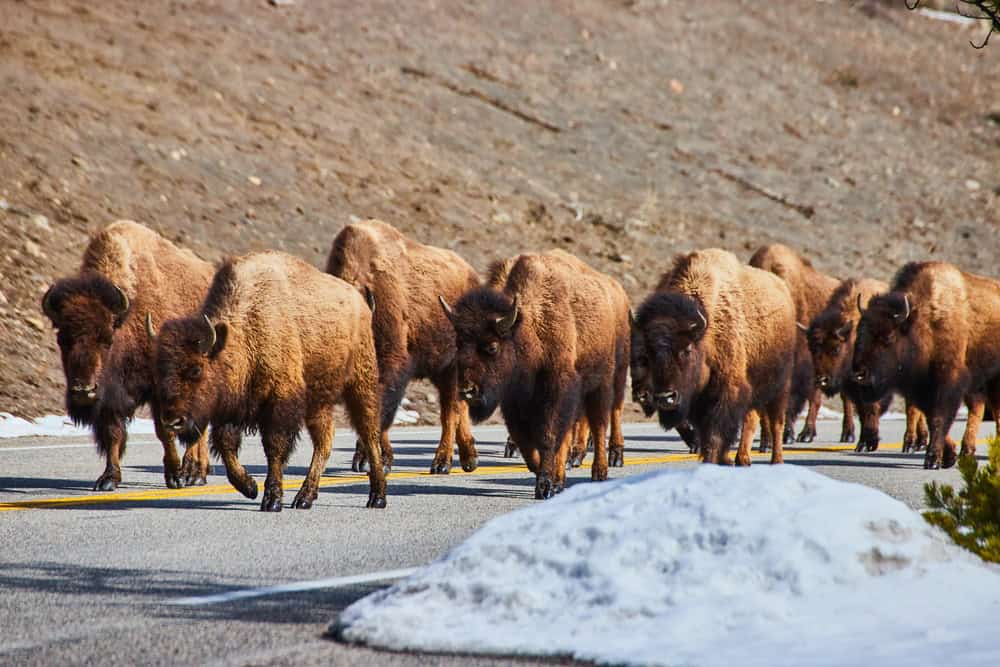
For centuries, the North American bison has roamed the vast plains, becoming an indelible symbol of the United States’ natural heritage. These majestic creatures once numbered in the millions, freely thundering across the landscape. However, relentless hunting and habitat loss drastically reduced their numbers. In recent years, a concerted effort to revive bison populations has led to remarkable conservation successes. This article explores the largest herd of bison ever documented in the United States, delving into the animal’s fascinating history, biology, and current conservation status.
The Bison: America’s Iconic Mammal

The American bison, known scientifically as Bison bison, is an enduring emblem of the United States. Resilient and adaptable, this mammal once held an unchallenged presence across the nation’s grasslands. Despite the devastating declines of the past, the bison’s legacy has been preserved through cultural significance, economic importance, and conservation efforts.
A Brief History of Bison Populations

The history of bison in North America is a tale of abundance and tragedy. Prior to European settlement, bison populations were estimated at 30 to 60 million. However, by the late 19th century, overhunting and habitat reduction left fewer than 1,000 bison in the wild. This drastic decline spurred the first efforts in wildlife conservation, laying the groundwork for future restoration projects.
Rediscovery and Revival

Thanks to dedicated conservation efforts, bison herds have been gradually increasing across the United States. Ranchers, indigenous tribes, and environmental organizations have worked tirelessly to restore these animals to their natural habitats. Today, bison can be found in protected areas, national parks, and private ranches, representing a significant recovery from near extinction.
The Role of National Parks in Bison Conservation

The establishment of national parks has been crucial to the rebounding of bison populations. Parks like Yellowstone and Wind Cave have played a vital role in housing and protecting these animals, allowing controlled breeding and minimizing human interference. Yellowstone National Park, in particular, is home to the most genetically pure herd of wild bison in the United States, offering a sanctuary for these creatures to thrive.
The Largest Known Bison Herd

The largest bison herd documented in the United States roams across the Henry Mountains in Utah. This herd, managed by the Utah Division of Wildlife Resources, has grown significantly since a small group of bison was introduced from Yellowstone in the 1940s. Numbering around 400 to 500 individuals, this herd is a testament to the success of strategic wildlife management and restorative initiatives.
Characteristics of the Henry Mountains Herd

The Henry Mountains herd is unique not only because of its size but also due to its genetic variability. While many bison have been crossbred with cattle in the past, this particular herd maintains a high level of genetic purity. Observations indicate robust health, diverse genetics, and natural adaptation to the regional environment, which are crucial factors for long-term sustainability.
Behavioral Patterns of Bison

Bison are known for their migratory behavior, traversing long distances in search of food and water. Social creatures, they form large groups, or herds, during migrations. Within these herds, intricate social structures unfold, consisting of dominant bulls, maternal groups, and playful juveniles. Their behaviors underscore the importance of social connectivity and environmental richness.
Reproduction and Lifecycle

Bison typically mate between July and September, with calves born in April or May following a nine-month gestation period. Calves are red-orange at birth, distinct from adults, which are dark brown. Mothers are protective, and family groups are integral to rearing young bison. These cycles ensure the continued growth and replenishment of herds.
The Ecological Impact of Bison

Bison are keystone species in their ecosystems, contributing significantly to biodiversity and soil health. Their grazing patterns help maintain grassland habitats, which benefits countless other species. Moreover, their natural behaviors, such as wallowing, help create microhabitats necessary for various plant and insect life.
Challenges Facing Bison Conservation
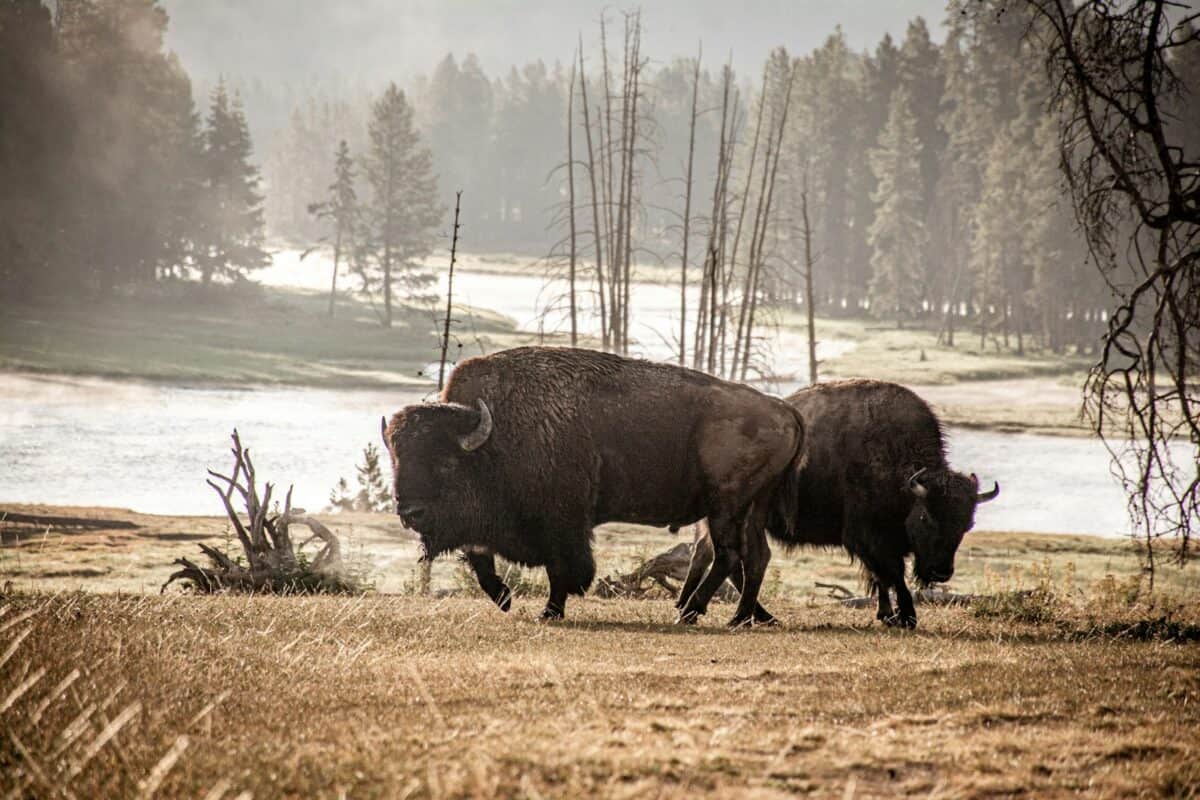
Despite their resurgence, bison still face numerous challenges. Habitat fragmentation, human-wildlife conflict, and genetic bottlenecks pose ongoing threats. Conservation efforts now focus on expanding bison ranges, mitigating human interference, and ensuring genetic diversity. These measures are vital for maintaining healthy, sustainable populations.
The Role of Indigenous Tribes in Bison Conservation

Indigenous tribes have played an essential role in the conservation and cultural preservation of bison. Many tribes have initiated bison restoration projects on reservations, linking ecological restoration with cultural revival. Their efforts are crucial, underscoring the deep-rooted connections between bison, land, and indigenous cultures.
Summary: A Symbol of Hope and Renewal
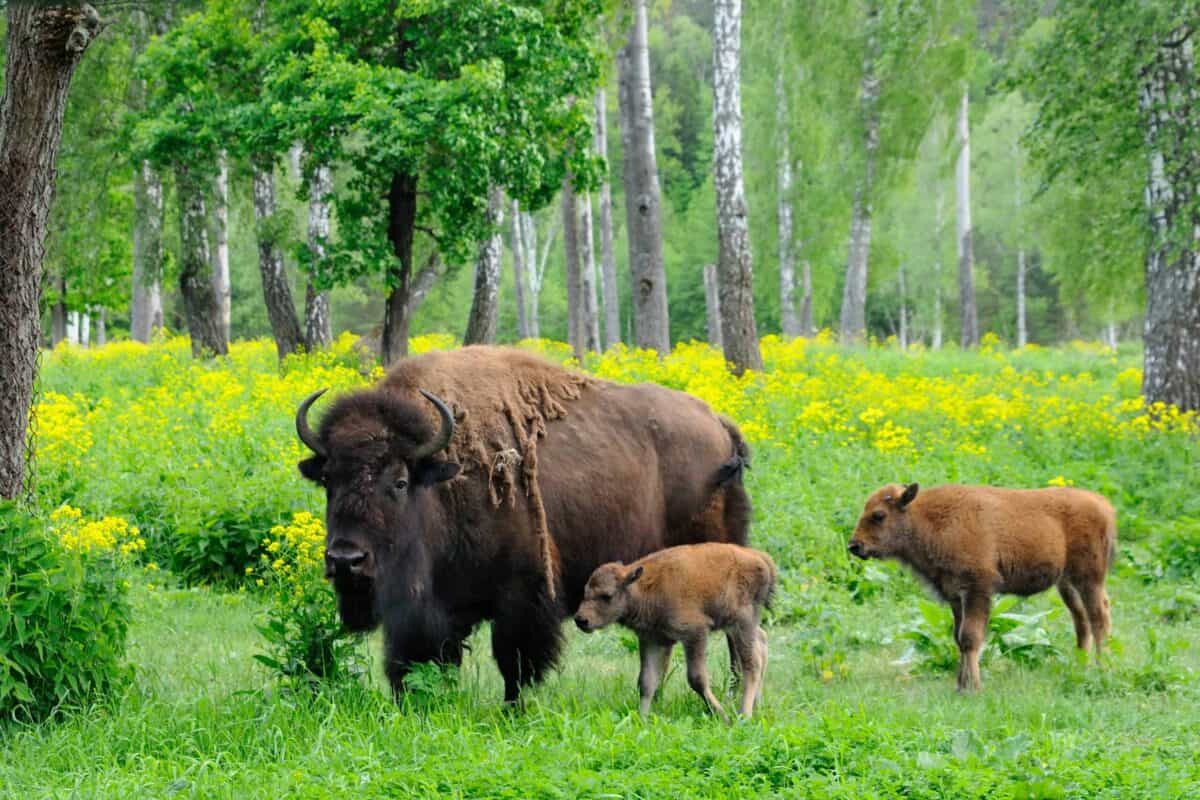
The story of the largest bison herd in the United States is one of hope and renewal. Through commitment and collaboration, the majestic American bison has been rescued from the brink of extinction. Today’s thriving herds are not only emblematic of successful conservation efforts but also a reminder of the profound impact humans can have on preserving biodiversity. The survival of bison carries significance beyond ecological boundaries, embodying resilience, cultural identity, and the enduring spirit of the American wilderness.

- The Story of the Arctic Fox’s Incredible Seasonal Transformation - July 18, 2026
- 10 Most Venomous Snakes in US National Parks - July 18, 2026
- The Moth That Drinks Blood - July 18, 2026