

Picture this: the sun turning an eerie blue, the moon glowing purple, and entire cities plunging into darkness at high noon. Sounds like science fiction, right? Yet this actually happened across North America and Europe in 1950, all thanks to one massive fire burning in Canada’s remote wilderness.
The Chinchaga Fire, with a final size of between 1,400,000 and 1,700,000 hectares (3,500,000 and 4,200,000 acres), became the single largest recorded fire in North American history. It created the world’s largest smoke layer in the atmosphere, affecting millions of people thousands of miles away. The story of this forgotten giant reveals how nature’s power can literally change the color of the sky.
Origins of a Sleeping Monster
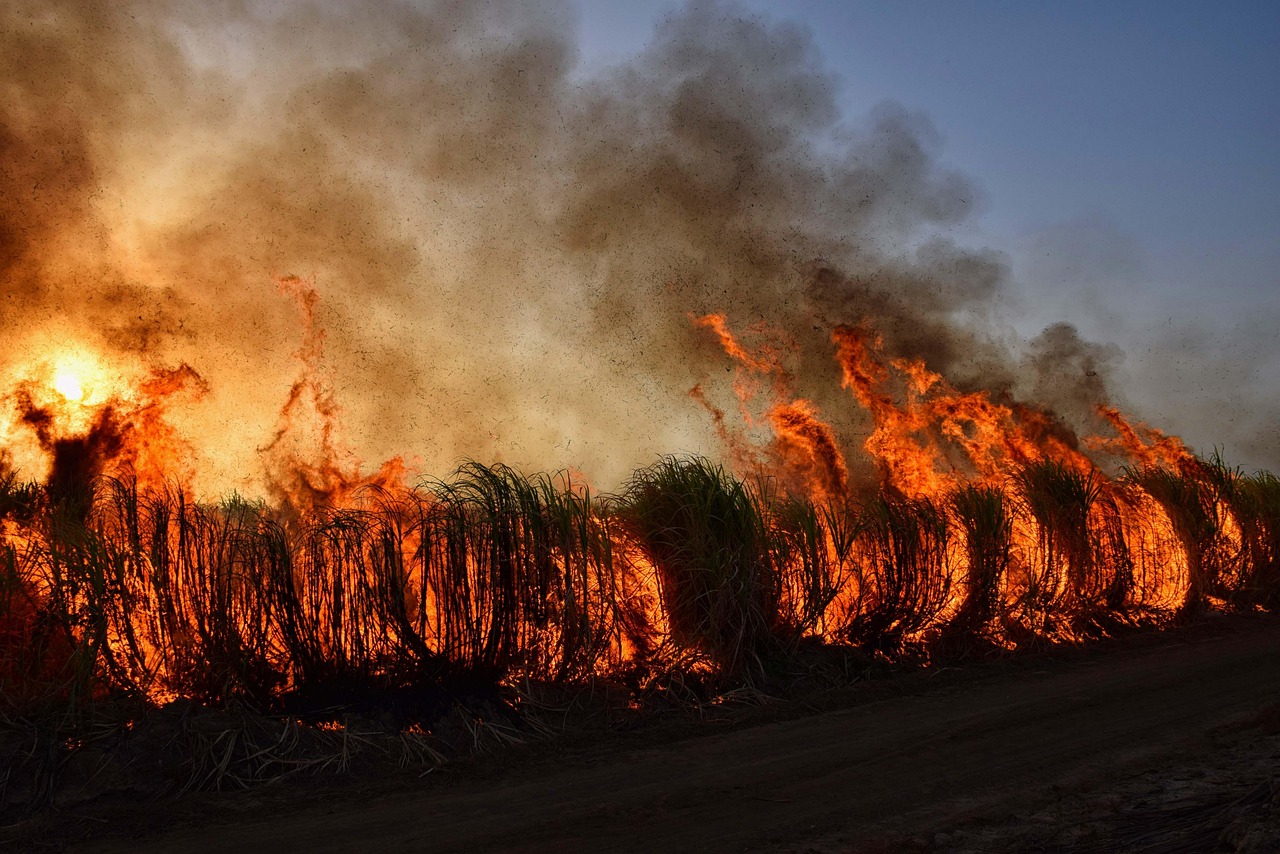
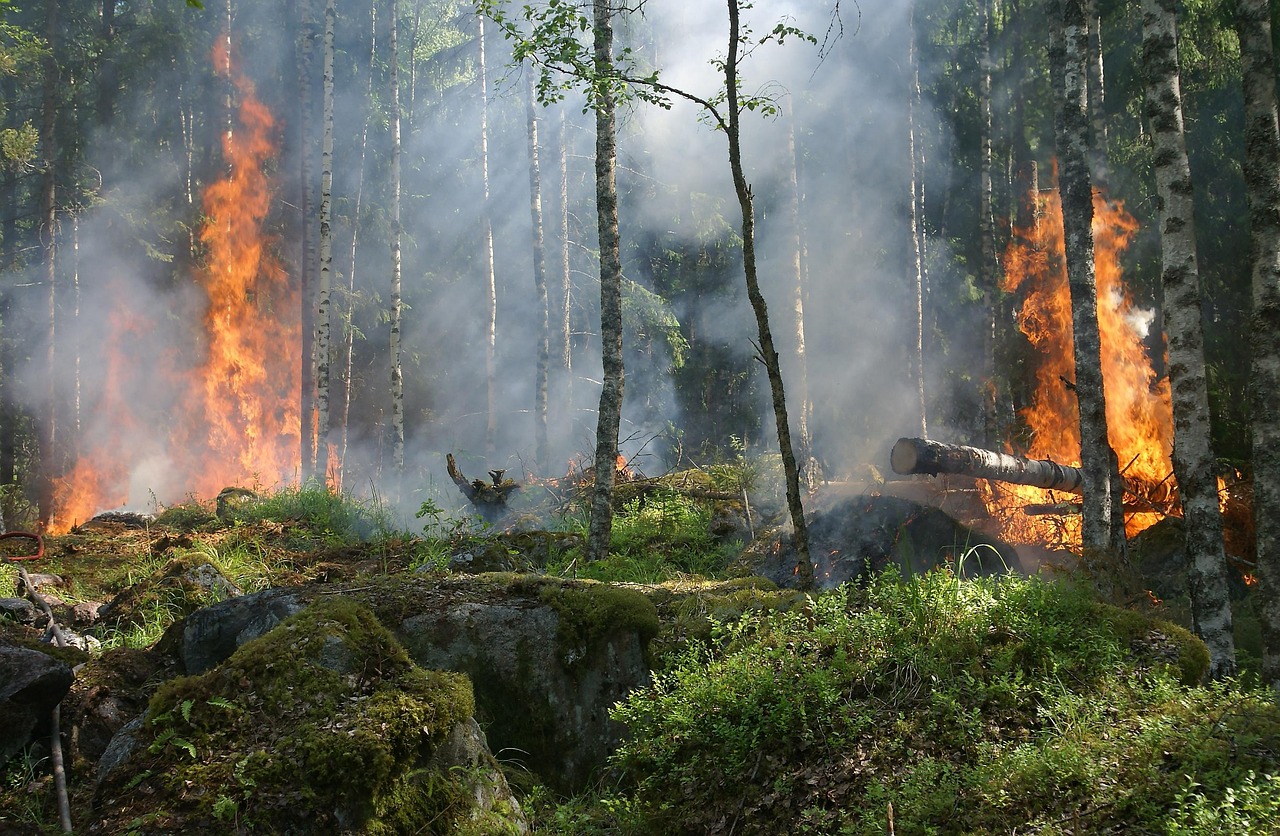
The blaze started on 1 June 1950, and continued to burn throughout the summer and early fall until the end of October. Sources vary as to the origin of the fire but agree that it was caused by human activity. One version faults an Imperial Oil surveying crew with starting a small blaze to protect their horses from biting insects. Another posits that slash burning from agricultural clearing could have been the initial spark.
The Chinchaga River region has a mix of black spruce, lodgepole pine and deciduous forests, giving way to muskeg in lower areas. Few people lived in the area in 1950. This vast wilderness would become the perfect stage for nature’s most destructive performance.
A Fire Policy That Changed Everything
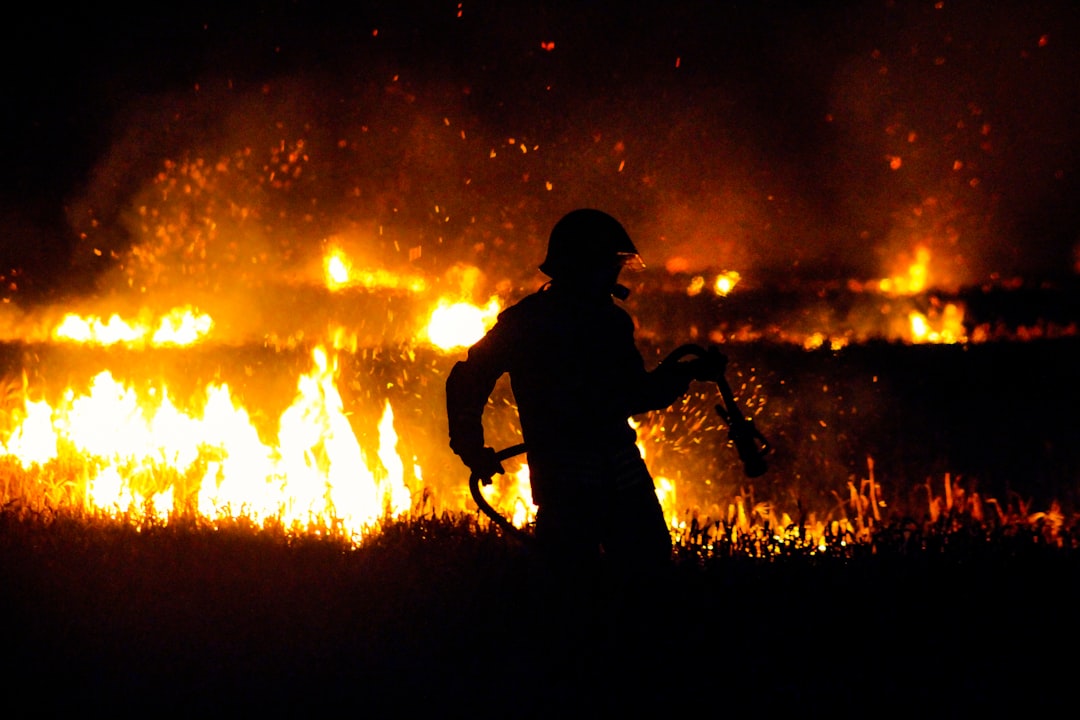
Here’s where the story gets wild: at the time, the Alberta forestry department’s policy was to respond only to fires within 16 kilometres (10 miles) of settlements and major roads. A request by the fire ranger at Keg River to fight the fire with a ground crew was denied by provincial fire managers. The authorities allowed the fire to burn freely, following local forest management policy considering the lack of settlements in the region.
Think about that for a moment. Firefighters literally watched as a monster grew, knowing they weren’t allowed to act. Chinchaga was a classic example of a “non-actioned” fire — remote, unfightable, and feeding on a near-infinite fuel supply. This hands-off approach would soon prove catastrophically shortsighted.
The Fire That Ate a Continent
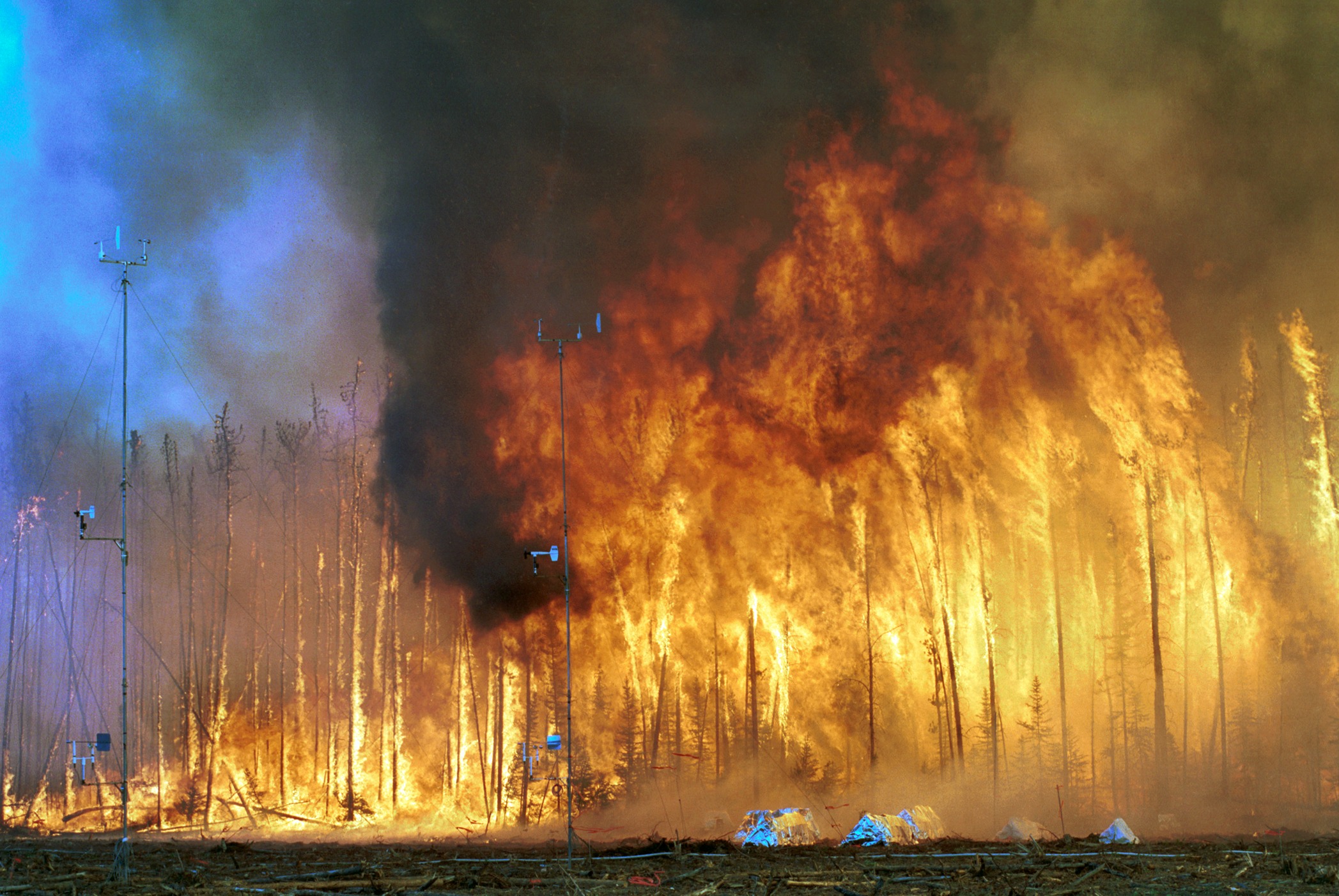
There were five “runs” in total, with the final expansion in September 1950 causing the most destruction and amounting to one-third of the total burned area. It finally was put out by cooler weather and rain in late October, as it approached Keg River in the Whispering River area (hence one of its names “Whisp Fire”). Most of the burned area was on the Alberta side of the inter-provincial border, with only 90,000 hectares (220,000 acres) burned on the British Columbia side.
Although this fire started on 1 June 1950 and burned through September, most of the fire spread occurred during brief periods when high wind events occurred. On 20 September, for example, the fire raced an estimated 35 km with wind gusts of 80 km hr−1. The fire moved like a living beast, sometimes dormant, sometimes explosive.
The Day the Sun Turned Blue
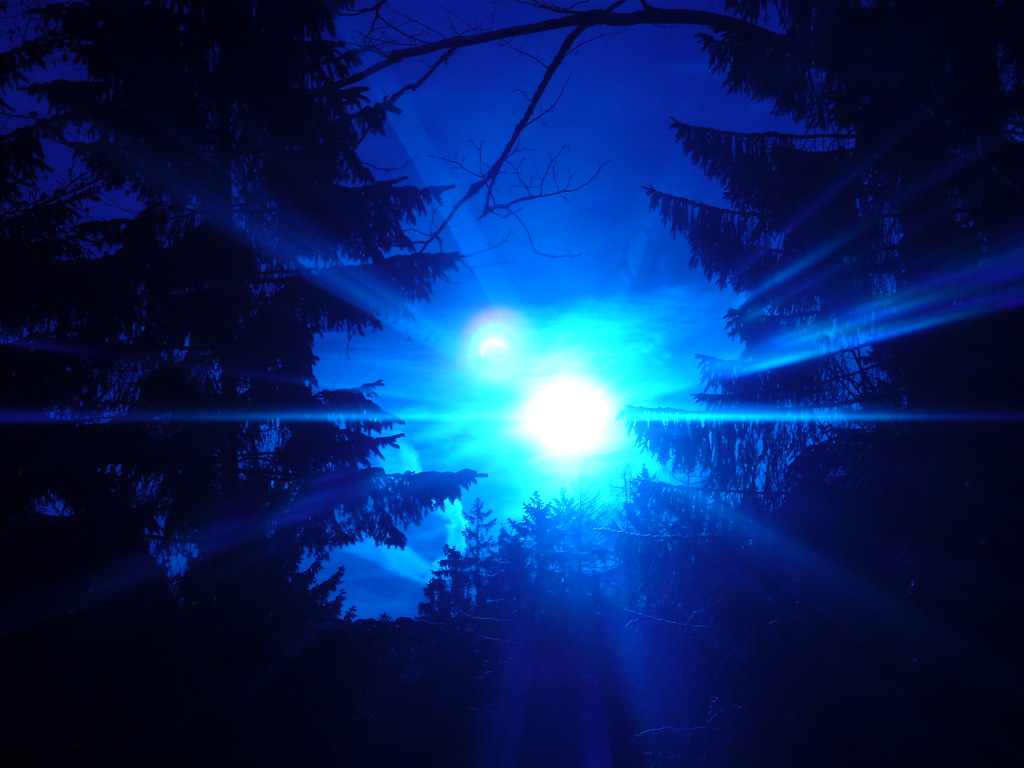
The Chinchaga fire produced large amounts of smoke, creating the “Great Smoke Pall”, observed across eastern North America and Europe. The giant smoke release from the conflagration in late September 1950 was first recorded at Ennadai Lake, in what is now Nunavut, on 24 September.
The province of Ontario experienced heavy smoke conditions that caused pitch darkness. The towns of Sarnia and Guelph experienced three-hour midday periods of darkness, streetlights in Toronto turned on by themselves, and drivers resorted to using their automobile headlights during daytime hours. In Toronto, power consumption increased by 200,000 kWh during the smoke event, causing power failures that in turn set off bank alarms, prompting police responses across the city. Imagine trying to explain to your boss why you were late to work because the sun disappeared at noon.
When Europe Saw Blue Moons
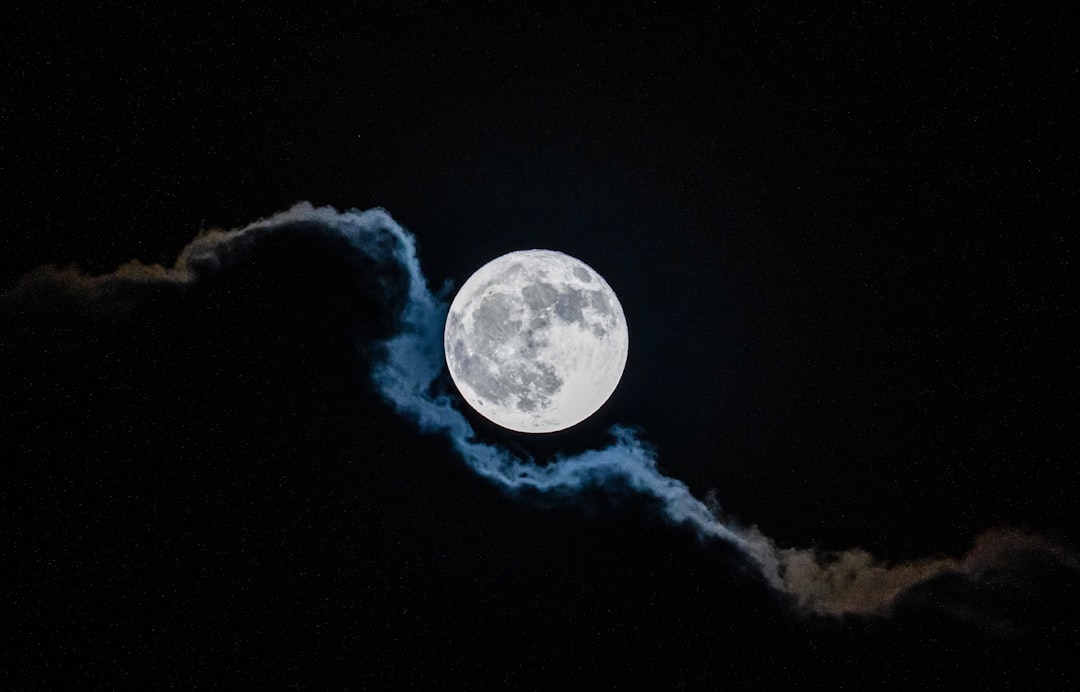
The northern smoke plume traveled over the Atlantic by way of Newfoundland and Greenland. On 27 September 1950, the plume was observed over Scotland, with reports over England following soon after. France, the Netherlands, Portugal, and Denmark also observed the plume. Reports by pilots put the haze over Europe at 12 km (7.5 mi) or more in altitude, higher than observed in North America.
The Chinchaga firestorm’s “historic smoke pall” caused “observations of blue suns and moons in the United States and Europe”. The particles were of such a size and density, and stayed that way for so long, that the moon and sun appeared blue. In early October, a smoke observation was made on the Aleutian Islands, suggesting that the Chinchaga haze had possibly circled the entire globe.
The Aftermath That Changed Fire Fighting Forever
As many observers could not smell it, and the news of the massive Chinchaga fire was sparse, affected people drew other conclusions about its source. Explanations included nuclear armageddon, local fires, secret U.S. military experiments, an American atomic bomb blast, supernatural forces, a solar eclipse, and an alien invasion. The fear was real, the panic was genuine.
According to Tymstra, the Chinchaga fire changed the way Alberta responded to forest fires. The panic created by the Chinchaga fire led the Canadian Forest Service to adopt new fire suppression methods to prevent another similar occurrence. The 1950 event changed the way these fires are fought in Alberta and elsewhere. Sometimes it takes a disaster to wake us up to better policies.
The Chinchaga Fire stands as a testament to nature’s raw power and humanity’s hubris. It served as a wake-up call about the power of nature and the interconnectedness of environmental systems. This forgotten giant turned the sky dark at noon, painted the sun blue, and reshaped fire policy across North America. With a final size of between 1,400,000 and 1,700,000 hectares (3,500,000 and 4,200,000 acres), it is the single largest recorded fire in North American history.
What do you think would happen if a fire like this occurred today with our global climate changes and interconnected world? Tell us in the comments.

- 15 Ways Dogs Turn Downsizing Into a Joyful Transition - August 10, 2026
- 18 Astonishing Facts About Human Evolution That Rewrite Our Origins - August 10, 2026
- 15 Signs Your Dog Is the Best Roommate You’ve Ever Had - August 10, 2026