
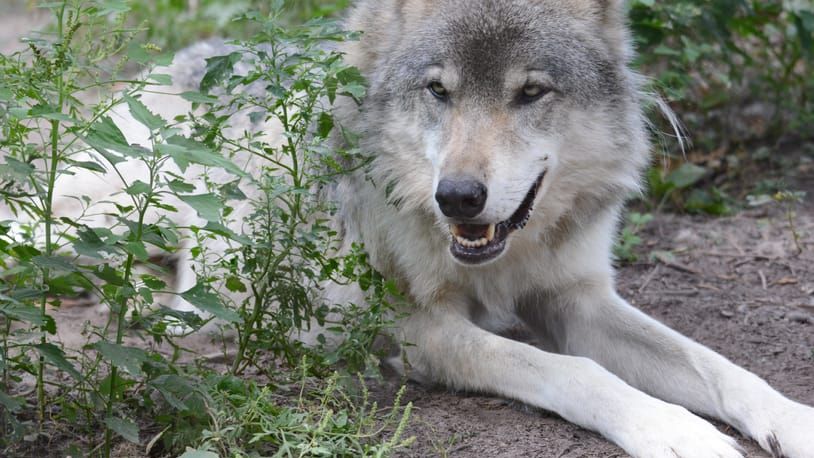
Picture a wolf so large that seasoned wildlife biologists paused and looked twice. A predator whose sheer bulk made it stand apart from every other member of its pack, not just physically, but as a kind of living benchmark for what these animals are capable of becoming. That animal was real, and it walked the wilds of Alaska in the summer of 1939.
Most people carry a mental image of wolves as lean, fast, and maybe the size of a large dog. The truth, particularly in the northern reaches of North America, is considerably more imposing. The story of the continent’s largest documented wolf threads together ecology, biology, and a stretch of remote Alaskan wilderness that still runs some of the biggest wolves on the planet.
#1. The Record That Still Stands: Frank Glaser’s 1939 Catch
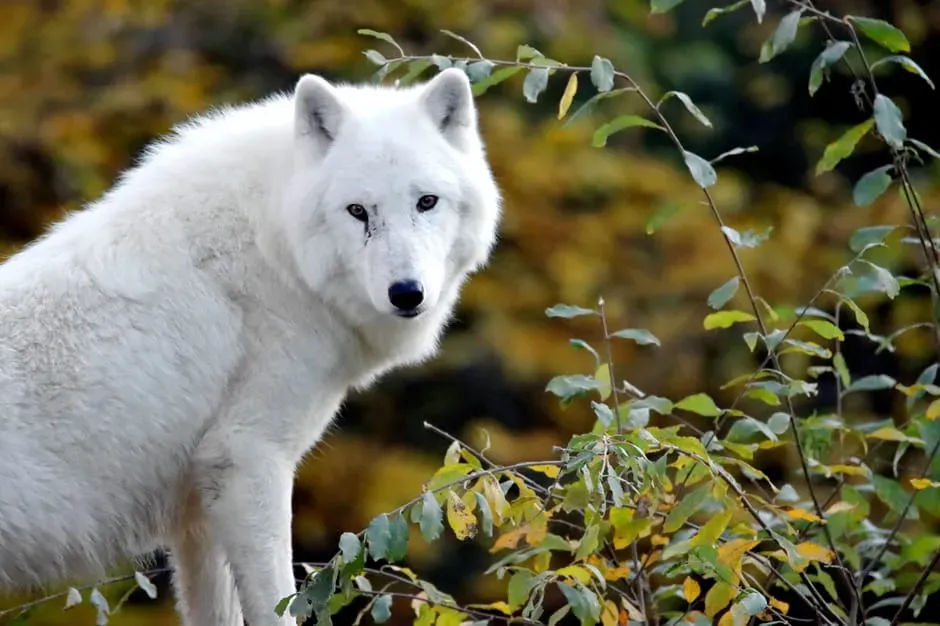
Legendary Alaska wolf trapper and hunter Frank Glaser caught a 175-pound male in the summer of 1939, the largest wolf ever documented in Alaska, trapping it on the Seventymile River near Eagle. The significance of that catch didn’t fade quietly into the archive. It was formally recorded by wolf researcher Stanley Young, who worked as a biologist for the U.S. Biological Survey, the predecessor to the U.S. Fish and Wildlife Service.
While there was no mention of Glaser’s catch in the book chronicling his wilderness adventures, Young makes mention of it in the book he wrote in 1944, “The Wolves of North America.” That written documentation gives the record a credibility that many other large-wolf claims simply don’t have. It’s cited and it’s sourced, two things that matter enormously when separating genuine natural history from campfire exaggeration.
#2. The Subspecies Behind the Size: Meet the Mackenzie Valley Wolf
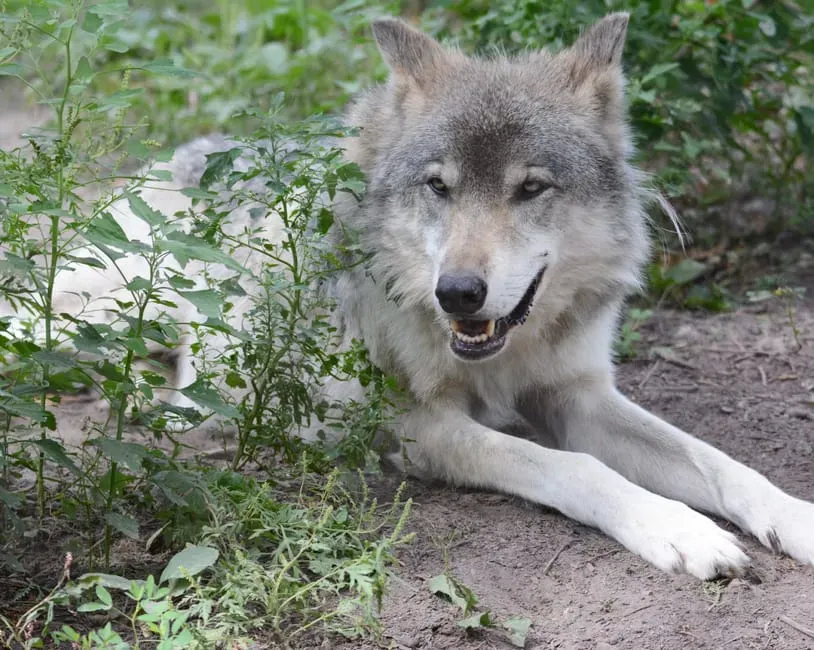
The northwestern wolf, also known as the Mackenzie Valley wolf, Alaskan timber wolf, or Canadian timber wolf, is a subspecies of gray wolf in western North America and is arguably the largest gray wolf subspecies in the world, ranging from Alaska and the upper Mackenzie River Valley southward throughout the western Canadian provinces and the northwestern United States. This is the animal that produced the 1939 record, and it’s the reason that region of Alaska consistently generates the continent’s most exceptional wolf measurements.
Northwestern grey wolves are said to have more robust builds, larger heads, longer legs, thicker muzzles, and shorter ears than other subspecies of grey wolf. Those physical differences aren’t just cosmetic. They have long legs, deep chests, and big heads that make them look even heavier than the scale suggests. When you see one in the field, the impression it leaves is of a genuinely different class of animal compared to wolves further south.
#3. Just How Big Is Big? Putting the Numbers in Context
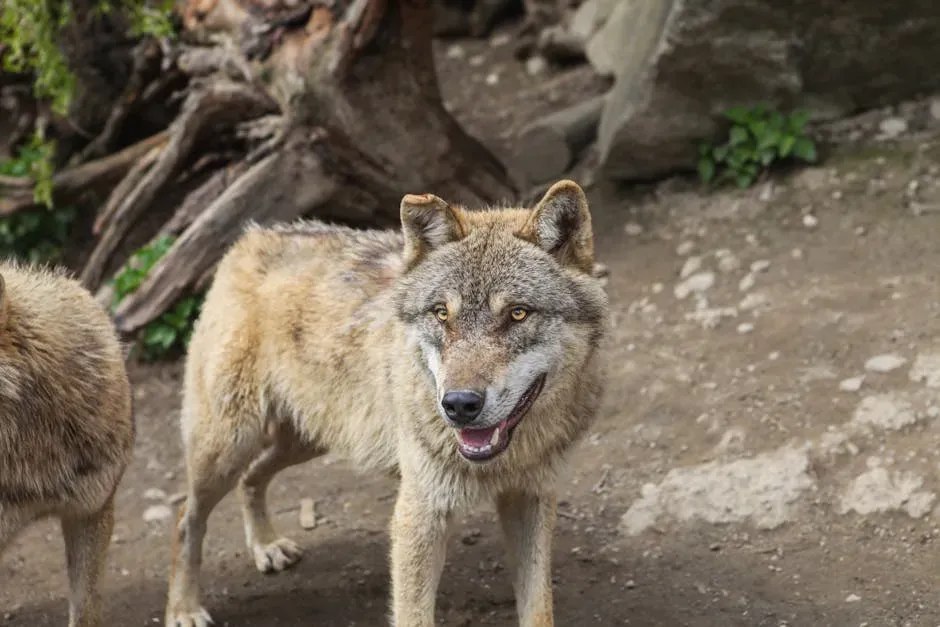
The record-breaking wolf weighed an astounding 175 pounds and measured 7 feet from nose to tail, considerably larger than the average wolf, which typically weighs between 70 to 120 pounds and measures about 5 to 6 feet in length. To put that weight in perspective, it exceeded the mass of many adult humans, a remarkable fact for a wild canid.
The average weight for an adult male wolf in Alaska is about 100 to 110 pounds, while females average about 90 pounds. Even among seasoned wildlife professionals who handle wolves regularly, measurements above 140 pounds are considered exceptional. Biologist Mark McNay, who captured and weighed more than 300 wolves during his career at Alaska Fish and Game, noted that the biggest was a 143-pound male he caught in the Alaska Range in 2003, the alpha male in a pack of 16 who was coming off a fresh kill. The 1939 specimen, at 175 pounds, sits well above even that impressive benchmark.
#4. Why Wolves Grow So Large in Northern North America
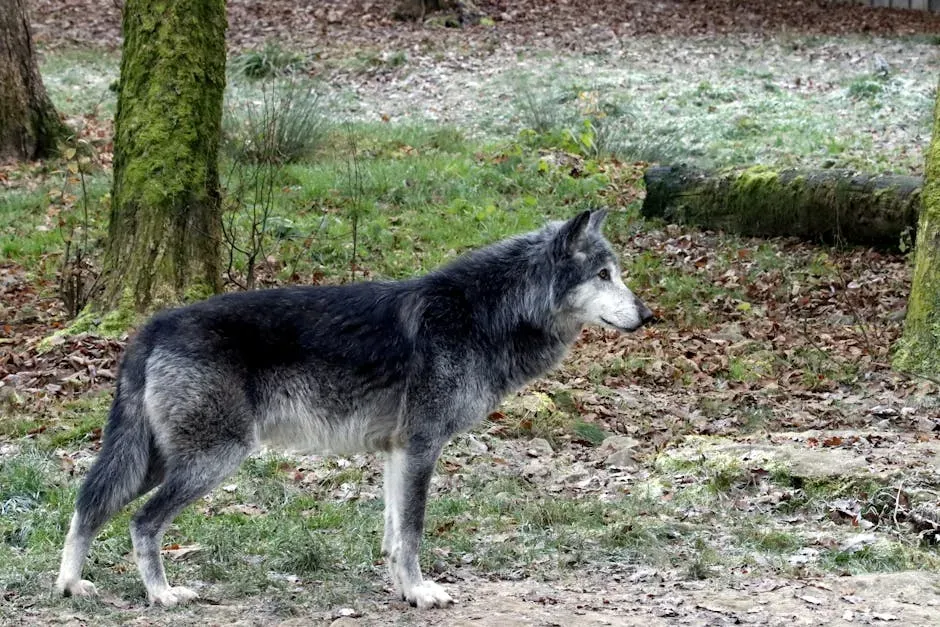
Bergmann’s Rule explains a pattern where individuals in colder climates tend to be larger than those in warmer regions, a physiological adaptation that allows larger bodies, with their lower surface area-to-volume ratio, to better retain heat in cold environments. The Alaskan and Canadian wilderness where the Mackenzie Valley wolf lives is among the coldest, most demanding terrain on the continent, which means the selective pressure toward larger body size is very real.
The abundant and nutrient-rich diet available in their natural habitat allows these wolves to grow to substantial sizes, and the vast and uninhabited territories reduce competition for food and resources, promoting healthy growth and robust physical development. These wolves regularly bring down moose and caribou, prey that demands extraordinary strength and cooperative skill. Large-bodied populations feeding heavily on moose and caribou can be among the heaviest North American wolves.
#5. The Question of Verification: Separating Fact from Legend
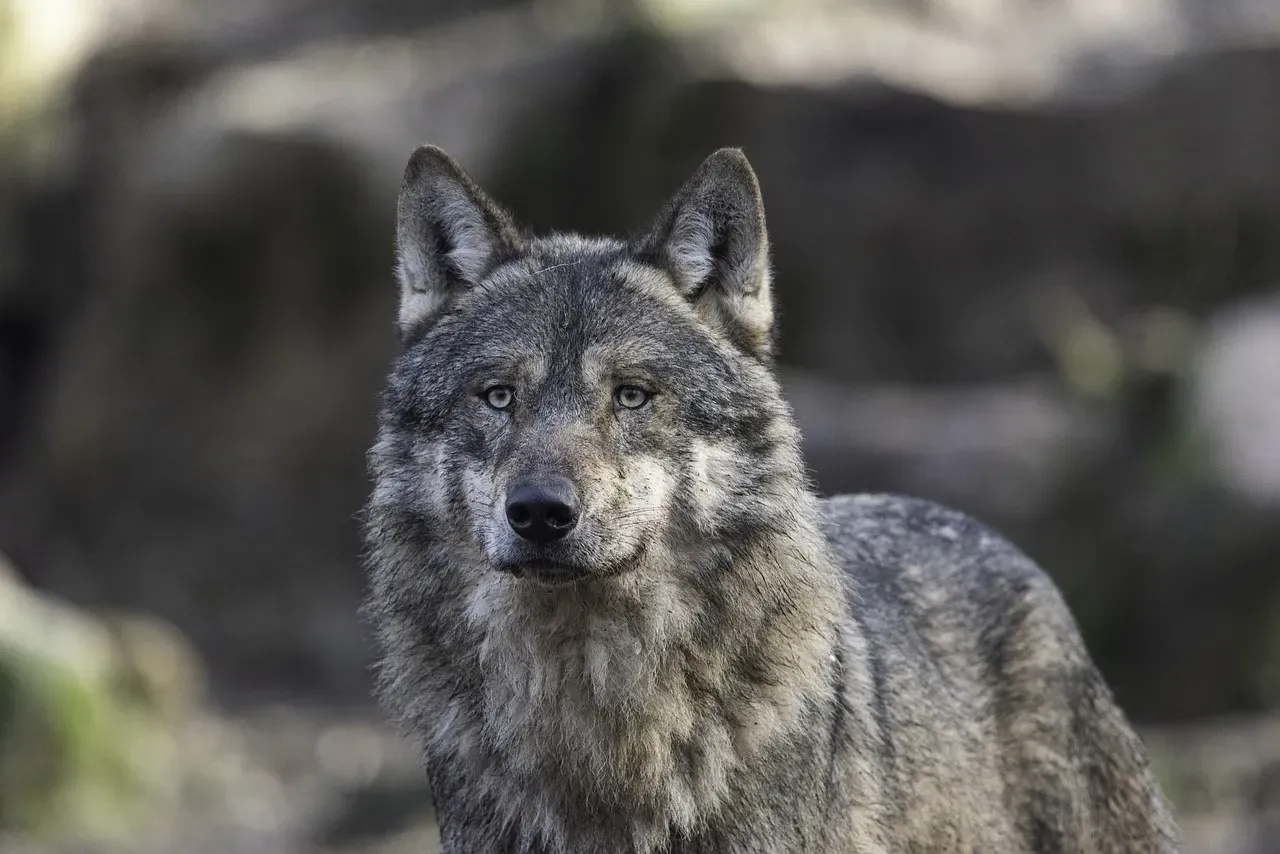
Biologists who collar and handle wolves for a living are careful about measurement, pointing out that wolf weight depends heavily on when and what the animal last ate, and a wolf that has just gorged on a moose carcass can be carrying a gut full of meat that adds a surprising amount to the scale. This is not a trivial caveat. Even the famous Glaser wolf had a belly full of meat when it was caught. That doesn’t eliminate the record, but it’s the kind of honest scientific context that serious natural history demands.
According to Guinness World Records, “the largest widely accepted grey wolf on record is an individual from the Yukon, Canada, that reportedly weighed 103 kilograms.” That figure, around 227 pounds, is cited but not as thoroughly documented as the 1939 Alaskan catch. Any time someone claims a record animal, the first question should be whether it was weighed on a real scale and who was there to witness it, because a big male can look enormous in a photo, especially when the carcass is held close to the camera or hung at an angle. The Frank Glaser record has the advantage of appearing in a published scientific work, which places it on firmer ground than most competing claims.
The story of North America’s largest wolf is, at its core, a story about a wild place producing a wild creature that pushed the boundaries of what we thought was possible. The Seventymile River country of east-central Alaska hasn’t changed all that much since 1939. Somewhere out there, in all probability, large wolves are still running those same drainages. Whether any of them will ever be formally measured and documented at that scale again is an open question, and perhaps that uncertainty is exactly what keeps the legend alive.
