

The arid expanses of the desert are not just landscapes of endless dunes; they are vibrant ecosystems teeming with life that has adapted in extraordinary ways to the harsh environment. Among these creatures, the scorpion stands out, with its potent weapon of a sting that can both fascinate and terrify. In many cultures, the scorpion is a symbol of danger due to its infamous venom. This article delves into the world of scorpions, particularly focusing on their formidable sting, to understand their role and the threats they pose in desert regions.
What is a Scorpion?

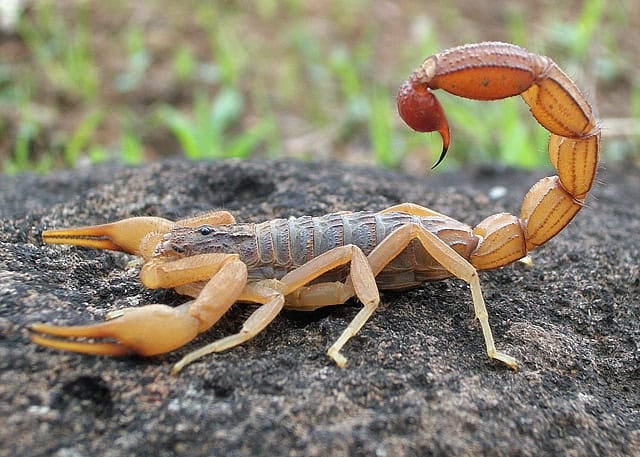
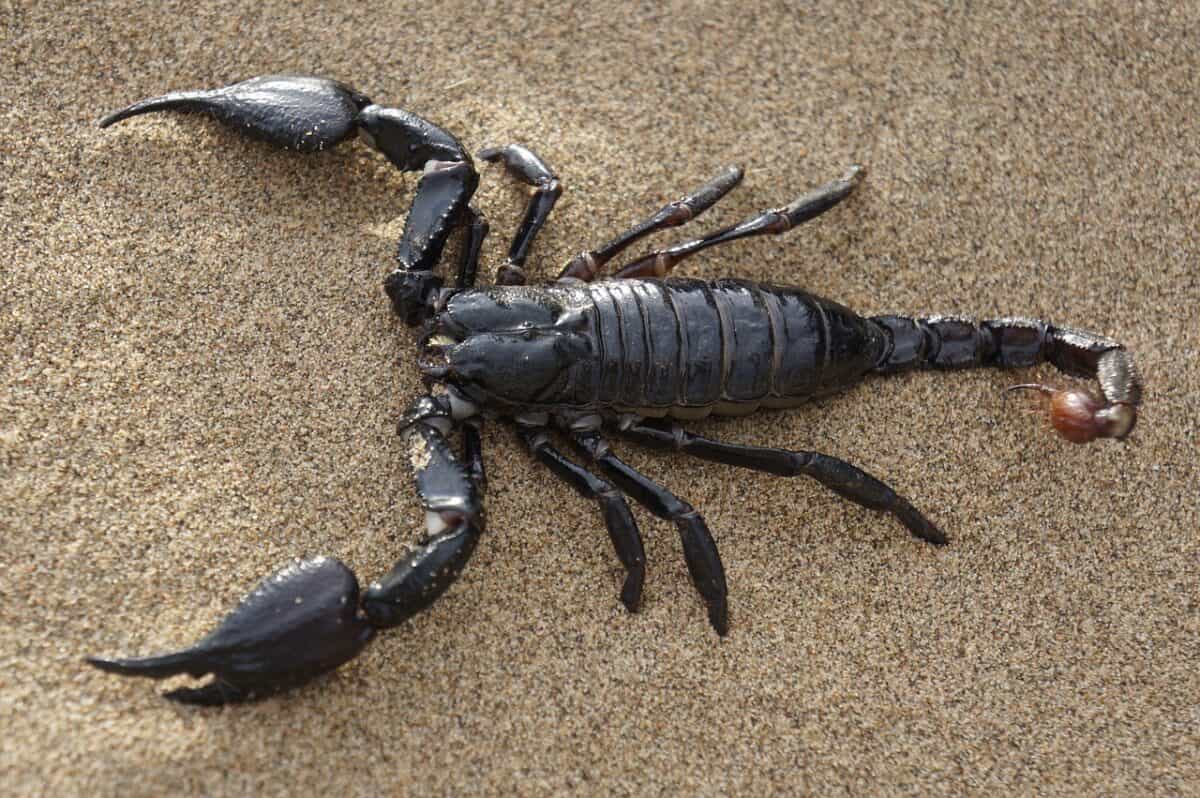
Scorpions are arachnids, related to spiders and ticks. Characterized by their segmented tails tipped with a venom-injecting stinger, scorpions have become notorious symbols of danger. With over 2,500 species identified worldwide, they primarily inhabit arid and semi-arid environments, showcasing an incredible capacity for survival under extreme conditions.
Evolutionary Adaptations of Scorpions

Scorpions have evolved various adaptations that enable them to thrive in desert environments. Their exoskeleton is a particularly notable feature, offering protection and minimizing water loss. Their nocturnal lifestyle also reduces water loss and protects them from the desert’s sweltering daytime temperatures.
The Anatomy of a Lethal Weapon

A scorpion’s stinger is part of its metasoma or tail and is used both for hunting and defense. The gland at the base of the stinger produces venom, which varies significantly between species in potency and composition, affecting how it impacts different prey or threats.
The Venom: A Complex Cocktail

The venom of a scorpion is a complex cocktail of neurotoxins designed to immobilize prey or deter predators. Some species possess venom that is lethal to humans, though fatal encounters are rare. The venom’s efficacy and danger are determined by the specific proteins and peptides present, which differ by species.
Behavioral Patterns of Scorpions

Scorpions are primarily nocturnal predators, occupying burrows or crevices during the day. Their ability to detect vibrations allows them to locate and ambush prey, such as insects and small vertebrates. Understanding their behavior is crucial to avoiding potentially dangerous encounters.
Scorpion-Human Interactions
Faced with expanding human habitation into previously unoccupied areas, encounters with scorpions have become more frequent. In regions where venomous species exist, awareness and precautions are critical to prevent stings, which can vary from mildly painful to potentially fatal.
Symptoms of a Scorpion Sting

The effects of a scorpion sting can range from localized pain and swelling to systemic symptoms such as difficulty breathing, frothing at the mouth, and convulsions. It is vital to differentiate between stings of varying severity to ensure appropriate medical response.
First Aid and Treatment
While the majority of scorpion stings are not life-threatening, it is important to clean the wound and apply a cool compress. Medical attention should be sought immediately if serious symptoms occur. Antivenom is available for the most dangerous species, which can neutralize the venom’s effects.
Prevention Strategies in Scorpion-Prone Areas

Preventing scorpion stings can involve practical steps such as checking shoes and bedding before use, sealing entry points into homes, and reducing clutter where scorpions might hide. Educating residents in high-risk areas is essential for minimizing encounters and potential stings.
Role of Scorpions in Their Ecosystem

Despite their fearsome reputation, scorpions play a critical role in controlling the population of insects and other invertebrates. Their presence is a natural form of pest control, highlighting the delicate balance they maintain within their ecosystems.
Conservation and Scorpion Populations

While not typically seen as species in need of conservation, certain scorpion habitats are threatened by human activity. Conservation efforts focus on preserving their natural habitats and promoting coexistence through education and awareness.
The Cultural Significance of Scorpions

Throughout history, scorpions have been depicted in art, mythology, and folklore, symbolizing protection and danger. Their image persists in modern culture, representing resilience and lethal potential, offering insight into human perceptions of these enigmatic creatures.
In conclusion, the scorpion is a complex and often misunderstood creature, vital to desert ecosystems. Their lethal sting, while dangerous, underscores the sophisticated adaptations that allow them to survive and thrive. By understanding scorpions, we can better appreciate the balance of nature they help maintain and mitigate the risks they may present to humans in their natural habitats.

- The Top 10 Animal Escapes That Shocked the World - July 20, 2026
- The Shark That Gives Birth Like Mammals - July 20, 2026
- Why Do Sharks Attack Humans? - July 20, 2026