

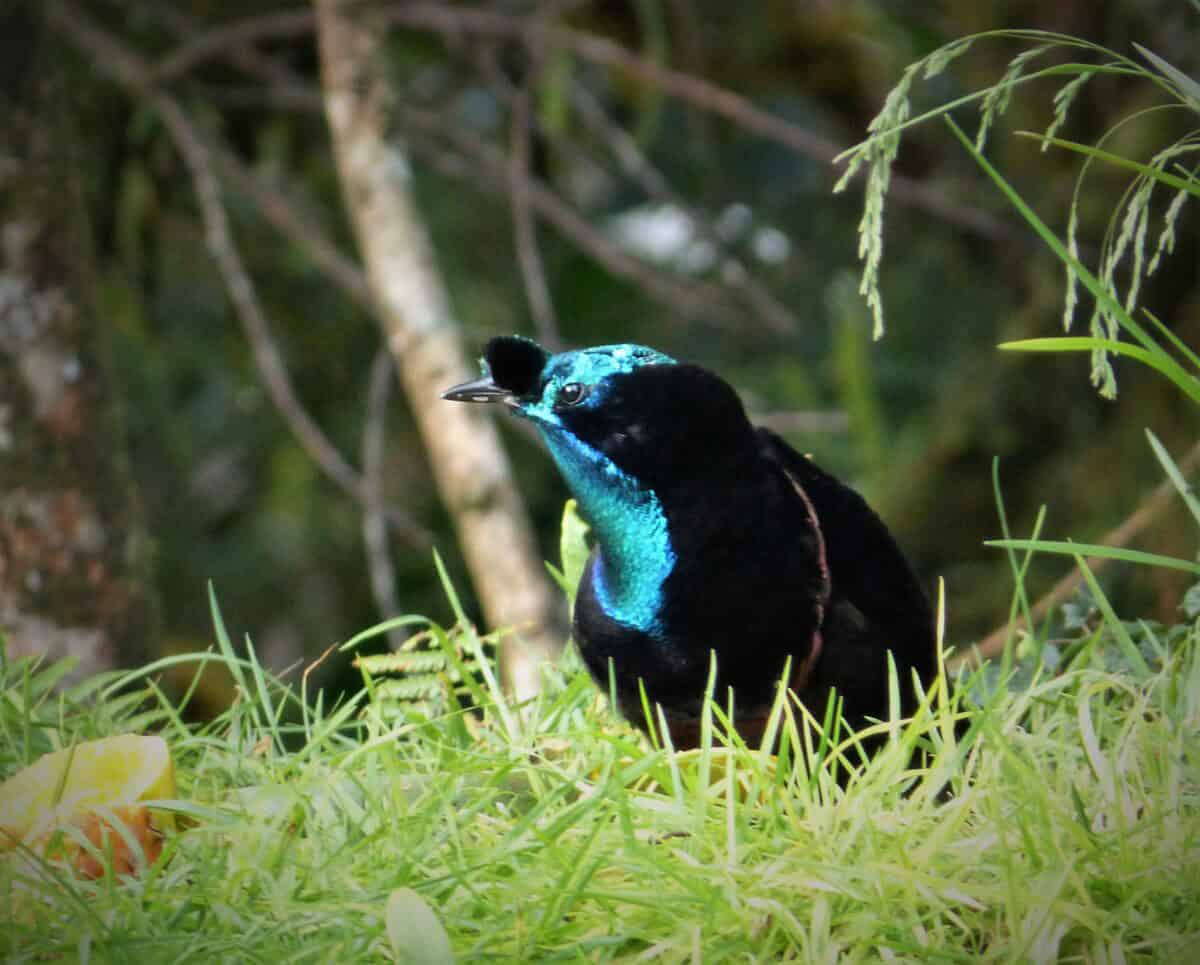
Deep in the forests of Central Africa, a remarkable avian spectacle unfolds. The male ribbon-tailed astrapia, adorned with the longest tail feathers relative to body size of any bird species, performs an elaborate courtship ritual. These extraordinary appendages—measuring up to three times the bird’s body length—serve a single remarkable purpose: to captivate females and secure mating opportunities. This astonishing example of sexual selection showcases one of nature’s most extreme evolutionary adaptations, where physical characteristics have developed far beyond practical function to serve purely reproductive purposes. The ribbon-tailed astrapia represents a fascinating case study in how extravagant physical features can evolve through sexual selection, even when they might seem impractical or even detrimental to survival.
Meet the Ribbon-Tailed Astrapia: Nature’s Long-Tailed Wonder
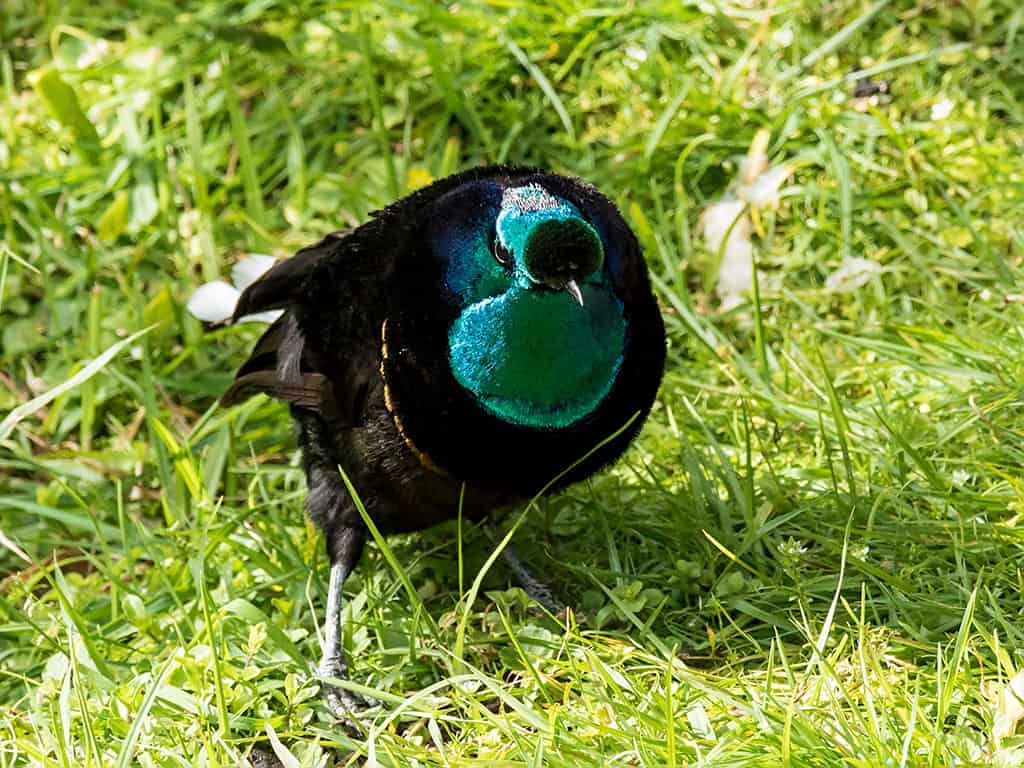
The ribbon-tailed astrapia (Astrapia mayeri), also known as Shaw Mayer’s astrapia, belongs to the bird-of-paradise family (Paradisaeidae), renowned for its members’ spectacular plumage and elaborate courtship displays. Endemic to the remote highlands of Papua New Guinea, specifically the central mountain ranges of the Kaijende Highlands and Mount Giluwe, this bird inhabits montane forests at elevations between 2,500 and 3,000 meters above sea level. The species was only discovered by Western science in 1938, making it one of the last birds-of-paradise to be documented.
What makes the ribbon-tailed astrapia truly remarkable is the extreme sexual dimorphism between males and females. While the female sports modest olive-brown plumage, the male possesses an iridescent green head, a burnished coppery nape, and a velvet-black body. Most impressively, he grows two extraordinarily long, white tail feathers that can reach up to 1 meter (3.3 feet) in length—more than three times the 30-centimeter (12-inch) length of his body. These magnificent streamers give the bird its common name and set the record for the longest tail feathers in relation to body size among all bird species.
The Evolution of Extreme Tails: Sexual Selection at Work

The ribbon-tailed astrapia’s extravagant tail represents a classic example of sexual selection, a concept first proposed by Charles Darwin. Unlike natural selection, which favors traits that enhance survival, sexual selection promotes characteristics that increase mating success—even when those traits might be disadvantageous in other contexts. The male’s elaborate tail has evolved not because it helps him survive, but because females consistently choose mates with the most impressive plumage.
This phenomenon, known as female choice, has driven the evolution of increasingly longer tails over countless generations. Researchers believe the extreme tail length signals genetic quality—only the healthiest, most robust males can grow and maintain such elaborate plumage while avoiding predators. The handicap principle suggests that such costly ornaments honestly advertise a male’s fitness; if he can survive despite the burden of his tail, he must possess superior genes. This evolutionary arms race has resulted in one of the most dramatic examples of sexual dimorphism in the avian world, with males bearing ornaments that seem to push the boundaries of physical practicality.
The Challenges of Living with an Extraordinary Tail
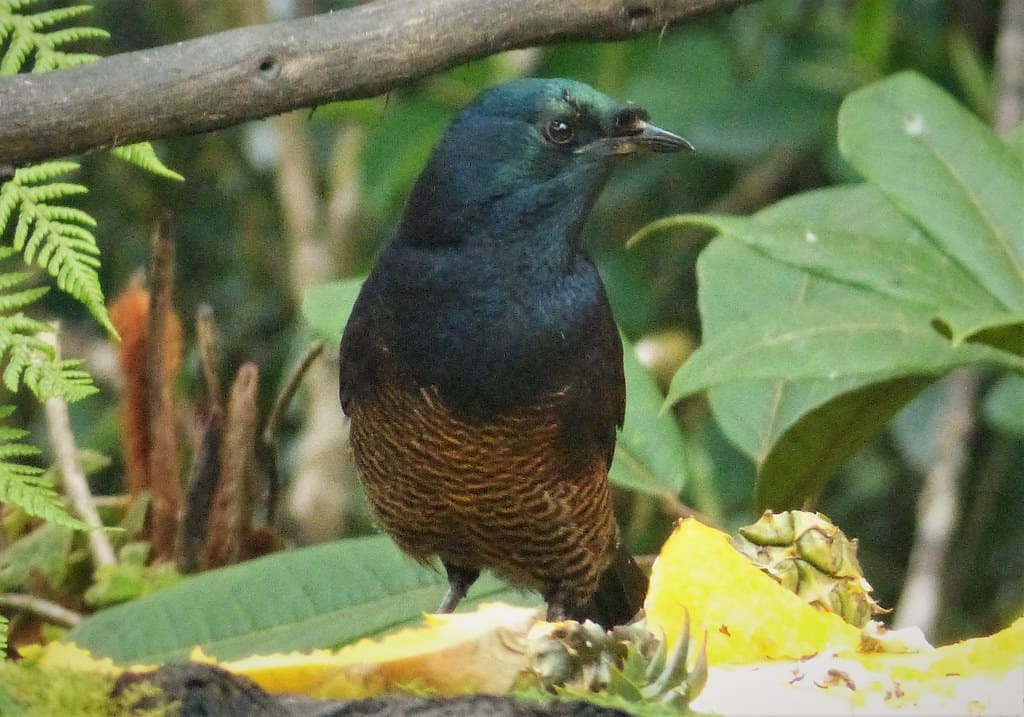
The ribbon-tailed astrapia’s magnificent streamers come with significant costs. The tail creates considerable aerodynamic drag, making flight more energetically demanding and less maneuverable—a serious disadvantage when escaping predators. When it rains, the sodden feathers become even heavier and more cumbersome. The white color of the tail streamers also makes males more visible to predators, increasing their vulnerability in the forest environment.
Males must invest substantial energy in growing and maintaining these elaborate plumes, diverting resources that could otherwise support immune function or other physiological processes. During heavy rainfall, males often seek shelter to protect their precious tail feathers from damage. Despite these challenges, the reproductive advantages of possessing extraordinary tail feathers apparently outweigh the survival costs—a testament to the powerful force of sexual selection in shaping extreme traits. This delicate balance between sexual attractiveness and survival illustrates the complex evolutionary trade-offs that have shaped the ribbon-tailed astrapia over millennia.
Courtship Displays: How the Tail Takes Center Stage
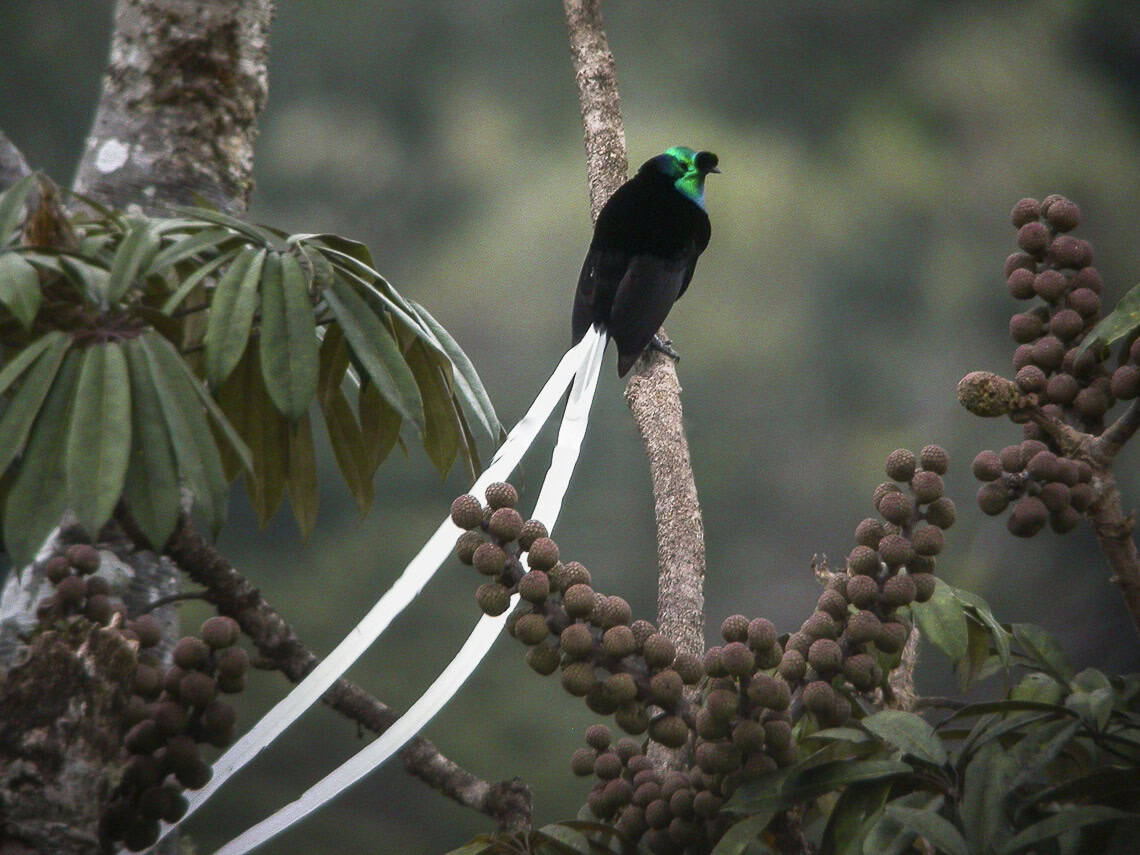
The ribbon-tailed astrapia’s courtship display ranks among the most spectacular in the avian world. Males establish display territories in the forest canopy, where they perform elaborate choreographed routines designed to showcase their extraordinary tail feathers to maximum effect. The display begins with the male perching on a horizontal branch, his body upright and tail hanging vertically below. He then begins a series of rhythmic movements, swaying his body while raising and lowering his wings to create a hypnotic, pendulum-like motion with his streamers.
As the display intensifies, the male performs lateral flights between perches, creating a dramatic white ribbon-like effect as his tail streamers trail behind him. The iridescent green feathers on his head and chest catch the dappled forest light, flashing brilliant emerald and turquoise hues. Throughout the performance, he emits sharp, metallic calls that echo through the forest canopy. The entire display is precisely calibrated to present his tail feathers from every angle, allowing females to assess their length, symmetry, and condition—all indicators of his genetic quality. A female may visit multiple displaying males before selecting her mate, typically choosing the one with the longest, most pristine tail streamers.
The Role of Tail Length in Mate Selection
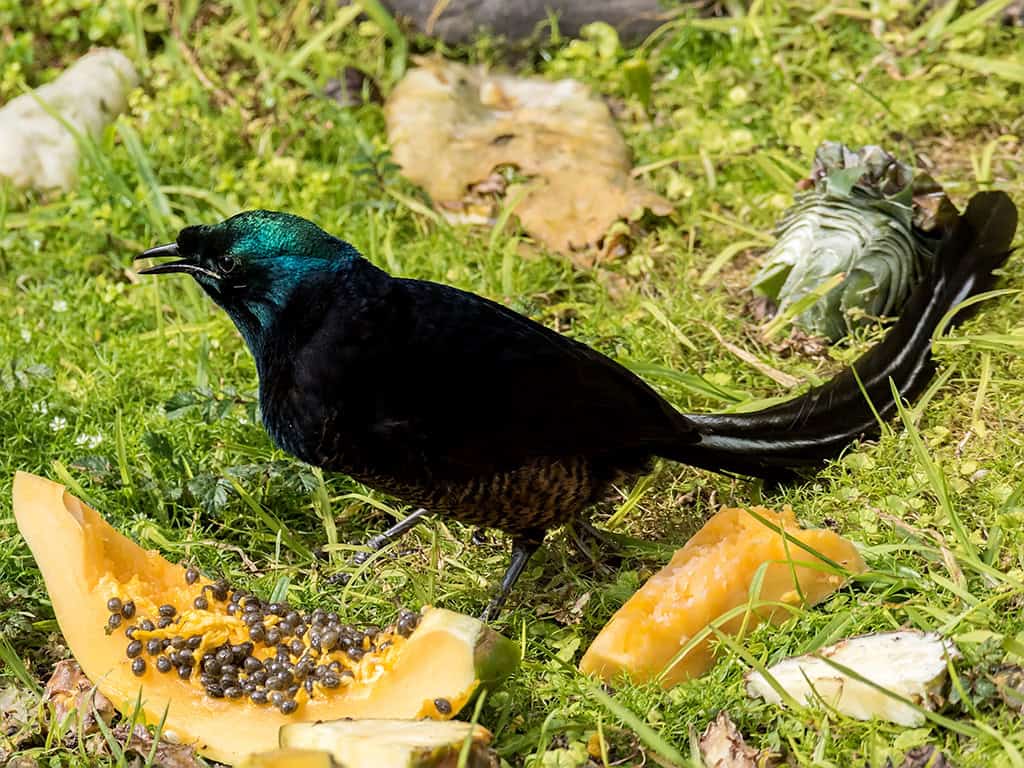
Research has demonstrated a direct correlation between a male ribbon-tailed astrapia’s tail length and his mating success. Females show a strong preference for males with the longest, most symmetrical tail feathers, using these ornaments as reliable indicators of genetic quality. Studies suggest that tail length honestly signals a male’s health status, nutritional condition, and parasite resistance—all important factors in producing viable offspring. Males with damaged or asymmetrical tails rarely succeed in attracting mates.
The tail’s extraordinary length may also indicate the male’s age and experience, as young males do not develop full-length streamers until they are several years old. The pristine white color of the tail streamers is particularly significant, as any discoloration or wear becomes immediately apparent against the pure white background. This makes it nearly impossible for a male in poor condition to fake his quality—creating what biologists call an “honest signal” of fitness. The extreme female preference for long tails has created such strong selection pressure that male tails continue to elongate to what seem like impractical lengths—a textbook example of runaway sexual selection.
Comparing the Ribbon-Tailed Astrapia to Other Long-Tailed Birds
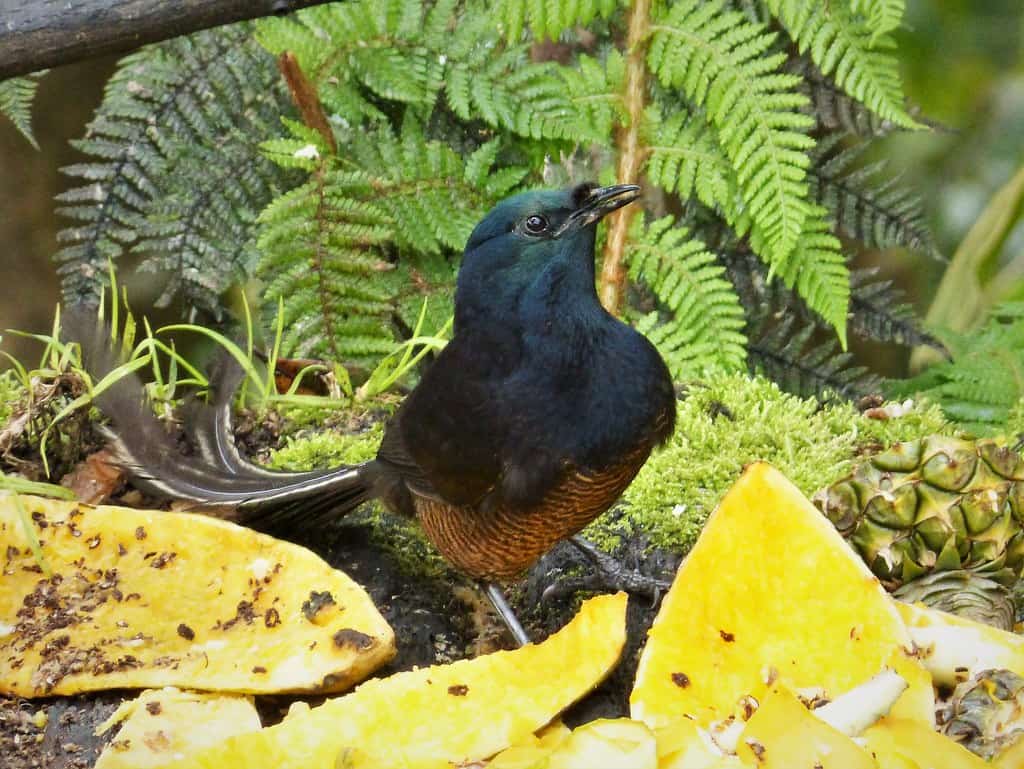
While the ribbon-tailed astrapia holds the record for the longest tail feathers relative to body size, several other bird species have evolved remarkably long tails through similar sexual selection processes. The male long-tailed widowbird (Euplectes progne) of African grasslands grows tail feathers that can reach 50 centimeters (20 inches), which it displays during undulating flight patterns. The Asian paradise flycatcher (Terpsiphone paradisi) sports streaming white tail feathers that flow behind it like ribbons during flight. The resplendent quetzal (Pharomachrus mocinno) of Central American cloud forests grows twin tail coverts that can exceed one meter in length.
What distinguishes the ribbon-tailed astrapia is the extreme disproportion between tail and body size. While a peacock’s train might be larger overall, it represents a smaller multiple of the bird’s body length. The ribbon-tailed astrapia’s streamers can be more than three times its body length—equivalent to a human male growing hair more than 18 feet long. This extreme development suggests particularly intense sexual selection in this species, possibly due to the limited number of suitable display sites in its montane forest habitat, which increases competition among males and allows females to be exceptionally choosy about their mates.
Conservation Status and Threats to Survival
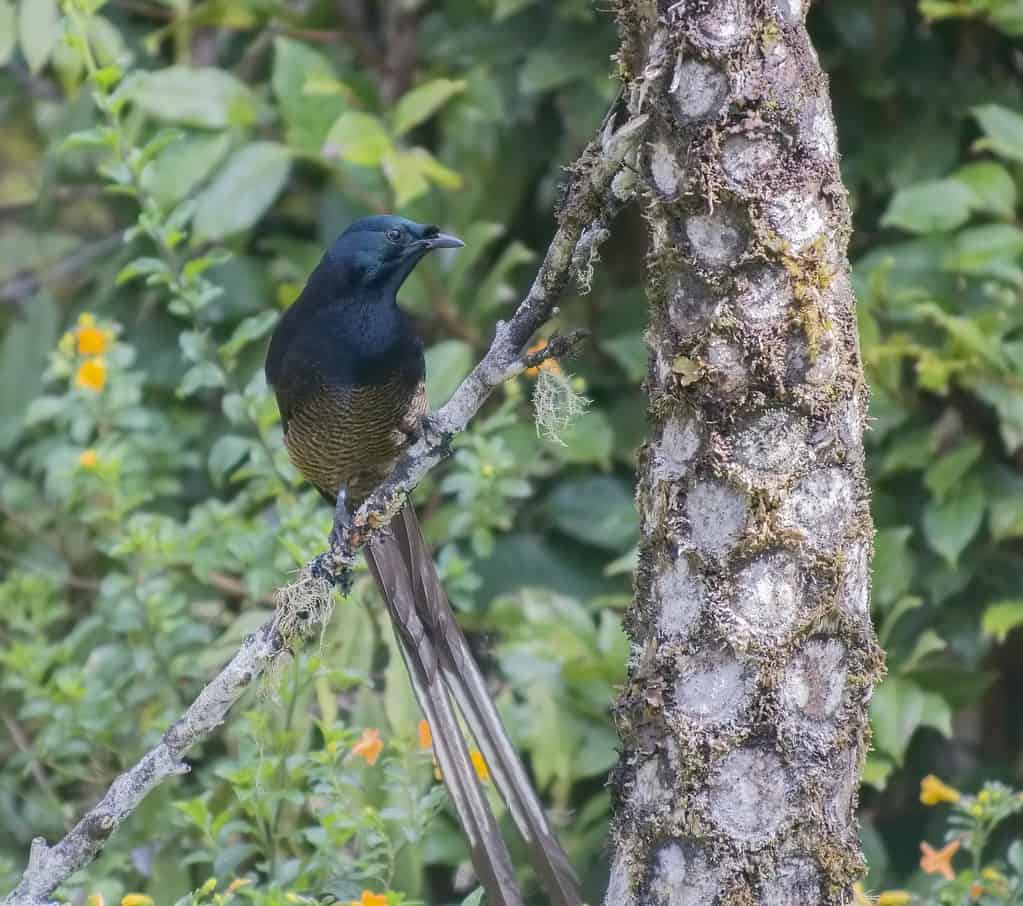
The ribbon-tailed astrapia is currently classified as Near Threatened on the IUCN Red List, with populations declining due to habitat loss and hunting pressure. Its restricted range makes it particularly vulnerable to environmental changes. The species inhabits only about 12,000 square kilometers of high-altitude forest in Papua New Guinea, an area increasingly threatened by logging, mining operations, and agricultural expansion. Climate change poses an additional threat, as warming temperatures may force the species to move to even higher elevations, further restricting its already limited range.
Traditional hunting also impacts ribbon-tailed astrapia populations. The bird’s spectacular tail feathers have been highly prized for centuries in local ceremonial headdresses and as status symbols. Although commercial hunting has declined, subsistence hunting continues in some areas. Conservation efforts now focus on establishing protected areas within the species’ range and working with local communities to develop sustainable hunting practices. The establishment of the Kaijende Highlands Conservation Area has been an important step in protecting critical habitat, though monitoring and enforcement remain challenging in this remote region.
The Cultural Significance of the Ribbon-Tailed Astrapia
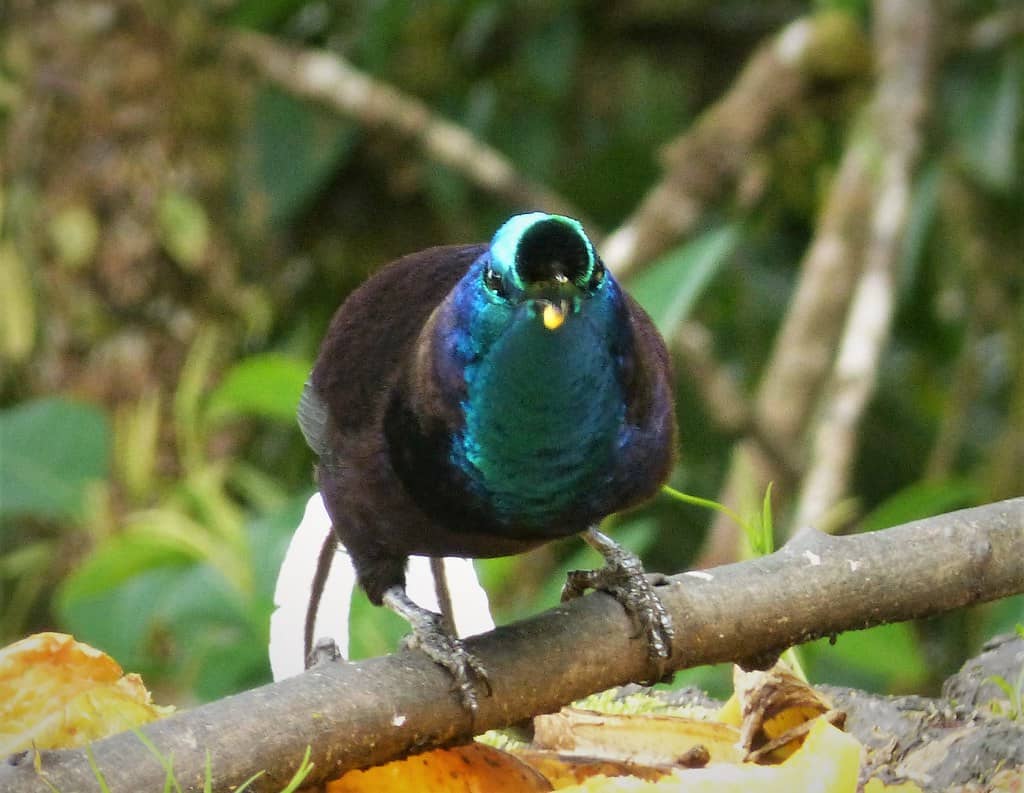
Throughout the highlands of Papua New Guinea, birds-of-paradise hold profound cultural significance, and the ribbon-tailed astrapia occupies a special place in local mythology and traditional practices. For centuries, the bird’s extraordinary tail feathers have been incorporated into ceremonial headdresses worn by tribal elders and warriors during important rituals. These feathers symbolize status, wealth, and connection to ancestral spirits. In some communities, the ability to procure these feathers traditionally marked a young man’s transition to adulthood.
Local folklore often depicts the ribbon-tailed astrapia as a messenger between the earthly and spirit worlds, with its long tail forming a bridge between realms. Many traditional stories explain the origin of the bird’s extraordinary tail as a gift from creator deities or as the result of ancient transformations. Today, as traditional practices evolve and conservation awareness grows, many communities have developed sustainable alternatives to hunting, including carefully regulated harvesting of naturally molted feathers and the creation of artificial replicas for ceremonial use. These adaptations reflect the ongoing balance between preserving cultural heritage and protecting this remarkable species for future generations.
Scientific Research and New Discoveries
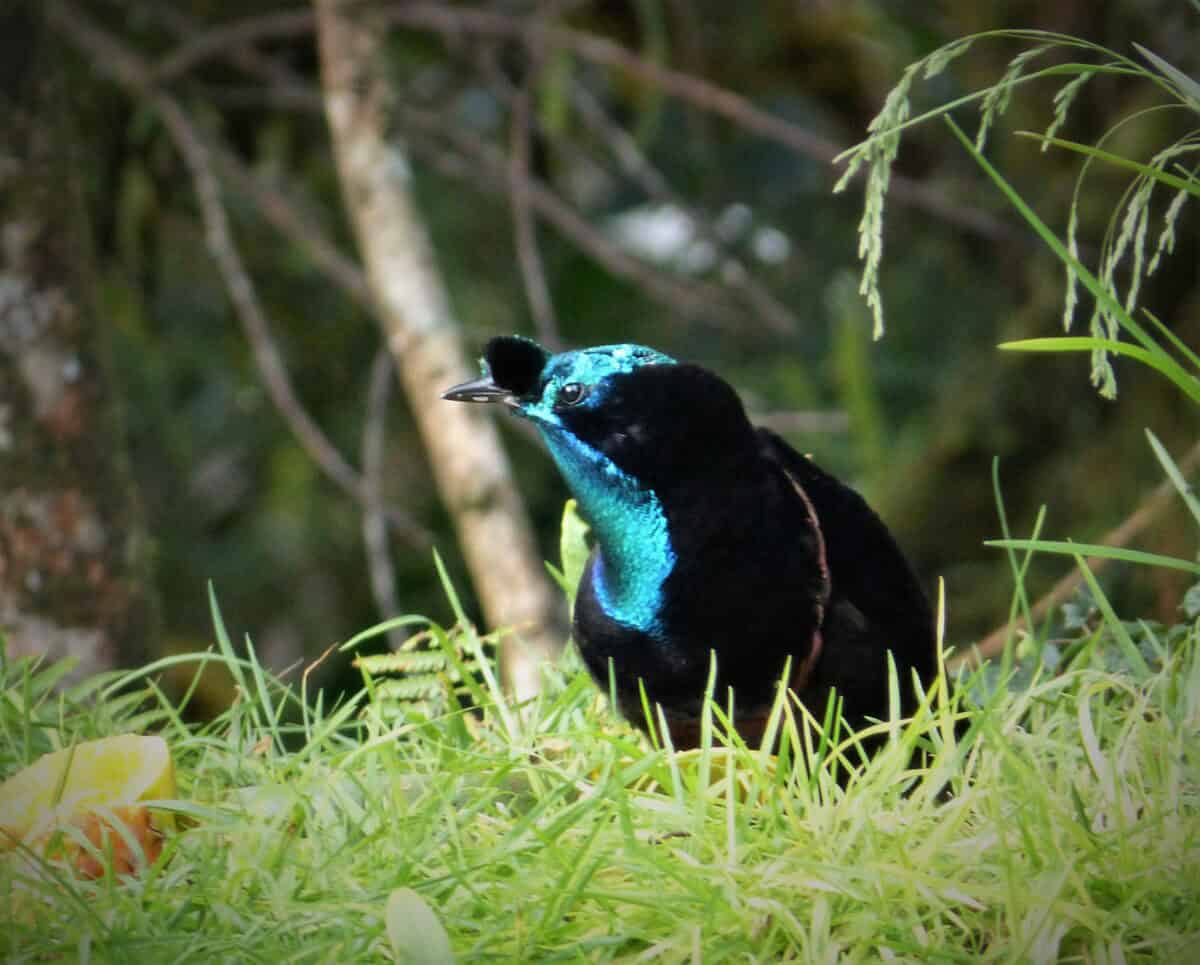
Scientific understanding of the ribbon-tailed astrapia continues to evolve as researchers overcome the challenges of studying this elusive species in its remote habitat. Recent studies using high-definition video technology have documented previously unknown aspects of the male’s courtship display, revealing complex sequences of movements that vary based on the position and response of the observing female. Bioacoustic research has identified subtle variations in the male’s vocalizations that appear to communicate different messages during different phases of the courtship ritual.
Genetic studies have provided insights into the evolutionary history of the species, suggesting that the extreme tail length evolved relatively recently—within the last 500,000 years—and represents one of the fastest rates of morphological evolution documented in birds. Research on feather development has revealed specialized follicle structures that support the growth of these extraordinary plumes and unique arrangements of melanin that create the pure white coloration without sacrificing structural integrity. Scientists are also investigating how males manage the energetic costs of growing and maintaining their extreme tails, with preliminary evidence suggesting they may have evolved unusually efficient metabolic pathways to support this energetically demanding trait.
Photographing and Filming Nature’s Long-Tailed Wonder
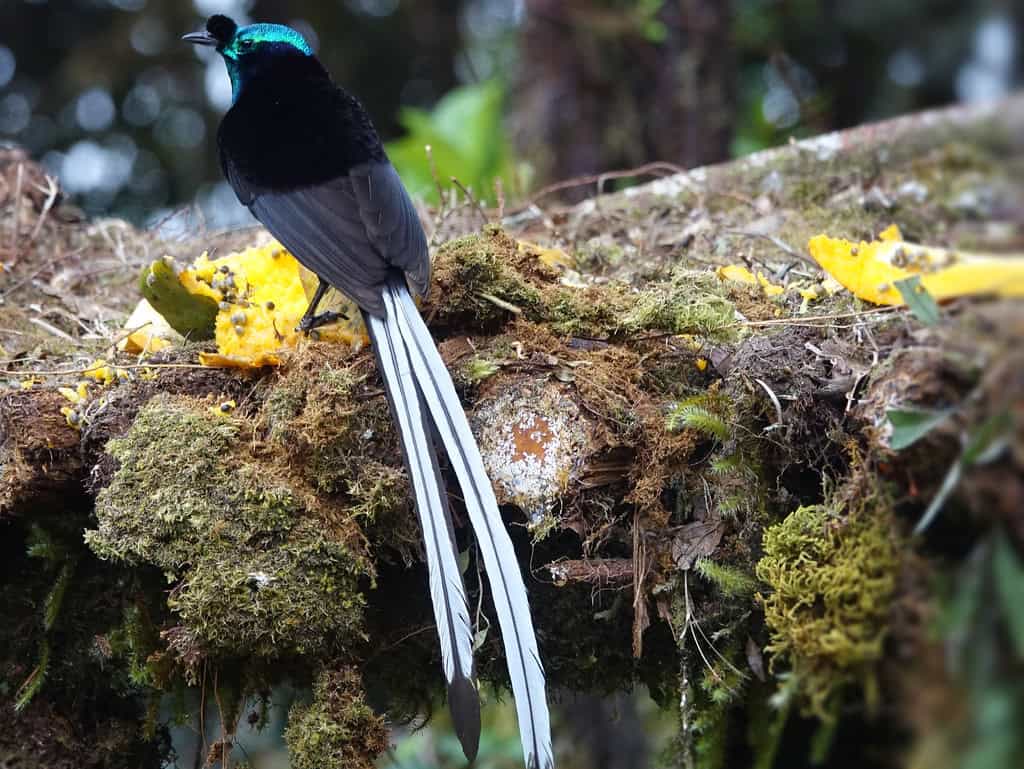
Capturing images of the ribbon-tailed astrapia presents extraordinary challenges for wildlife photographers and filmmakers. The bird’s remote highland habitat is characterized by steep terrain, frequent fog and rain, and dense vegetation that obscures visibility. Males typically display in the forest canopy, requiring photographers to construct elevated blinds and wait patiently—sometimes for weeks—to capture the perfect moment. The contrast between the bird’s jet-black body and pure white tail creates extreme exposure challenges, particularly in the dappled forest light.
Despite these difficulties, several groundbreaking documentary projects have successfully recorded the ribbon-tailed astrapia’s spectacular displays. The BBC’s “Planet Earth” and “Birds of Paradise” series featured remarkable footage that brought this little-known species to global attention. Wildlife photographer Tim Laman spent over 18 months in the field to document all bird-of-paradise species, including the ribbon-tailed astrapia, for National Geographic. These visual records not only showcase the bird’s extraordinary beauty but also serve a vital scientific purpose, allowing researchers to analyze courtship behaviors in detail without disturbing the birds. For wildlife enthusiasts unable to visit Papua New Guinea’s remote highlands, these images provide a window into one of nature’s most spectacular evolutionary creations.
Visiting the Ribbon-Tailed Astrapia in the Wild
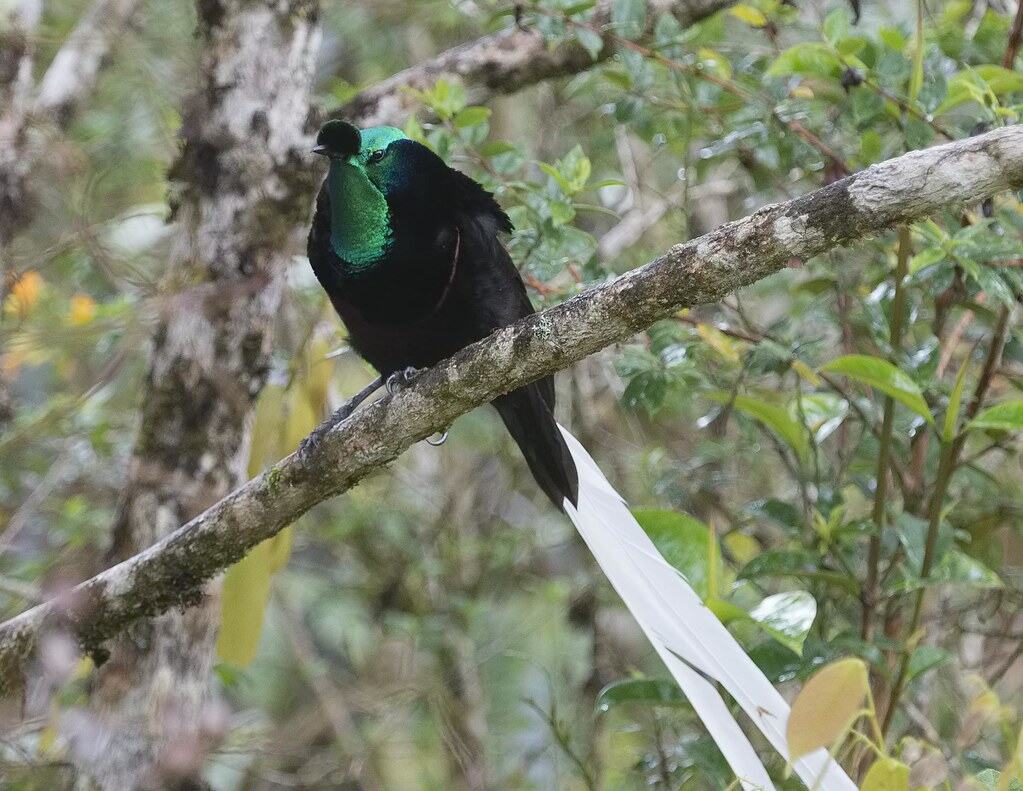
For dedicated birdwatchers and wildlife enthusiasts, observing the ribbon-tailed astrapia in its natural habitat represents one of ornithology’s ultimate adventures. The species can be found in several locations within Papua New Guinea’s central highlands, with Kumul Lodge near Mount Hagen and Ambua Lodge in Tari offering the most reliable viewing opportunities. These specialized ecolodges employ local guides with intimate knowledge of display sites and bird behavior. The best viewing times coincide with the peak breeding season from July to October, when males perform displays most frequently, particularly during early morning hours.
Visitors should prepare for challenging conditions, including high altitude (which requires acclimatization), frequent rainfall, cool temperatures, and muddy trails. Patience is essential, as sightings are never guaranteed even with expert guidance. Most successful viewings involve predawn hikes to known display areas, followed by quiet waiting in carefully positioned blinds. For those unable to undertake such demanding travel, the Goroka Show and Mount Hagen Cultural Show feature traditional dancers wearing authentic bird-of-paradise plumes, including ribbon-tailed astrapia feathers, offering a glimpse of these remarkable birds’ cultural significance. Responsible ecotourism provides economic incentives for conservation and supports local communities in protecting the ribbon-tailed astrapia’s forest habitat.
The Ribbon-Tailed Astrapia: A Marvel of Evolution
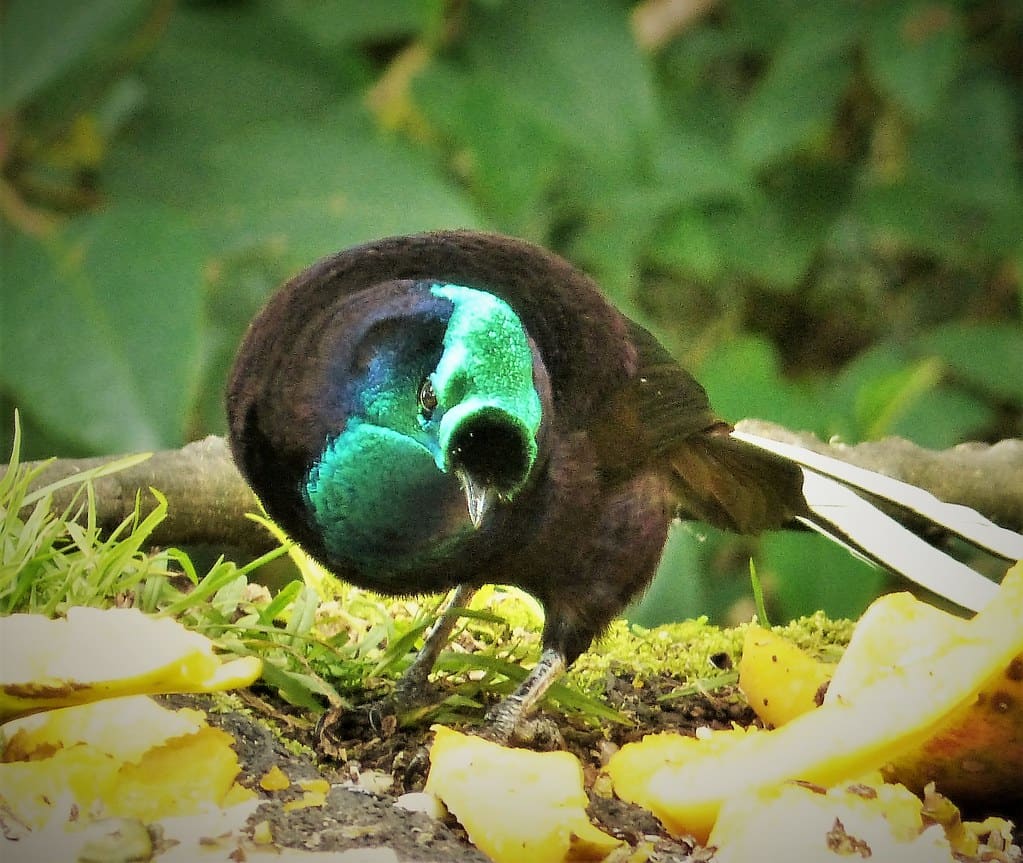
The ribbon-tailed astrapia stands as one of nature’s most extraordinary evolutionary creations, embodying the remarkable power of sexual selection to produce traits that seem to defy practical limitations. Its spectacular tail represents the pinnacle of avian ornamental development—a structure evolved purely to attract mates rather than enhance survival. This extreme adaptation reminds us that natural selection is just one evolutionary force; the preferences of choosing individuals can drive equally powerful transformations in appearance and behavior. The ribbon-tailed astrapia’s story is both scientifically significant and aesthetically inspiring, combining complex evolutionary principles with breathtaking natural beauty.
As we continue to study this remarkable species, we gain deeper insights into the fundamental processes that shape biodiversity. The ribbon-tailed astrapia’s precarious conservation status also highlights our responsibility to protect even the most remote and specialized species from human impacts. By preserving the montane forests of Papua New Guinea and respecting the cultural traditions associated with these birds, we can ensure that future generations will witness one of evolution’s most spectacular creations—a bird whose extraordinary tail continues to dazzle mates and human observers alike. In the ribbon-tailed astrapia, we find a living testament to the creative power of evolution and the endless capacity of nature to produce wonder.

From exploring the marine wonders in the Azores and witnessing the vast savannas of Kenya, to delving deep into the rich biodiversity of South Africa and traversing iconic landscapes in Australia and the US like Yellowstone, Chris's experiences are vast.
With a penchant for diving alongside sharks, the ocean holds a special place in his heart.
Through his academic insights, he champions wildlife conservation, striving with 'Animals Around The Globe' to cultivate a profound connection between humans and animals, enhancing our mutual appreciation.
Connect with him at Feedback@animalsaroundtheglobe.com.
- How Bison Are Reshaping the American Prairie - July 10, 2026
- How Ocean Animals Are Affected by Climate Change - July 10, 2026
- 23 Popular Dog Breeds Illinois Vets Secretly Wish You’d Stop Choosing - July 10, 2026