
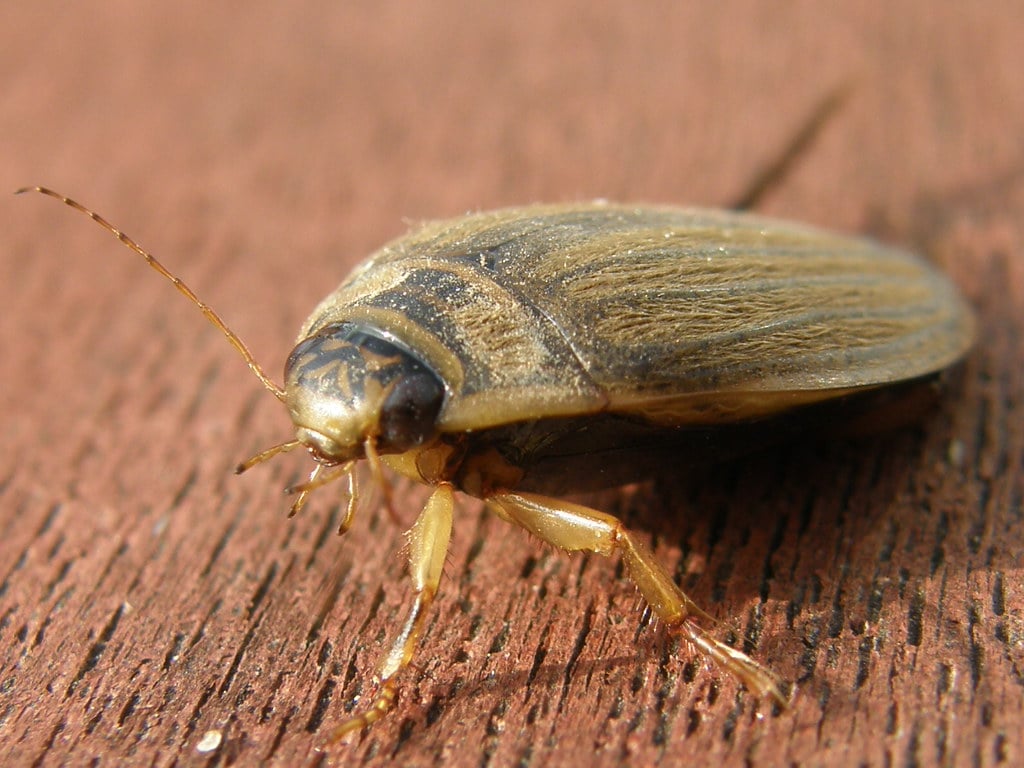
When we think of the loudest creatures on Earth, our minds often drift to the thunderous roars of lions or the deep, resonant calls of whales. However, the title for the loudest animal relative to its body size belongs to an unexpected contender: the tiny water boatman, specifically the species Micronecta scholtzi. This minuscule insect, barely the size of a grain of rice, produces sounds that defy its diminutive stature.
Astonishing Acoustic Abilities of the Water Boatman
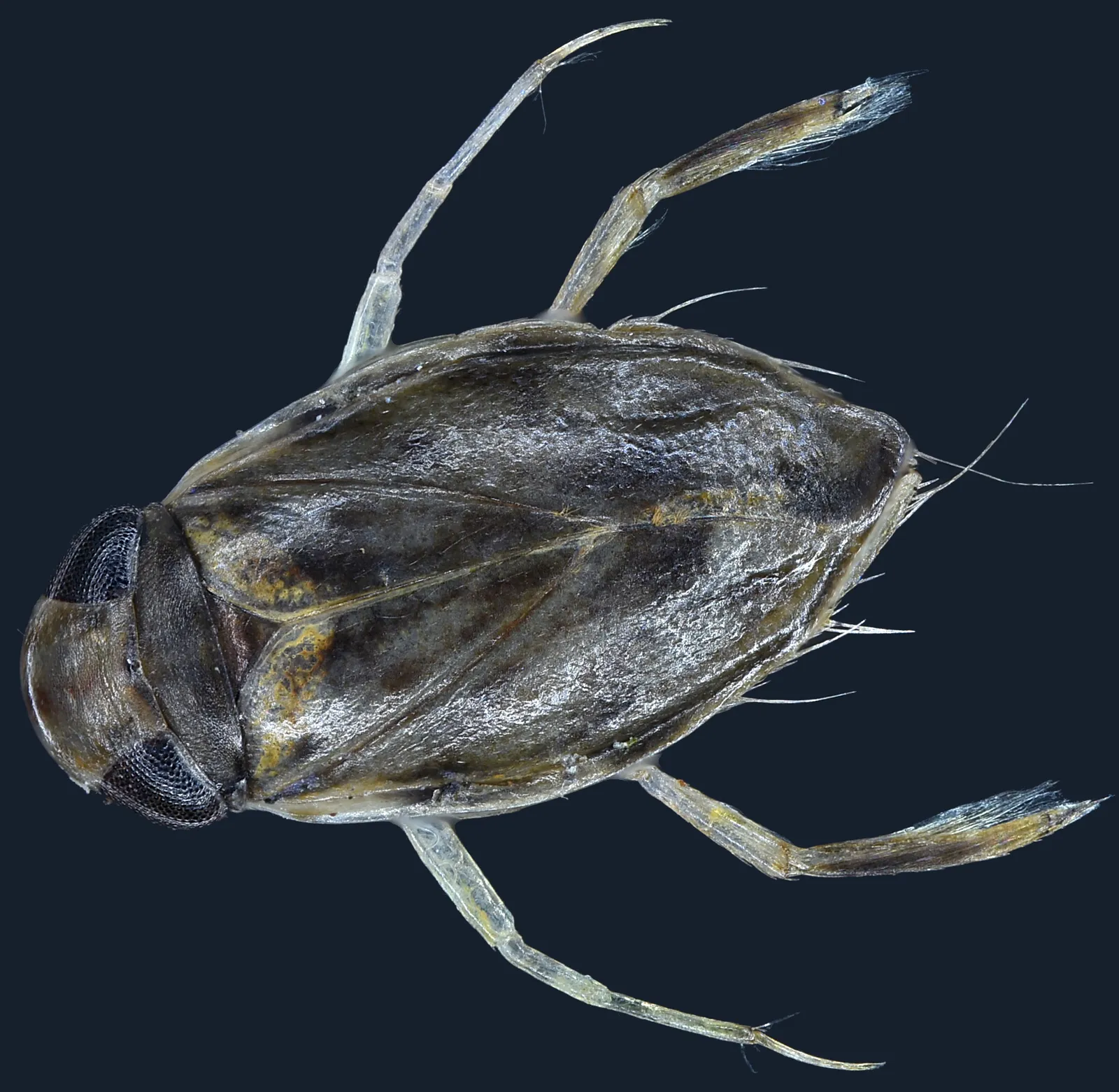
Imagine an insect so small that it could rest comfortably on your fingertip, yet capable of generating a sound as loud as a passing freight train. The male Micronecta scholtzi achieves this by producing calls that reach up to 99.2 decibels. To put this into perspective, that’s akin to sitting in the front row of a loud orchestra performance. Remarkably, these sounds are audible to humans standing at the edge of a pond, even though the insect resides underwater.
The Mechanism Behind the Mighty Sound
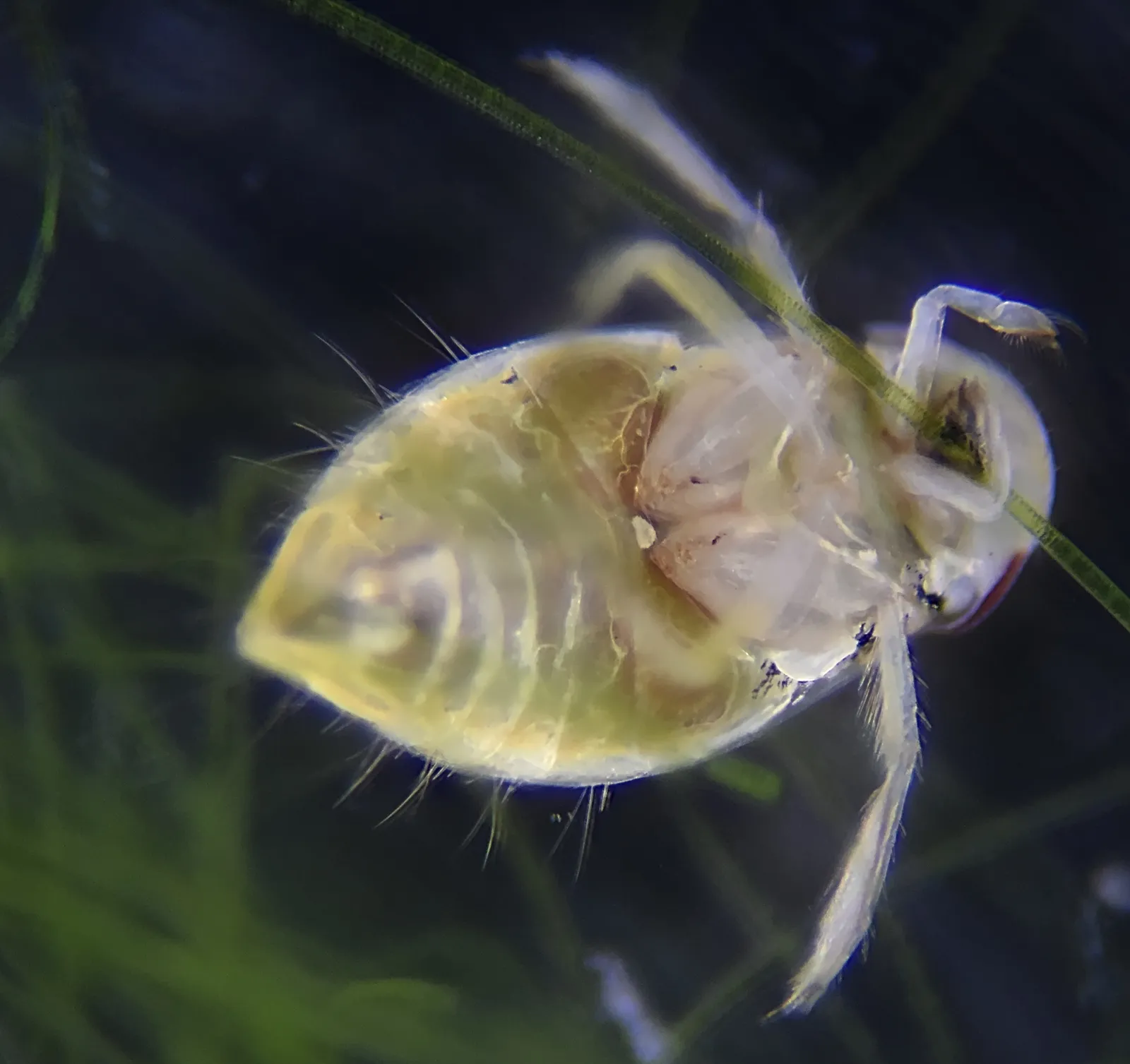
The secret to the water boatman’s impressive volume lies in a process called stridulation. Unlike crickets that rub their legs together, the male Micronecta scholtzi produces its mating call by rubbing its penis against its abdomen. This unique method allows the insect to create such a powerful sound despite its tiny size. The area used for this stridulation is minuscule, roughly the width of a human hair, making the feat even more extraordinary.
Comparing Giants: Size vs. Sound
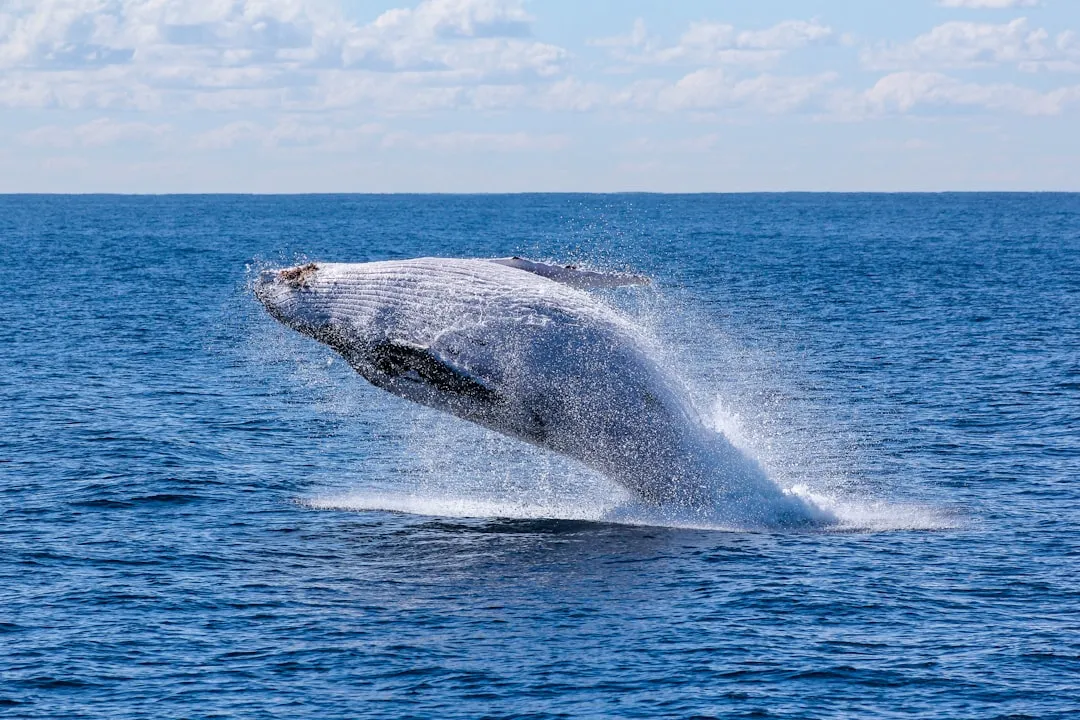
While blue whales are renowned for their loud calls, reaching up to 188 decibels, their massive size means that, relative to their body mass, their calls are less intense. In contrast, the water boatman’s calls, when adjusted for its tiny size, make it the loudest animal on Earth relative to body size. This comparison highlights the incredible efficiency of the water boatman’s sound production mechanism.
The Purpose Behind the Powerful Calls
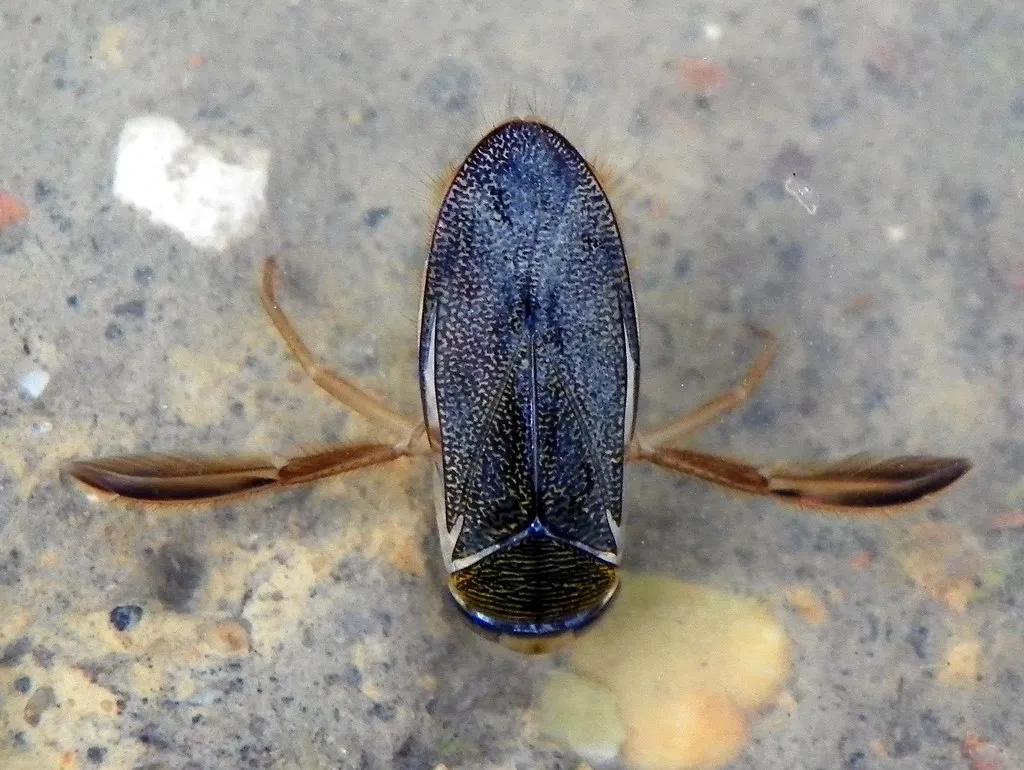
These loud calls serve a crucial role in the water boatman’s life: attracting mates. In the murky environments of freshwater ponds, where visibility is limited, sound becomes a vital tool for communication. The male’s powerful song ensures that potential female mates can locate him amidst the ambient noise of the aquatic habitat.
Implications for Science and Engineering
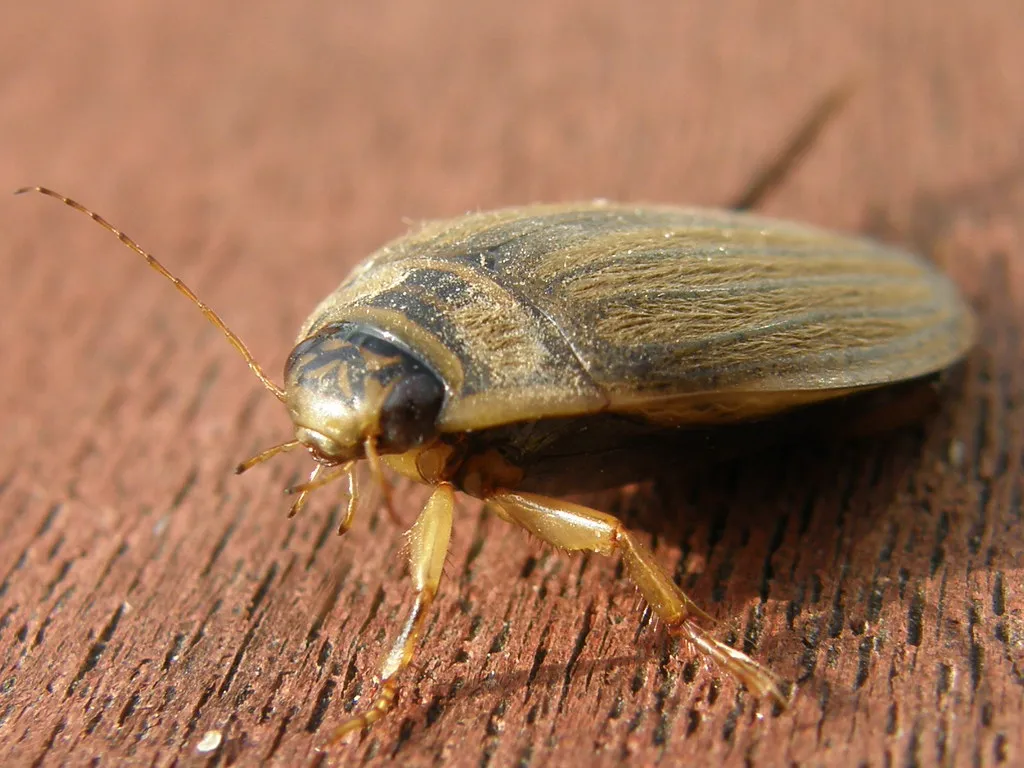
Understanding how such a small creature produces such a loud sound has piqued the interest of both biologists and engineers. Studying the water boatman’s stridulation mechanism could offer insights into bioacoustics and inspire innovations in sound production technology. Additionally, monitoring these sounds can aid in assessing biodiversity and the health of aquatic ecosystems.
Other Notable Noisemakers in the Animal Kingdom
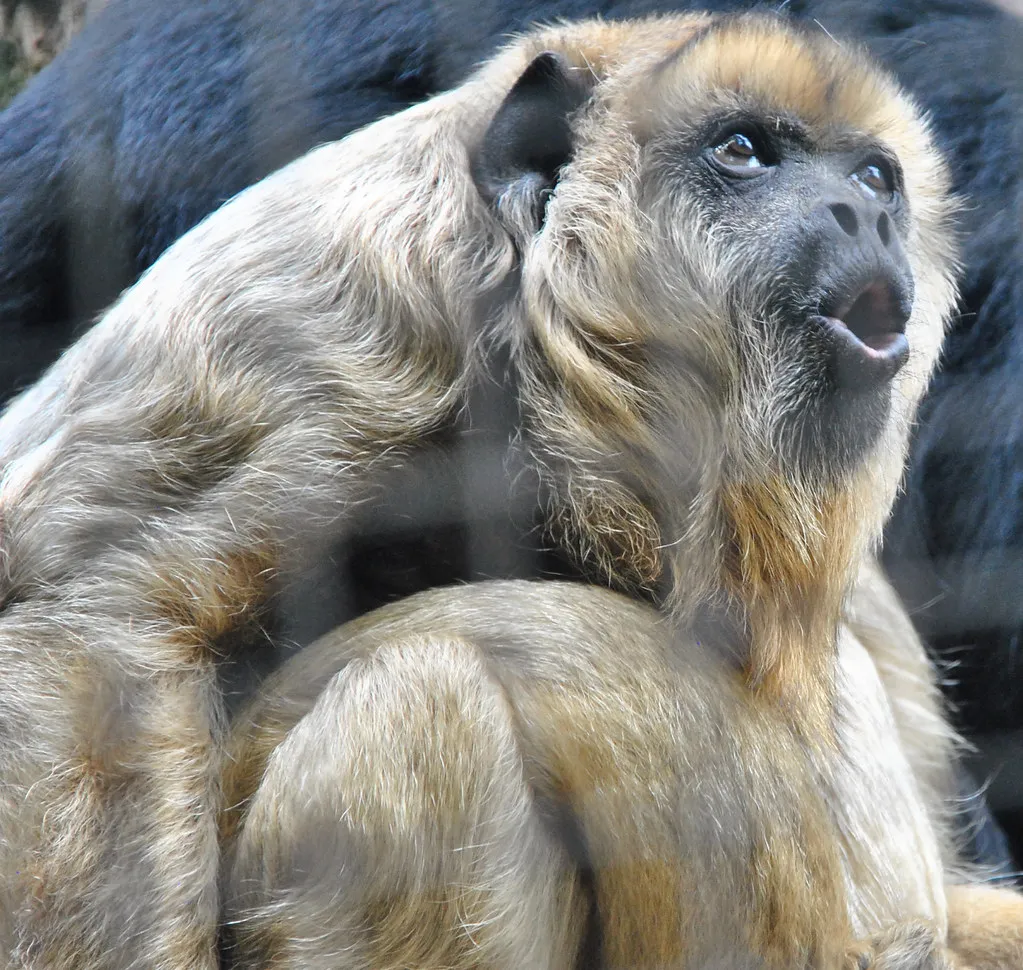
While the water boatman holds the record for the loudest sound relative to body size, other animals are noteworthy for their impressive vocalizations. The snapping shrimp, for instance, produces sounds exceeding 200 decibels by snapping its claw shut rapidly, creating a cavitation bubble that collapses with a loud pop. Similarly, the howler monkey’s calls can reach up to 88 decibels, making it one of the loudest land animals relative to its size.
Conclusion: Rethinking Nature’s Noisemakers
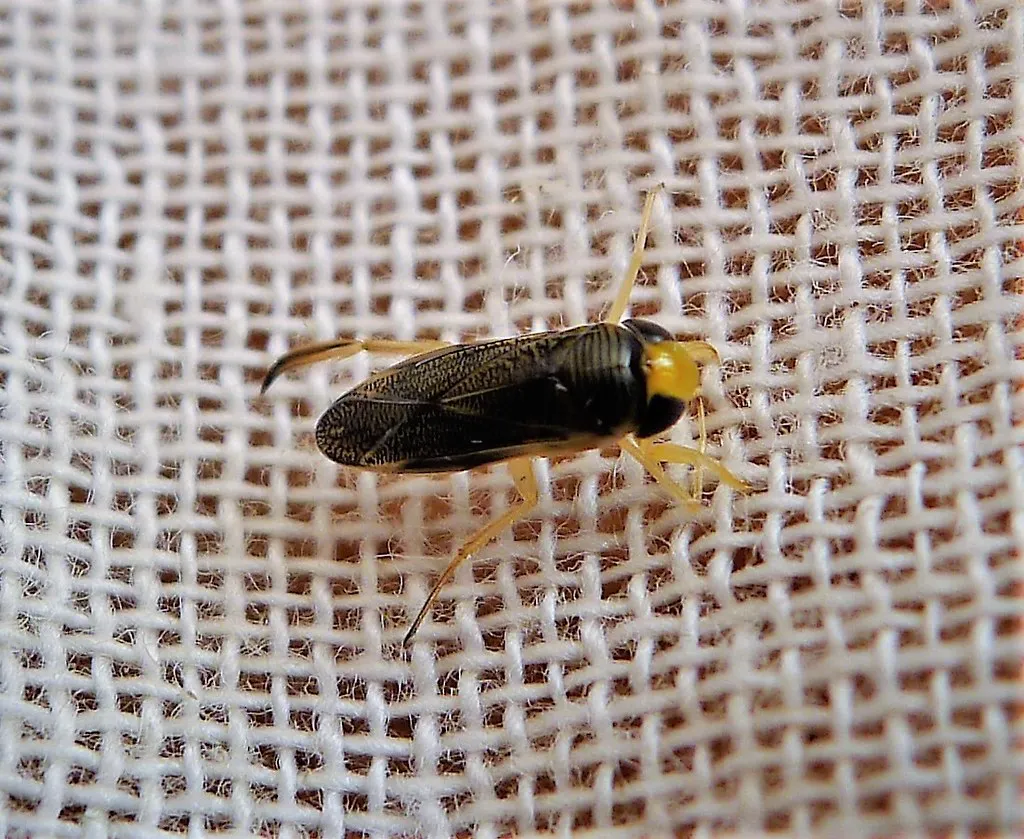
The discovery of the water boatman’s extraordinary acoustic abilities challenges our perceptions of nature’s loudest creatures. It serves as a reminder that even the smallest beings can possess remarkable traits that defy expectations. As we continue to explore the natural world, who knows what other surprising talents we might uncover in the most unassuming of creatures?

- 6 Exotic Bird Species You Can Spot in U.S. National Parks - July 19, 2026
- 11 Iconic American Birds Facing New Challenges and How You Can Help - July 19, 2026
- 10 Friendliest Animals in the World - July 19, 2026