


Few stories capture the essence of canine loyalty like that of Hachikō, the Akita dog who waited at Shibuya Station in Tokyo for nearly a decade after his owner’s death. This remarkable tale of devotion has transcended cultural boundaries, becoming a global symbol of fidelity and unbreakable bonds. Hachikō’s story reminds us of the profound emotional connections that can form between humans and their animal companions, connections that sometimes defy our understanding of animal behavior. Through his unwavering daily vigil, this ordinary dog became an extraordinary example of loyalty that continues to touch hearts worldwide nearly a century later.
The Beginning of an Extraordinary Bond

The story begins in 1924 when Hidesaburō Ueno, a professor at Tokyo Imperial University (now the University of Tokyo), brought home a two-month-old Akita puppy. He named the dog Hachikō, with “hachi” meaning “eight” in Japanese – a number considered lucky – and “kō” being a common suffix for male names. Professor Ueno lived in the Shibuya neighborhood of Tokyo and commuted daily to the university where he taught agricultural engineering.
A routine quickly developed between the professor and his dog. Each morning, Hachikō would accompany Professor Ueno to Shibuya Station, and each evening, the faithful dog would return to the station to greet his master as he stepped off the train from work. This daily ritual cemented their bond and established a pattern that would later become the foundation of Hachikō’s legendary loyalty. The sight of the handsome Akita waiting patiently by the station exit soon became familiar to regular commuters.
The Tragic Turn of Events

On May 21, 1925, tragedy struck this perfect partnership. Professor Ueno was delivering a lecture at the university when he suffered a cerebral hemorrhage and died suddenly at the age of 53. Hachikō, waiting as usual at Shibuya Station, never saw his beloved master step off the train that evening. The dog returned home, but the routine that had structured his life had been irrevocably broken.
Following Professor Ueno’s death, Hachikō was given away to live with relatives of the professor in another part of Tokyo. However, the devoted dog repeatedly escaped and returned to the professor’s home in Shibuya. Eventually, Hachikō made his way back to Shibuya Station at the precise time the evening train was due to arrive. Day after day, he waited in vain for Professor Ueno to return, maintaining his vigil through all weather conditions and circumstances.
A Daily Ritual of Devotion

What makes Hachikō’s story particularly remarkable is the precision and persistence of his waiting. Every day at 4:00 PM, the time when Professor Ueno’s train had been scheduled to arrive, Hachikō would appear at the station. Station workers and local shopkeepers came to recognize the Akita with his distinctive cream-colored fur and alert, pointed ears. Some offered him treats or shelter during inclement weather, but nothing could deter him from his appointed vigil.
Eventually, Hachikō came to live with Kikuzaboro Kobayashi, Professor Ueno’s former gardener. The gardener’s home was near Shibuya Station, which allowed Hachikō to continue his daily journey to the station. For nearly a decade, through scorching summers and freezing winters, the loyal dog maintained his routine, waiting for a reunion that would never come. This unfailing devotion, displayed day after day for years, would soon capture the imagination of an entire nation.
From Obscurity to National Fame

For several years, Hachikō’s daily appearances at the station went largely unnoticed by the wider public. His story might have remained a local curiosity if not for the intervention of one of Professor Ueno’s former students, Hirokichi Saito. Saito was an expert on the Akita breed, which was relatively rare at the time. In 1932, he happened to spot Hachikō at Shibuya Station and followed him to the home of Kobayashi, who told him the dog’s story.
Deeply moved, Saito published an article about Hachikō in the Asahi Shimbun, one of Japan’s major newspapers, in October 1932. Titled “Faithful Dog Awaits Return of Master Dead for Seven Years,” the article catapulted Hachikō to national fame. The story of the loyal Akita touched something profound in the Japanese cultural psyche, where loyalty and devotion are highly valued virtues. Almost overnight, Hachikō became a household name and a living symbol of loyalty throughout Japan.
A National Symbol of Loyalty
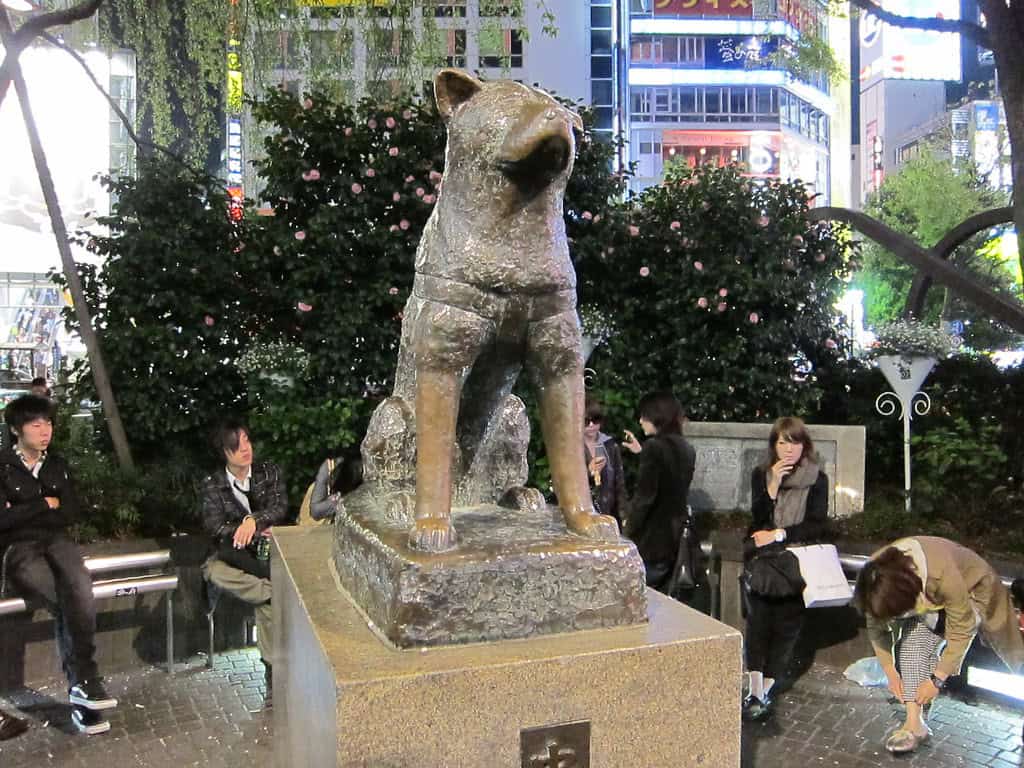
In the early 1930s, Japan was entering a period of increasing nationalism and militarism. The story of Hachikō’s unwavering loyalty resonated with national values being promoted at the time. The dog became a powerful symbol in Japanese culture, representing the virtues of loyalty and devotion that were being emphasized in Japanese society. Children were taught about Hachikō in schools as an example of the important values of loyalty and fidelity.
The famous dog became something of a celebrity, with people traveling to Shibuya Station specifically to see him. Artists created portraits of him, and his image appeared on numerous products. In 1934, a bronze statue of Hachikō was erected at Shibuya Station, with the loyal dog himself present at the unveiling ceremony. This statue became a popular meeting spot, with “Let’s meet at Hachikō” becoming a common phrase among Tokyo residents – a tradition that continues to this day.
The Final Years of Hachikō’s Vigil

As Hachikō aged, his health began to deteriorate. He developed heartworm and suffered from terminal cancer. Yet even as his strength waned, he continued his daily pilgrimage to Shibuya Station. His cream-colored coat became scarred and his once-proud stance grew hunched, but his determination never faltered. Regular commuters and shopkeepers in the area continued to look after him, offering food and compassion to the aging celebrity.
On March 8, 1935, Hachikō was found dead on a street in Shibuya. He had passed away peacefully, having maintained his vigil for nine years and nine months after his master’s death. The news of Hachikō’s death made headlines throughout Japan. It was determined that he had died from a combination of cancer and filariasis, a parasitic disease. He was approximately 11 years old. The nation mourned the loss of a dog who had become more than just a pet; he had become a symbol of the virtues they most admired.
Preserving the Memory

After his death, Hachikō’s remains were cremated and his ashes were buried at Aoyama Cemetery in Tokyo, alongside those of his beloved master, Professor Ueno. This final reunion symbolically completed the circle of devotion that had defined their relationship. Hachikō’s fur was preserved and stuffed, and his mounted remains were placed on display at the National Science Museum of Japan in Ueno, Tokyo, where they remain to this day.
The bronze statue at Shibuya Station was melted down during World War II for its metal, but a new statue, created by the son of the original artist, was erected in the same spot in 1948. This statue has become one of Tokyo’s most famous landmarks and continues to be a popular meeting spot. A similar statue stands at the Akita Dog Museum in Odate, Hachikō’s original hometown, and at the University of Tokyo, where Professor Ueno taught.
Scientific Insights into Canine Loyalty

Hachikō’s remarkable story raises questions about the nature of canine loyalty and memory. Modern research has provided some insights into the deep bonds that can form between dogs and their human companions. Dogs have co-evolved with humans for at least 15,000 years, developing unique abilities to read and respond to human emotions and cues. Studies have shown that dogs experience a surge in oxytocin – often called the “love hormone” – when interacting with their owners, similar to the bonding mechanism between human parents and children.
Research also suggests that dogs have impressive long-term memories, particularly for people who have been significant in their lives. They can remember routines and locations associated with those people, which might explain Hachikō’s persistent return to the station. While we cannot know exactly what was happening in Hachikō’s mind during those nine years of waiting, scientific understanding of canine cognition and emotional attachment provides a framework for understanding his behavior as more than just habit or conditioning, but as a genuine expression of emotional connection and loyalty.
Cultural Impact in Japan

Hachikō’s story has become deeply embedded in Japanese culture. Beyond the famous statue at Shibuya Station, his memory is preserved in numerous ways throughout Japan. The Shibuya train station entrance near his statue was renamed “Hachikō Exit” in his honor. Each year on April 8, a ceremony called Hachikō Ceremony is held at Shibuya Station to honor his memory and loyalty. This event draws hundreds of dog lovers and their pets.
In Hachikō’s birthplace of Odate in Akita Prefecture, a museum dedicated to the Akita breed features exhibits about him. The city also celebrates Hachikō Day and has erected its own statue of the famous dog. His story is taught in Japanese schools as an example of loyalty and devotion, values deeply embedded in Japanese culture. The term “Chūken Hachikō” or “Loyal Dog Hachikō” has become a common phrase in Japanese language to describe unwavering loyalty.
Global Recognition and Media Adaptations
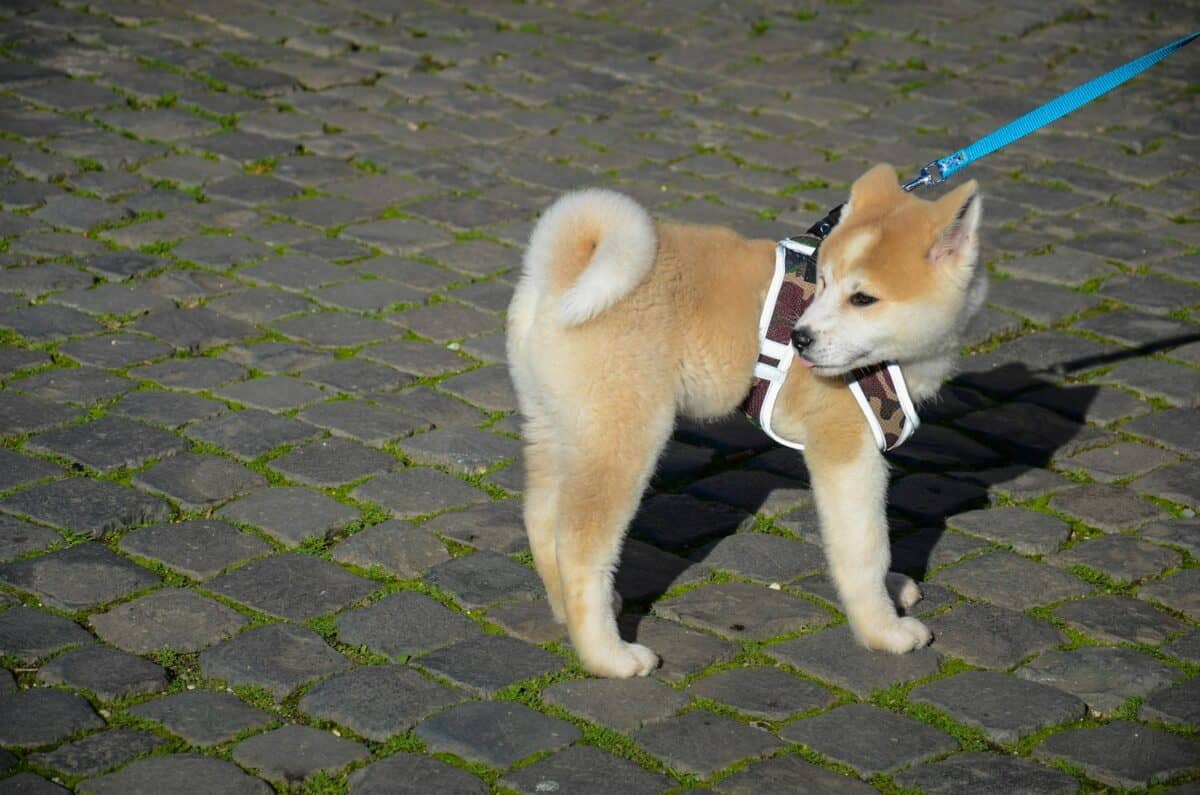
Hachikō’s story has transcended cultural boundaries to touch hearts around the world. It has been adapted into various forms of media that have brought the tale to global audiences. The 1987 Japanese film “Hachikō Monogatari” (The Tale of Hachikō) was a major box office success in Japan. In 2009, Hollywood released “Hachi: A Dog’s Tale,” starring Richard Gere, which transplanted the story to America but maintained its emotional core. Despite limited theatrical release, the film developed a strong following through television broadcasts and streaming platforms.
Beyond film, Hachikō’s story has inspired books, children’s stories, songs, and even an opera. It regularly appears in collections of “most heartwarming” or “most loyal” animal stories worldwide. The universal themes of loyalty, love, and devotion that transcend even death have made the story resonate with people from diverse cultural backgrounds. In many ways, Hachikō has become a global ambassador for the special bond that can exist between humans and dogs.
Similar Stories of Canine Loyalty

While Hachikō’s tale is perhaps the most famous, similar stories of extraordinary canine loyalty have emerged from around the world. In Edinburgh, Scotland, a Skye Terrier named Greyfriars Bobby guarded his owner’s grave for 14 years until his own death in 1872. A statue erected in his honor remains a popular tourist attraction. In Italy, a German Shepherd mix named Fido waited at a bus stop for 14 years after his owner’s death in a bombing during World War II.
More recently, in Resistencia, Argentina, a German Shepherd named Capitán spent 12 years sleeping beside his owner’s grave until his own death in 2018. In Siberia, a dog named Shavi traveled 200 kilometers to find the woman who had nursed her back to health after an accident. These stories, spanning different cultures and time periods, suggest that the capacity for deep loyalty that Hachikō displayed is a fundamental aspect of the dog-human bond rather than an isolated phenomenon.
The Legacy of Hachikō: A Timeless Tale of Devotion
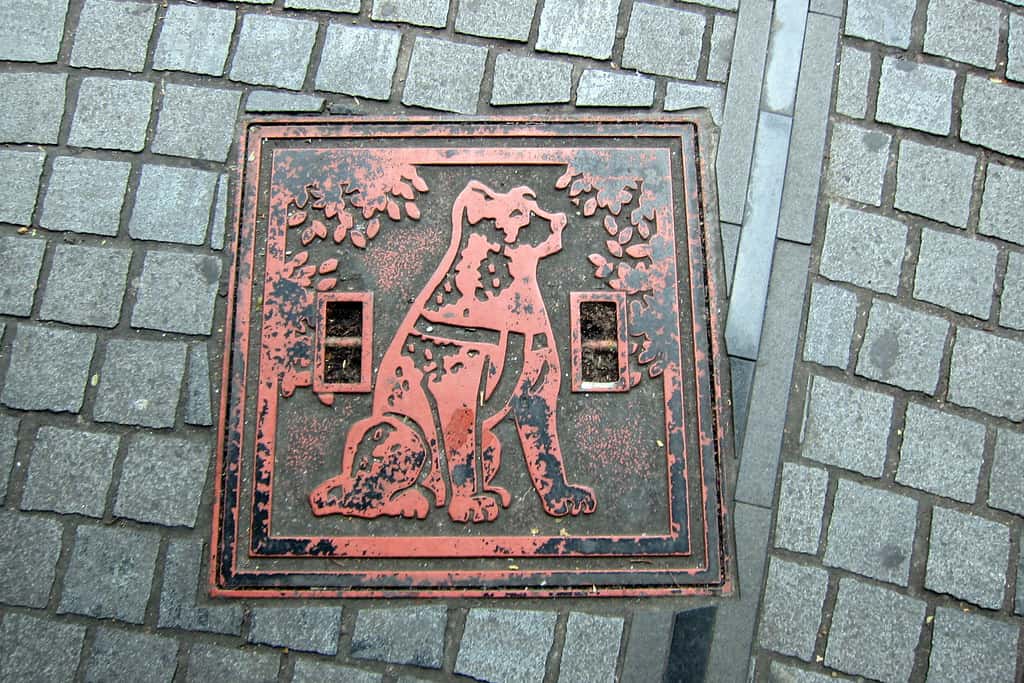
Nearly a century after he began his faithful vigil, Hachikō’s story continues to resonate with people around the world. His legacy lives on not just in statues and ceremonies, but in the way his story has helped shape our understanding of the deep emotional bonds that can form between humans and animals. In a world that often seems increasingly disconnected, Hachikō’s simple act of loyalty provides a powerful reminder of the capacity for devotion that exists beyond the human realm.
The enduring popularity of Hachikō’s story speaks to something fundamental in the human experience: our recognition and appreciation of loyalty as a virtue, and our desire to believe in the possibility of love that transcends even death. In his nine-year wait at Shibuya Station, this ordinary Akita demonstrated extraordinary faithfulness that continues to touch hearts, inspire art, and remind us of the profound connections that can exist between species. As long as humans and dogs share their lives, the story of the loyal dog who waited at the train station will continue to symbolize the very best of that ancient partnership.

From exploring the marine wonders in the Azores and witnessing the vast savannas of Kenya, to delving deep into the rich biodiversity of South Africa and traversing iconic landscapes in Australia and the US like Yellowstone, Chris's experiences are vast.
With a penchant for diving alongside sharks, the ocean holds a special place in his heart.
Through his academic insights, he champions wildlife conservation, striving with 'Animals Around The Globe' to cultivate a profound connection between humans and animals, enhancing our mutual appreciation.
Connect with him at Feedback@animalsaroundtheglobe.com.
- The Brightest Animal Lives in the Sea - June 30, 2026
- This Ocean Creature Moves the Slowest—but Lives the Longest - June 30, 2026
- 12 Biggest Dinosaur Fossils Ever Found - June 30, 2026