


In the vast animal kingdom, where predators often boast impressive sizes and fearsome weapons, one of nature’s most aggressive and effective defenders weighs mere grams. The honey bee (Apis mellifera), despite its diminutive size, demonstrates remarkable defensive capabilities that rival those of creatures thousands of times its mass. When defending its colony against threats, this tiny insect exhibits a level of aggression, coordination, and self-sacrifice that has fascinated scientists for centuries. This article explores how this small creature has evolved to become one of nature’s most formidable defenders, capable of deterring predators many times its size through its aggressive defensive strategies.
The Anatomy of a Tiny Defender
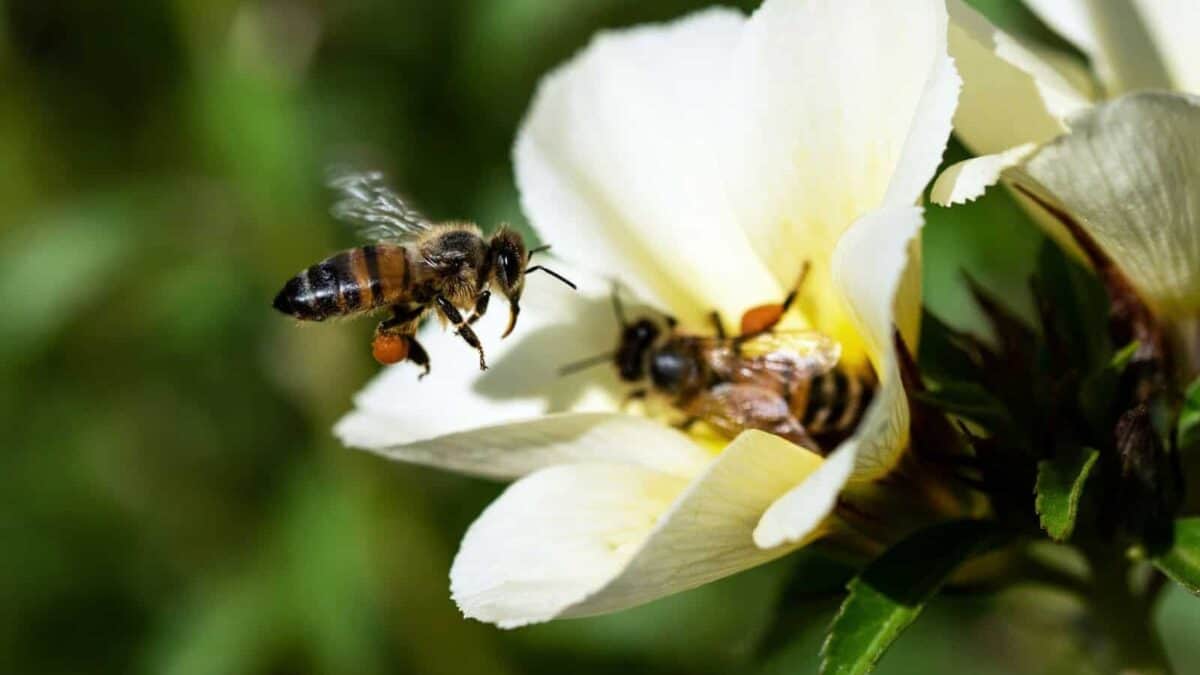
The average worker honey bee weighs approximately 0.1 grams, measuring just 15 millimeters in length. Despite this minuscule size, honey bees possess sophisticated defensive equipment. Their primary weapon, the barbed stinger, is a modified ovipositor connected to a venom sac that delivers apitoxin—a complex mixture of proteins and peptides. This venom contains melittin, a powerful anti-inflammatory compound that constitutes about 50% of the venom’s dry weight, along with histamine, which triggers pain and inflammation in vertebrates.
What makes the honey bee’s defense system particularly remarkable is its barbed stinger design. Unlike smooth stingers found in wasps and hornets that can be withdrawn after use, the honey bee’s stinger features backward-facing barbs that lodge firmly in mammalian skin. When the bee attempts to fly away after stinging, it tragically tears away part of its abdomen, including the venom sac and associated internal organs, resulting in the bee’s death. This evolutionary sacrifice represents one of the most extreme examples of defensive altruism in the animal kingdom.
Colony Defense: A Coordinated Military Operation
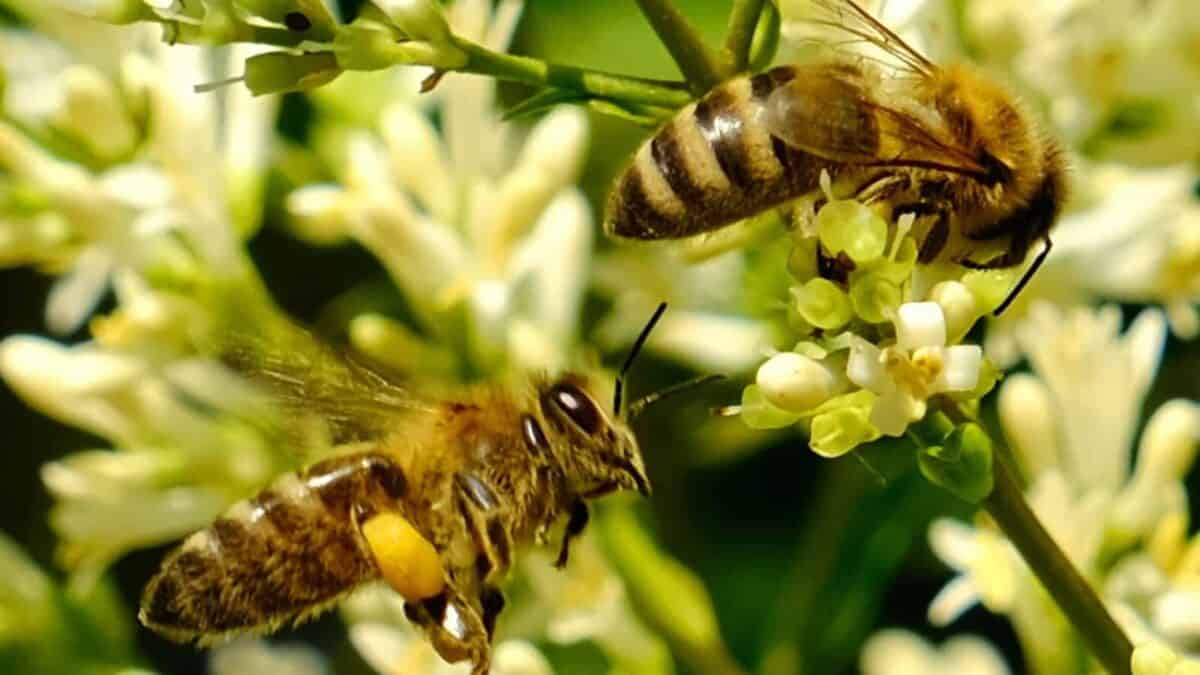
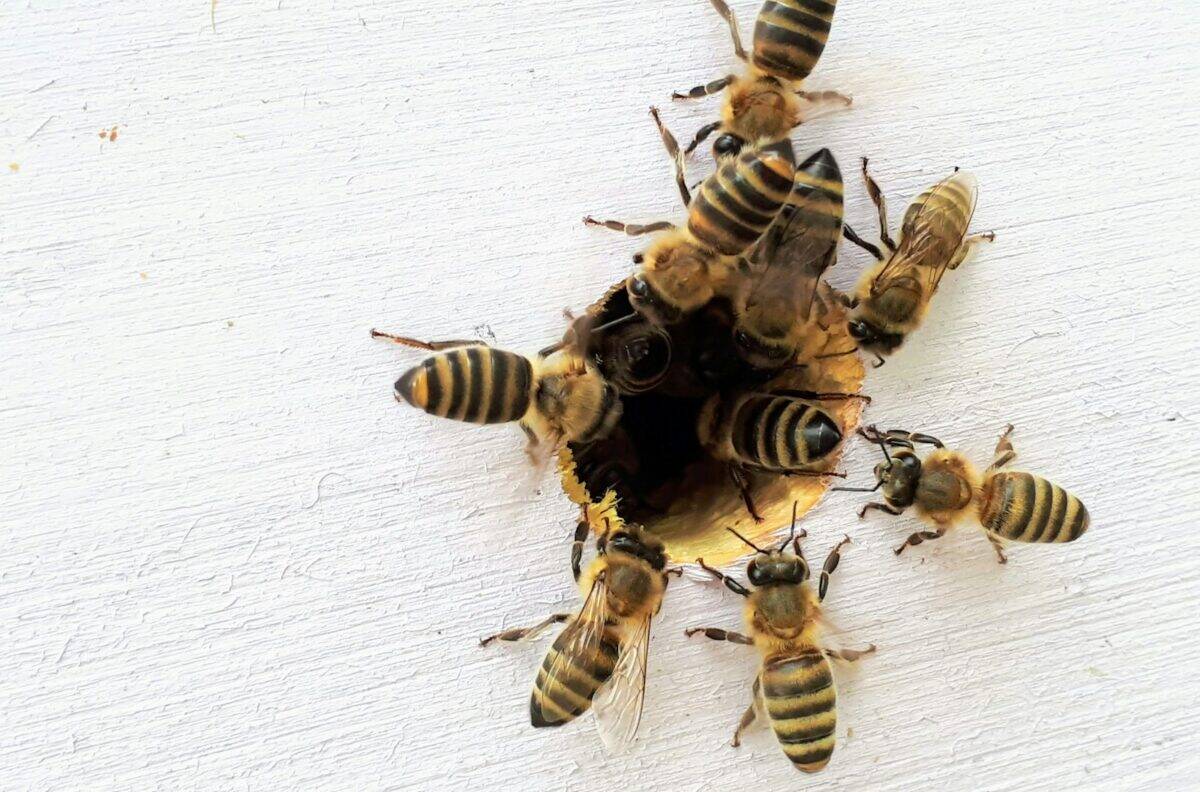
Honey bee defense operates as a sophisticated collective system rather than individual actions. When a colony perceives a threat, guard bees stationed at the hive entrance release alarm pheromones—primarily isopentyl acetate, commonly known as “banana smell”—that rapidly recruit other worker bees to the defense. This chemical communication system enables the colony to respond to threats with coordinated precision. Studies have shown that a single guard bee can mobilize hundreds of defenders within seconds through this pheromonal alarm system.
The colony defense involves distinct roles and escalating responses. Initial defenders may perform warning “bumping” behaviors against intruders, followed by aggressive flying patterns with loud buzzing. If these deterrents fail, the bees will proceed to stinging as a last resort. The strategic coordination of these defensive behaviors allows a colony of tiny insects to effectively defend against predators many times their size, from honey-seeking mammals to hornets and other insect competitors.
The Ultimate Sacrifice: Sting Autotomy

The most dramatic aspect of honey bee defense is the process of sting autotomy—the deliberate self-amputation that occurs when a bee stings a mammalian predator. This extreme sacrifice represents a remarkable evolutionary adaptation focused on colony survival rather than individual preservation. When a bee’s barbed stinger embeds in a predator’s skin, the departing bee leaves behind not just the stinger but also part of its digestive tract, muscles, and nerves, along with the venom gland.
This severed stinging apparatus continues to function autonomously, with the attached muscles pumping venom into the wound for up to a minute after separation from the bee. Meanwhile, the alarm pheromone released from the sting site continues to attract and direct other defender bees to the same location. Essentially, each stinging bee creates a targeted marker for subsequent defenders, maximizing the colony’s defensive impact against the threat while sacrificing individual bees in the process.
Heat-Balling: The Thermal Defense Strategy

Beyond their venomous stings, honey bees employ another sophisticated defensive technique known as “heat-balling” or “balling” against certain predators, particularly invasive hornets. When faced with these threats, dozens or even hundreds of honey bees will surround the invader in a tight ball formation. Inside this living prison, the bees vibrate their flight muscles without moving their wings, generating significant heat while simultaneously increasing carbon dioxide levels.
This thermal defense can raise temperatures within the ball to approximately 46°C (115°F), combined with elevated CO₂ levels that can reach over 4%. These conditions prove lethal to hornets and other invaders while remaining just within the honey bees’ thermal tolerance limits. Japanese honey bees (Apis cerana japonica) have particularly refined this technique against the predatory giant hornet (Vespa mandarinia), demonstrating how these small defenders have evolved specialized tactics against specific threats.
Genetic Basis for Defensive Behavior
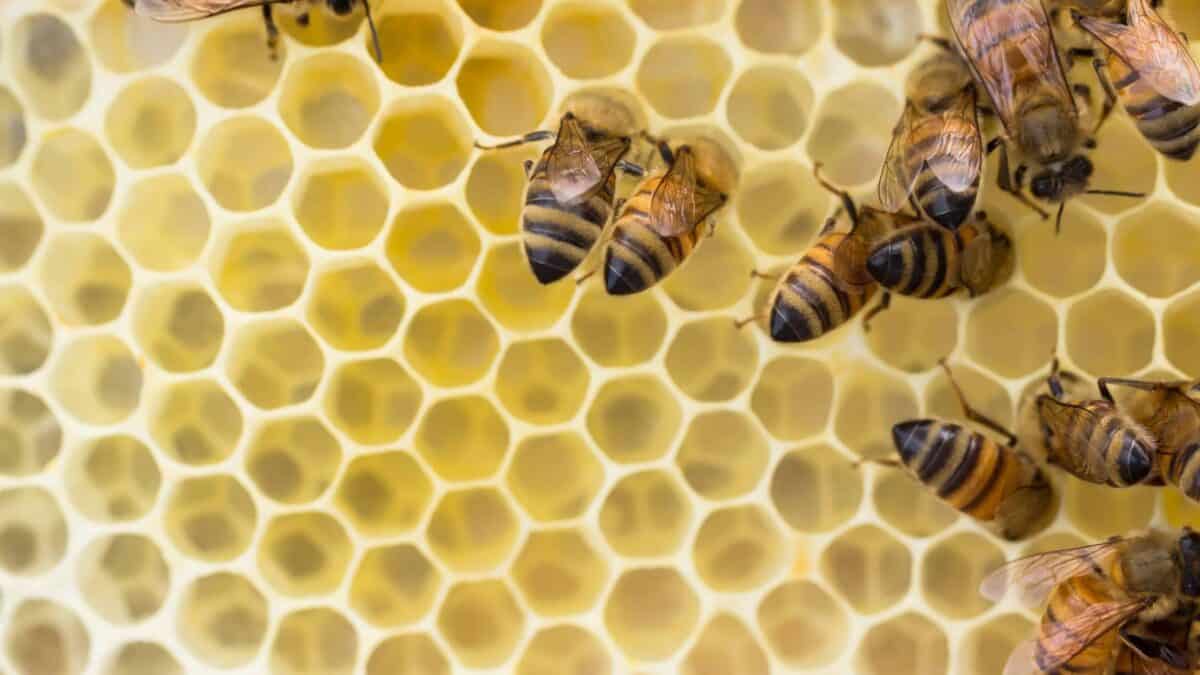
The aggressive defensive behavior of honey bees has a strong genetic component, making it subject to selective breeding in apiculture. Research has identified multiple quantitative trait loci (QTLs) associated with defensive responses, with at least seven genetic regions linked to stinging behavior. The most aggressive defensive behaviors are particularly pronounced in Africanized honey bees, commonly known as “killer bees,” which are hybrids of African honey bee subspecies (A. m. scutellata) with European honey bees.
These genetic factors influence various aspects of defensive behavior, including guard bee alertness, alarm pheromone sensitivity, recruitment response time, and stinging threshold. The heritability of these defensive traits ranges from 0.3 to 0.6, indicating a significant genetic influence that has allowed beekeepers to selectively breed for gentler colonies while maintaining other desirable traits. This genetic basis demonstrates how natural selection has shaped honey bees into effective defenders despite their small size.
The Chemistry of Bee Venom

Honey bee venom represents a remarkable biochemical arsenal packed into a tiny volume—approximately 0.1 mg dry weight per sting. This complex mixture contains over 28 different compounds, including enzymes, peptides, and biologically active amines. The primary components include melittin (50-55% of dry venom), phospholipase A2 (10-12%), apamin (2-3%), and hyaluronidase (1-3%). Each component plays a specific role in the venom’s effectiveness against predators and competing organisms.
Melittin, the most abundant component, disrupts cell membranes and stimulates pain receptors, while phospholipase A2 breaks down cell membranes and releases inflammatory compounds. Apamin affects the nervous system by blocking certain potassium channels, and hyaluronidase breaks down connective tissue, allowing venom to spread more effectively. This sophisticated biochemical cocktail evolved specifically to target vertebrate predators, creating maximum deterrence through pain and inflammation while requiring minimal venom volume—a necessity given the bee’s small size.
Defensive Adaptations Against Different Predators

Honey bee colonies face diverse predatory threats, from mammals like bears and honey badgers to insects such as hornets and wasps, and they have evolved specialized defensive responses for different adversaries. Against large mammals, which typically target colonies for their honey and brood, bees employ mass stinging attacks focused on vulnerable areas like eyes, nose, and mouth. These coordinated assaults can deliver hundreds or thousands of stings, creating sufficient deterrence despite the size disparity.
For insect predators, particularly hornets that attack individual foragers or attempt to invade colonies, honey bees employ different tactics. Beyond the heat-balling strategy mentioned earlier, some honey bee populations have evolved behavioral adaptations such as reduced foraging during hornet activity periods, narrowed hive entrances, and specialized guard postures. Some Asian honey bee species even apply animal feces around their hive entrances to repel hornets, demonstrating remarkable behavioral plasticity in their defensive strategies.
The Economic Value of Defensive Behavior

The aggressive defensive capabilities of honey bees provide significant economic value beyond simply protecting the colony. These defensive behaviors have evolved primarily to protect the substantial resources within a hive—typically 15-20 kg of honey, pollen stores, and developing brood—which represent considerable energy investment. This protection ensures pollination services continue, with honey bees contributing approximately $15 billion annually to U.S. crop production through pollination and around $175 billion globally.
Interestingly, even bee venom itself has economic value, being harvested for various pharmaceutical and cosmetic applications. Used in treatments for conditions including arthritis, multiple sclerosis, and chronic pain, bee venom contains compounds with anti-inflammatory, antimicrobial, and pain-modulating properties. The global bee venom market exceeds $50 million annually, representing yet another way these tiny defenders create value through their aggressive defensive adaptations.
Comparing Honey Bee Defense to Other Species

When comparing honey bee defensive capabilities to other species relative to body size, few animals demonstrate such effective deterrence with so little mass. While a lion weighing 190 kg or a venomous snake of several kilograms can effectively defend themselves, they rely on substantial body mass and energy reserves. In contrast, the 0.1-gram honey bee can, through collective action, deter creatures thousands of times its size, making it perhaps the most efficient defender in the animal kingdom by weight.
Other social insects like ants and termites employ defensive strategies including chemical warfare, physical barriers, and soldier castes. However, honey bees stand out for the combination of their chemical weaponry (venom), willingness to sacrifice individual lives, sophisticated coordination through pheromones, and thermal defensive capabilities. This multi-faceted approach to defense, all packed into a tiny body, represents one of evolution’s most remarkable solutions to the challenge of protecting valuable resources against vastly larger predators.
The Evolution of Aggressive Defense
The evolution of the honey bee’s aggressive defensive system represents millions of years of natural selection balancing individual survival against colony protection. Researchers believe the barbed stinger and associated self-sacrifice behavior evolved from parasitic wasp ancestors that used ovipositors to lay eggs. As eusociality (advanced social organization) developed in bee species, these structures were repurposed for colony defense rather than reproduction in worker bees, which are functionally sterile females.
This evolutionary transition highlights the concept of inclusive fitness, where individuals can enhance their genetic representation in future generations by protecting relatives sharing their genes, even at the cost of their own lives. With worker bees sharing 75% of their genes with their sisters due to honey bees’ haplo-diploid reproductive system, this genetic mathematics favors extreme defensive sacrifices. The resulting defensive system demonstrates how powerful evolutionary forces can produce highly specialized adaptations that overcome extreme size disadvantages through collective action.
Human Interactions with Defensive Bees
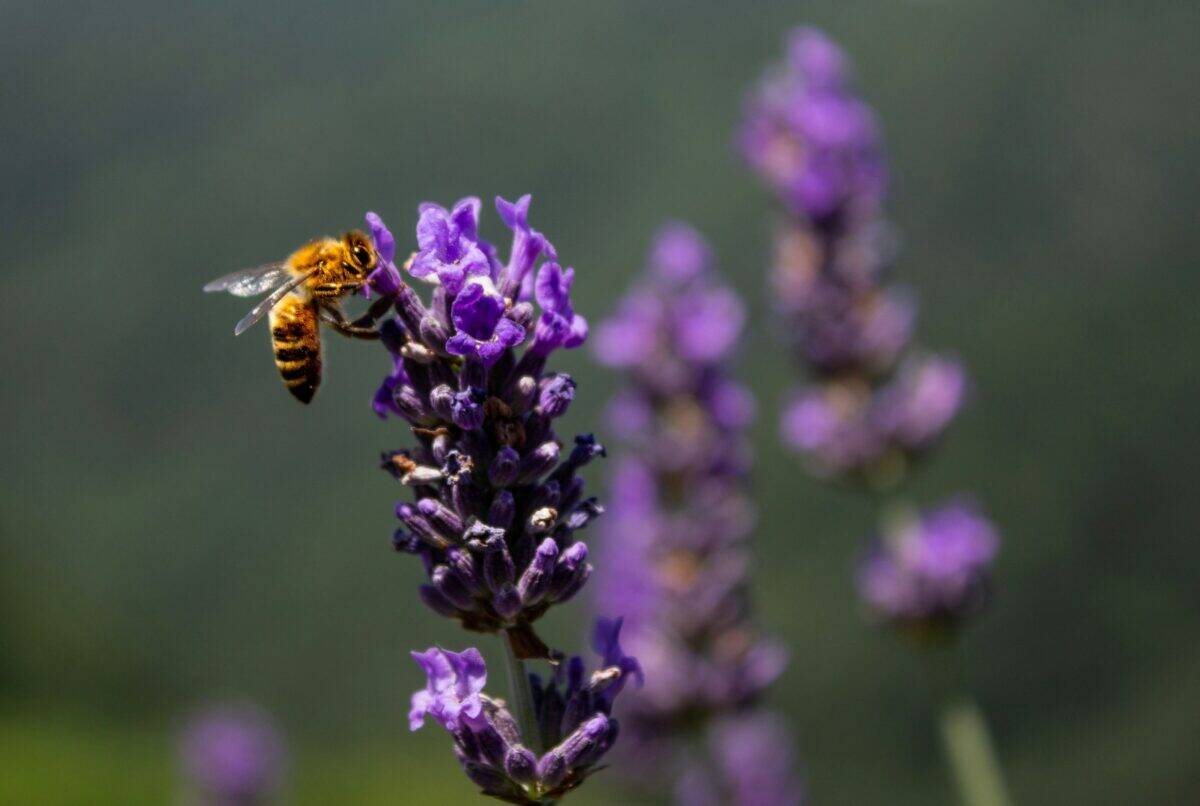
Human interactions with honey bee defensive behaviors have shaped both beekeeping practices and public perceptions of these insects. Beekeepers have developed specialized techniques and equipment to manage bee defensiveness, including protective clothing, smoke application (which masks alarm pheromones and triggers a feeding response that reduces defensive behavior), and careful breeding for gentler temperaments. These practices allow humans to manage millions of colonies worldwide while minimizing defensive responses.
Public interactions with honey bee defense are more problematic, with bee stings ranking among the most common causes of insect-related medical emergencies. Approximately 5-7.5% of people experience significant allergic reactions to bee stings, with 0.3-3% developing life-threatening anaphylaxis. Despite these risks, public education efforts focus on distinguishing honey bees from more aggressive wasps and emphasizing the bees’ reluctance to sting away from their colonies. These educational initiatives aim to balance appropriate caution with appreciation for these tiny but formidable defenders and their ecological importance.
The Future of Bee Defense in a Changing World

Honey bee defensive capabilities face new challenges in our rapidly changing environment. Climate change is altering the distribution of honey bee predators and competitors, potentially exposing colonies to new threats they have not evolved defenses against. The spread of invasive species like Asian giant hornets (Vespa mandarinia) to North America creates particular concerns, as European honey bees lack the specific defensive adaptations that their Asian counterparts have evolved over millennia of coexistence with these predators.
Additionally, research indicates that certain pesticides and environmental toxins may impair bees’ defensive capabilities by affecting their neurological function, reducing their ability to coordinate defensive responses or accurately assess threats. As we continue to modify landscapes and introduce chemicals into bee habitats, understanding how these changes affect the delicate balance of honey bee defense becomes increasingly important for both conservation efforts and beekeeping practices. The future of these tiny but mighty defenders may depend on our ability to recognize and mitigate these emerging challenges.
Conclusion: Small Defenders with Outsized Impact

The honey bee stands as a remarkable testament to nature’s ingenuity, demonstrating how effective defense doesn’t necessarily require large size or imposing physical features. Through evolutionary adaptations that prioritize colony survival over individual preservation, these gram-weight insects have developed one of the animal kingdom’s most effective defensive systems relative to body size. Their willingness to sacrifice individual lives, sophisticated chemical communication, coordinated attack strategies, and specialized defensive behaviors allow them to successfully protect their colonies against predators thousands of times their size.
This defensive capability not only ensures the survival of honey bee colonies but also secures their crucial ecological role as pollinators. By effectively defending their colonies, honey bees maintain their ability to provide essential pollination services that support both natural ecosystems and human agriculture. The aggressive defense of the honey bee reminds us that in nature, effective strategies often triumph over raw size and strength.
As we continue to study and understand these tiny defenders, they offer valuable insights into evolutionary biology, chemical ecology, and collective behavior. They also present a powerful metaphor: even the smallest entities can create significant impacts through coordination, specialization, and strategic action. The honey bee—weighing just a tenth of a gram—stands as nature’s proof that sometimes the most formidable defenders come in the smallest packages.
In a world increasingly recognizing the importance of these pollinators, appreciating the sophisticated defensive capabilities of honey bees enriches our understanding of these fascinating insects while highlighting the complex adaptations that allow small creatures to thrive in a world of much larger predators.

From exploring the marine wonders in the Azores and witnessing the vast savannas of Kenya, to delving deep into the rich biodiversity of South Africa and traversing iconic landscapes in Australia and the US like Yellowstone, Chris's experiences are vast.
With a penchant for diving alongside sharks, the ocean holds a special place in his heart.
Through his academic insights, he champions wildlife conservation, striving with 'Animals Around The Globe' to cultivate a profound connection between humans and animals, enhancing our mutual appreciation.
Connect with him at Feedback@animalsaroundtheglobe.com.
- This Monkey Has a Mustache - July 21, 2026
- How Steve Irwin Changed the World’s View of Wildlife - July 21, 2026
- The Catfish That Caused Earthquakes in Japanese Folklore - July 21, 2026