


Among nature’s most awe-inspiring and simultaneously terrifying displays is the phenomenon of lightning. These brilliant electrical discharges not only light up our skies with mesmerizing intensity but also pose serious threats to life and property. The United States, with its diverse climatic regions, experiences a significant number of lightning strikes each year. While the beauty of a storm can captivate the imagination, it also serves as a reminder of the raw power that nature wields. This article delves into some of the most dangerous lightning strikes ever witnessed in the US, illustrating the immense impact of these natural events.
The Electric Marvel Understanding Lightning
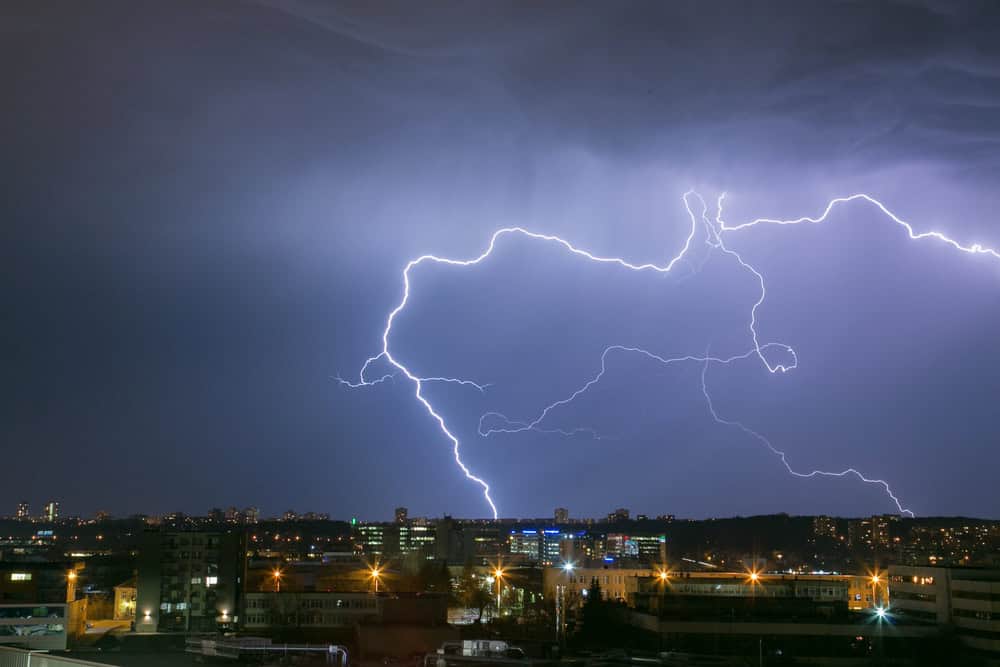
Lightning is a rapid discharge of electricity that occurs during a thunderstorm when there is a buildup of electrical charges in the atmosphere. It’s estimated that globally, lightning strikes about 40 times per second, contributing to approximately 1.4 billion flashes annually. In the US, specific regions, particularly in the Midwest and Southeast, are more prone to these electrical phenomena due to their weather patterns.
June 1999 Utah’s Fatal Strike

In June 1999, one of the deadliest lightning strikes in US history occurred at Bryce Canyon National Park in Utah. At the time, the park was bustling with tourists, when a sudden storm enveloped the area. Tragically, a group of tourists hiking along the Rim Trail were struck, resulting in the death of a 23-year-old man and injuring others who had sought refuge under a tree, a common but dangerous mistake during lightning storms.
July 1970 The Shock in Shenandoah

Shenandoah National Park in Virginia witnessed a chilling lightning event in July 1970. During a summer camp visit, a group of children and their counselors were caught in a sudden thunderstorm. Seeking shelter under a large oak tree turned catastrophic when lightning struck, resulting in the deaths of two children and injuring others. This tragic event highlighted the peril of inadequate lightning safety awareness.
August 1967 The Grand Teton Tragedy
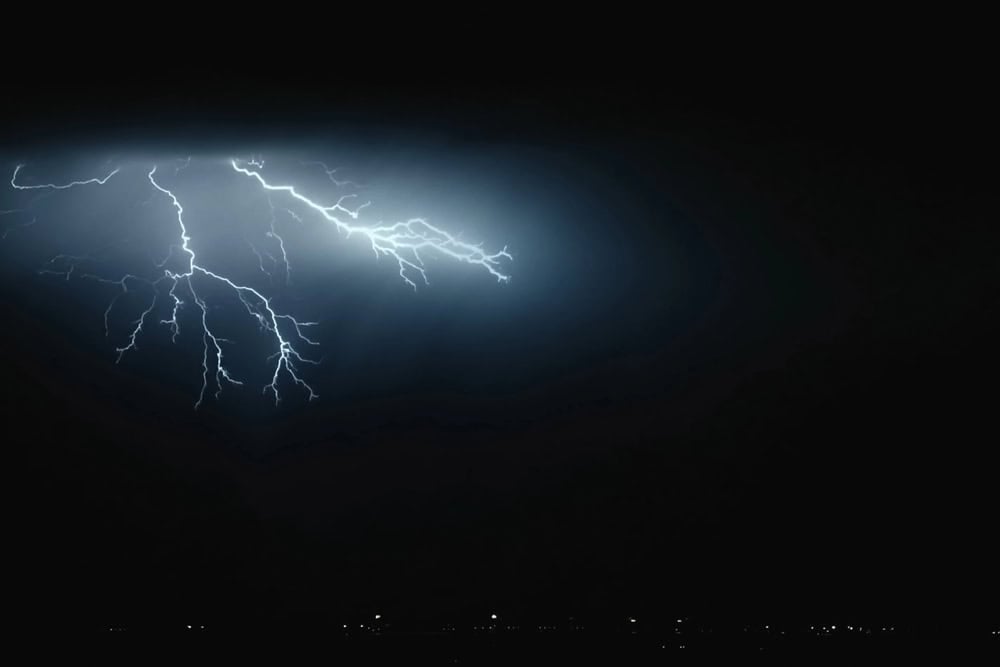
The serene landscapes of Grand Teton National Park, Wyoming, became the scene of another lightning disaster in August 1967. While descending from a climb on the Grand Teton, a group of climbers was caught off-guard by a sudden storm. A lightning bolt struck, killing a 16-year-old scout instantly and injuring others. This incident prompted improvements in mountainous weather forecasting and storm awareness for climbers.
Lightning Safety Awareness Lessons Learned
Each of these devastating incidents underscores the vital importance of lightning safety education. Awareness campaigns have grown over the years, emphasizing the 30-30 rule — if the time between seeing lightning and hearing thunder is less than 30 seconds, individuals should take cover in a substantial structure and wait at least 30 minutes after the last thunderclap before resuming outdoor activities.
Technology and Lightning Detection Advancements

Technological advancements have made significant strides in lightning detection and prediction. Lightning detection networks now provide real-time data and forecasts, allowing for timely alerts that can prevent tragedies. These systems leverage satellite technology and ground-based sensors to track storms and provide crucial warnings.
The Tampa Bay Area The Lightning Capital
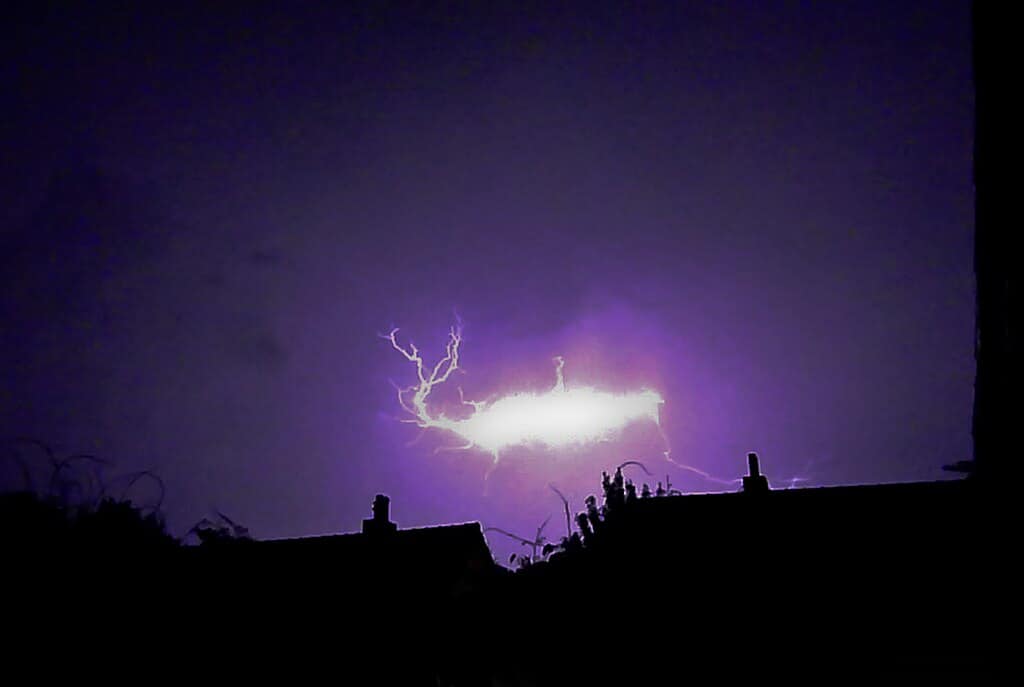
The Tampa Bay area in Florida is often referred to as the “Lightning Capital of the United States.” This region experiences an extraordinarily high number of lightning strikes annually due to its unique climatological conditions. The frequent storms make lightning awareness and preparedness a part of daily life for residents.
Protective Measures for Outdoor Activities

For those enjoying the great outdoors, understanding storm patterns and developing an action plan can make a difference. Wearing rubber-soled shoes, avoiding open fields, and staying away from isolated trees are basic precautions. Modern camping gear often includes materials that can help reduce the risk of lightning injuries.
Lightning’s Impact on Infrastructure

Beyond personal safety, lightning poses significant threats to infrastructure. Power surges from lightning can lead to outages and damage to electrical equipment. Surge protectors and grounding systems are essential investments for reducing the risk of damage during storms.
Historical Lightning Events Lessons from the Past

Historically, towns and cities have been profoundly affected by lightning strikes, impacting everything from buildings to entire power grids. Examining these historical events provides valuable insights into better preparedness strategies and improvements in architecture and electrical design to withstand lightning’s forces.
Conclusion: Coexisting with Nature’s Power
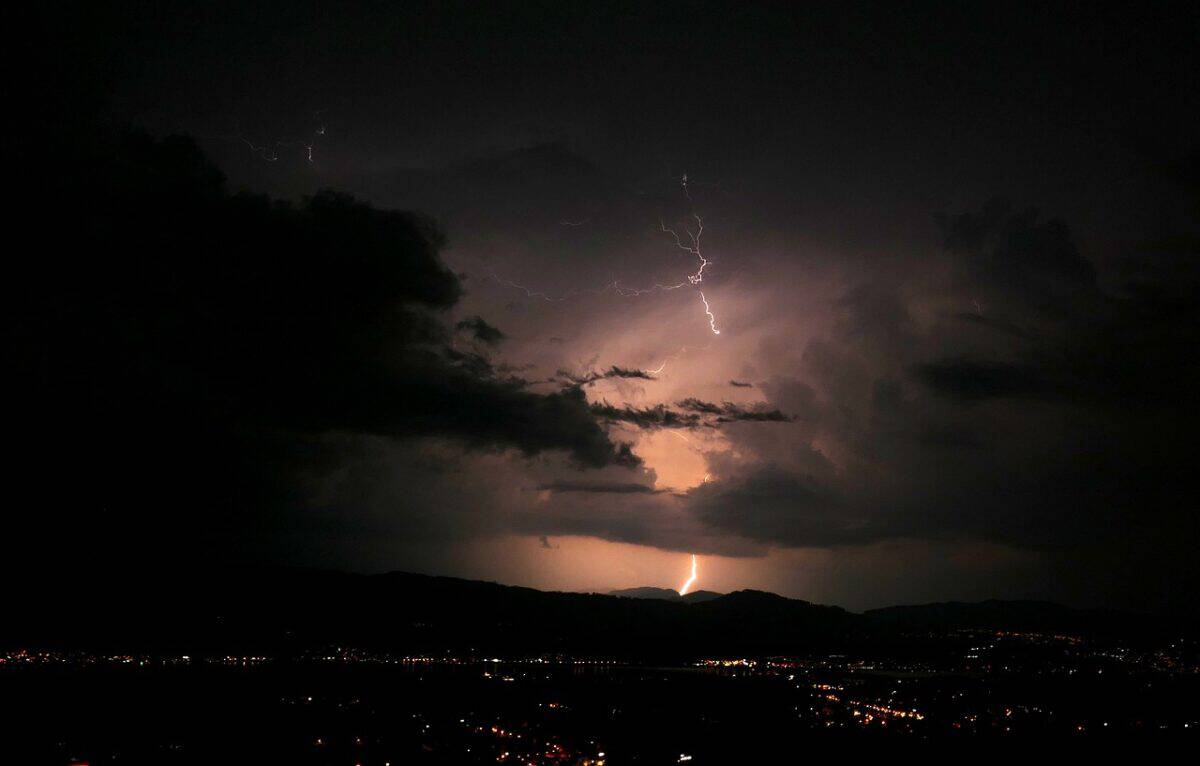
Lightning is an awe-inspiring yet formidable force of nature, demanding respect and caution. The US has witnessed some of the most astonishing and dangerous lightning strikes, each offering sobering reminders of the power that storms hold. By learning from past events, leveraging technology, and maintaining a culture of awareness and preparedness, people can mitigate the risks associated with lightning. As we continue to study and understand this natural phenomenon, the focus must remain on safety and the protection of life and property.

As a little kid, I fell in love with nature, wildlife, and animals. Living in the USA, South Africa, Italy, China and Germany gave me the opportunity to discover the world's Wildlife. My favorite animals are Mountain Gorillas, Siberian Tigers, and Great White Sharks.
I'm a certified PADI Open Water Diver, went to Everest Base Camp and Trekked Gorillas in Uganda. I hold a Master of Science in Economics and Finance.
Please send any feedback to feedback@animalsaroundtheglobe.com
- Top 10 Dangerous Marine Animals - August 8, 2026
- 30 U.S. States Where Bears Still Roam Wild and Free - August 8, 2026
- 12 Animals That Are Master Builders in Nature - August 8, 2026