

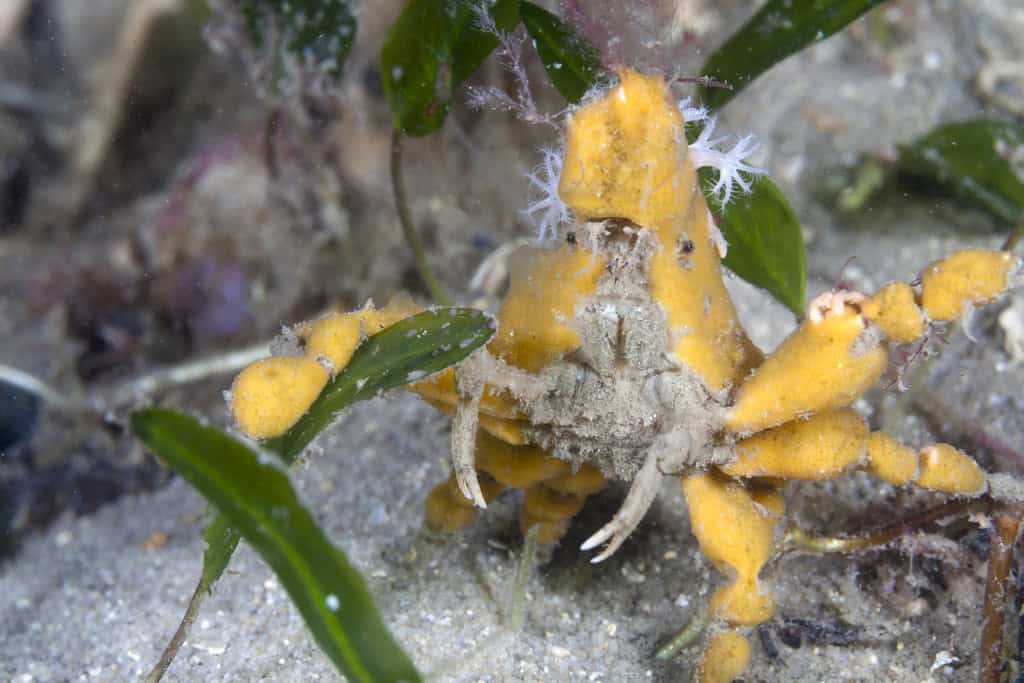
In the vast, mysterious depths of our oceans lives a master of disguise so skilled that it literally wears its camouflage like a handcrafted costume. The decorator crab, belonging to the superfamily Majoidea, has evolved one of the most fascinating survival strategies in the marine world. Unlike other creatures that rely on natural coloration or behavioral adaptations to hide, these ingenious crustaceans actively collect materials from their surroundings and attach them to their shells, creating a living disguise that can fool even the most observant predators.
What makes the decorator crab truly remarkable is not just its camouflage technique, but the deliberate, almost artistic way it selects and arranges its decorations. These crabs don’t simply accumulate random debris—they carefully choose specific materials that blend with their habitat or even provide chemical protection. This article explores the extraordinary life of the decorator crab, examining how these remarkable animals transform themselves into walking collages of the seafloor, and why scientists consider them among the most sophisticated camouflage experts in the animal kingdom.
Evolutionary Marvel: The Adaptation That Changed Everything
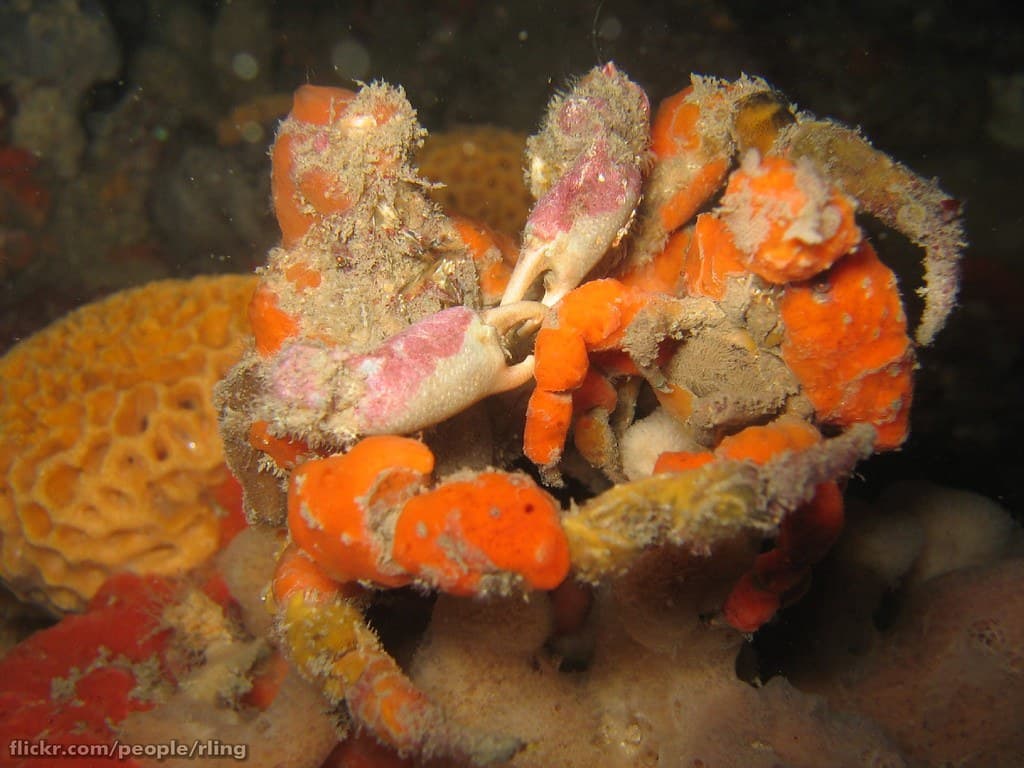
The decorator crab’s unique camouflage ability represents a fascinating evolutionary adaptation that has developed over millions of years. What sets these crabs apart from other camouflage experts in the animal kingdom is the presence of specialized hooked setae—tiny, velcro-like hairs that cover their carapace and limbs. These microscopic structures allow the crabs to attach foreign materials to their bodies without needing glue or adhesive substances. This adaptation gives decorator crabs a significant advantage, as they can quickly modify their appearance to match new surroundings without expending substantial energy to change their biological coloration.
Evolutionary biologists believe this remarkable adaptation emerged as a response to intense predation pressure in marine environments. While many marine creatures evolved hard shells, toxic compounds, or speed to evade predators, decorator crabs developed this “third option” of customizable camouflage. This strategy is particularly valuable for animals that move between different habitats or live in visually complex environments like coral reefs. The fact that this adaptation has independently evolved in multiple crab lineages underscores its effectiveness as a survival strategy in marine ecosystems.
The Decorator’s Toolkit: Understanding the Specialized Anatomy
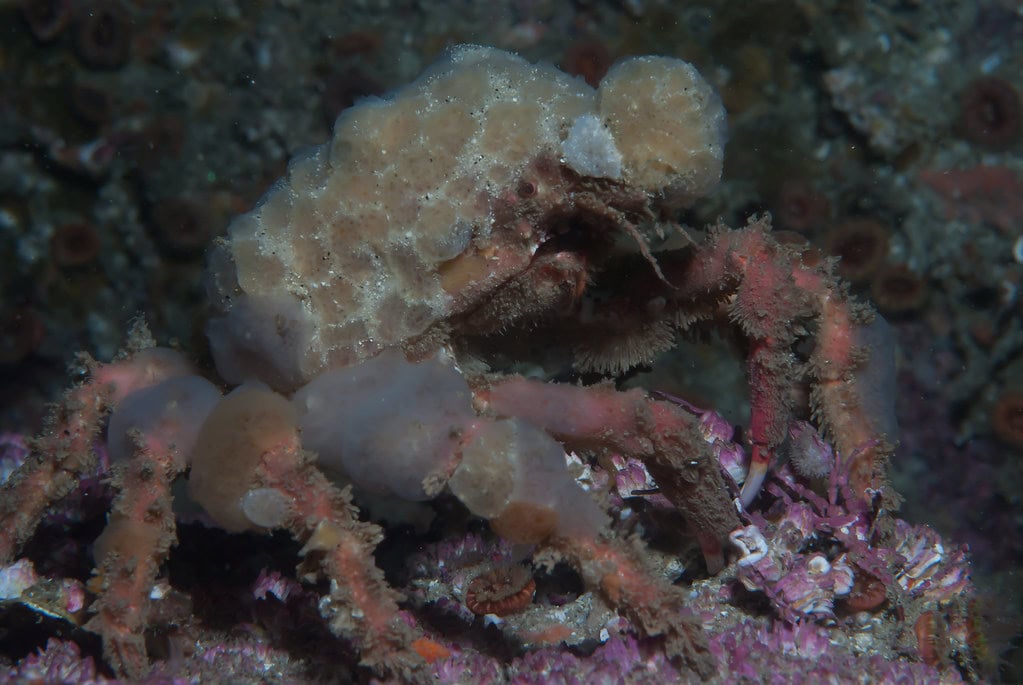
Decorator crabs possess a suite of specialized anatomical features that enable their unique camouflage strategy. The most important of these are the hooked setae—specialized bristle-like structures that cover their exoskeleton. These setae vary in density and distribution depending on the species, with some decorator crabs having upwards of 30,000 hooked setae per square centimeter on their shells. Each seta functions like a microscopic hook, capable of securing materials ranging from delicate algae to small invertebrates. Under a microscope, these structures resemble tiny fishhooks or velcro, allowing for firm attachment without damaging the decorative materials.
Beyond the setae, decorator crabs have evolved specialized appendages that help them collect and apply their decorations with surprising precision. Their claws feature fine, dexterous tips that can manipulate even small fragments of material. Some species have developed elongated walking legs that help them reach farther when gathering materials, while their mouthparts have adapted to process and prepare materials before attachment. This combination of specialized tools allows decorator crabs to craft their camouflage with remarkable efficiency, sometimes completely redressing themselves within hours after molting or when transitioning to a new habitat.
Material Selection: Not Just Random Debris
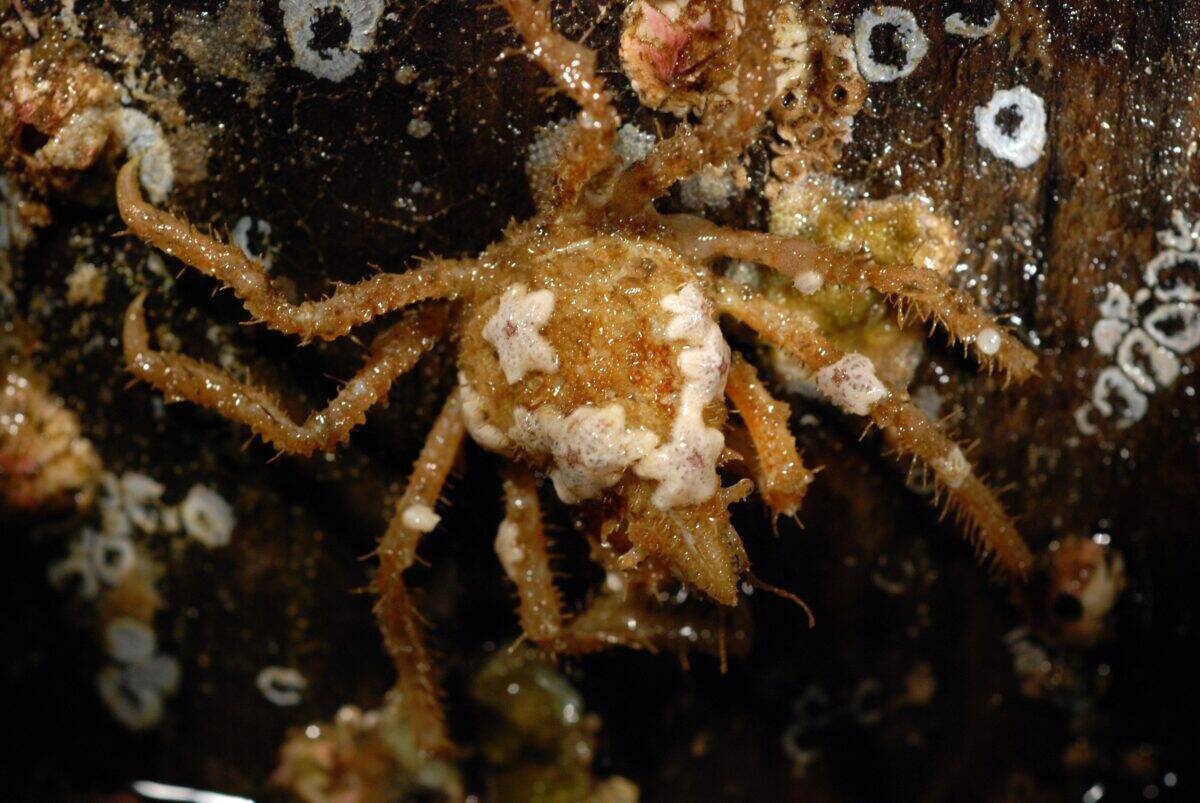
Contrary to what might appear as haphazard collection, decorator crabs exhibit remarkable selectivity in choosing their camouflage materials. Studies have revealed that these crustaceans often prefer specific organisms and materials that provide maximum protective benefit. Many species show a particular preference for noxious or toxic organisms like certain species of algae, sponges, and tunicates that contain chemical compounds distasteful or harmful to potential predators. This creates not just visual camouflage but also chemical defense, effectively turning the crab into a walking chemical weapon against would-be attackers.
The selection process also changes based on the crab’s environment and the available materials. In areas rich with seaweed, decorator crabs might predominantly use algae; in coral-dominated habitats, they may utilize small pieces of coral rubble or coralline algae. Researchers have conducted fascinating experiments where crabs were placed in environments with artificially colored materials not found in their natural habitat. Remarkably, the crabs still selected materials that best matched their surroundings, suggesting they possess some form of color discrimination ability. This selective behavior transforms simple camouflage into an adaptive art form, constantly refined based on environmental conditions.
The Decoration Process: A Meticulous Ritual
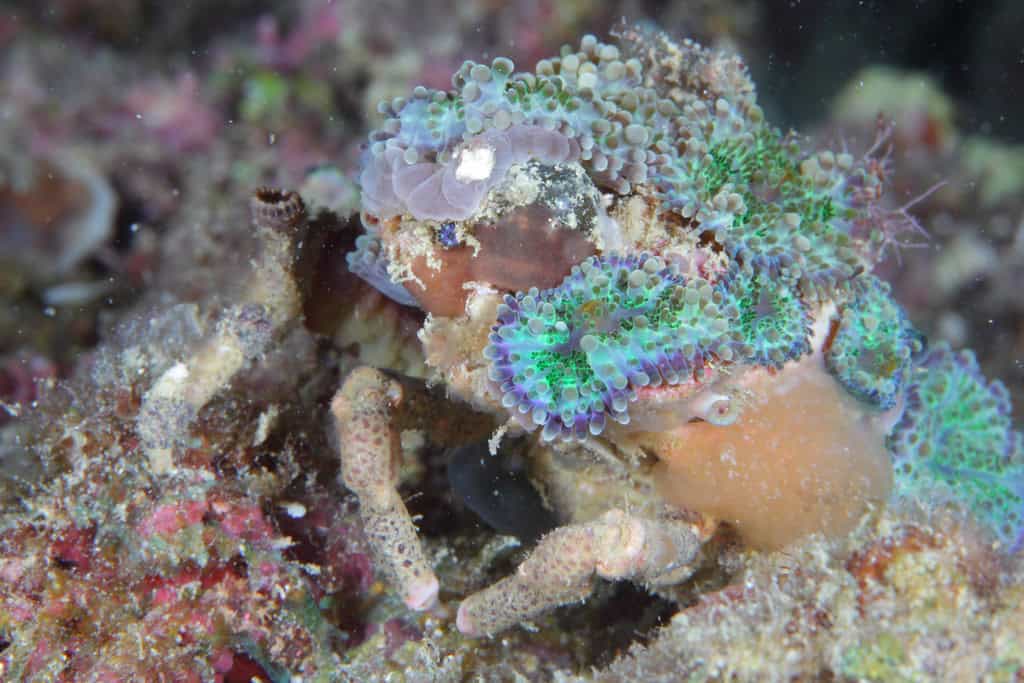
The process by which decorator crabs adorn themselves is a meticulous ritual that combines instinct with what appears to be deliberate decision-making. When a decorator crab encounters a potential decoration, it first examines the material with its specialized mouthparts and claws, seeming to assess its suitability. If deemed appropriate, the crab cuts or breaks off a manageable piece and then performs a series of precise movements to secure it to its shell. The crab uses its front claws to pass the material over its carapace, attaching it to the hooked setae in specific patterns that optimize coverage and blend. This process can take anywhere from minutes to hours, depending on the size of the crab and the complexity of the decoration.
Particularly fascinating is how decorator crabs prioritize certain body areas for decoration. Most species focus first on their most visible parts—the carapace and the upper surfaces of their legs—which would be most exposed to predators viewing from above. Many decorator crabs also place particular emphasis on disguising their front outline, where the distinctive shape of their claws and head might otherwise give away their identity. The entire decoration process must be repeated after each molting event, as the old shell with all its carefully arranged decorations is shed during growth. Within hours of emerging with a new, larger, and bare shell, the crab begins the laborious process of redecorating itself from scratch.
Species Diversity: The Many Faces of Decorator Crabs
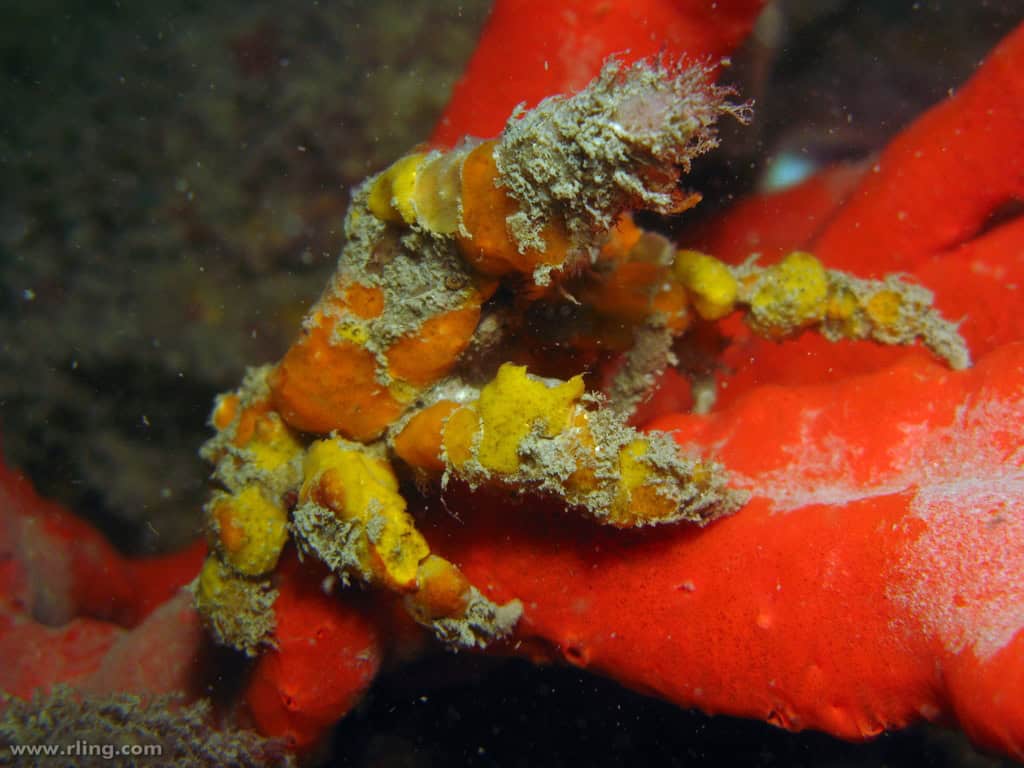
The decorator crab classification encompasses over 700 different species within the superfamily Majoidea, with the most famous decorators belonging to families like Inachidae, Epialtidae, and Majidae. Each species has evolved slight variations in their decorating behavior and habitat preferences. The Spider Decorator Crab (Camposcia retusa), for instance, is often considered the most thoroughly disguised, sometimes covering nearly 100% of its body surface with decorations. The Graceful Decorator Crab (Oregonia gracilis) of the North Pacific is known for its regional adaptations, using different materials depending on whether it inhabits rocky bottoms or sandy substrates.
Geographic distribution plays a significant role in decorator crab diversity, with the greatest number of species found in tropical and subtropical waters, particularly in the Indo-Pacific region. The Caribbean Sponge Crab (Cryptodromiopsis antillensis) carries living sponges on its back, which continue to grow while attached to the crab. The Japanese Spider Crab (Macrocheira kaempferi), while not heavily decorated as adults, shows decorating behavior in its juvenile stages. This wide diversity of decorator species demonstrates how successful this evolutionary strategy has been, adapting to environments ranging from shallow tide pools to depths exceeding 2,000 feet, each species with its own specialized approach to the art of marine camouflage.
Living Decorations: The Symbiotic Relationships
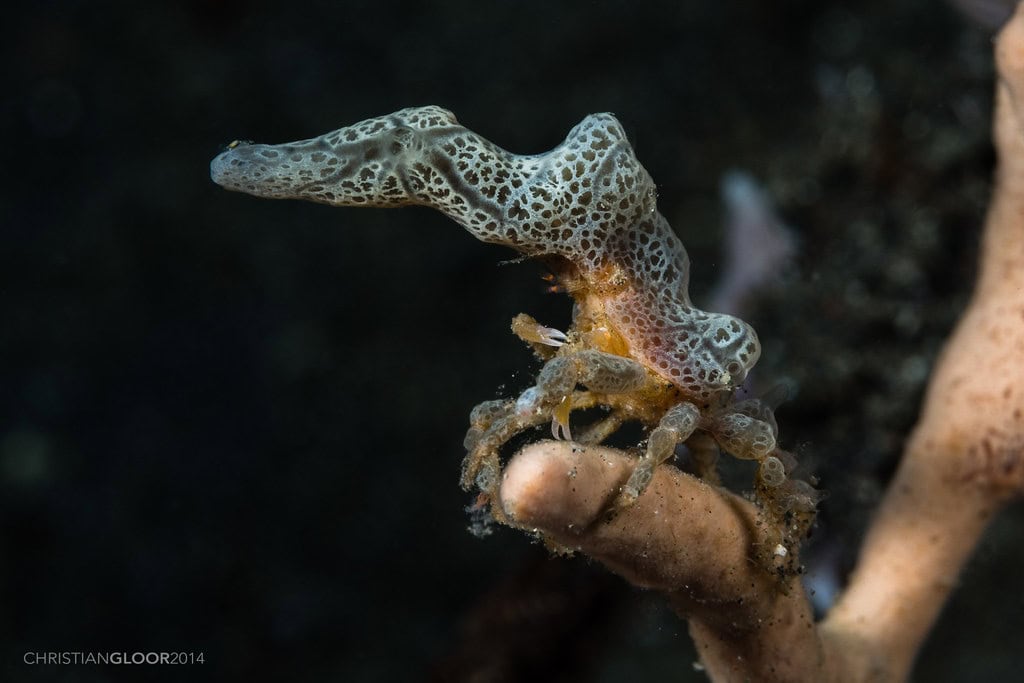
Perhaps the most sophisticated aspect of decorator crab camouflage is their use of living organisms as decorations, creating complex symbiotic relationships. Many decorator crabs preferentially select living algae, hydroids, sponges, and sea anemones to attach to their shells. These organisms continue to grow while attached to the crab, creating a dynamic, living disguise that evolves over time. In the most remarkable cases, the living decorations benefit from the arrangement as well—algae gain mobility and access to better light conditions, while filter-feeding organisms like sponges and anemones get transported to new feeding areas and benefit from water movement as the crab walks.
Some decorator crab species have developed highly specialized relationships with particular organisms. The Lybia crab, sometimes called the “pom-pom crab,” holds small sea anemones in its claws, using them as defensive weapons rather than attaching them to its shell. The Caribbean Sponge Crab forms such a close relationship with its sponge covering that the sponge grows to perfectly fit the crab’s carapace. These living decorations provide superior camouflage compared to non-living materials because they maintain their natural appearance and sometimes even their natural movements. Additionally, many living decorations contain toxins or distasteful compounds that further protect the crab from predation, demonstrating how these crustaceans have evolved to exploit not just the physical properties but also the chemical defenses of other marine organisms.
Behavioral Adaptations: Beyond Physical Camouflage
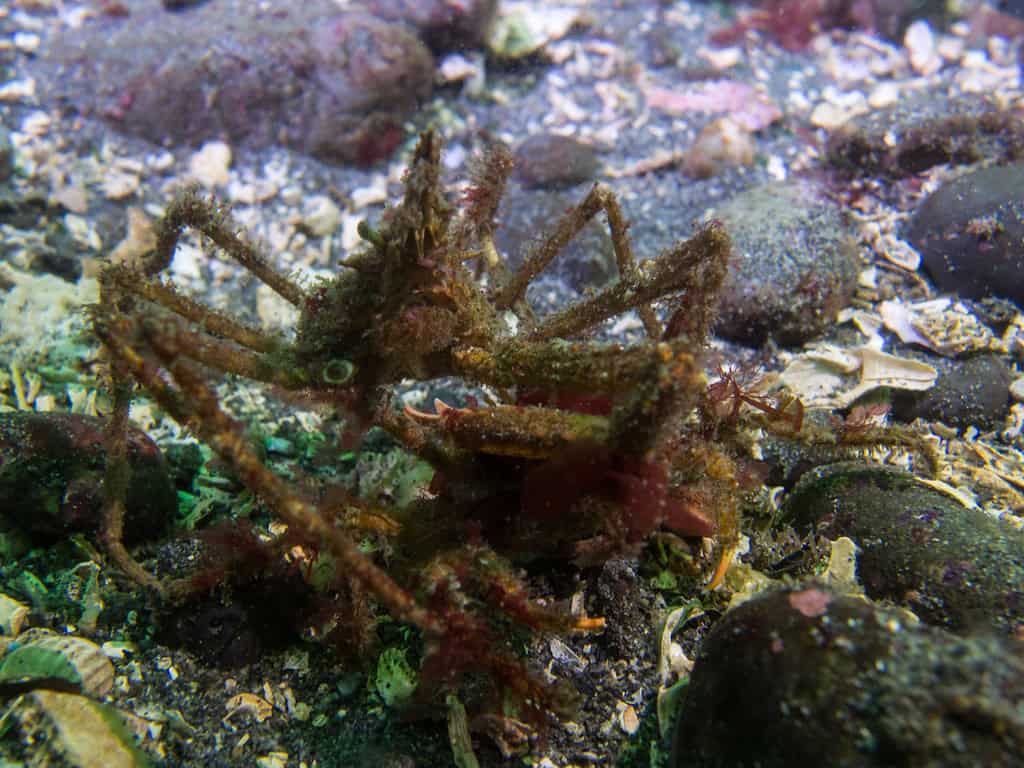
Decorator crabs complement their physical camouflage with sophisticated behavioral adaptations that enhance their disguise. Most species move with deliberate slowness when not threatened, avoiding the quick scuttling motions typically associated with crabs. This slow movement helps maintain the illusion that they are simply part of the seafloor debris or a clump of algae. When sensing danger, many decorator crabs will freeze completely, relying entirely on their disguise rather than attempting to flee. This behavior is particularly effective against predators that primarily detect prey through movement.
Some decorator crab species display even more complex behaviors to maintain their disguise. They may orient themselves to match the growth patterns of the organisms they’re mimicking—for example, positioning algae decorations upward as they would naturally grow. Researchers have observed decorator crabs adjusting their decorations when moved to new environments, removing inappropriate materials and adding ones that better match their new surroundings. Perhaps most remarkably, certain species have been documented “gardening” their living decorations, actively maintaining the health of attached organisms by removing parasites or damaged portions. These behavioral adaptations demonstrate that decorator crab camouflage is not just a passive physical disguise but an active, ongoing process requiring constant maintenance and adjustment.
Scientific Research: Studying Nature’s Costume Artists
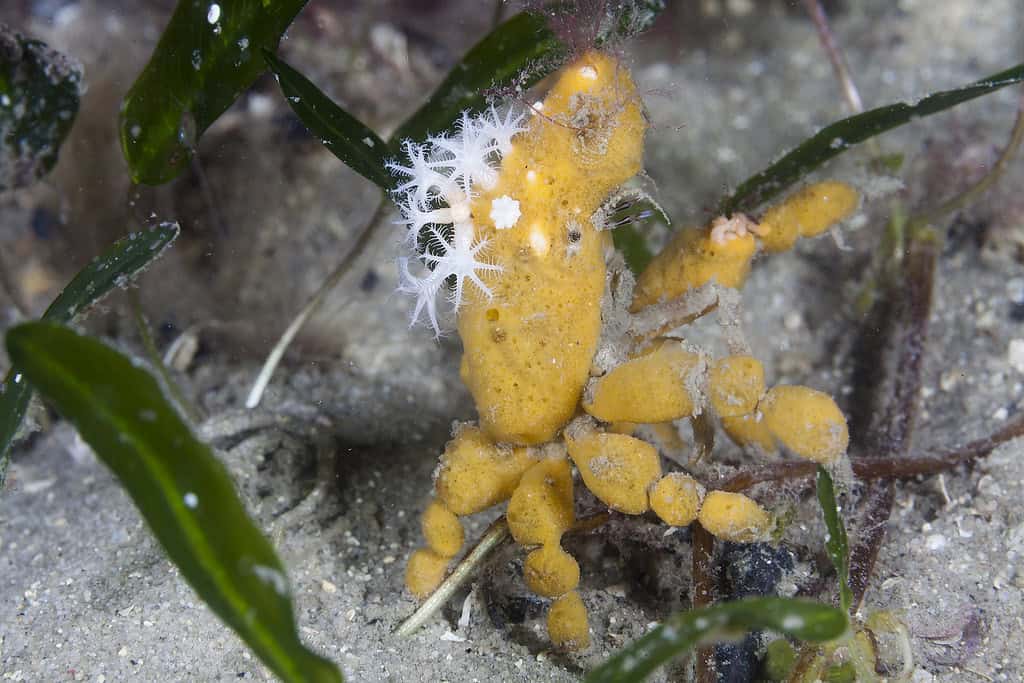
Decorator crabs have fascinated marine biologists for decades, serving as model organisms for studying camouflage, predator-prey relationships, and animal cognition. Research by Dr. Stachowicz at the University of California has revealed that decorator crabs can distinguish between decorations with chemical defenses and those without, preferentially selecting toxic algae and sponges even when they don’t visually match the background. Studies conducted at the Marine Biological Laboratory in Woods Hole, Massachusetts, have used specialized imaging techniques to analyze exactly how the hooked setae attach to different materials, providing insights into this natural attachment mechanism that could inspire new adhesive technologies.
More recent research has focused on the potential cognitive abilities of decorator crabs. Experiments where crabs were offered novel artificial materials in colors not found in their natural environment suggest they can make decisions based on visual cues and may possess more advanced sensory discrimination than previously thought. Some researchers are also investigating whether decorator crabs adjust their decoration strategy based on which predators are present in their environment, which would indicate a sophisticated threat assessment ability. These studies not only help us understand the decorator crab’s remarkable adaptations but also provide insights into the evolution of animal intelligence and the biological arms race between predators and prey that drives the development of such elaborate survival strategies.
Conservation Concerns: Threats to the Master Disguisers

Despite their remarkable adaptations, decorator crabs face numerous threats in the modern ocean. Habitat destruction poses perhaps the greatest challenge, particularly for species specialized to live in coral reefs, seagrass beds, and mangrove forests—all ecosystems experiencing rapid global decline. When these complex habitats are damaged, decorator crabs lose both their homes and the diverse materials they depend on for camouflage. Ocean acidification presents another serious concern, as more acidic waters can weaken the crabs’ exoskeletons and affect the growth of the living organisms they use as decorations.
Plastic pollution introduces a troubling new dimension to decorator crab survival. Researchers have documented instances of decorator crabs incorporating plastic fragments into their camouflage, mistaking them for natural materials. This “plastic decoration” not only provides less effective camouflage but may also introduce toxins to the crabs and any predators that might consume them. Climate change compounds these issues by altering the distribution and availability of the organisms decorator crabs use as decorations. Conservation efforts focusing on marine protected areas help preserve the complex habitats these specialized crustaceans need, while broader initiatives to reduce plastic pollution and combat climate change are essential to ensuring the long-term survival of these remarkable marine costume artists.
Cultural Significance and Human Fascination
Decorator crabs have captured human imagination well beyond scientific circles, appearing in various cultural contexts around the world. In Japanese folklore, certain decorator crab species are sometimes depicted as mischievous spirits that disguise themselves to play tricks on fishermen. Several indigenous coastal communities in the Pacific have traditional stories featuring decorator crabs as symbols of adaptation and resilience. In modern popular culture, decorator crabs have inspired characters in animated films and have been featured in numerous nature documentaries, where their meticulous decorating behavior makes for compelling footage.
The decorator crab’s unique adaptations have also inspired innovations in various fields. Their attachment mechanism has influenced the development of new types of removable adhesives in materials science. Military camouflage designers have studied decorator crabs for insights into creating more effective disguises that can be adapted to different environments. Artists and fashion designers have referenced decorator crabs in works exploring themes of identity and transformation. This cultural footprint extends to aquarium keeping, where certain decorator crab species are popular additions to home tanks, though this has raised ethical questions about removing these specialized creatures from their natural habitats where they can access the materials they need for their unique survival strategy.
Conclusion: Nature’s Ultimate Masters of Disguise
The decorator crab stands as one of nature’s most remarkable examples of evolutionary innovation, having developed a camouflage strategy that goes beyond passive concealment to become an active, adaptive process. Through their specialized anatomy, deliberate material selection, and complex behaviors, these crustaceans have elevated camouflage to an art form. Their ability to not only disguise themselves but to continuously modify that disguise based on changing circumstances demonstrates a level of adaptation that continues to fascinate scientists and nature enthusiasts alike.
As we face a period of unprecedented environmental change, the fate of decorator crabs serves as a microcosm for wider marine conservation challenges. Their dependence on diverse, healthy ecosystems for both habitat and camouflage materials makes them particularly vulnerable to habitat destruction and climate change impacts. Yet this same specialization makes them invaluable as indicator species, their presence or absence telling us much about the health of marine environments.
The story of the decorator crab reminds us of the extraordinary adaptations that have evolved in our oceans—solutions to survival challenges that often surpass human imagination in their elegance and effectiveness. By understanding and protecting these remarkable creatures, we not only preserve an evolutionary marvel but also maintain the possibility of learning from nature’s solutions to problems of concealment, attachment, and adaptation that continue to challenge our own technologies.
In the end, the most decorated crustacean in the sea offers us more than just a fascinating example of natural camouflage—it provides a window into the complex interplay of evolution, ecology, and behavior that shapes life in our oceans, and a compelling reason to ensure these master disguisers can continue their ancient craft in healthy seas for generations to come.

- The Secret Language of Dolphins Decoded by Researchers - July 20, 2026
- 7 Animals That Can Survive Extreme Environments You Couldn’t - July 20, 2026
- The Longest Snake Ever Found in the U.S. - July 20, 2026