

When we think of emotional intelligence, humans naturally come to mind first. Our ability to recognize, understand, and manage emotions—both our own and others’—sets us apart in the animal kingdom. However, emerging research reveals that numerous other species possess remarkable emotional intelligence that rivals our own in surprising ways. From great apes who recognize themselves in mirrors to elephants who mourn their dead, the animal kingdom is full of creatures with complex emotional lives and social intelligence. This article explores the most emotionally intelligent species after humans, examining their capacities for empathy, self-awareness, emotional recognition, and social bonding—key components of emotional intelligence.
Understanding Emotional Intelligence in Animals
Emotional intelligence in animals encompasses several key components: self-awareness, empathy, emotional recognition, social bonding, and emotional regulation. Scientists measure these abilities through various tests, including mirror self-recognition tests, problem-solving challenges, and observations of social interactions. While animal emotional intelligence differs from human emotional intelligence in important ways, the core elements remain similar. Animals with high emotional intelligence typically live in complex social groups, form deep bonds, demonstrate empathy toward others in distress, and show awareness of their place within their community. These abilities help them navigate complex social environments, form cooperative relationships, and enhance their survival and reproductive success.
Great Apes: Our Closest Emotional Relatives
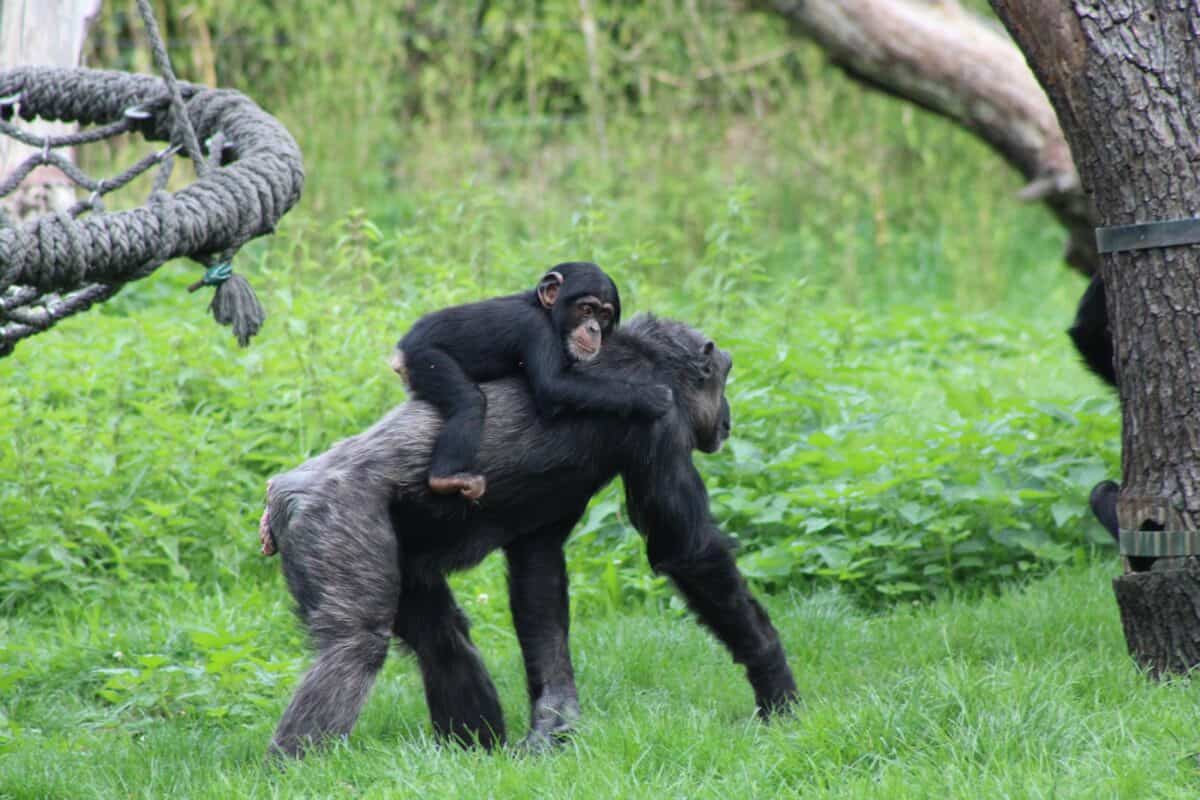
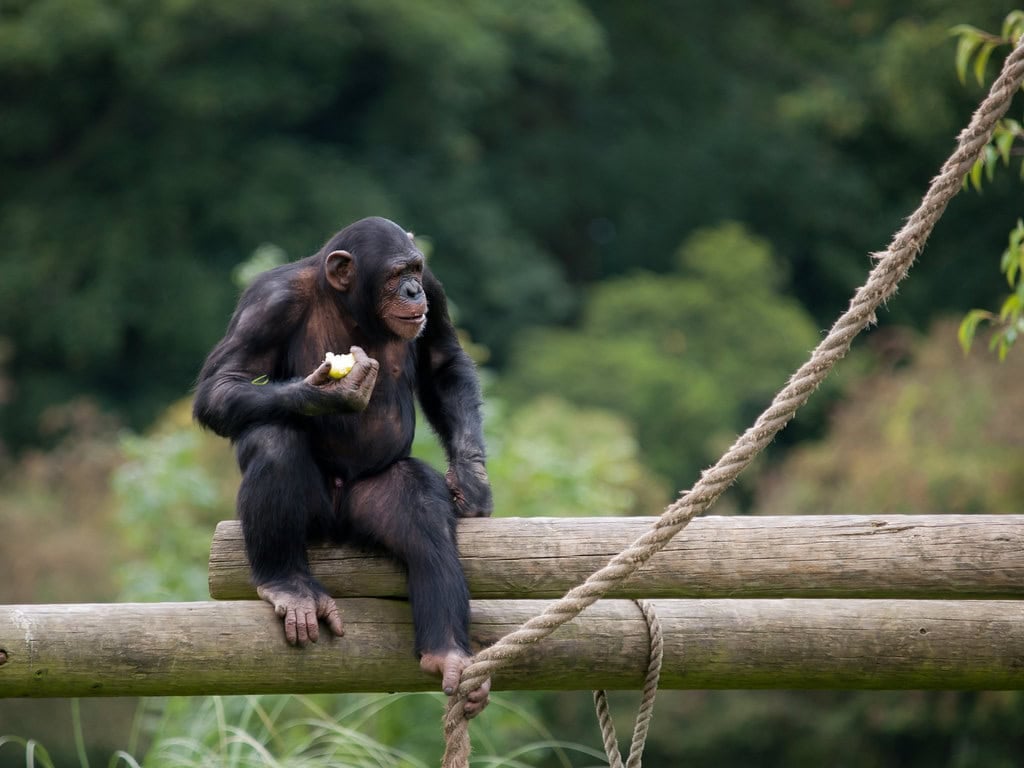
Chimpanzees, bonobos, gorillas, and orangutans consistently demonstrate extraordinary emotional intelligence. These great apes recognize themselves in mirrors—a key indicator of self-awareness—and possess sophisticated understanding of others’ mental states. Research by primatologist Frans de Waal has documented countless instances of consolation behavior among chimpanzees, where they comfort distressed group members through embraces and grooming. Bonobos, often called the “empathy apes,” resolve conflicts through affection rather than aggression and share food with strangers without expectation of return. Orangutans demonstrate remarkable emotional regulation, planning capabilities, and cultural transmission of knowledge. The emotional lives of great apes are perhaps the most similar to our own, with individuals showing clear signs of joy, grief, jealousy, and empathy that mirrors human emotional experiences in striking ways.
Elephants: The Gentle Giants with Profound Emotional Lives

Elephants possess some of the most developed emotional intelligence in the animal kingdom. Their exceptional long-term memory allows them to recognize and maintain social bonds with dozens of individuals across decades and vast distances. Perhaps most famously, elephants demonstrate elaborate mourning rituals, gathering around deceased herd members, gently touching their remains with their trunks, and returning to visit their bones for years afterward. They’re among the few animals that recognize themselves in mirrors, indicating self-awareness. Research by Joyce Poole, who has studied elephants for over 40 years, documents their extraordinary empathy—elephants actively comfort distressed herd members and have been observed helping injured animals from different species. They maintain complex matriarchal societies with sophisticated communication systems and demonstrate emotional contagion, where emotions spread through the herd. Their capacity for joy is equally evident in playful behaviors and apparent celebration when separated family members reunite.
Dolphins: Emotional Sophistication in Marine Environments

Dolphins display remarkable emotional intelligence adapted to their aquatic lifestyle. These marine mammals have demonstrated self-awareness through mirror tests since the 1990s, recognizing marks placed on their bodies. They maintain complex social networks through unique whistles that function as individual names, essentially calling each other by name. Dolphins show clear signs of empathy, supporting sick or injured pod members by helping them surface to breathe and displaying apparent grief behaviors when pod members die. Research by marine biologist Diana Reiss has documented their sophisticated problem-solving abilities and capacity for emotional attunement with others. Dolphins also engage in elaborate play behaviors that strengthen social bonds and practice skills, displaying curiosity, joy, and playfulness. Their brain-to-body ratio is second only to humans, with a highly developed limbic system associated with emotional processing. These sociable cetaceans form strong, lasting friendships and appear to experience a range of emotions including excitement, frustration, and contentment.
Corvids: The Emotional Intelligence of Crows and Ravens

Corvids—including crows, ravens, magpies, and jays—demonstrate exceptional emotional intelligence despite their distant evolutionary relationship to mammals. These birds possess remarkable problem-solving abilities and social intelligence. Magpies have passed the mirror self-recognition test, placing them in an elite group of self-aware animals. Crows remember human faces for years, holding grudges against those who’ve threatened them while rewarding those who’ve been kind. They engage in complex social interactions, including reconciliation after conflicts and cooperative problem-solving. Research by cognitive scientist Jennifer Mather has documented apparent funeral-like behaviors in crows, which gather around their dead, investigate the cause of death, and sometimes place objects near the body. Ravens form alliances, console distressed companions, and engage in reciprocal relationships that suggest understanding of fairness. Their emotional lives include playfulness—corvids create and use toys, slide down snowy slopes repeatedly for apparent enjoyment, and engage in elaborate aerial acrobatics that serve no obvious survival purpose.
Canines: The Emotional Bonds Between Dogs and Humans

Dogs have evolved extraordinary emotional intelligence specifically tuned to human interaction. They can recognize human emotional states from facial expressions, body language, and even smell, responding differently to tears of sadness versus tears of joy. Research at Emory University using MRI scans shows that dogs’ brains light up in the reward center when they smell their human companions, similar to human responses to loved ones. Dogs demonstrate empathy by seeking to comfort distressed owners and showing signs of emotional contagion—adopting their owners’ emotional states. Their social intelligence allows them to understand pointing gestures, follow human gaze, and comprehend over 1,000 words in some cases. While less likely to pass mirror self-recognition tests, dogs show body-awareness in other ways, adjusting their behavior based on their size and physical limitations. Their emotional range includes clear expressions of joy, fear, jealousy, guilt, love, and grief. Wolves, their wild ancestors, display many similar emotional capabilities but directed primarily toward their pack rather than humans.
Pigs: Underestimated Emotional Intelligence

Pigs possess surprising emotional intelligence that contradicts their common portrayal. These highly social animals recognize themselves in mirrors, placing them in the elite group of self-aware species. They maintain complex social relationships, recognize and remember dozens of other pigs, and form close friendships. Research at Purdue University has shown that pigs display empathy, becoming distressed when witnessing other pigs in distress. They demonstrate remarkable problem-solving abilities, using tools and understanding cause-and-effect relationships. Pigs engage in sophisticated play behaviors that indicate joy and can experience depression when isolated from social groups. They communicate through a vocabulary of different grunts and squeals with specific meanings. Mother pigs sing to their piglets while nursing, and piglets recognize their mother’s unique voice. Their emotional responses include excitement, contentment, frustration, and fear. Despite their intelligence being comparable to that of dogs and even three-year-old children in some cognitive tests, pigs’ emotional lives remain largely unacknowledged in modern agricultural settings.
Parrots: Feathered Emotional Communicators

Parrots demonstrate exceptional emotional intelligence through their communication abilities and social bonds. African grey parrots, in particular, show remarkable cognitive abilities, with some individuals like Alex (studied by Dr. Irene Pepperberg) demonstrating vocabulary of over 100 words used contextually appropriate ways. Parrots form deep emotional attachments to their human caregivers and other parrots, often mating for life in the wild. They demonstrate clear emotional states through body language, vocalizations, and facial expressions, showing joy, anger, jealousy, grief, and affection. Research has documented parrots engaging in altruistic behavior, sharing food with others even at personal cost. Their capacity for emotional regulation is evident in their ability to adjust their behavior based on social contexts. Many parrots engage in elaborate play behaviors, creating and using toys, dancing to music, and playing games that demonstrate their capacity for joy. When separated from bonded companions, parrots can experience profound grief, sometimes developing destructive behaviors or depression. Their emotional lives are so complex that many species require extensive social interaction to maintain psychological well-being.
Rats: Small Bodies, Surprising Emotional Depth

Despite their small size and often negative reputation, rats display remarkable emotional intelligence. Research by neuroscientist Jaak Panksepp revealed that rats emit ultrasonic vocalizations analogous to human laughter when playing or being tickled, suggesting a capacity for joy. In groundbreaking empathy studies, rats consistently free trapped cage-mates even when it means sharing a valued food reward, demonstrating altruism. They remember individuals who have helped or harmed them and adjust their behavior accordingly. Rats form strong social bonds, groom each other to reduce stress, and console distressed companions. They demonstrate emotional contagion, adopting the emotional states of their companions. When a cage-mate is injured, other rats modify their behavior to avoid causing further pain. They show clear signs of grief when companions die, sometimes refusing food and showing reduced activity. Rats even demonstrate a sense of fairness, reacting negatively when seeing other rats receive better rewards for the same task. Their facial expressions change based on emotional states in ways visible to trained observers, revealing their complex inner emotional lives.
Octopuses: Emotional Intelligence in Eight Arms
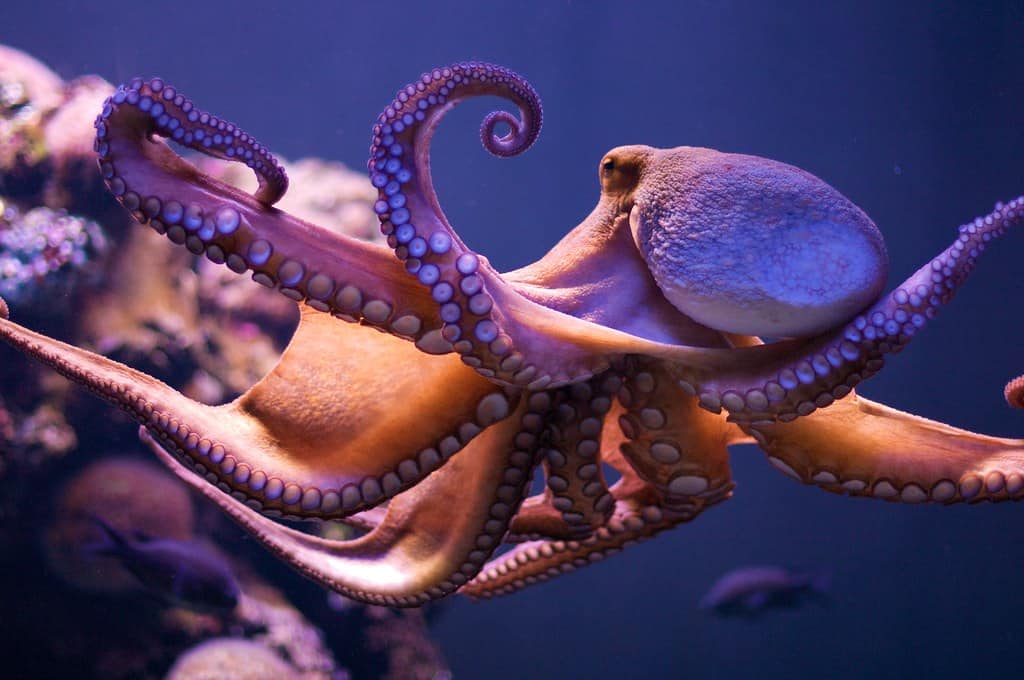
Octopuses represent a fascinating case of independently evolved emotional intelligence, with neural organization entirely different from vertebrates. Their distributed nervous system—with two-thirds of their neurons located in their arms—creates a unique form of intelligence and emotional processing. Despite this radical difference, octopuses show remarkable capabilities. They recognize individual humans, reacting differently to those who have treated them well versus poorly. Octopuses demonstrate problem-solving abilities, using tools and escaping from complex enclosures. Research by marine biologist Jennifer Mather documents play behaviors in octopuses, who sometimes manipulate objects with no apparent purpose beyond entertainment. They show curiosity, exploring novel objects and environments, and can experience boredom in captivity when understimulated. Octopuses display apparent emotional states including excitement, aggression, fear, and contentment through color changes, posture, and movement patterns. Their short lifespan (typically 1-2 years) and primarily solitary nature have limited social bonding opportunities, yet they still demonstrate recognition of and preferences for specific individuals. The convergent evolution of these emotional capacities in a lineage separated from vertebrates by over 500 million years suggests the fundamental importance of emotional processing for advanced cognition.
Whales: Deep Emotional Lives in the Ocean’s Depths

Whales demonstrate profound emotional intelligence adapted to their marine environment. Orcas (killer whales) possess spindle neurons—specialized brain cells associated with empathy, social organization, and intuition previously thought unique to great apes and humans. Different whale species maintain distinct cultures with unique vocalizations, hunting techniques, and social structures transmitted across generations. Humpback whales compose elaborate songs that evolve over time and spread through populations, representing a form of cultural evolution. Belugas maintain complex social networks and are known as “sea canaries” for their diverse vocalizations. Research has documented grief-like behaviors in several whale species, with mothers carrying dead calves for days or weeks. Orcas live in matriarchal societies with grandmothers playing crucial roles in knowledge transmission and care of younger generations. Sperm whales form tight social units that protect and babysit each other’s young. The large paralimbic brain regions in whales are associated with emotional processing, suggesting rich emotional lives. Their long lifespans—some bowhead whales live over 200 years—allow for deep social bonds and vast accumulated social knowledge.
The Ethical Implications of Animal Emotional Intelligence

The growing scientific recognition of emotional intelligence in non-human animals raises profound ethical questions about how we treat them. If animals experience rich emotional lives—feeling joy, grief, fear, and attachment—their capacity for suffering extends beyond mere physical pain to emotional distress. This understanding challenges practices in factory farming, where emotionally intelligent animals like pigs live in conditions that prevent natural social bonding and expression of normal behaviors. It questions the ethics of keeping highly intelligent, social species like elephants, great apes, and cetaceans in captivity where their emotional needs often cannot be fully met. For research, it strengthens arguments for the development of alternatives to animal testing, particularly for emotionally complex species. The recognition of animal emotional intelligence also has implications for conservation efforts, suggesting that preserving social groups and cultures—not just genetic diversity—may be essential for meaningful species preservation. As science continues to reveal the depth of animal emotional lives, society faces growing pressure to reconsider legal frameworks that treat animals primarily as property rather than as sentient beings with intrinsic value.
Conclusion: Reconsidering Our Place in the Emotional Kingdom

The remarkable emotional intelligence displayed across such diverse species—from octopuses to elephants, rats to ravens—challenges our human-centric view of emotional complexity. While humans possess unique capabilities for abstract reasoning and language, our emotional intelligence exists on a continuum shared with many other species, rather than representing a categorical difference. These findings invite us to reconsider our relationships with other emotionally intelligent beings, recognizing that many animals experience rich inner lives filled with joy, grief, love, and empathy. The convergent evolution of emotional intelligence across widely divergent evolutionary lineages suggests its fundamental value for navigating complex social and physical environments. As research continues to unveil the depth and breadth of animal emotional lives, we gain not only scientific knowledge but also an opportunity for greater empathy and more ethical treatment of the emotionally intelligent beings with whom we share our planet.

- 10 Animals That Cheat Death in the Most Unexpected Ways - July 19, 2026
- The Shrimp That Punches Like a Bullet - July 19, 2026
- This Tiny Mammal Can Slow Its Heartbeat to One Beat Per Minute - July 19, 2026