


When we think of intelligent animals, dolphins, chimpanzees, and perhaps even dogs typically come to mind. However, crows and their corvid relatives deserve prominent placement on this prestigious list. These remarkable black birds demonstrate cognitive abilities that not only rival those of primates but, in some specific domains, may even surpass the capabilities of young human children. While comparing animal and human intelligence involves many nuances, substantial scientific evidence suggests that crows possess problem-solving skills, tool usage abilities, and social intelligence that can outshine those of a typical five-year-old in certain contexts. Let’s explore the fascinating cognitive world of these feathered geniuses and see how they stack up against our own youngsters.
The Remarkable Brain of a Crow
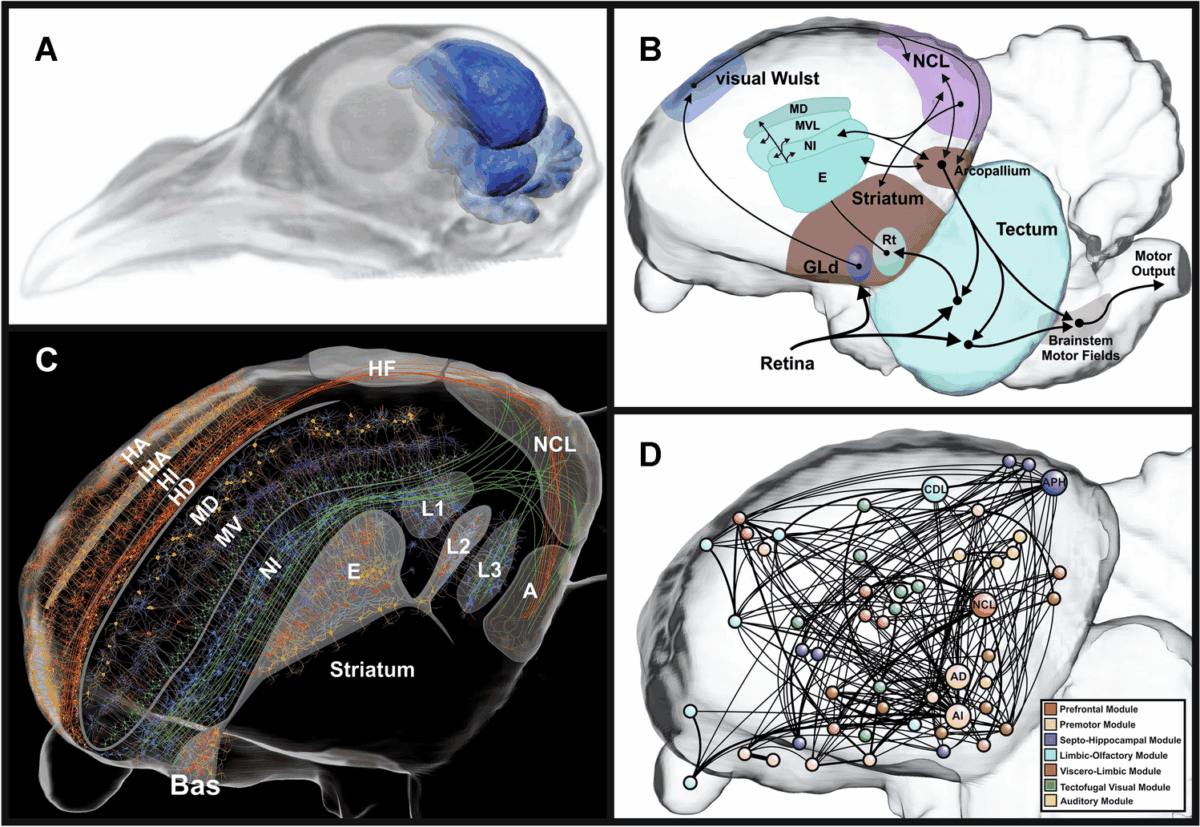
Crows possess a brain that punches well above its weight class. While a crow’s brain is obviously smaller than a human’s, what’s truly remarkable is its neural density. The avian brain structure differs from mammals, with crows having evolved a structure called the nidopallium caudolaterale, functionally similar to our prefrontal cortex—the area responsible for higher cognitive functions. Despite their brain being about the size of a walnut, crows pack an impressive 1.5 billion neurons into this compact space. By comparison, though a five-year-old human has approximately 100 billion neurons, the efficiency and specialized organization of a crow’s brain allows for cognitive processing that rivals young children in specific tasks. This neural density enables crows to perform complex reasoning, planning, and problem-solving comparable to primates with much larger brains.
Tool Creation and Modification

One area where crows truly shine is in their sophisticated tool use. New Caledonian crows, in particular, demonstrate tool creation abilities that exceed what most five-year-old children can accomplish without instruction. These birds craft hooks from twigs and fashions serrated leaf edges into cutting implements—all without the benefit of hands. In controlled studies, crows have demonstrated understanding of water displacement by dropping stones into water to raise its level and reach floating food. Many five-year-olds struggle with understanding these cause-and-effect physical principles, as demonstrated by Jean Piaget’s conservation tasks. While children eventually grasp these concepts through education, crows seem to intuit physical properties without formal instruction, showing remarkable innovation. Perhaps most impressively, crows can create tools from memory and for future use—a form of planning that involves both working memory and prospective cognition rarely seen in young children.
Multi-Step Problem Solving
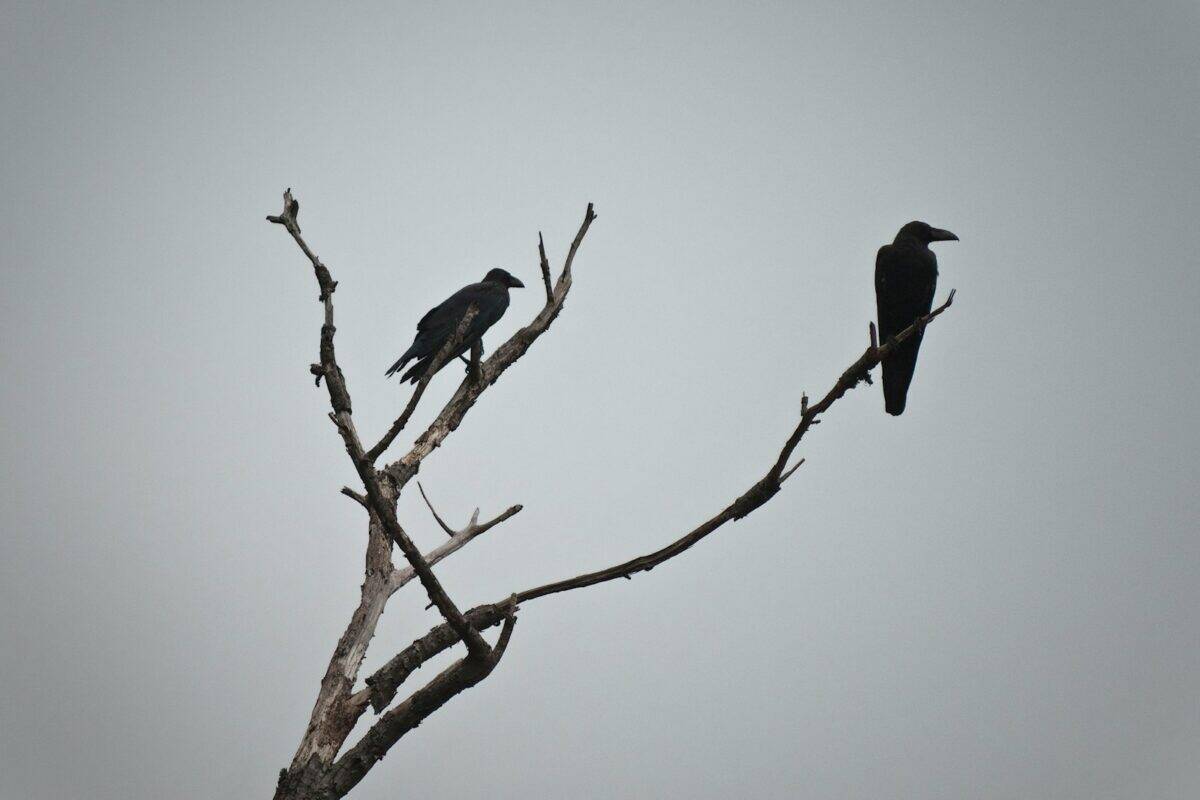
Crows excel at solving complex, multi-step problems that would challenge many kindergarteners. In laboratory settings, researchers have documented crows completing tasks requiring up to eight separate steps to reach a food reward. One famous example involved a crow named “007” who solved a complex puzzle requiring the use of three different tools in sequence—retrieving a short stick to reach a medium stick, which was then used to obtain a long stick, which finally allowed access to food. When five-year-old children face similar multi-step puzzles without explicit instruction, they often struggle with the planning aspect. While children may attempt various approaches through trial and error, crows demonstrate remarkable efficiency in their problem-solving approach, often solving novel puzzles on their first attempt. This suggests crows possess advanced causal reasoning abilities, allowing them to mentally map out solutions before acting—a cognitive skill still developing in young children.
Facial Recognition and Social Memory
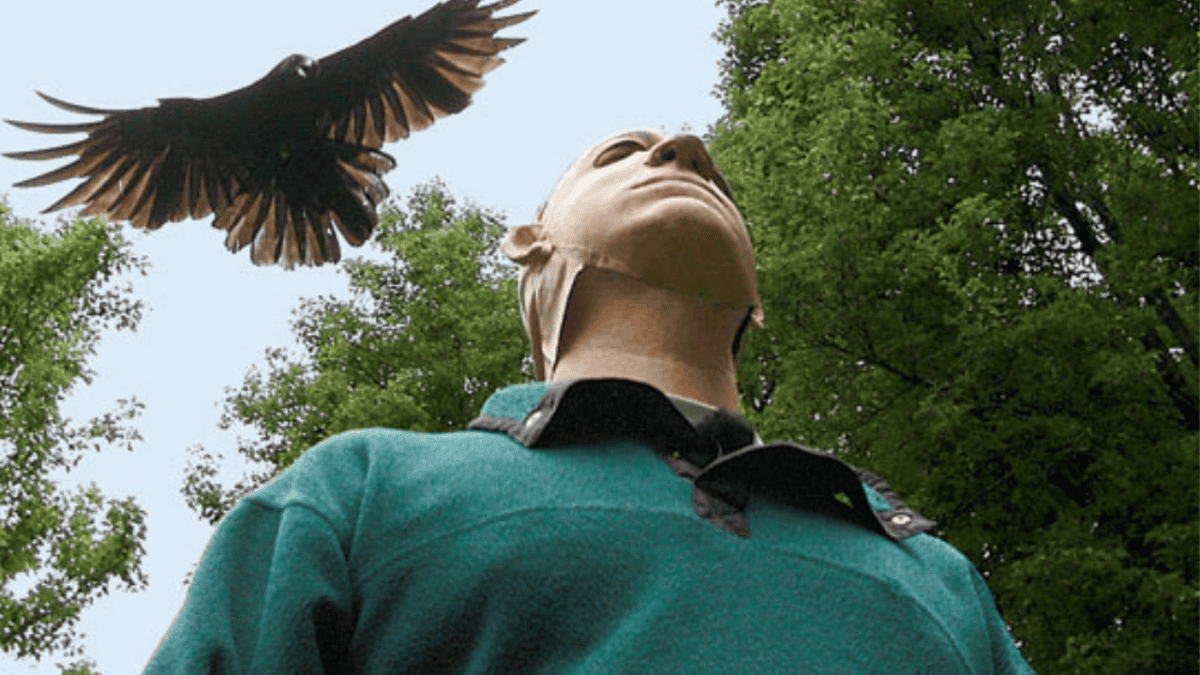
Crows possess extraordinary facial recognition abilities that surpass those of most young children. Research has shown that crows can remember human faces for years, even distinguishing between people who have threatened them and those who have been kind. In one University of Washington study, researchers wore masks while capturing and releasing crows. Years later, when anyone wore those same masks on campus, crows would mob and scold the mask-wearer—even crows that weren’t born when the original “threatening” event occurred. This demonstrates not only remarkable memory but also suggests cultural transmission of knowledge. Five-year-olds, while developing facial recognition abilities, typically don’t retain such detailed memories over extended periods. Furthermore, children at this age are still developing the ability to associate faces with specific past events and often struggle with recognizing people out of their usual context. Crows, however, can recognize specific humans across different locations, clothing changes, and even after years without contact.
Understanding of Death and Mourning
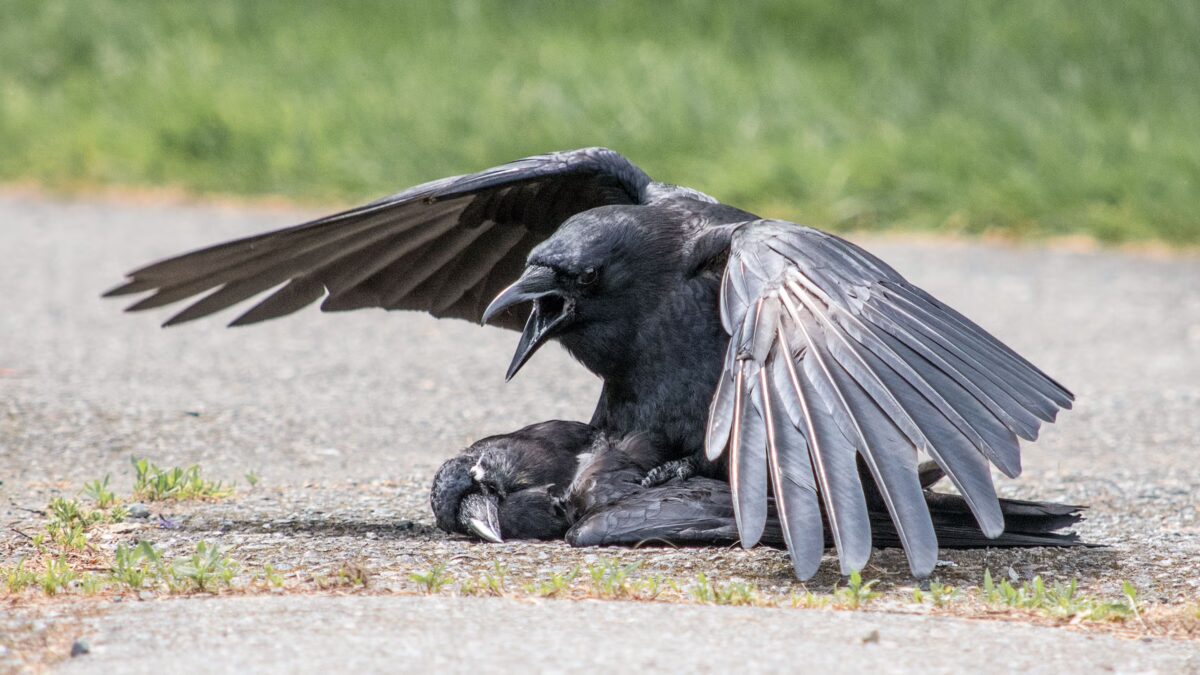
Crows demonstrate a sophisticated understanding of death that rivals or exceeds that of most five-year-olds. When a crow dies, other crows will gather around the deceased in what appears to be a funeral-like ceremony. Researchers have observed crows bringing gifts to dead companions and even investigating the “cause of death.” Young children, by contrast, typically don’t fully comprehend the permanence and inevitability of death until around age seven. Five-year-olds often conceptualize death as temporary or reversible, similar to sleep. While children this age understand something sad has happened when someone dies, they lack the cognitive framework to truly comprehend mortality. Crows not only appear to recognize death but modify their behavior in response to it—avoiding areas where they’ve seen dead crows and warning others about potential dangers. This suggests a level of mortality awareness and risk assessment that exceeds the cognitive capabilities of most young children.
Meta-Cognition and Self-Awareness

Research suggests crows possess metacognitive abilities—awareness of their own knowledge and limitations—that are still developing in five-year-old humans. In studies where crows were presented with tasks of varying difficulty, they showed the ability to “opt out” of challenges they were uncertain about, similar to how humans might say “I don’t know” when unsure. Five-year-olds, by contrast, often overestimate their abilities and knowledge, struggling to recognize the limits of their understanding. This metacognitive ability in crows extends to self-awareness. While crows haven’t passed the classic mirror self-recognition test used for primates, they demonstrate behaviors suggesting self-awareness in other contexts, such as hiding food only when they believe they’re being watched by competitors. This requires understanding their own perspective differs from others—theory of mind capabilities that are still developing in five-year-olds. Children at this age are beginning to understand others have different thoughts than their own but often struggle with predicting how others might behave based on those different perspectives—something crows appear quite adept at.
Numerical Cognition

Crows demonstrate numerical abilities that parallel those of young children. Studies have shown crows can distinguish quantities up to five or six with remarkable accuracy and demonstrate understanding of ordinal relationships (greater than, less than). Impressively, crows appear to have an abstract concept of “zero” as a numerical value—a sophisticated concept that human children typically don’t grasp until around age four. In controlled experiments, crows successfully completed matching-to-sample tasks with numbers, showing they understand numerical symbols can represent quantities. While five-year-old children have generally mastered counting to higher numbers, their understanding often remains tied to concrete objects rather than abstract numerical concepts. Crows, despite lacking formal mathematical training, demonstrate intuitive understanding of numerical principles that matches or sometimes exceeds that of young children. What makes this particularly remarkable is that crows achieve this numerical cognition without the benefit of language-based number systems that human children rely on for mathematical development.
Causal Reasoning Abilities
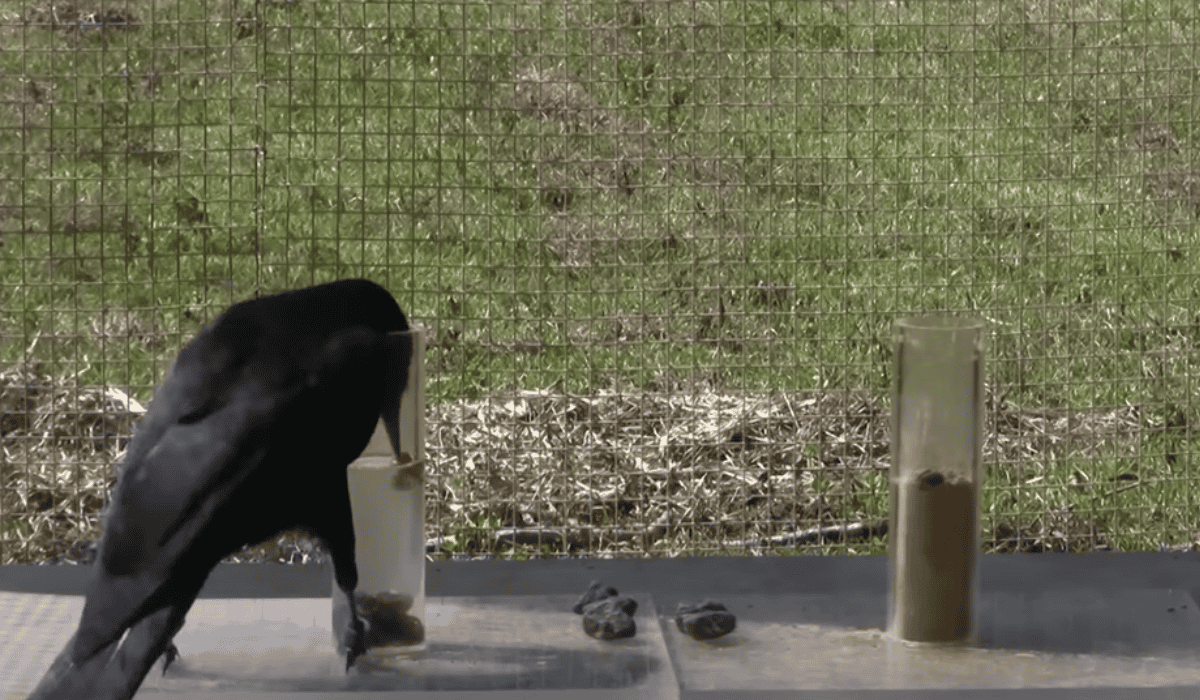
Crows excel at understanding cause and effect relationships in ways that can surpass young children. In the classic Aesop’s Fable experiment, crows quickly learned to drop stones into water to raise its level and reach floating food—demonstrating understanding of water displacement. Five-year-olds often struggle with similar physics concepts. More impressively, crows can distinguish between causal and non-causal relationships. When presented with scenarios where two events merely correlate versus when one truly causes another, crows show discrimination abilities comparable to older children. Researchers at the University of Auckland found that New Caledonian crows could identify which actions would affect a specific outcome and which were irrelevant, avoiding the superstitious behaviors that often trap other animals (and sometimes humans). This sophisticated understanding of physical causality emerges in crows without formal education, while children typically require explicit instruction and explanation to grasp similar concepts. The crow’s intuitive physics understanding suggests a different but equally powerful form of intelligence.
Social Learning and Cultural Transmission

Crows demonstrate sophisticated social learning that enables cultural transmission of knowledge across generations—a process similar to human culture but achieved without language. Juvenile crows learn complex behaviors by observing adults, including tool use techniques, food processing methods, and even which humans to trust or fear. This knowledge transfers through crow communities and persists across generations. For example, crows in Japan learned to place nuts on roadways for cars to crack, then retrieve them during red lights—a behavior that spread through crow populations through observation. While five-year-old children certainly learn from observation, their social learning heavily depends on language-based instruction and explicit teaching. Crows achieve similar knowledge transmission through pure observation and imitation. Studies have shown that crow “culture” can develop regional variations in tool design and usage techniques, demonstrating a form of cultural evolution parallel to human societies but without reliance on language—an impressive cognitive feat that highlights alternative pathways to complex social knowledge.
Delayed Gratification and Impulse Control

Crows demonstrate remarkable self-control and ability to delay gratification—often exceeding the capabilities of young children. In the famous “marshmallow test” with children, five-year-olds frequently struggle to resist immediate rewards for greater future benefits. Corvids, however, regularly demonstrate the ability to forgo immediate rewards for better future outcomes. They will cache food when abundant for later use, showing planning for future states. More impressively, carrion crows in laboratory settings have shown the ability to wait up to five minutes for a better food reward—longer than many preschoolers can manage. This impulse control extends to social situations, where dominant crows may temporarily allow subordinates access to food to maintain group cohesion. The neural mechanisms behind this self-control appear different from those in humans but achieve similar functional outcomes. While five-year-old children are developing impulse control, their abilities typically remain inconsistent and context-dependent. Crows demonstrate this executive function with remarkable consistency across varied situations without the benefit of external reinforcement or instruction that children receive.
Innovative Problem-Solving

Crows demonstrate exceptional innovation when faced with novel problems—often exceeding the creative problem-solving capabilities of young children. In one remarkable demonstration, a crow named “Betty” spontaneously bent a straight wire into a hook to retrieve food from a tube, despite never having seen this done before. This represents true innovation rather than learned behavior. Five-year-old children, while curious and imaginative, often apply familiar strategies to new problems rather than inventing entirely novel solutions. When researchers presented crows with puzzle boxes requiring novel solutions, the birds displayed remarkable flexibility in their approach, trying different techniques until finding success. This cognitive flexibility allows crows to thrive in rapidly changing environments and exploit new food sources. Children at age five typically show more rigid thinking patterns and often struggle when familiar approaches fail. The crow’s innovative problem-solving appears to stem from a combination of causal understanding, tool knowledge, and remarkable cognitive flexibility that allows them to generate creative solutions without external guidance—a form of independent thinking still developing in young children.
While comparing crow and human intelligence involves navigating different cognitive architectures and evolutionary purposes, the evidence clearly demonstrates that crows possess remarkable mental capabilities that can indeed rival or exceed those of five-year-old children in specific domains. Their tool creation abilities, causal reasoning, social intelligence, and problem-solving skills represent cognitive achievements that evolved independently from human intelligence yet arrived at similar functional outcomes. This convergent evolution of intelligence provides fascinating insights into how smart cognition can develop through different neural pathways. Of course, human children possess unique advantages through language acquisition and cultural learning that will eventually propel their cognition far beyond crow capabilities. However, the crow’s impressive cognitive feats with a brain the size of a walnut should humble us and expand our understanding of intelligence beyond human-centric models. Perhaps most importantly, recognizing the sophisticated minds of these feathered geniuses encourages greater respect for the cognitive lives of animals and the diverse forms intelligence can take in nature.

- The Threats Tigers Face Today—From Poaching to Habitat Loss - July 29, 2026
- The Most Chill Animals Taking Over the Internet: Meet the Capybara Kings - July 29, 2026
- Prairie Dogs and Bison: Wildlife of the Tallgrass Prairie - July 29, 2026