

There’s something about certain places that reaches deep inside you. Not the kind of beauty that just takes your breath away for a moment, but the kind that changes something fundamental in how you see the world. The United States is home to countless destinations that can move you to tears, fill you with awe, or make you understand history in a way no textbook ever could.
These aren’t just tourist stops. They’re places where the air feels heavier, where silence speaks volumes, and where you might find yourself standing still, just processing. So let’s explore some of the most emotionally stirring locations across America that have the power to shift your perspective and stir your soul.
The Vietnam Veterans Memorial, Washington D.C.
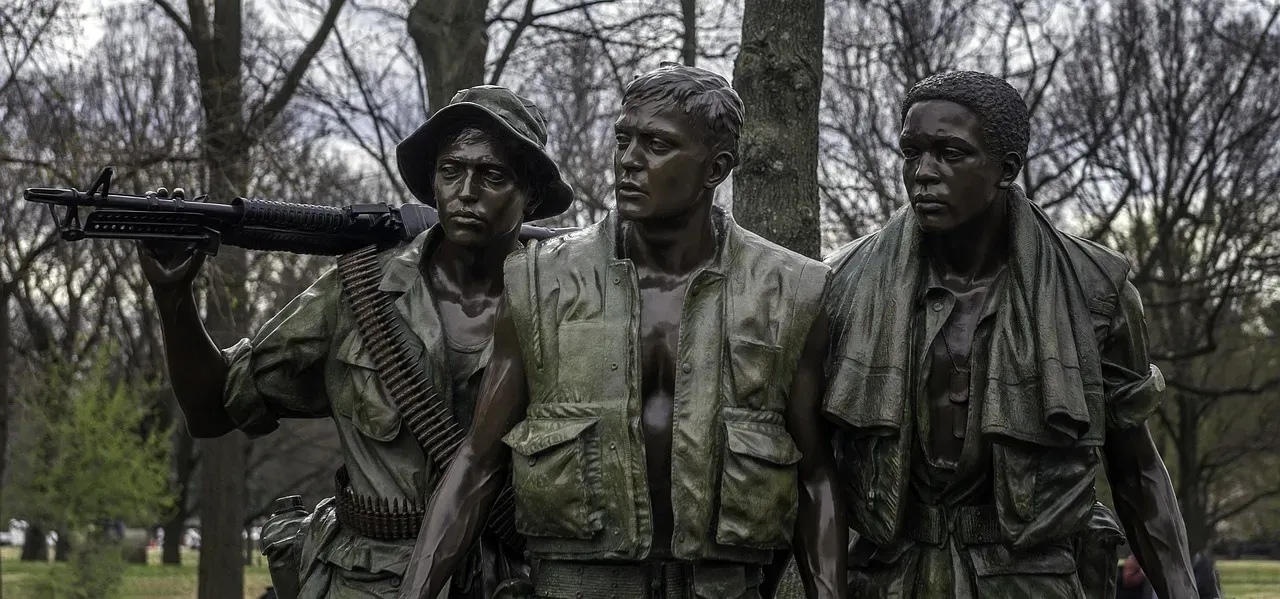
The black granite Vietnam Memorial Wall is etched with the names of the 58,318 American men and women who were declared dead or missing in the conflict in Vietnam, stretching for nearly 500 feet, name after name after name. Walking alongside this V-shaped monument, you’ll see your own reflection superimposed over those names, creating an almost haunting connection between present and past.
For any American, visiting the Vietnam Veterans Memorial Wall on the National Mall can be one of the most powerful and emotional ways to honor the more than 58,000 Americans who gave their lives in service to our country. People leave flowers, letters, photographs, and personal mementos at the base. You’ll often see veterans touching the names of fallen comrades, their fingers tracing letters carved into stone. It’s impossible not to feel the weight of sacrifice here.
Pearl Harbor National Memorial, Hawaii
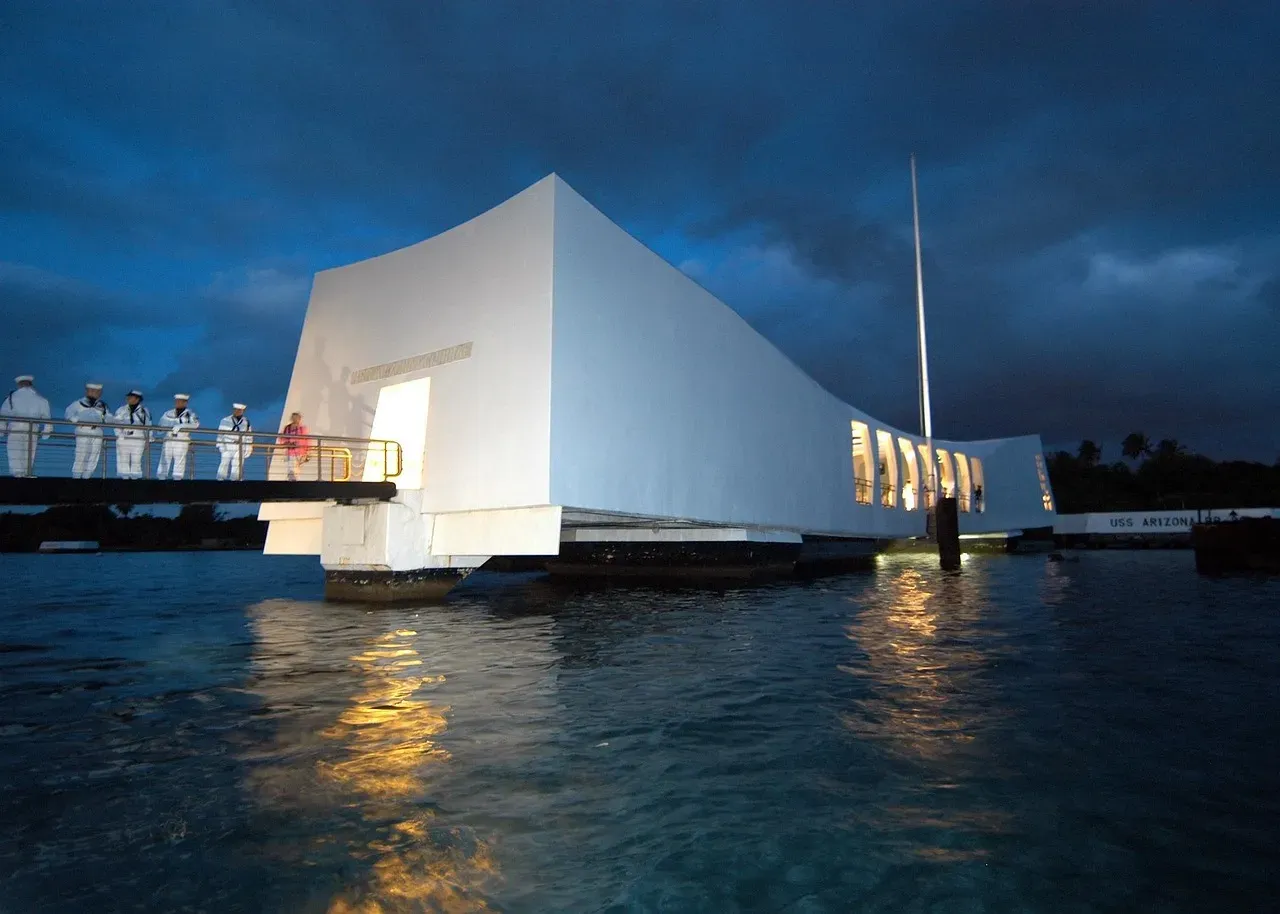
This is one of the most emotional historical sites to visit, and seeing the oil still leaking from a ship sunk in the depths of the harbor is powerful, a day that truly “lives in infamy” and should never be forgotten. The USS Arizona Memorial sits directly above the sunken battleship, and you can still see oil droplets rising to the surface, known as the tears of the Arizona.
Standing there, you realize you’re at a mass grave. Over 1,000 sailors remain entombed in the ship below your feet. This historic site honors the lives lost during the attack that drew the U.S. into World War II, and it’s a place of solemn remembrance and reflection. The memorial is quiet except for the sound of water lapping against the structure, and that silence somehow amplifies the gravity of what happened here on December 7, 1941.
Gettysburg National Military Park, Pennsylvania
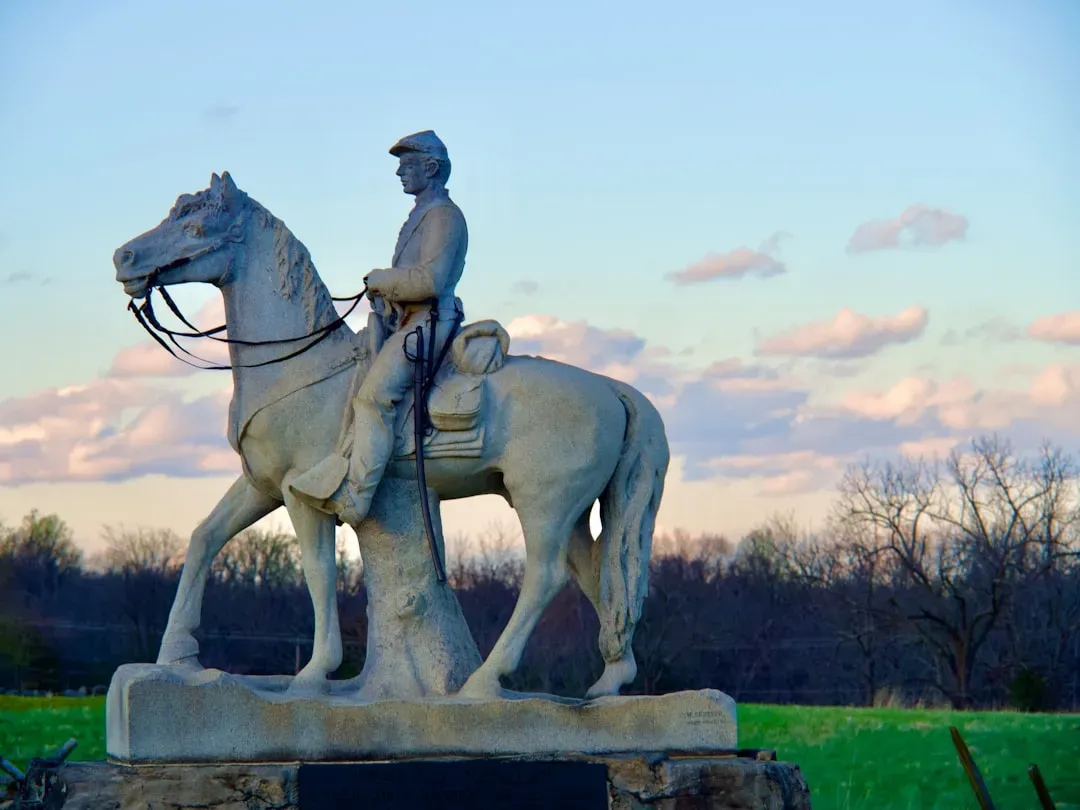
Visiting this town where a Confederate invasion of the North was stopped is a must-see for all Americans, and the solemn cemetery is a reminder of the men who gave their lives here to save the Union and end slavery. Walking across the battlefield, especially at dawn or dusk, you can almost hear echoes of the past.
Gettysburg isn’t just about military strategy; it’s about understanding the profound sacrifices that shaped the path toward unity. Standing where Pickett’s Charge took place, you can visualize thousands of Confederate soldiers marching across open fields toward certain death. The Soldiers’ National Cemetery, where Lincoln delivered the Gettysburg Address, is particularly moving. Rows upon rows of simple white headstones represent brothers, fathers, and sons who never made it home.
The National September 11 Memorial, New York City

The twin reflecting pools, each nearly an acre in size, sit in the footprints where the Twin Towers once stood. Water cascades down the sides and disappears into a central void, a powerful metaphor for loss that can never be filled. The names of every person who died in the 2001 and 1993 attacks are inscribed in bronze around the edges of the pools.
Visiting on a quiet weekday morning, you’ll see people touching names, leaving flowers, taking rubbings. The attached 9/11 Museum includes exhibits and artifacts memorializing modern America’s darkest day. Inside, you’ll find crushed fire trucks, personal belongings recovered from the rubble, and recorded voicemails from victims. It’s raw, it’s painful, and it forces you to confront a day that changed everything.
Arlington National Cemetery, Virginia
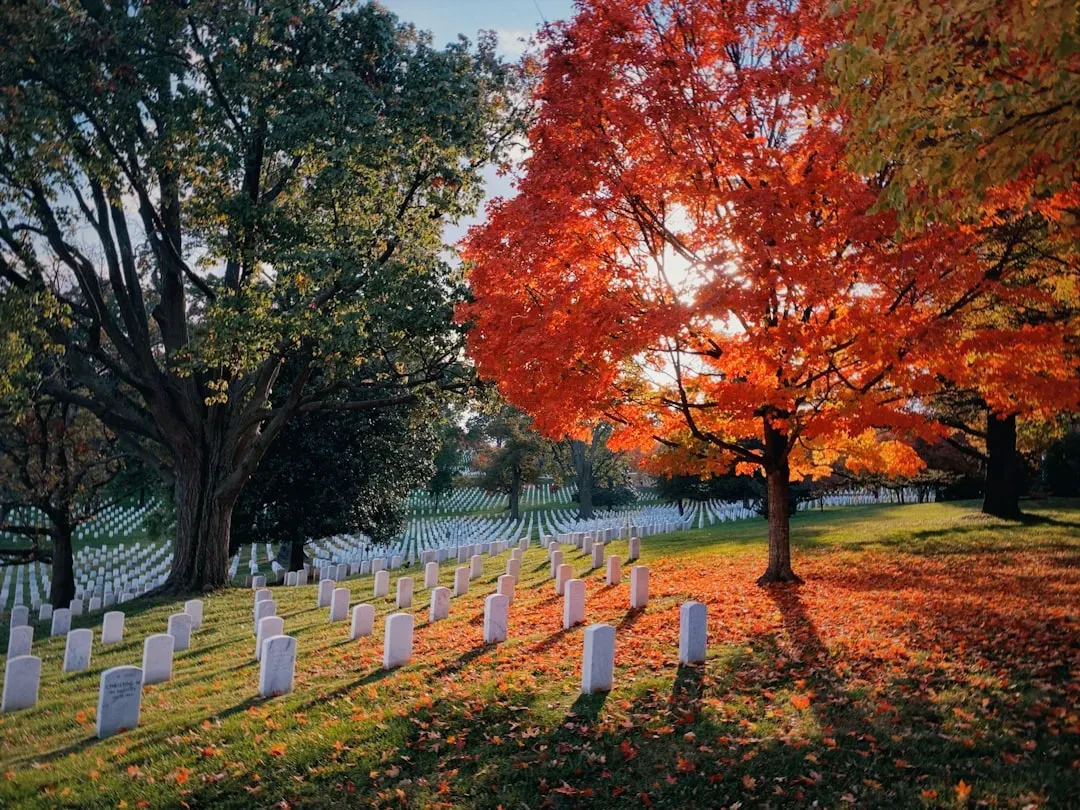
Arlington National Cemetery in Virginia is both a military burial site and an iconic monument to fallen soldiers. The cemetery stretches across rolling hills, with over 400,000 graves marked by uniform white headstones. Walking through the grounds, you’re surrounded by sacrifice in every direction.
The Changing of the Guard ceremony at the Tomb of the Unknown Soldier is performed with such precision and reverence that even the most cynical visitor feels something shift inside. Rain or shine, day or night, soldiers guard this tomb in 21-step routines that have continued uninterrupted since 1937. As you stand on the Lincoln Memorial, view the Declaration at the National Archives, or visit the Tomb of the Unknown Soldier at Arlington Cemetery, you will feel the emotion of our almost 250 years of history. The silence of the crowd during the ceremony speaks volumes.
The National World War II Memorial, Washington D.C.
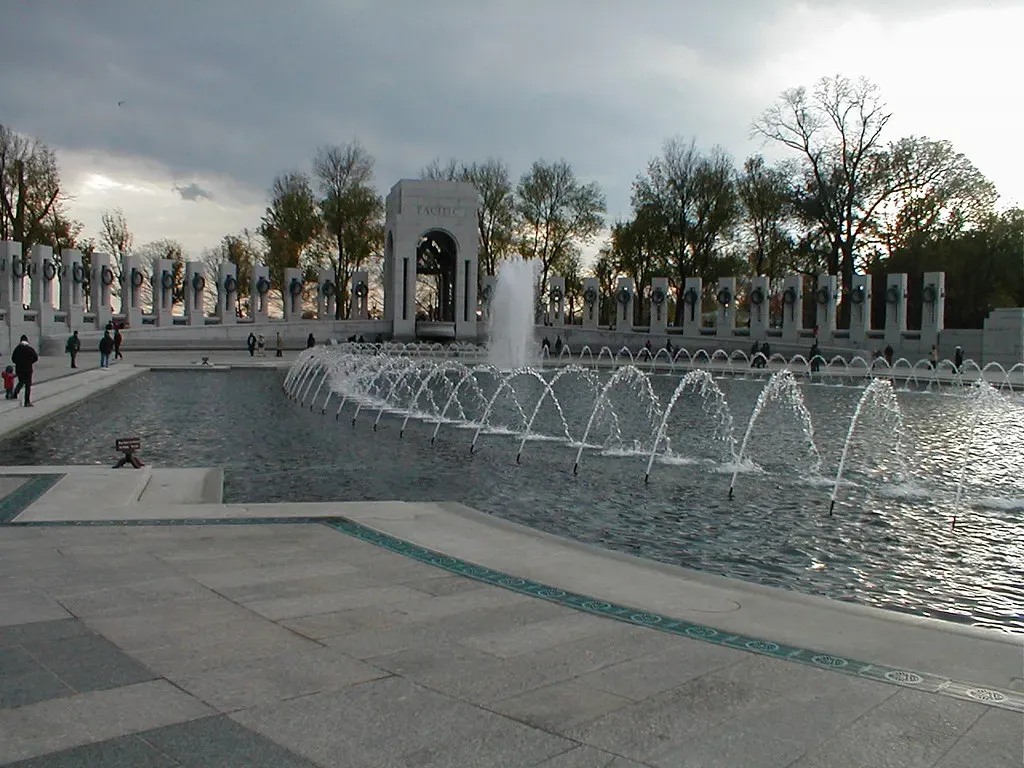
This memorial in Washington, D.C. is built in memory of the 16 million brave American men and women who served in the Second World War, the over 400,000 who died, and the many millions who supported the war effort from home, commemorating and honoring the fortitude of the American people. The design is both grand and intimate, with two massive arches representing the Atlantic and Pacific theaters.
Granite columns that represent American states and U.S. territories encircle a massive pool and fountain, and a wall marked with over 4,000 gold stars stands in honor of all the Americans who died fighting in the war. Each star represents 100 American military deaths. Standing before that wall of stars, trying to comprehend that scale of loss, is overwhelming. Veterans often visit with their families, some in wheelchairs, some helped by younger relatives, all coming to remember.
Martin Luther King Jr. National Historical Park, Atlanta
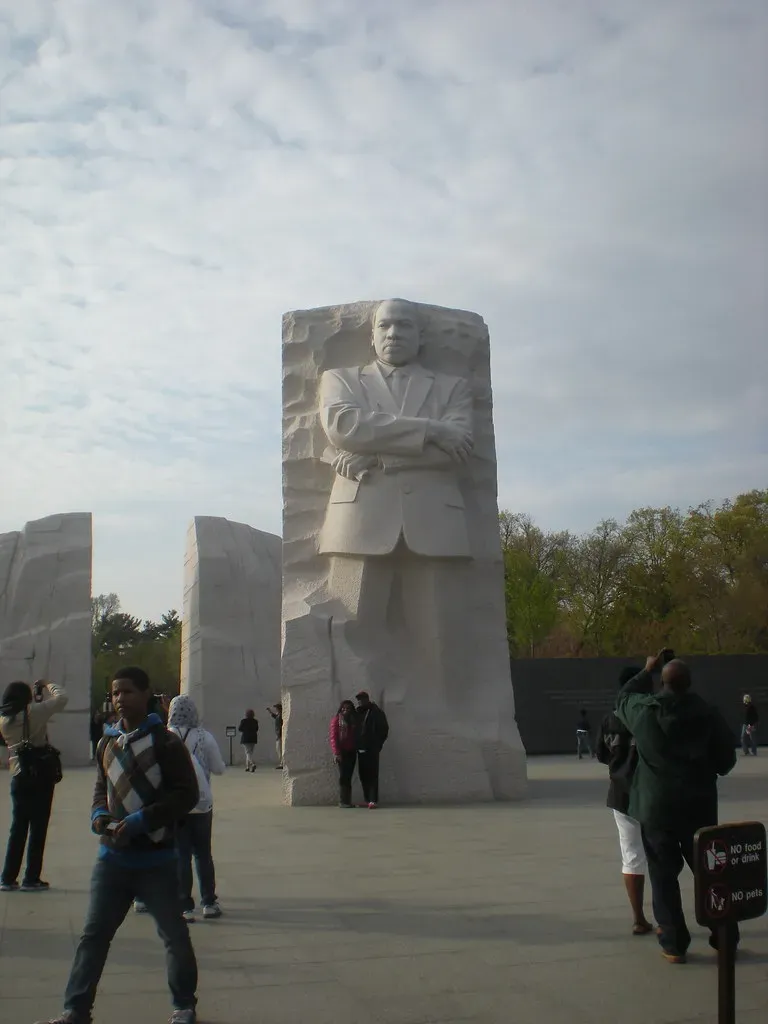
Discover the life and legacy of Martin Luther King Jr., the leader of the Civil Rights Movement, by visiting his birth home, Ebenezer Baptist Church, and The King Center to see the eternal flame and Dr. King’s crypt, a moving tribute to his dream of equality. The park preserves the neighborhood where Dr. King was born and raised.
Dedicated in 2011, the nearby memorial pays tribute to the famous American pastor, activist, humanitarian, and best-known leader in the civil rights movement, based on a line from Dr. King’s famous “I Have a Dream” speech. Walking the same streets he walked as a child, sitting in the pews where he preached, you connect with his humanity. He wasn’t just a figure in a history book but a real person who grew up in a real neighborhood and chose to fight for justice despite knowing the cost.
Valley Forge National Historical Park, Pennsylvania
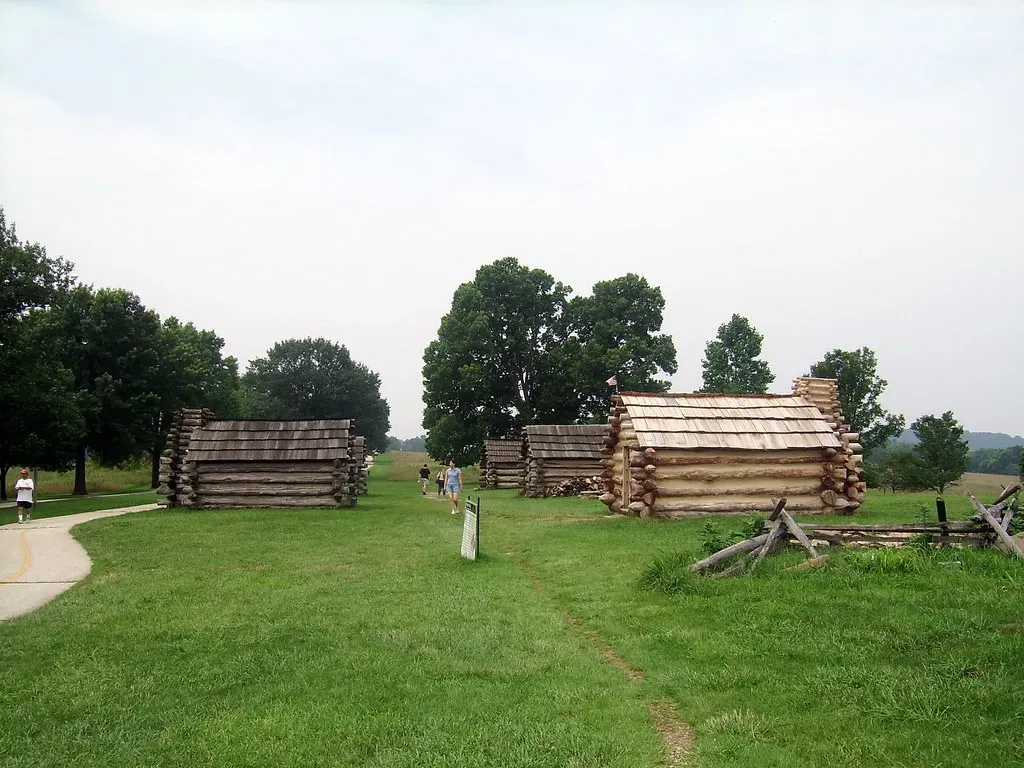
Seeing the rolling hills of this former American Revolution army encampment, you can imagine the beleaguered Continental army struggling to get warm or have enough to eat, bringing to life the true sacrifice that these men and women made for freedom. During the winter of 1777-1778, Washington’s army nearly collapsed here, not from battle but from starvation, disease, and freezing temperatures.
Walking through the reconstructed soldier huts, you realize how small and inadequate they were. These men had wrapped their feet in rags because they had no shoes, slept on frozen ground, and ate meager rations while the fate of a nation hung in the balance. The park is peaceful now, with rolling green hills and quiet trails, yet it’s impossible not to think about the suffering that happened here. The fact that the army survived at all, let alone emerged stronger, is nothing short of remarkable.
The Lincoln Memorial, Washington D.C.
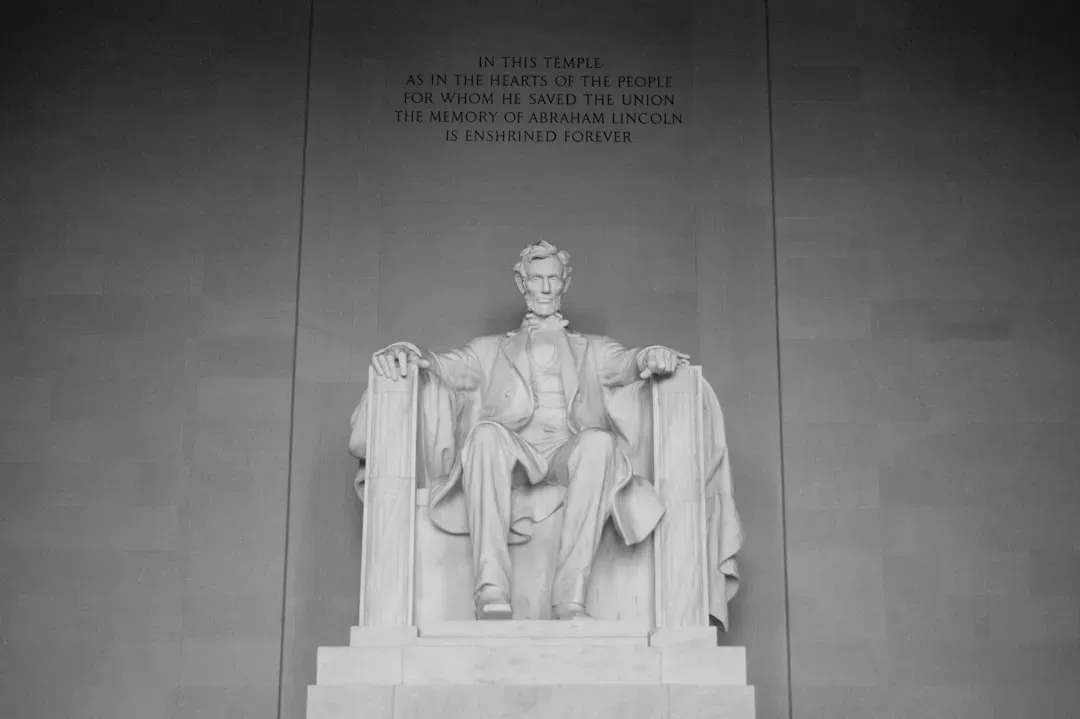
The Lincoln Memorial stands at the west end of the National Mall as a neoclassical monument to America’s 16th president, with a 19-foot statue of Abraham Lincoln overlooking the Reflecting Pool and the Washington Monument. The sheer size of the seated Lincoln is imposing, yet his expression is contemplative, almost sad.
Dedicated in 1922, the Lincoln Memorial has been home to many defining moments in American history, and Martin Luther King, Jr. delivered his “I Have a Dream” speech from the steps in front of 250,000 attendees. Standing on those same steps, you can imagine that day, that moment, that speech that changed America. Inside, inscribed on the walls, are the Gettysburg Address and Lincoln’s Second Inaugural Address. Reading those words in that space, you feel connected to something larger than yourself.
Independence Hall, Philadelphia
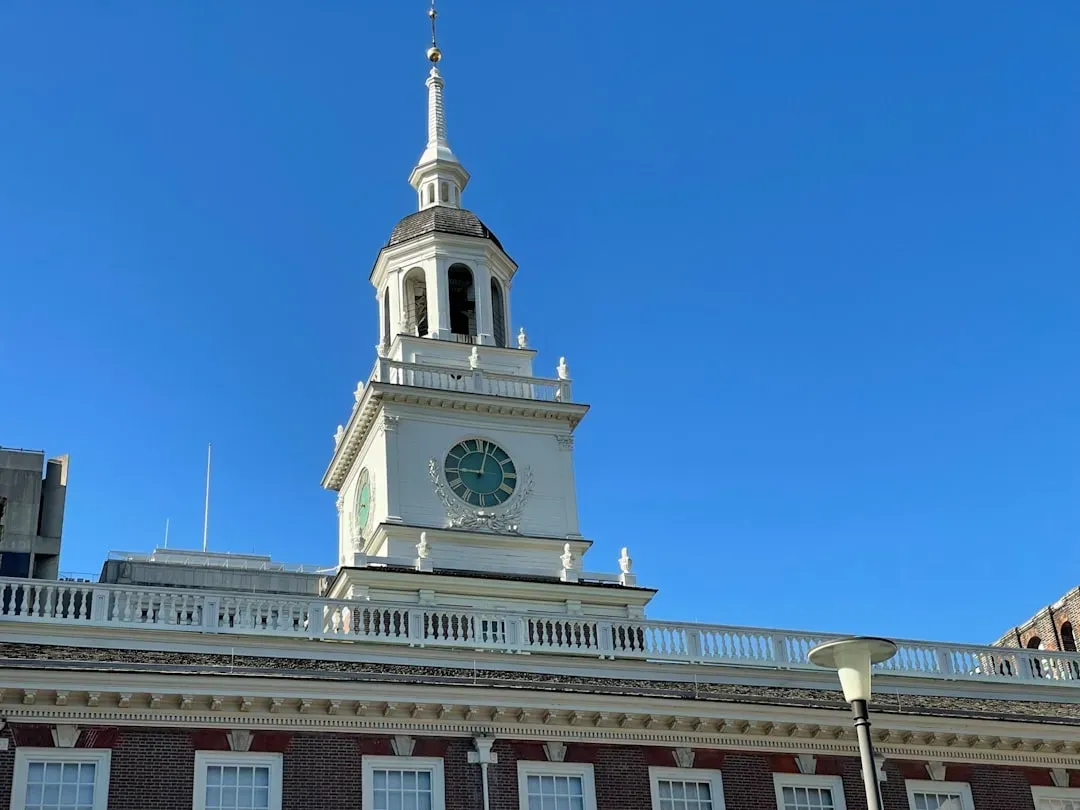
Visitors are literally moved to tears during visits to Independence Hall, seeing George Washington’s actual chair and being in the very room that the Declaration of Independence was adopted. This is where both the Declaration of Independence and the Constitution were debated and signed.
The rooms are preserved much as they were in the 18th century. The chairs where the Founding Fathers sat are still there. You can stand where they stood, breathe the same air in the same space where they argued about freedom, rights, and what kind of nation they wanted to create. As Robert Morris said, Philadelphia is to the United States what the heart is to the human body. This building is where American democracy was born, and being there makes that abstract concept feel suddenly real and tangible.
Conclusion
These places aren’t just stops on a road trip. They’re destinations that demand something from you, that ask you to pause, reflect, and feel. Whether it’s the weight of war, the price of freedom, or the cost of progress, each location offers a different lens through which to view American history and the human experience.
Visiting them changes you, even if just a little. You leave with a deeper understanding of sacrifice, resilience, and the complex journey that brought us to where we are today. So which one speaks to you? Have any of these places been on your bucket list, or did one just get added?

- 6 Exotic Bird Species You Can Spot in U.S. National Parks - July 19, 2026
- 11 Iconic American Birds Facing New Challenges and How You Can Help - July 19, 2026
- 10 Friendliest Animals in the World - July 19, 2026