

The tale of the most enormous badger ever found in America is not just a story about an oversized animal; it takes us into the fascinating world of badgers, exploring their biology, habitat, and the unique circumstances that led to the discovery of this gigantic specimen. In this article, we will delve into the details surrounding this remarkable find and examine the wider implications for our understanding of these fascinating creatures.
Introduction to Badgers

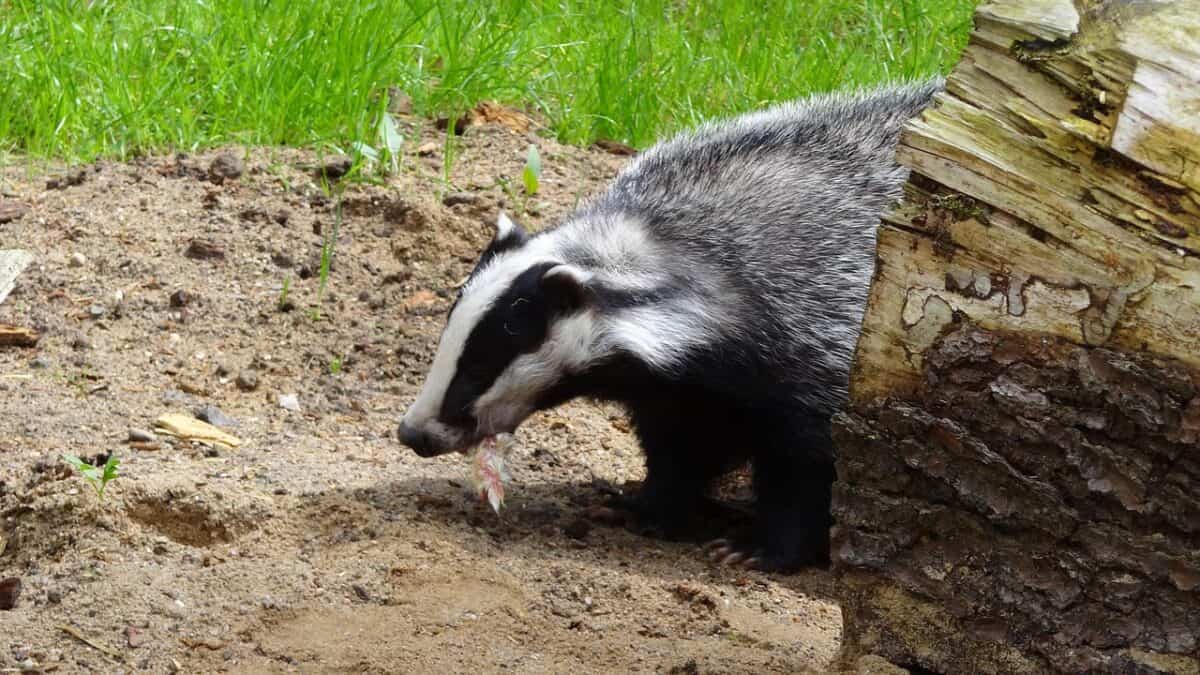
Badgers are burrowing mammals most commonly recognized for their distinctive black-and-white striped faces. In America, the most prevalent species is the American badger (Taxidea taxus). These animals are known for their digger abilities and stout bodies, making them well-adapted for life underground.
The Discovery of the Largest Badger

The enormous badger in question was discovered in rural Wisconsin, a state known for its extensive populations of wildlife. This exceptional find was made by a team of wildlife surveyors conducting a routine assessment of badger habitats. Measuring over 32 inches from head to tail and weighing more than 32 pounds, this badger dwarfed the average size, which typically ranges from 20 to 24 inches in length and 15 to 20 pounds in weight.
Characteristics of the Giant Badger

This larger-than-life badger exhibited traits consistent with its smaller relatives, including sharp claws and powerful limbs, essential for its life underground. Despite its larger size, it managed to retain the agility and tenacity characteristic of the species.
The Habitat

The habitat in Wisconsin where the badger was found is characterized by a mix of farmlands, grasslands, and forested areas—the ideal environment for badgers. These areas provide ample food sources and extensive ground coverage for burrowing and nesting.
Diet and Feeding Habits
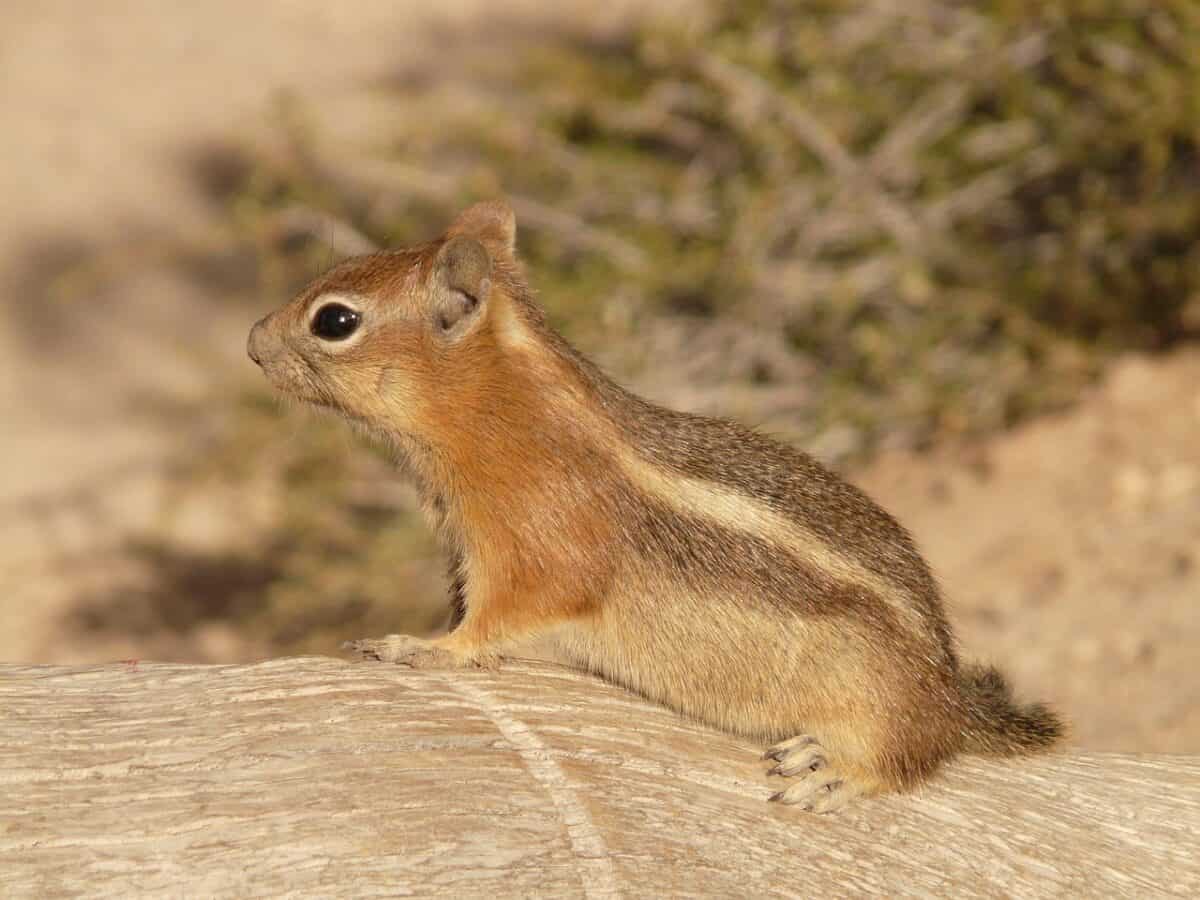
Like other badgers, this enormous specimen would have maintained a diet composed primarily of small mammals such as ground squirrels and gophers. Badgers are also opportunistic feeders, consuming insects and, on rare occasions, plant materials.
Behavioral Observations
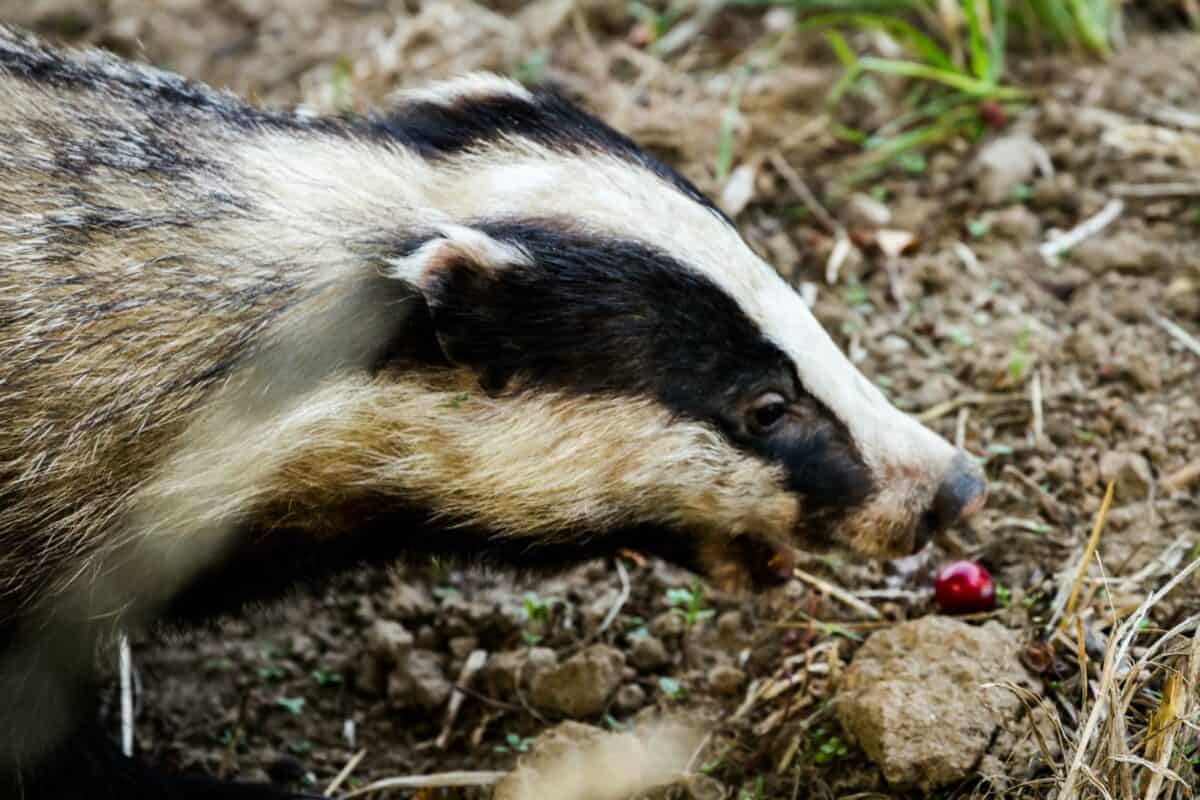
Badgers are primarily nocturnal creatures, and this giant was likely no different. They are solitary animals known for their territorial nature and have been observed using their size and strength to establish dominance within their domain.
Health and Condition

Upon discovery, the colossal badger was in good health, showcasing a robust physique, thick coat, and healthy dentition. This indicates a well-balanced diet and the availability of natural resources in its native habitat.
Research Significance

The discovery of such a large badger has spurred scientific interest, prompting researchers to investigate potential genetic factors contributing to its size. There is ongoing interest in understanding whether this is a natural anomaly or if there are underlying genetic markers related to its gigantism.
Implications for Conservation
This discovery underscores the importance of conservation efforts for preserving natural habitats. Maintaining the ecological balance allows for biodiversity, which might lead to future discoveries about species anomalies and adaptations.
Public Interest and Media Coverage

The story of the gigantic badger captivated the public imagination, highlighting how unusual wildlife can attract interest in animal behavior and conservation. Media coverage increased awareness of badgers, their role in ecosystems, and the need for their protection.
The Role of Badgers in Their Ecosystem
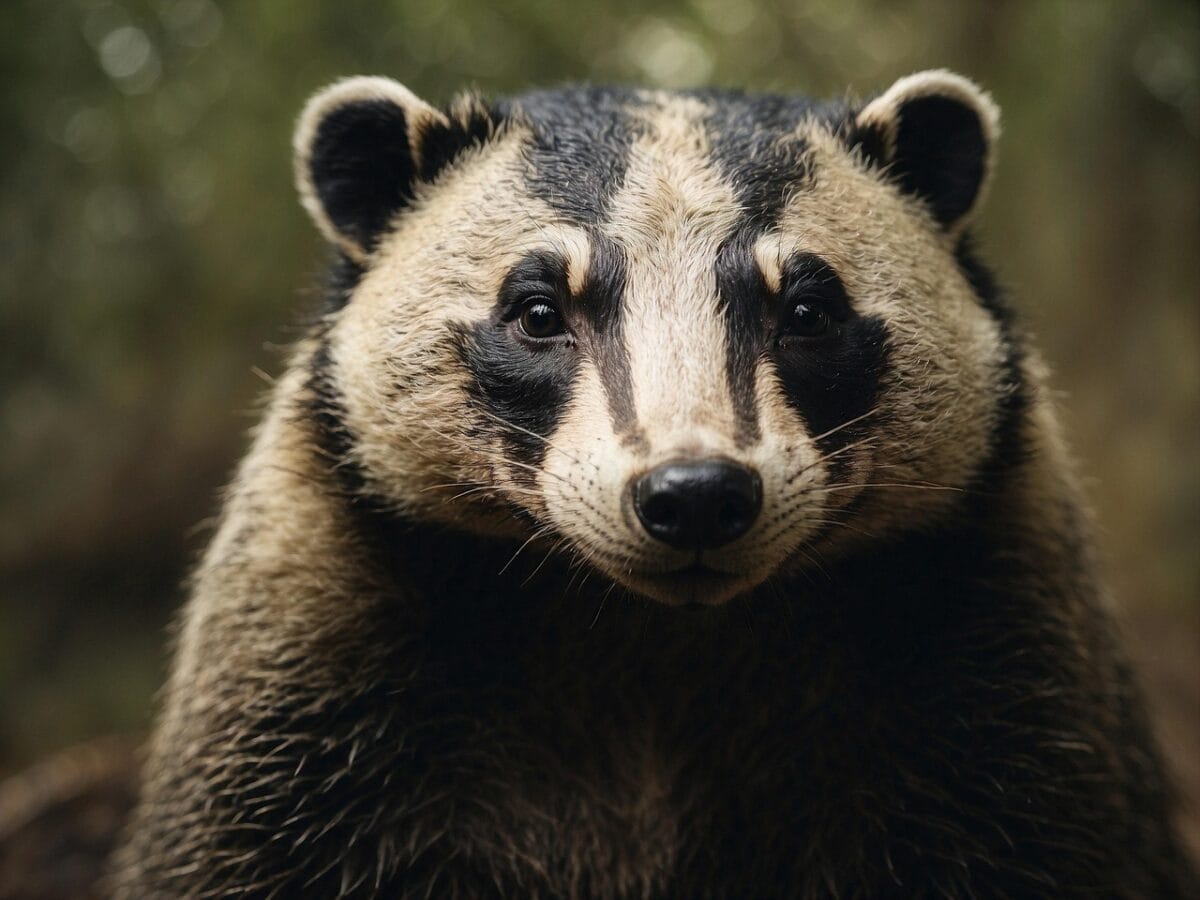
Badgers play a significant role in their ecosystems as pest controllers and participants in soil aeration due to their digging habits. By controlling the population of small mammals and insects, they help to maintain ecological balance, benefiting other plant and animal species.
Summary and Future Exploration
The discovery of the most enormous badger ever found in America has opened new avenues for scientific study and heightened public interest in these fascinating creatures. While this mammoth badger remains an exceptional find, it serves as a reminder of the riches yet to be discovered in our natural world and the need for continued conservation efforts to protect and understand our wildlife heritage.

- The Most Powerful Earthquake Ever Felt in the U.S. - July 19, 2026
- How Rhinoceros Males Compete for Mating Rights in the Wild - July 18, 2026
- 13 Spider Species Thriving in Changing Environments - July 18, 2026