

In the hypothetical scenario where humans vanish from the Earth, nature would immediately adjust to fill the void left behind. This speculative world opens up a fascinating question: which animals would rise to prominence in the absence of humankind? Here, we take a look at ten animals that are most likely to thrive and potentially dominate the world if humans disappear. These species have unique characteristics such as adaptability, resilience, and intelligence that make them potential candidates for taking over.
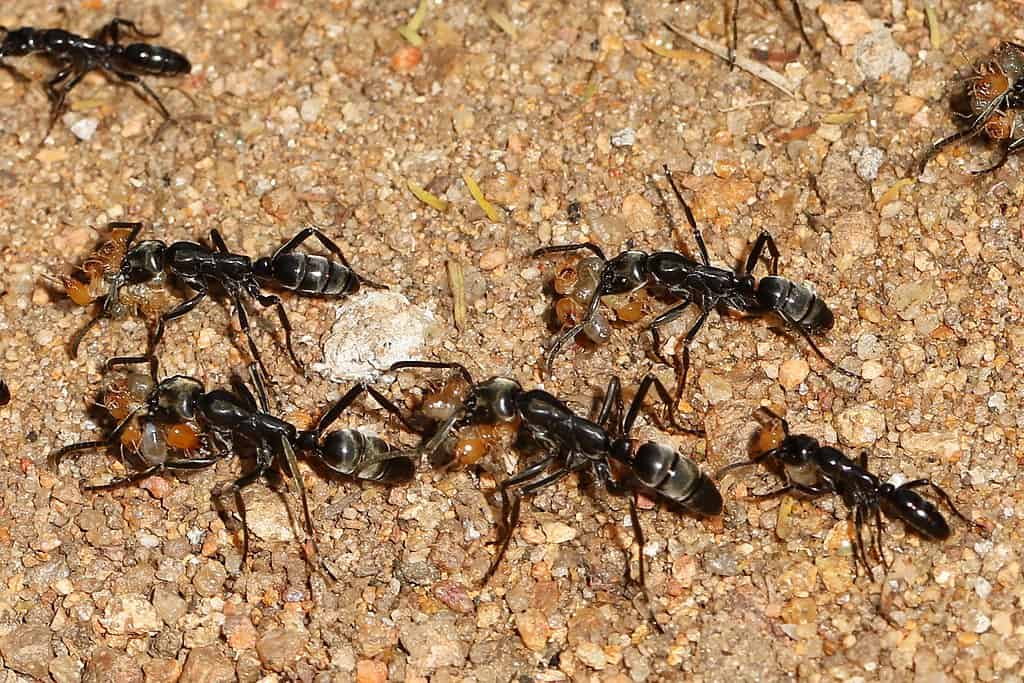
Ants The Social Strategists

Ants are among the most industrious creatures on our planet. With their highly structured colonies and sophisticated communication systems, ants could theoretically flourish without human interference. There are over 12,000 species of ants, and they are found in nearly every ecosystem across the globe. Ants perform essential ecological roles, such as soil aeration and seed dispersion. Their collective intelligence enables them to solve complex problems and efficiently allocate resources, qualities that could lead to their domination in a post-human world.
Rats The Ultimate Survivors

Rats have already adapted to living alongside humans in urban environments, making them incredibly adept at exploiting diverse habitats. Known for their resilience, rats can survive on a wide range of foods and are capable of reproducing quickly. In the absence of humans, rats would likely thrive due to their ability to adapt to changing conditions and capitalize on the waste left behind, making them one of the most formidable contenders for taking over the planet.
Octopuses The Ocean’s Masterminds
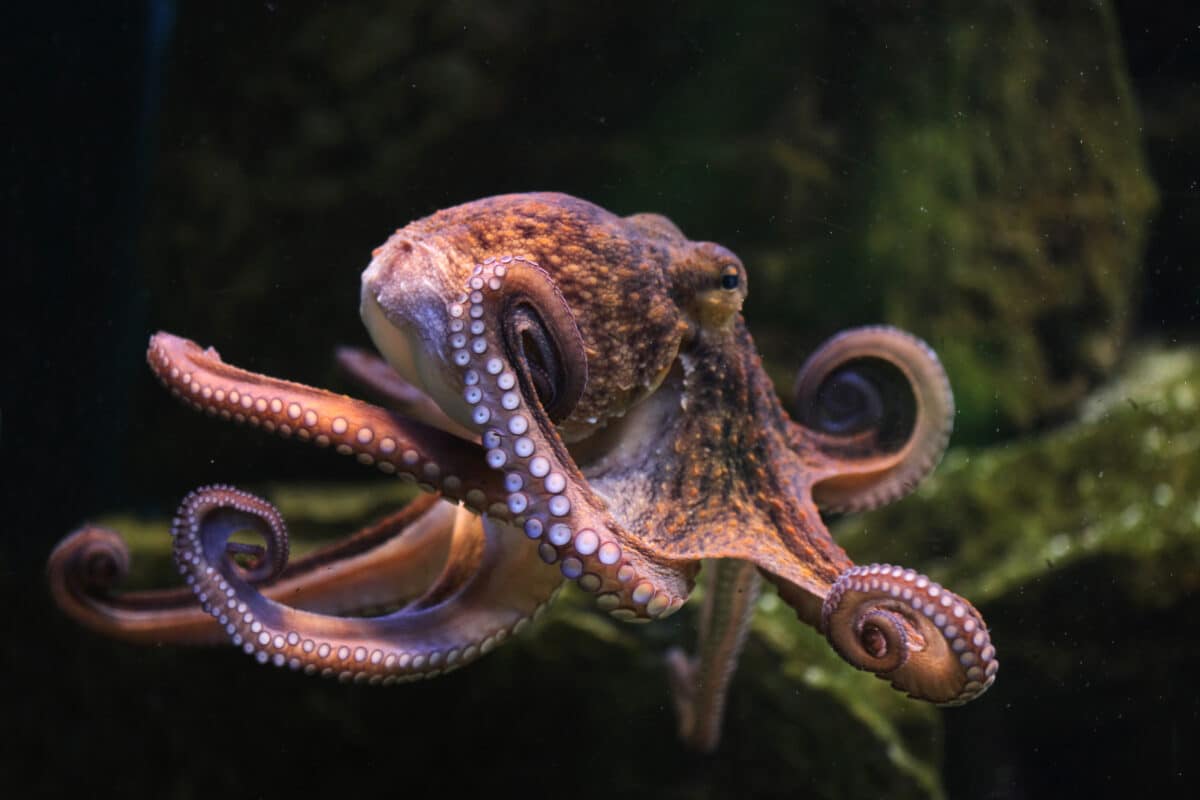
Octopuses are incredibly intelligent and resourceful creatures. Their ability to learn, solve puzzles, and interact with their environment shows a remarkable level of problem-solving skills. With humans gone, octopuses could become the rulers of the seas. Their capacity to adapt to various marine conditions and their intelligence in hunting and evasion make them strong candidates for dominance in oceanic environments.
Pigeons The Urban Navigators
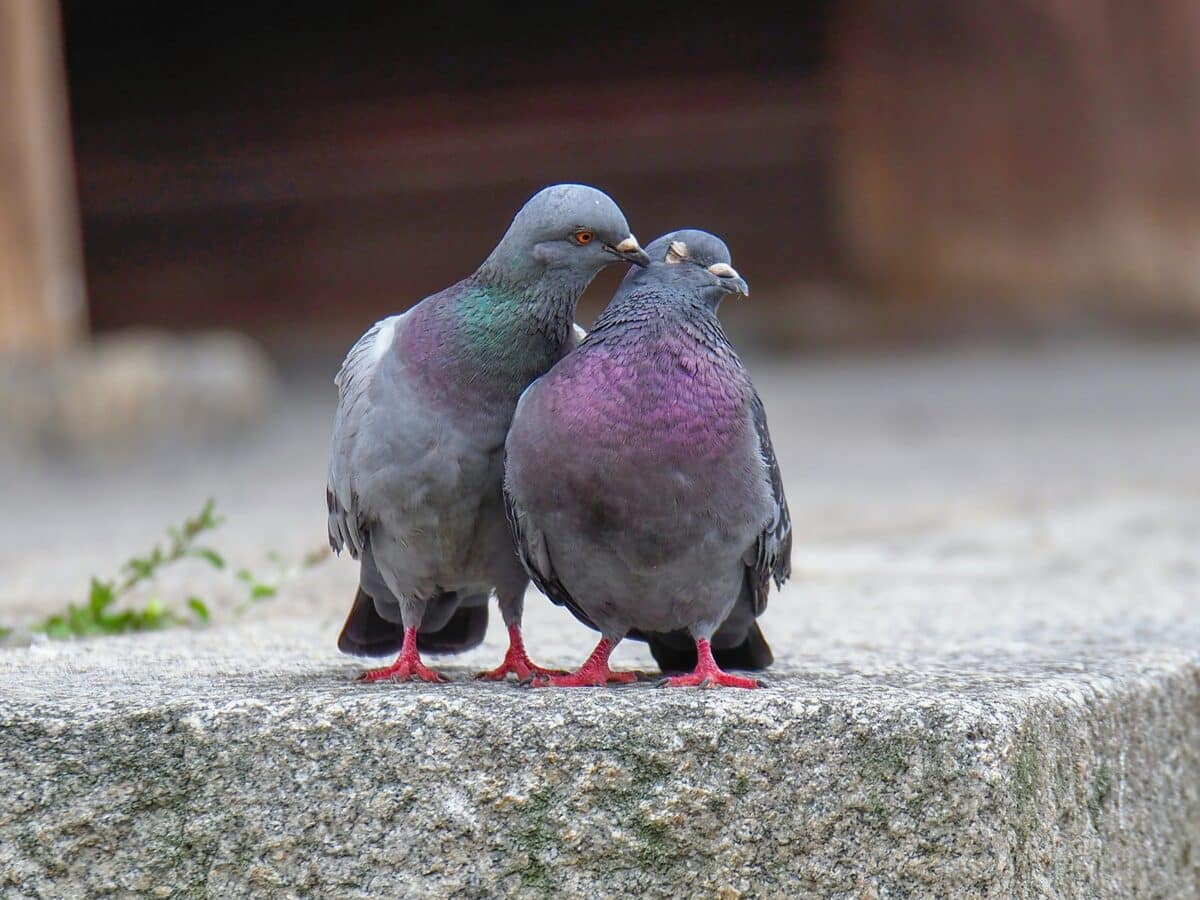
Pigeons have long shared space with humans in cities around the world. Their adaptability to urban environments and their excellent navigational skills hint at their potential for global proliferation. Pigeons can thrive in environments ranging from busy cityscapes to rocky cliffs, and without human interference, they can solidify their presence and adapt to new ecological niches.
Cockroaches The Ubiquitous Survivors
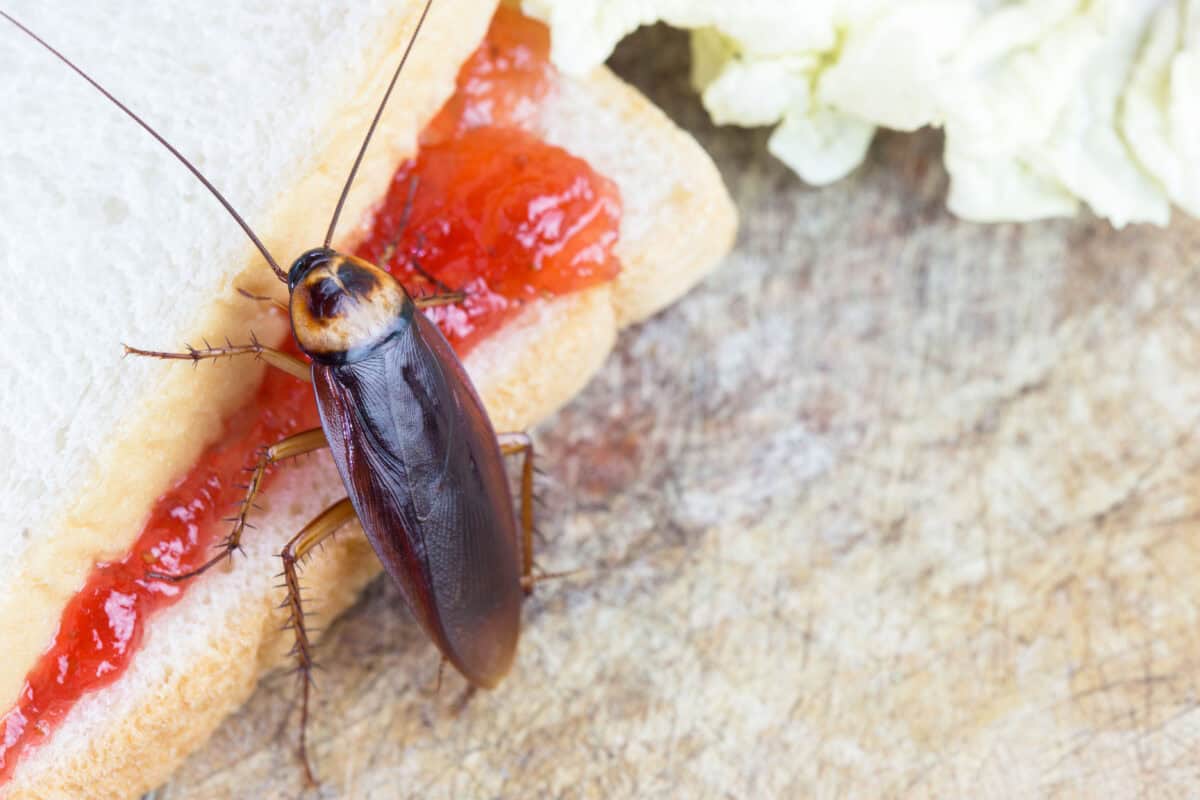
Cockroaches are often touted as one of nature’s ultimate survivors. These insects have been around for millions of years and can endure extreme conditions that would wipe out most other species. Without humans, they would likely continue to thrive, adaptable to nearly any climatic condition. Their ability to withstand radiation and long periods without food are notable strengths that would make them serious contenders for world dominance.
Crows The Cognitive Geniuses

Crows are members of the corvid family, known for high intelligence and problem-solving abilities. These birds use tools, possess the ability to recognize human faces, and have complex social structures. In a human-less world, their adaptability and intelligence would allow them to exploit new opportunities and environments, making them a strong candidate for overtaking other bird species.
Squirrels The Forest Strategists
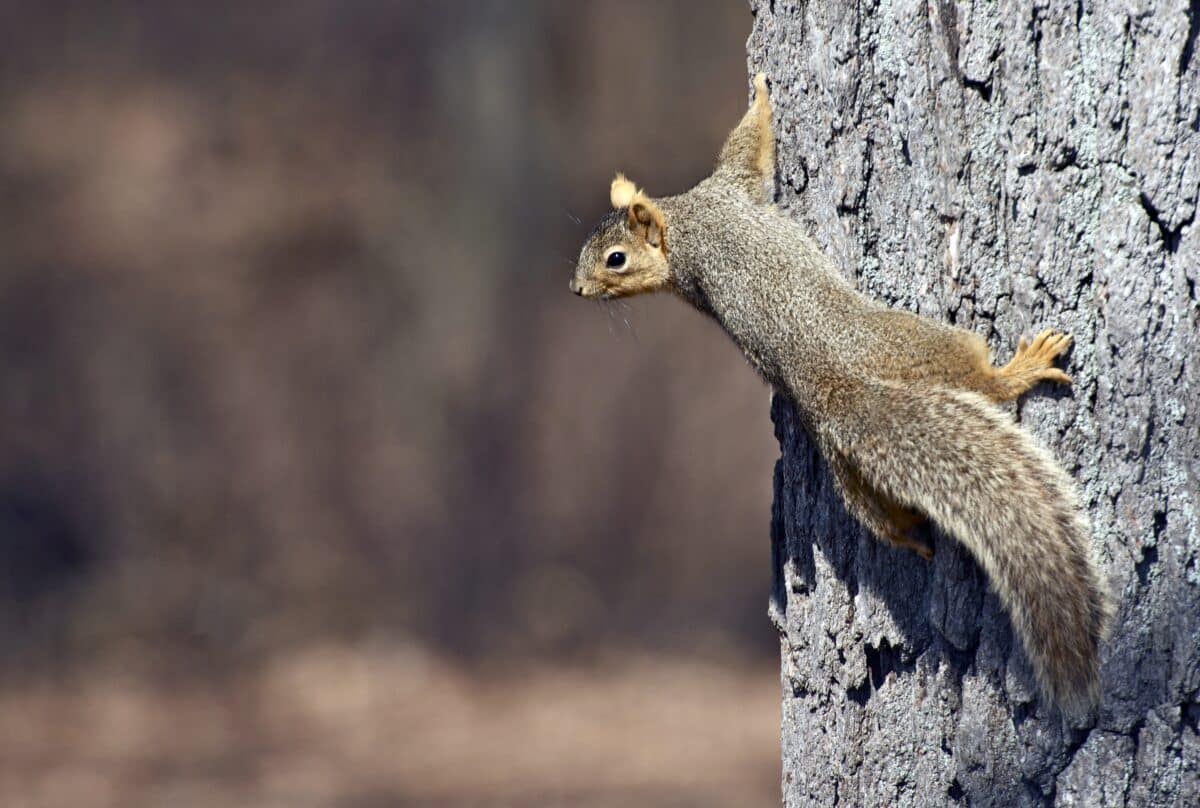
Squirrels are skilled at surviving in both forests and urban areas, primarily due to their agility and intelligence in securing food supplies. With humans out of the picture, forests and urban parks would become ideal territories for squirrels. Their excellent memory and ability to adapt to different environments would aid them in controlling vast natural areas once dominated by humans.
Termites The Subterranean Builders

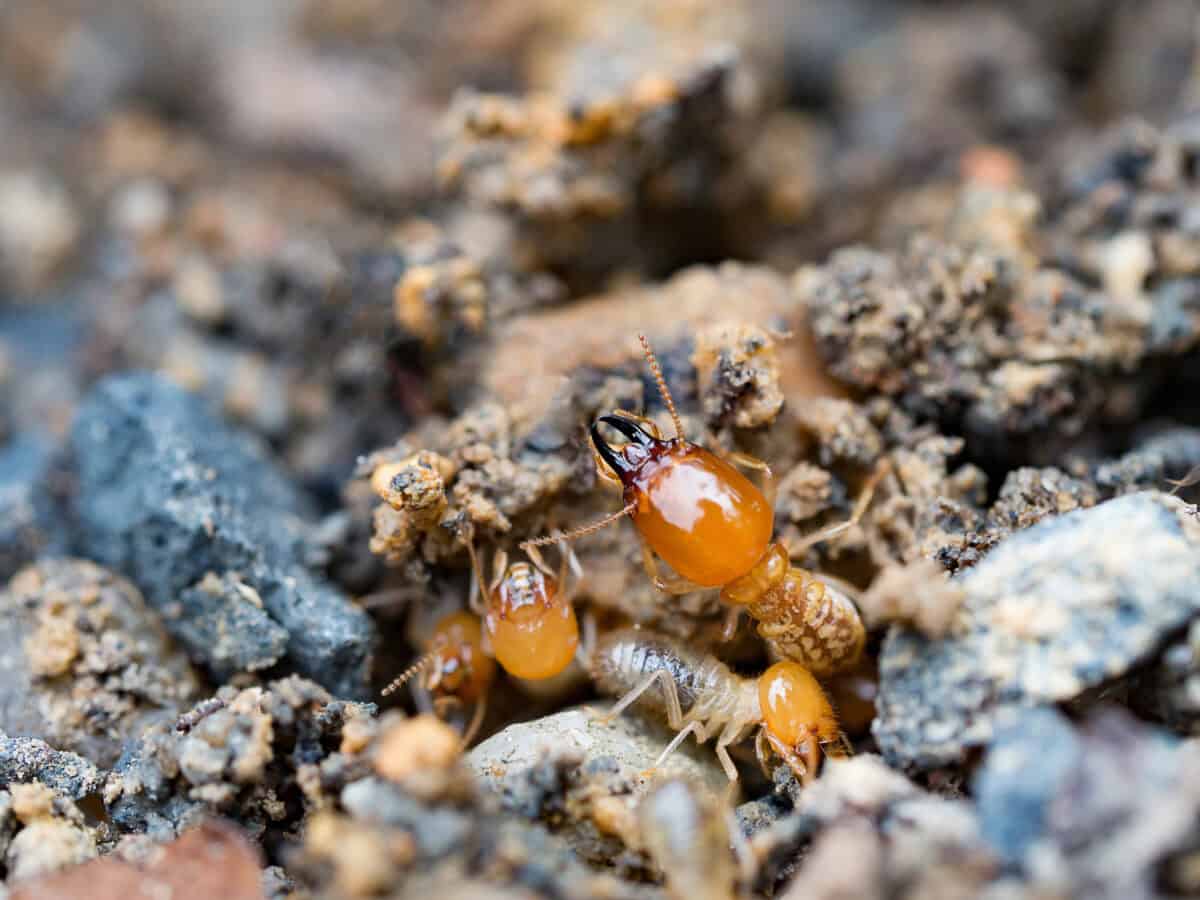
Termites, often seen as pests, play a critical role in ecosystems by breaking down cellulose and recycling nutrients into the soil. These social insects could thrive without the disruption caused by humans, potentially creating vast underground networks and altering the landscape of terrestrial environments more extensively than before.
Feral Dogs The Pack Hunters
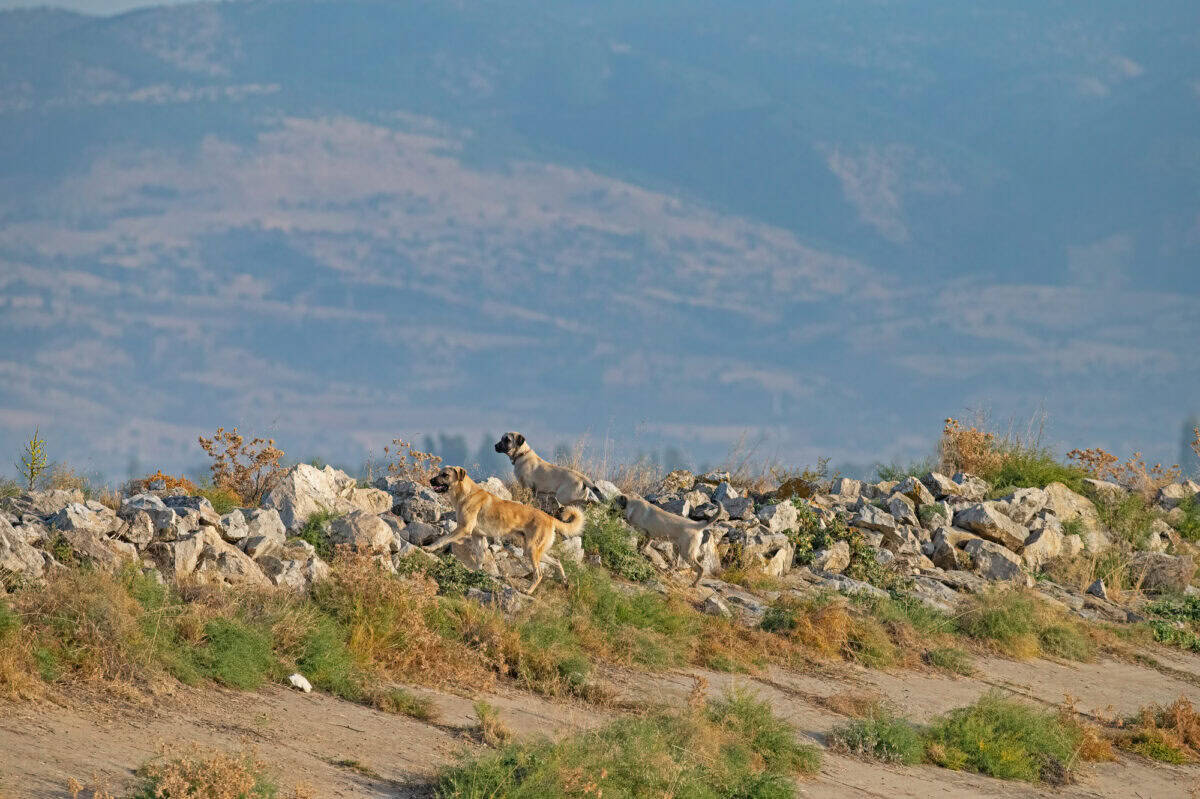
Without humans, domesticated dogs would revert to more feral states, forming packs and adapting to wild conditions. Their pack mentality and adaptability to various environments could position them as dominant mammalian predators. With their strong sense of smell, endurance, and intelligence, feral dogs could control large territories and ecosystems.
Bees The Ecosystem Engineers

While bees face several threats in the modern world, their importance as pollinators cannot be overstated. In the absence of humans, bees would continue to perform their essential role in pollinating plants. Their work is critical to the survival and proliferation of many plant species, which in turn supports diverse ecosystems. This pivotal role makes bees vital to the balance of nature and potential ecological supervisors in a world without humans.
Conclusion
The disappearance of humans from the Earth would lead to a radical transformation of ecosystems, with certain species poised to rise in prominence. Each of these animals has unique survival traits and ecological roles that equip them to thrive and possibly dominate the world. While this scenario remains hypothetical, it underscores the resilience and adaptability of life on Earth, capable of evolving and adjusting even in the face of significant changes.

As a little kid, I fell in love with nature, wildlife, and animals. Living in the USA, South Africa, Italy, China and Germany gave me the opportunity to discover the world's Wildlife. My favorite animals are Mountain Gorillas, Siberian Tigers, and Great White Sharks.
I'm a certified PADI Open Water Diver, went to Everest Base Camp and Trekked Gorillas in Uganda. I hold a Master of Science in Economics and Finance.
Please send any feedback to feedback@animalsaroundtheglobe.com
- The 10 Rarest Dog Breeds Making a Comeback in America - July 19, 2026
- 13 Creatures That Survived Mass Extinctions - July 19, 2026
- 12 Pets That Are Perfect for Seniors - July 19, 2026