

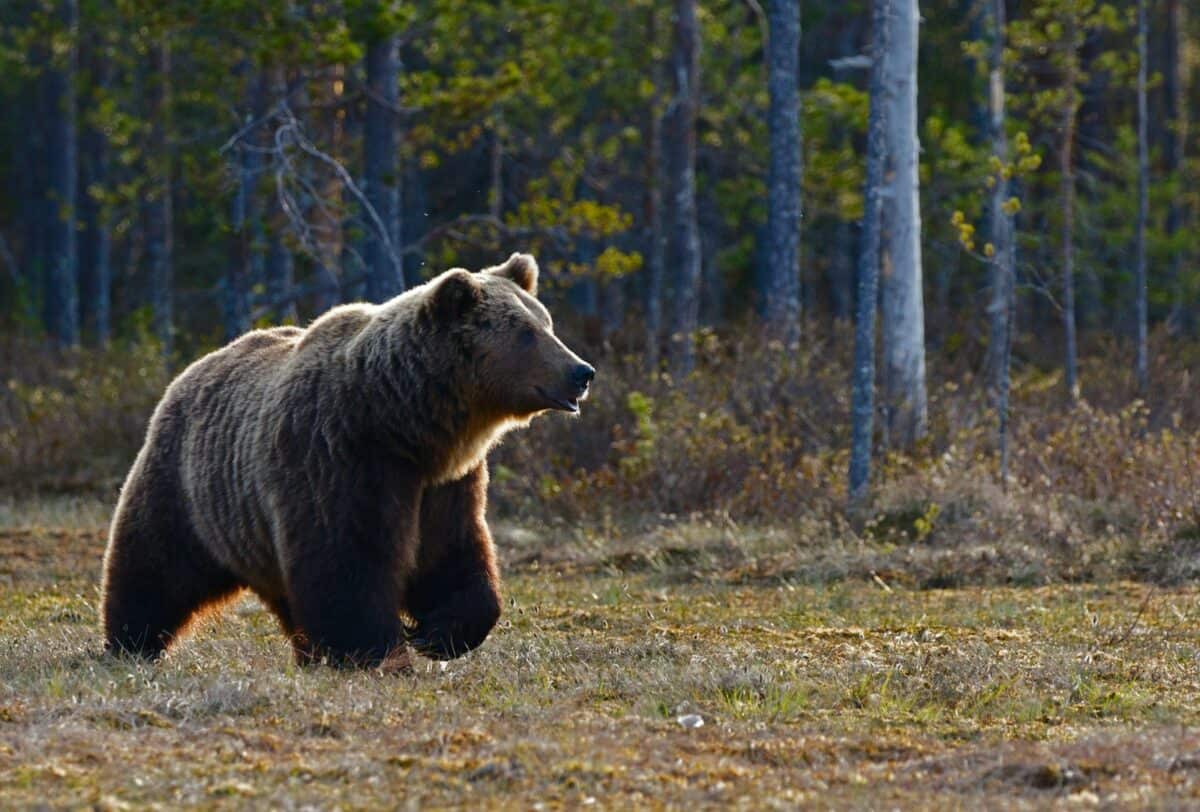
Grizzly bears, known for their immense power and majestic presence, symbolize the wild landscapes of North America. Among these formidable creatures, one has captured the awe of onlookers and enthusiasts alike—an enormous grizzly bear caught on camera in the US, leaving an indelible mark in wildlife recording history. This article delves into the fascinating details surrounding this colossal bear, exploring the world of these majestic creatures.
Capturing a Giant: The Story Behind the Photograph

🔥 Would you like to save this?
We'll email this post to you, so you can come back to it later!
In the heart of the American wilderness, a team of wildlife photographers embarked on an expedition to document the flora and fauna. Little did they know, they were about to make history. The giant grizzly bear captured in their photograph was the largest ever recorded on camera in the United States. With impressive features and a commanding presence, this bear stands as a testament to the grandeur of nature.
The Magnitude of the Grizzly

🔥 Would you like to save this?
We'll email this post to you, so you can come back to it later!
This particular grizzly bear, estimated to weigh over 1,200 pounds and standing nearly ten feet tall when on its hind legs, redefines our understanding of the upper dimensions of these mammals. Such size is rare, and capturing it provides valuable insight into the peak physical conditions of these animals.
The Habitat of Gigantic Grizzlies

🔥 Would you like to save this?
We'll email this post to you, so you can come back to it later!
Grizzly bears primarily reside in the dense forests and mountainous regions of the northwestern United States, with this remarkable specimen found in Alaska. The remote and rugged terrain offers the perfect environment for such behemoth creatures to thrive, providing ample food and space away from human interference.
Diet and Feeding Habits
🔥 Would you like to save this?
We'll email this post to you, so you can come back to it later!
Grizzly bears are omnivores, and their diet reflects their environment’s seasonal offerings. From berries and plants to fish and mammals, grizzlies consume vast quantities of food to maintain their enormous size. During the summer and fall, they often feed for up to 20 hours a day to prepare for their winter hibernation.
Behavioral Characteristics

🔥 Would you like to save this?
We'll email this post to you, so you can come back to it later!
Despite their intimidating size, grizzly bears are typically solitary creatures, with vast home ranges that allow them access to enough resources. Encountering such a large bear is unusual, suggesting this individual may have favored certain environmental conditions, thriving in a niche devoid of competition.
The Role of Grizzly Bears in Ecosystems

🔥 Would you like to save this?
We'll email this post to you, so you can come back to it later!
Grizzlies are not just top predators; they also play a critical role in their ecosystems. By regulating prey populations, dispersing seeds, and aerating the soil as they forage, these bears contribute significantly to ecological balance. This giant grizzly exemplifies the importance of preserving natural habitats for such keystone species.
Conservation Efforts and Challenges

🔥 Would you like to save this?
We'll email this post to you, so you can come back to it later!
Protecting grizzly bears, especially those of such extraordinary size, poses significant challenges. Human encroachment, habitat loss, and climate change threaten their existence. Conservationists focus on preserving natural landscapes and implementing laws that protect these magnificent animals to ensure their survival.
Grizzly Bears and Human Interaction

🔥 Would you like to save this?
We'll email this post to you, so you can come back to it later!
While human encounters with grizzlies are rare, they can be dangerous due to the bear’s size and defensive nature. Education and awareness about living in proximity to bear habitats are crucial for minimizing conflicts and fostering peaceful coexistence with these wild giants.
The Impact of Climate on Grizzlies

🔥 Would you like to save this?
We'll email this post to you, so you can come back to it later!
Climate change affects food availability and habitat conditions for grizzly bears. Warming temperatures could lead to shifts in vegetation and prey availability, impacting how these bears adapt and thrive. Understanding these impacts is essential for future conservation strategies.
Scientific Significance of the Giant Grizzly

🔥 Would you like to save this?
We'll email this post to you, so you can come back to it later!
Documenting such an enormous grizzly bear offers a unique opportunity for scientists to study genetic, dietary, and environmental factors contributing to its size. Insights gained from this individual might help illuminate aspects of bear physiology and inform research on other wildlife species.
The Cultural Significance of Grizzlies

🔥 Would you like to save this?
We'll email this post to you, so you can come back to it later!
Grizzly bears are cultural icons in North America, symbolizing wilderness and strength in narratives and mythology. This giant bear, photographed and shared globally, renews public interest and appreciation for the natural world.
Lessons for Future Wildlife Photography

🔥 Would you like to save this?
We'll email this post to you, so you can come back to it later!
The capture of the largest grizzly bear on camera demonstrates the potential of wildlife photography in fostering fascination and engagement with nature. It highlights the importance of respect and patience in capturing authentic and impactful images that can inspire conservation efforts.
In conclusion, the discovery and documentation of the most gigantic grizzly bear ever caught on camera symbolize the majesty and mystery of the natural world. This bear not only represents a marvel of nature but also emphasizes the critical need for conservation and respectful coexistence between humans and wildlife. As we admire these incredible animals, we are reminded of our responsibility to protect and cherish the natural habitats that sustain them.

- Simple Ways to Keep Your Pumpkins Safe from Squirrel Attacks - October 26, 2026
- Transform Your Garden with Vibrant and Everlasting Strawflowers - October 22, 2026
- How to Win Over Judges in Dressage Competitions - October 19, 2026