


The oceans have long captivated humanity’s imagination, hiding secrets in their unfathomable depths and nurturing creatures so large, they dwarf man-made structures. Among these ocean giants, whales hold a special place, revered for their immense size and mysterious, far-ranging lives beneath the waves. The title for the most gigantic whale ever recorded belongs to the blue whale, a creature so vast and powerful, it humbles humanity with its presence. This article explores the incredible dimensions, habits, and life of the largest whale ever recorded, shedding light on the magnificence of these sea-bound giants.
The Blue Whale An Introduction
🔥 Would you like to save this?
We'll email this post to you, so you can come back to it later!
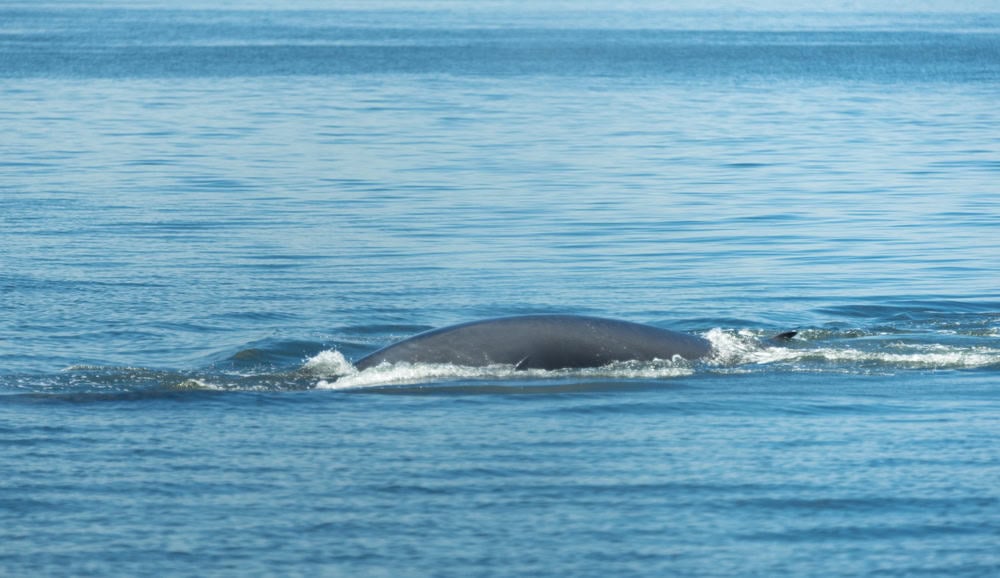
The blue whale, scientifically known as Balaenoptera musculus, is not just the largest whale but the largest known animal to have ever existed on Earth. Its size surpasses even that of the mightiest dinosaurs.
Unveiling the Colossal Size

🔥 Would you like to save this?
We'll email this post to you, so you can come back to it later!
The largest blue whale ever recorded was an astounding 33 meters (108 feet) long. However, most adult blue whales measure anywhere from 24 to 30 meters (79 to 98 feet) in length. Females are typically larger than males, a common trait among cetaceans.
A Heart the Size of a Car

🔥 Would you like to save this?
We'll email this post to you, so you can come back to it later!
One of the most mind-boggling facts about the blue whale is the size of its heart. The heart of a blue whale can weigh as much as 600 kilograms (about 1,300 pounds)—roughly the weight of a small car.
The Tremendous Tongue

🔥 Would you like to save this?
We'll email this post to you, so you can come back to it later!
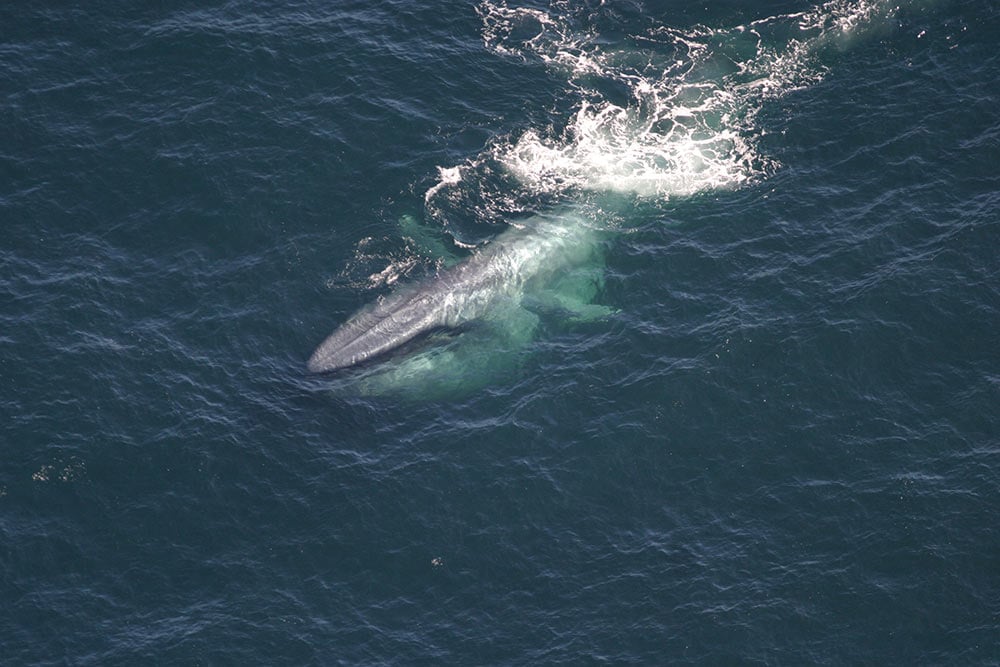
The tongue of a blue whale weighs around 2.7 tonnes (approximately 3 tons), which is about the weight of an average elephant. This massive tongue enables the whale to gulp vast quantities of water and small marine life like krill.
A Mighty Diet for a Mighty Creature

🔥 Would you like to save this?
We'll email this post to you, so you can come back to it later!
To sustain its enormous size, a blue whale consumes up to 3,600 kilograms (almost 4 tons) of krill per day during the feeding season. This feeding frenzy occurs in colder waters, where krill, a type of small crustacean, is abundant.
Deep Diver

🔥 Would you like to save this?
We'll email this post to you, so you can come back to it later!
Despite its massive size, a blue whale can dive to depths of over 500 meters (1,640 feet) in search of food. It can stay submerged for up to 30 minutes before returning to the surface for air.
Long-Distance Travelers

🔥 Would you like to save this?
We'll email this post to you, so you can come back to it later!
Blue whales are migratory animals, traveling thousands of miles from their feeding grounds in the polar regions to warmer breeding waters. This annual journey is essential for their survival, allowing them to feed in productive waters and give birth in warmer climates.
The Power of Sound

🔥 Would you like to save this?
We'll email this post to you, so you can come back to it later!
Blue whales communicate with low-frequency sounds that can be detected over vast distances. These sounds serve multiple purposes, including navigation, finding food, and social interaction.
Gentle Giants

🔥 Would you like to save this?
We'll email this post to you, so you can come back to it later!
Despite their daunting size, blue whales are gentle and pose no threat to humans. There has never been a recorded incident of a blue whale intentionally harming a human.
Threats Faced by Blue Whales
🔥 Would you like to save this?
We'll email this post to you, so you can come back to it later!
The primary threats to blue whales are from human activities; these include ship strikes, entanglement in fishing gear, and the impacts of climate change on ocean temperatures and krill populations.
Conservation Efforts
🔥 Would you like to save this?
We'll email this post to you, so you can come back to it later!
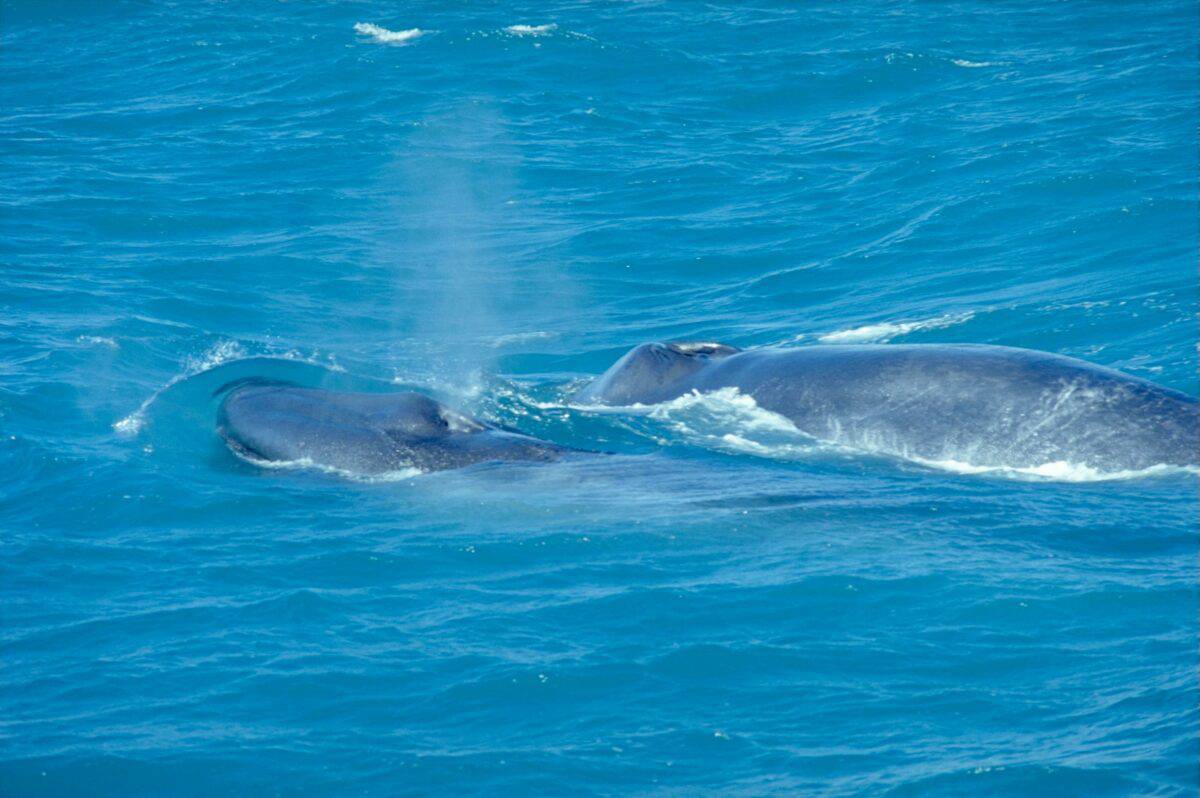
Various international and national bodies have recognized the vulnerability of blue whales and have enacted measures to protect them. These include the International Whaling Commission’s ban on commercial whaling and specific shipping lane adjustments to minimize ship strikes.
The Future of the Blue Whale

🔥 Would you like to save this?
We'll email this post to you, so you can come back to it later!
Thanks to conservation efforts, blue whale populations are slowly recovering, though they still face significant threats. The continued success of these ventures is crucial to ensuring the survival of the planet’s largest animal.
In Summary

🔥 Would you like to save this?
We'll email this post to you, so you can come back to it later!
The blue whale, with its monumental size and gentle nature, occupies a grand position in the natural world. Its existence is a reminder of the wonders the Earth holds and the importance of humanity’s role in conserving such magnificent creatures. As we move forward, let us cherish and protect these giants of the deep, ensuring that they continue to thrive in the world’s oceans for generations to come.

As a little kid, I fell in love with nature, wildlife, and animals. Living in the USA, South Africa, Italy, China and Germany gave me the opportunity to discover the world's Wildlife. My favorite animals are Mountain Gorillas, Siberian Tigers, and Great White Sharks.
I'm a certified PADI Open Water Diver, went to Everest Base Camp and Trekked Gorillas in Uganda. I hold a Master of Science in Economics and Finance.
Please send any feedback to feedback@animalsaroundtheglobe.com
- 18 Powerful Lessons We Can Learn from Orca Social Structure - November 5, 2026
- 10 Incredible Migration Journeys in the Animal Kingdom - November 5, 2026
- 10 Sounds Dogs React To And 3 That Annoy Them - November 5, 2026
Leave a comment
You must be logged in to post a comment.