
hosts a remarkable range of wildlife, yet some species live under clouds of suspicion that have little to do with their actual habits. Tales of danger and nuisance often overshadow quieter realities about how these animals fit into their environments.
Curiosity about what lies behind the myths can shift how people view the creatures sharing their backyards, forests, and waterways. A closer look at twelve of the most commonly misjudged animals reveals patterns of behavior that deserve more balanced attention.
Bats
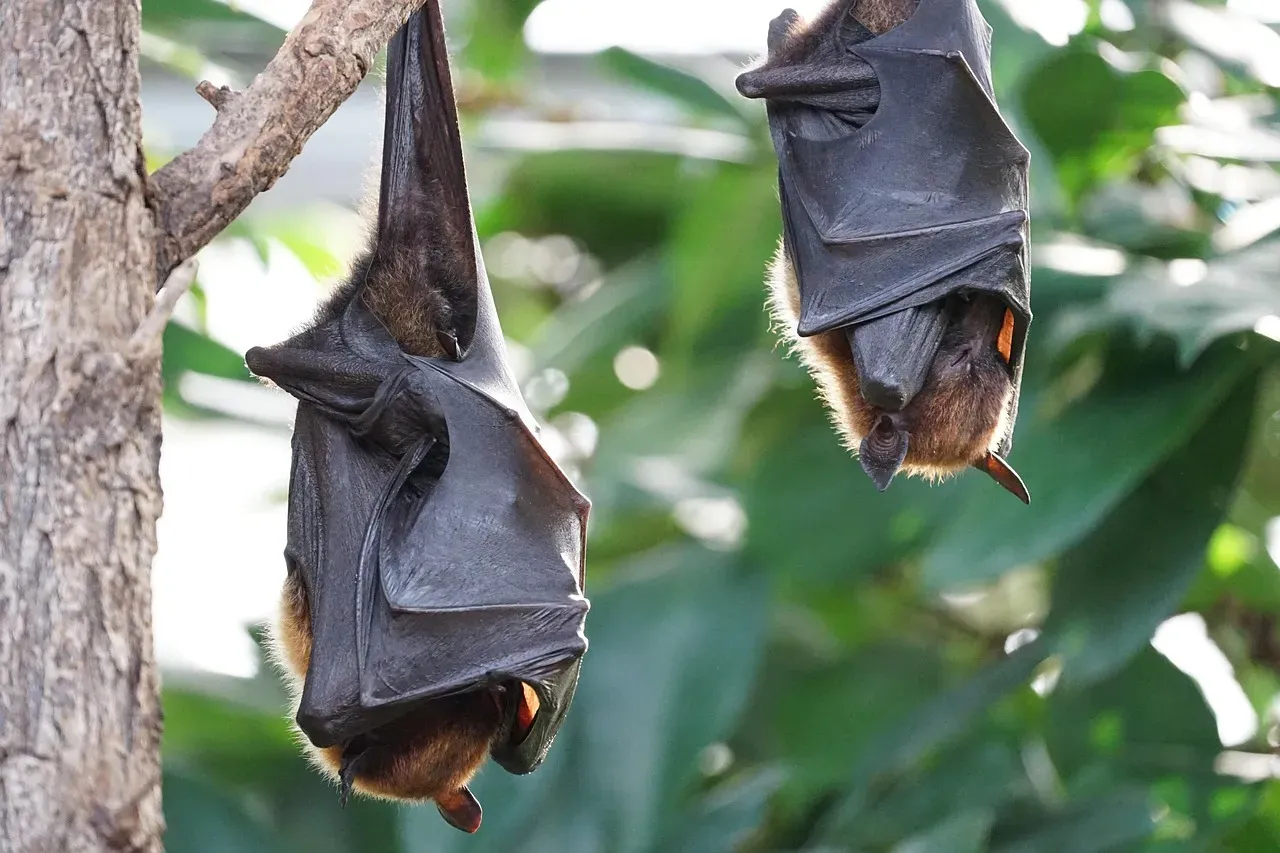
Bats spend their nights hunting insects that would otherwise damage crops and spread disease. Their role in pollination and seed dispersal supports forests and even some agricultural plants across the continent. Many people still associate them with horror stories rather than the steady work they perform in ecosystems.
Colonies often return to the same roosts year after year, showing a kind of loyalty to place that surprises those who see them only as flying pests. Habitat loss and white nose syndrome have reduced numbers in several regions, making their presence more valuable than ever. Simple steps like installing bat houses can encourage them to stay nearby without conflict.
Gray Wolves
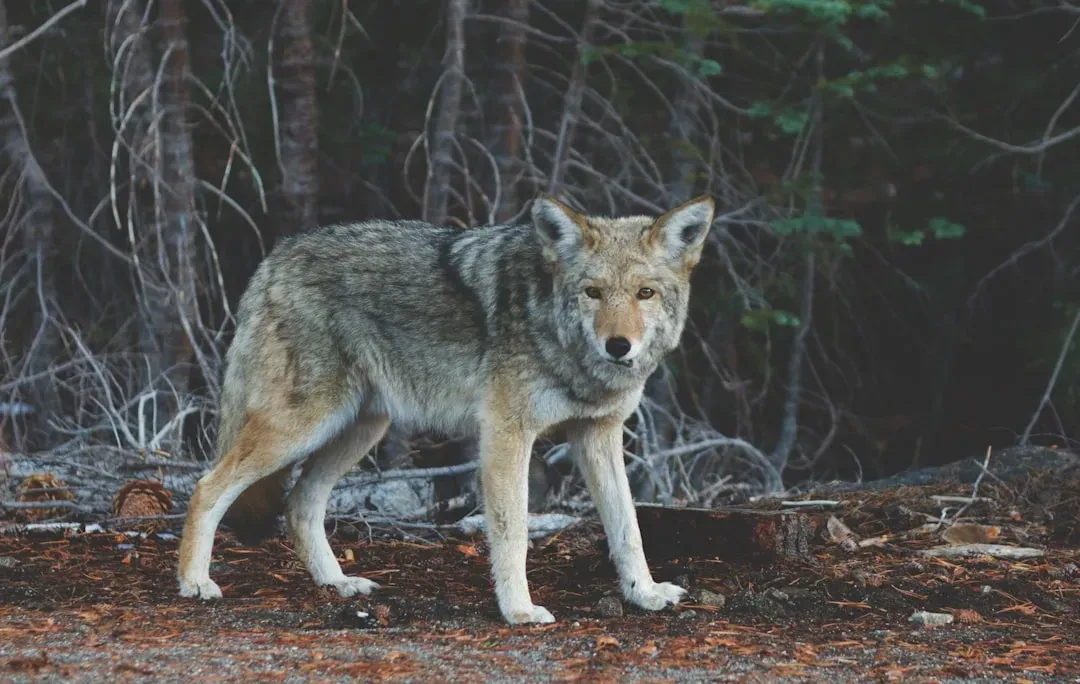
Wolves once ranged widely across before widespread persecution pushed them into smaller territories. Their hunting keeps prey populations in check, which in turn protects vegetation and supports a broader web of species. Recovery efforts in places like Yellowstone have shown how their return can reshape entire landscapes over time.
Fear of livestock losses still drives much of the opposition to wolf presence. Studies indicate that actual depredation rates remain low compared with other causes of death for domestic animals. Coexistence measures such as guard dogs and fencing have proven effective in many ranching communities.
Coyotes
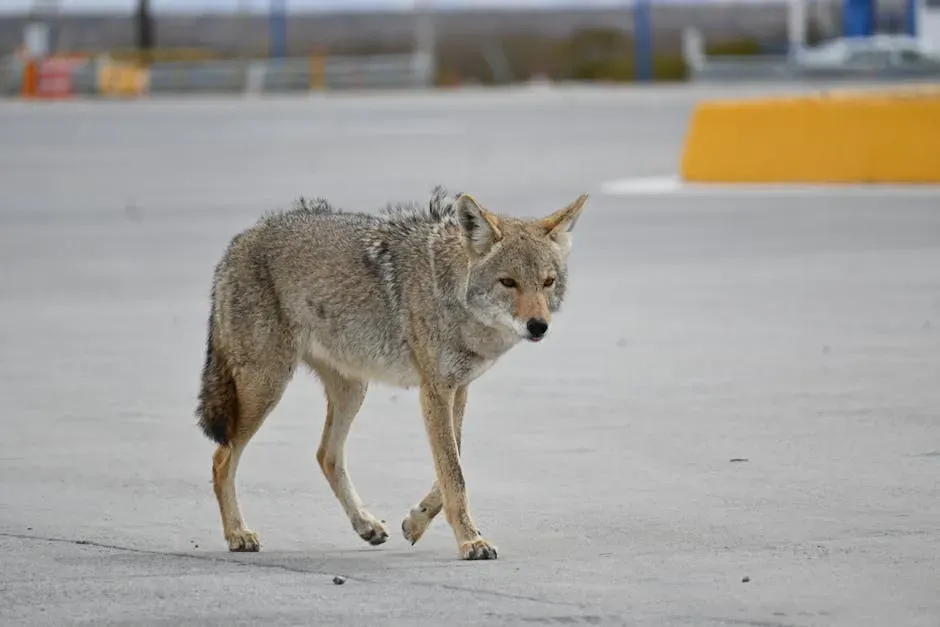
Coyotes have adapted to live alongside humans in cities and suburbs as well as remote areas. They control rodent numbers and occasionally take larger prey, filling a niche left by larger predators. Their vocalizations at dusk often fuel exaggerated stories of threat.
Most encounters end with the coyote moving away once it notices a person. Urban populations thrive on natural food sources supplemented by occasional scavenging. Learning to secure trash and avoid feeding pets outdoors reduces the chance of unwanted meetings.
Rattlesnakes
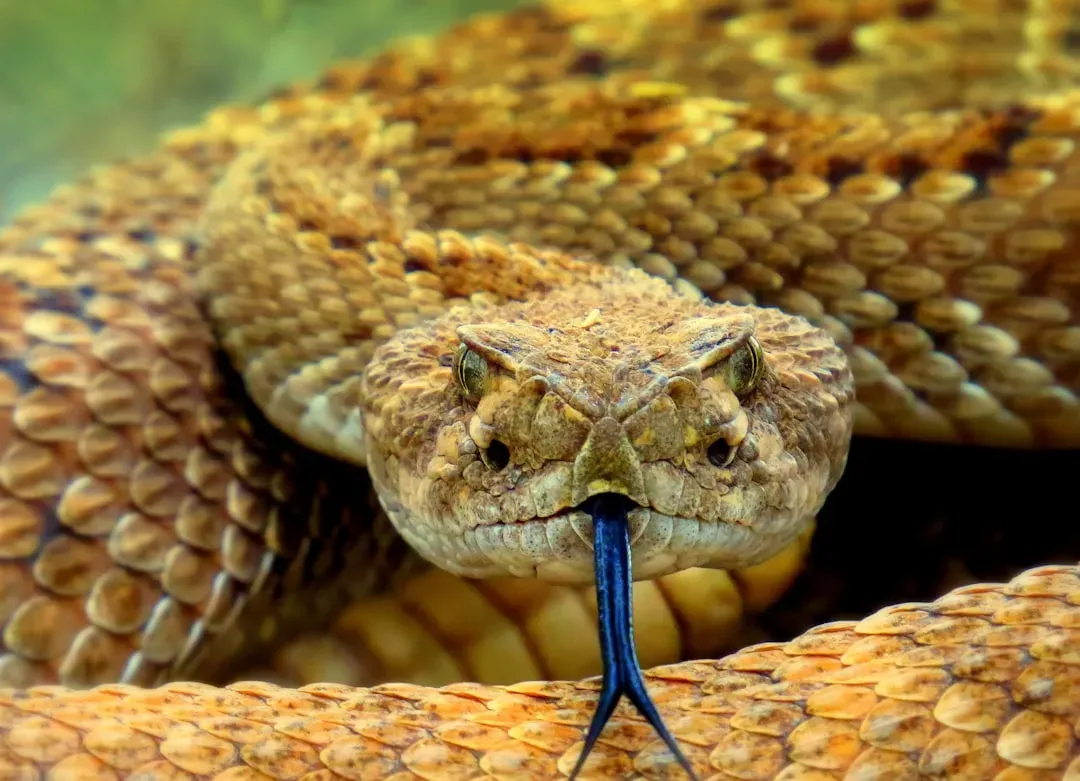
Rattlesnakes use their rattle as a warning rather than an invitation to strike. They prefer to avoid confrontation and will retreat when given space. Their venom helps them subdue prey and plays a part in the balance of small mammal populations.
Habitat fragmentation brings them into more frequent contact with people in some states. Education programs that teach recognition and calm responses have lowered bite incidents in several regions. Leaving them undisturbed remains the simplest form of safety for both sides.
Black Widow Spiders
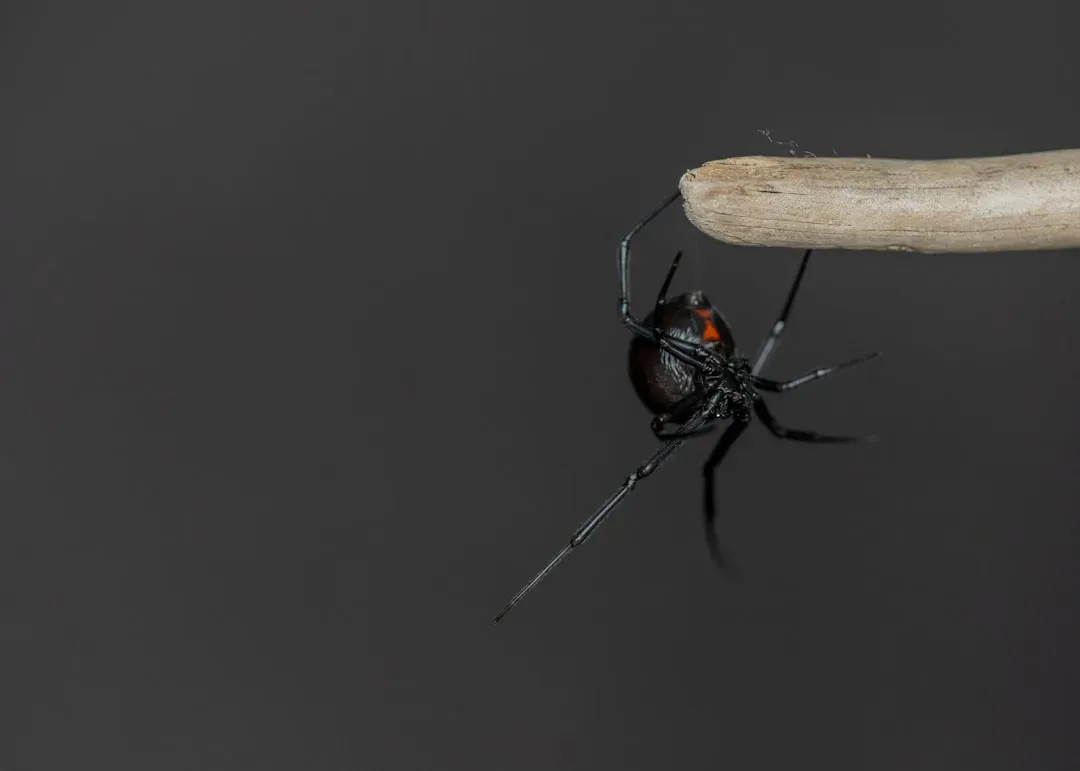
Black widows build irregular webs in quiet corners and rarely leave them to wander indoors. Their venom is potent yet they bite only when pressed or trapped against skin. Females spend most of their time tending egg sacs rather than seeking out victims.
Clearing clutter around homes and wearing gloves during yard work cuts down on accidental contact. Medical treatment for bites has improved steadily, and fatalities stay extremely rare. Their presence often signals a yard with fewer other pests.
Turkey Vultures
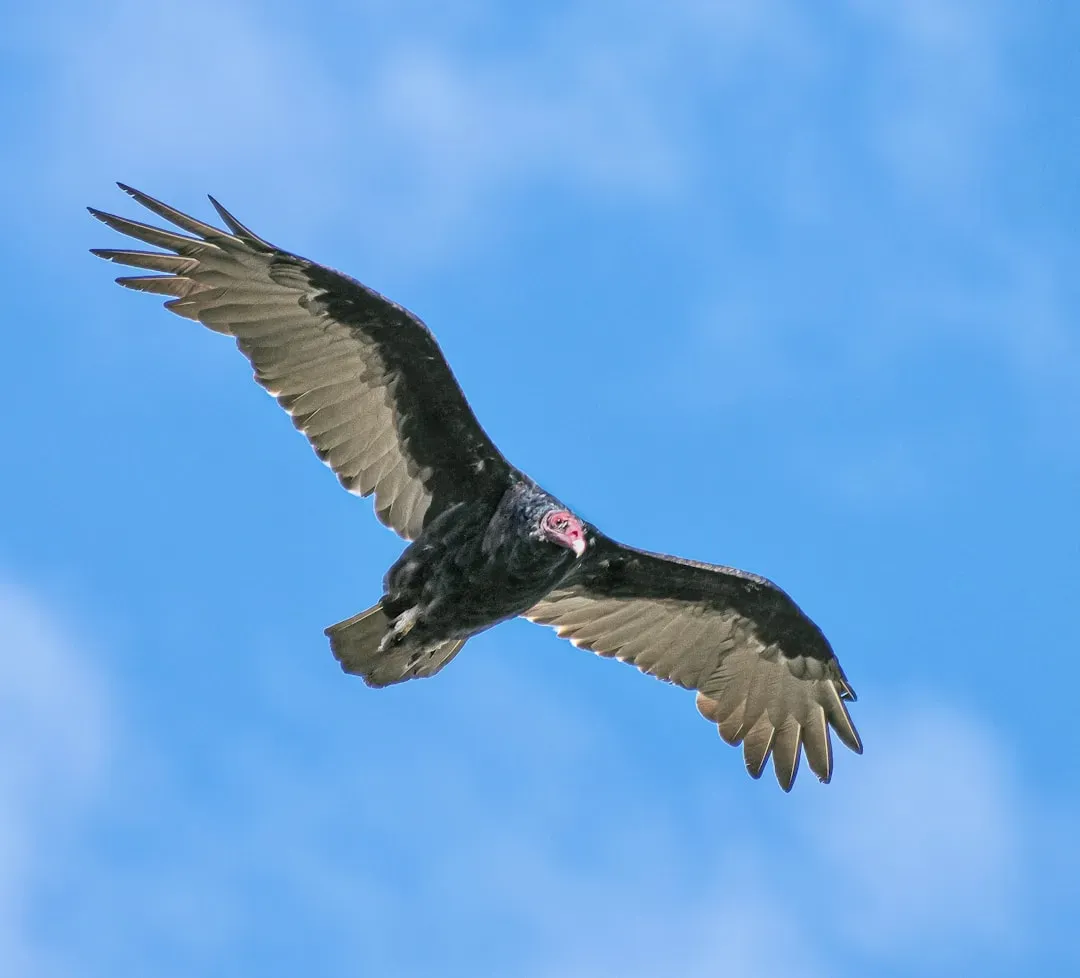
Turkey vultures soar on thermals while scanning for carrion that would otherwise rot in place. Their keen sense of smell allows them to locate food hidden from other scavengers. This cleanup service limits the spread of bacteria from dead animals.
People sometimes mistake their circling flight for aggression toward livestock. In reality they wait for animals to die naturally before feeding. Nesting on remote cliffs or in hollow trees keeps them out of most daily human paths.
Virginia Opossums
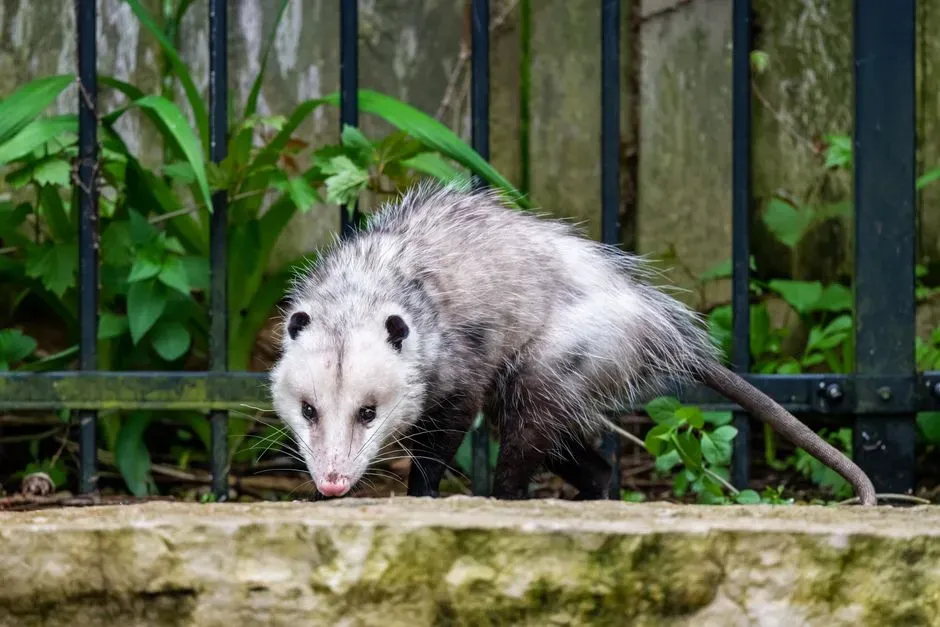
Opossums consume ticks, beetles, and fallen fruit while moving through suburban yards at night. Their low body temperature makes them poor hosts for many diseases that affect other mammals. When threatened they may hiss or play dead, behaviors that look dramatic but rarely lead to harm.
They raise large litters yet face high mortality from vehicles and domestic animals. Leaving pet food inside and securing compost bins helps them stay wild rather than dependent. Their continued presence often means fewer ticks in the immediate area.
Striped Skunks
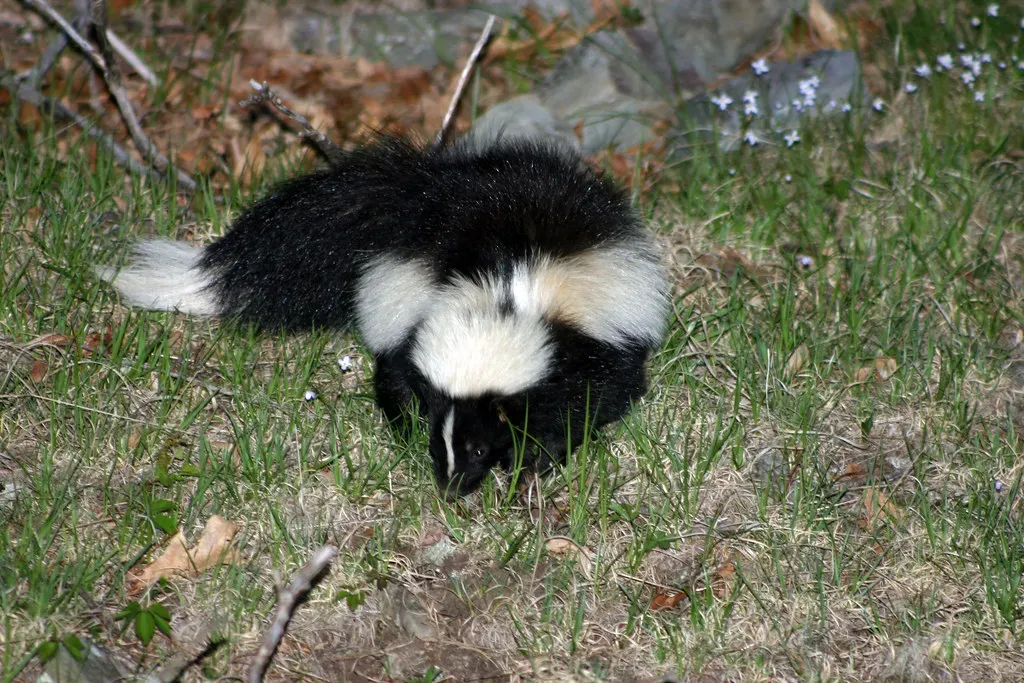
Skunks dig for grubs and insects that damage lawns and gardens. Their spray serves as defense after other warnings fail, yet they prefer to walk away from trouble. Nighttime foraging keeps most activity out of sight during daylight hours.
Securing garbage and closing off crawl spaces under buildings prevents them from settling too close. When surprised they stamp their feet first, giving observers a chance to back away slowly. Their diet helps control populations of beetles and other garden pests.
Raccoons
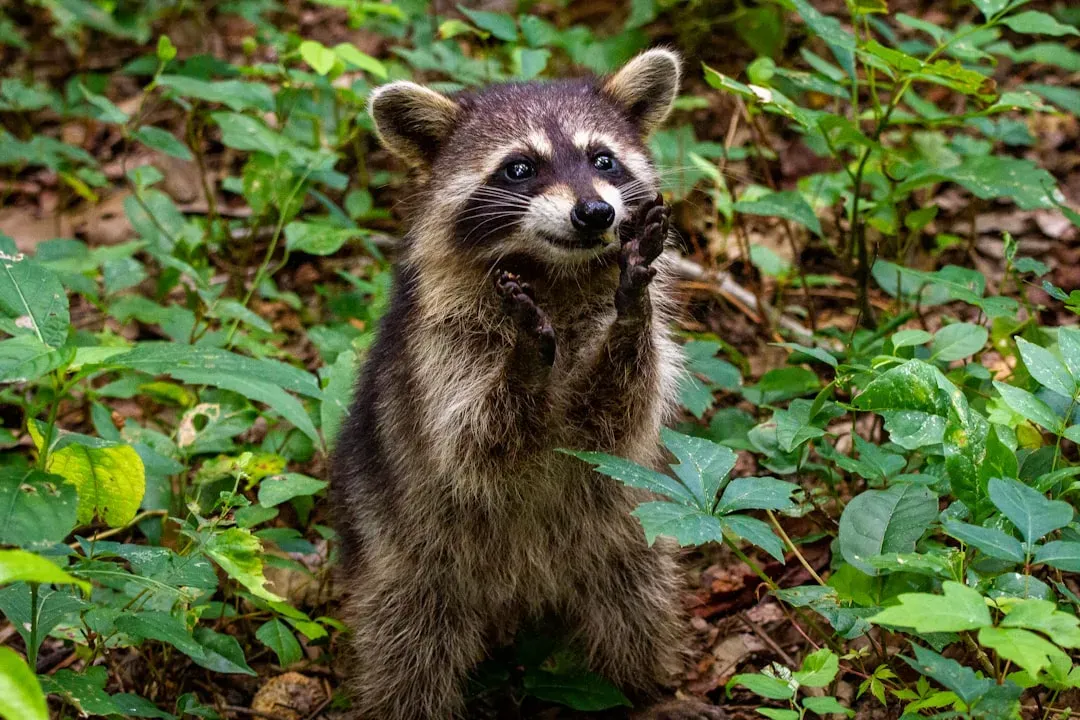
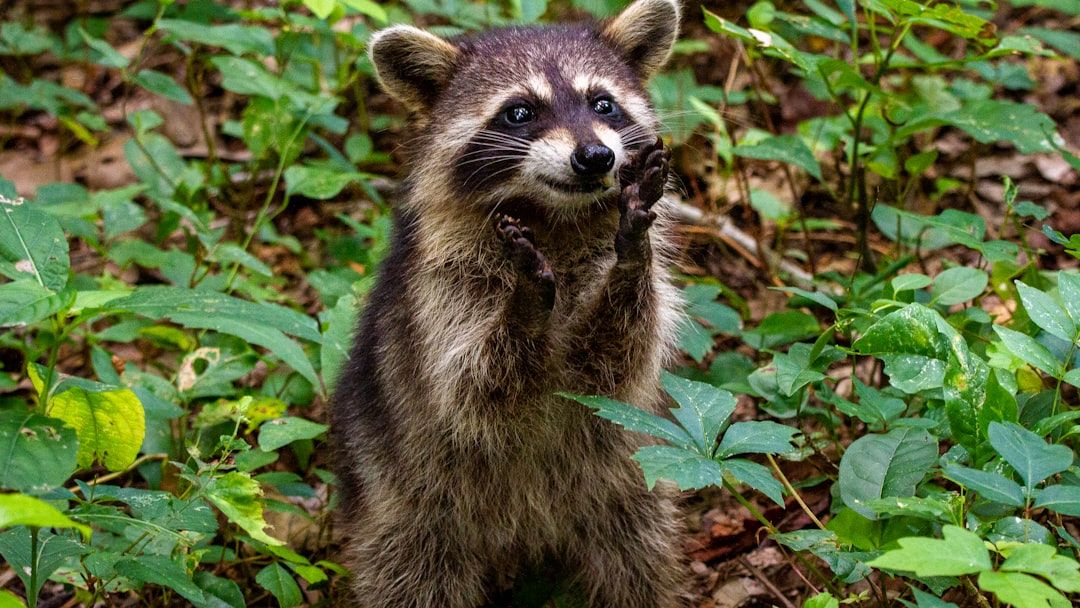
Raccoons possess nimble paws that let them open latches and sort through discarded items with surprising skill. They eat a wide variety of foods including crayfish, nuts, and insects. Their adaptability has allowed steady populations even as natural habitats shrink.
Most problems arise when food sources are left accessible overnight. Locking trash cans and removing bird feeders after dark reduces visits. Watching them from a distance reveals clever problem solving rather than simple mischief.
American Alligators
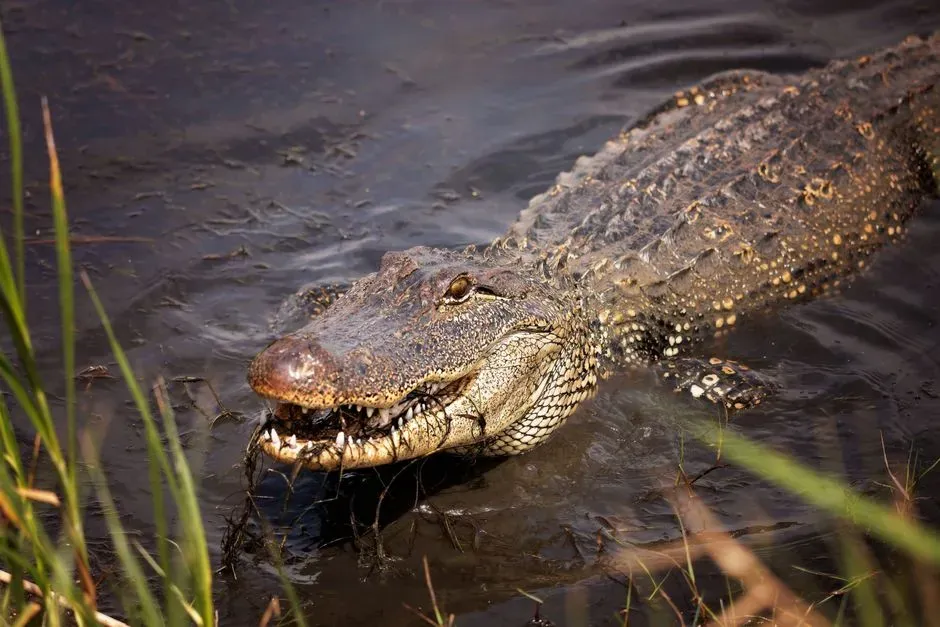
Alligators regulate water levels in wetlands by creating deeper pools during dry periods. They also control fish and turtle numbers that might otherwise overpopulate. Their presence often indicates a healthy marsh ecosystem.
Encounters increase where new housing borders preserved wetlands. Signs and barriers in those zones help both residents and visitors keep a respectful distance. Population management through regulated hunting has kept numbers stable in core ranges.
Mountain Lions
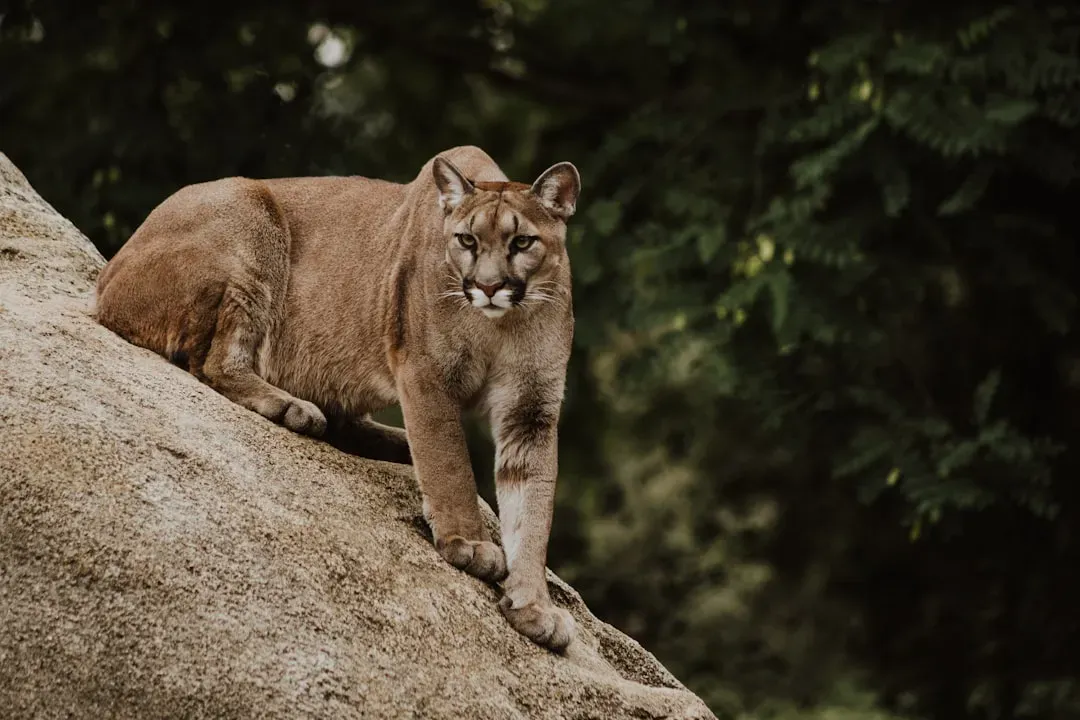
Mountain lions maintain large territories that overlap with deer habitat, helping prevent overbrowsing of young trees. They avoid people whenever possible and rely on stealth rather than confrontation. Sightings remain uncommon even in areas where the cats are known to live.
Trail cameras have documented their movements without direct contact. Habitat corridors that connect wild areas support their need for space. Simple awareness while hiking, such as traveling in groups and keeping dogs leashed, lowers the already small risk of surprise meetings.
Crows
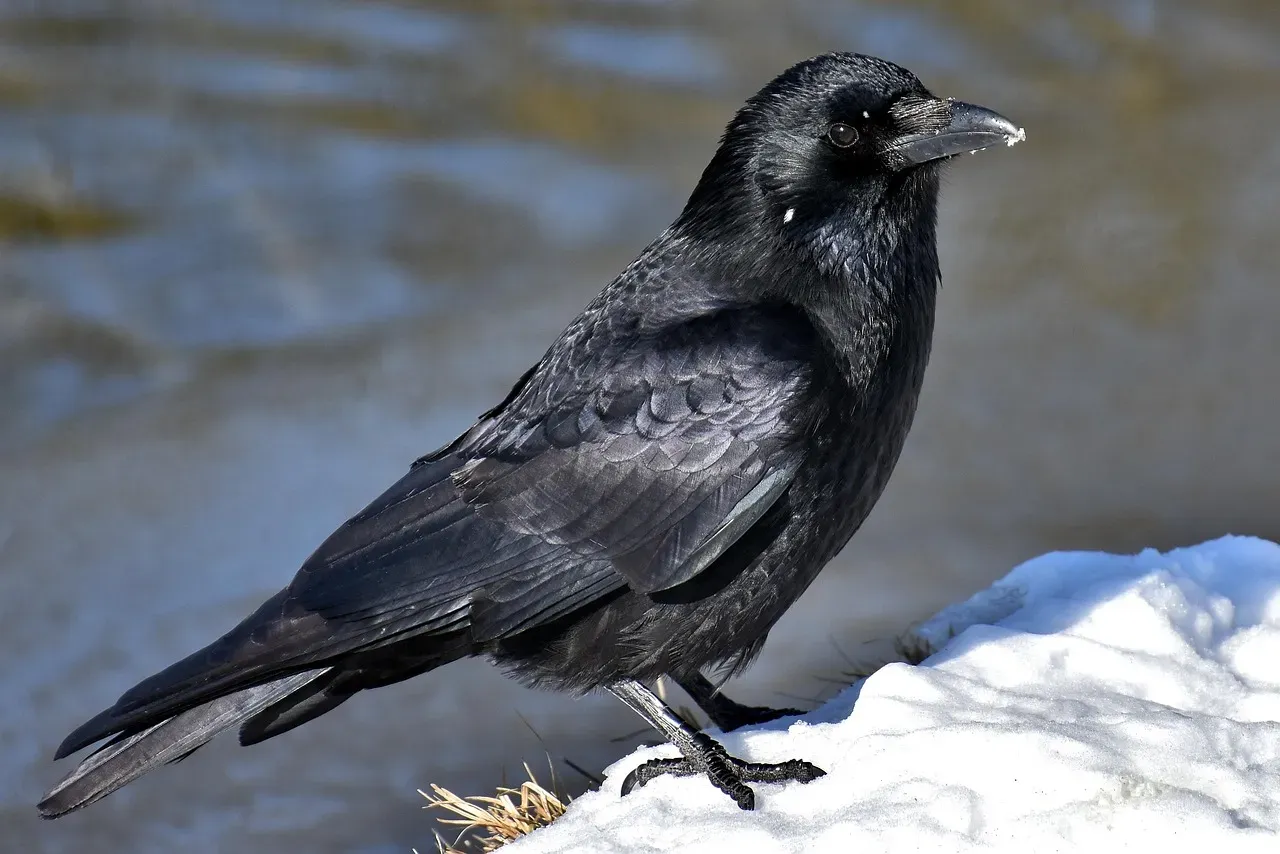
Crows gather in large roosts yet disperse during the day to forage across fields and city parks. They eat insects, seeds, and carrion, performing a service similar to smaller scavengers. Their problem solving abilities show up in experiments where they remember human faces and adjust behavior accordingly.
Noise complaints often stem from seasonal roosting rather than year round presence. Covering garden beds and securing pet food limits their interest in human spaces. Their intelligence makes them quick to learn which areas remain off limits.
These animals share one common thread: reputations built more on fear than on sustained observation. Treating them with measured respect rather than reflexive avoidance opens room for practical coexistence that benefits both people and the broader environment. The choice to learn their actual roles ultimately shapes how n landscapes continue to function.

- The Ancient Secrets of Yellowstone’s Wild Animals Revealed - August 6, 2026
- Are Some Common Pet Behaviors Actually Signs of Undiagnosed Stress? - August 6, 2026
- 8 US States With the Most Horseshoe Crab Spawning Beaches - August 6, 2026