


When snow blankets the world, hiding beneath it are secrets waiting to be discovered with the spring thaw. Among these mysteries, few are as intriguing as the peculiar creatures that emerge after the snow melts. This article delves into one of nature’s most enigmatic discoveries, offering insights into its origins, features, and the wonder it inspires.
Discovery of the Mysterious Creature

The discovery of the mysterious animal known as the “Snow Ghost” has captivated scientists and enthusiasts alike. Found in remote and frigid regions, this elusive creature is often uncovered under layers of snow and ice—its existence largely unknown until the first signs of spring. The uniqueness of its discovery not only ignites a sense of wonder but also raises numerous questions about its survival and the conditions necessary for its existence.
Unraveling Its Origins
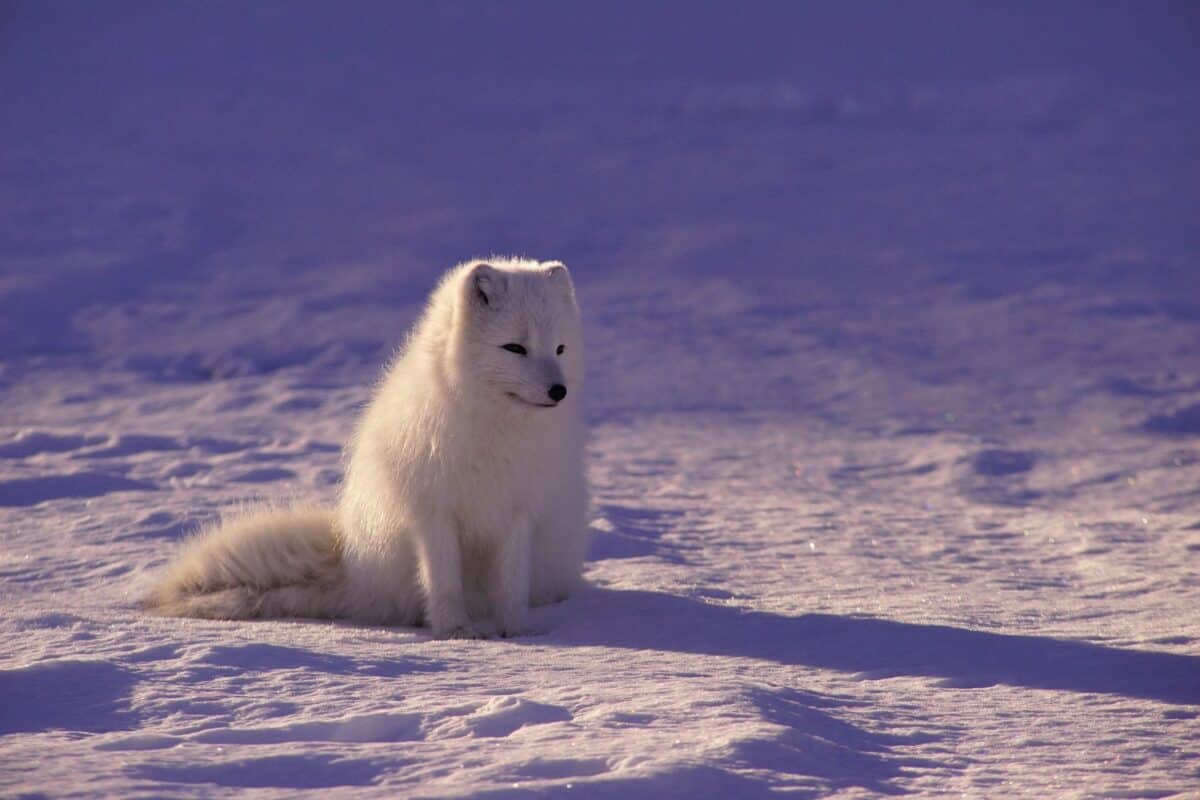
Uncovering the origins of the Snow Ghost is a challenge that has intrigued scientists since its first sightings. Studies suggest that this creature may have ancient lineages, possibly dating back to the Ice Age. The freezing conditions preserved its existence, allowing it to survive when other species could not. However, more research is needed to fully understand its evolution and place within the animal kingdom.
Physical Characteristics
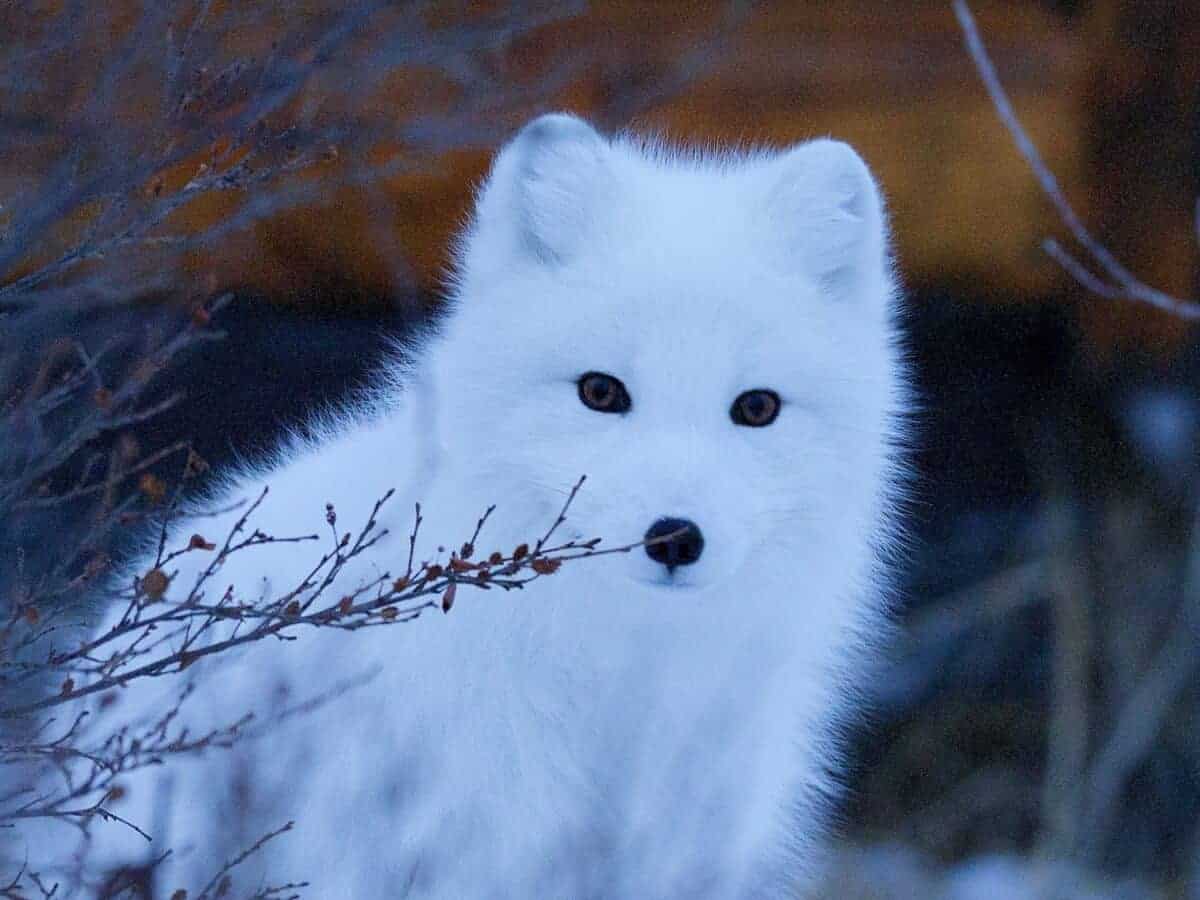
The Snow Ghost is roughly the size of a small fox, with fur as white as the snow itself. This camouflage serves it well in its icy habitat, making it difficult for predators to spot. Its fur is not just aesthetically unique but also finely adapted to endure extreme cold, with a dense undercoat and outer layer that repels moisture. Its bright, reflective eyes have adapted to detect movement in low winter light, giving it an edge in survival.
Behavioral Mysteries

The behavior of the Snow Ghost is as enigmatic as its appearance. Observations indicate that it is primarily nocturnal, foraging during the night when the frozen world is at its quietest. It displays solitary behavior, rarely seen in packs or groups, which poses intriguing questions regarding its social structures and reproduction methods.
Habitat and Ecology
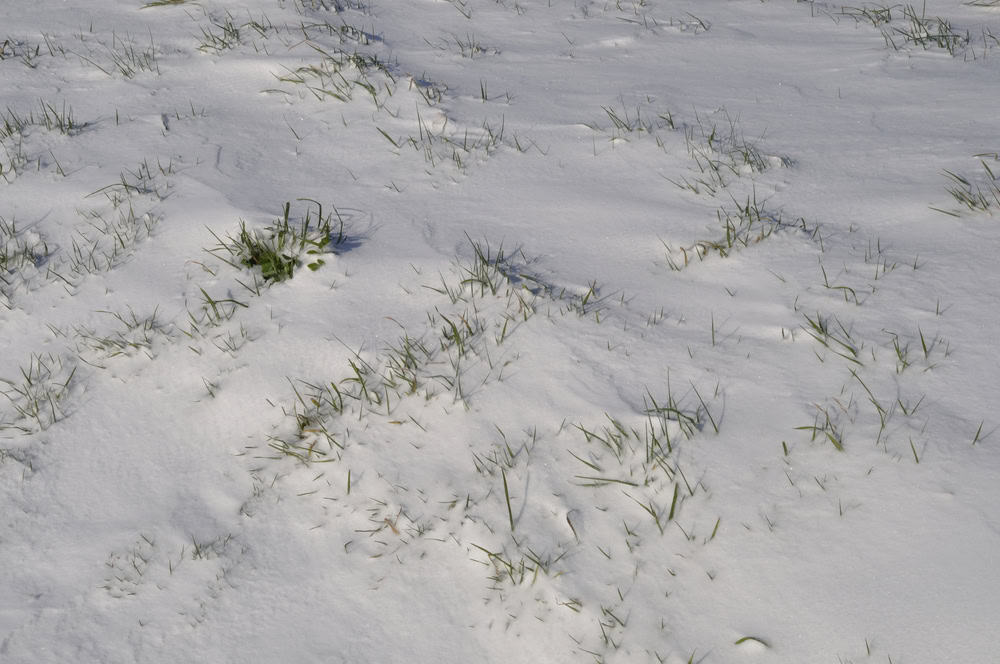
Found predominantly in boreal forests and alpine regions, the Snow Ghost thrives in environments other species find inhospitable. Its ability to adapt to these harsh conditions highlights the ecological niche it fills. As the snow retreats, it moves to cooler, higher altitudes, showcasing its remarkable adaptability. This behavior is crucial for its survival, as it allows the creature to evade predators and remain concealed from human eyes.
Diet and Hunting Strategies
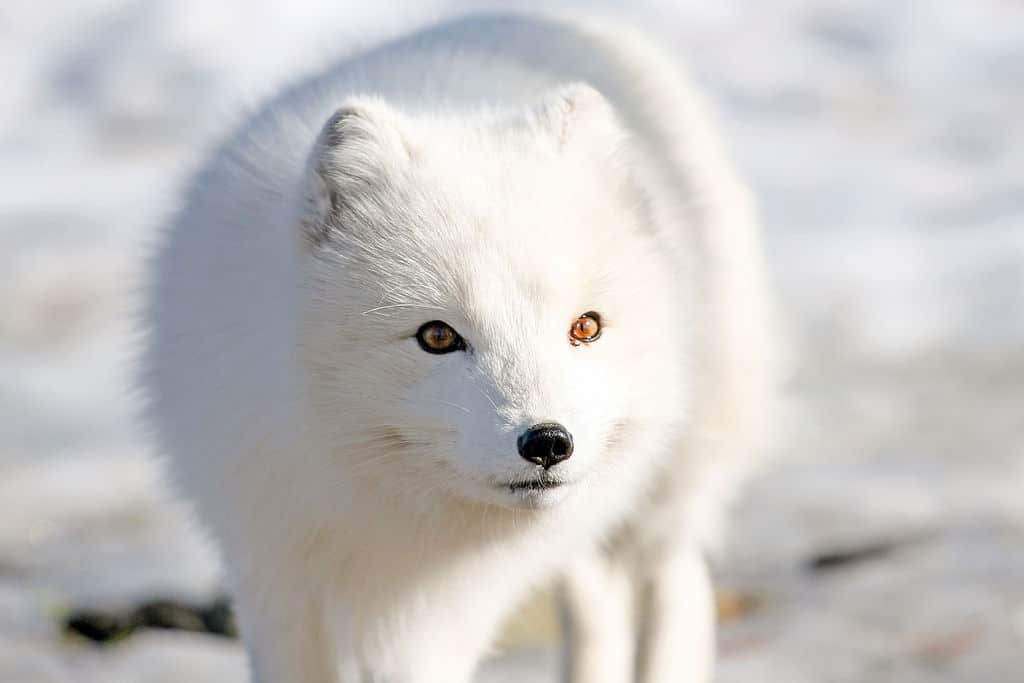
The Snow Ghost is carnivorous, its diet primarily consisting of small rodents and birds. Its hunting strategy relies on stealth and agility, often using the snow’s reflective properties to blend into the landscape and surprise prey. Studies of its feeding habits reveal adaptations that are remarkable in their efficiency, such as its acute hearing which allows it to detect prey beneath the snow.
Survival through Camouflage

One of the Snow Ghost’s most fascinating adaptations is its innate ability to change fur color with the seasons. As the snow melts, its coat gradually shifts to a light grey that matches the rocky terrain, ensuring continued camouflage. This seasonal transformation is crucial, offering protection from predators and maintaining its stealth as a top predator in its niche ecosystem.
The Role in Local Mythology
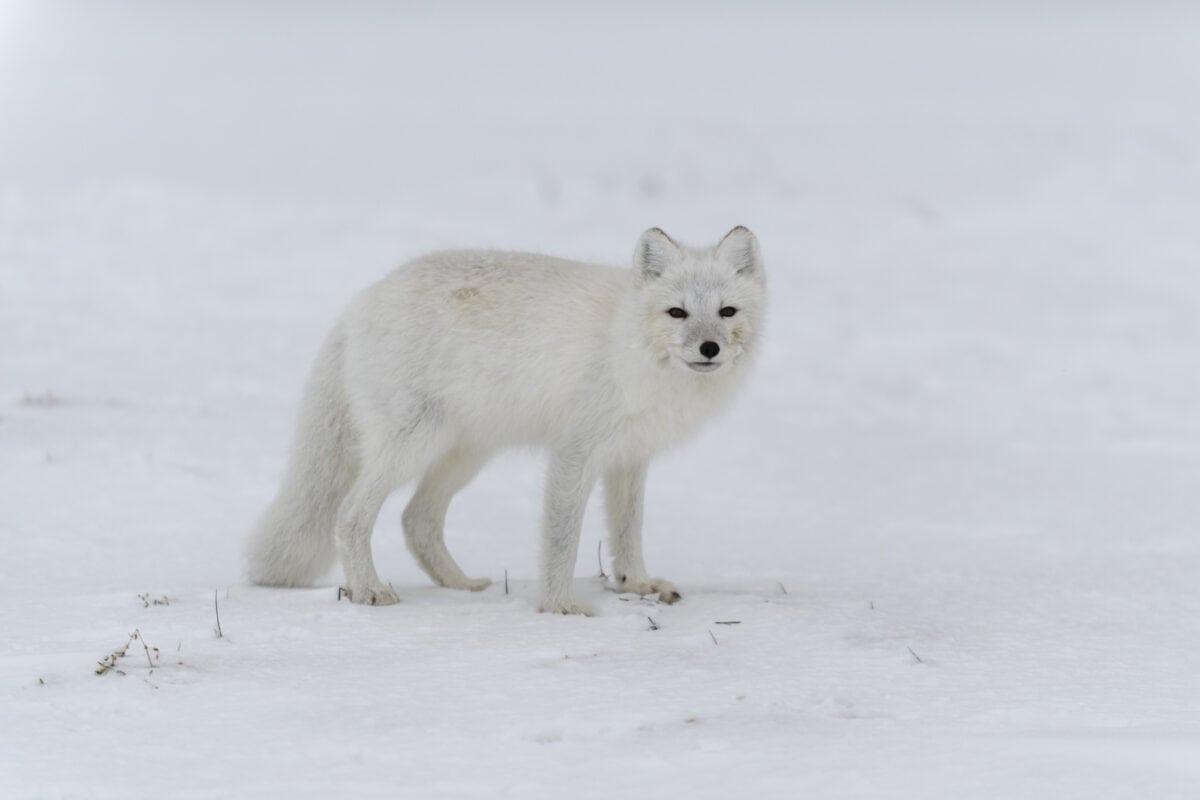
Beyond scientific interest, the Snow Ghost has captured the imagination of indigenous cultures in northern regions. It features prominently in local folklore, often depicted as a spirit or guardian of the snow-covered lands. These cultural narratives contribute to a deeper appreciation for the creature and underscore its significance beyond biology as a symbol of resilience and mystery within its native landscape.
Threats and Conservation Status
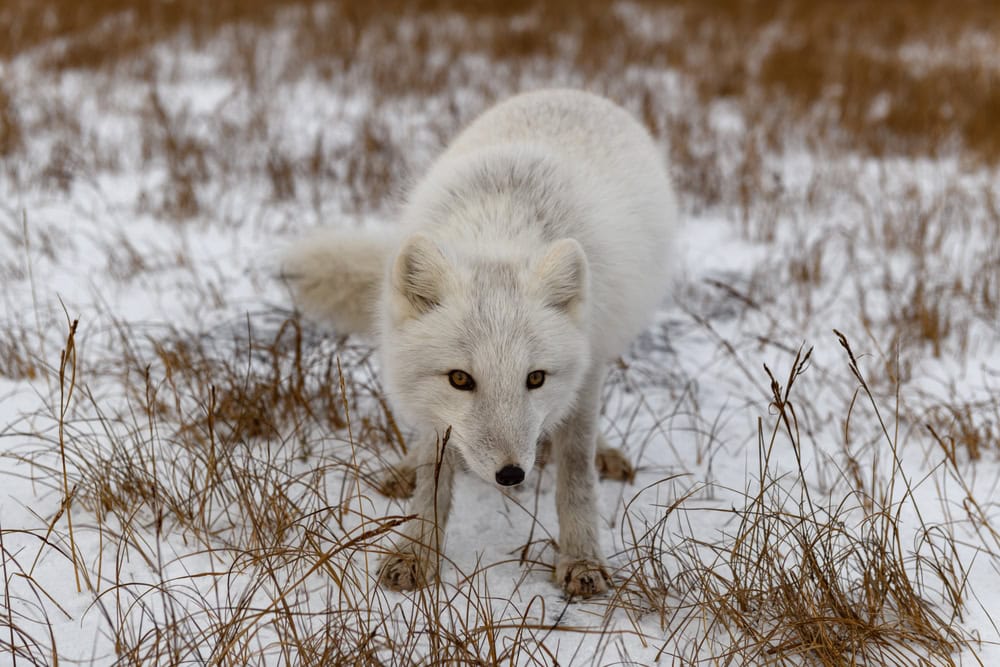
While the Snow Ghost’s remote habitats offer some protection, it is not entirely free from threats. Climate change poses the most significant risk, with warming temperatures leading to habitat loss. Little is known about their population sizes, which complicates conservation efforts. Protecting its environment is crucial to ensure its survival, which involves addressing broader environmental changes.
The Role of Climate in Its Lifecycle
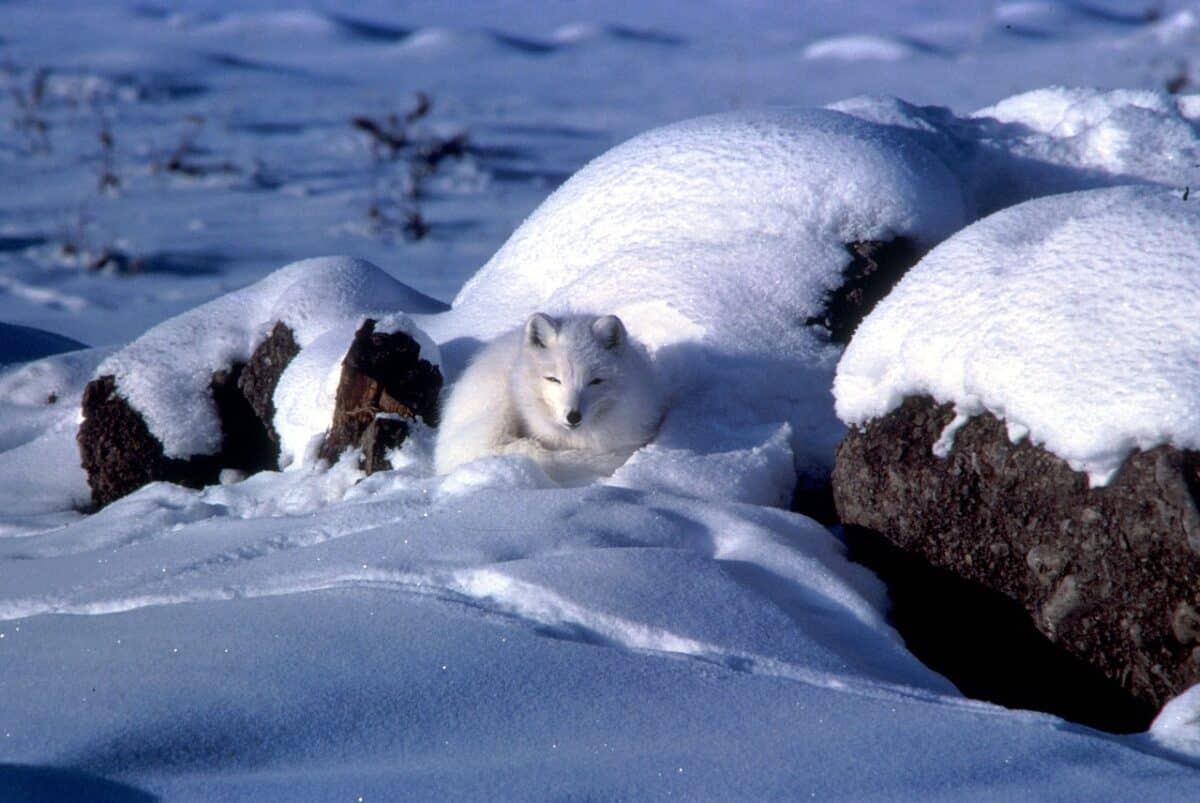
Climatic conditions play a pivotal role in the lifecycle of the Snow Ghost. The length and severity of winters dictate its active periods and breeding cycles. As global temperatures shift, understanding these patterns becomes vital. Researchers are increasingly focused on documentation and study to better predict how ongoing climatic alterations might affect this resilient species.
Ongoing Research and Future Discoveries
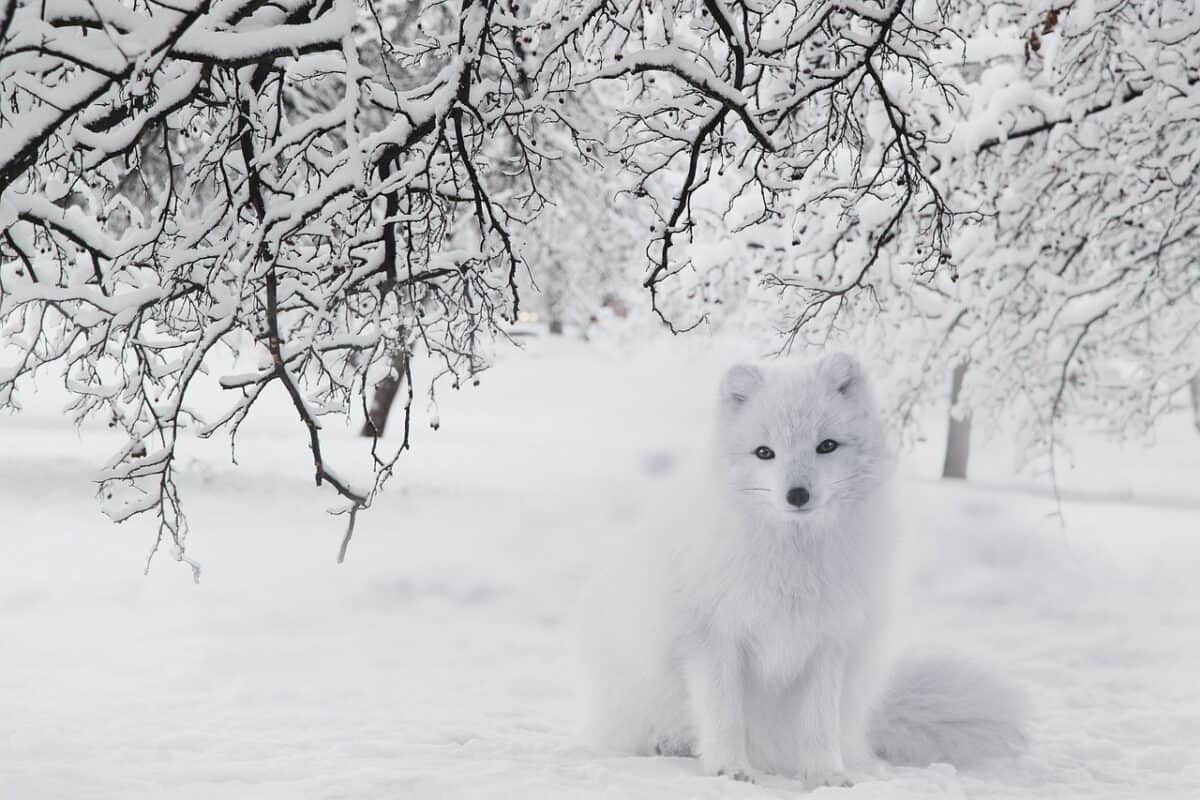
Interest in the Snow Ghost continues to grow, with researchers eager to learn more about this animal that thrives where few others can. Technological advancements, like GPS tracking and genetic analysis, offer new ways to study its habits and genetics. Continued observation promises to yield further insights into its secretive world, contributing invaluable information to the fields of zoology and conservation.
Conclusion: A Symbol of Nature’s Resilience
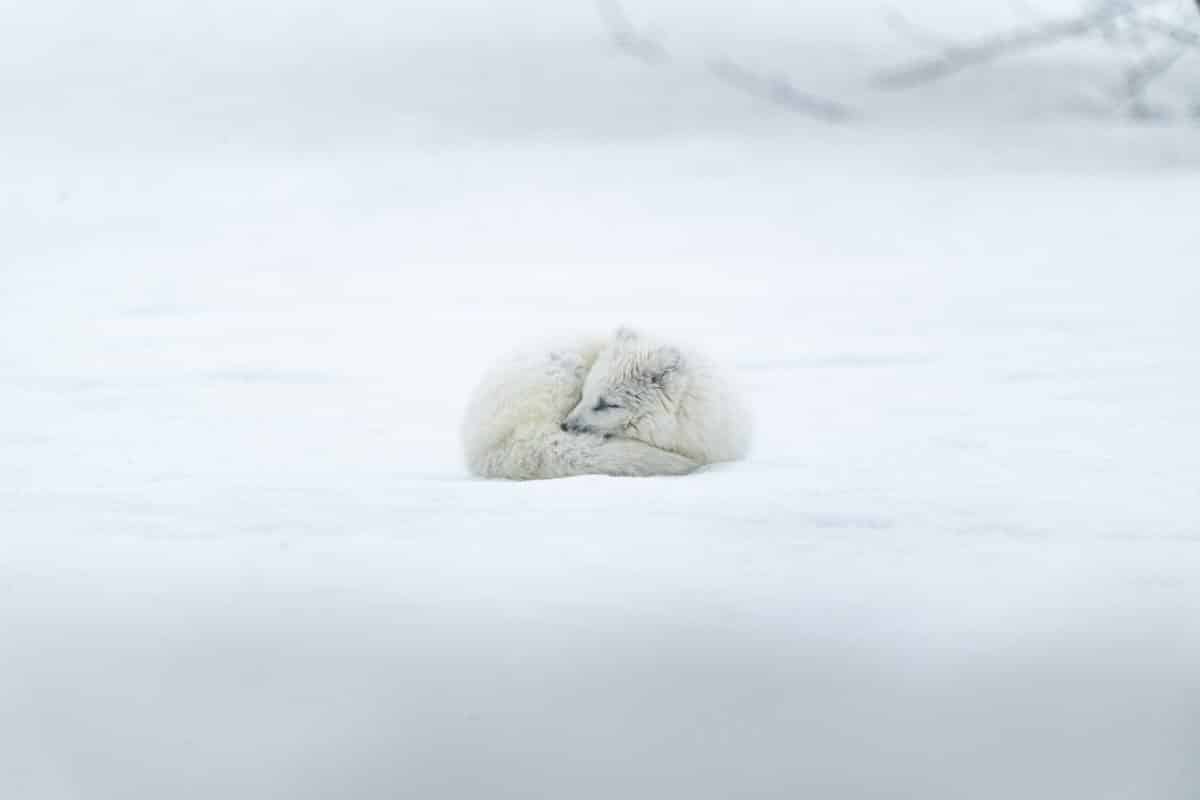
The Snow Ghost stands as a testament to nature’s resilience and adaptability. Its emergence with the thaw not only uncovers a creature of mystery but also highlights the intricate balance within icy ecosystems. Protecting such species through concerted conservation efforts is essential to preserve these wonders of nature for future generations, reminding us of the need to cherish and safeguard our planet’s diverse inhabitants.

From exploring the marine wonders in the Azores and witnessing the vast savannas of Kenya, to delving deep into the rich biodiversity of South Africa and traversing iconic landscapes in Australia and the US like Yellowstone, Chris's experiences are vast.
With a penchant for diving alongside sharks, the ocean holds a special place in his heart.
Through his academic insights, he champions wildlife conservation, striving with 'Animals Around The Globe' to cultivate a profound connection between humans and animals, enhancing our mutual appreciation.
Connect with him at Feedback@animalsaroundtheglobe.com.
- A Bear Journey Through The USA: 18 Best Bear Photos from 18 US States - July 19, 2026
- Elephant Matriarchs Know Every Waterhole for Miles - July 19, 2026
- Top 10 Dinosaur Relatives Still Roaming Earth Today - July 19, 2026