

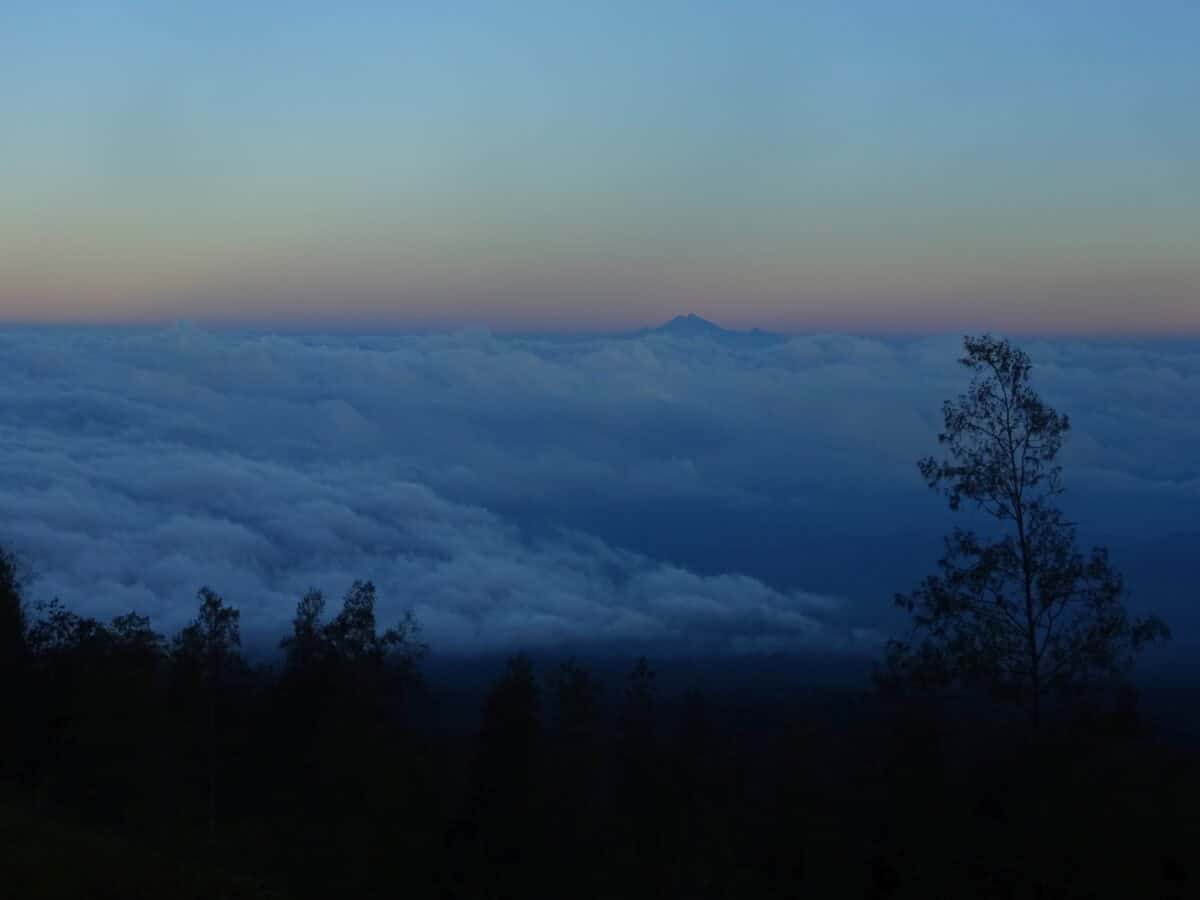
Volcanic eruptions are among Earth’s most spectacular natural events, showcasing the tremendous power residing beneath the planet’s surface. Throughout history, there have been numerous eruptions, some moderate, others devastating. Among them, one stands out for its sheer magnitude: the eruption of Mount Tambora in 1815. This article illuminates the profound impacts and the fascinating elements that framed this historical event.
The Mighty Mount Tambora
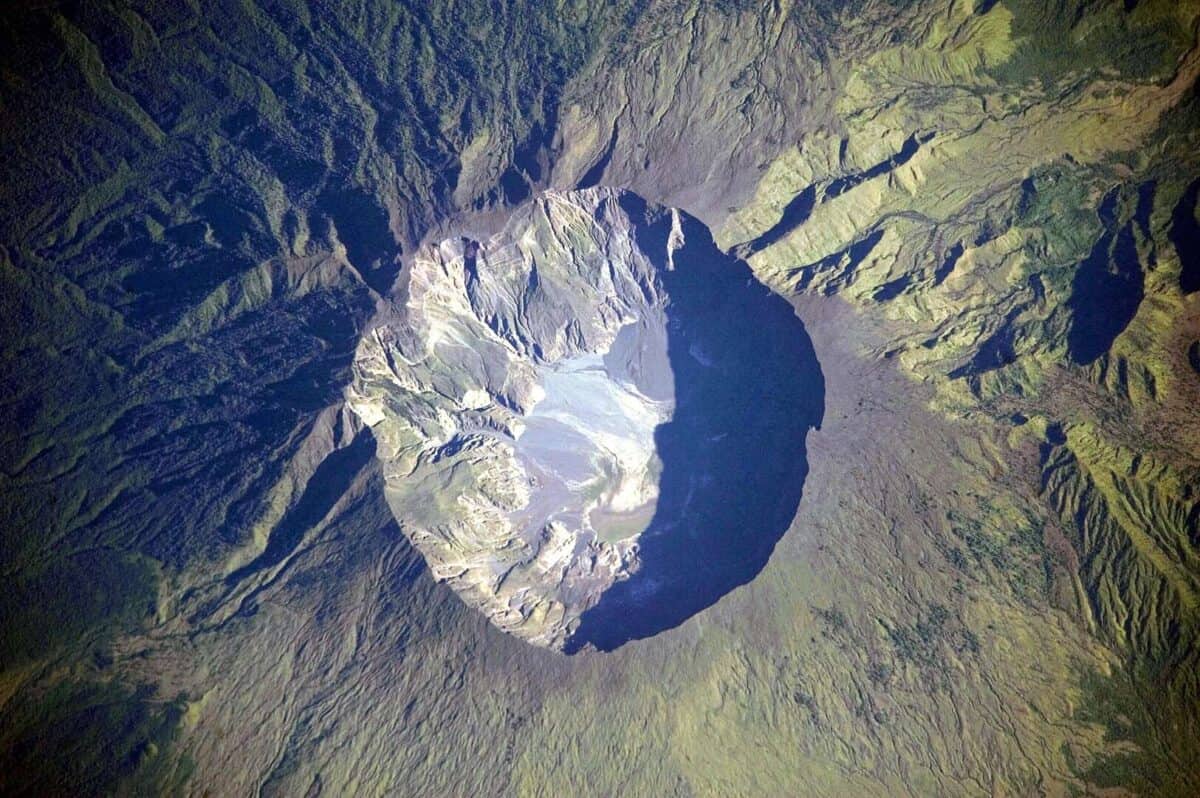
Situated on Sumbawa Island in Indonesia, Mount Tambora is a stratovolcano known for its powerful eruption in 1815. At its peak, the mountain towered over the island, reaching about 4,300 meters. However, post-eruption, its height significantly diminished to about 2,850 meters, illustrating the scale of the explosion that obliterated much of its structure.
The Build-Up to Catastrophe
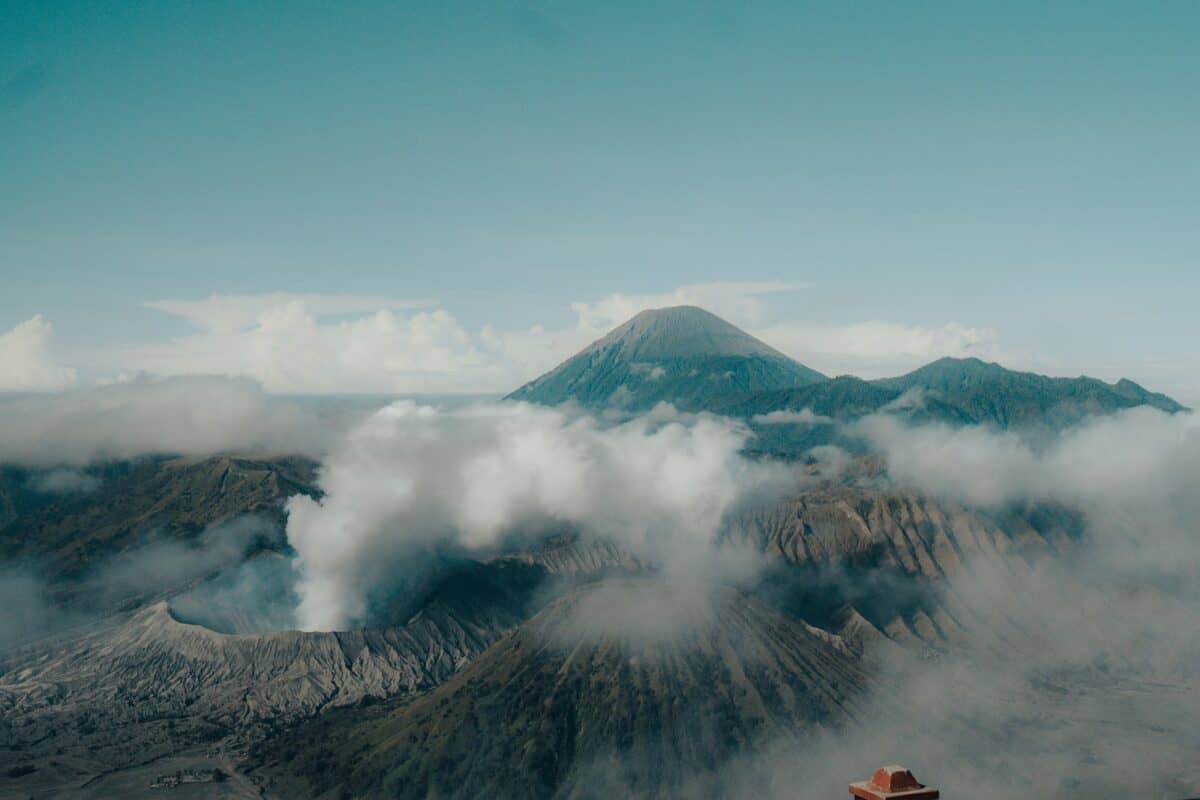
In the years and months preceding the eruption, volcanic activity intensifies beneath Tambora’s surface. Seismic activity and rumblings alert nearby residents, yet the scale of the impending eruption remains unforeseen. This activity sets the stage for one of the most powerful natural events in recorded history.
The Eruption Unleashed
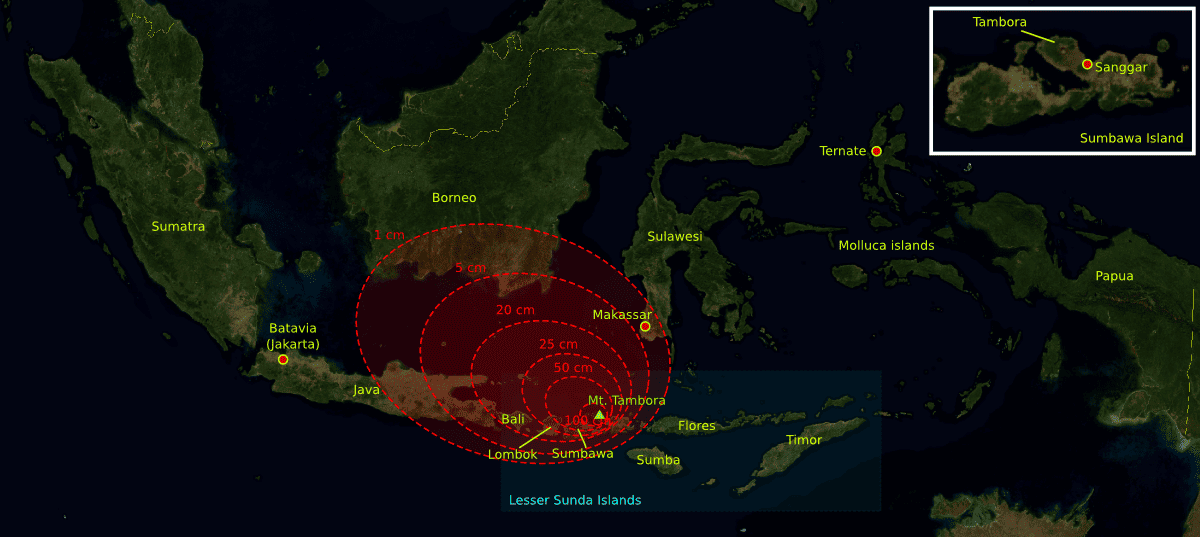
On April 10, 1815, Mount Tambora erupted with unparalleled ferocity, releasing approximately 160 cubic kilometers of volcanic materials and ash into the atmosphere. The explosion was so intense it could be heard over 2,000 kilometers away. This event remains the most powerful eruption in recorded history, claiming thousands of lives and transforming global conditions.
Immediate Aftermath and Devastation
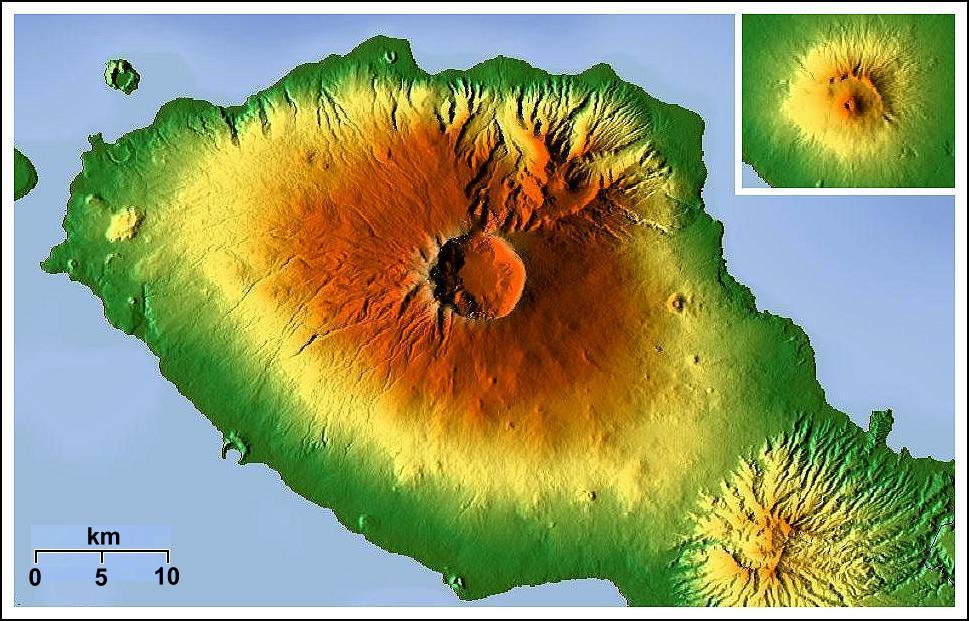
The eruption decimated the island of Sumbawa, triggering massive pyroclastic flows and a lethal mix of ash-laden air. Entire villages were buried, and the island’s landscape was irrevocably altered. The immediate death toll was immense, as scorching ash and suffocating conditions claimed approximately 10,000 lives instantly, with many more lost to subsequent disasters.
Global Climate Impact

The eruption of Mount Tambora had far-reaching global repercussions. The immense volume of ash and aerosols released into the stratosphere led to significant climate anomalies. The year following the eruption became known as the “Year Without a Summer,” as temperatures plummeted worldwide, causing widespread crop failures and food shortages.
A Worldwide Crisis
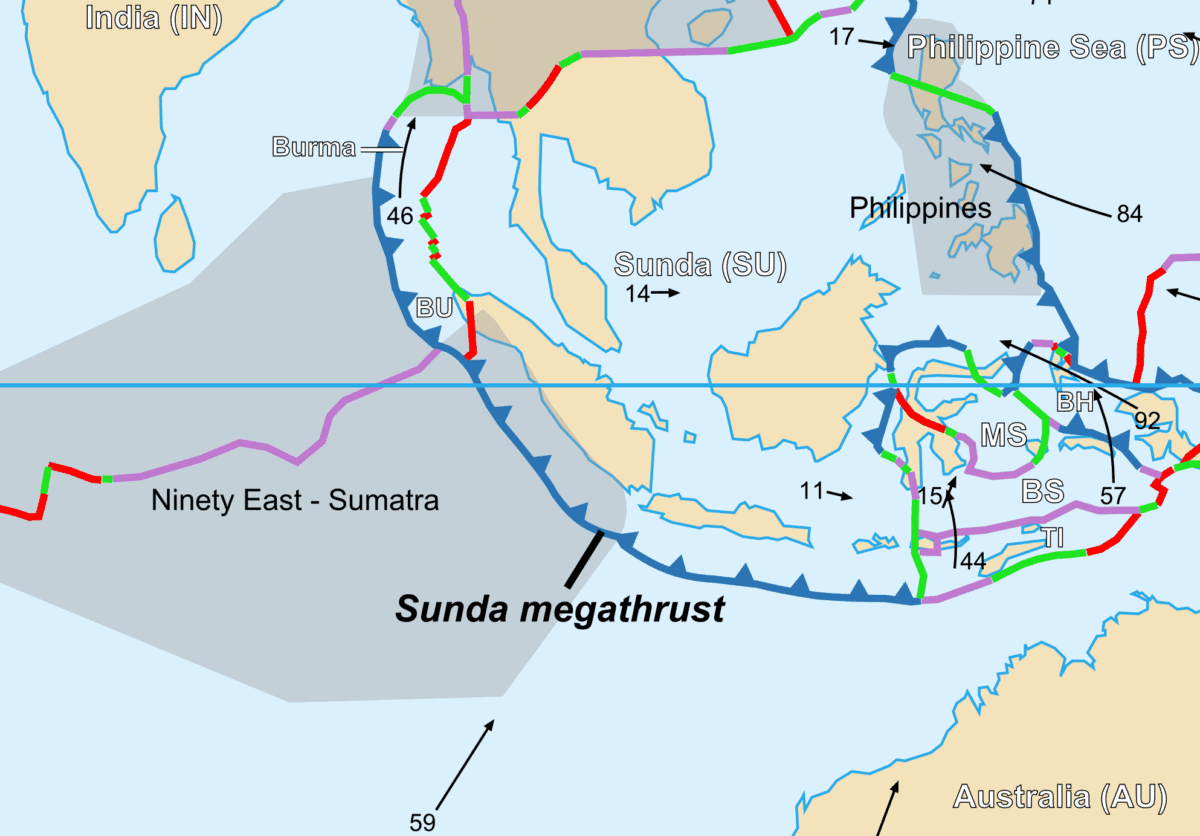
The climatic disturbances induced by the eruption affected regions far beyond Indonesia’s borders. In Europe and North America, unseasonably cold temperatures wreaked havoc on agriculture, resulting in food scarcity and increased economic hardship. This crisis underscored the formidable influence volcanic activity can exert on global climates and economies.
Scientific Understanding and Advances

The eruption of Mount Tambora significantly advanced the scientific community’s understanding of volcanic activity and its effects. It spurred interest in studying volcanic eruptions in relation to climate, fostering the development of volcanic climatology. This laid crucial groundwork for modern geoscience and climate science, offering insights into the Earth’s complex systems.
Anthropological Insights

The cultural and societal impacts of the eruption were profound. Entire communities were displaced, leading to migration and changes in population dynamics. The disaster also influenced art and literature, with the bleak weather reportedly inspiring works such as Lord Byron’s “Darkness” and Mary Shelley’s “Frankenstein.”
Historic Preservation and Knowledge
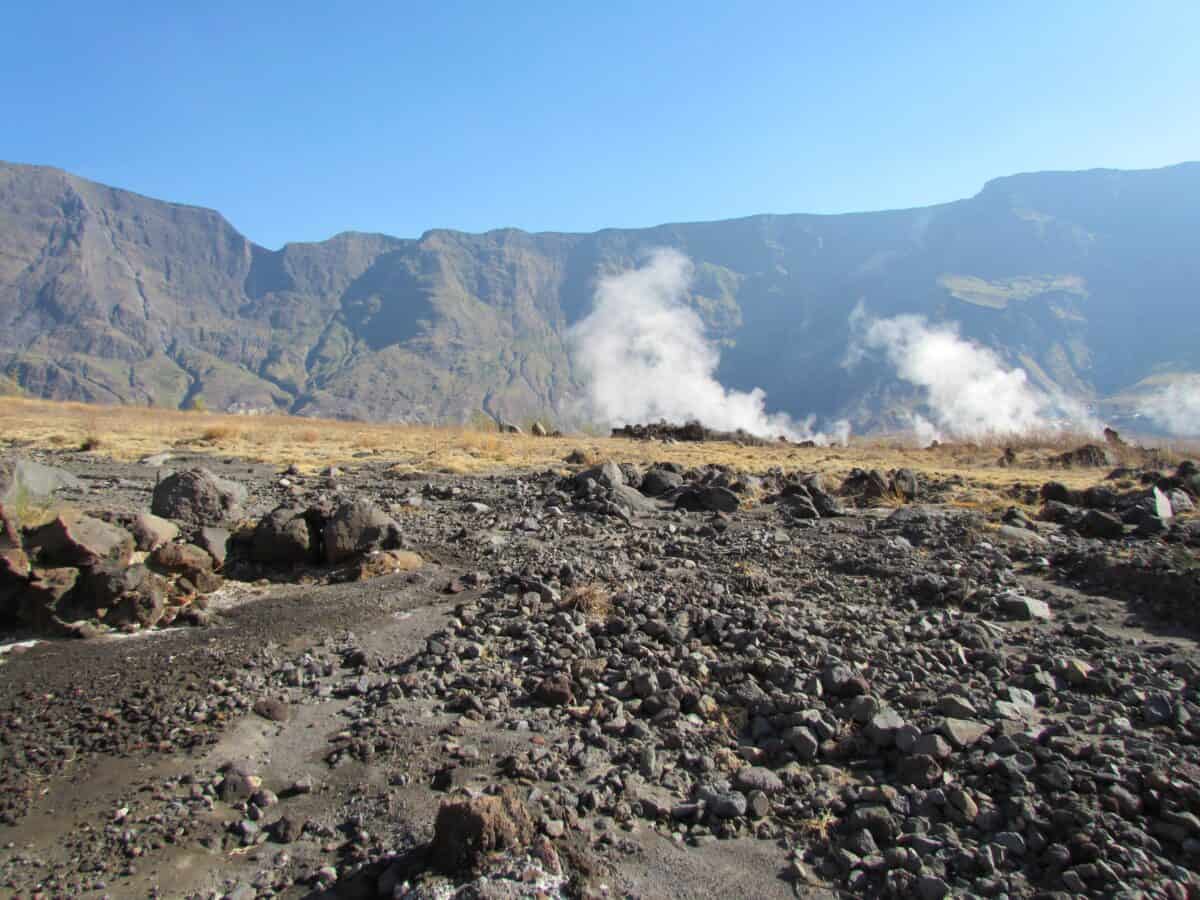
Efforts to preserve the historical record of Mount Tambora’s eruption have been pivotal in providing lessons for future generations. Comprehensive documentation of the event assists researchers in understanding natural disaster management, cultural preservation, and the resilience of affected communities. These lessons remain vital as modern societies grapple with natural and anthropogenic disasters.
Modern Monitoring Techniques

Today, technological advancements offer enhanced monitoring of volcanic activity globally. Instruments and networks designed to detect seismic activity, ground deformation, and gas emissions can provide critical early warnings. This technology aims to prevent loss of life and mitigate the impacts of future eruptions, driven by insights from historic events like Tambora.
Global Awareness and Education

The legacy of Mount Tambora’s eruption underscores the necessity for global awareness and preparedness. Education about volcanic hazards is vital, particularly in regions with active volcanoes. Building resilient communities equipped to respond promptly to volcanic threats remains a priority for scientists and policymakers worldwide.
The Environmental Recovery
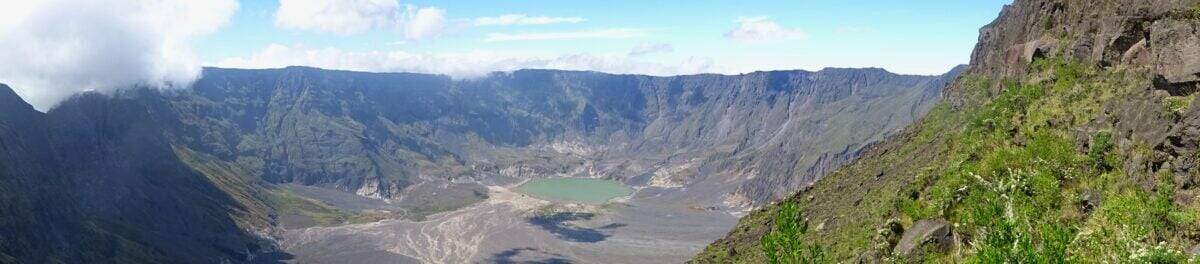
Despite the initial devastation, the affected ecosystems around Mount Tambora eventually began to recover. Remarkably, new habitats emerged, and species adapted to the changed environment. This resilience illustrates nature’s ability to regenerate and is a testament to the enduring cycles of destruction and renewal.
The eruption of Mount Tambora remains a pivotal geological event, demonstrating the formidable power of nature. Its impacts continue to influence scientific inquiry, cultural understanding, and disaster preparedness. Remembering Tambora serves as both a cautionary tale and a testament to human resilience in the face of natural disasters, underscoring the need for preparedness and adaptation.

- How Crickets Chirp Using Their Wings - July 20, 2026
- The Largest Sea Turtle Ever Rescued Off North Carolina - July 20, 2026
- The Ocean’s Escape Artist: Why Octopuses Outsmart Us All - July 20, 2026
Leave a comment
You must be logged in to post a comment.