
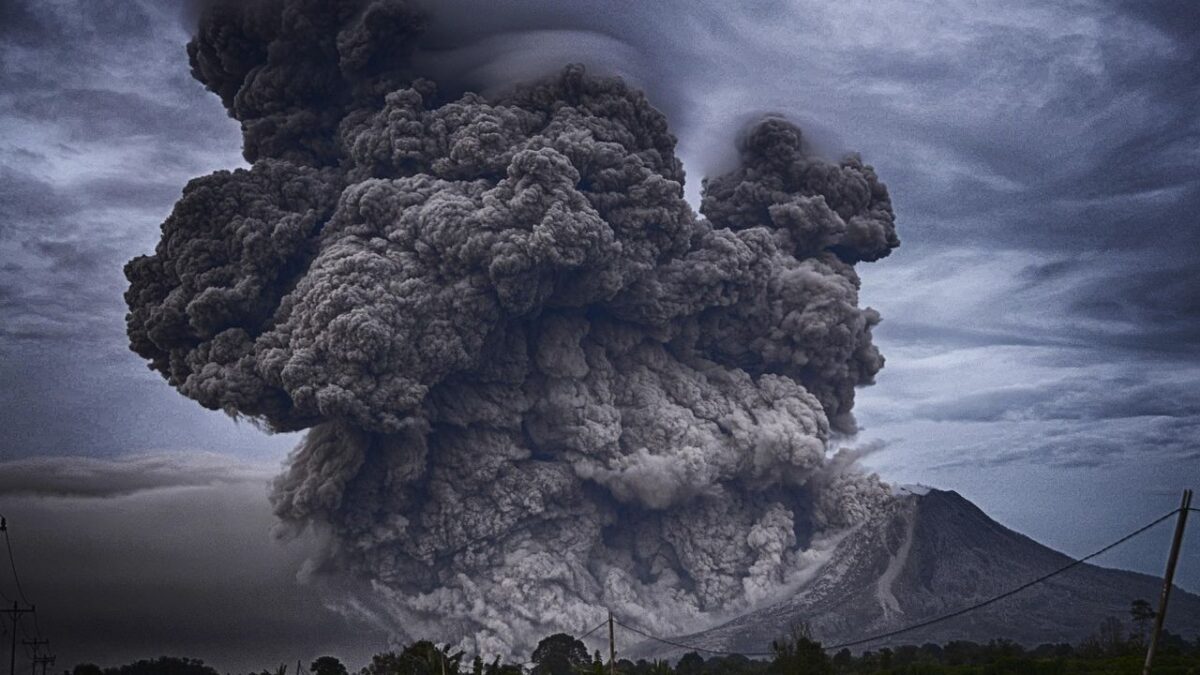
Imagine a mountain so powerful that when it exploded, the sound traveled across oceans and continents. Picture ash so thick it blocked out the sun for months, turning summer into winter and causing crops to fail around the entire planet. Sounds like something out of a disaster movie, right? Except this actually happened.
Throughout Earth’s long history, volcanoes have unleashed devastation on scales that are almost impossible to comprehend. Some eruptions have been so massive they nearly wiped out entire species, including our own. Others have altered the course of human history, triggering famines, migrations, and even revolutions. Yet the title of history’s isn’t as straightforward as you might think.
Mount Tambora: The Undisputed Champion of Recorded History
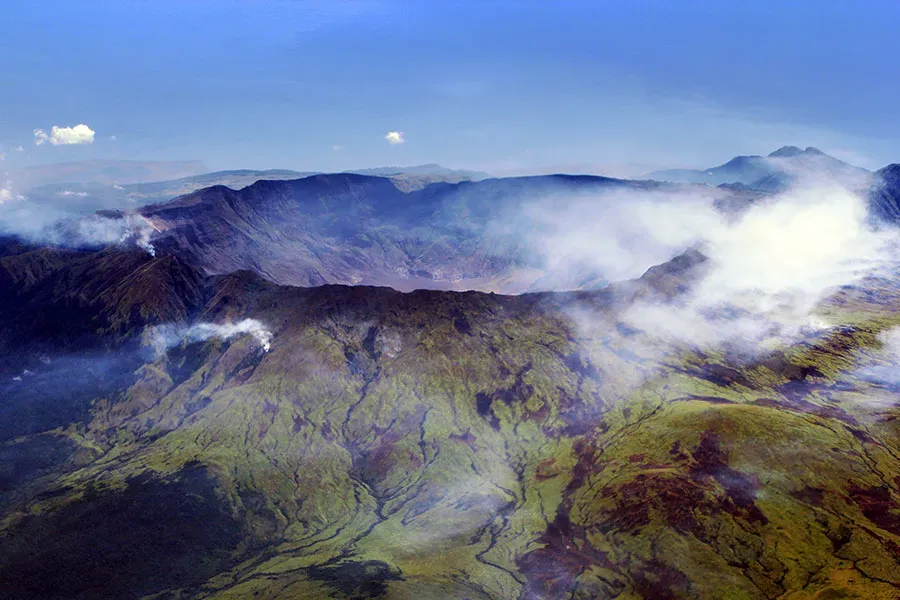
In April 1815, Mount Tambora on the island of Sumbawa in Indonesia erupted in what is considered the most powerful volcanic eruption in recorded human history. This wasn’t just another volcano going off. The eruption achieved a volcanic explosivity index of 7, ejecting between 37 and 45 cubic kilometers of dense rock material into the atmosphere.
To put that in perspective, the Tambora eruption was at least ten times larger than Mount Pinatubo’s 1991 eruption. The energy released was equivalent to about 33 gigatons of TNT, and an estimated 1,220 meters of the mountain’s top collapsed to form a caldera. Picture nearly a mile of solid mountain just vanishing into thin air. Around 100 cubic kilometers of rock was blasted into the air.
The Sounds of Apocalypse
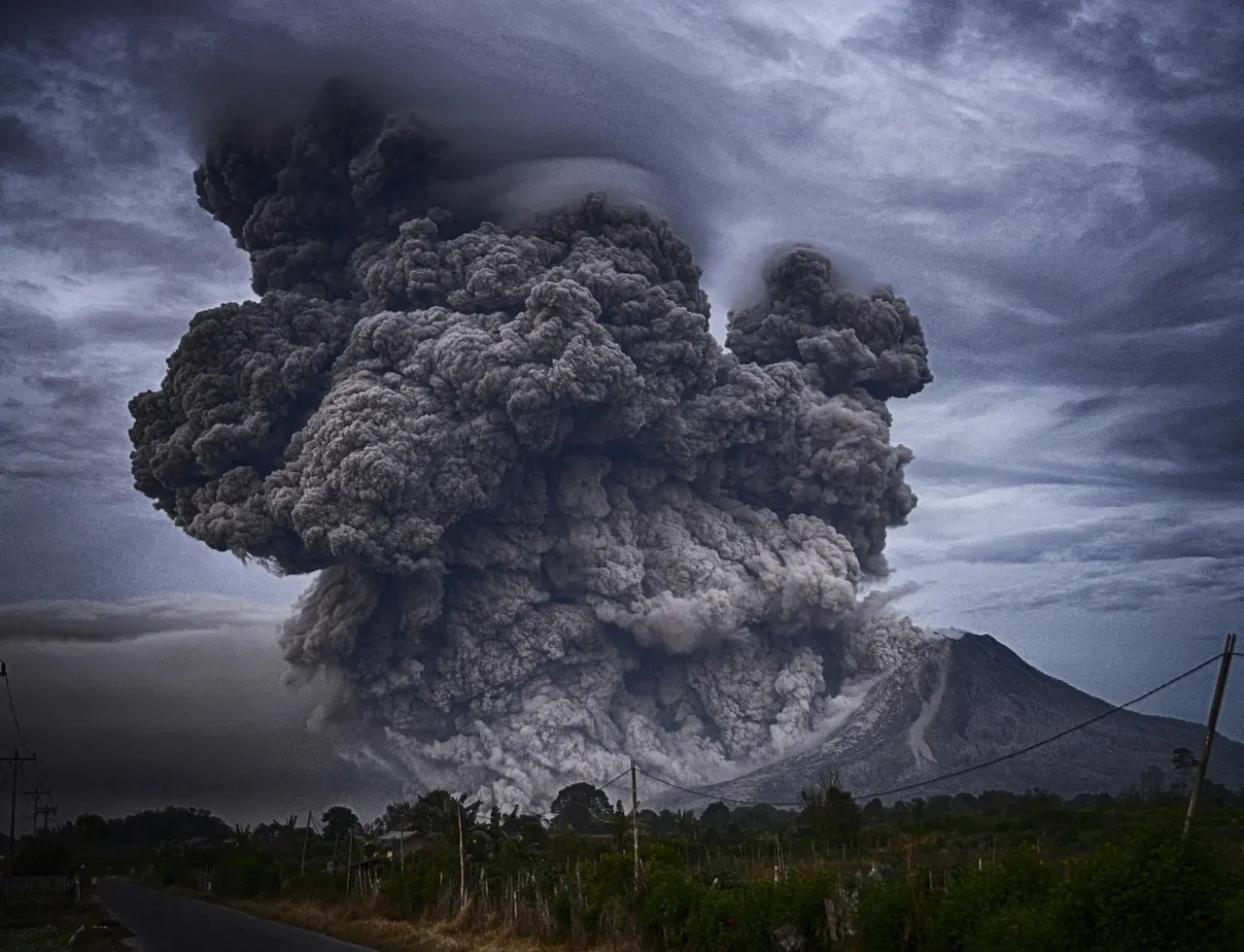
On April 5, 1815, a giant eruption occurred, with thunderous detonation sounds heard in Makassar on Sulawesi 380 kilometers away, Batavia on Java 1,260 kilometers away, and Ternate on the Molucca Islands 1,400 kilometers away. Think about that for a second. People nearly 900 miles away heard the explosion and thought armies were firing cannons.
The catastrophic explosive eruption started in the evening of April 10, 1815, around 7 p.m., reaching an altitude of about 40 kilometers. That’s higher than commercial planes fly today. The whole spectacle must have been absolutely terrifying.
Death Toll Beyond Imagination
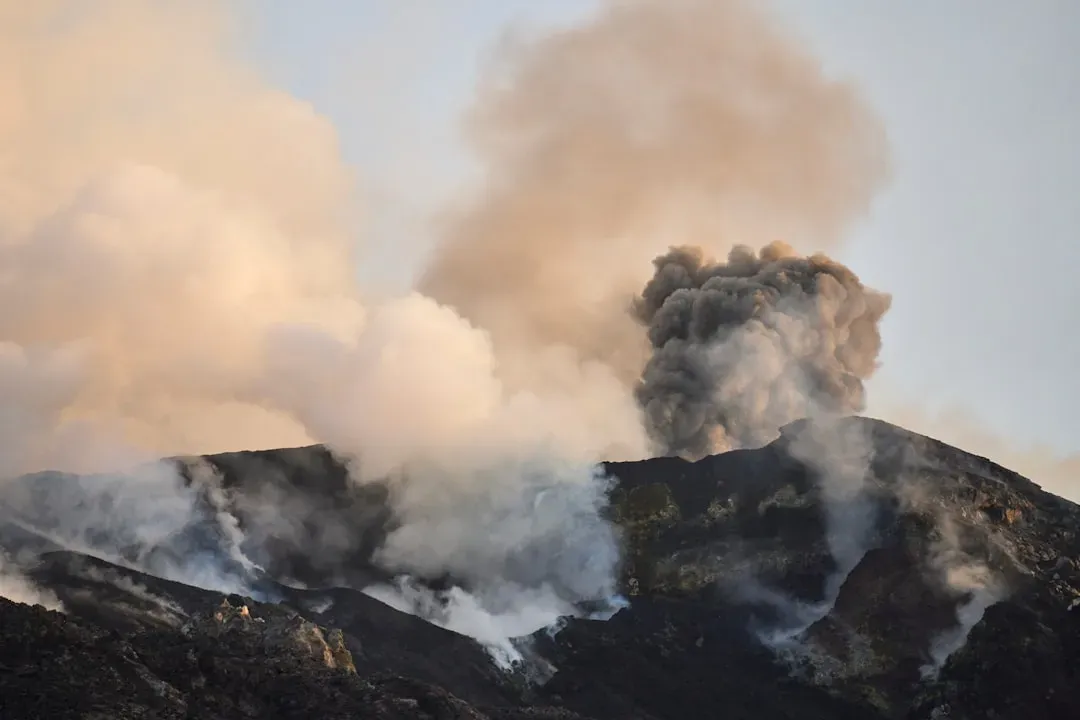
The immediate devastation was horrific. The blast, pyroclastic flows, and tsunamis killed at least 10,000 islanders and destroyed the homes of 35,000 more. These pyroclastic flows were superheated avalanches of gas and rock that incinerated everything in their path.
Yet the direct casualties were only the beginning. The death toll of the 1815 event was 11,000 from pyroclastic flows and more than 100,000 from the resulting food shortages over the following decade. Starvation and disease became the real killers. Heavy tephra fall devastated croplands, causing an estimated 60,000 fatalities.
The Year Without a Summer
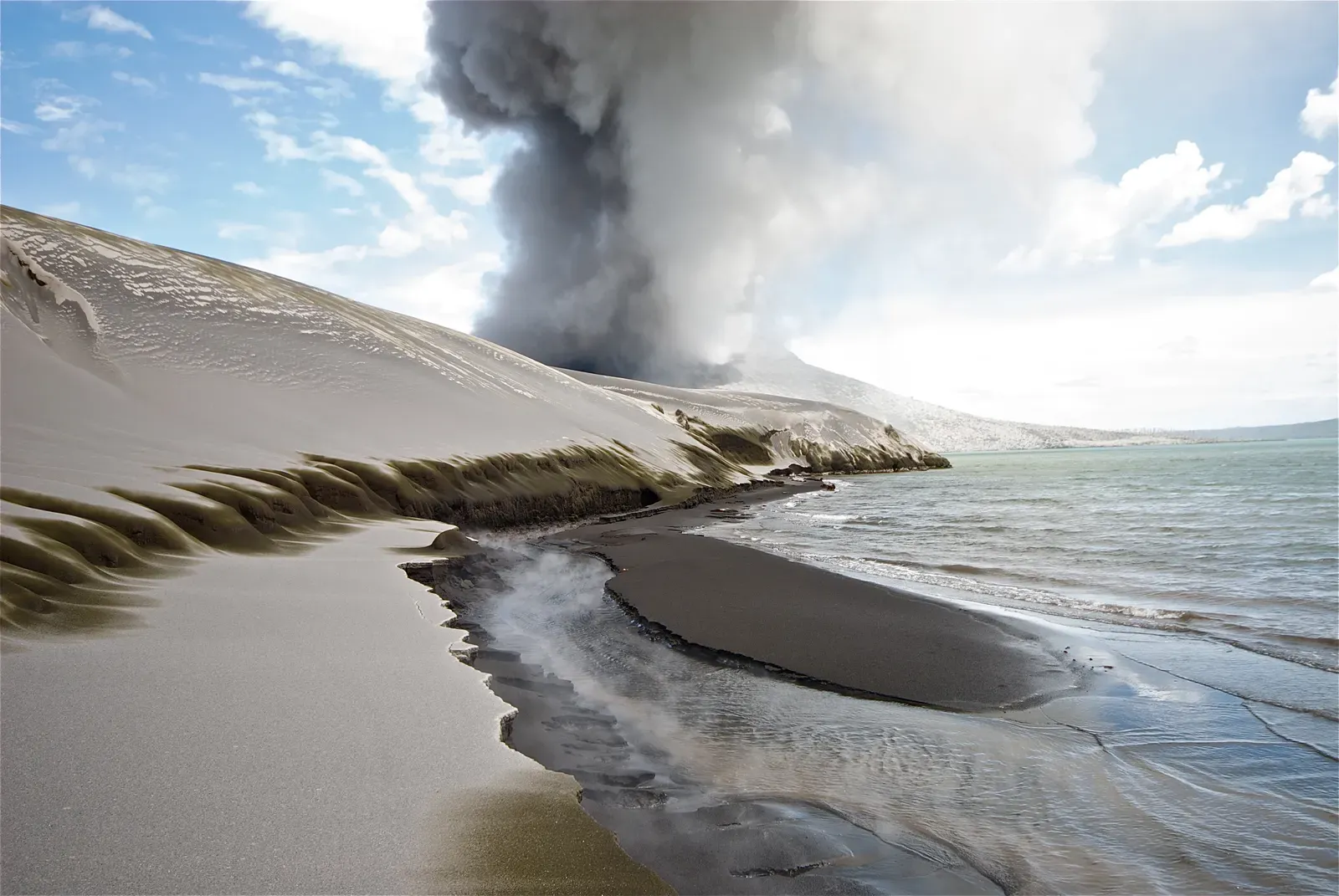
Here’s where things get really wild. The ash from the eruption column dispersed around the world and lowered global temperatures in an event known as the Year Without a Summer in 1816. This volcanic winter dropped global temperatures by 3 degrees Celsius on average.
In Europe and Great Britain, far more than the usual amount of rain fell in the summer of 1816, with nonstop rain in Ireland for eight weeks, causing the potato crop to fail and famine to ensue. Meanwhile, across the Atlantic, snow fell in New England in July. Can you imagine waking up to snow on the Fourth of July?
Failing crops and rising prices in 1815 and 1816 threatened American farmers, with thousands leaving New England for what they hoped would be a more hospitable climate west of the Ohio River, leading Indiana to become a state in 1816 and Illinois in 1818. A volcano on the other side of the world literally shaped American westward expansion.
Krakatoa: The Loudest Sound
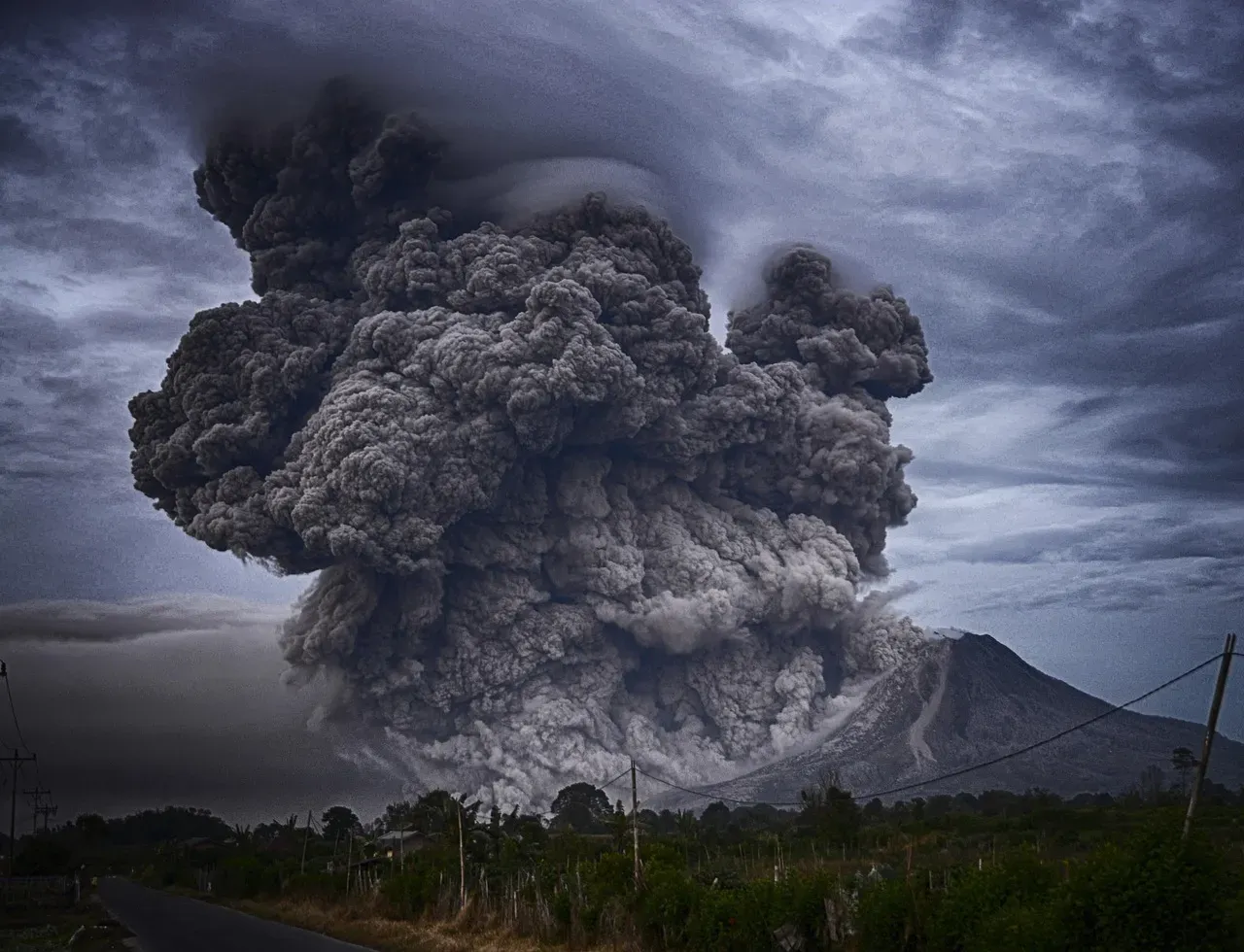
Fast forward to 1883. The eruption of Krakatoa is perhaps the most famous volcanic episode after Mount Vesuvius. Tsunami waves were triggered, with the third explosion calculated to be the loudest sound at 310 decibels, heard in Perth, Australia, over 3,000 kilometers away.
Let that sink in. The sound traveled around the world seven times. The 1883 eruption ejected approximately 25 cubic kilometers of rock, and the explosion was heard 3,600 kilometers away in Alice Springs, Australia, and 4,780 kilometers away near Mauritius. People thousands of miles away thought they were hearing distant cannon fire.
At least 36,417 people died, mostly from the tsunamis that followed the explosion. The ash released was so dense that it blocked out the Sun, lowering global temperatures for five years and changing the appearance of sunsets around the world, as seen in famous paintings like Edvard Munch’s The Scream.
Toba: The Extinction Event
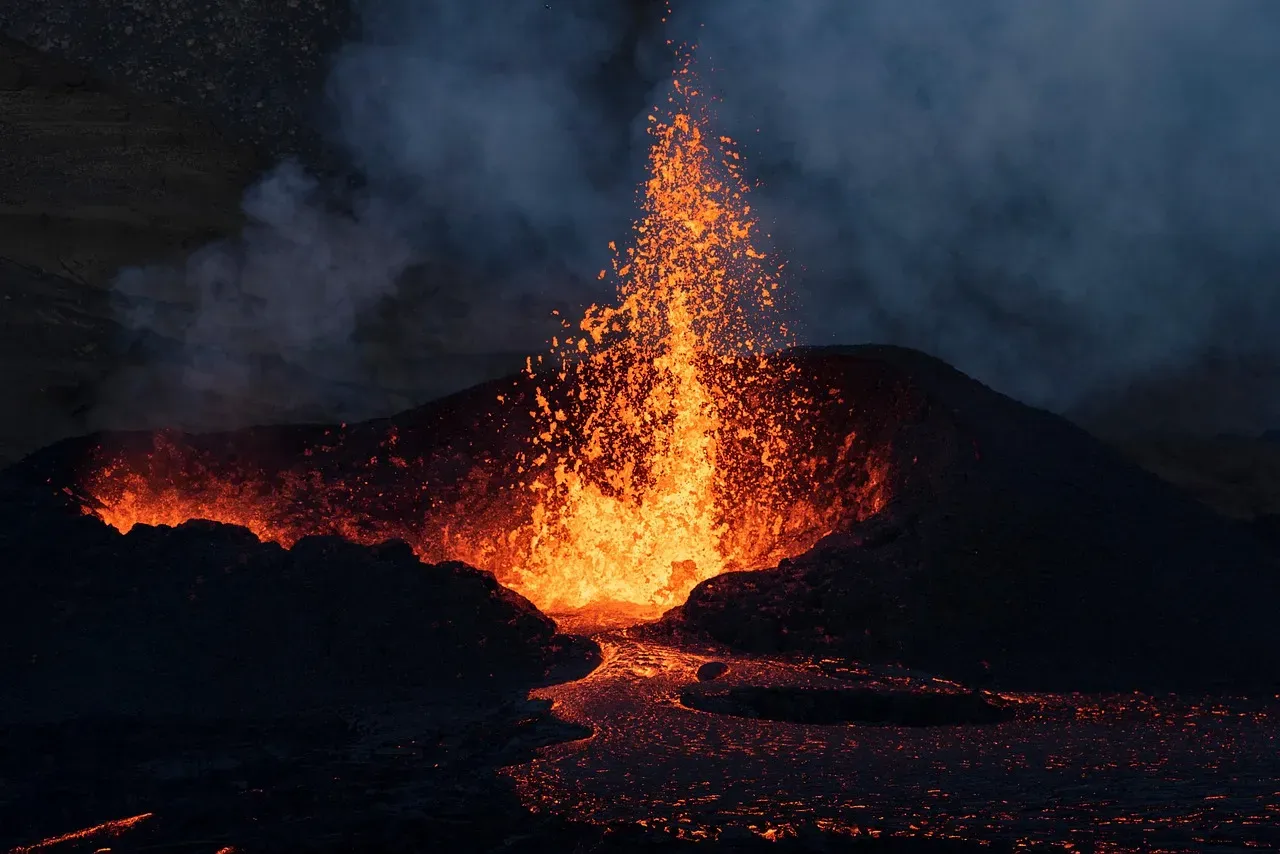
Now we’re talking about something on an entirely different scale. The largest eruption in the last two million years was about 74,000 years ago at Toba Volcano on the island of Sumatra, with a volume estimated at 670 cubic miles. To put that in context, that’s hundreds of times larger than Tambora.
The Toba eruption was larger than any volcanic eruption in the previous 28 million years and hundreds to thousands of times larger than later eruptions such as Tambora, Krakatau, and Mount Saint Helens. Toba was 1,000 times more powerful than Mount Saint Helens and 100 times more powerful than Krakatoa.
The eruption of Toba about 74,000 years ago was 1,000 times as large as Tambora or Krakatau, dropping global temperatures by 5 to 9 degrees Fahrenheit, with temperatures taking a full decade to recover to pre-eruption levels.
Did Toba Nearly Wipe Out Humanity?
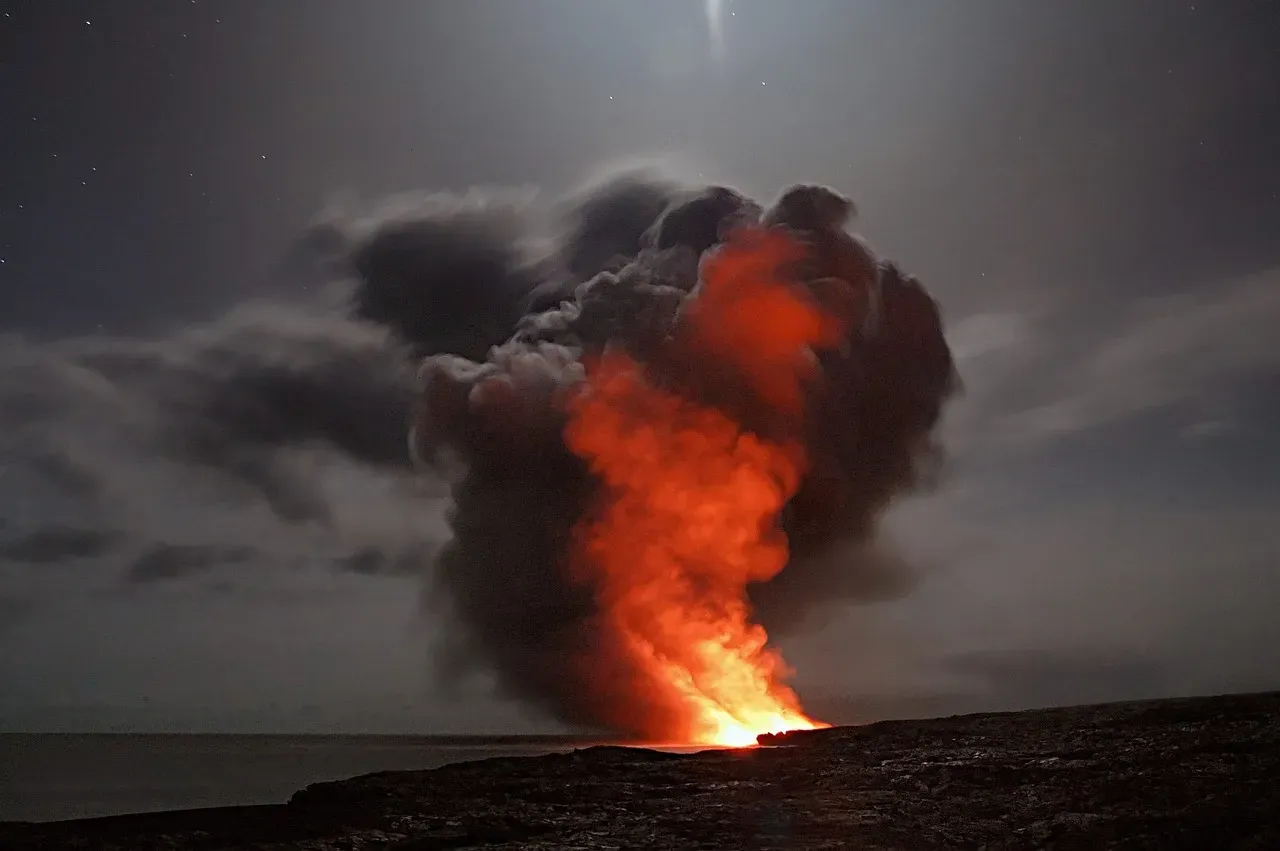
The really scary part? Many geneticists and archaeologists believe that the Toba catastrophe nearly wiped out the human race, with only about 1,000 to 10,000 breeding pairs of people surviving worldwide. This is what scientists call a genetic bottleneck.
Superheated ash and gases, as hot as 2,000 degrees Fahrenheit, flowed down the sides of the mountain in gigantic, turbulent clouds traveling up to 200 miles per hour, incinerating everything in the jungles for many miles. The immediate area became a hellscape.
However, here’s where science gets interesting. Recent research has challenged this catastrophe theory. Archaeological evidence shows that Toba did not interrupt human occupation at sites in South Africa, and in fact, during the immediate aftermath, human occupation intensified. It seems early humans were tougher than we thought.
Comparing the Giants
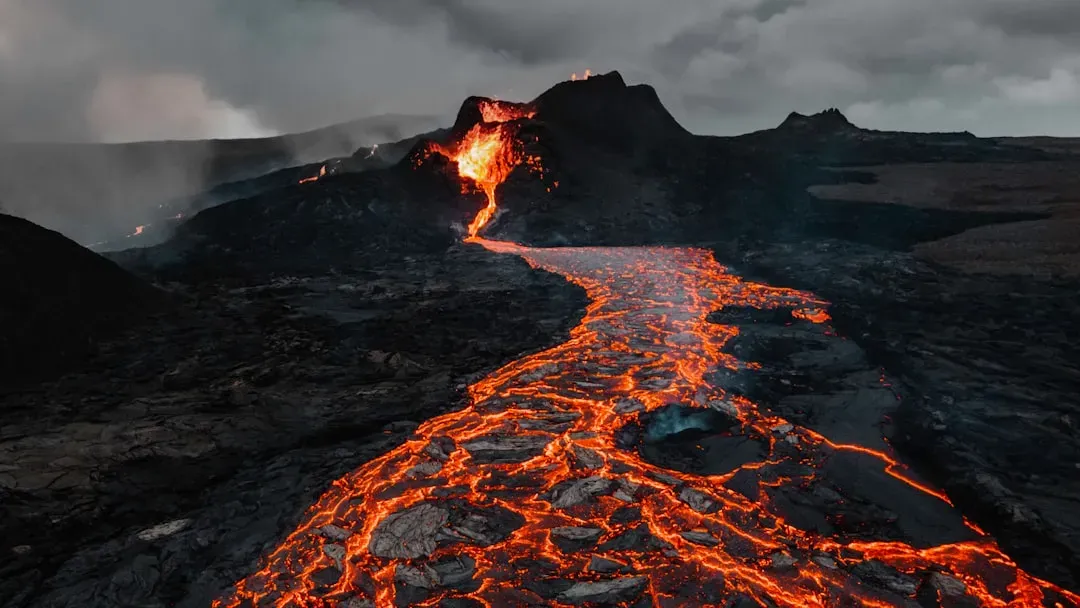
When we talk about the most powerful eruption, we need to define what we mean by “powerful.” If we’re measuring by volume of ejected material, Toba wins hands down. If we’re talking about recorded history with reliable documentation, Tambora takes the crown.
Tambora was the most destructive explosion on Earth in the past 10,000 years, spewing 100 cubic kilometers of gasses, dust, and rock into the atmosphere. But Toba was on a completely different scale, nearly eight times larger.
The difference matters. While Tambora caused one terrible year without summer, Toba may have caused centuries of climate disruption. Scientists are still debating the exact impact.
Other Notable Contenders
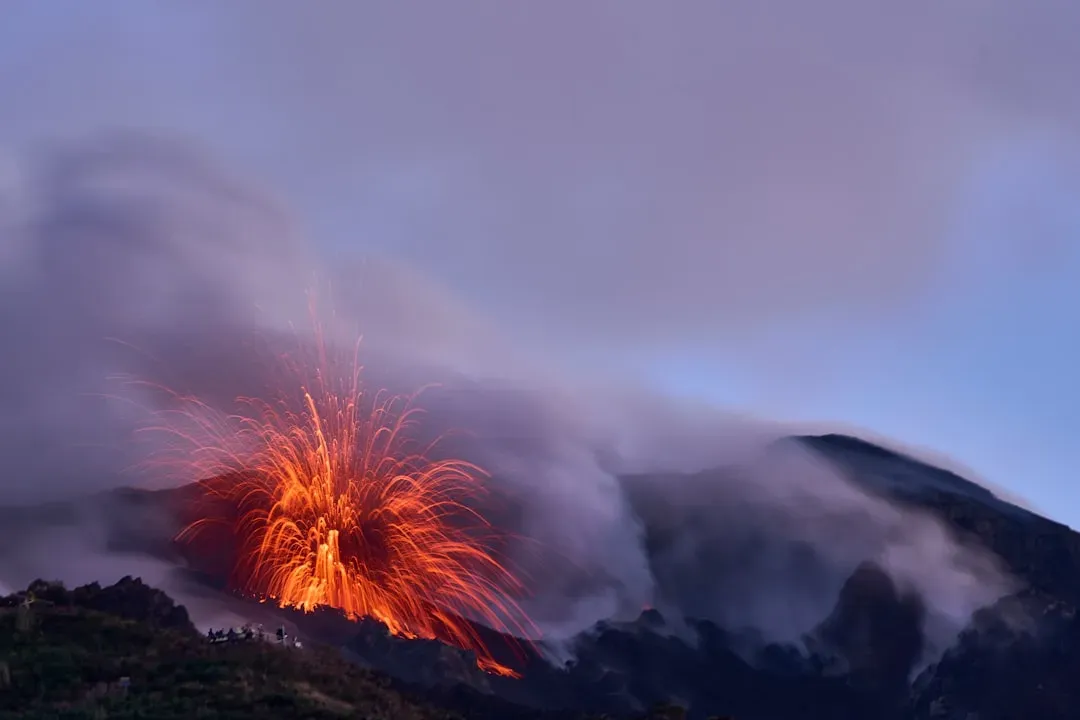
The eruption that formed the Novarupta volcano in Alaska in 1912 was the largest volcanic event of the 20th Century. The world’s largest eruption of the 20th century occurred at Novarupta, with an estimated 15 cubic kilometers of magma explosively erupted during 60 hours beginning on June 6, 1912.
Mount St. Helens in 1980 captured modern attention, but honestly, it was relatively small compared to these giants. The May 18, 1980 eruption of Mount St. Helens was the most destructive in the history of the United States, causing loss of lives and widespread destruction in a matter of hours. Yet Novarupta erupted about 30 times more material.
What Makes a Supervolcano?
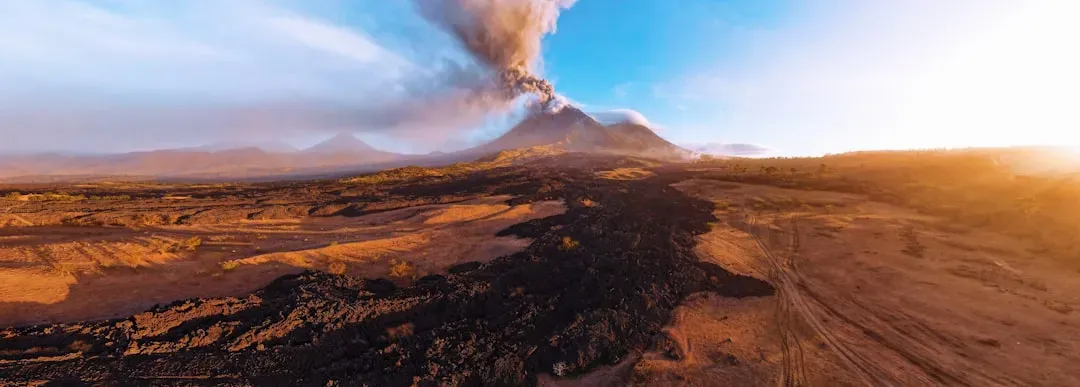
The term “supervolcano” implies a volcanic center that has had an eruption of magnitude 8 on the Volcano Explosivity Index, meaning it erupted more than 1,000 cubic kilometers of material, with “supereruption” being used as a catchy way to describe VEI 8 eruptions.
The most violent eruption registered was that in the La Garita Caldera in the United States, which occurred 2.1 million years ago and formed a 35 by 75 kilometer crater, drastically changing the climate on Earth. These prehistoric monsters make even Toba look modest.
Modern Monitoring and Future Threats
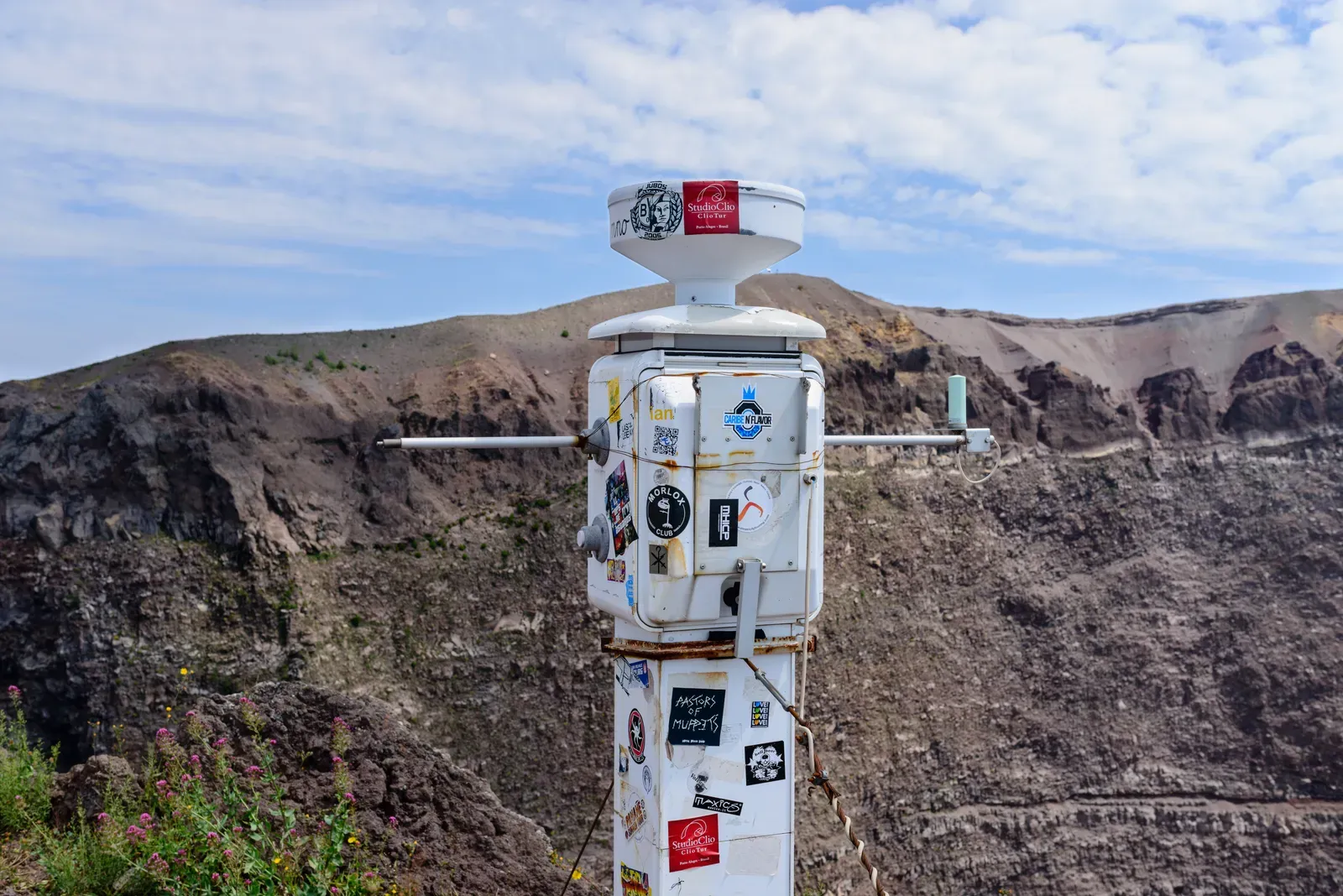
Today’s volcanoes are watched constantly. Mount Tambora is still active, with minor lava domes and flows extruded on the caldera floor during the 19th and 20th centuries, with the last eruption recorded in 1967 as a gentle eruption with a VEI of 0. The mountain that caused so much devastation now sits relatively quiet, monitored by scientists.
Indonesia remains one of the most volcanically active regions on Earth, sitting on the Pacific Ring of Fire where tectonic plates collide. Future eruptions are inevitable. The question isn’t if, but when.
The Verdict
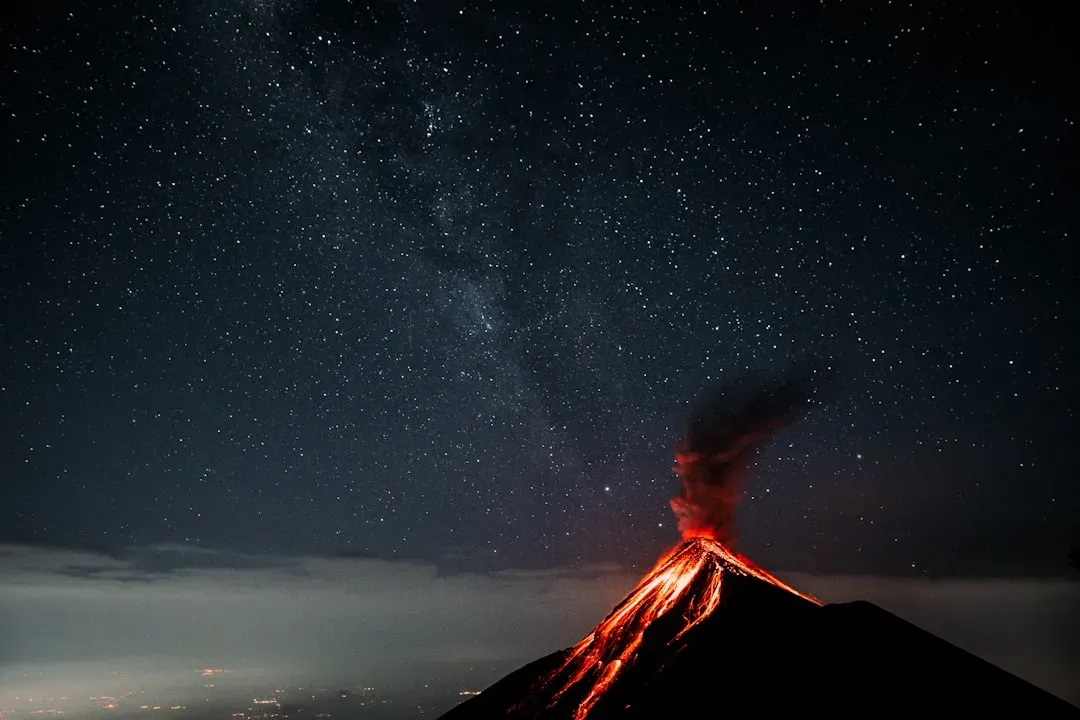
So which was truly the most powerful? If we’re talking about recorded human history with eyewitness accounts and documented evidence, Mount Tambora in 1815 holds the title without question. Its VEI-7 rating makes it the largest eruption humanity has witnessed and written about.
Yet if we expand our view to include prehistoric eruptions identified through geological evidence, Toba’s VEI-8 supereruption about 74,000 years ago dwarfs everything in recent memory. It may have come close to ending our species before we even got started.
The truth is, these volcanic monsters remind us how fragile our existence really is. We live on a planet with a molten core, and occasionally, that fact becomes terrifyingly apparent. Mount Tambora changed weather patterns, sparked famines, and altered the course of nations. Toba may have pruned the human family tree down to its last few branches.
What’s truly remarkable isn’t just the raw power these volcanoes unleashed. It’s that humanity survived them all, adapting and pushing forward even when the sun disappeared and the world turned cold. Each eruption taught us something new about our planet and our own resilience. The geological record shows us that bigger eruptions have happened before and will happen again. When the next giant awakens, will we be ready? That’s the question that keeps volcanologists up at night.

- The Ancient River System Hidden Beneath the Sahara of North America - June 22, 2026
- The one city in the US sinking under its own weight. - June 22, 2026
- 10 Fascinating Nocturnal Animals You Never Knew Existed - June 22, 2026