


The history of animal interactions in the United States is filled with unpredictable moments, but few rival the surprising and widespread invasion of zebra mussels. These small, striped bivalves have caused significant ecological and economic challenges since their unexpected introduction. Understanding this invasion offers insights into biological invasions and the ongoing task of managing such disruptions.
Introduction to the Zebra Mussel Invasion

In the late 20th century, the discovery of zebra mussels in U.S. waters marked the beginning of a widespread ecological upheaval. Originally from Eastern Europe, zebra mussels (Dreissena polymorpha) were first identified in North America in 1988. Their presence has since transformed aquatic ecosystems across the continent, creating a ripple effect with widespread implications.
The Origin Story: How Zebra Mussels Arrived in the U.S.

This unexpected invasion traces back to ballast water from European ships. These ships, traveling to the Great Lakes, released water carrying zebra mussels. Without natural predators in this new environment, zebra mussels quickly established themselves and began to spread prolifically.
Identifying Characteristics of Zebra Mussels

Zebra mussels are small, typically no larger than an inch, with a distinctive striped pattern on their shells. Despite their size, their capability to reproduce rapidly and in large numbers makes them particularly threatening to native species and local ecosystems.
The Rapid Spread Across U.S. Waters

Once introduced to the U.S., zebra mussels moved quickly through interconnected waterways. They are adept at attaching themselves to boats, equipment, and other surfaces, which facilitated their spread from the Great Lakes to other river systems and beyond.
Ecological Impacts of the Invasion

The invasion of zebra mussels has drastically altered freshwater ecosystems. They outcompete native species for food and resources, leading to declines in biodiversity. Their feeding habits filter out plankton, which disrupts food webs and affects fish populations reliant on these resources.
Economic Consequences of Zebra Mussels
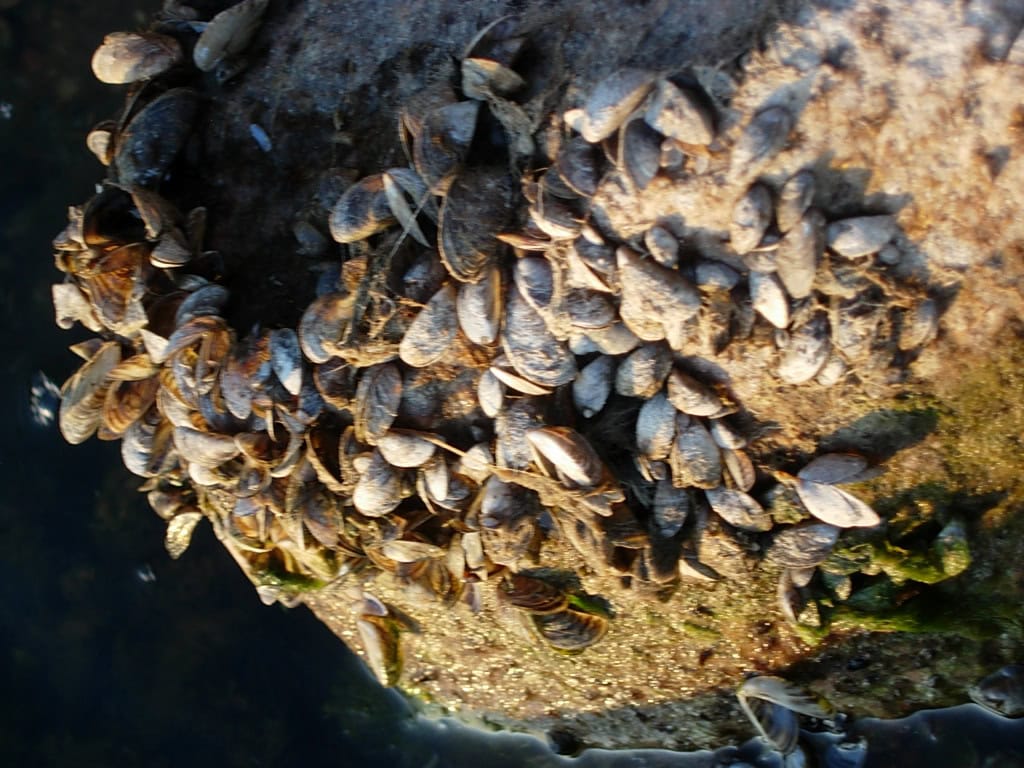
Beyond ecological effects, zebra mussels have also imposed financial burdens. They clog water intake pipes, affecting municipal water supplies, power plants, and industrial facilities. Maintenance and damage repair costs are significant, burdening local economies with unexpected expenditures.
Zebra Mussels and Their Impact on Native Species

The presence of zebra mussels can lead to the decline or displacement of native mussel species. They attach to native mussels, inhibiting their movement and feeding ability, which eventually leads to their decline or local extinction.
How Zebra Mussels Alter Water Quality

Zebra mussels are known for their extensive filtering capacity; they can filter vast amounts of water, removing nutrients and altering clarity. While this might improve water clarity, it can also disrupt nutrient cycles and adversely affect the life forms that depend on these nutrients.
Preventing the Spread of Zebra Mussels

Preventive measures have become essential in managing zebra mussels. Strategies include conducting boat inspections, promoting public awareness about the risks of transporting invasive species, and implementing quarantine protocols at water bodies.
Control and Management Strategies

Efforts to control zebra mussel populations often involve chemical treatments, biological controls, and mechanical removal, each with its own set of challenges and ecological considerations. Ongoing research aims to develop more effective and sustainable management techniques.
The Role of Government and Policy in Management

Government agencies play a pivotal role in managing the zebra mussel invasion through regulations, funding for research and management programs, and coordination between states and territories to enforce measures aimed at preventing further spread.
Innovations and Future Directions in Managing Invasive Species

Advancements in genetic research and biotechnology present new opportunities for managing invasive species like zebra mussels. Scientific breakthroughs, coupled with traditional management techniques, offer hope for more effective control methods in the future.
Conclusion: Lessons Learned from the Zebra Mussel Invasion

The invasion of zebra mussels in U.S. waters serves as a poignant reminder of the fragility and interconnectedness of ecosystems. It underscores the importance of vigilance in monitoring ecological communities and the necessity of swift responses to biological invasions. As we continue to learn from these challenges, the focus remains on preserving biodiversity and safeguarding natural resources for future generations.

From exploring the marine wonders in the Azores and witnessing the vast savannas of Kenya, to delving deep into the rich biodiversity of South Africa and traversing iconic landscapes in Australia and the US like Yellowstone, Chris's experiences are vast.
With a penchant for diving alongside sharks, the ocean holds a special place in his heart.
Through his academic insights, he champions wildlife conservation, striving with 'Animals Around The Globe' to cultivate a profound connection between humans and animals, enhancing our mutual appreciation.
Connect with him at Feedback@animalsaroundtheglobe.com.
- This Turtle Can Breathe Through Its Butt - July 19, 2026
- The Great Lakes Are Now Home to Tropical Fish — Here’s Why - July 19, 2026
- Red Pandas Use Their Tails Like Blankets - July 19, 2026