

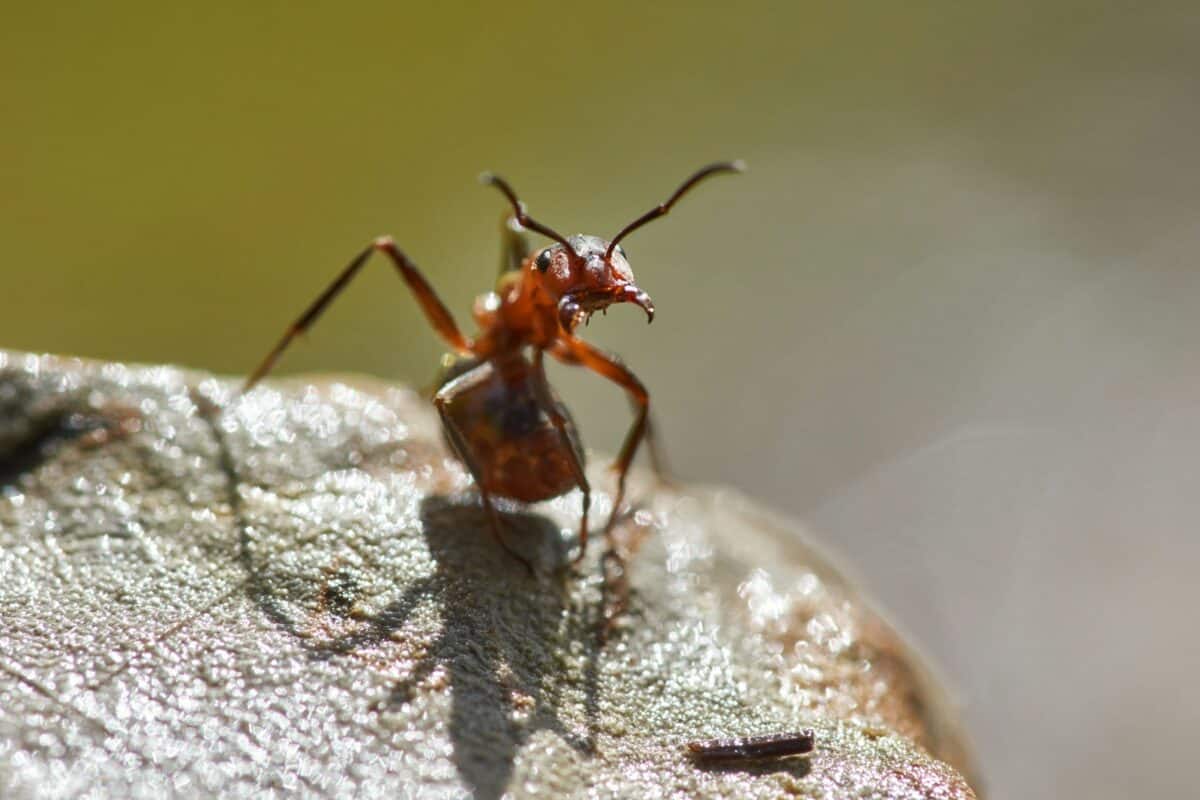
Ants are among the most common household pests that can transform the serene comfort of your home into a battleground. With thousands of species worldwide, only a few are notorious for their invasive behaviors, particularly in the United States. This article delves into the world of these indomitable invaders, highlighting why they are so challenging to control and what measures you can take to keep your home ant-free.
The Resilient Argentine Ant
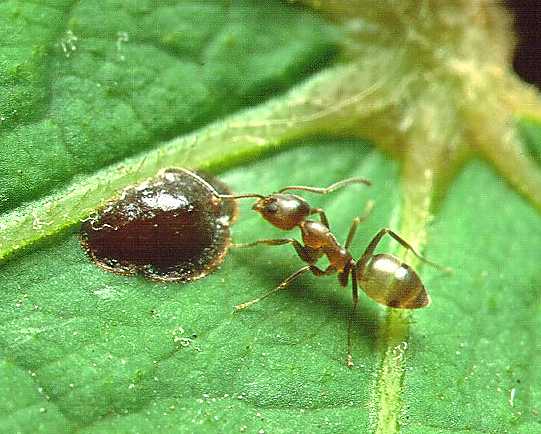
The Argentine ant, small yet mighty, has made a name for itself in various states across America. Originally from South America, this species has a vast, interconnected colony system, making them extremely efficient at taking over new areas. They are adaptable, survive in multiple environments, and their colonies can grow to immense sizes, outcompeting local ant populations.
The Resourceful Odorous House Ant
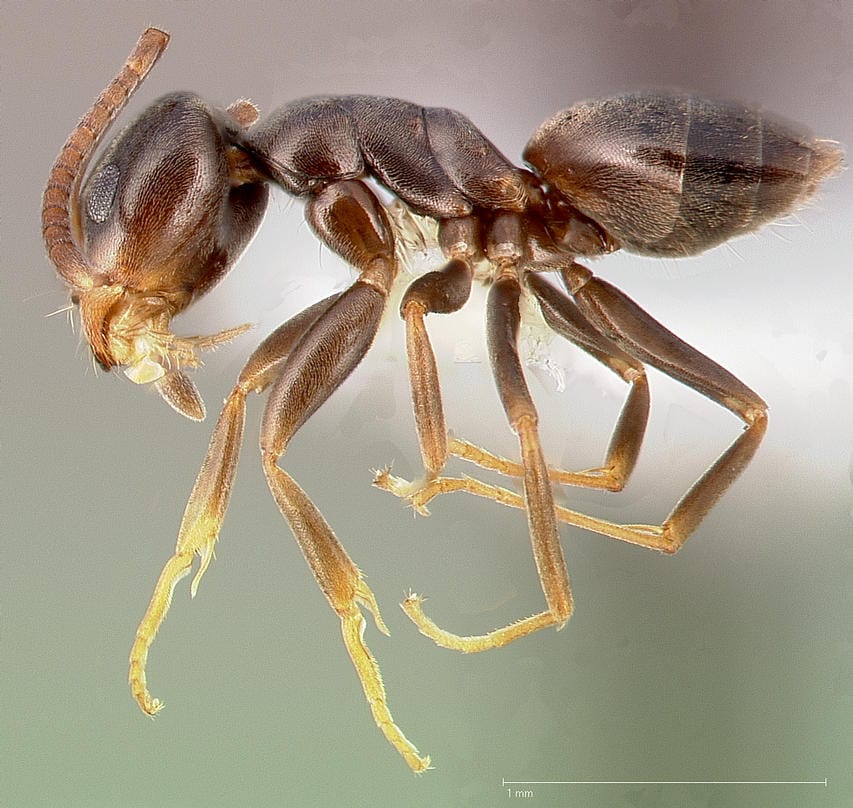
Known for the distinctive ‘rotten coconut’ smell it emits when crushed, the odorous house ant is highly adaptive and can be found in homes throughout the United States. Their ability to nest indoors and out, as well as their preference for sweet foods, leads them to kitchens and pantries, making them a persistent household pest.
The Aggressive Red Imported Fire Ant
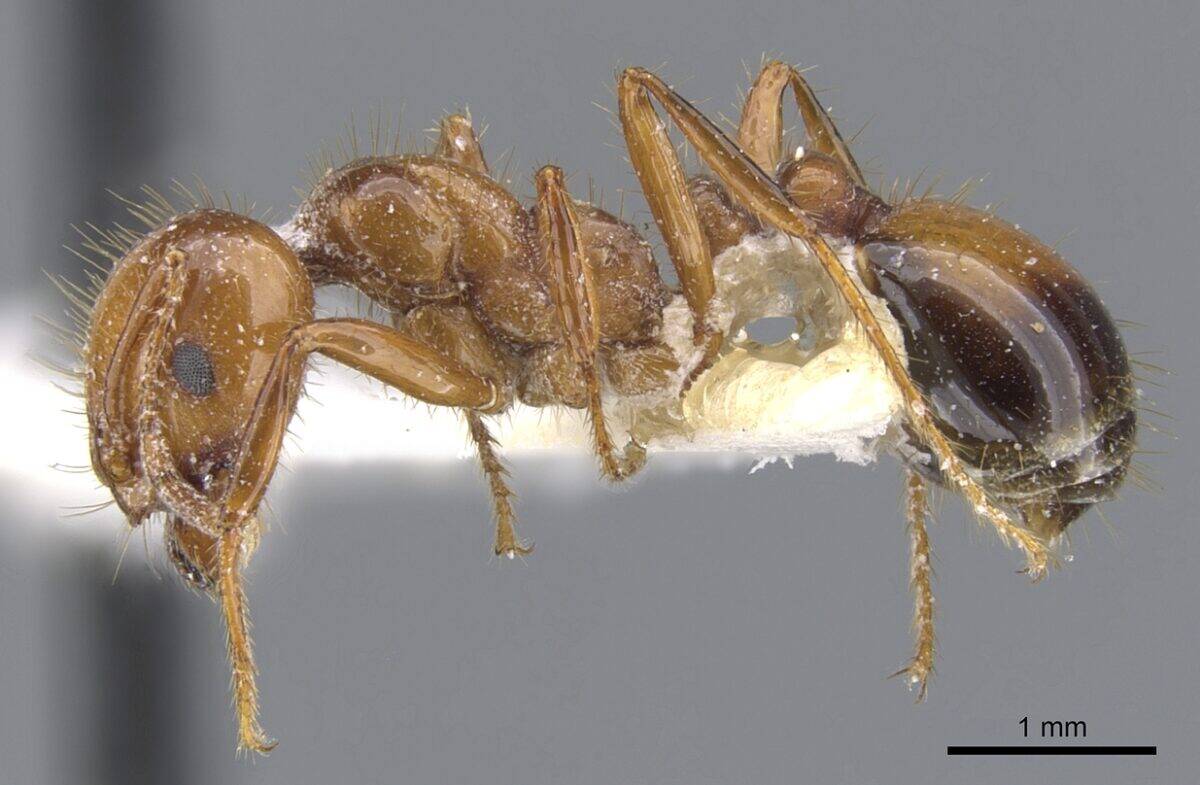
Originating from South America, the red imported fire ant is particularly notorious for its aggressive behavior and painful sting. These ants are not merely a nuisance but also pose a public health threat due to their tendency to swarm and sting in large numbers if their nests are disturbed.
The Stealthy Carpenter Ant

Unlike termites, carpenter ants do not eat wood, but they excavate it to create space for their colonies. Large and typically black or red, these ants can go unnoticed until they have caused significant structural damage to your home, making them a formidable adversary in the realm of household pests.
The Jet-Setting Pharoah Ant
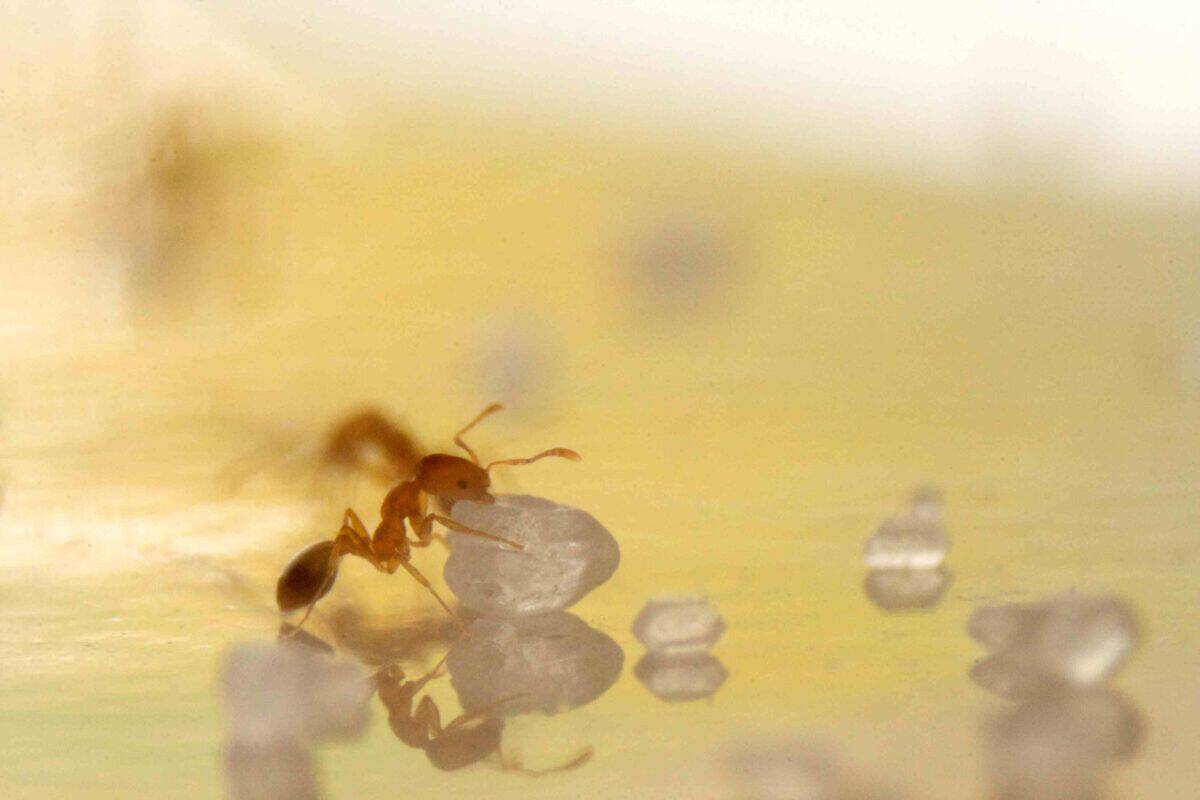
Pharaoh ants are tiny but notorious for their ability to infiltrate hospitals and homes alike. They carry harmful pathogens, making them not just a nuisance but a health hazard. Their ability to break up into smaller colonies when threatened, known as ‘budding,’ makes them exceptionally difficult to eradicate.
The Adaptable Pavement Ant
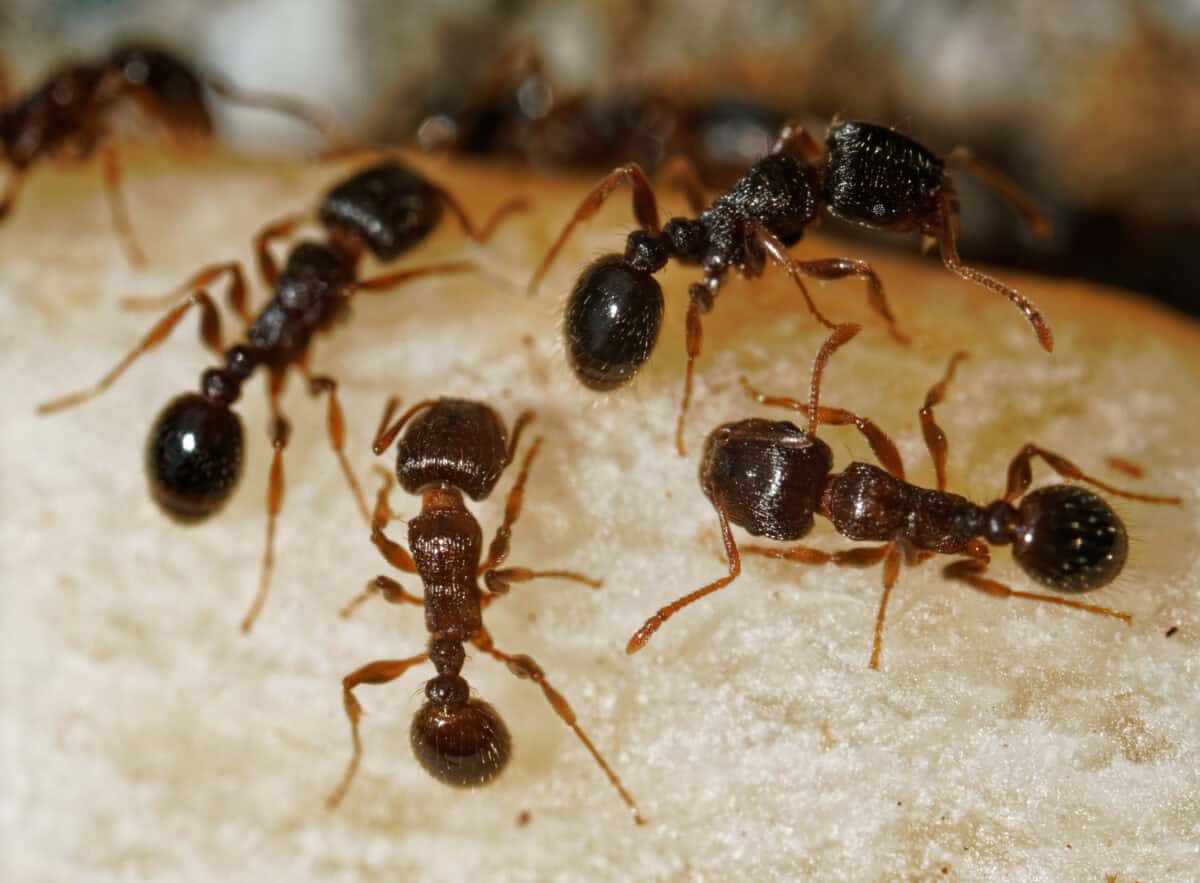
Common in urban areas, pavement ants often build their nests in pavement cracks and foundations. Though not aggressive, their sheer numbers can lead to infestation if left unchecked. They enter homes in search of food, preferring greasy and sweet substances, often raiding kitchens and pantries.
The Elusive Crazy Ant
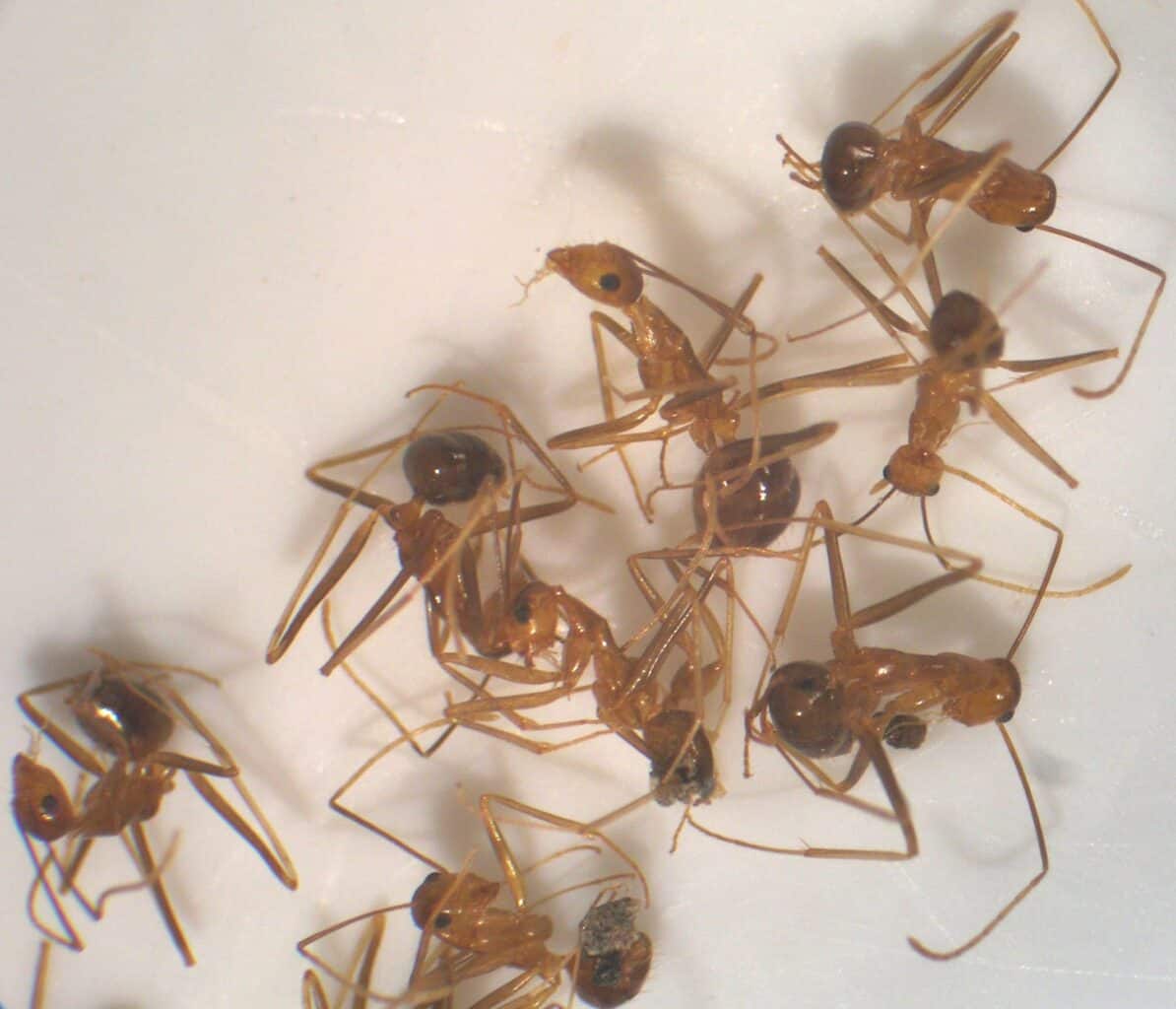
Crazy ants are aptly named for their erratic, unpredictable movement patterns. They are known to invade electronics, causing damage by short-circuiting devices. Resistant to standard insecticides, they often require specialized treatment to manage infestations effectively.
The Prolific Little Black Ant

As their name suggests, little black ants are small, yet they often invade homes in large numbers. Unlike other ants, they are not as picky about their nesting sites, which can range from rotting wood to the soil in yards, making them constant visitors to residential areas.
The Voracious Big-Headed Ant
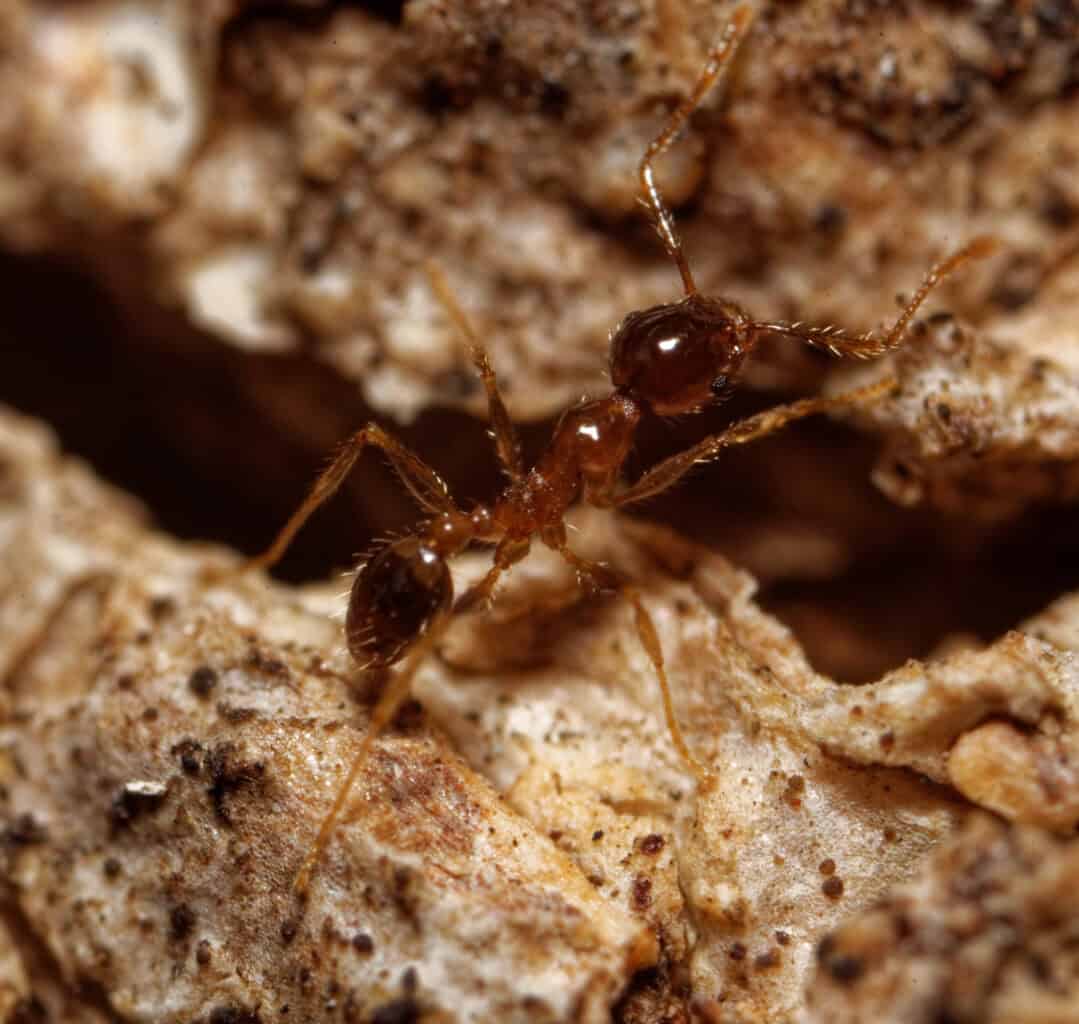
Characterized by their disproportionately large heads, big-headed ants are known for their voracious appetite for protein. They are often found in agricultural areas but can invade homes if natural food sources deplete, making them a less common but still notable threat.
The Persistent Rover Ant
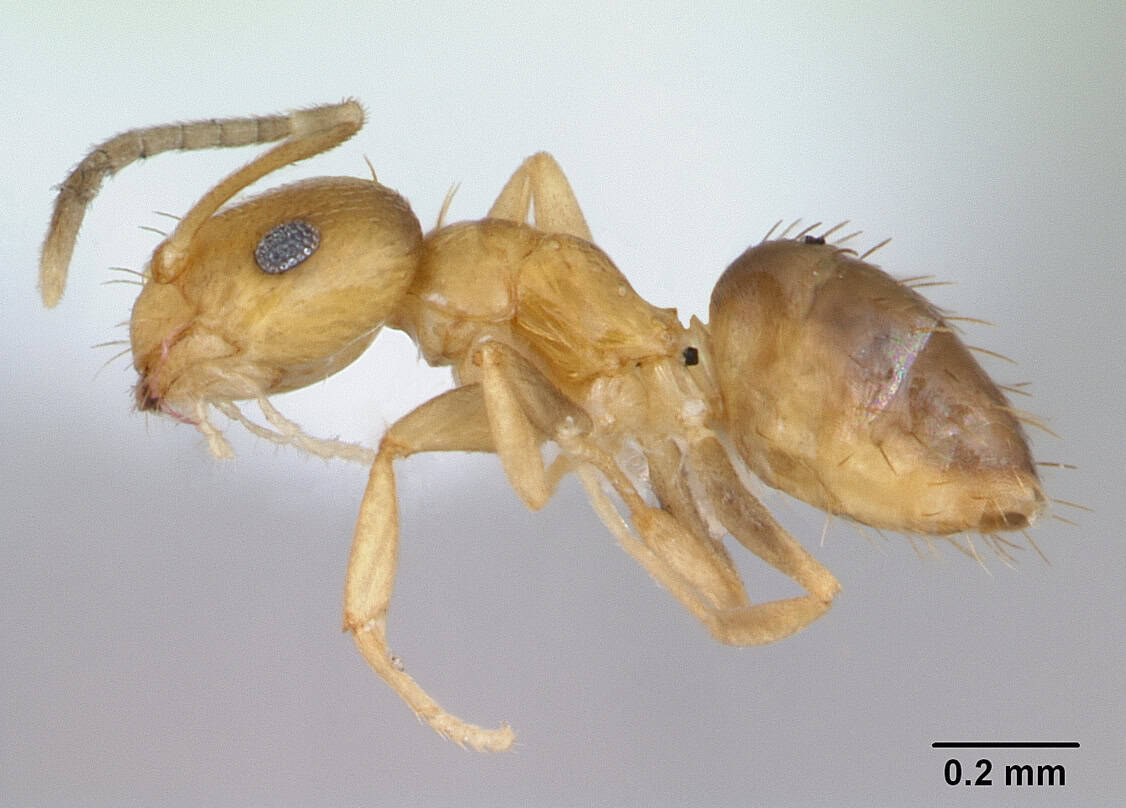
Rover ants, small and dark-colored, are often encountered indoors, particularly in the southern United States. They are nocturnal scavengers that prefer sweet foods, and their colonies can be challenging to trace, contributing to their persistence.
The Industrious Acrobat Ant
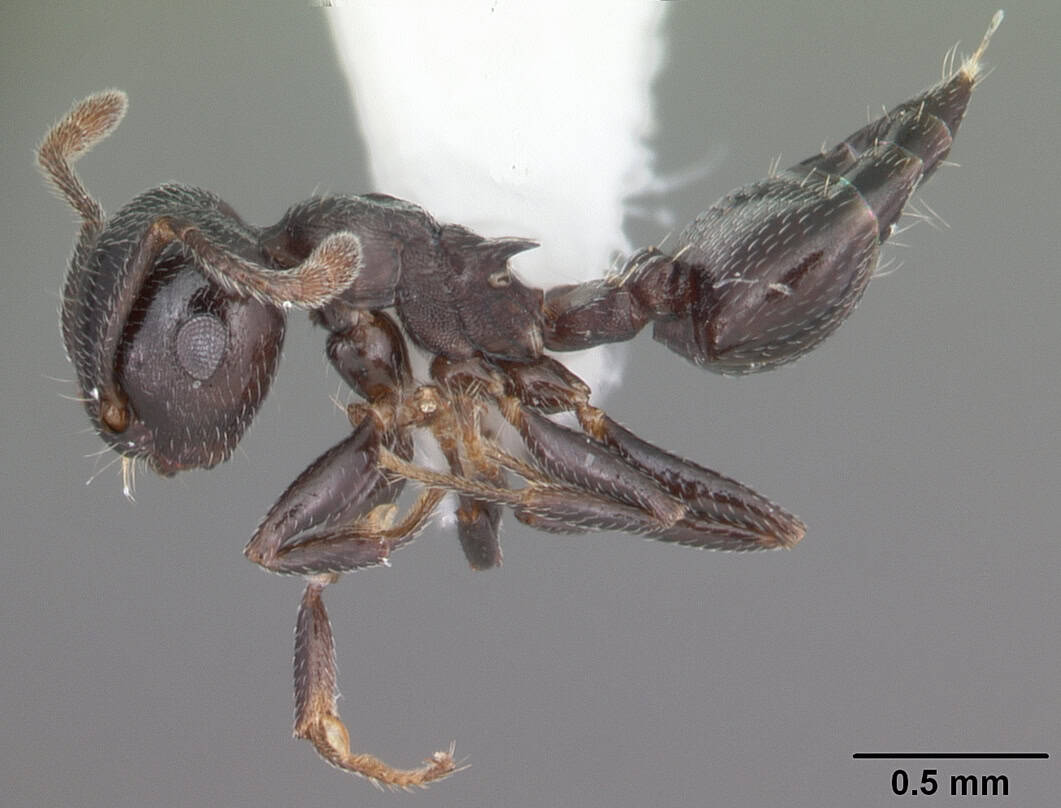
Named for their acrobat-like ability to lift their abdomens over their thoraxes, acrobat ants are often found nesting in decaying wood. They are recognized by their heart-shaped body and can become a nuisance when they forage within homes, often in search of sweets and proteins.
The Management and Prevention of Ant Infestations

Preventing ant infestations begins with good sanitation practices; keep your home, especially kitchen areas, clean and free of food debris. Sealing entry points and using natural deterrents can help keep ants at bay. However, severe infestations may require professional pest control measures tailored to the specific species involved.
Ants, despite their small size, present a significant challenge due to their numbers, adaptability, and the complexity of their colonies. By understanding these various ant species and their behaviors, homeowners can better prevent and manage infestations, ensuring a pest-free environment.

- The Largest Python Ever Captured in Florida’s Everglades - July 21, 2026
- How Crickets Chirp Using Their Wings - July 20, 2026
- The Largest Sea Turtle Ever Rescued Off North Carolina - July 20, 2026