

From the rugged coasts of Maine to the tropical shores of Hawaii, the United States encompasses an incredible diversity of ecosystems, each home to unique and sometimes dangerous wildlife. While we often associate venomous creatures with exotic locations, America’s own backyard harbors a remarkable collection of animals equipped with potent toxins. Each state across the nation has its own “champion” when it comes to venomous capacity – creatures that have evolved sophisticated biological weapons for hunting or defense.
This comprehensive guide explores the most venomous animal in each of the 50 states, offering insights into their biology, the potency of their venom, habitat preferences, and what to do if you encounter them. Whether you’re planning an outdoor adventure, curious about local wildlife, or simply fascinated by nature’s more dangerous creations, understanding these creatures is essential for both appreciation and safety. Join us on this coast-to-coast journey through America’s most formidable venomous residents.
The Venomous Northeast: From Timber Rattlers to Northern Black Widows

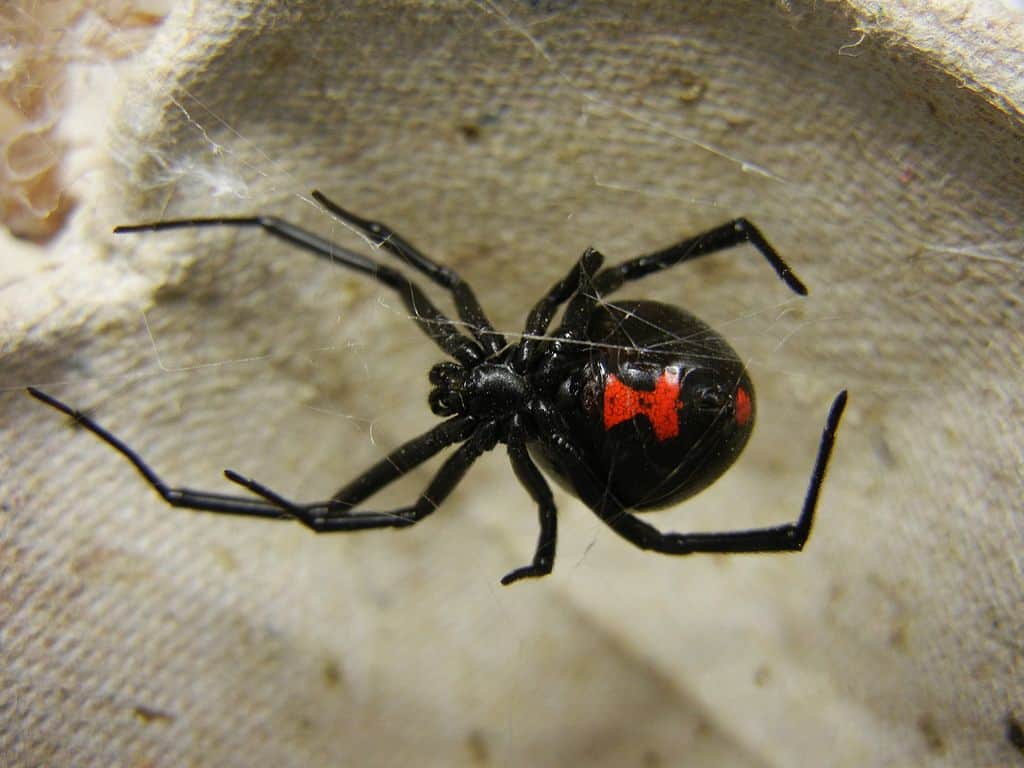
The Northeast region of the United States presents a fascinating study in venomous wildlife adaptation to cooler climates. In Maine, New Hampshire, and Vermont, the timber rattlesnake (Crotalus horridus) reigns as the most venomous species, though its populations have declined significantly due to human encroachment and historical persecution. These rattlesnakes possess hemotoxic venom that destroys tissue and prevents blood clotting, making them potentially deadly despite their generally shy nature. In Maine, the timber rattlesnake is actually believed to be extirpated (locally extinct), making the northern black widow spider the state’s de facto most venomous resident.
Massachusetts, Connecticut, and Rhode Island share the northern copperhead (Agkistrodon contortrix mokasen) as their most venomous inhabitant. While their venom is less potent than rattlesnakes, copperheads are responsible for more bites annually due to their excellent camouflage and tendency to freeze rather than flee when threatened. New York and New Jersey host robust populations of both timber rattlesnakes and northern copperheads, but the eastern massasauga rattlesnake (Sistrurus catenatus) in western New York presents perhaps the most dangerous envenomation risk in the region, with a more potent cytotoxic venom that causes severe tissue damage.
Mid-Atlantic Menaces: Copperheads, Cottonmouths, and Brown Recluses
The Mid-Atlantic states host an array of venomous species adapted to the region’s varied landscapes from coastal plains to mountain highlands. Pennsylvania and Maryland share the copperhead as their most venomous resident, with these ambush predators perfectly camouflaged among the forest floor’s fallen leaves. Virginia and West Virginia present a dangerous duo – the eastern diamondback rattlesnake (Crotalus adamanteus) along coastal regions and timber rattlesnakes in the mountainous areas. The eastern diamondback delivers larger venom loads than any other North American snake, making it particularly dangerous.
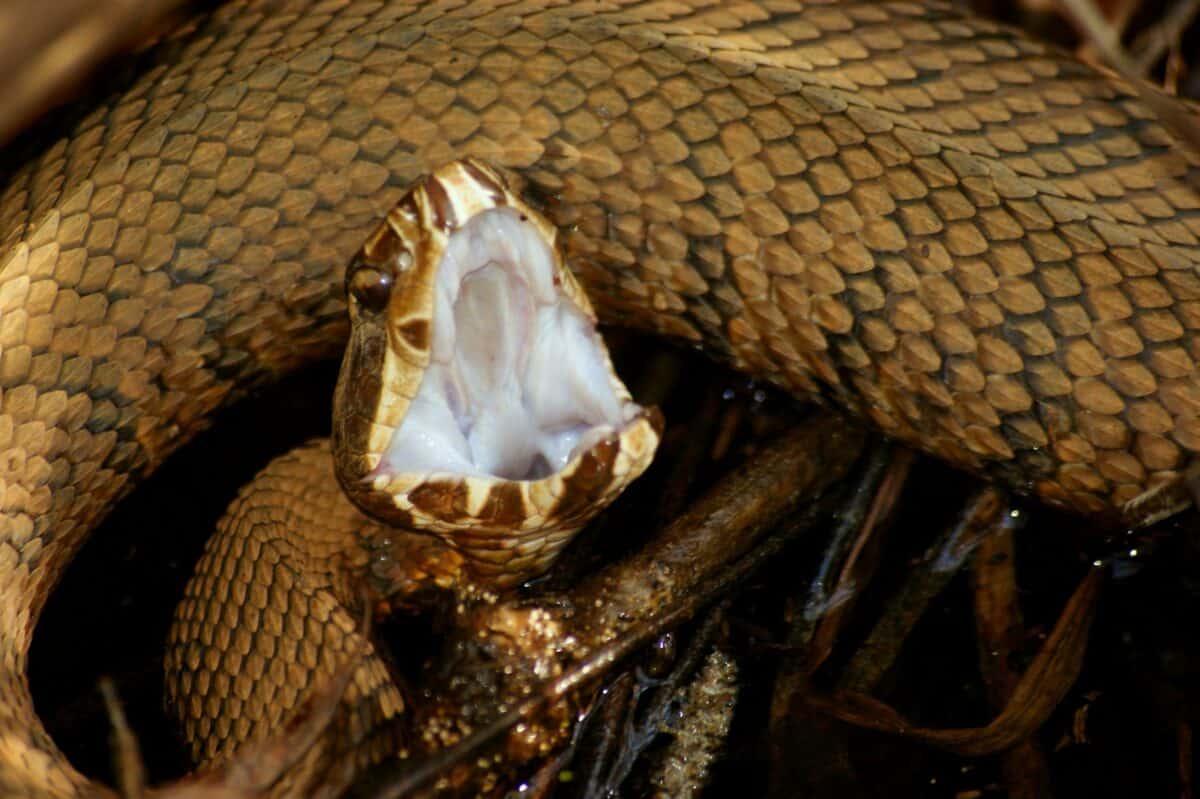
In North Carolina, South Carolina, and Delaware, the eastern coral snake (Micrurus fulvius) takes the title with its potent neurotoxic venom that attacks the nervous system. Despite being smaller and less aggressive than rattlesnakes, coral snakes possess venom that, drop for drop, is more potent than that of a rattlesnake. The bright coloration of red, yellow, and black bands serves as a warning to potential predators. The Carolinas also host significant populations of cottonmouths (Agkistrodon piscivorus), semi-aquatic pit vipers whose defensive displays include showing the white lining of their mouths – a behavior that earned them their common name and serves as a clear warning to maintain distance.
Southern Serpents: America’s Snake Belt
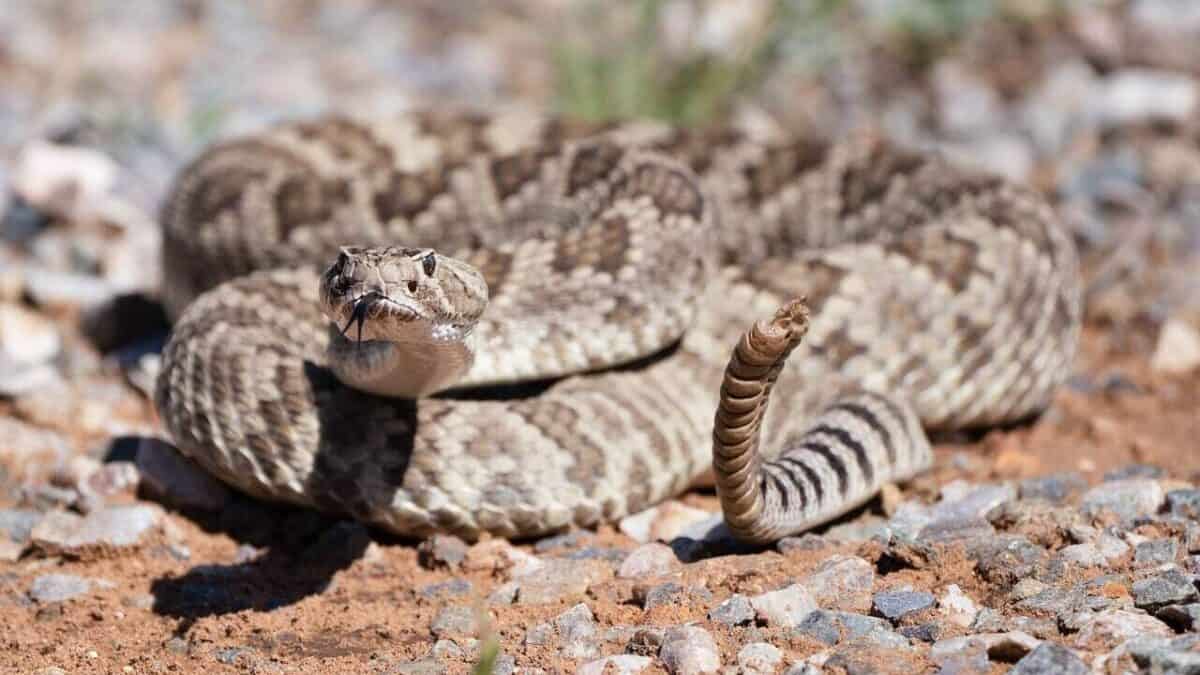
The southeastern United States is widely recognized as the epicenter of venomous snake diversity in North America. Florida stands out with the eastern diamondback rattlesnake as its most dangerous resident, capable of delivering massive amounts of tissue-destroying venom. These impressive reptiles can grow to over 7 feet long and weigh up to 10 pounds, making them the largest venomous snakes in North America. Their distinctive diamond pattern provides excellent camouflage in the palmetto scrub and pine forests they inhabit.
Georgia, Alabama, and Mississippi share the eastern diamondback as their most venomous species, though cottonmouths present a close second, particularly in the numerous waterways that characterize these states. Louisiana and eastern Texas host the Texas coral snake (Micrurus tener), a close relative of the eastern coral snake with similarly potent neurotoxic venom. These slender, brightly colored snakes are often confused with non-venomous mimics like the scarlet kingsnake, leading to the rhyme “red touch yellow, kill a fellow; red touch black, venom lack” – though experts caution against relying solely on color patterns for identification in potentially dangerous encounters.
The Venomous Southwest: Deserts and Deadly Arachnids

The arid landscapes of the American Southwest host some of the nation’s most iconic venomous creatures. Arizona is home to the Mojave rattlesnake (Crotalus scutulatus), often considered North America’s most dangerous snake due to its unique venom that combines both hemotoxic and neurotoxic properties. This “two-phase” venom attacks both tissue and the nervous system, potentially causing respiratory failure in addition to severe tissue damage. Arizona also hosts the infamous Arizona bark scorpion (Centruroides sculpturatus), the most venomous scorpion in North America, whose sting can cause extreme pain, numbness, and in rare cases, respiratory complications.
New Mexico shares the Mojave rattlesnake as its most venomous resident, while western Texas features the western diamondback rattlesnake (Crotalus atrox) as its most dangerous venomous animal. These adaptable pit vipers can be found across diverse habitats from desert floors to rocky hillsides. Nevada and Utah present interesting cases where the most dangerous venomous animals are actually arachnids rather than reptiles. The desert hairy scorpion (Hadrurus arizonensis) in Nevada and the desert recluse spider (Loxosceles deserta) in Utah represent the most venomous creatures in their respective states, though neither typically delivers life-threatening venom unless the victim has specific sensitivities or fails to seek appropriate medical care.
Rocky Mountain Venomous Species: Adapting to Elevation

The Rocky Mountain states present unique challenges for venomous animals due to the extreme elevation changes and harsh winter conditions. Colorado’s most venomous resident is the western massasauga rattlesnake (Sistrurus tergeminus), a smaller rattlesnake species that still packs a powerful cytotoxic venom. These snakes are primarily found in the eastern plains rather than the high mountains, as few venomous snakes can survive at elevations above 8,000 feet. Wyoming shares this distinction with the prairie rattlesnake (Crotalus viridis) claiming the title in this mountainous state, typically found at lower elevations in grassland and shrubland habitats.
Montana’s venomous champion is also the prairie rattlesnake, which has adapted to survive the state’s cold winters by hibernating in communal dens called hibernacula, sometimes containing hundreds of snakes. Idaho presents an interesting case with the western rattlesnake (Crotalus oreganus) as its most venomous animal. These adaptable pit vipers can be found from sagebrush deserts to mountain foothills below 8,000 feet. In all these states, rattlesnakes have evolved specialized physiology allowing them to survive long winters in a dormant state, emerging in spring to bask, feed, and reproduce during the brief warm season – a remarkable adaptation to some of America’s most challenging environments.
Pacific Northwest: Limited but Lethal

The cool, moist climate of the Pacific Northwest limits the diversity of venomous animals, but those that do thrive can be surprisingly dangerous. Washington and Oregon share the western rattlesnake (Crotalus oreganus) as their most venomous resident, though these snakes are primarily found east of the Cascade Mountains in drier habitats. These rattlesnakes have adapted to the region’s more moderate climate, with behavioral adjustments including shorter hibernation periods than their Rocky Mountain relatives. While their venom is primarily hemotoxic, it can cause significant tissue damage and, in rare cases, systemic effects if treatment is delayed.
Northern California hosts the northern Pacific rattlesnake (Crotalus oreganus oreganus), while southern California is home to several highly venomous species including the Mojave rattlesnake, southern Pacific rattlesnake, and the red diamond rattlesnake. However, the most dangerous venomous animal in California may actually be the yellow-bellied sea snake (Hydrophis platurus), whose neurotoxic venom is adapted for quickly immobilizing fish prey. Though rare along California’s coast, these true sea snakes occasionally appear during El Niño warming events. Their venom is potentially lethal to humans, though bites are exceedingly rare as they spend nearly their entire lives in open ocean waters, only occasionally washing ashore during storms or when sick.
Midwest Venomous Species: Prairie Predators

The vast grasslands and deciduous forests of the Midwest host a surprising diversity of venomous creatures. In North Dakota and South Dakota, the prairie rattlesnake (Crotalus viridis) claims the title of most venomous resident. These well-adapted serpents thrive in the region’s grasslands and badlands, using their heat-sensing pits to locate rodent prey even in complete darkness. Nebraska and Kansas share this distinction, with prairie rattlesnakes widespread across both states, particularly in less developed western regions where intact grassland ecosystems persist. These rattlesnakes deliver a potent hemotoxic venom that helps them subdue prey and begin the digestive process before consumption.
Moving eastward, Missouri hosts the timber rattlesnake as its most venomous animal, while Iowa presents an interesting case where the massasauga rattlesnake, once common, has become extremely rare. This has effectively made the timber rattlesnake Iowa’s most venomous resident by default. In the agricultural heartland states of Illinois, Indiana, and Ohio, the eastern massasauga rattlesnake historically held the title of most venomous species, though habitat loss has dramatically reduced their populations. Michigan’s most venomous animal is also the eastern massasauga, the state’s only venomous snake, which has adapted to the northern climate by hibernating in crayfish burrows below the frost line during the harsh winters.
Upper Midwest and Great Lakes: Rattlers and Recluses
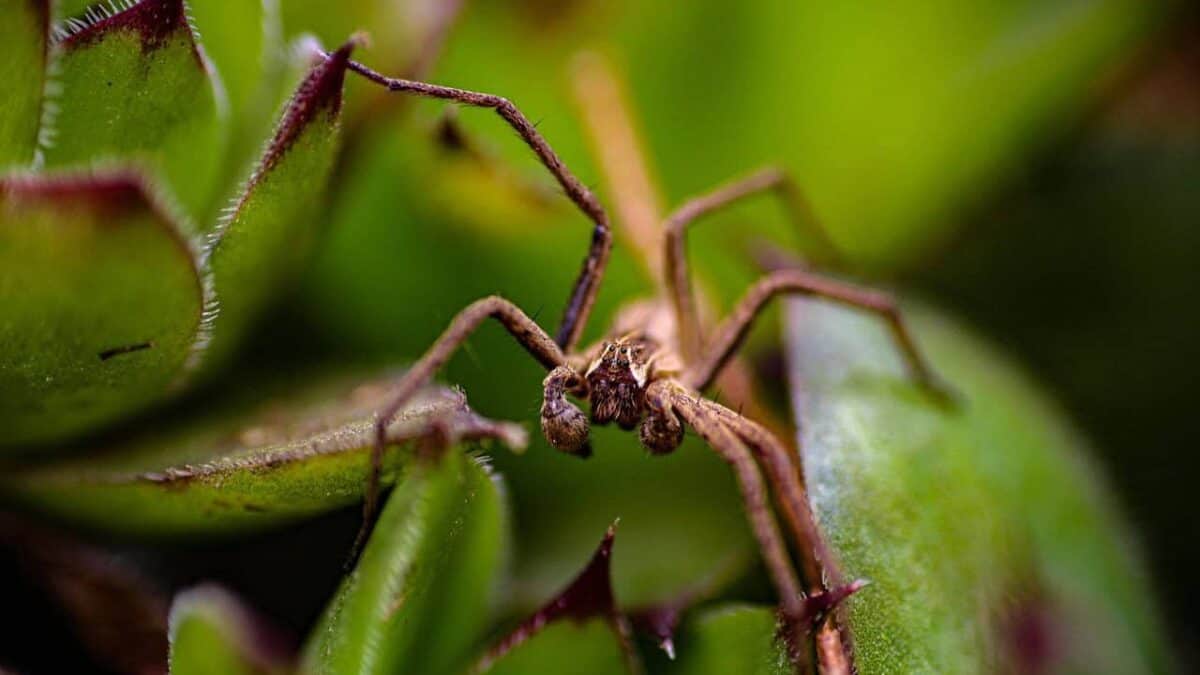
The Upper Midwest presents an interesting transition zone where venomous reptiles reach the northern limits of their range due to harsh winter conditions. Wisconsin’s most venomous animal is the timber rattlesnake, found primarily in the less developed southwestern portion of the state along the Mississippi River bluffs. These snakes are specially protected in Wisconsin due to their declining populations and ecological importance. Minnesota hosts the timber rattlesnake in its southeastern corner, but the state’s overall most venomous animal may actually be the brown recluse spider (Loxosceles reclusa), though these spiders are not native and are only occasionally found as accidental imports.
The states bordering the Great Lakes demonstrate how climate creates natural boundaries for venomous species. In the northern reaches of Minnesota, Wisconsin, and Michigan, venomous reptiles are rare to absent due to the extremely cold winters. This pattern continues across the northern tier of states, explaining why certain states have relatively few dangerously venomous species compared to their southern counterparts. The brown recluse spider has expanded its range northward in recent decades, potentially due to climate change and human-facilitated transport, making these spiders an emerging concern in regions where they were historically absent. Their cytotoxic venom can cause significant tissue damage through a process called necrosis, though fatalities are exceedingly rare.
Alaska: The Exception to the Rule
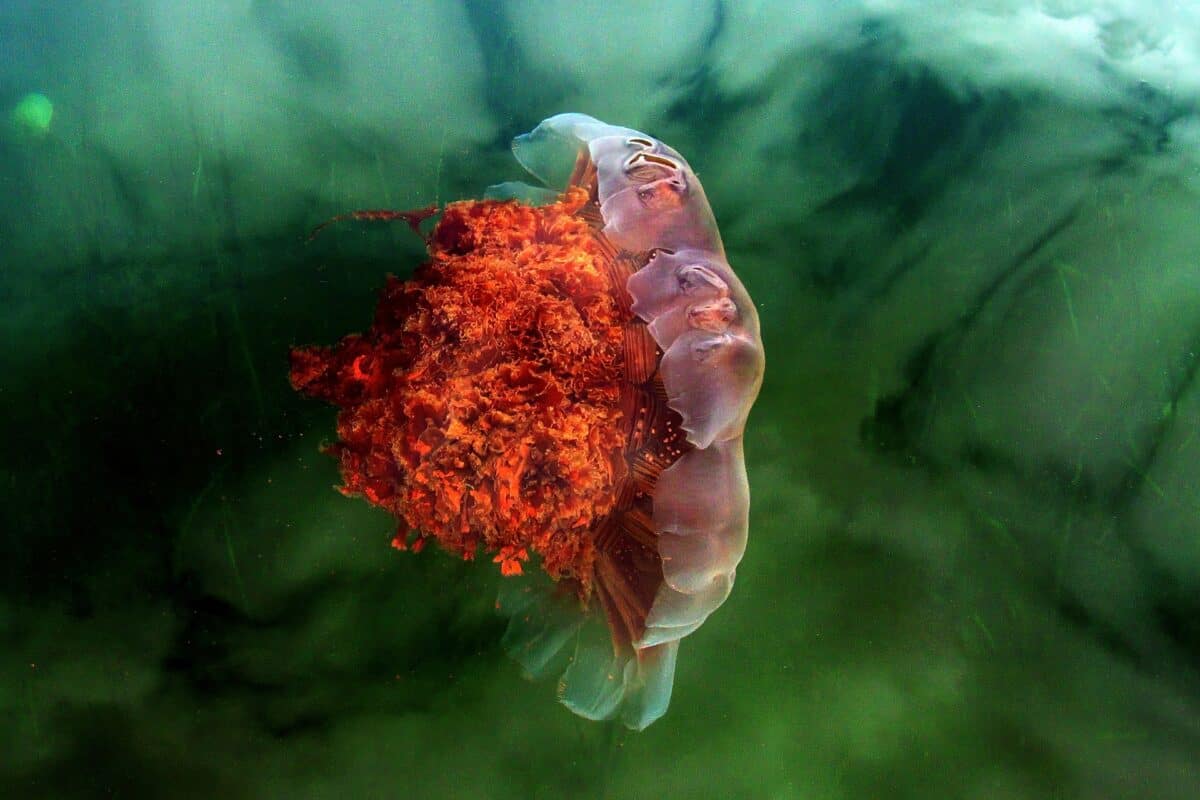
Alaska stands as the only state in the U.S. with no native venomous land animals – no venomous snakes, lizards, or even venomous spiders that can cause medically significant bites. The extreme cold climate has effectively created a natural barrier preventing the establishment of most venomous species. However, this doesn’t mean Alaska’s waters are equally free from venom. The state’s marine environments host several venomous creatures, with the most dangerous being certain jellyfish species, particularly the lion’s mane jellyfish (Cyanea capillata), which can reach enormous sizes in Alaskan waters.
These massive jellyfish, sometimes with bells exceeding 6 feet in diameter and tentacles stretching over 100 feet, possess thousands of stinging cells (nematocysts) that inject venom into anything they contact. While rarely lethal to humans, their stings can cause intense pain, respiratory difficulty, muscle cramps, and in extreme cases, anaphylactic reactions in sensitive individuals. Alaska also hosts the metridium anemone, whose mild venom causes stinging sensations to humans, and various other cnidarians with venom adapted primarily for subduing small marine prey rather than defense against larger animals. This unique situation makes Alaska the only state where the most venomous animal is aquatic rather than terrestrial – a fascinating exception to the patterns seen throughout the rest of the United States.
Hawaii: Tropical Dangers in Paradise

Hawaii’s isolated location in the Pacific has created a unique ecological situation where the islands historically had no native terrestrial venomous animals. However, human introduction and ocean currents have brought several dangerous species to the tropical paradise. The most venomous animal in Hawaii is indisputably the box jellyfish (Alatina alata and related species), whose powerful venom can cause Irukandji syndrome – a condition characterized by severe pain, nausea, vomiting, and in extreme cases, cardiovascular problems. These nearly transparent cnidarians appear in Hawaiian waters approximately 8 to 10 days after a full moon, leading to beach closures and warnings for visitors.
Hawaii’s marine environments also host other venomous dangers including the blue-ringed octopus (occasionally found though not established), stonefish, scorpionfish, and several species of venomous cone snails whose sophisticated venom delivery systems can inject powerful neurotoxins. On land, the brown violin spider (a relative of the brown recluse) has established populations, along with the yellow-faced hornet, centipedes, and the southern black widow spider – all introduced species. The yellow-faced hornet (Vespula pensylvanica) deserves special mention as its powerful venom and aggressive colonial defense make it responsible for more emergency room visits than any other venomous animal in Hawaii, highlighting how introduced species can become significant public health concerns in island ecosystems.
Safety and First Aid: What to Do in Case of Envenomation
Understanding proper first aid procedures for venomous animal encounters can make the critical difference between a medical emergency and a manageable situation. For snakebites, the modern protocol has changed significantly from historical recommendations. The current medical consensus advises victims to remain calm, remove jewelry or tight clothing near the bite site, keep the affected limb immobilized and positioned at or below heart level, and seek immediate medical attention. Contrary to popular portrayal in films, do NOT attempt to cut the wound, suck out venom, apply ice, or use a tourniquet – these actions can worsen outcomes by increasing tissue damage or restricting blood flow.
For spider bites, particularly from black widows or brown recluses, clean the site with soap and water, apply a cold compress to reduce pain and swelling, and seek medical attention, especially if systemic symptoms develop. Scorpion stings should be treated similarly, with particular urgency for children stung by bark scorpions. For marine envenomations like jellyfish stings, rinse the area with vinegar (not fresh water, which can trigger unfired nematocysts), carefully remove any remaining tentacles with tweezers, and apply heat rather than cold to neutralize the protein-based toxins. The universal emergency response remains the same across all venomous encounters: call 911 or your local emergency number immediately for severe reactions, difficulty breathing, severe pain, or bites from

- The Glasswing Butterfly: Nature’s Invisible Beauty - July 21, 2026
- What Happens If a Whale Dies in the Ocean? - July 21, 2026
- Why You Should Stop Feeding Ducks at the Park - July 21, 2026