

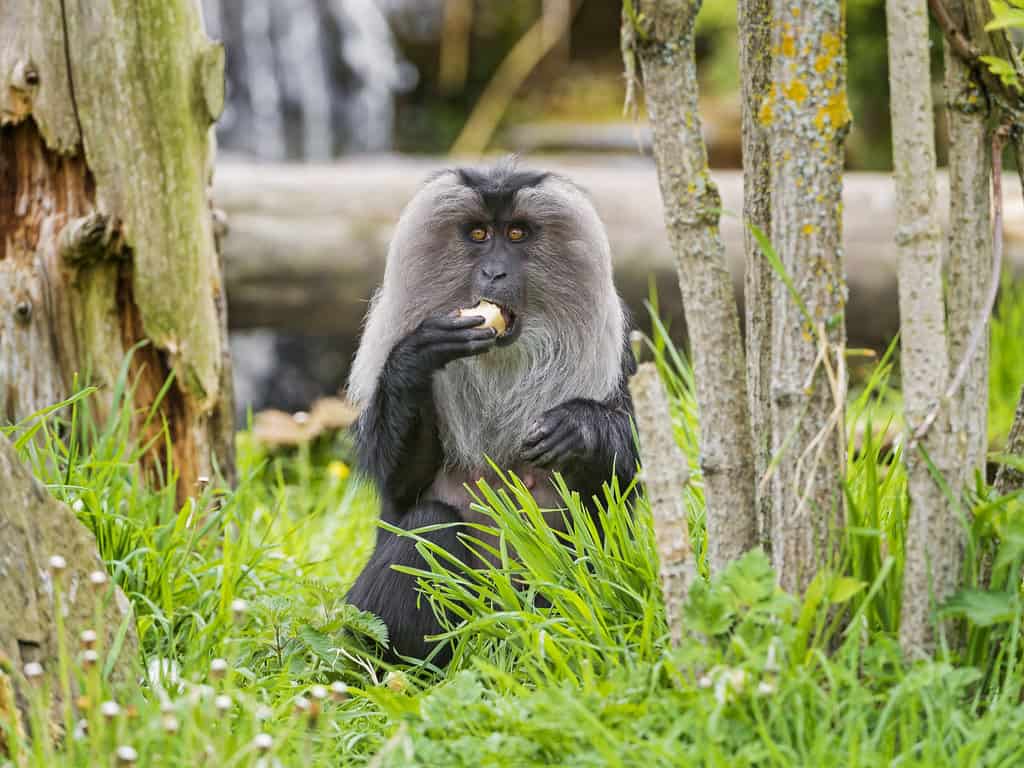
In the dynamic theater of nature, wild animals are continually adapting their dietary habits to survive in changing environments. While we often picture predators hunting their natural prey or herbivores grazing on native plants, the reality of wildlife diets in the modern world has become increasingly complex and surprising. Human influence—through habitat alteration, food availability, and climate change—has pushed many species to develop unexpected culinary preferences that would astonish even the most seasoned wildlife biologists. From urban raccoons mastering the art of pizza consumption to elephants developing tastes for fermented fruits, wild animals are proving remarkably adaptable in their gastronomic adventures. This article explores some of the most fascinating and unexpected dietary adaptations observed in wild animals around the world, highlighting both the remarkable resilience of wildlife and the profound impact of human activity on natural feeding behaviors.
Human Food Waste Specialists: Urban Raccoons
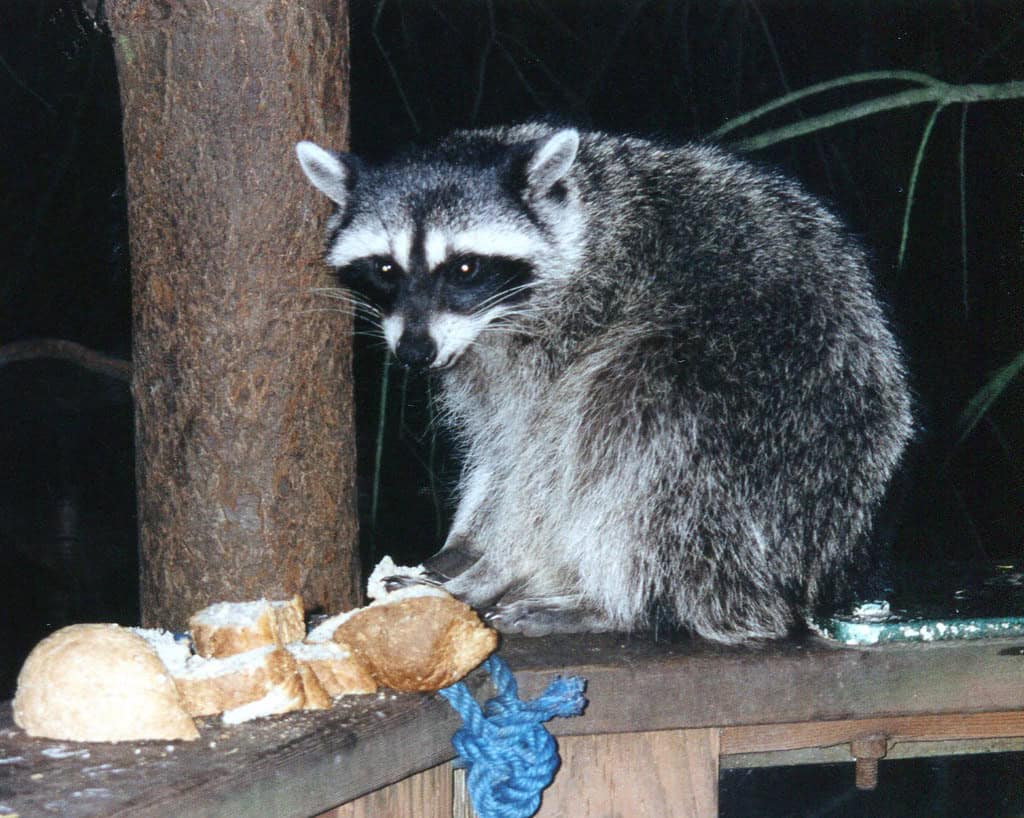
Raccoons have earned their reputation as nature’s consummate opportunists, particularly in urban environments where they’ve become skilled dumpster divers. These intelligent mammals have developed specialized techniques for opening garbage cans, food containers, and even complex packaging. Studies conducted in urban areas have documented raccoons consuming everything from pizza and hamburgers to ice cream and candy—items completely absent from their natural woodland diet of insects, nuts, fruits, and small vertebrates. More remarkable is how these animals have adapted physiologically, with urban raccoons showing higher tolerance for processed foods high in sugars and fats. Some populations have even developed distinct feeding patterns around human schedules, knowing precisely when restaurants discard food or when residential garbage collection occurs. This adaptation highlights not just their intelligence but also their digestive flexibility, though wildlife biologists note these unnatural diets often lead to obesity and dental problems in urban raccoon populations.
Marine Mammals and Fishing Gear: Orcas Learning Theft

One of the most sophisticated examples of dietary adaptation comes from orcas (killer whales) in certain regions who have learned to take fish directly from fishing lines and nets—a behavior known as depredation. In waters near Alaska, New Zealand, and particularly around the Crozet Islands in the southern Indian Ocean, pods of orcas have developed specialized techniques to steal catches from longline fishing operations. Research published in the journal Marine Mammal Science documented how these intelligent cetaceans wait until fishermen begin hauling in their lines, then move in to remove valuable fish like Patagonian toothfish (marketed as Chilean sea bass) with surgical precision. This learned behavior, which spreads through cultural transmission within pods, represents a dramatic shift from their traditional hunting techniques. The phenomenon has become so widespread in some areas that fishing operations lose up to 30% of their catch, forcing fishing fleets to adapt their methods. This example shows how human fishing activities have inadvertently created a new food source that wild orcas have quickly learned to exploit, demonstrating remarkable behavioral plasticity.
The Alcoholic Appetites of Elephants

African elephants have developed a surprising affinity for alcoholic beverages, particularly fermented fruits and the potent marula fruit. This large yellow fruit, about the size of a small grapefruit, naturally ferments after falling from trees, creating a mildly alcoholic substance. Elephants have been observed seeking out these fallen fruits, sometimes traveling significant distances to marula groves during fruiting season. While the popular image of “drunk elephants” has been somewhat exaggerated in folklore and media, scientific observations confirm that elephants do show preference for fermented fruits and can consume enough to exhibit signs of mild intoxication. Elephants in Zimbabwe and South Africa have also been documented breaking into grain stores used to make traditional beers, suggesting they may be attracted to the smell of fermentation. The elephants’ large body size means they can metabolize alcohol more efficiently than smaller animals, allowing them to consume these fermented foods without serious impairment. This dietary preference represents an interesting intersection between natural feeding behaviors and a learned taste for substances that would typically be avoided by most wild animals.
Bears and Processed Foods: A Dangerous Development

Bears across North America have demonstrated remarkable adaptability in incorporating human foods into their diets, often with problematic consequences. Black bears, grizzlies, and brown bears have all developed strong attractions to calorie-dense processed foods they encounter at campgrounds, in trash cans, and around human settlements. Wildlife management data shows that bears can quickly become habituated to these food sources, with some individuals obtaining up to 30% of their annual caloric intake from human sources. Perhaps most concerning is how dramatically this changes their natural behavior—bears with regular access to human foods often stop hibernating properly, as the constant availability of high-calorie foods eliminates the need to build up fat reserves and sleep through winter scarcity. In Yosemite National Park, bears have been documented breaking into over 400 cars annually in search of food, demonstrating remarkable problem-solving skills including the ability to recognize coolers through car windows. The physiological impact is equally striking, with “garbage bears” often developing dental problems, obesity, and shortened lifespans. This adaptation represents one of the more problematic examples of dietary flexibility, creating dangerous human-wildlife conflicts that frequently end poorly for the bears.
Crocodiles Feasting on Feral Pigs
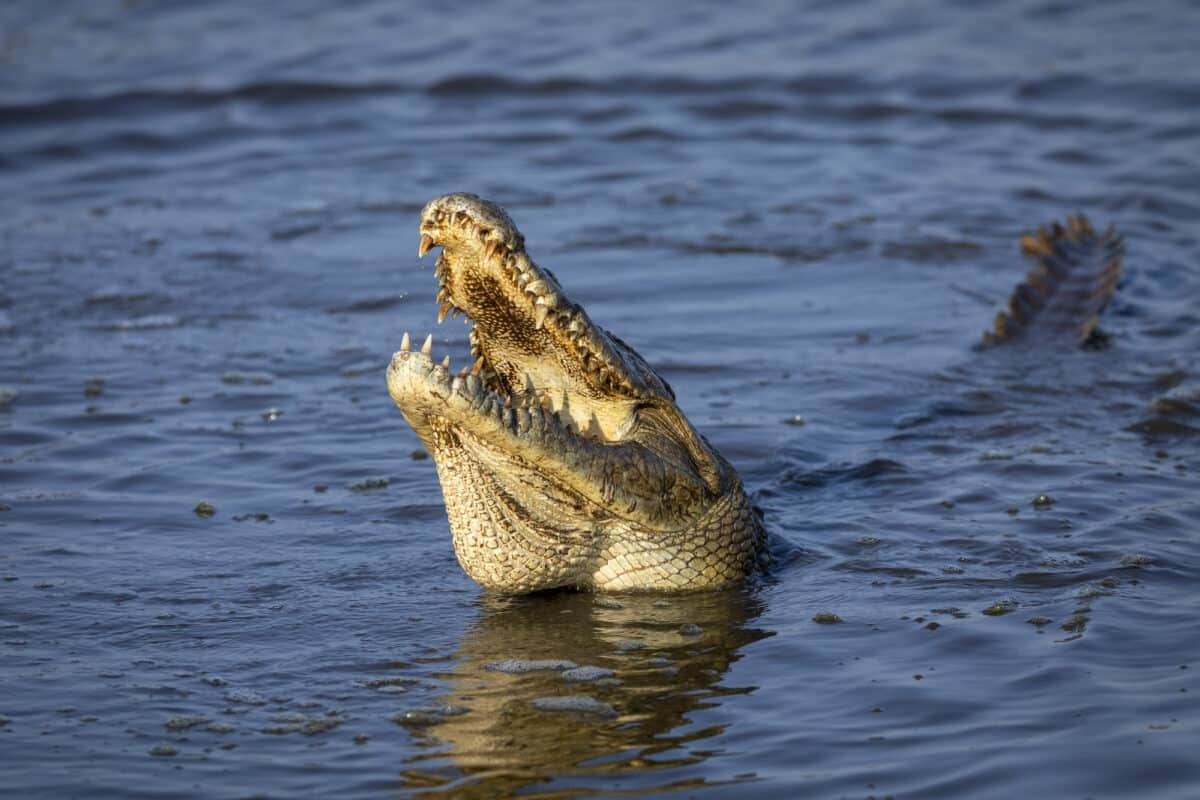
In Australia’s Northern Territory, saltwater crocodiles have adapted their hunting strategies to take advantage of an invasive species—feral pigs. These enormous reptiles, which traditionally prey on native wildlife like wallabies and waterfowl, have increasingly incorporated feral pigs into their diet as the invasive mammals have spread across northern Australia. Research from Charles Darwin University has documented this dietary shift, noting that feral pigs now constitute up to 30% of the diet of some crocodile populations. What makes this adaptation particularly interesting is how crocodiles have modified their hunting techniques to capture these novel prey items. Researchers have observed crocodiles lying in ambush at specific river crossing points known to be used by pig sounders (groups), demonstrating an understanding of pig behavior that has developed relatively recently in evolutionary terms. This adaptation represents a fascinating example of how native predators can sometimes help control invasive species while simultaneously benefiting from their presence. It also demonstrates the remarkable behavioral plasticity of crocodiles, animals often incorrectly portrayed as primitive or inflexible in their hunting strategies.
Monkeys and Stolen Tourist Treats

Across tourist destinations in Asia, Africa, and Latin America, wild monkey populations have developed sophisticated strategies for obtaining human foods. Macaques in Bali, baboons in South Africa, and capuchins in Brazil have all learned not just to take food offered by tourists, but to actively steal items ranging from snacks to full meals. These primates display remarkable learning abilities, with individuals teaching theft techniques to others within their troops. In Uluwatu Temple in Bali, long-tailed macaques have developed a behavior researchers call “robbing and bartering,” where they steal visitors’ possessions—glasses, phones, or hats—and only return them when offered food. Studies published in the journal Primates documented how these behaviors are culturally transmitted, with juvenile monkeys learning the techniques through observation. The nutritional impact of these human foods can be significant, with some tourist-exposed monkey populations showing higher body weights and altered activity patterns compared to their forest-dwelling counterparts. Health consequences include higher rates of dental disease and, in some cases, diabetes-like conditions. This adaptation demonstrates not only dietary flexibility but also the cognitive sophistication that allows these primates to exploit human behaviors for nutritional gain.
Coyotes Adapting to Urban Fruits
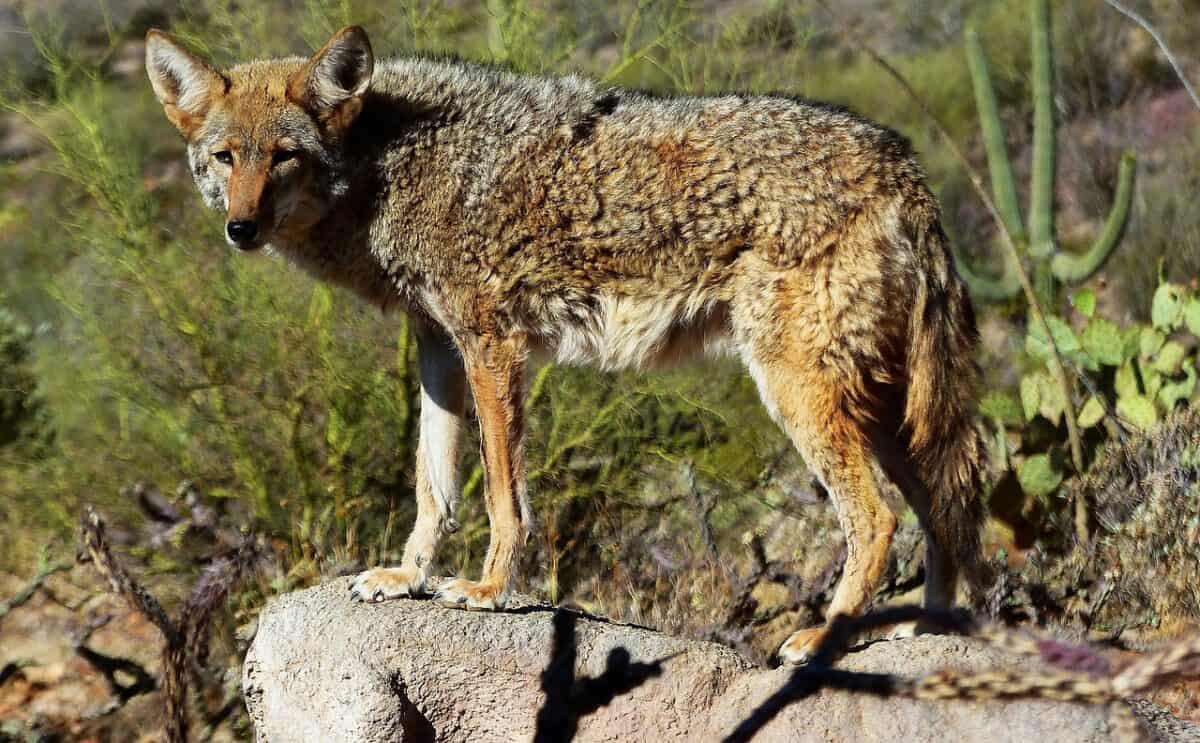
Coyotes, traditionally viewed as carnivores specializing in hunting small mammals, have demonstrated remarkable dietary flexibility in urban environments. Research from cities including Chicago, Los Angeles, and Denver has revealed that urban coyotes derive a substantial portion of their diet—sometimes up to 30%—from fruit sources entirely absent from their ancestral diet. Ornamental fruits from non-native landscaping plants, fallen backyard fruit, and even discarded produce have become significant food sources for these adaptable canids. A study published in the Journal of Mammalogy analyzed coyote scat in Los Angeles and found evidence of figs, dates, avocados, and berries—foods that would never have been available to their ancestors on the open plains. This dietary shift appears to be supporting higher coyote population densities in urban areas than would be possible with a strictly carnivorous diet. Interestingly, urban coyotes maintain seasonal variations in their fruit consumption, increasing intake during summer and fall when fruits are most abundant. This adaptation demonstrates not just opportunism but a fundamental shift in digestive capability, as coyotes have had to develop greater capacity to extract nutrients from plant materials—a remarkable example of rapid dietary evolution in a species typically considered a specialized predator.
Deer Developing a Taste for Meat
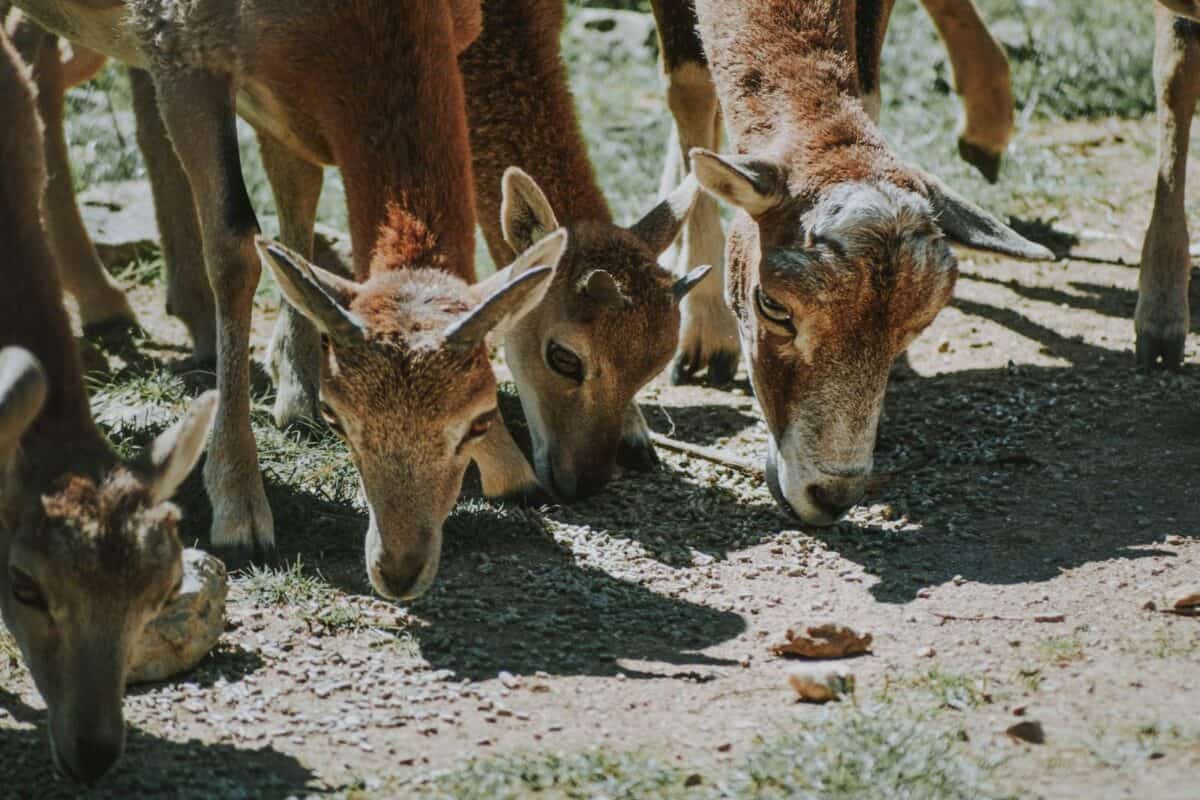
Perhaps one of the most surprising dietary adaptations has been documented in white-tailed deer, animals long classified as strict herbivores. Multiple reliable observations by wildlife biologists have confirmed deer consuming animal protein, including bird nestlings, fish, and even scavenging from carcasses. A particularly well-documented case comes from researchers who captured trail camera footage of deer repeatedly consuming birds at feeders in North Dakota. Analysis suggests this behavior may be driven by mineral deficiencies, particularly the need for calcium and phosphorus during antler growth for bucks or during pregnancy and lactation for does. What makes this adaptation particularly noteworthy is that deer lack the specialized digestive enzymes typically found in carnivores, suggesting they’ve developed alternative mechanisms to process animal proteins. The behavior appears most common in areas where natural vegetation is limited or nutritionally poor. While still relatively rare, this carnivorous behavior in a canonical herbivore demonstrates the remarkable flexibility of wildlife when faced with nutritional challenges and contradicts the simplistic herbivore-carnivore dichotomy often presented in basic biology education.
Gulls Specializing in Whale Blubber

An extraordinary example of dietary specialization has emerged among certain gull populations that have learned to feed on living whales. Kelp gulls in Argentina and southern right whale nursery areas have developed a behavior where they land on the backs of surfacing whales and peck at their skin and blubber. Research published in PLOS ONE documented how these gulls specifically target whale calves, creating lesions that can be several centimeters deep. What began as opportunistic feeding on dead whale carcasses has evolved into an active predatory behavior on living animals thousands of times larger than the birds themselves. The behavior first appeared in the 1970s and has since spread culturally through the gull population, with adult birds teaching juveniles the technique. This adaptation is particularly concerning for whale conservation, as studies indicate the harassment causes behavioral changes in the whales, with mothers and calves spending less time resting and nursing. Analysis of gull stomach contents confirms that whale blubber has become a significant component of their diet, rich in the fats and proteins that would traditionally come from fish or intertidal organisms. This example demonstrates how wildlife can develop entirely novel feeding strategies within just a few generations when new opportunities arise.
Cliff Swallows and Roadkill Restaurants
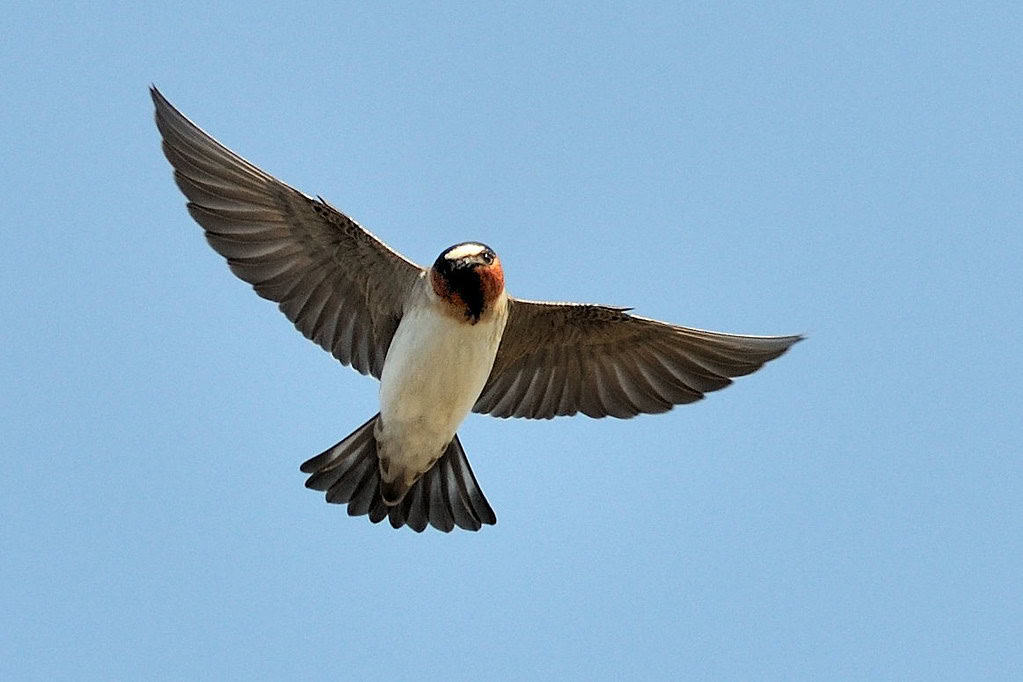
Cliff swallows have developed a feeding behavior that directly utilizes human transportation systems. Traditionally, these aerial insectivores catch flying insects while in flight. However, populations nesting near highways have learned to feed on insects killed by passing vehicles. Research published in the journal Current Biology documented how these birds position themselves at the edges of roads and swoop in to collect dead insects immediately after vehicles pass. Even more remarkably, the birds appear to have learned to anticipate insect availability based on traffic patterns and weather conditions that affect insect flight. This adaptation has led to measurable evolutionary changes in these swallow populations, with roadside colonies showing shorter wingspans that allow for more vertical takeoff and better maneuverability around traffic. Analysis of stomach contents from these birds shows significantly higher proportions of insect species that commonly swarm over roadways compared to cliff swallows nesting in more natural settings. This behavior represents a fascinating example of how wildlife can not only adapt to human-modified environments but can actually exploit the novel ecological niches they create in sophisticated and specialized ways.
Polar Bears Turning to Bird Eggs
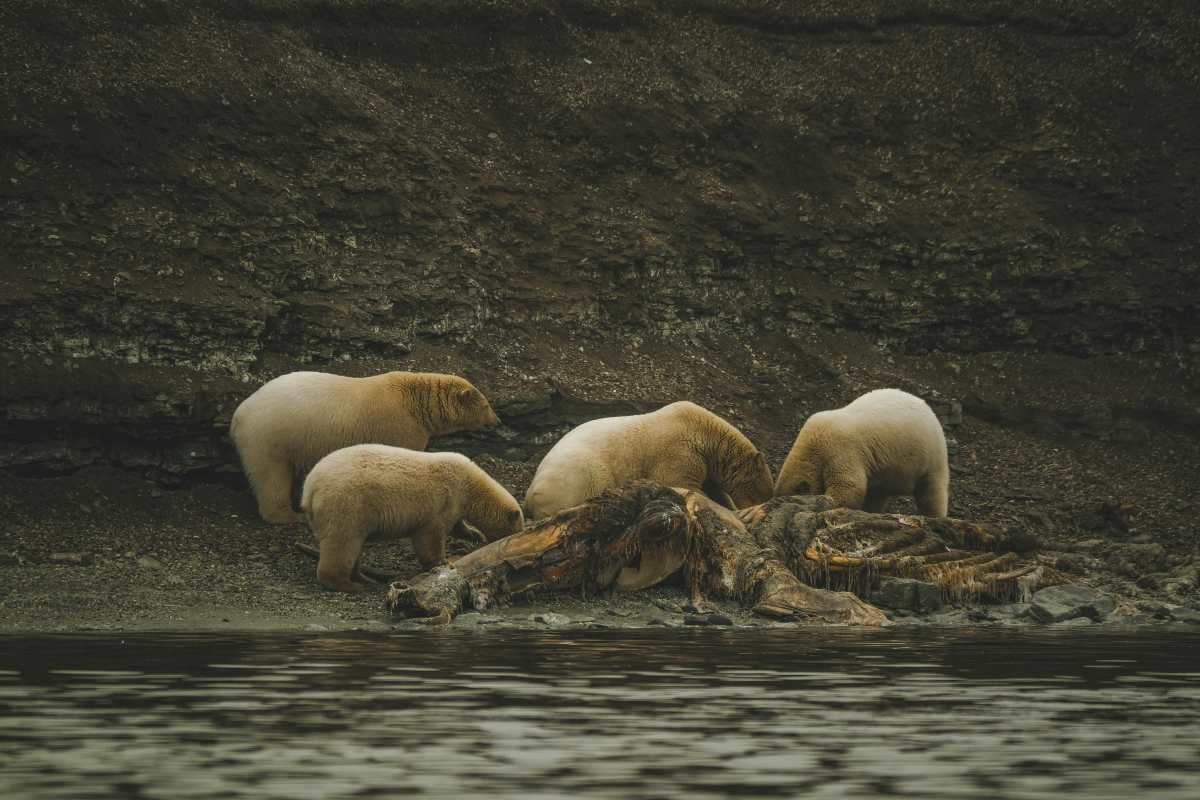
Climate change has forced polar bears to make significant dietary adjustments as their primary hunting grounds—sea ice—diminishes. Among the most documented adaptations is their increased consumption of bird eggs, particularly from colonial nesting species like snow geese and common eiders. Research published in the Proceedings of the Royal Society B analyzed polar bear scat and observed behavior in Hudson Bay, finding that some bears now derive up to 60% of their summer calories from raiding bird nests. This represents a profound shift from their specialized seal-hunting diet. What makes this adaptation particularly notable is the behavioral complexity involved—bears have learned to track nesting schedules and return to colonies precisely when eggs are present. Some bears swim between islands specifically to visit multiple colonies during the brief nesting season. While this adaptation shows remarkable behavioral plasticity, studies indicate it provides insufficient nutrition compared to their traditional diet of seal blubber. Analysis shows that a polar bear would need to consume approximately 88 snow goose eggs to equal the energy in a single seal, highlighting the nutritional challenges these predators face as their ecosystem transforms. This example poignantly illustrates how climate change is forcing rapid dietary adaptations that may ultimately prove inadequate for species with highly specialized nutritional needs.
Fish Consuming Microplastics
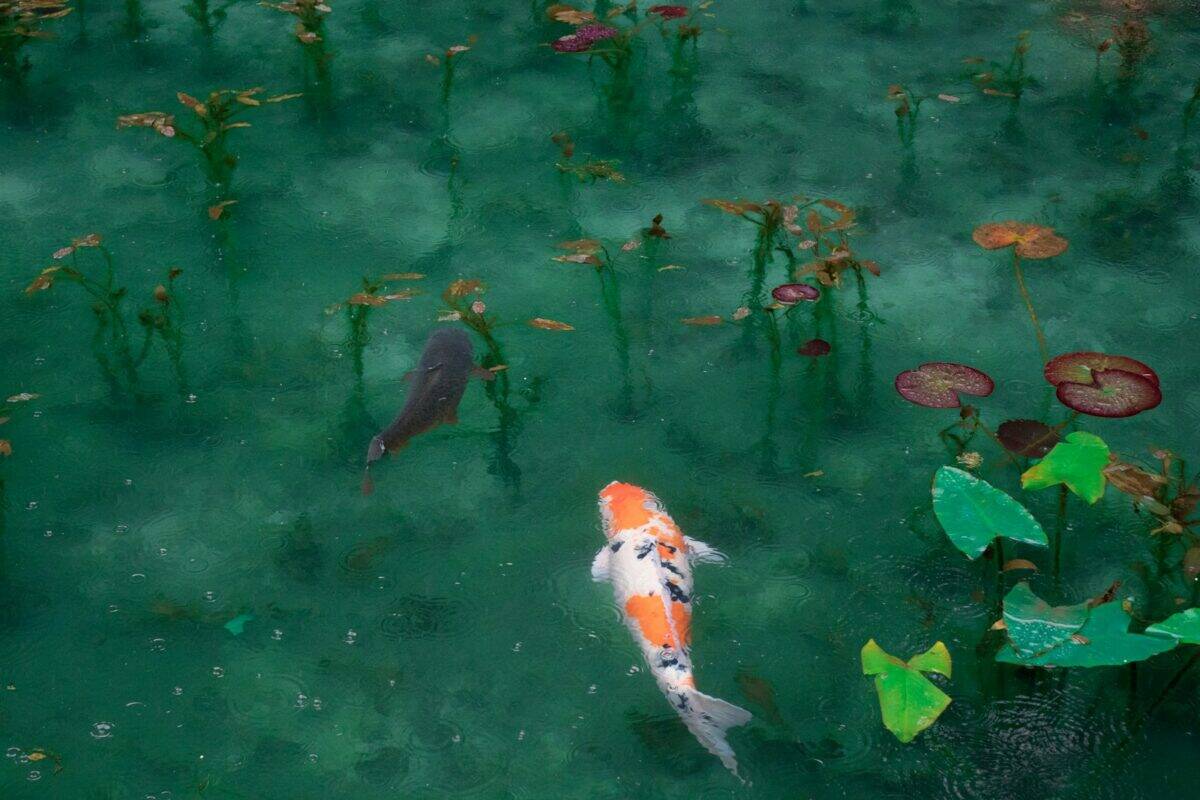
Perhaps the most troubling dietary adaptation observed in wildlife involves marine species consuming microplastics—a completely novel food item in evolutionary terms. Studies published in Science and Environmental Science & Technology have documented over 700 marine species ingesting microplastic particles, often mistaking them for natural food items. What makes this a true “adaptation” rather than simply accidental consumption is emerging evidence that some species may be selecting these particles intentionally. Research on anchovies showed they consumed microplastic particles that had developed algal biofilms, suggesting the fish were attracted to the scent of the biofilm rather than mistaking the plastic’s appearance. Even more concerning, laboratory studies have found that some fish larvae actually prefer microplastic particles over their natural food sources in certain circumstances, possibly due to chemical leachates that mimic food signals. The consequences are severe—microplastics offer zero nutritional value while potentially delivering concentrated toxins and causing intestinal blockages. Unlike other dietary adaptations that demonstrate successful flexibility, this “adaptation” represents an evolutionary trap where animals are consuming items that provide no benefit while causing significant harm, highlighting the unprecedented challenges wildlife face in human-altered environments.
The surprising dietary adaptations observed across wildlife species carry profound ecological implications that extend far beyond the individual animals involved. These dietary shifts represent a fundamental reshaping of food webs and energy flows through ecosystems worldwide. When predators like coyotes incorporate significant amounts of fruit into their diets, they potentially reduce predation pressure on their natural prey species, creating cascade effects throughout local ecosystems. Similarly, when herbivores like deer occasionally consume animal protein, they’re crossing traditional trophic boundaries that ecologists once considered relatively fixed. Perhaps most significantly, these dietary adaptations reflect the unprecedented pace of environmental change driven by human activity. While dietary flexibility has always been part of natural adaptation, the current rate of change forces adaptations to occur within years or decades rather than over evolutionary timescales. This rapid dietary plasticity may ultimately determine which species survive in human-dominated landscapes and which do not. Those capable of exploiting novel food sources—even at some physiological cost—may persist while dietary specialists disappear. As we continue modifying natural systems, monitoring these changing food relationships becomes essential for conservation planning, ecosystem management, and understanding the resilience of natural communities in an increasingly human-shaped world.

- How Crickets Chirp Using Their Wings - July 20, 2026
- The Largest Sea Turtle Ever Rescued Off North Carolina - July 20, 2026
- The Ocean’s Escape Artist: Why Octopuses Outsmart Us All - July 20, 2026