

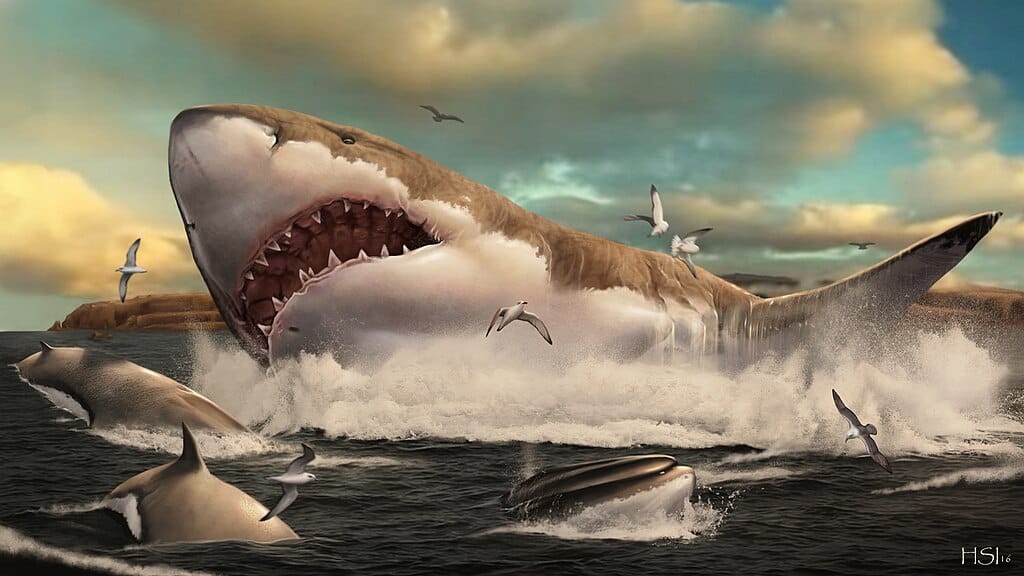
The deep blue sea holds many secrets, but none as jaw-droppingly fascinating as the legend of the Megalodon, an ancient shark that once roamed our oceans. These gigantic predators, which are thought to have gone extinct millions of years ago, spark both fear and intrigue today. Could these colossal creatures still be lurking in the depths? In this article, we dive into the mystery of the Megalodon, exploring its history, characteristics, and the curious question of its potential survival.
What Was the Megalodon?
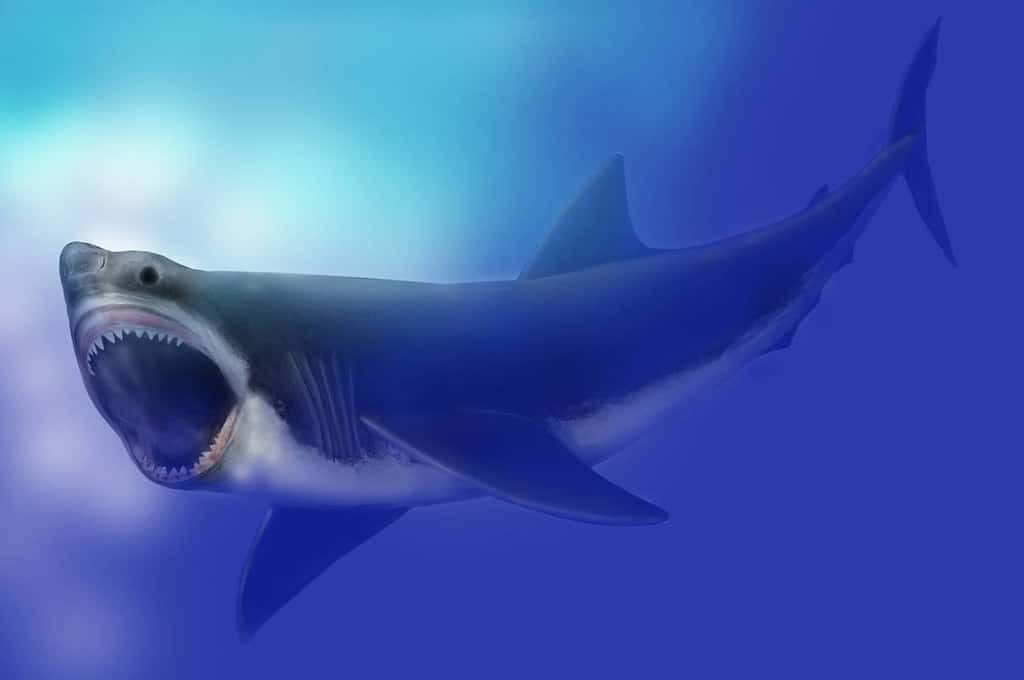
The Megalodon, or Carcharocles megalodon, was a ginormous shark that dominated the seas approximately 23 to 3.6 million years ago. As the largest shark species known to have existed, they could reach lengths up to an estimated 60 feet—about three times the size of a great white shark, making them the true titans of the ocean.
Fossil Evidence and Historical Discoveries
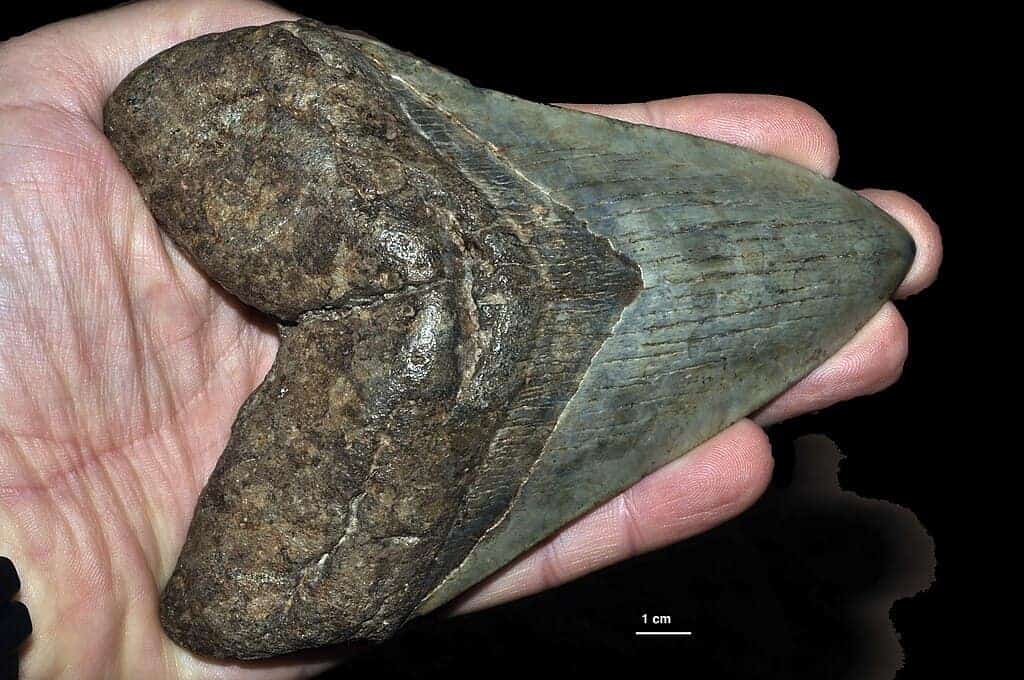
Our knowledge of the Megalodon primarily stems from fossilized teeth, which have been discovered across the globe. These teeth have a distinctive triangular shape with serrated edges and can measure over seven inches in length. Fossil records suggest they thrived in warm waters and were efficient predators.
The Apex Predator of Its Time

As an apex predator, the Megalodon was at the top of the food chain. Its massive jaws exerted one of the strongest bite forces of any known animal, enabling it to prey upon large marine mammals like whales and dolphins. This dietary preference is evidenced by tooth marks on the fossilized bones of these animals.
The Theories Behind Their Extinction

The Megalodon’s extinction around 3.6 million years ago is attributed to several possible causes. Climate changes leading to cooler ocean temperatures, coupled with declining prey populations, may have severely impacted their survival. Additionally, competition with emerging species like the great white shark might have played a role.
Could the Megalodon Still Exist?

Despite substantial scientific evidence pointing to its extinction, some theorists speculate about the Megalodon’s survival based on alleged sightings and unexplained underwater phenomena. The vastness and unexplored territory of our oceans leave room for wild speculation, although no concrete evidence has emerged to support these claims.
The Vast and Largely Unexplored Ocean

The ocean covers over 70% of Earth’s surface, yet over 80% remains unexplored and unmapped. This mysterious environment fuels speculation about the existence of ancient creatures, like the Megalodon, that could evade human detection thanks to the sheer immensity of the sea.
Cryptozoology and the Megalodon
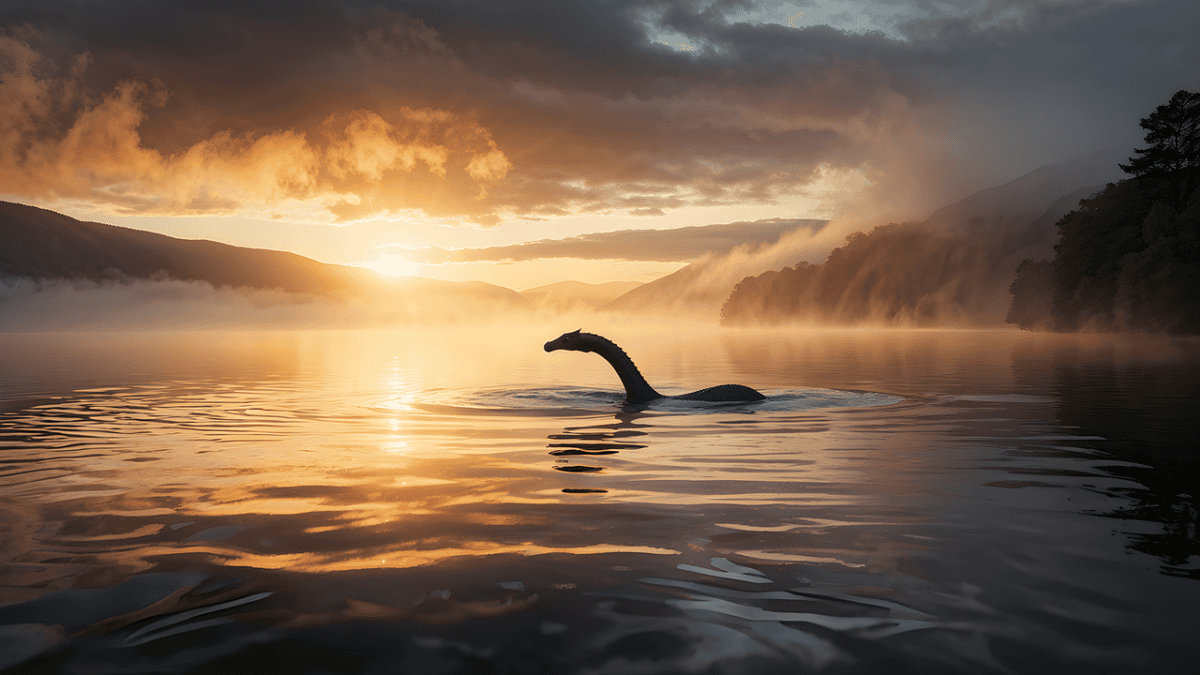
Cryptozoology, the study of creatures that are rumored but not scientifically proven to exist, often includes the Megalodon on its list. Enthusiasts of this field draw attention to anecdotes and supposed evidence, such as disproportionate sonar readings and unexplained maritime disappearances.
Scientific Community’s Perspective

While exciting to imagine, the scientific community remains skeptical about the Megalodon’s survival. The absence of contemporary evidence such as the sightings of carcasses, modern fossil records, or credible video footage reinforces the consensus that Megalodon is indeed extinct.
The Role of Media in Megalodon Mythology

Movies, documentaries, and books have popularized the concept of the Megalodon’s continued existence, often exaggerating details for dramatic effect. While these media forms have perpetuated public interest, they are not substitutes for scientific evidence and research.
Impact on Marine Conservation
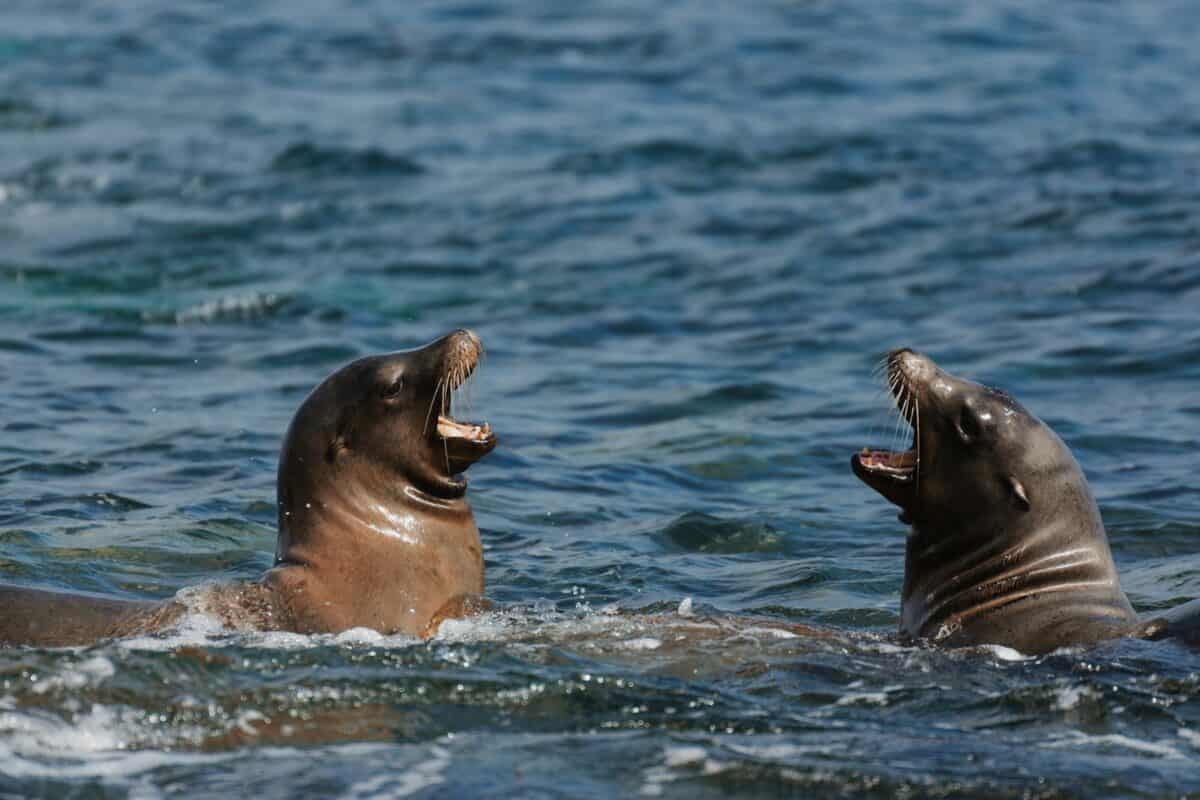
The fascination with Megalodon highlights the ongoing interest in marine life and the importance of preserving our oceans. By understanding ancient species, we can draw parallels and consider the ecological impacts of contemporary marine predator dynamics.
Looking Forward: Future Ocean Research

Advancements in technology and exploration could potentially unveil new marine secrets. Initiatives such as autonomous submarines and deep-sea mapping are opening windows to the previously unseen parts of our oceans, shedding light on both ancient and new discoveries.
The Legacy of the Megalodon

While the Megalodon may no longer swim our seas, its legacy continues to captivate the human imagination. As we delve further into ocean exploration, we gain a richer understanding of both our planet’s history and the diverse ecosystems that continue to thrive today.
In summary, while the possibility of the Megalodon still existing remains rooted in fiction rather than fact, its story serves as a compelling reminder of the mysteries lurking beneath the ocean waves. Unraveling these mysteries helps us appreciate the complexity and history of marine life, inspiring efforts to protect the biodiversity that shapes our world.

- Owls and Other Forest Dwellers of the Cascades - July 19, 2026
- What Happens When a Python Eats Something Too Big? - July 19, 2026
- Baby Koalas Hug Their Moms for Safety and Comfort - July 19, 2026