
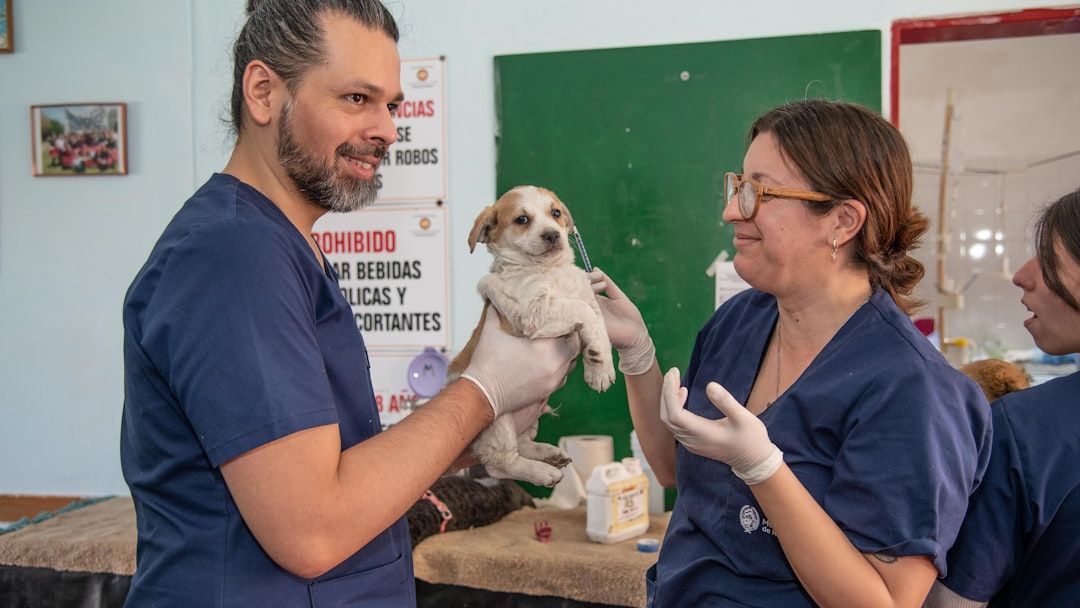
Most dog owners know the basics: no chocolate, no onions, keep the garbage locked. So when people think about truly dangerous foods for their dogs, they often picture something obviously harmful. Grapes and raisins don’t usually come to mind. They’re a healthy snack for humans, often sitting in a fruit bowl or tucked into a granola bar, and they look completely innocent next to a dog treat.
That’s exactly what makes them so dangerous. Raisins are among the most dangerous foods a dog can consume, yet many pet owners are caught off guard by just how serious the risk is. What follows is everything you need to know, broken down clearly, because the gap between “I didn’t know” and “I wish I had known sooner” can sometimes cost a dog its life.
#1. Why Grapes and Raisins Are the Food Vets Most Urgently Warn Against
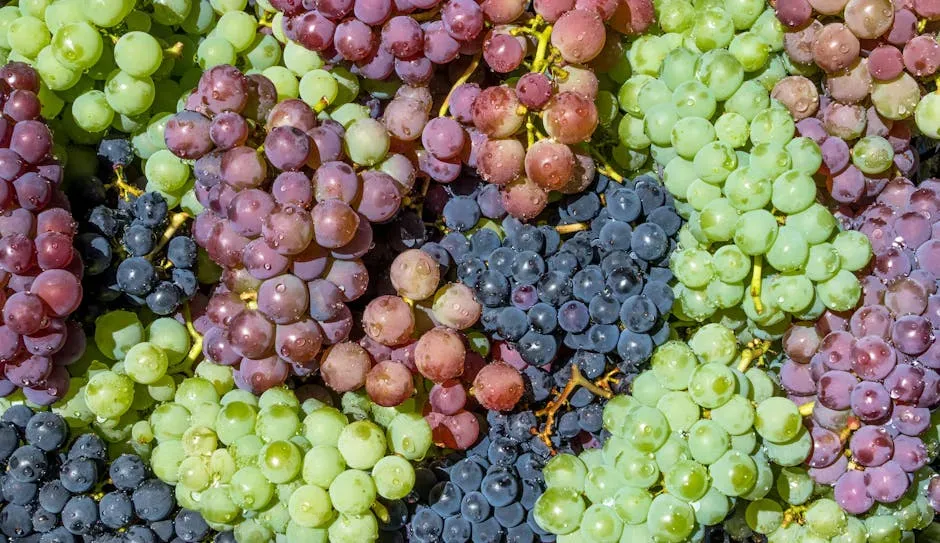
While a favorite healthy snack for people, grapes, raisins, and currants are toxic to dogs and can cause kidney failure. The word “toxic” gets used casually a lot, but in this case, veterinary professionals use it precisely. This isn’t a food that might cause an upset stomach or loose stools. It can cause irreversible organ damage.
Grapes and raisins are extremely toxic to dogs – even one grape can cause acute kidney failure and death. All forms, including fresh, dried, seedless, juice, or baked goods, are dangerous. What makes this particularly unsettling is that there’s no predictable threshold. Some dogs eat a grape and seem fine. Others collapse into kidney failure after just a few.
Grape toxicity is unpredictable – some dogs can spend their lives eating as many grapes as they like and nothing will ever happen, and other dogs can get severe life-threatening kidney failure from eating a single grape. That unpredictability is exactly why vets take such a firm, unwavering stance: no amount is considered safe, for any dog, ever.
#2. The Science Behind the Danger: What Researchers Have Found
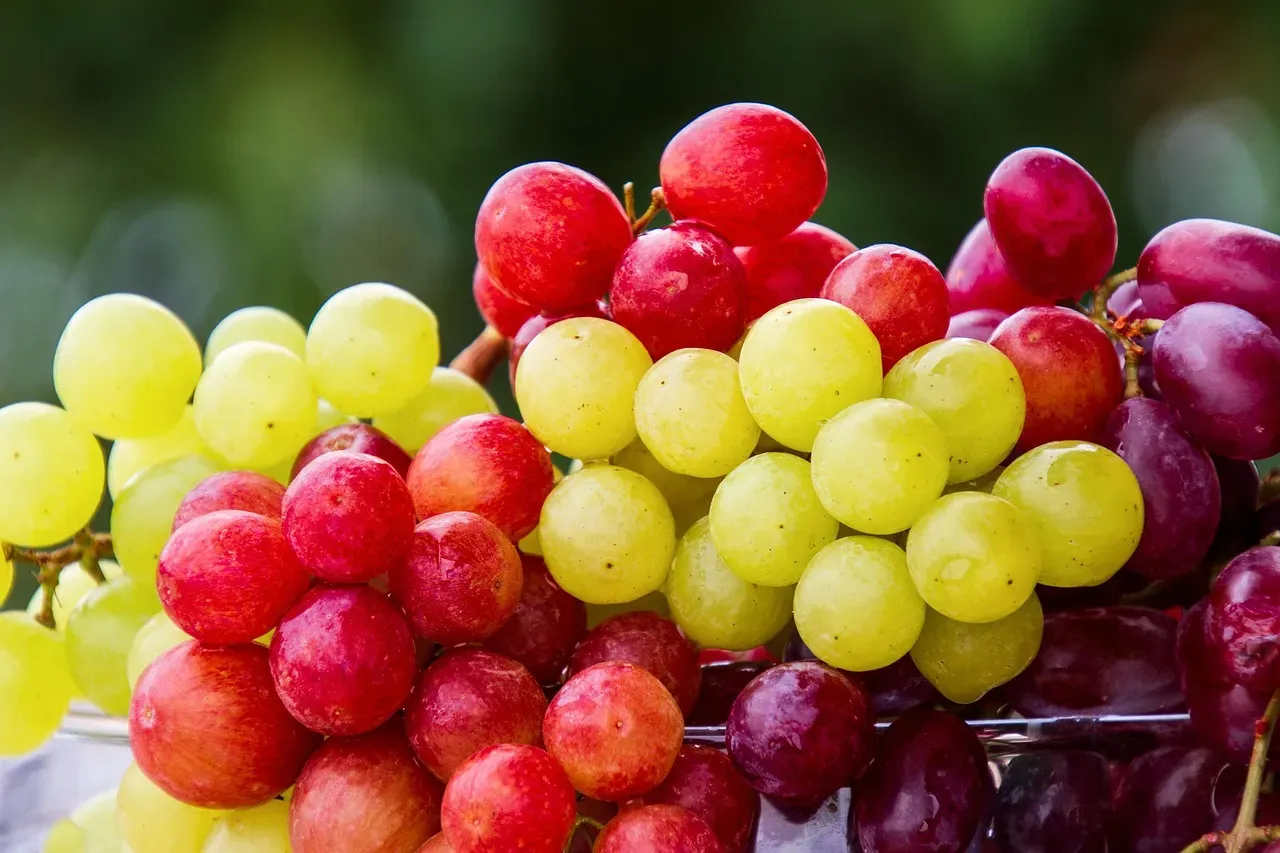
The exact cause of grape and raisin toxicity is not entirely known, but recent research has identified tartaric acid and its salt, potassium bitartrate, as the most likely cause. For years, veterinarians had a frustrating mystery on their hands. Dogs were presenting with sudden kidney failure after eating grapes, but nobody could definitively identify why. Recent research has finally started to connect the dots.
Dogs poorly excrete organic acids because they lack the organic acid transporters that other species have, allowing tartaric acid to accumulate in the proximal renal tubular cells. In simpler terms: the canine kidney simply isn’t built to handle what’s inside a grape. These compounds are highly concentrated in grapes, raisins, sultanas (a type of white grape), Zante currants (a type of raisin), tamarinds, and cream of tartar (a baking ingredient).
Twenty years after the first cases of kidney injury from grape and raisin ingestions were described, a study identified the likely toxic component. The concentration of tartaric acid in grapes varies from 0.35% to 2%, which makes predicting toxicity difficult. That variability in concentration is precisely why no vet can tell you a “safe” serving size. The same variety of grape can carry drastically different levels of the compound depending on ripeness and growing conditions.
#3. The Symptoms That Signal a Crisis Is Already Unfolding
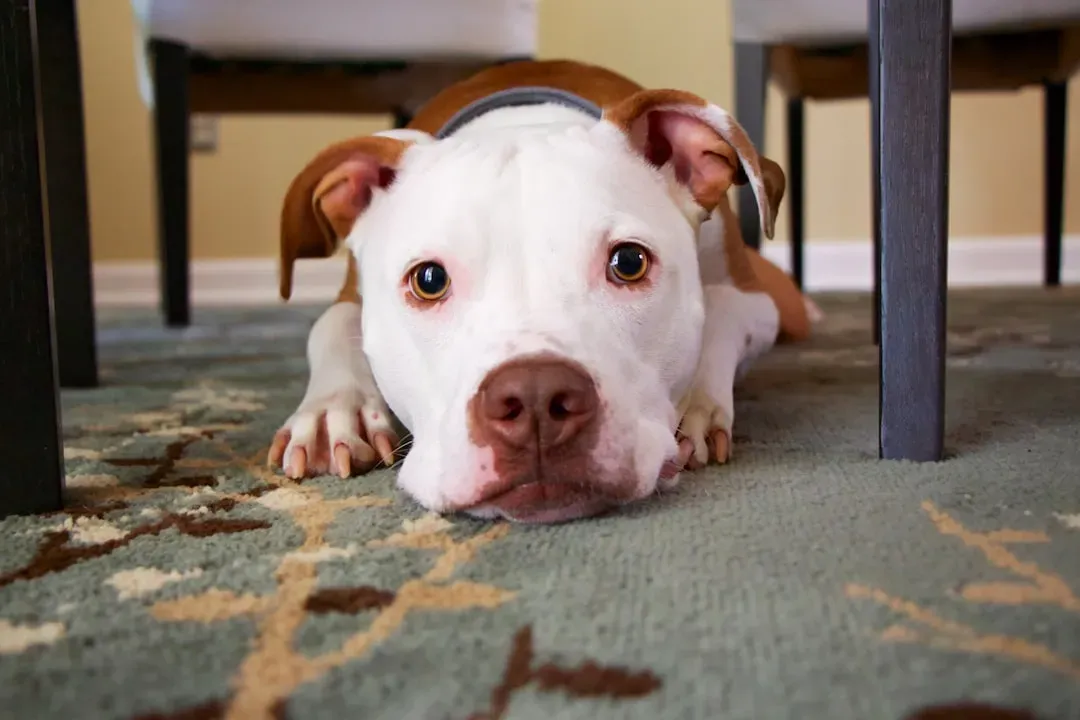
Most dogs with grape, raisin, or tamarind toxicosis develop vomiting or diarrhea within 6 to 12 hours after ingestion. Other clinical signs include lethargy, anorexia, abdominal pain, weakness, dehydration, polydipsia, and tremors. The tricky thing about these symptoms is that they can look like a routine stomach issue at first. A dog vomiting once after eating something it shouldn’t isn’t unusual.
Most signs of grape toxicity, such as kidney injury, can be delayed for one to three days and can be subtle at first, though sometimes dogs will vomit within a few hours. This delay is perhaps the most dangerous aspect of grape poisoning. A dog might seem to bounce back, then deteriorate rapidly as kidney function begins to fail. If the kidneys have failed and urine is no longer being produced, prognosis is poor and survival is less likely as the kidneys have little ability to regenerate or repair themselves.
Dogs with worsening kidney injury may first drink and urinate more, then later produce very little urine or none at all. That shift can change the prognosis quickly. Watching your dog’s water intake and bathroom habits in the 24 to 72 hours after a suspected exposure isn’t paranoia. It’s exactly the right thing to do.
#4. The Hidden Places Grapes and Raisins Are Lurking in Your Home
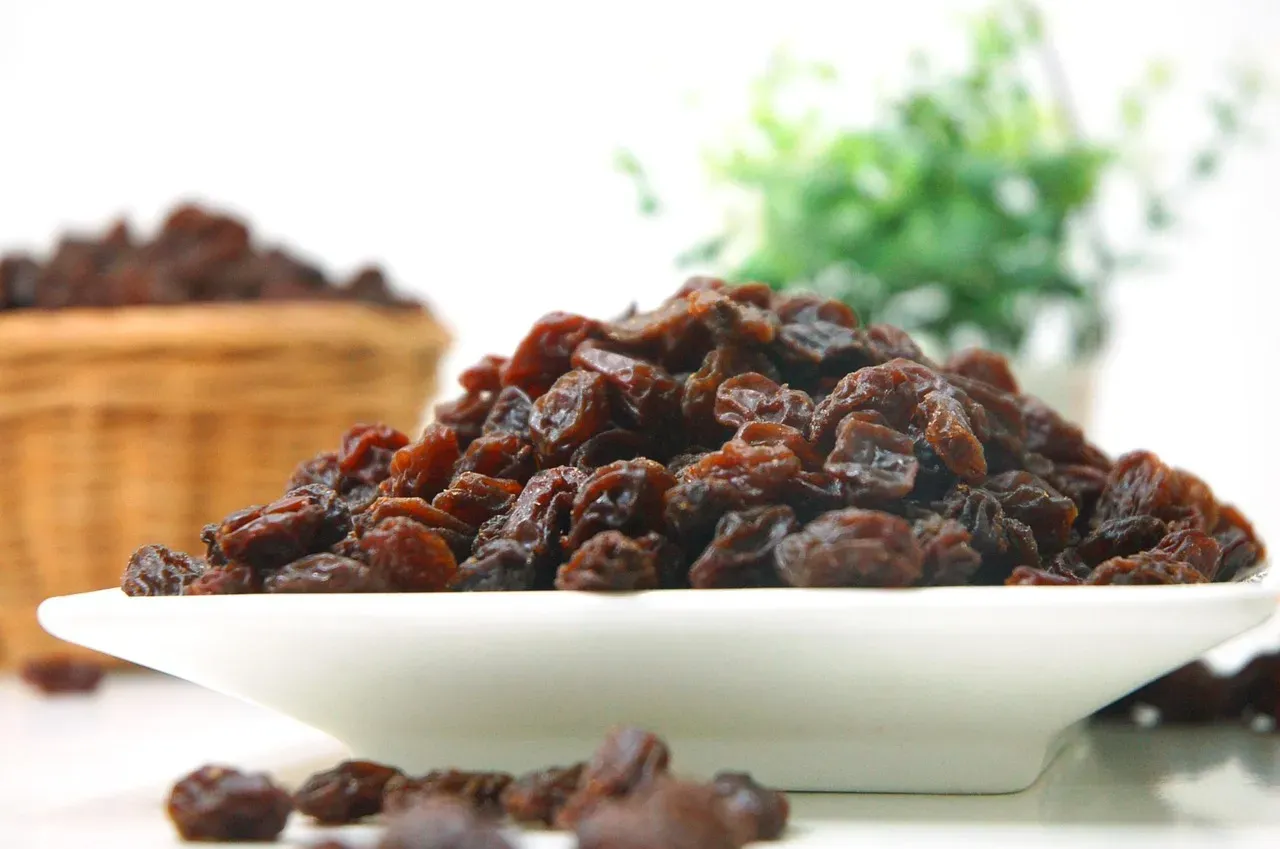
Products that contain raisins are equally dangerous: raisin bread, trail mix, granola bars, oatmeal raisin cookies, fruit cake, and holiday baked goods all fall into this category. This is where the real risk hides for most families. Nobody deliberately hands their dog a handful of raisins. The exposure tends to happen indirectly, through foods that seem perfectly harmless when left on a counter or shared by a well-meaning child.
Baking does not destroy the toxic compounds in raisins. Raisin bran cereal is a common breakfast food that dogs may access if left unattended. Fruit cake and mince pies are holiday foods that often contain large amounts of dried fruit including raisins and currants. Holidays are a particularly high-risk time. Fruitcakes, stuffing, hot cross buns, and Christmas pudding all commonly contain raisins, and with more people and more distraction in the home, a quick counter-surf by the dog is easier than usual.
Be especially vigilant with children’s snacks, trail mix, granola, baked goods, and holiday foods like fruitcakes, hot cross buns, and Christmas pudding – all common sources of unexpected raisin exposure. Make sure everyone in your household understands the danger. Children especially may not realize that sharing a snack with the dog could be harmful. A conversation with kids about what the dog can and can’t eat is genuinely worth having.
#5. What to Do If Your Dog Has Already Eaten Grapes or Raisins

If your dog eats grapes or raisins, call your veterinarian or a pet poison control center immediately. Early action can significantly improve the chance of preventing or minimizing kidney damage. The critical word there is “immediately.” Not after watching for symptoms for a few hours. Not after a quick search online. Right away, with urgency.
There is no specific antidote for grape or raisin toxicity. Treatment focuses on removing any remaining fruit to prevent further absorption of toxin and supportive care. For recent ingestion with no clinical signs of illness, your veterinarian will induce vomiting. After that, supportive care involves hospitalization for IV fluid therapy and close monitoring for at least two days. Monitoring will include frequent rechecks of kidney values, electrolytes, urine output, and blood pressure.
The typical U.S. cost range in 2026 is about $250 to $6,500 depending on timing, hospitalization, and whether specialty kidney support is needed. That’s a wide and sobering financial range, and it narrows considerably the faster you act. Prognosis is excellent for dogs who are treated quickly and do not develop kidney damage. Speed is the most powerful tool available once an ingestion has occurred.
Conclusion

Grapes and raisins deserve their place at the very top of every veterinarian’s “never feed this” list, and they’ve earned it honestly. Not because of rare or theoretical risk, but because the damage they can cause is sudden, unpredictable, and in some cases irreversible. What’s frustrating is that the food itself looks so benign. It’s the snack on your desk, the raisin bran in your cupboard, the oatmeal raisin cookie your kid left on the table.
The right response isn’t panic – it’s prevention. Lock up anything grape-derived, brief your household about the risk, and know the poison helpline number before you ever need it. Treating this as a genuine danger rather than a vague caution is one of the simplest and most meaningful things a dog owner can do. Some risks simply aren’t worth taking, especially when the stakes are as high as a dog’s kidneys, and ultimately, its life.

- 23 Things Hospice Vets Wish Every Family Knew Before a Dog's Final Weeks - July 14, 2026
- 15 Most Beautiful Libraries in The World - July 14, 2026
- The American Bison’s Comeback Story Is a Testament to Conservation Success - July 14, 2026