


Volcanic eruptions have captivated human attention and imagination for centuries. While they often become synonymous with devastation, they are also an essential part of the Earth’s system, contributing to the formation of our planet’s landscape. Among these fiery giants are supervolcanoes, whose eruptions can have global climatic and environmental consequences. This article delves into the hidden world of supervolcanoes, exploring their characteristics, locations, and potential impacts.
Understanding Supervolcanoes

Supervolcanoes are defined by the magnitude of their eruptions, which expel more than 1,000 cubic kilometers of material. Unlike typical volcanoes, supervolcanoes do not form classic mountainous structures but rather leave vast calderas following an eruption. These colossal subterranean features are sites of historical volcanic activity that can have global effects, impacting weather patterns and climate.
The History of Supervolcano Eruptions

Our planet has experienced several significant supervolcanic eruptions. The Toba eruption in Indonesia approximately 74,000 years ago is one of the most notable, believed to have triggered a volcanic winter and potentially impacted human evolution. Other massive eruptions, such as the Yellowstone supervolcano event, also significantly shaped Earth’s geological and atmospheric history.
Yellowstone Caldera The Iconic Supervolcano
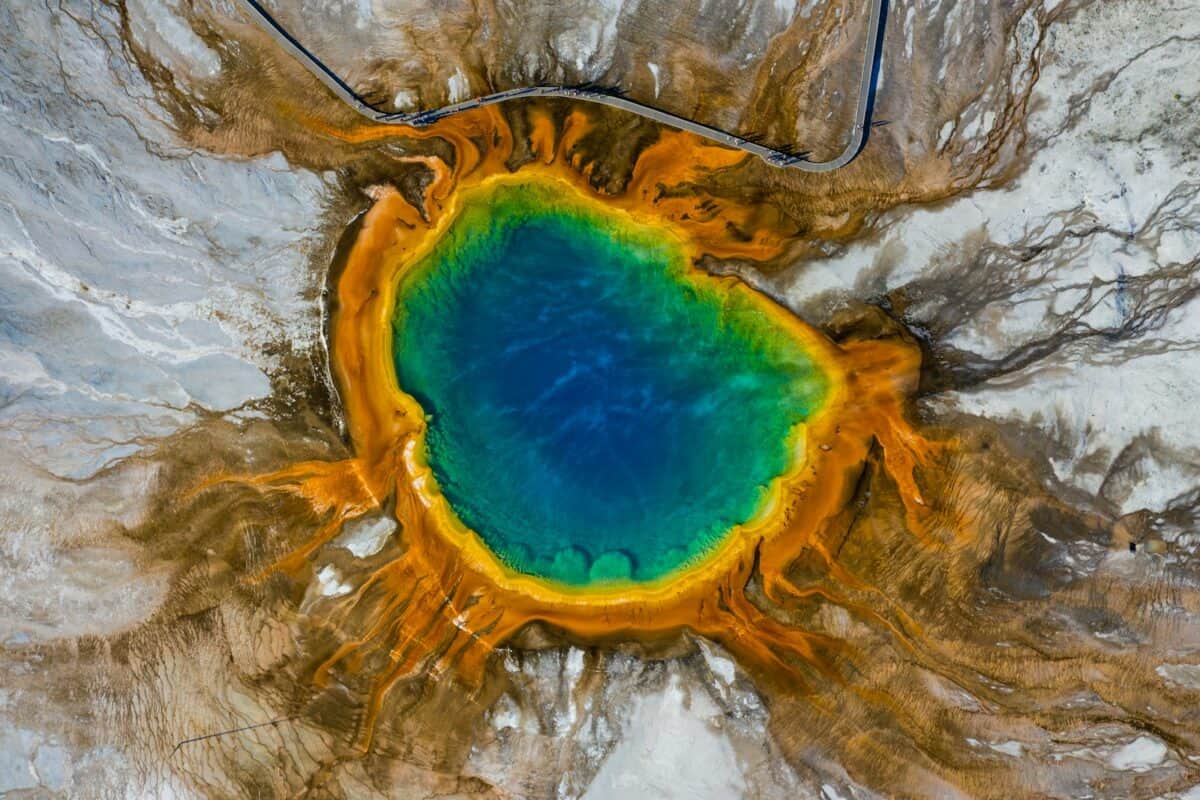
The Yellowstone Caldera, often referred to as the Yellowstone supervolcano, is located in the United States and is perhaps the most famous of all. Covering parts of Wyoming, Montana, and Idaho, the area features geothermal activity, including geysers and hot springs, and represents a hotbed of volcanic power lying beneath the surface.
Campi Flegrei Italy’s Potential Time Bomb
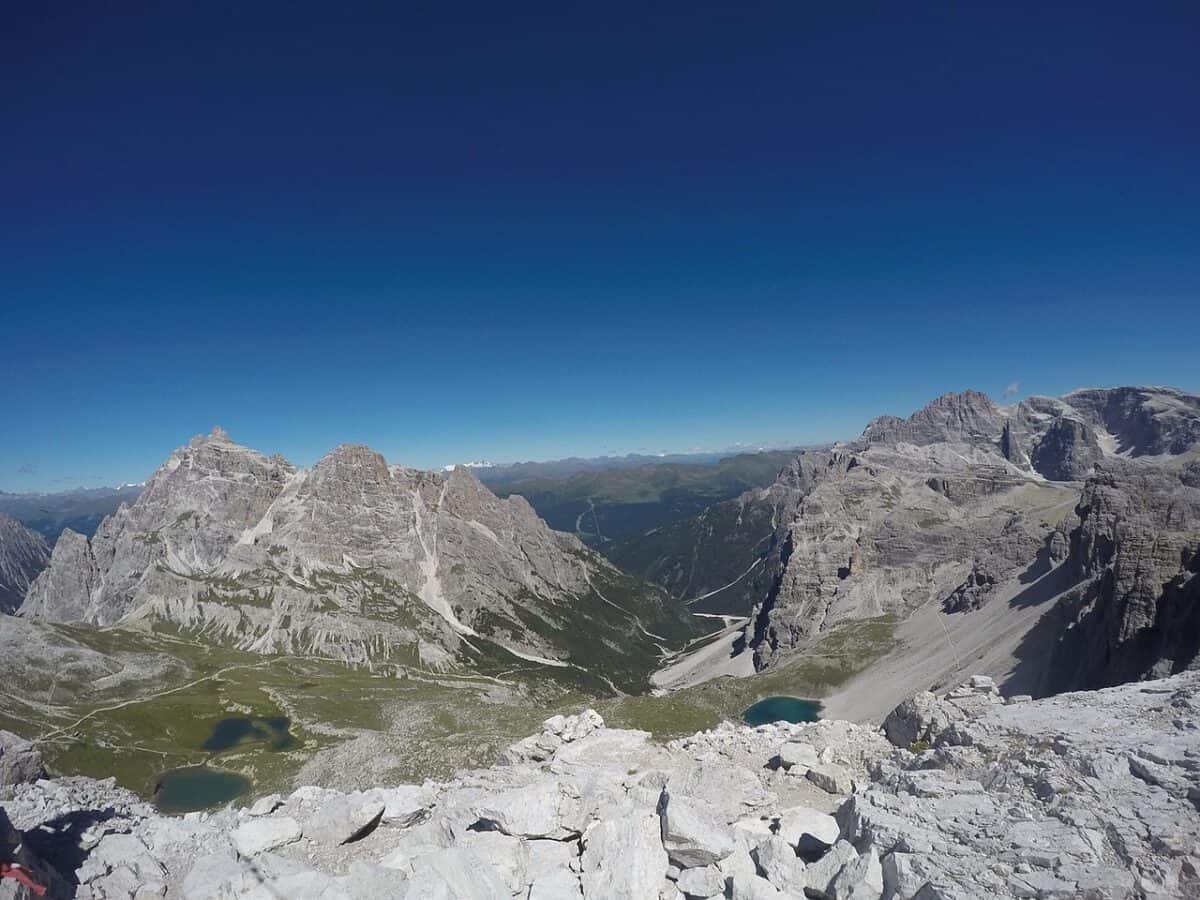
Near Naples, Italy, lies Campi Flegrei, a massive caldera with a history of eruptive activity. This supervolcano’s restless nature is closely monitored due to its potential to impact densely populated areas. Rising ground levels and seismic activity in recent years underscore the need for vigilance concerning this fiery giant.
Taupo New Zealand’s Volatile Powerhouse
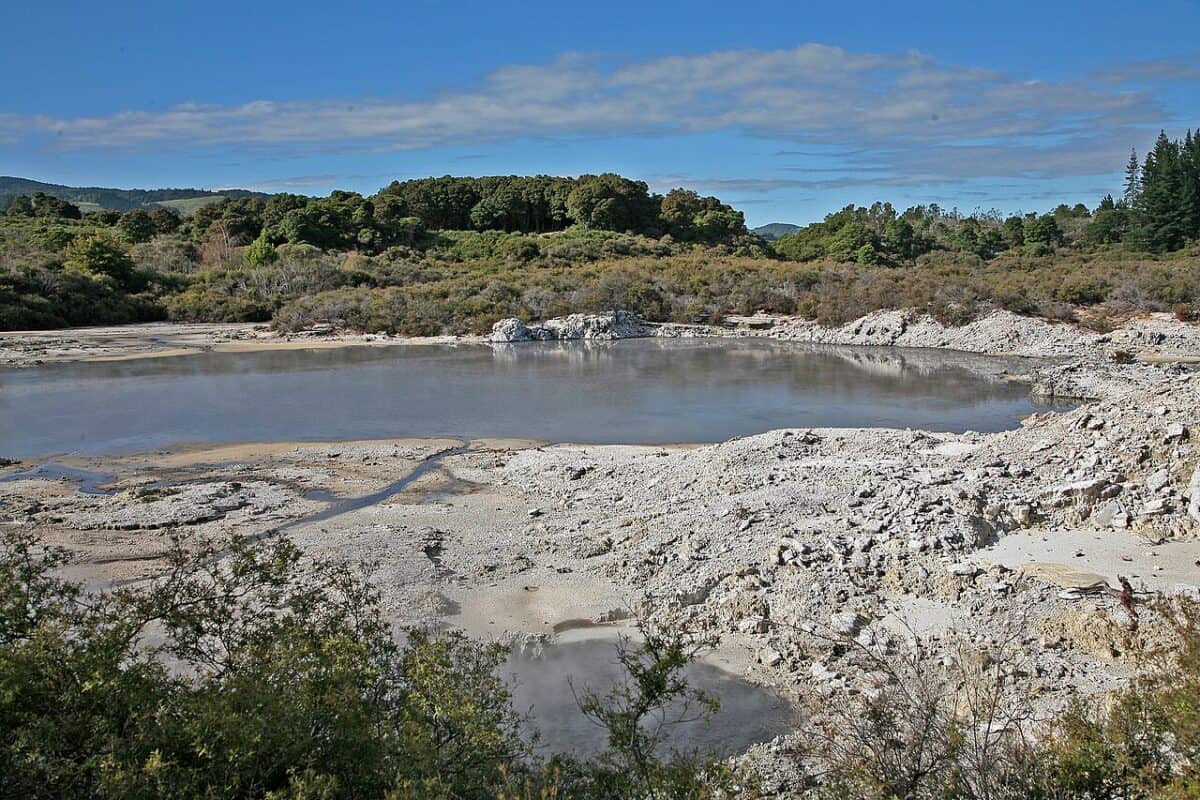
New Zealand’s Taupo Volcanic Zone is home to the Taupo supervolcano. Its Oruanui eruption, occurring around 26,500 years ago, is the most recent supereruptive event globally. Taupo remains an area of scientific interest due to its frequent geothermal and volcanic activity, providing insights into supervolcanic systems.
La Garita Caldera An Ancient Titan
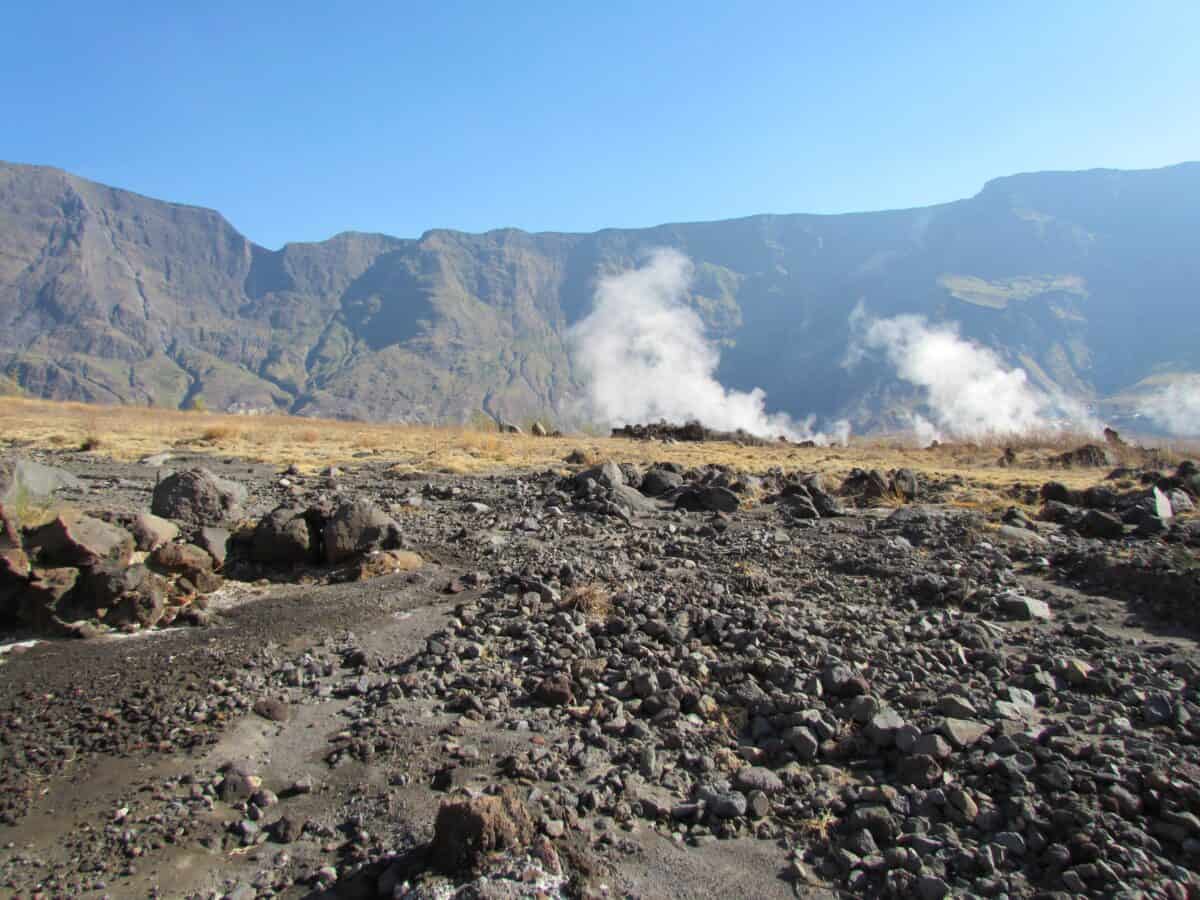
Located in Colorado, USA, La Garita Caldera is among the largest known explosive volcanic eruptions. Although it erupted around 27 million years ago, the scale of La Garita’s explosive event reshaped landscapes over vast distances. It serves as a testament to the power and reach of supervolcanic explosions.
Long Valley Caldera A Dormant Threat
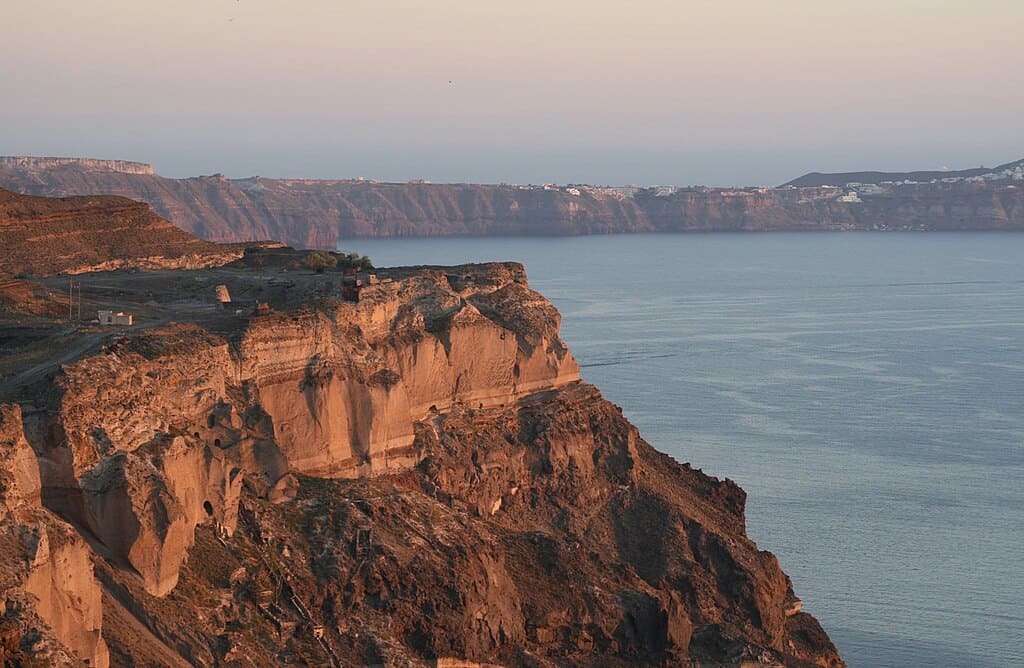
The Long Valley Caldera in California is yet another significant volcanic feature in the United States. Known for its impressive size, Long Valley has shown signs of activity in the modern era, with ground deformation events and earthquake swarms. It is closely monitored for potential indicators of future activity.
Valles Caldera A New Mexico Marvel
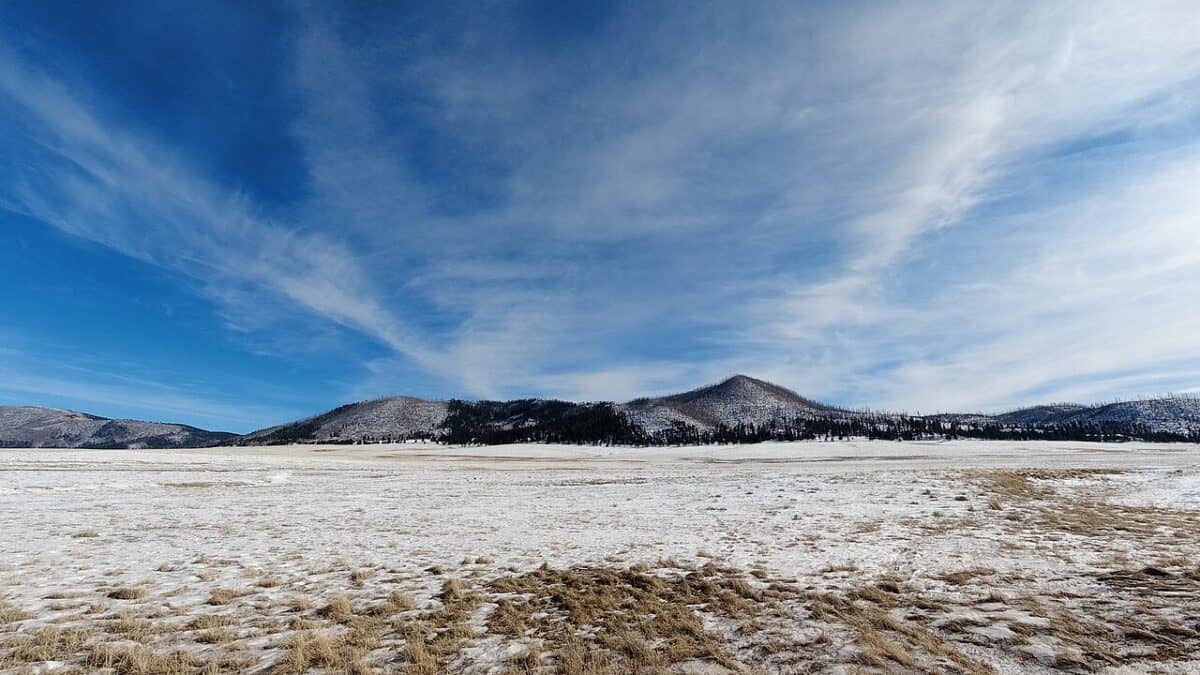
New Mexico’s Valles Caldera offers a glimpse into the nature of supervolcanoes through its expansive landscape. The caldera’s formation 1.25 million years ago resulted from a spectacular eruption. Today, it is a site of natural beauty and scientific exploration, with its geothermal systems offering clues to past eruptions.
Lake Toba Indonesia’s Legendary Supervolcano
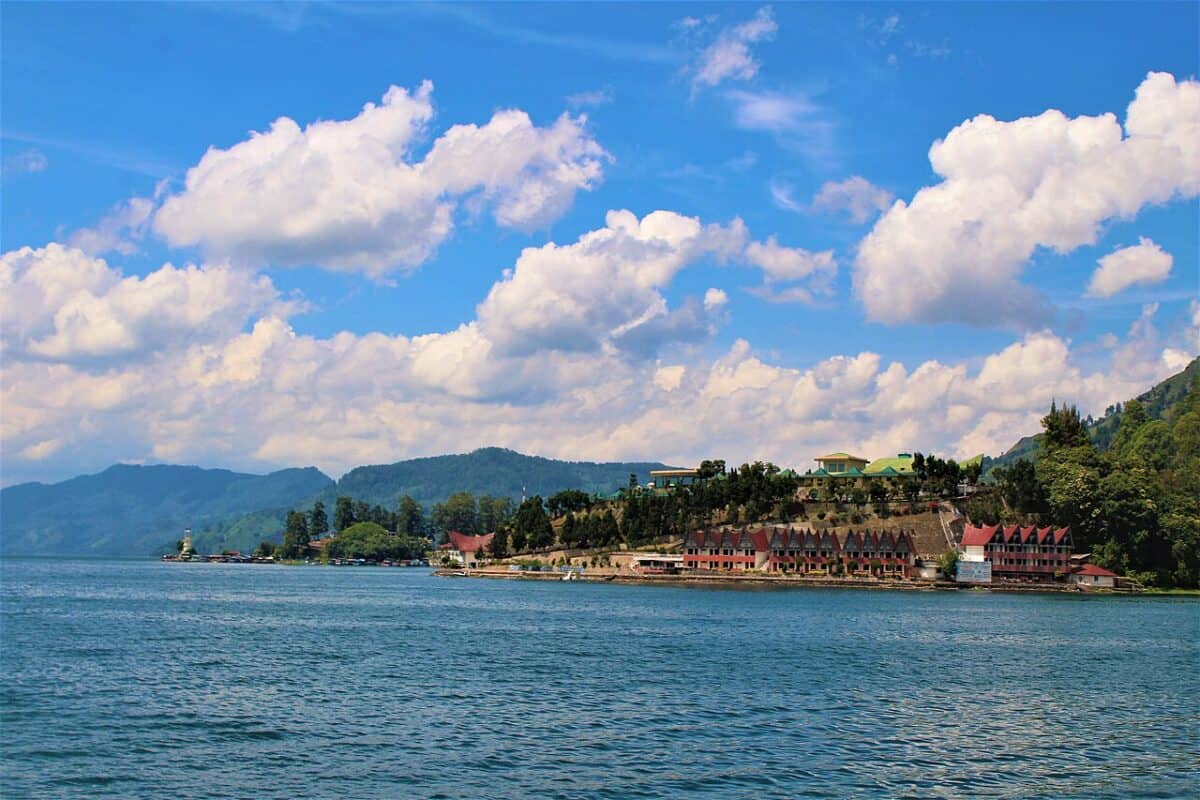
Indonesia’s Lake Toba is not only a caldera but also the largest volcanic lake in the world. The Toba supereruption substantially altered the Earth’s climate, significantly affecting global temperatures. This supervolcano continues to intrigue scientists studying its past activities and current volcanic processes.
Okataina New Zealand’s Active System

Part of New Zealand’s Taupo Volcanic Zone, the Okataina Volcanic Centre has produced several significant eruptions over time. Known for its frequent volcanic activity, Okataina remains under scrutiny as researchers analyze its volcanic and tectonic systems, seeking to better understand the complexities of supervolcanoes.
Mount Aso Japan’s Persistent Threat
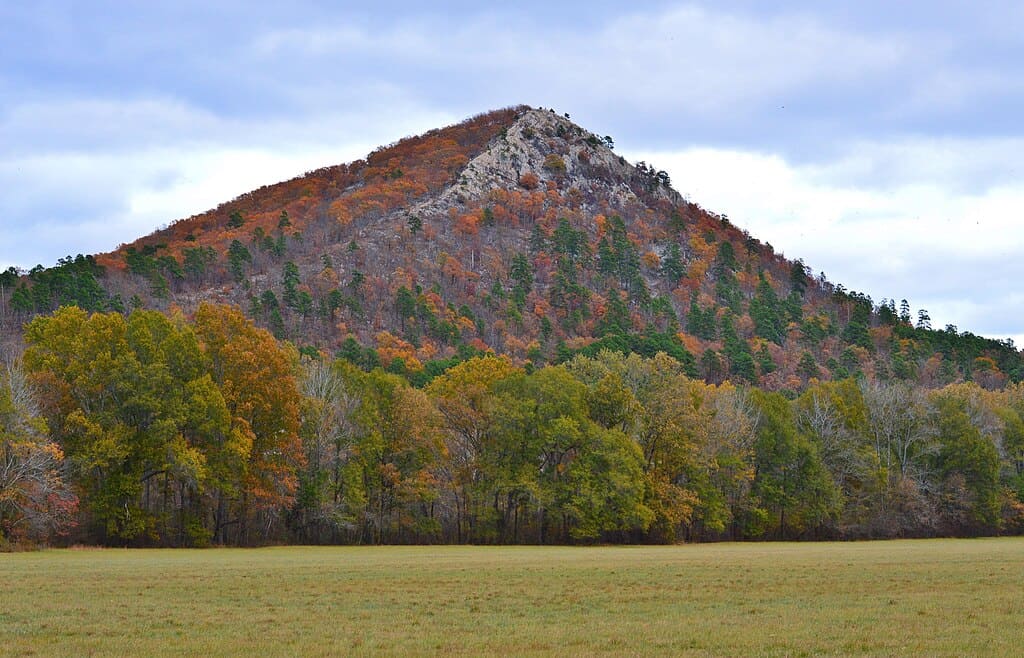
Mount Aso in Japan is a site of ongoing volcanic activity. Known for its vast caldera and regular eruptions, Aso has the potential to disrupt life in its vicinity. Japanese scientists closely monitor it to detect early warning signs of potential supervolcanic activity, given the densely populated areas nearby.
Exploring the Impact of Supervolcanoes

Supervolcano eruptions have a profound impact on the Earth’s climate and ecosystems. They can result in extensive ash clouds, blocking sunlight and reducing global temperatures, often for several years. The resulting “volcanic winter” can affect agriculture, wildlife, and human societies, emphasizing the importance of understanding and studying these colossal forces of nature.
Conclusion:
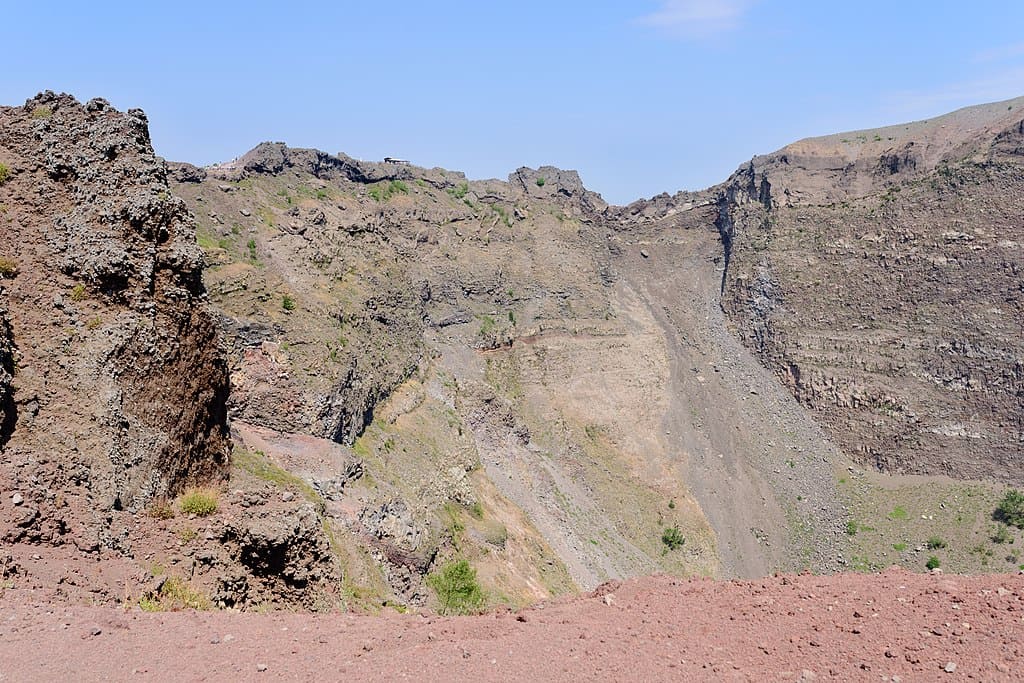
In conclusion, supervolcanoes represent some of Earth’s most awe-inspiring natural phenomena. Though hidden beneath the surface, their potential for transformation is immense. Continuous monitoring and scientific research are crucial to anticipating and mitigating the impacts of future supervolcanic events. As we explore these subterranean giants, we gain insights not only into the Earth’s past but also into safeguarding our future.

As a little kid, I fell in love with nature, wildlife, and animals. Living in the USA, South Africa, Italy, China and Germany gave me the opportunity to discover the world's Wildlife. My favorite animals are Mountain Gorillas, Siberian Tigers, and Great White Sharks.
I'm a certified PADI Open Water Diver, went to Everest Base Camp and Trekked Gorillas in Uganda. I hold a Master of Science in Economics and Finance.
Please send any feedback to feedback@animalsaroundtheglobe.com
- 13 Aquatic Mammals That Don not Look It - July 10, 2026
- 15 Unlikely Hunters With Killer Instincts - July 10, 2026
- 10 Low-Maintenance Pets for Busy Owners - July 10, 2026