
Let’s be honest. You’ve probably already packed your bags, locked in your hotel, and double-checked that someone will grab your mail while you’re gone. Maybe you’ve even planned out your entire itinerary day by day. Yet there’s one critical detail that almost everyone overlooks when it comes to their pets, and honestly, it drives me a bit crazy every time I see it happen. It’s not about forgetting to pack their food or leaving behind their favorite toy. It’s something far more foundational, and the consequences can be genuinely heartbreaking.
Each animal’s personality is different, so owners should gauge their pet’s comfort with travel before embarking on a big trip. The thing is, most of us assume our pets will be fine with whatever we decide. We rush through the logistics without pausing to consider what’s actually best for them. So let’s dive into what this mistake really is and how you can avoid making it yourself.
Skipping the Trial Run

Here’s the thing most pet owners don’t think about. These sedatives have to be planned out ahead of time. Your pet needs to try it 1-2 times ahead of the trip to see how it affects them as these medications affect each pet differently. Whether you’re planning to bring your pet along or leave them with a sitter, you need to test the arrangement first.
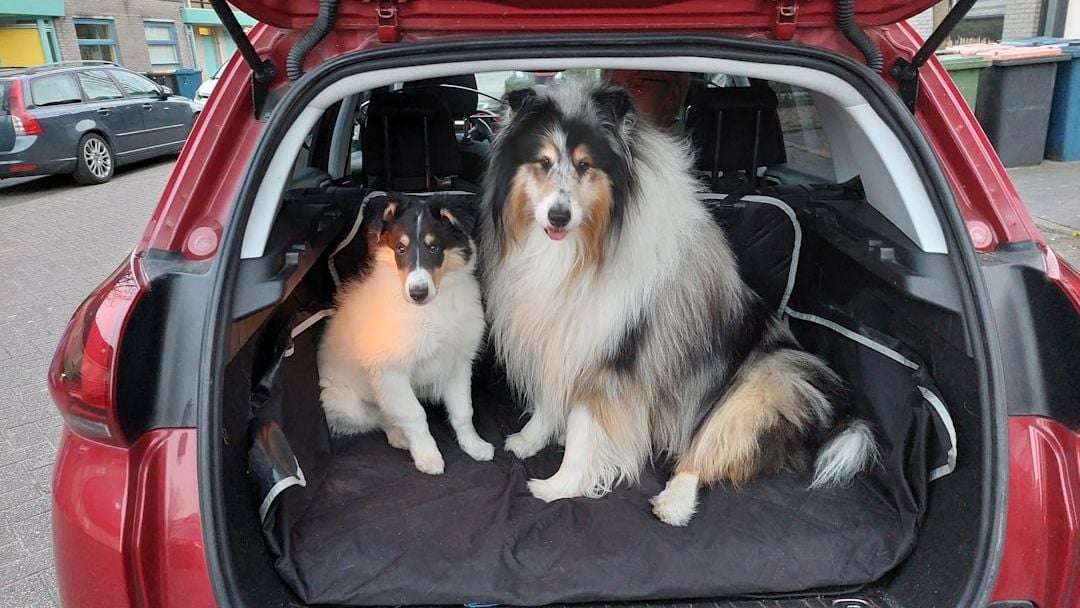
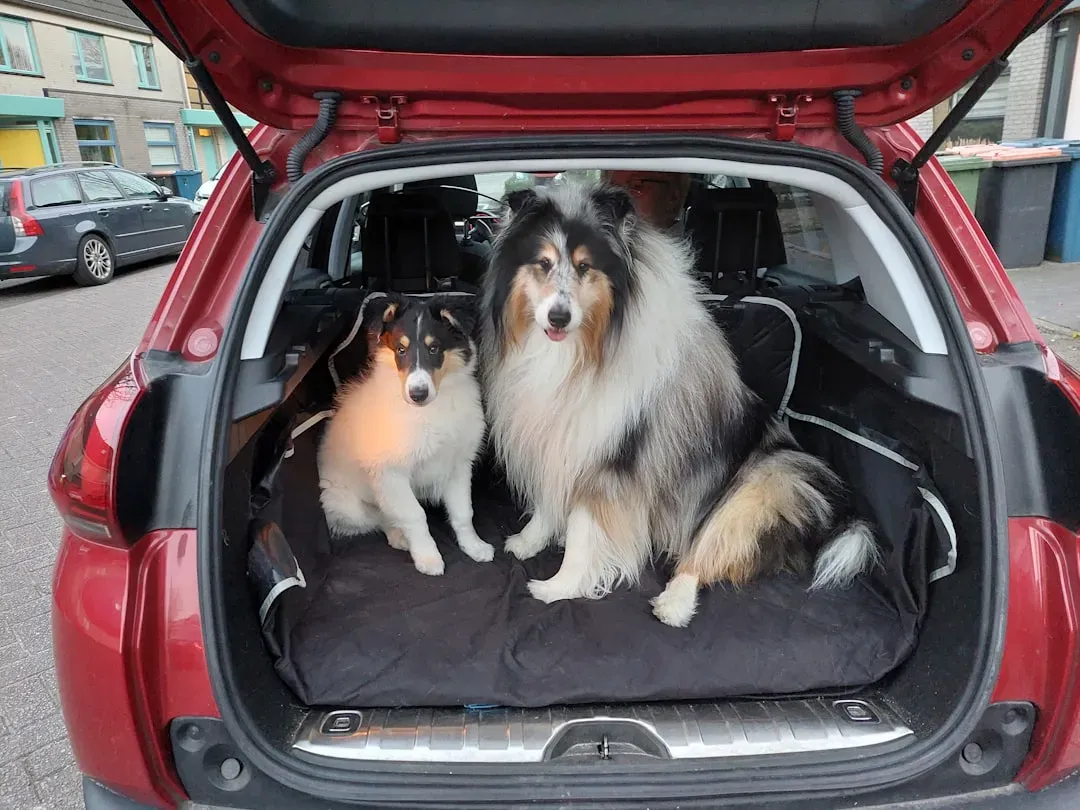
Think about it like this. Would you wear brand new shoes on a marathon? Of course not. Do a few short practice drives before a long road trip. The same logic applies to your furry friend.
If you’re boarding your pet for the first time, consider testing the waters with daycare or even a one-night trial. Many owners book a facility without ever letting their pet spend a single night there beforehand. Then they leave for two weeks and wonder why their dog comes home anxious or their cat refuses to eat for days after.
Ignoring Your Pet’s True Personality

We all want to believe our pets are adventurous spirits who’ll love exploring new places with us. Some animals have an adventurous spirit and love to travel while others don’t. Reality check: not every pet is cut out for travel, no matter how much you wish they were.
Some pets are extremely anxious in new environments and won’t settle down, won’t eat or eliminate on a leash, or will bark at every noise or new animals in their environment. I’ve seen dogs who absolutely thrive at home turn into nervous wrecks in unfamiliar settings. Cats especially tend to prefer their own territory.
The mistake here isn’t just about whether to take them or leave them. It’s about making that decision based on what you want rather than what your pet actually needs. Pet owners should carefully consider whether traveling is really in the best interest of their four-legged friend, taking their pet’s preferences and personality into account. Sometimes the kindest choice is admitting that your dream vacation isn’t their dream vacation.
Failing to Plan for the Unexpected
Alright, so you’ve decided how your pet will be cared for during your trip. You’ve found a sitter or booked a kennel or mapped out pet-friendly hotels. Job done, right? Not quite. Make sure to request a copy of your pet’s full medical history so you can have it handy in case of an emergency during travel.
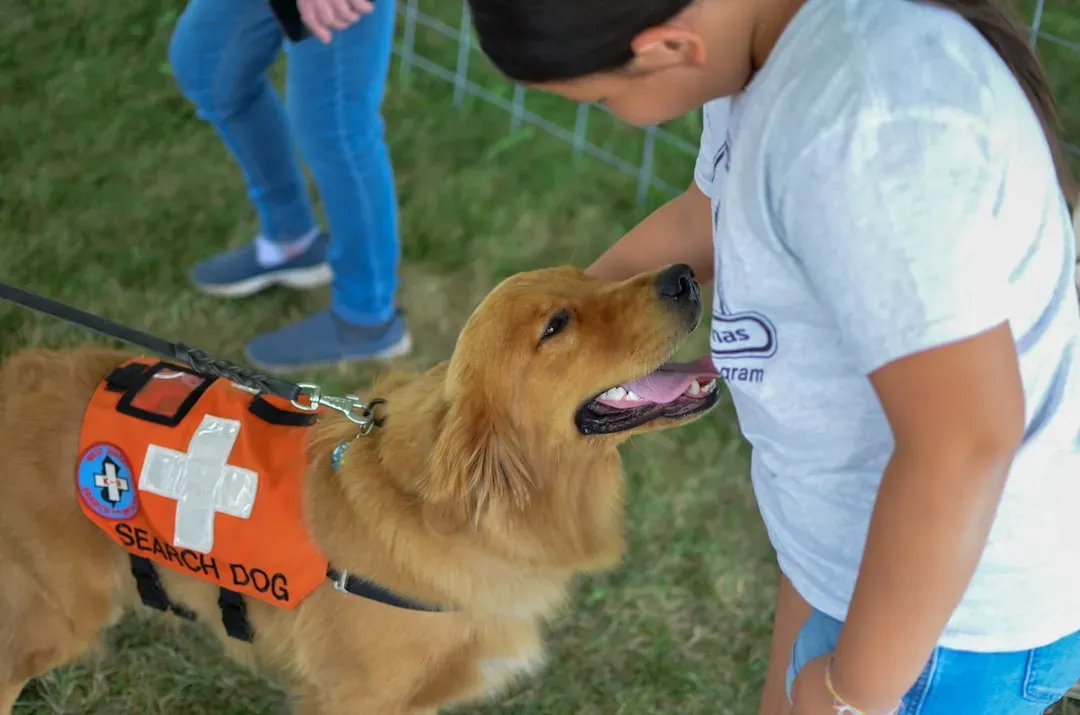
Most people never think about what happens if their pet gets sick or injured while they’re away. Have a list of emergency vets located where you are traveling. If you’re leaving your pet at home with a sitter, do they know where the nearest emergency clinic is? Do they have your vet’s contact information and authorization to seek treatment if needed?
I can’t tell you how many times at this time of year do I have sitters coming in with no clue what the dog or cat eats and they are out of food. These aren’t minor oversights. They’re the difference between a minor hiccup and a full-blown crisis that ruins everyone’s trip.
Rushing the Preparation Process
Here’s where things get real. No matter what you do with your dog when you travel, be sure to plan in advance. Boarding facilities can book up quickly, and you should never assume your friend or family member will be available. Yet countless pet owners wait until the last possible moment to figure out their pet care arrangements.
WE WANT TO CAUTION YOU, do not wait until last minute for an appointment. These sedatives have to be planned out ahead of time. If your pet needs any medical clearance, vaccinations, or health certificates for travel, these things take time. Prior to your trip, make sure your pet’s vaccinations are up-to-date and obtain a health certificate from your veterinarian dated within 10 days of your departure.
International travel is even more demanding. Taking care of the necessary documents can take months to complete because of all the vet certifications, tests, and vaccinations that you’ll need. Procrastination here isn’t just inconvenient. It can literally prevent you from traveling at all.
Forgetting That Communication Is Everything

This is perhaps the most underrated part of the entire process. Arrange a meet-and-greet between your pet and sitter before you leave so everyone feels comfortable. You can’t just hand over your pet with a quick explanation and expect everything to go smoothly.
Leave clear instructions (food, meds, routines, emergency contacts, vet info) and more than enough food and supplies. I’m talking written instructions, not just verbal ones you rattle off as you’re walking out the door. Your pet’s routine matters more than you think. What time do they eat? How much? What quirks do they have? What calms them down when they’re stressed?
Complete information to the sitter whether in home or at their home is imperative. Preparation is key. Honestly, you can never over-communicate when it comes to your pet’s care. The more information you provide, the better equipped your sitter or boarding facility will be to handle whatever comes up.
Conclusion: The Real Mistake

So what’s the one mistake that ties all of these together? It’s assuming that pet care during travel is something you can figure out at the last minute. It’s treating it like an afterthought instead of a crucial part of your trip planning. Planning your pet’s care and routine is just as important as planning the vacation itself.
The desire to introduce your dog or cat to the extended family may be great, but it’s more important to prioritize what is best for your pet’s comfort and overall well-being. Sometimes that means bringing them along. Sometimes it means finding the perfect sitter. Either way, the decision requires thoughtful preparation, testing, and honest assessment of what your pet truly needs.
Your vacation should be relaxing, not filled with worry about whether your furry companion is okay. Take the time to get this right. What do you think about it? Have you ever rushed pet care planning and regretted it later?
