
Dusk Is When Owls Change Gears
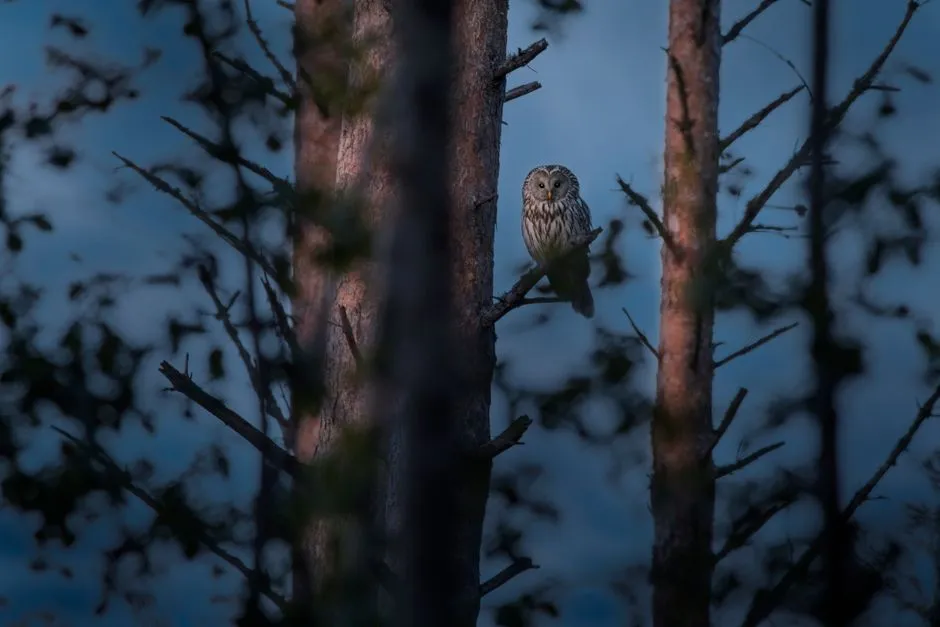
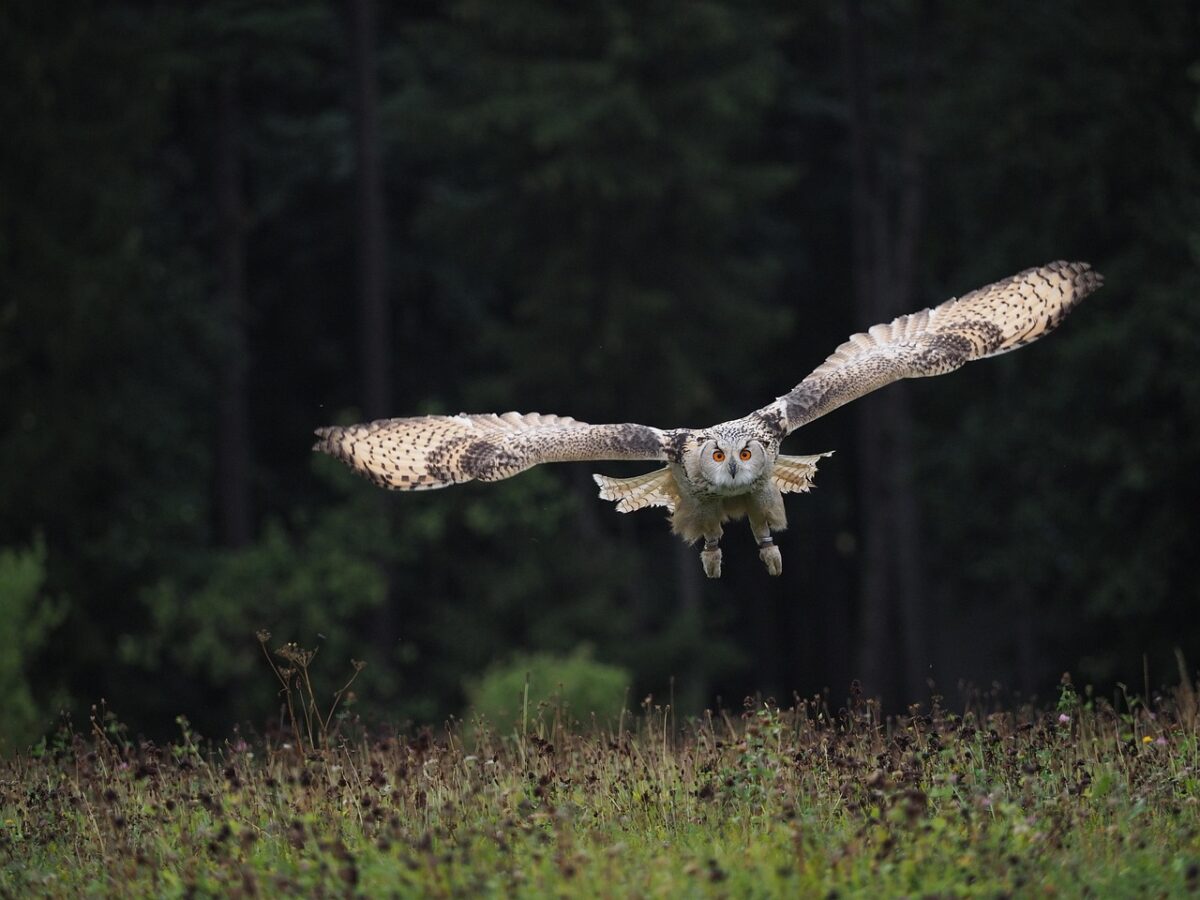
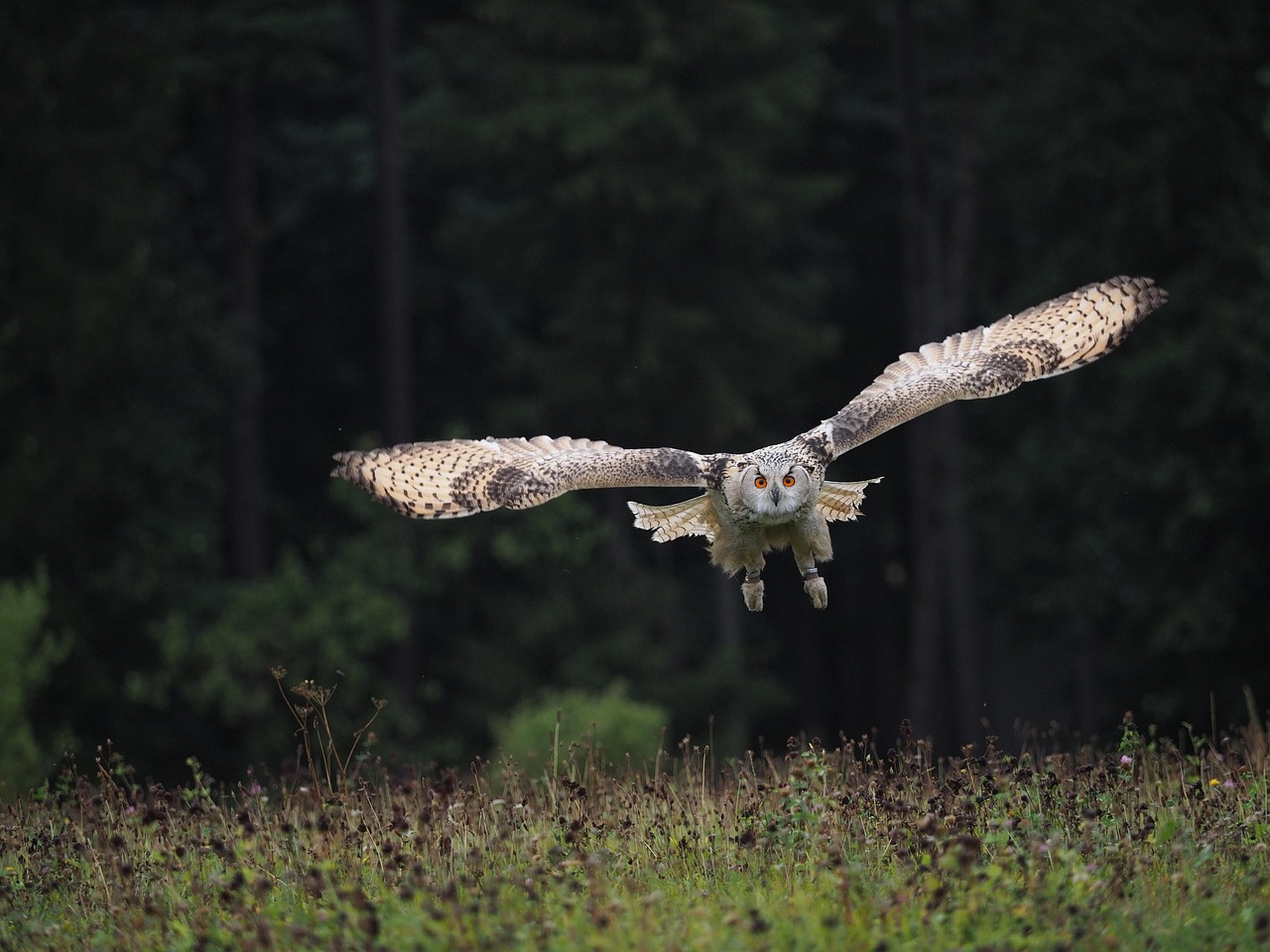
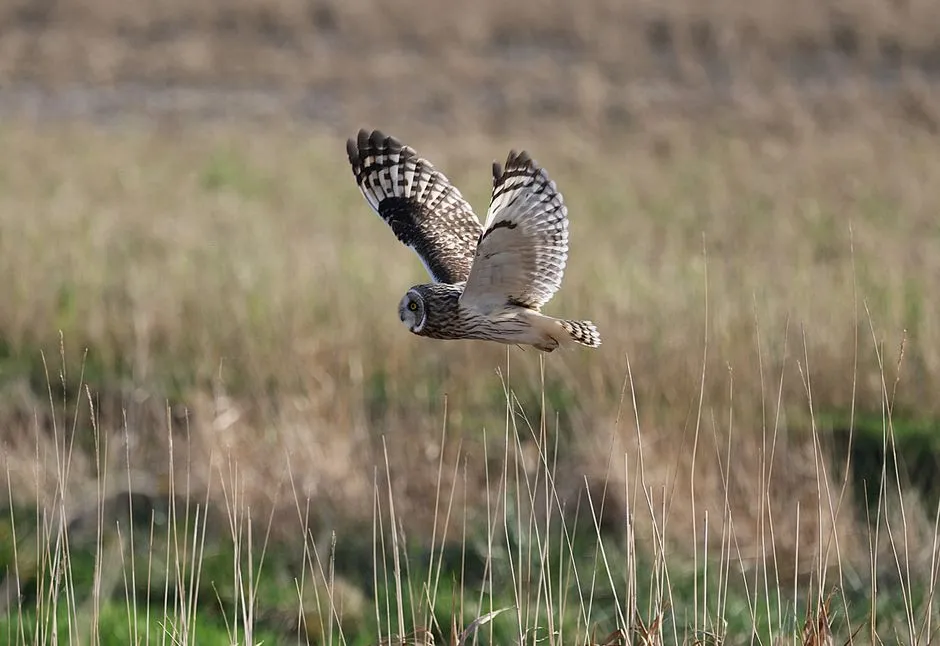
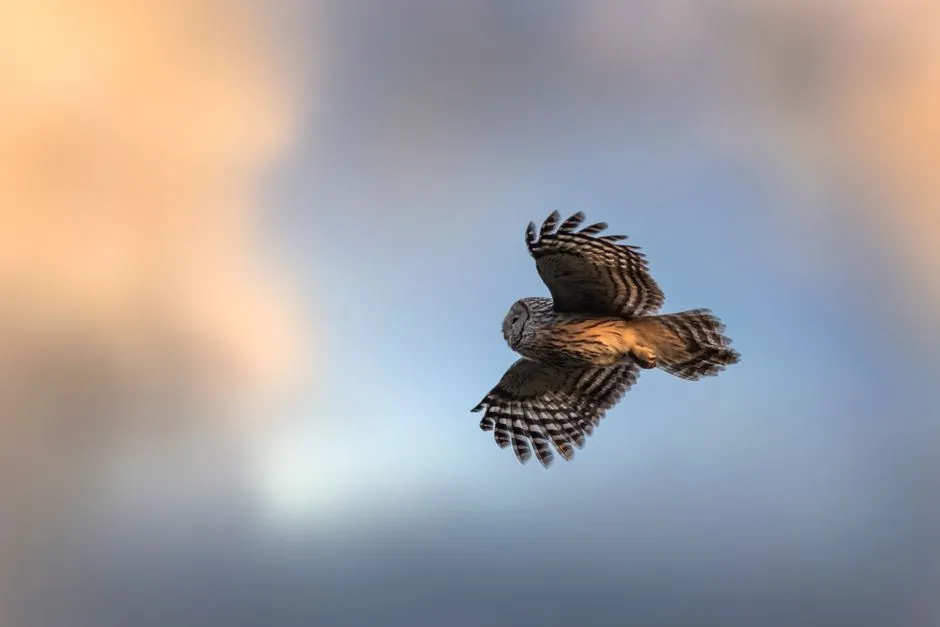
Owls aren’t uniformly nocturnal, even though popular imagination treats them that way. Some owls are crepuscular, meaning they are most active at dawn and dusk, while others are diurnal and hunt during the day. Crepuscular owls, like the Barred Owl and Short-eared Owl, are active during twilight hours.
That shift at dusk isn’t random. This hunting strategy allows them to take advantage of lighting conditions that make it easier to spot prey while avoiding competition with fully nocturnal predators. It’s a practical adjustment, not a mysterious one, but it happens to line up with something else moving through the underbrush at exactly the same time.
Why Predator and Prey Wake Up Together
The reason dusk matters so much comes down to timing that owls didn’t invent, they simply exploited. Herbivores like deer and elk are more active during dawn and dusk, while predators like foxes and owls tend to hunt at night. That overlap at twilight means an owl becoming active is rarely a coincidence tied only to the bird itself.
An observer who noticed an owl shifting into hunting mode wasn’t just watching a bird. They were watching a signal that the entire food chain nearby was starting to stir, since many owls that are usually nocturnal may shift to crepuscular activity if their preferred prey is more active at dawn or dusk. Reading one animal’s behavior, in other words, meant reading several animals at once.
The Silent Flight That Gives the Game Away
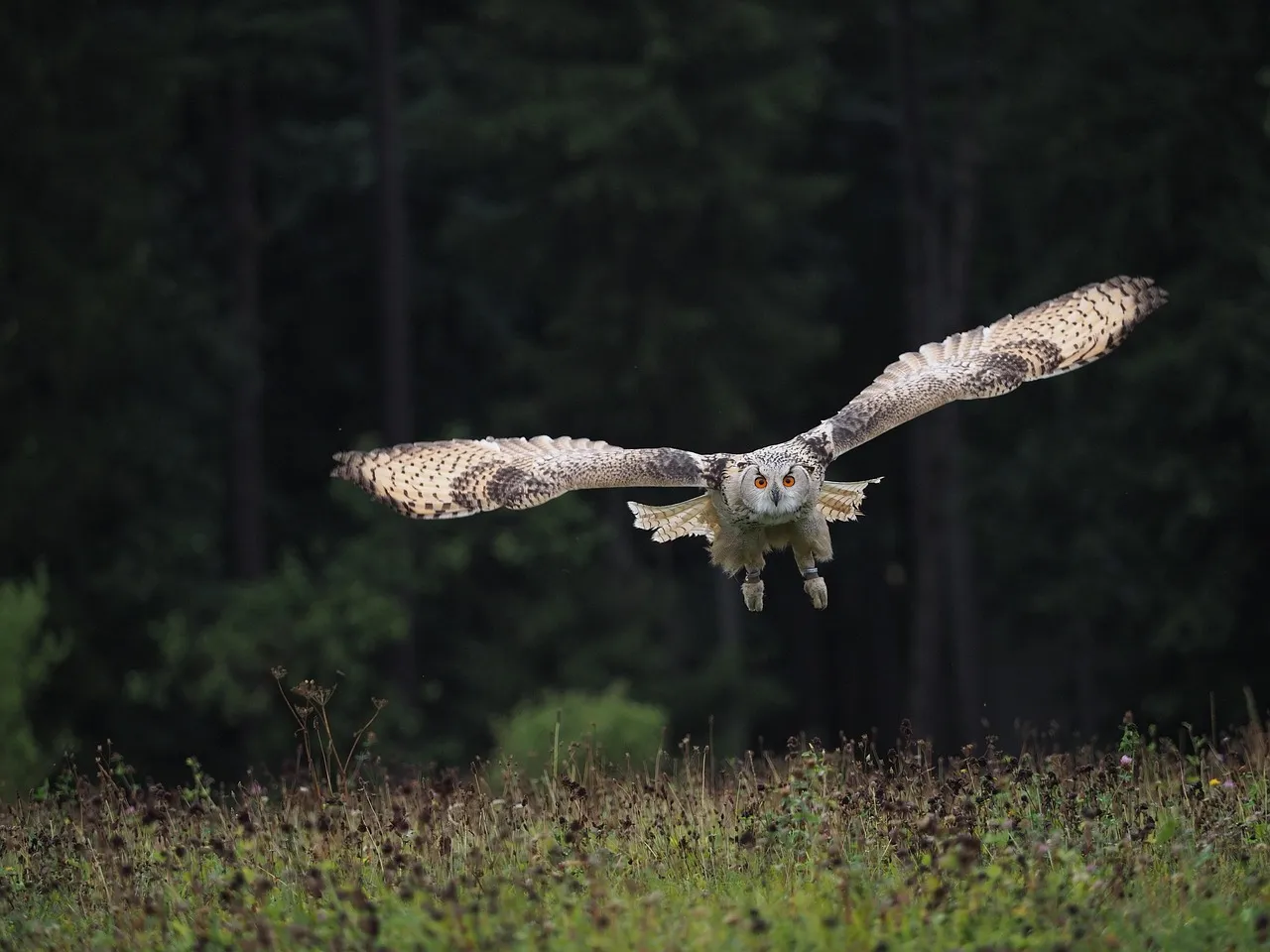
Part of what makes an owl’s dusk activity so noticeable to a trained eye is the strange quiet it moves through. Serrated edges on the leading edge of owls’ remiges muffle an owl’s wing beats, allowing an owl’s flight to be practically silent. The surface of the flight feathers is covered with a velvety structure that absorbs the sound of the wing moving, and these unique structures reduce noise frequencies above 2 kHz, making the sound level emitted drop below the typical hearing spectrum of the owl’s usual prey.
For a tracker, that silence became a kind of visual cue rather than an audible one. Since the wings made almost no sound, a skilled observer had to watch posture, flight direction, and perch changes instead, because many other owl species are sit-and-wait predators, sitting on a perch above a foraging area, waiting for prey to appear. A perched owl leaning forward, tracking something on the ground, told an experienced eye far more than any hoot ever could.
What Native Traditions Actually Say About Owls
It’s worth being honest here rather than romantic. Owl symbolism across Indigenous nations in North America is varied and often centers on spiritual meaning rather than hunting mechanics. In most Native American tribes, owls are a symbol of death, and hearing owls hooting is considered an unlucky omen. Other traditions took a very different view.
In Lakota understanding, the owl is often connected to awareness and the unseen, and it is respected for its ability to move quietly and observe what is hidden. Practical woodcraft and spiritual belief were rarely separated in these traditions, and Native Americans learn from the owl’s hunting skills, being patient, quiet, and observant, and these traits are important in daily life and survival. The owl wasn’t just a symbol on a story blanket. It was a working model for how to move through the world unseen and unheard.
Reading Signs, Not Just Sightings
Traditional tracking, wherever it developed, relied on stacking small clues rather than trusting any single one. Interpreting animal behavior can help predict their movements and understand their interactions with the environment, since animals’ feeding patterns are influenced by food availability and competition, and herbivores like deer and elk are more active during dawn and dusk. An owl shifting position at dusk was one thread in a much larger weave.
Trackers also relied on the physical evidence animals left behind, layering that on top of behavioral observation. Observing tracks near feeding areas can reveal where animals forage and what they eat, and animals often follow well-worn trails to move between feeding, resting, and watering areas. An owl’s attention, combined with a known game trail nearby, gave an experienced observer a strong hunch about where and when something else would show up, even if no one could promise an exact number of minutes.
The Owl as an Early Warning System
Beyond spiritual meaning, some traditions describe owls in terms that sound almost like a job description for a sentinel. Né’éshjaa’ is explained to be a messenger that informs others of danger or neglect, which commands a great sense of respect. That framing, a bird whose behavior carries information worth paying attention to, fits neatly with how a practical tracker would treat any reliable environmental cue.
It’s a reminder that Indigenous ecological knowledge wasn’t separate from spiritual belief, it was often woven through it. Owls also remind people to respect nature, and their presence warns against over-hunting or breaking tribal laws. Watching an owl carefully, in that sense, was as much about restraint and attentiveness as it was about locating the next meal.
What This Old Knowledge Still Teaches Us
Modern wildlife trackers still lean on the same basic logic, even if the language has changed. Prey remains such as feathers, bones, or partially eaten prey can indicate the presence of predators like hawks, owls, or coyotes. The habit of connecting one animal’s behavior to the movements of another hasn’t gone out of style, it’s just been formalized into field guides and citizen science apps.
None of this means an owl functions like a stopwatch, and it would be dishonest to claim that any tradition ever pinned prey movement to an exact thirty minute mark with the precision of a lab experiment. What’s true, and verifiable, is that owls at dusk are a genuine behavioral marker of a broader wave of activity moving through a landscape, and generations of skilled observers built real, working knowledge around noticing it. That distinction matters. The value in this kind of traditional knowledge was never in false precision, it was in patience, attentiveness, and the willingness to read a landscape as a connected whole rather than a collection of isolated animals. If there’s a lesson worth carrying forward, it’s that the sharpest trackers were never chasing certainty. They were chasing attention, and an owl at dusk gave them plenty to pay attention to.

- 12 Architectural Wonders From The Ancient World That Inspire Us Today - July 18, 2026
- 6 Beautiful Ancient Cities That Time Forgot (But Shouldn’t) - July 18, 2026
- 6 Common Animal Behaviors That Are Often Misunderstood by Humans - July 18, 2026