
Most cat owners assume their pet lives in perfect comfort. The food bowl is full, the bed is soft, and the home is warm. So why does your cat still bolt from the room sometimes, or freeze up like a statue when you get too close? The answer probably isn’t what you think – and it almost certainly isn’t a stranger, a loud truck outside, or a change in weather.
It’s you. Something you do every single day. Something so ordinary it barely registers as a behavior at all. The truth is that cats experience the world in a fundamentally different way than we do, and a handful of our most habitual human actions translate, in feline terms, to something closer to a threat display than an act of affection. Understanding this doesn’t just make you a better pet owner. It changes the entire relationship.
#1: Staring Directly Into Your Cat’s Eyes
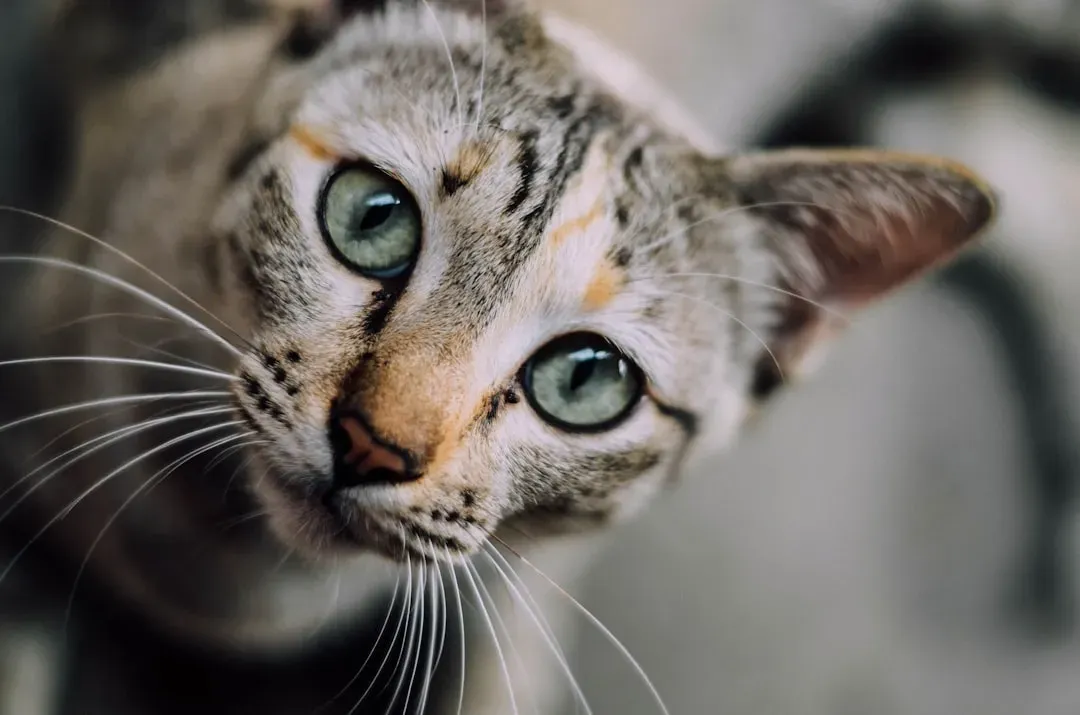
Most of us do it without thinking. You’re sitting across the room, your cat catches your gaze, and you hold it, maybe even smile and lean in. To you, that’s connection. To your cat, it can register as something far less friendly.
While we consider eye contact friendly, cats view it as assertive, threatening, and intimidating. This is rooted in hard instinct, not personality. In the wild, direct eye contact between animals can be a sign of a challenge or confrontation. Your cat isn’t interpreting your loving gaze as affection – they’re reading it through a filter that was calibrated long before anyone ever kept cats indoors.
When you lock eyes with your cat and refuse to look away, you’re speaking their ancestral language, whether you realize it or not. Some cats tolerate this behavior from trusted humans, but many experience it as mildly stressful. The difference between a cat that seems fine and one that quietly slinks away often comes down to individual temperament and early socialization.
While prolonged, direct stares may come off as threatening, brief and soft glances paired with slow blinking can strengthen your bond. The slow blink is essentially a feline olive branch. Try it: look at your cat gently, blink slowly, then glance away. Many cats will actually blink back. That’s the language they’d prefer you were speaking all along.
#2: Picking Them Up When They Haven’t Asked For It
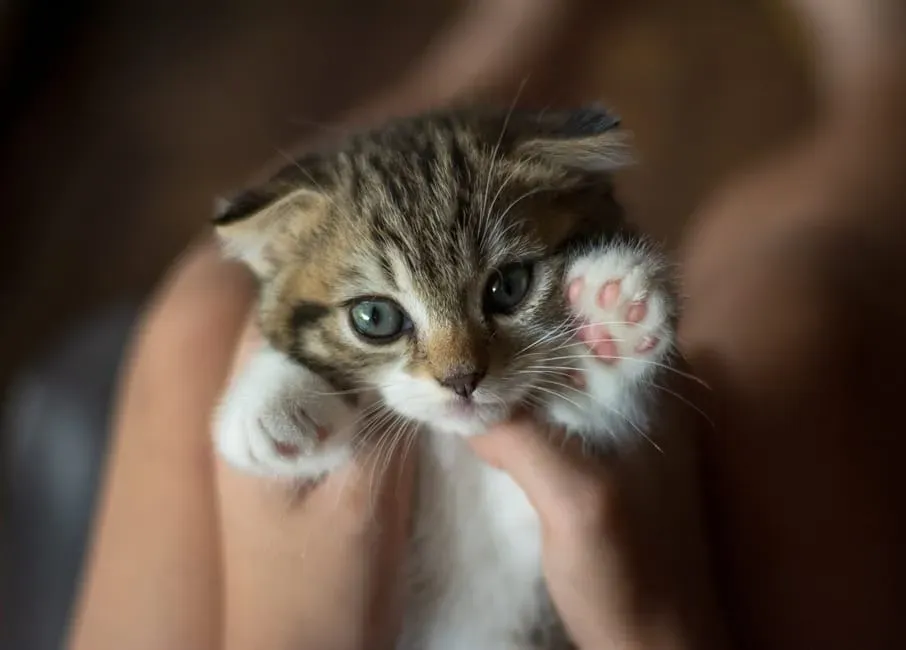
Scooping your cat off the floor feels natural. You want closeness, and there they are. But cats are creatures that move entirely on their own terms, and being suddenly lifted removes something they guard fiercely: the ability to escape.
Hugging your cat can cause stress for some felines as it restricts their ability to move freely and could trigger a defensive response due to feeling trapped. Indeed, hugs can stress some cats out as it takes away their control over the situation and may invoke feelings of vulnerability or restraint. It’s not that your cat doesn’t want closeness. It’s that they want to arrive at closeness on their own schedule.
Most cats do not enjoy being hugged, and when our pets try to get away, we often have a tendency to try even harder to hug them. That second squeeze – the instinct to hold tighter when they squirm – is precisely the move that cements the experience as threatening rather than bonding. Paying attention to your cat’s cues is critical; if they struggle or show signs of discomfort when hugged, it’s best to respect their space and find other ways to show affection that they are comfortable with.
The good news is that cats who are given the choice to approach almost always do. Sit on the floor at their level, stay still, and let them make the first move. The quality of contact when they choose it is a different thing entirely from the kind you force.
#3: Disrupting Their Daily Routine Without Warning
Cats don’t need a packed schedule. What they need is for their existing one to hold. The moment a feeding shifts, furniture moves, or a new person walks through the door, many cats go into a subtle but real state of alert.
Cats thrive on predictability. Changes such as moving homes, rearranging furniture, or altering feeding schedules can trigger anxiety. Even subtle environmental shifts can make a cat feel insecure. This isn’t fussiness for its own sake. It’s a survival instinct. A cat that knows its territory is a cat that can assess threats quickly and find safety fast.
The biggest source of stress for cats is often something new in their environment or routine. A move to a new house, a new baby or pet, weird new noises, or even unfamiliar guests in the house may trigger your cat. Some cats may be thrown by a change in your workday routine. Others may show stress if you suddenly move their food dishes, water, or litter to a new place – even inside the same house.
Cats find consistent routines and predictable environments very comforting. Play, meals and sleep should occur at approximately the same time every day. If your schedule has to change, try to adjust gradually rather than all at once. Small, incremental shifts give your cat’s nervous system time to catch up without triggering the full alarm response.
#4: Making Sudden Loud Noises
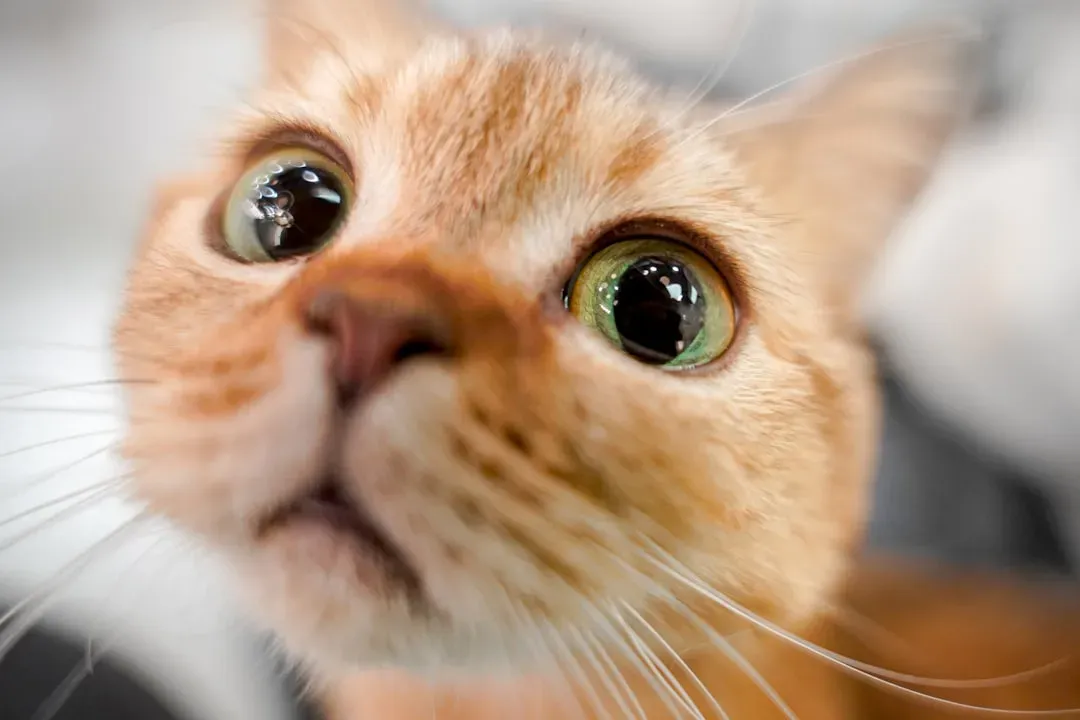
You slam a cabinet. You sneeze without warning. The blender kicks on while your cat is napping six feet away. These are the moments you barely notice – and the moments your cat may not forget for hours.
Loud and sudden sounds are among the most common triggers of fear in cats. With highly sensitive hearing, everyday household noises can feel intense or unpredictable to them. A cat’s hearing range extends well beyond a human’s, meaning the vacuum cleaner you find merely annoying lands at a genuinely different intensity on your cat’s senses.
Other sounds cats find terrifying include doorbells, knocking, door slamming, thunder, vacuuming, or road construction. Cats have a heightened sense of hearing, possibly due to multiple folds in their ears that enhance their sensitivity to high-frequency noises. Because of this heightened sense, loud noises often trigger unwanted fear and anxious behaviors, primarily because cats may not understand what the source of the noise is.
This stress response can lead to physical symptoms like a faster heart rate or trembling, along with behaviors such as hiding, vocalizing, or destructive actions. If you can’t avoid loud activities, try giving your cat a quiet room to retreat to with familiar bedding. Cat trees, perches and shelves allow cats to relax far away from perceived danger. Distance is one of the simplest stress-relief tools available to them.
#5: Forcing Interaction When They’re Trying to Hide
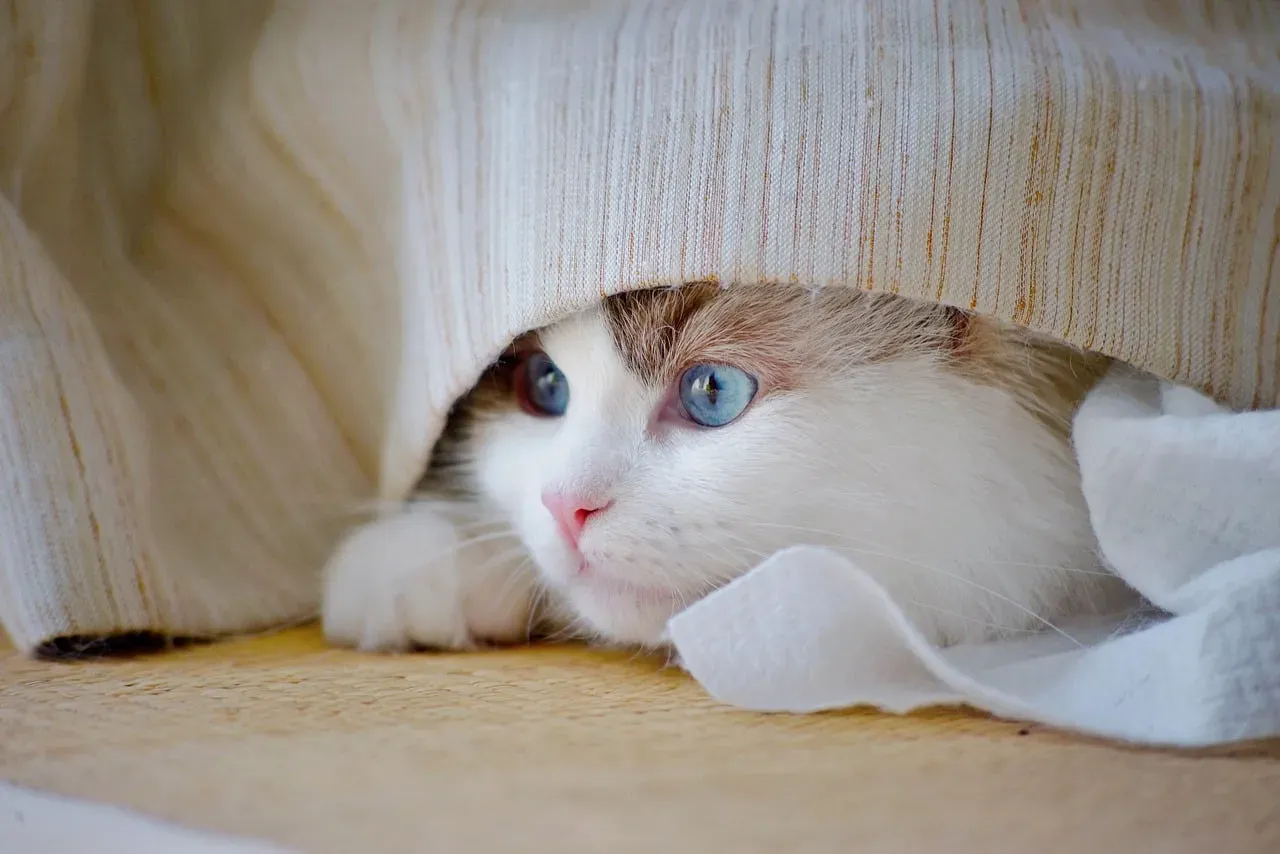
Your cat disappears under the bed. Your instinct is to coax them out, check on them, maybe reach in and pull them gently toward you. It seems like the caring thing to do. From the cat’s perspective, it may be the most frightening thing that happens to them all week.
Humans can misinterpret a cat’s hiding behavior and attempt to force the cat out to deal with the situation that is making her stressed – also known as flooding. Cats do not find this to be a positive way to build trust and handle stress. Hiding isn’t avoidance of you specifically. It’s an active, healthy coping mechanism – the feline equivalent of stepping away to calm down.
Don’t force your cat to experience the object or situation that is causing her fear. For example, if she is afraid of a certain person, don’t let that person try to pick her up and hold her. This will only make her more frightened of that person. When a cat can’t recognize the source of its fear, or can’t avoid a recurring source of fear, it can lead to anxiety that could become chronic. The cat must either live with the stress or act out behaviors in negative and harmful ways.
The better approach is straightforward: let them hide. Sit nearby quietly if you want to offer comfort, but leave the exit entirely open. Speak to your cat in a quiet, calm, and soothing voice. Avoid direct eye-contact or staring at your cat. This signals safety far more effectively than any forced interaction ever could.
Understanding Your Cat Changes Everything
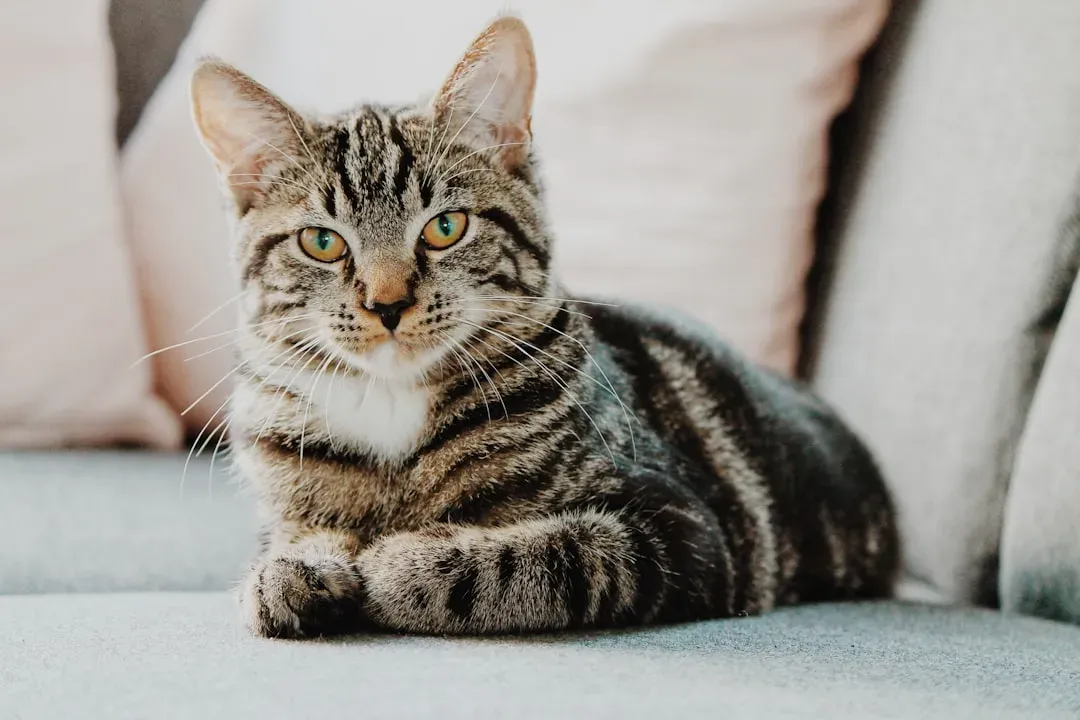
None of this means you’ve been a bad cat owner. It means you’ve been a human one – operating on human assumptions about what comfort, love, and closeness look like, without realizing that your cat runs on a very different set of instincts. Domestic cats are one of the most popular pets worldwide. Despite their growing popularity, there remains a significant gap in understanding their specific needs, leading to frequent challenges in human-cat coexistence.
Recognising fear early is essential to preventing it from escalating into chronic stress or behavioral problems. Cats rarely vocalise anxiety the way dogs do; instead, they communicate through subtle body language and behavioral shifts. That quiet flick of the tail, the slow retreat behind the sofa, the slightly flattened ears – these are full sentences, and learning to read them is one of the most worthwhile things you can do as a pet owner.
The relationship most cats genuinely want with their humans is real and available. It just requires a shift from projection to observation. Stop assuming your cat wants what you want, and start watching what they actually tell you. In most cases, they’ve been trying to say it all along. You just needed to know how to listen.

- The 8 Most Bear-Active Campgrounds in the United States Ranked by Documented Human Encounters – Most Are in States Tourists Rarely Associate With Bears - July 19, 2026
- 10 Cat Breeds That Form the Strongest Bonds With One Person - July 19, 2026
- 7 Heartwarming Ways Cats Quietly Say "I Love You" - July 19, 2026