

Most dog owners have no idea they’re doing it. You’re mid-sentence, talking to a friend, finishing a thought, and your dog suddenly bolts across the yard or breaks from a perfect sit. You didn’t give a command. You didn’t make a hand signal. You just said one very ordinary, very innocent word that you use dozens of times every single day.
That word is “okay.” It sounds harmless enough, and in human conversation it absolutely is. The problem is that it’s also one of the most widely taught release cues in dog training, and saying it while your dog jumps, barks, or holds a position can accidentally reinforce the moment, since your soothing tone may function as attention or a release. The confusion it creates quietly undermines months of careful training. Here’s everything you need to understand about why this single word is causing so many problems, and what trainers are urging owners to do instead.
#1: Why “Okay” Is the Most Problematic Word in Dog Training
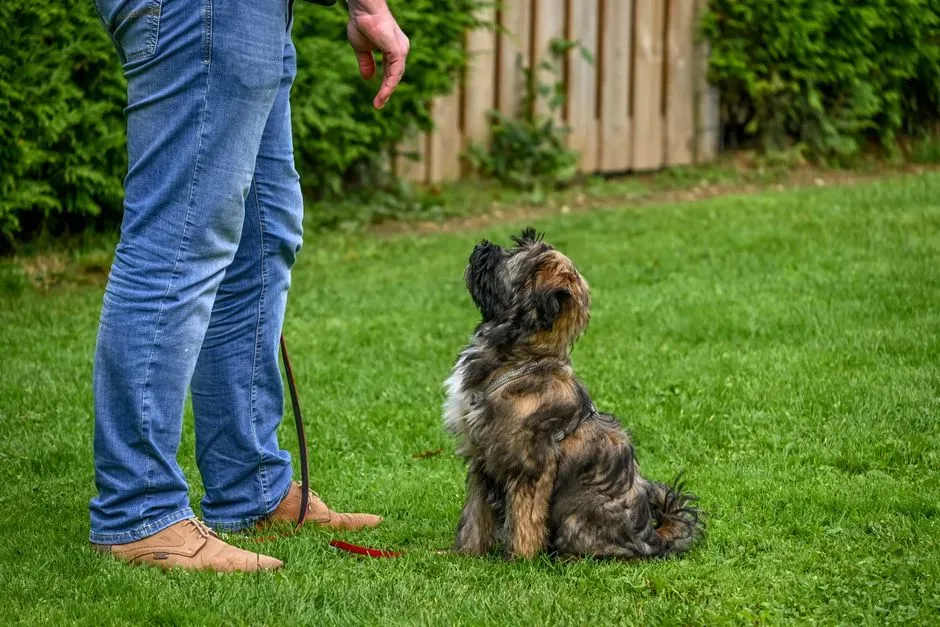
The word “okay” carries enormous weight in the training world because it functions as what trainers call a release word. “Okay” is the word that lets the dog know she is done doing whatever you just asked her to do, and it’s important to use it consistently so the dog understands the difference between one command and the next. That’s a lot of responsibility for a two-syllable word that most people say reflexively throughout the day.
The deeper issue is just how common the word is in everyday speech. The curse of the word “okay” as a release word becomes clear in real situations, where casually saying things like “okay, let’s go” or “okay, hang on” causes dogs trained to release on that cue to break from their position immediately, leading to frustration from the owner and confusion in the dog. Your dog isn’t being disobedient. They’re just doing exactly what they were taught. That’s the painful irony of the whole situation.
#2: The Confusion It Creates Goes Deeper Than You Think

Dogs don’t understand context the way humans do. They learn through consistent association between a sound and an outcome, so when a word they’ve learned to obey starts appearing in random, unpredictable situations, it genuinely scrambles their understanding. Words shape how dogs feel and learn, often more than we realize. Say the wrong phrase, and you can spark confusion, stress, or even reward the behavior you want to stop.
This is compounded by the fact that a word can only have one meaning for a dog. For example, “down” can only mean lie down. It can’t also mean get off the couch. Apply that same logic to “okay” and the problem becomes obvious. When a word is used as a formal release command during training and also peppered into casual human conversation roughly fifty times a day, the dog is left in a state of perpetual uncertainty about whether they’re being released or not. That uncertainty quietly erodes their confidence and slows down the entire training process.
#3: The Real-World Damage an Overused Release Word Causes

It’s not just an abstract training problem. Real, physical risks can arise. A dog waiting patiently in a trained position near traffic, an open door, or a busy park can break their stay the moment you casually close a phone call with “okay, talk later.” Worse, it blurs safety words you might need during vet visits and other high-stakes situations later. A well-practiced release cue that loses its precision isn’t a training hiccup. It’s a safety gap.
There’s also the long-term toll on your dog’s emotional state. Inconsistent rules can stress a dog, and inconsistent signals from different family members can lead to mixed signals and slow down your dog’s learning process. When a dog can’t predict when a command begins and when it ends, they can’t settle. They stay in a heightened state of alertness, always second-guessing, always waiting for the next unclear cue. Over time, that kind of low-grade uncertainty adds up.
#4: Why Trainers Specifically Beg You to Swap It Out
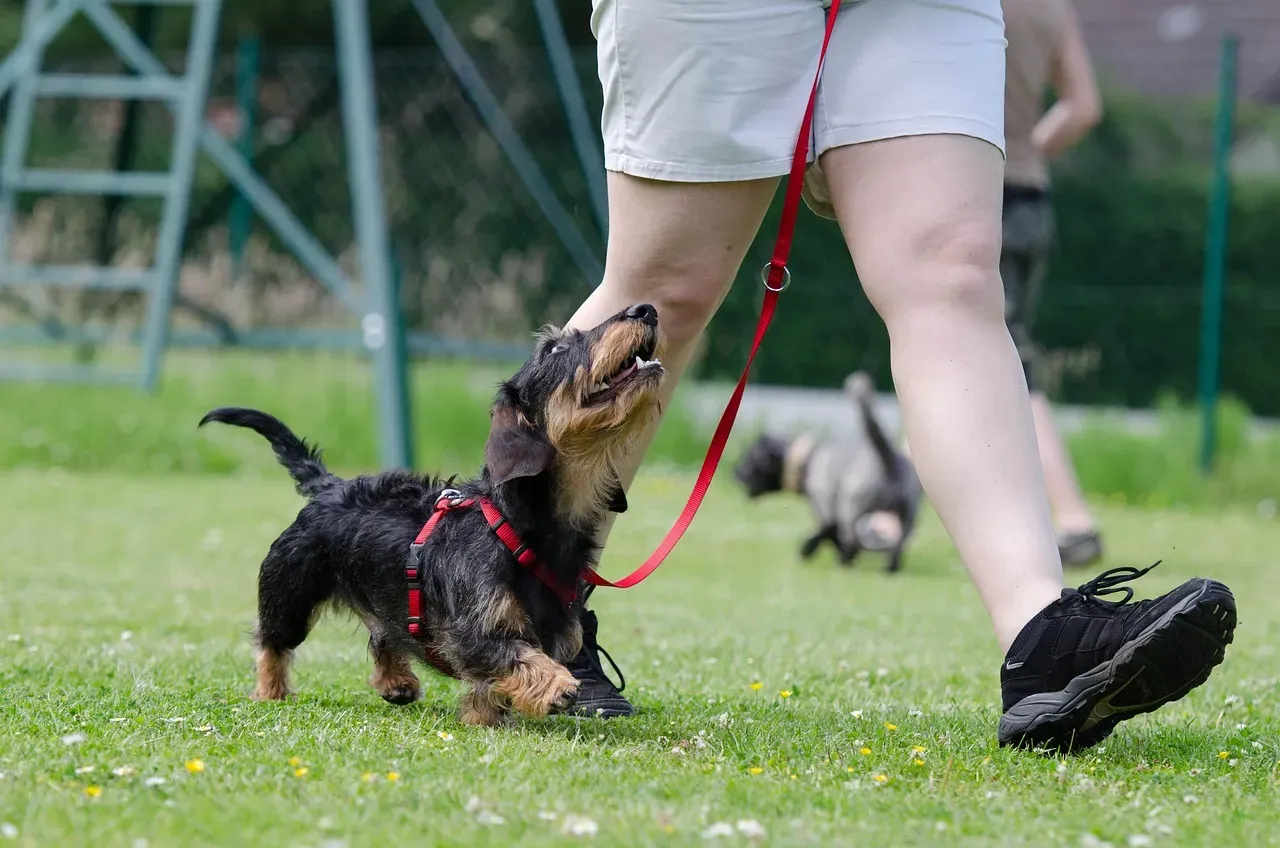
Professional trainers who spot this pattern in their clients’ interactions tend to feel a particular kind of frustration because the fix is so simple, yet the word is so deeply embedded in everyday language. Whether you’re training your dog or simply trying to communicate better with them, it’s important to keep communication simple and consistent. It’s crucial to use the same cues if you want your dog to understand you, since using inconsistent words, long sentences, and a tone that doesn’t match what you’re trying to say is a surefire way to confuse your dog.
Some options for a safer release word include “release,” “go on,” or even just saying the dog’s name. None of these are likely to be accidentally spoken in a training scenario, which will set your dog up for success instead of misunderstanding. Trainers often also suggest “free,” “break,” or “all done,” since none of these words tend to slip naturally into casual human conversation. The goal is deliberate distinctiveness. You want a word that your dog only ever hears when you mean it.
#5: How to Retrain the Habit and Rebuild Clarity for Your Dog

Changing a deeply ingrained verbal habit is genuinely hard, probably harder than teaching the dog a new word. The dog’s side of the equation is actually the simpler part. Dogs don’t understand our language naturally. We have to teach them what specific words mean. They learn by associating the word with an action and a reward. So introducing a new, distinct release word simply means pairing it consistently with the moment of freedom and reward, and repeating that association until it’s solid.
The human side requires some household coordination. Inconsistent cues from different family members can lead to mixed signals and slow down your dog’s learning process. To avoid this mistake, ensure that the rules and expectations for your dog are the same across all family members and training sessions. This uniformity will help your dog understand what is expected of them, leading to faster and more reliable outcomes. Post a note on the fridge if you have to. Have a group conversation. A few weeks of conscious effort now saves months of puzzling behavior down the road. Your dog is capable of learning this cleanly. The question is whether the humans in the house can get consistent enough to teach it.
The Bigger Lesson Hidden in One Small Word
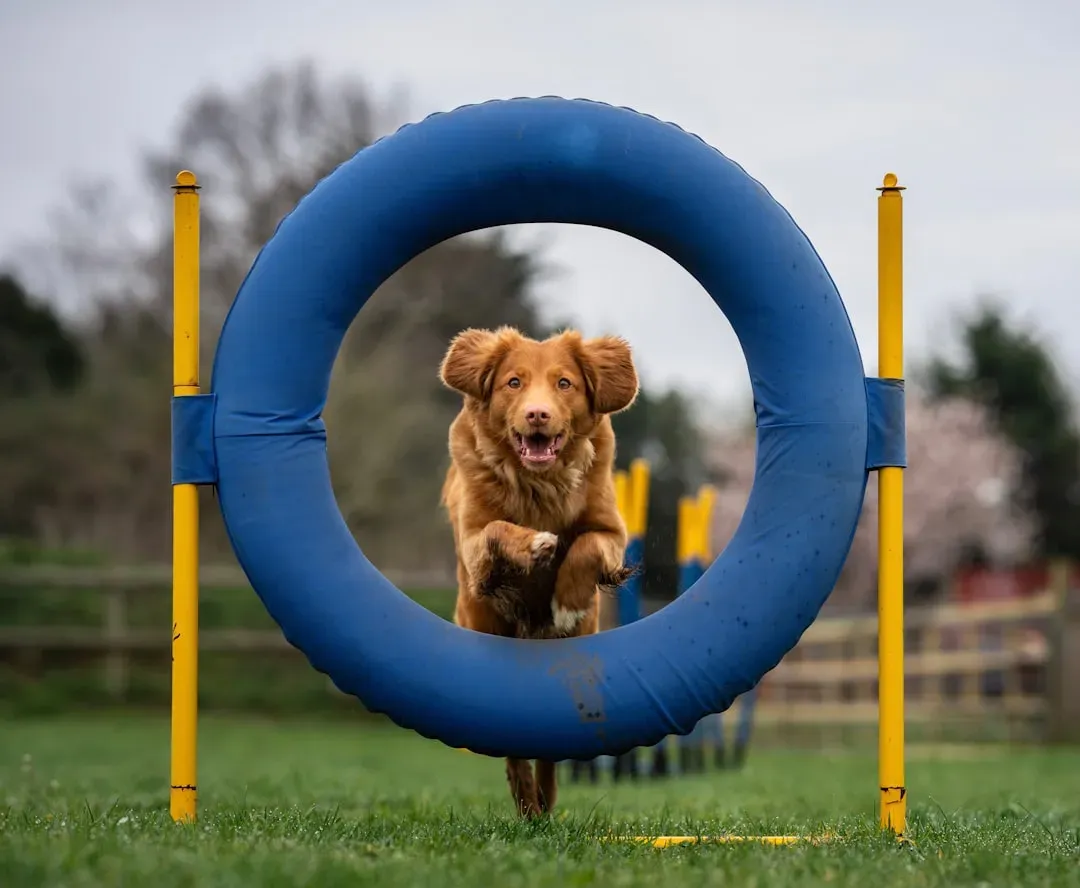
The “okay” problem is really a window into something much larger about how dogs experience us. They’re not parsing grammar or meaning. They’re pattern recognition machines listening for sounds that reliably predict what comes next. Consistency helps bridge the gap between what you want and what your dog understands. When training is inconsistent, such as using multiple commands for the same behavior or rewarding sometimes but not others, dogs can become confused. This confusion slows progress and may even lead to unwanted behaviors.
The fix isn’t complicated, and it doesn’t require a professional trainer or expensive gear. It just requires awareness. Pay attention to the words you use around your dog, especially the ones you use the most. Create positive consequences for the behavior you want repeated. A dog who has consistent cues, established rules, and positive training will be far less confused by what you want and far happier to give it to you.
One small word, used carelessly dozens of times a day, can quietly undo some of the best training work you’ve ever done. But the moment you become conscious of it, everything shifts. Your dog doesn’t need you to be perfect. They just need you to be clear.
