
Worried about unexpected vet bills?
Pet insurance can cover thousands in unexpected vet costs. Get a free quote from Lemonade in under 2 minutes.
Get My Free Quote →Sponsored · Opens Lemonade.com
Deep in the Florida Everglades, where alligators glide through dark waters and sawgrass stretches endlessly toward the horizon, lies one of America’s most extraordinary stories of resistance. While most Native American tribes were forced onto reservations or relocated to distant territories, one group defied every military campaign, every treaty negotiation, and every attempt at removal. The Seminole Tribe of Florida stands as the only tribe in America that has never signed a peace treaty with the United States government.
The Seminole identify as yat’siminoli or “free people” for good reason. Their ancestors chose to retreat deeper into the swamps rather than surrender, creating a legacy that would transform from desperate survival into remarkable triumph. Let’s dive into this incredible journey of the unconquered people.
Origins of the Unconquered Spirit
The Seminoles largely trace their ancestry to the ancient Indigenous people of Florida (Calusa, Tequesta, Ais, Apalachee, and others) and to the Muscogee Creek and other Native American migrants from Georgia and Alabama who came into Florida in the late 1700s and early 1800s. The very name Seminole tells their story of defiance. The Spanish in Saint Augustine began calling the Alachua Creek Cimarrones, which roughly meant “wild ones” or “runaways”. This was the probable origin of the term “Seminole”.
Conflicts with Europeans and other tribes caused them to seek new lands to live in peace. Groups of Lower Creeks moved to Florida to get away from the dominance of Upper Creeks. Florida became their sanctuary, a place where different Indigenous groups could forge a new identity free from outside control. This diverse coalition included not only Native Americans but also runaway slaves who found refuge among the Indians, creating a unique multicultural alliance that would prove incredibly difficult to defeat.
The First Seminole War
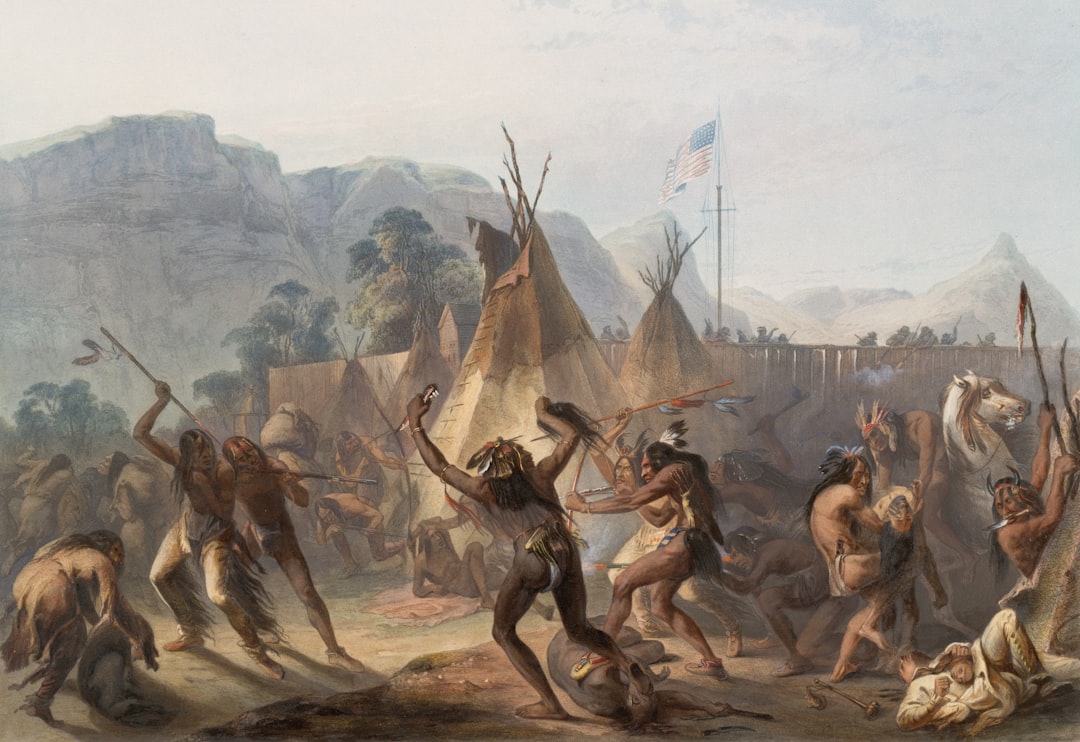
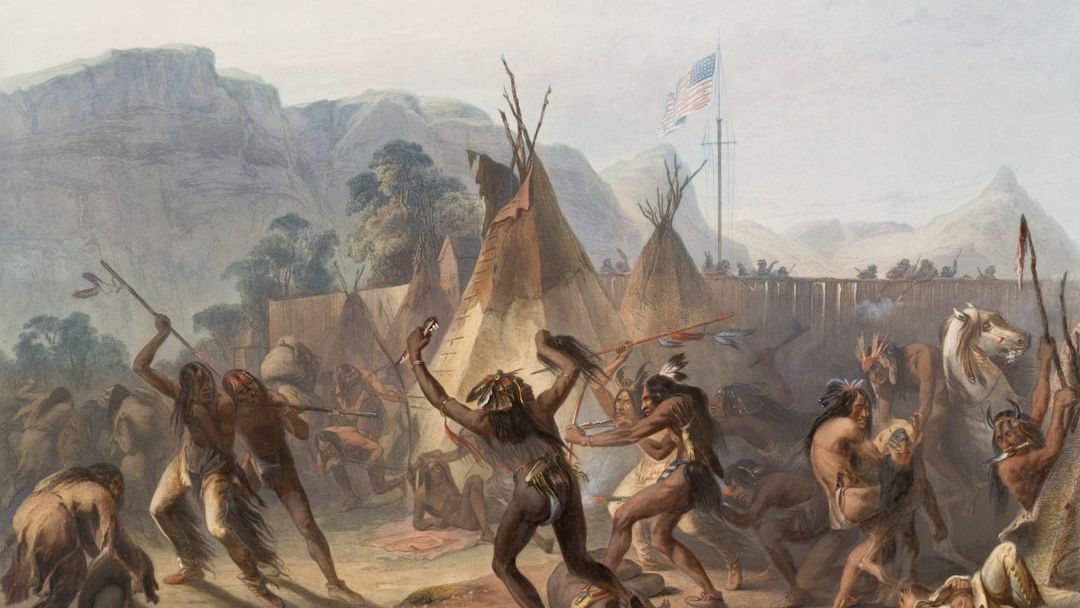
The safe-haven Seminoles provided black slaves, caused the U.S. army to attack the tribe in the First Seminole War (1817-1818), which took place in Florida and southern Georgia. American settlers and slaveholders deeply resented that the Seminoles harbored escaped slaves, seeing this as both an economic threat and a challenge to the institution of slavery itself.
Forces under Gen. Andrew Jackson invaded Spanish Florida, attacked several key locations, and pushed the Seminoles farther south into Florida. Jackson’s aggressive campaign was brutal and effective in the short term. However, it planted the seeds for decades of conflict to come. Finally, after several official and unofficial U.S. military expeditions into the territory, Spain formally ceded Florida to the United States in 1821, according to terms of the Adams-Onís Treaty.
The Dade Massacre: A Shocking Beginning to the Second War
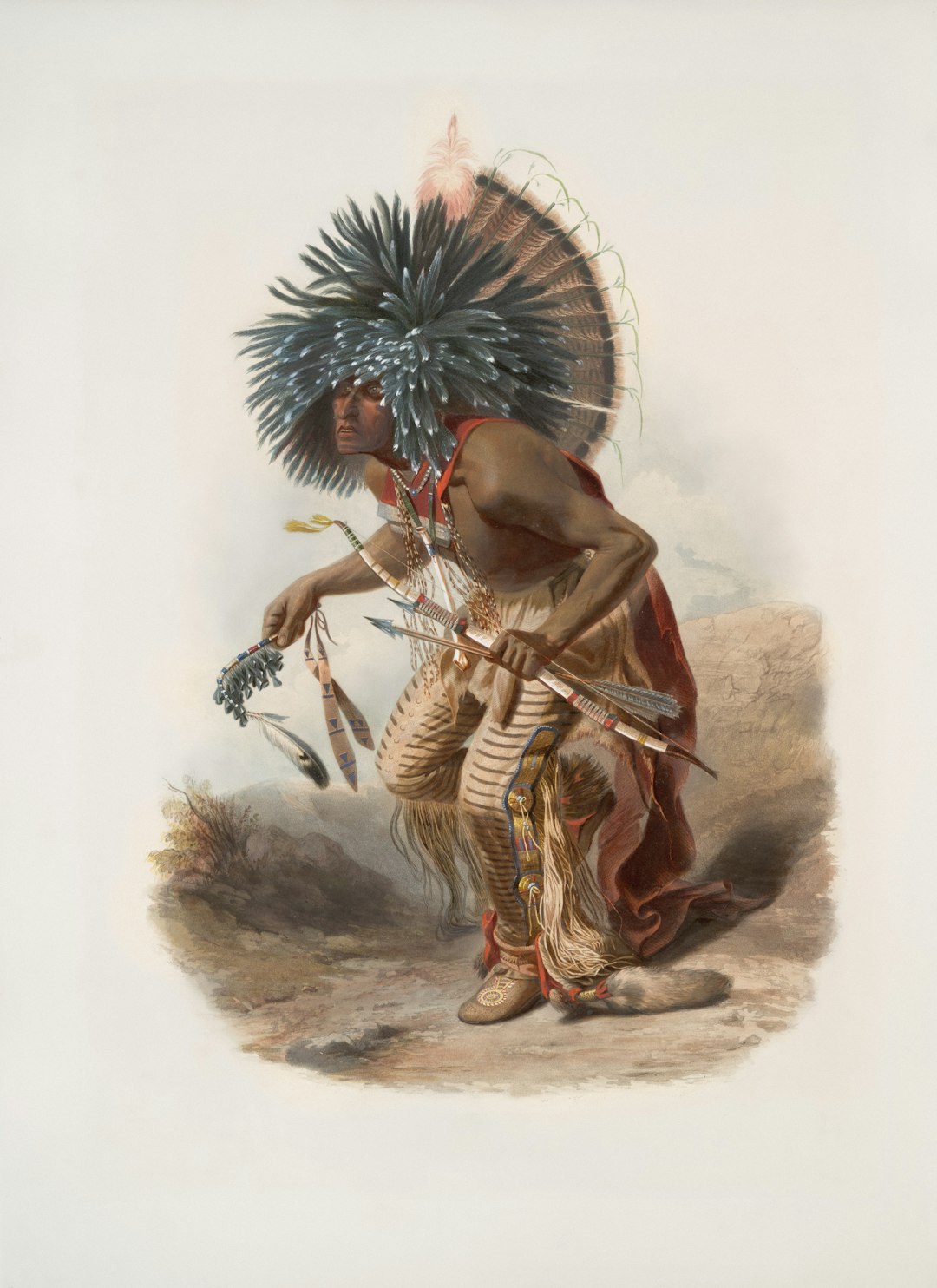
The Treaty of Payne’s Landing, signed by a small number of Seminoles in May 1832, required Indians to give up their Florida lands within three years and move west. When the U.S. Army arrived in 1835 to enforce the treaty, the Indians were ready for war. What happened next would become one of the most devastating military defeats in American history.
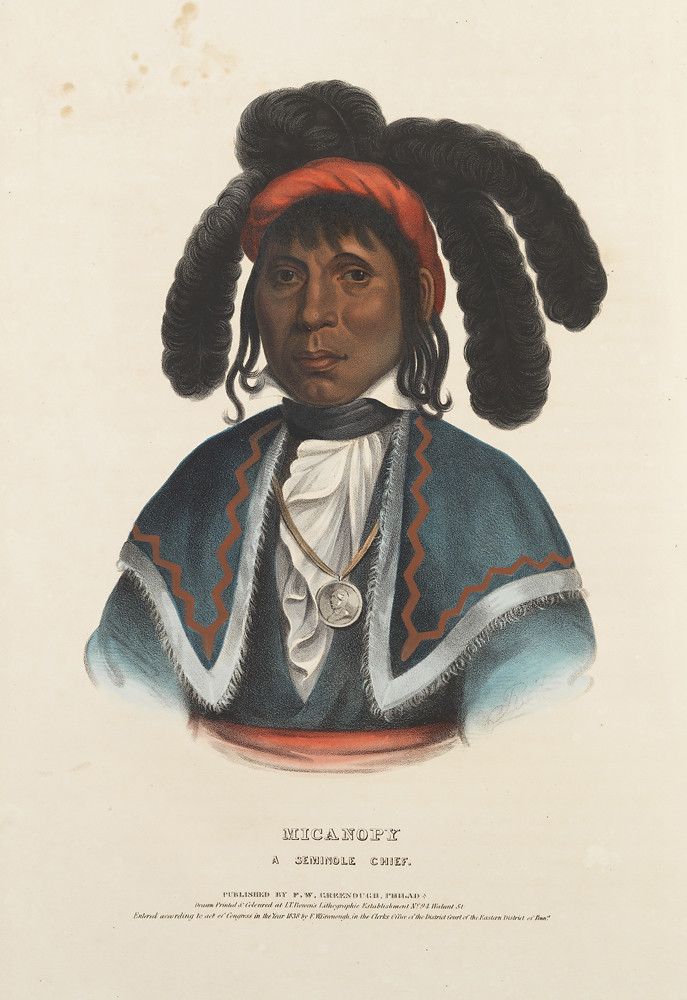
As Major Francis Dade marched from Fort Brooke toward Fort King, 180 Seminole warriors led by Micanopy, Alligator and Jumper attacked. Only one man of that army detachment survived the ambush. What followed was an incredibly bloody battle, where 180 Seminole warriors would decimate the U.S. forces. Out of around 100 U.S. soldiers, only three would survive. This devastating victory sent shockwaves through the American military establishment and marked the beginning of the longest and costliest Indian war in U.S. history.
Guerrilla Warfare Masters of the Everglades
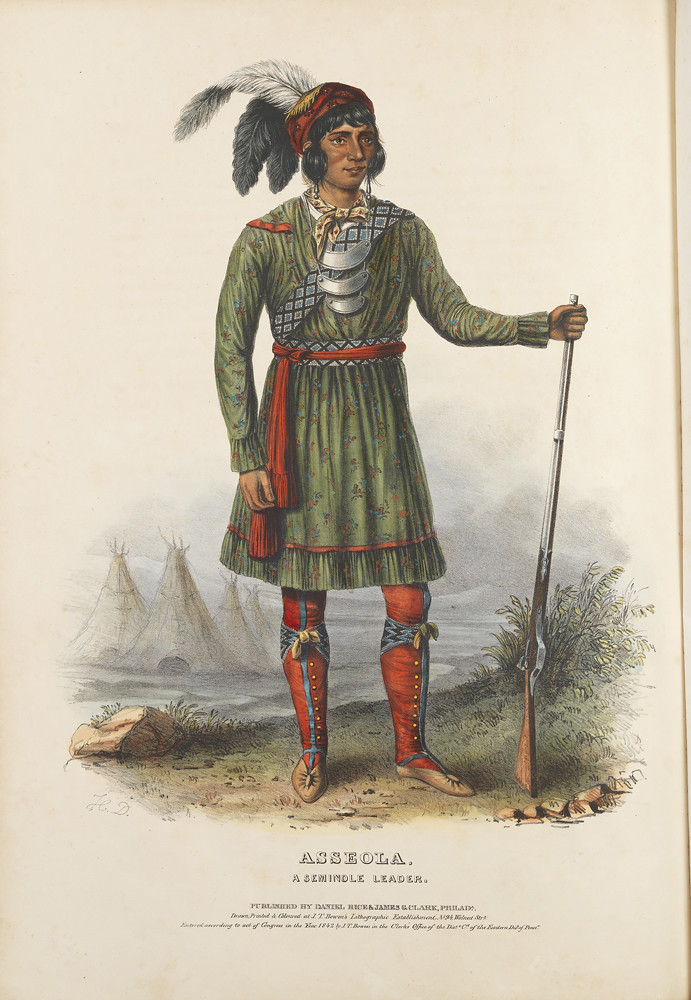
The campaigns of the Second Seminole War were an outstanding demonstration of guerrilla warfare by the Seminole. The Micos Jumper, Alligator, Micanopy and Osceola, leading less than 3,000 warriors, were pitted against four U.S. generals and more than 30,000 troops. The Seminoles had turned their knowledge of the treacherous Everglades into their greatest weapon.
The Seminole warriors hid their families in the Everglades and fought vigorously to defend their homeland, using guerrilla tactics. Those who escaped and remained in Florida “survived through a superior understanding of their land, guerilla war tactics, and a deep, abiding understanding of what happen to them if they did give up”. They struck quickly and vanished into the swamps before conventional forces could respond. The U.S. military, trained for open battlefield warfare, found themselves completely outmatched in this hostile environment.
The Betrayal of Osceola and Continued Resistance
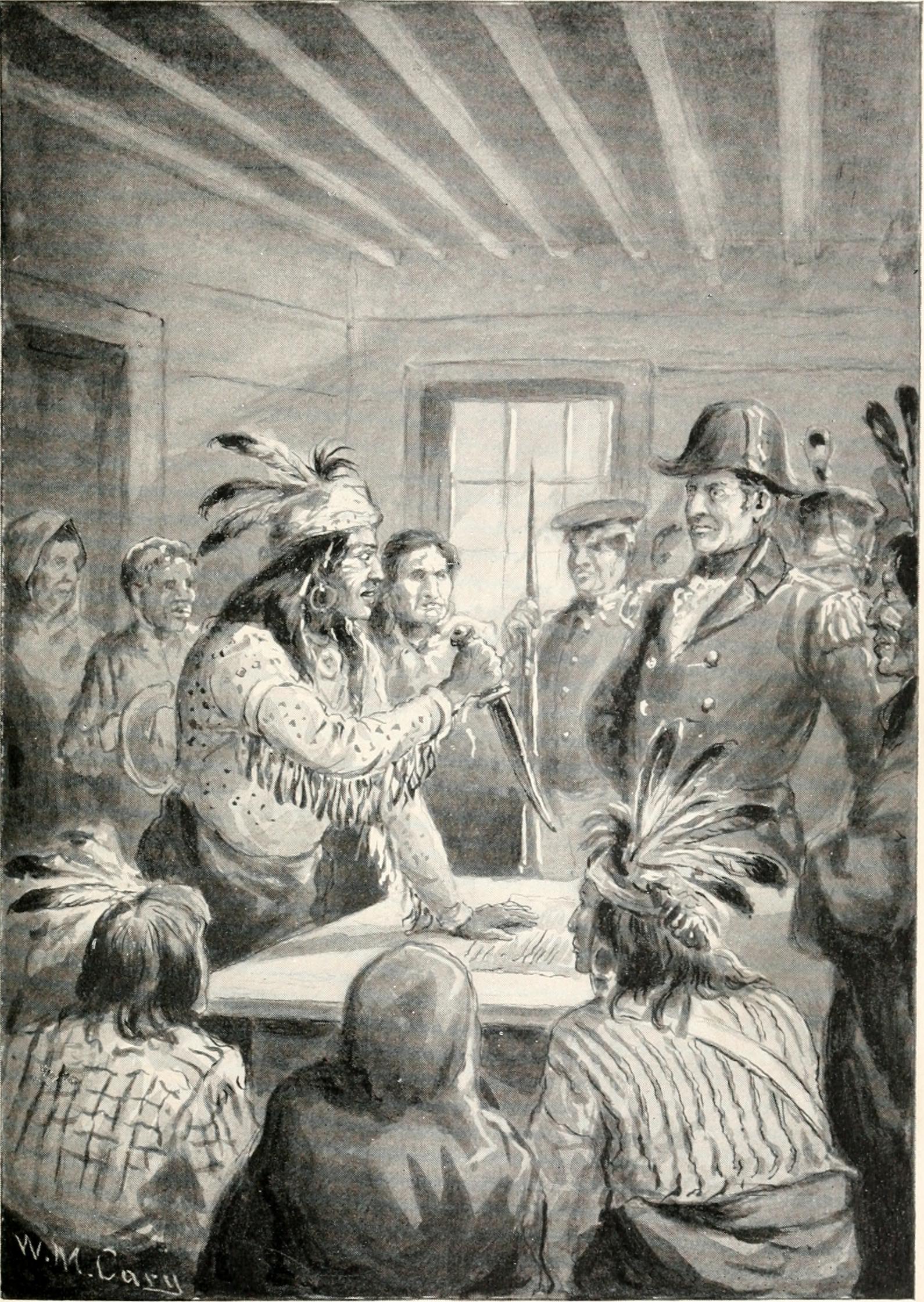
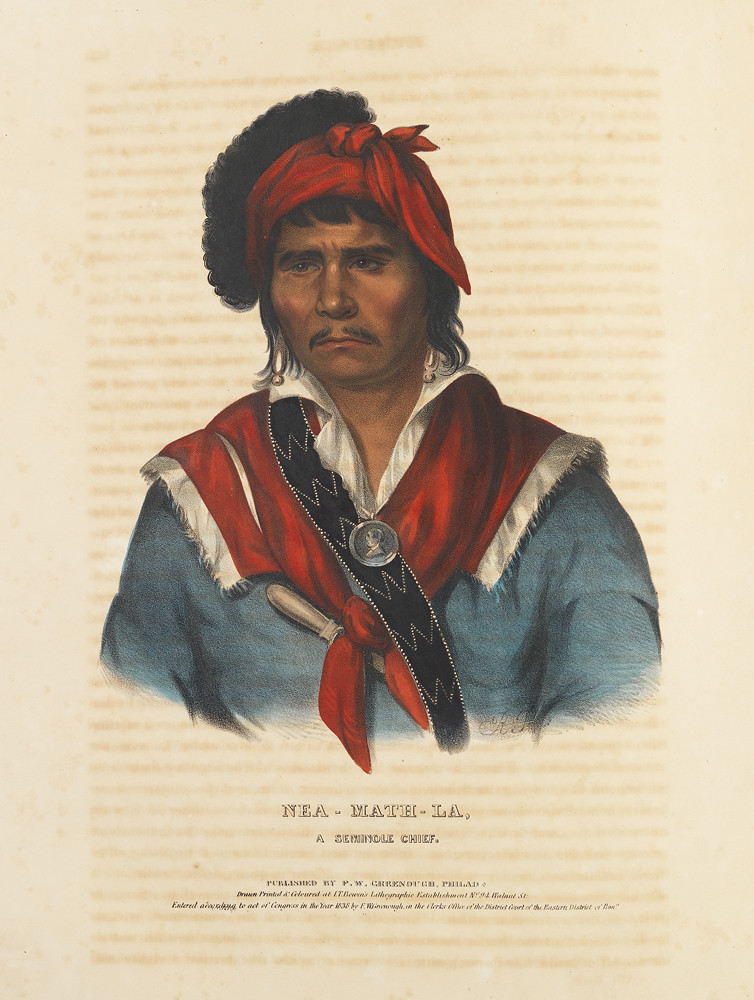
Osceola became the most famous Seminole leader, but his story illustrates the duplicity that characterized much of the conflict. Osceola was captured and imprisoned when he met with U.S. troops who had called for a truce and claimed to want to talk peace. With Osceola in prison, the United States was confident the war would end soon.
But it did not. Although Osceola died in prison in 1838, other Seminole leaders kept the battle going for a few more years. Many years older than most of the Seminole leadership of that era, wise old Sam Jones was a staunch resistor of removal. He kept the resistance fueled before and after Osceola’s period of prominence and, when the fighting had concluded, was the only major Seminole leader to remain in Florida. Starved, surrounded, sought after with a vengeance, Sam Jones would answer no flag of truce, no offer of compromise, no demand of surrender.
The Staggering Cost of War
The Second Seminole War became the most expensive Indian conflict in American history. As many as 2,000 U.S. soldiers were killed in this prolonged fighting, which cost the government between $20,000,000 and $40,000,000. To put this in perspective, this was an astronomical sum for the 1840s, equivalent to billions in today’s currency.
The United States spent more than $20 million fighting the Seminoles. The war left more than 1,500 soldiers and uncounted American civilians dead. The human cost extended far beyond the battlefield. The U.S. Army whittled the Seminole away as entire communities were killed or deported. Yet despite these overwhelming odds and tragic losses, a core group refused to give up.
Retreat to the Unconquerable Everglades
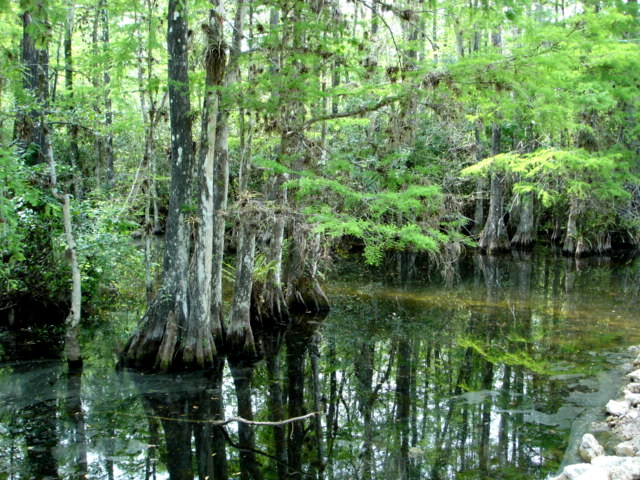
By 1858, most of the remaining Seminoles, war weary and facing starvation, acquiesced to being removed to the Indian Territory in exchange for promises of safe passage and cash payments. An estimated 200 to 500 Seminoles in small family bands still refused to leave and retreated deep into the Everglades and the Big Cypress Swamp to live on land considered unsuitable by American settlers.
“They never surrendered, they just kept moving deeper into the swamps,” explains Willie Johns, a former Seminole Tribal Council member. “That’s why we say we’re the unconquered. We never signed a treaty. We stayed here”. The remaining few hundred Seminoles survived in the Florida swamplands, avoiding removal. They lived in the Everglades, to isolate themselves from European Americans.
Never Officially Ending: A War Without Surrender
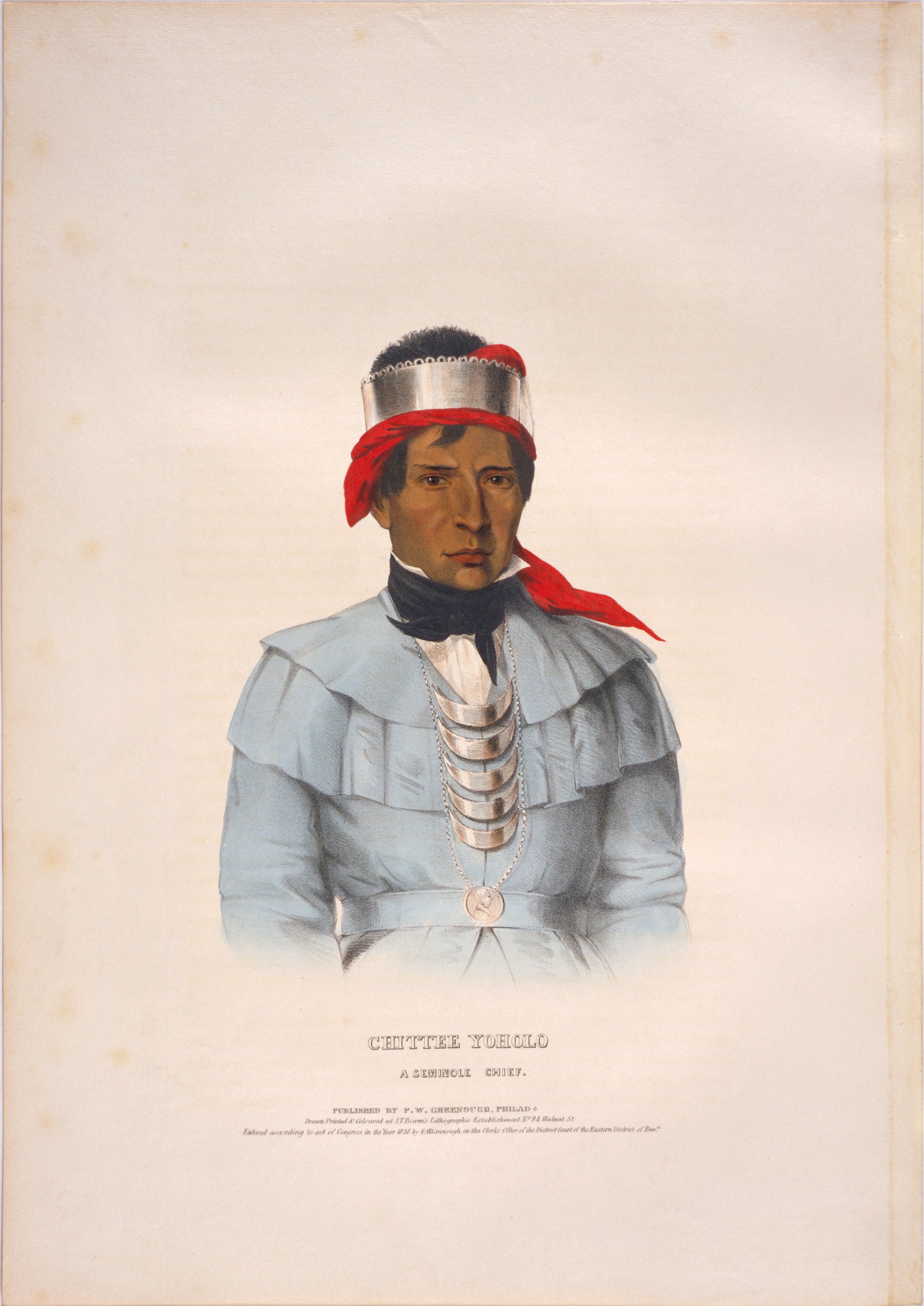
The Seminoles often think of the three wars as a single Seminole War, as no official acts of surrender or concessions ended the wars. Instead, in each case, the United States largely withdrew its troops even as they continued to threaten the Seminoles with additional invasions and threats of removal. This created a unique situation in American military history where a war simply faded away without formal conclusion.
To the Seminole, it is a war that never officially ended. In 1842, a nominal end to the hostilities arrived, though no peace treaty was ever signed. The U.S. government eventually stopped trying to remove the remaining Seminoles, tacitly accepting their presence in the most remote parts of Florida. This unofficial truce would last for decades, with the Seminoles maintaining their independence in the Everglades.
Cultural Survival in the Swamps
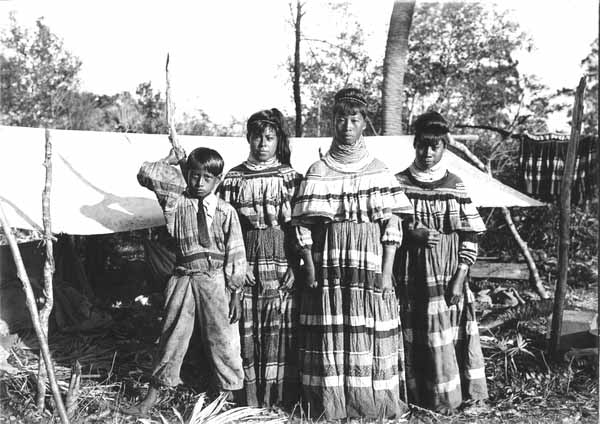
Seminoles continued their distinctive life, such as “clan-based matrilocal residence in scattered thatched-roof chickee camps”. The chickee, an open-sided, palm-thatched structure, became both a practical shelter and a symbol of their adaptability. Long before the Seminole name became synonymous with Hard Rock casinos, it was tied to the chickee, an open-sided, palm-thatched structure designed to withstand the harsh climate of the Florida Everglades. During the 1800s, as the Seminoles evaded U.S. forces, these structures allowed them to live comfortably in an environment that defeated their enemies.
That left roughly 200 to 300 Seminoles remaining in Florida, hidden in the swamps. For the next two decades, little was seen of Florida Seminole. They survived by hunting, fishing, and trading occasionally with outsiders when necessary. This period of isolation allowed them to preserve their cultural traditions while the rest of America forgot about the unconquered people living in the heart of the Everglades.
The Path to Federal Recognition and Modern Success
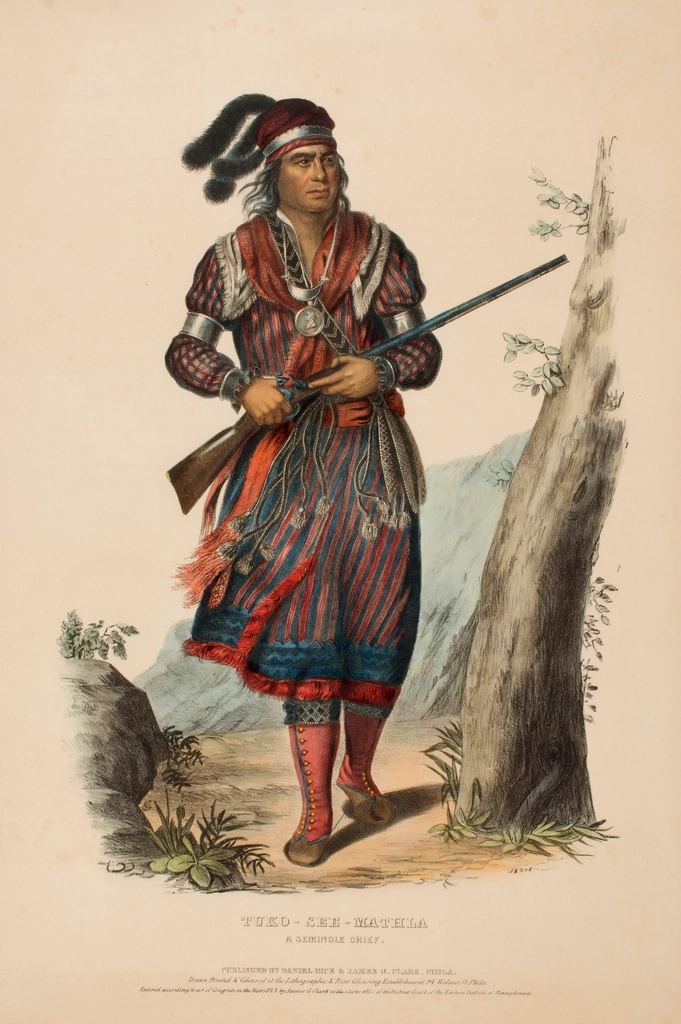
So on July 21, 1957, tribal members voted in favor of a Seminole Constitution which established the federally recognized Seminole Tribe of Florida. This wasn’t surrender but rather a strategic decision to work within the American legal system while maintaining their sovereignty. These reservations were only a fraction of the land the Seminole considered to be their homeland, but the federal recognition formed the foundation of the Seminole Tribe’s claim to sovereignty and self-government.
In 1979, under the leadership of Chairman Jim Billie, the Seminoles opened Florida’s first high-stakes bingo hall in Hollywood. It was a historic first and didn’t come without resistance. Legal battles were fought, but the tribe held its own and won. This bold move paved the way not only for the tribal gaming movement across the United States but also for the Seminoles’ significant economic transformation.
The Hard Rock Empire: From Resistance to Global Success
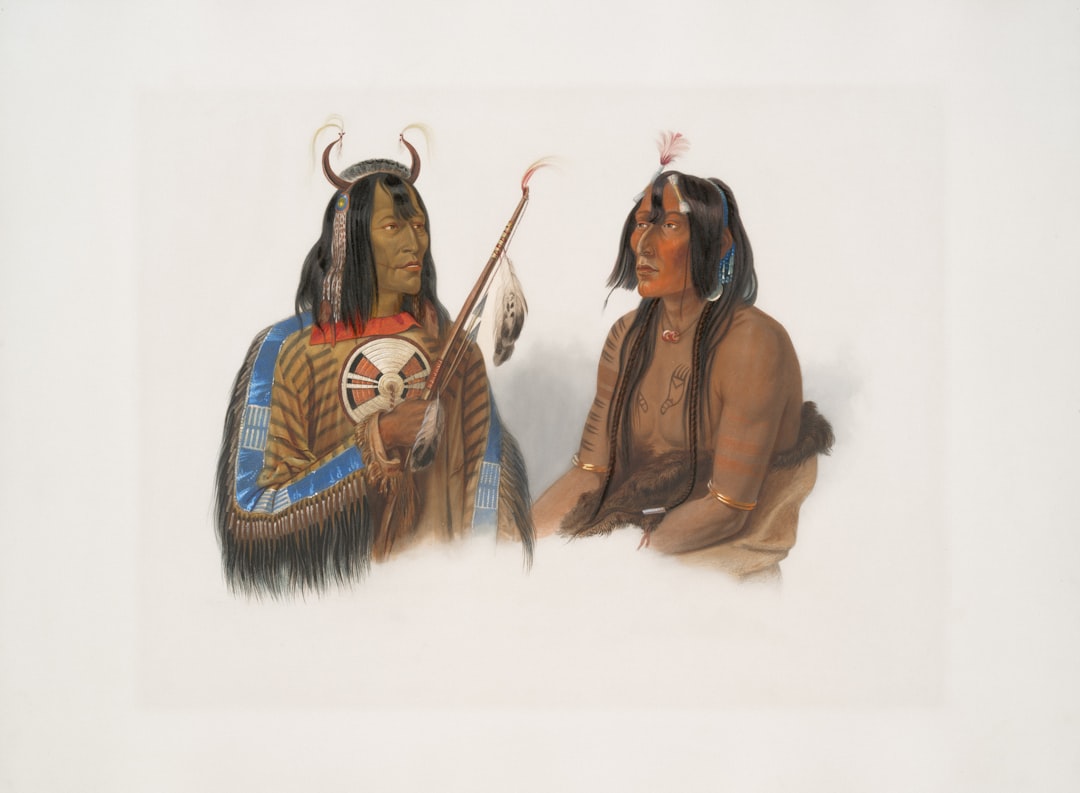
The pinnacle of their economic ascent came in 2007 when the Seminole Tribe of Florida made global headlines by acquiring Hard Rock International for $965 million. This unprecedented move made them the first Native American tribe to own a major international hospitality company, operating hotels, casinos, and cafes in dozens of countries worldwide. From a few hundred survivors hiding in the swamps to owners of a global entertainment empire, the Seminoles had achieved something extraordinary.
As of 2016, the estimated wealth of the tribe is near US$12 billion. Today, over 90% of the Seminole government’s budget is funded through casino earnings. This economic engine powered a new era of tribal investment, expanding beyond the casino floor. The revenue windfall from these enterprises has allowed the Seminole to provide free medical care, public safety like fire and police, job training, housing and top rated schools to Tribal members. In addition, every Tribal member receives biweekly dividend payments. Every Seminole child has a trust opened in their name that cannot be opened by themselves or their family until their 18th birthday.
Legacy of the Unconquered: More Than Survival
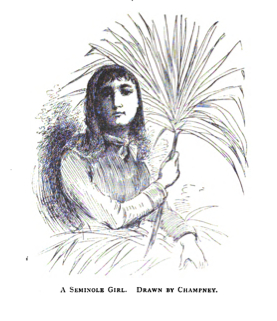
However, their place in history was assured as the only American Indian tribe never to have signed a peace treaty with the U.S. government. Today, the Florida Seminoles proudly note the fact that their ancestors were never conquered. This distinction represents more than historical trivia; it embodies a spirit of independence that continues to guide their modern success.
Because of their ability to withstand the U.S. military and maintain their homelands in the heart of South Florida, the Seminole Tribe of Florida consider themselves to be “Unconquered”. The descendants of a few hundred individuals who refused to surrender, surviving in the Everglades on their own terms, were now global players, managing a multi-billion-dollar enterprise. The “unconquered” spirit had found a new battlefield – the global marketplace – and once again emerged victorious.
The Seminole Tribe of Florida’s story stands as perhaps the most remarkable tale of resistance and transformation in American history. From the swamps where their ancestors chose exile over surrender, they built an empire that spans continents. Their casinos, hotels, and restaurants serve millions worldwide, yet they never forgot the price of their independence. Every success carries the memory of those who retreated into the Everglades rather than submit to forced removal.
Today, when visitors walk through the guitar-shaped Hard Rock Hotel in Hollywood, Florida, they’re experiencing more than luxury entertainment. They’re witnessing the ultimate victory of a people who refused to be conquered. What do you think about this incredible journey from resistance to global success? Tell us in the comments.
Worried about unexpected vet bills?
Pet insurance can cover thousands in unexpected vet costs. Get a free quote from Lemonade in under 2 minutes.
Get My Free Quote →Sponsored · Opens Lemonade.com
