
In the vast kingdom of animals, where millions of species exhibit remarkable adaptations and abilities, one creature stands out for its extraordinary regenerative powers. The planarian flatworm, often overlooked due to its small size and simple appearance, possesses a capability that seems like science fiction: it can regrow its entire brain after decapitation. This remarkable feat of neural regeneration has fascinated scientists for decades and continues to offer valuable insights into the possibilities of tissue regeneration in more complex organisms, including humans. Let’s explore the fascinating world of the planarian flatworm and its unique ability to rebuild its central nervous system from scratch.
The Extraordinary Planarian Flatworm

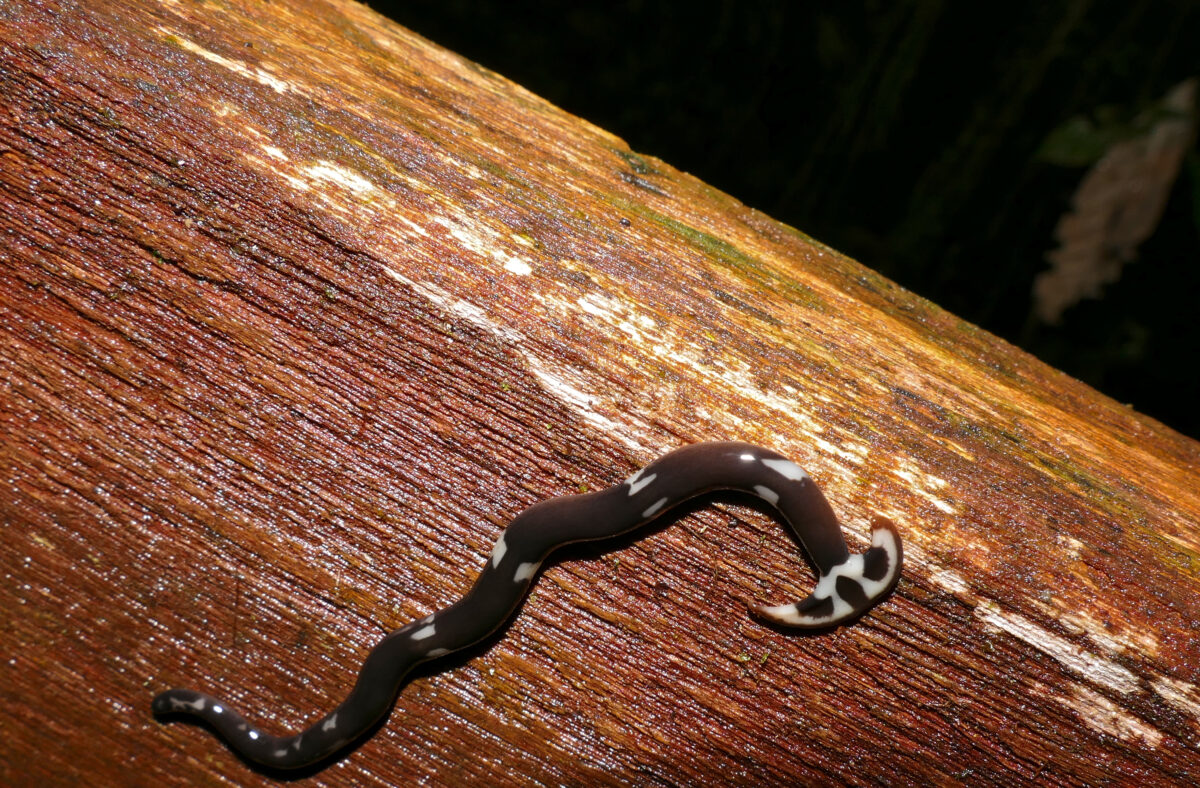
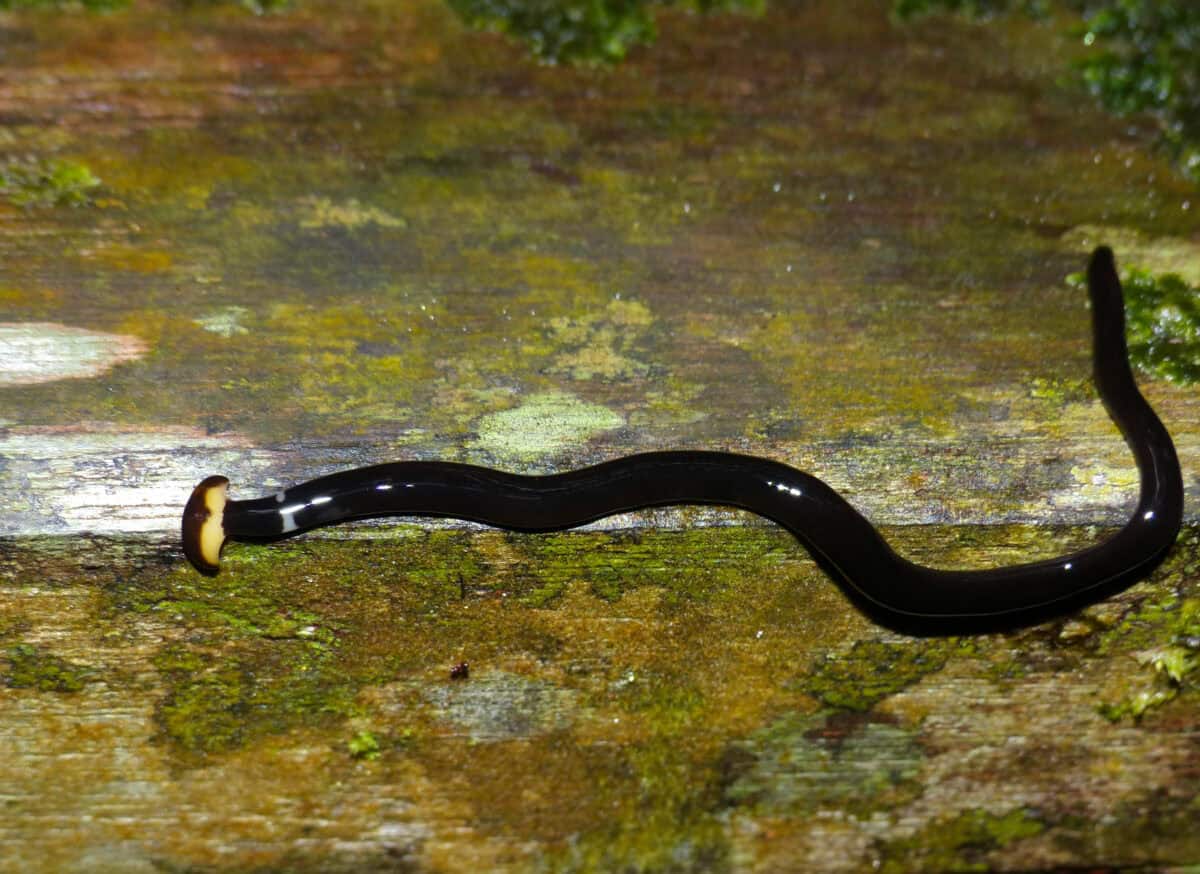
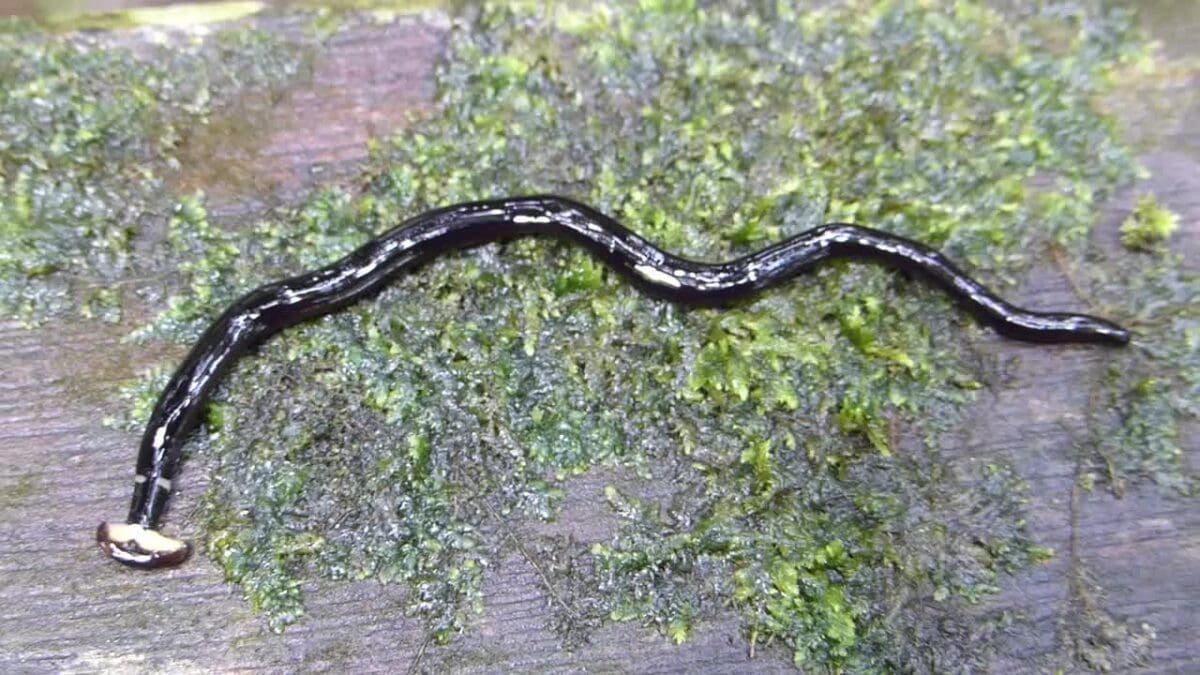
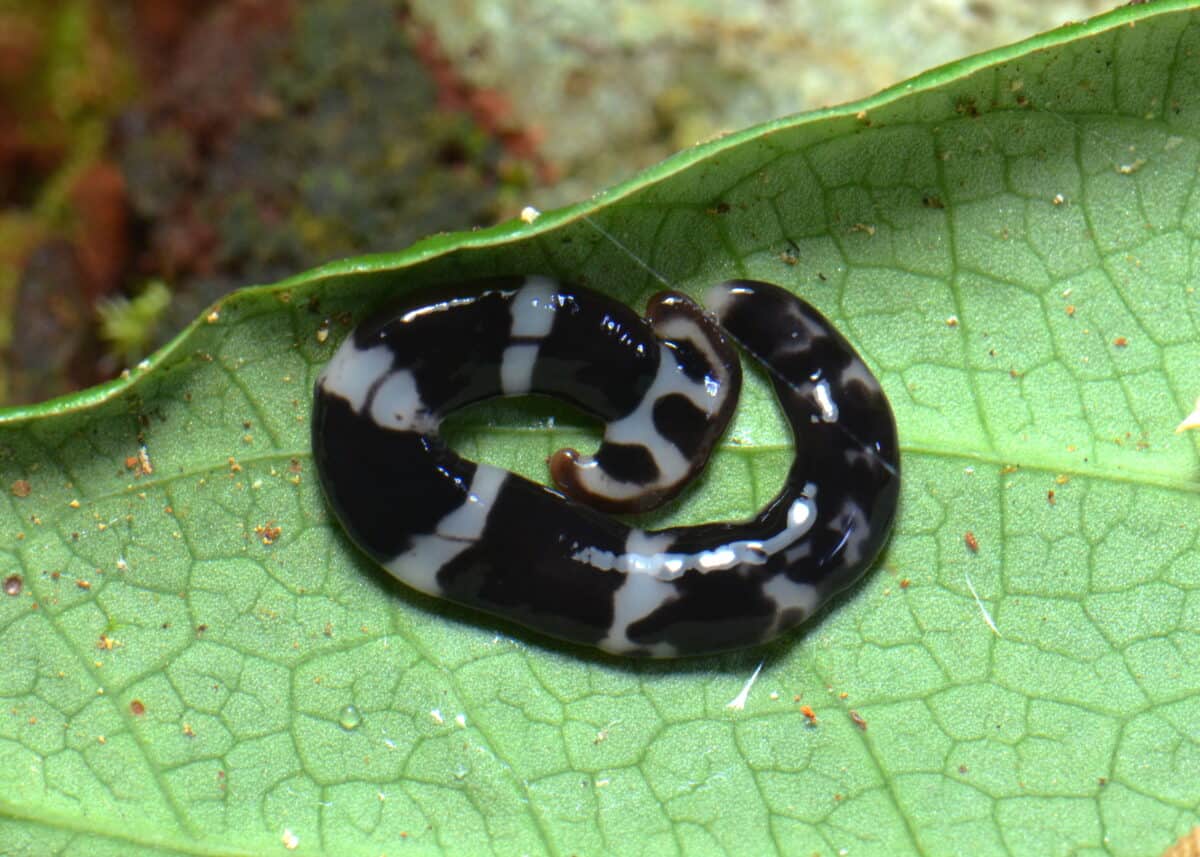
Planarians are small, soft-bodied flatworms belonging to the phylum Platyhelminthes. These aquatic or sometimes terrestrial creatures measure just a few millimeters in length and have a distinctive triangular head with eye spots that give them a cute, cartoonish appearance. Despite their simple exterior, planarians harbor incredible biological complexity, particularly when it comes to regeneration. Most commonly studied species include Dugesia japonica, Schmidtea mediterranea, and Girardia tigrina. These humble organisms have become superstars in regenerative biology research because of their unparalleled ability to regenerate not just tissues or limbs, but entire complex organs—including their brain.
Understanding Neural Regeneration

Before diving deeper into the planarian’s abilities, it’s important to understand what makes neural regeneration so extraordinary. The brain and nervous system of most animals, including humans, have very limited regenerative capabilities. When neurons (nerve cells) die in mammals, they generally aren’t replaced, and damage to the central nervous system is usually permanent. This is why brain injuries and neurodegenerative diseases are so devastating. The complexity of neural circuits, with their precise connections and specialized functions, makes regeneration extremely difficult. Yet planarians defy this limitation, capable of rebuilding their entire brain with full functionality in a matter of days.
The Regeneration Process: A Timeline
When a planarian is cut in half—or even into smaller pieces—each fragment begins a remarkable process of regeneration. Within minutes of injury, the wound closes. Within hours, a specialized tissue called the blastema forms at the wound site. This blastema consists of pluripotent stem cells called neoblasts, which are the key to the planarian’s regenerative abilities. These cells rapidly divide and differentiate to form new tissues. Within 3-7 days after decapitation, the head fragment regrows its tail, and more impressively, the tail fragment regrows a completely new head, including a fully functional brain with proper connections to the rest of the nervous system. By day 14, the regeneration is typically complete, with the new brain exhibiting normal architecture and function.
The Power of Neoblasts: Regeneration’s Building Blocks
The secret to the planarian’s regenerative abilities lies in their unique stem cells called neoblasts. These cells make up roughly 20-30% of all cells in the planarian body and are truly pluripotent—meaning they can differentiate into any cell type needed, including neurons and other brain cells. What makes neoblasts particularly remarkable is that they remain active throughout the flatworm’s lifetime, constantly ready to respond to injury. When a planarian is injured, neoblasts near the wound site begin rapidly dividing within hours. Some migrate to the wound to form the blastema, while others provide replacement cells for the missing tissues. These exceptional stem cells follow precise genetic programs guided by positional information that ensures the regenerated brain has the correct structure and neural connections.
Memory and Learning: The Cognitive Puzzle
One of the most fascinating questions about planarian brain regeneration concerns memory and learning. If a planarian learns something, then loses its head and regenerates a new brain, does it remember what it learned? Scientists have conducted numerous experiments to answer this question, with somewhat mixed results. Some studies suggest that certain conditioned behaviors (like avoiding light after being trained to associate light with an unpleasant stimulus) can persist after brain regeneration. Other studies indicate that complex learned behaviors are lost. This area remains actively researched, as it provides insights into how memories are stored—whether exclusively in the brain or possibly distributed throughout the body in some organisms. The implications for understanding memory formation and storage in more complex animals are significant.
Molecular Mechanisms Behind the Miracle
The genetic and molecular underpinnings of planarian brain regeneration are incredibly complex. Several key signaling pathways have been identified as crucial for this process, including Wnt, Hedgehog, and BMP pathways, which provide positional information to guide proper development. The Wnt pathway is particularly important for establishing the head-tail axis. When a planarian is cut, cells at the anterior wound express inhibitors of the Wnt pathway, which is necessary for head formation. Additionally, hundreds of genes are involved in coordinating neoblast activity, differentiation, and patterning during regeneration. Researchers have identified numerous transcription factors and RNA-binding proteins that regulate specific aspects of brain regeneration. Modern techniques like single-cell RNA sequencing are continuing to reveal the intricate genetic programs that control this remarkable process.
Other Regenerative Abilities in Planarians

Brain regeneration is just one aspect of the planarian’s impressive regenerative repertoire. These flatworms can regenerate virtually any part of their body. Cut a planarian into 200 pieces, and you could potentially get 200 new, complete flatworms. They can regenerate digestive systems, reproductive organs, sensory structures, and muscle tissue. Planarians also use regeneration as a form of asexual reproduction—they can split themselves in half (a process called fission) and regenerate the missing parts, creating two individuals. This remarkable regenerative capacity extends to continuous cell replacement throughout their lives, allowing them to effectively avoid aging. Some planarians are potentially immortal, barring predation or disease, thanks to their ability to constantly renew all tissues in their bodies.
Contrast with Other Regenerative Animals

While planarians stand alone in their ability to fully regenerate a complex brain, several other animals exhibit impressive regenerative abilities. Axolotls can regenerate limbs, parts of their heart, and sections of their spinal cord (though not their entire brain). Zebrafish can regrow fins, heart tissue, and even repair limited brain damage. Sea stars can regenerate entire arms and the central nerve ring, which functions somewhat like a primitive brain. Hydra can regenerate their entire bodies from small fragments, including their simple nerve net, though this is less complex than a planarian brain. Despite these remarkable examples, planarians remain unique in their ability to reconstruct an entire, functional brain with proper connections from scratch after complete removal—a distinction that keeps them at the forefront of regeneration research.
Implications for Human Medicine

The planarian’s regenerative abilities have profound implications for human medicine. By understanding how these flatworms can rebuild complex neural structures, scientists hope to develop new approaches to treating neurodegenerative diseases, spinal cord injuries, and brain trauma. While humans lack the abundant neoblasts found in planarians, research into the molecular mechanisms governing planarian regeneration could potentially lead to methods for activating dormant regenerative pathways in human cells. Several genes and signaling pathways involved in planarian regeneration have human counterparts, suggesting some regenerative machinery may be conserved across species but inactive in humans. Researchers are exploring whether some of these pathways could be safely reactivated to promote healing in the human nervous system. Additionally, understanding how planarians rebuild complex neural circuits could inform the development of better neural prosthetics and brain-computer interfaces.
Research Challenges and Frontiers

Despite decades of study, many aspects of planarian brain regeneration remain mysterious. Current research frontiers include mapping the complete cellular lineages from neoblasts to specialized brain cells, understanding the precise mechanisms that guide newly formed neurons to make the right connections, and determining exactly how positional information is maintained and transmitted during regeneration. Technical challenges include developing better methods to visualize and track individual cells during the regeneration process in living planarians. Emerging technologies like CRISPR gene editing, single-cell sequencing, and advanced imaging techniques are helping researchers overcome these obstacles. Another exciting frontier is comparative studies between different planarian species with varying regenerative capacities, which may reveal why some species regenerate more efficiently than others.
Evolutionary Significance
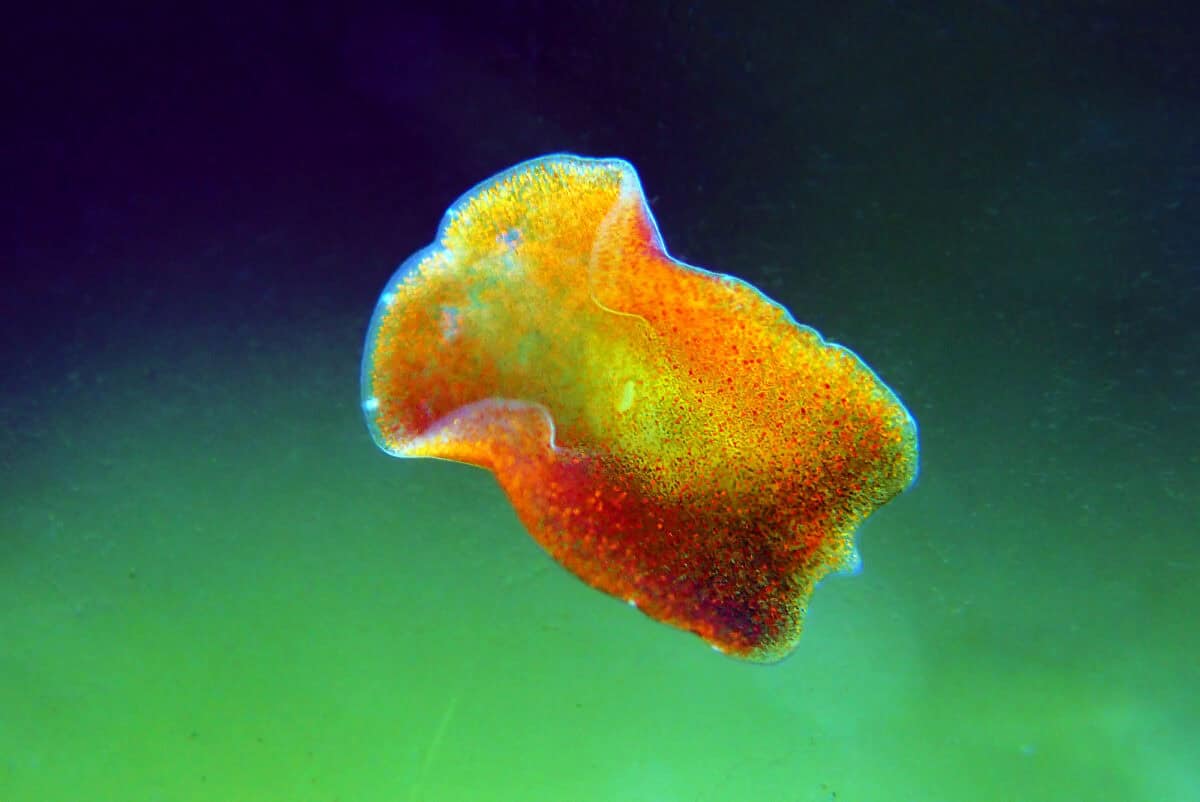
From an evolutionary perspective, the planarian’s regenerative abilities raise fascinating questions. Why did planarians evolve and maintain such extraordinary regenerative capabilities while most other animals did not? One theory suggests that regeneration evolved as a defense mechanism against predation—if a predator bites off part of a planarian, that fragment can survive and regenerate into a complete individual. This ability may also have evolved alongside their mode of asexual reproduction through fission. Another hypothesis is that regeneration was an ancestral trait that was lost in most animal lineages as they evolved more complex body plans and immune systems that might conflict with the regeneration process. Understanding why humans and other mammals lost extensive regenerative abilities during evolution could provide clues for potentially reawakening dormant regenerative programs in our own cells.
Keeping Planarians as Research Models

For scientists and even educational settings, planarians are relatively easy to maintain as research subjects. They can be kept in simple containers with dechlorinated water at room temperature. They feed on liver, egg yolk, or commercial fish food, and only need to eat once or twice a week. They reproduce readily, either sexually or asexually depending on the species. Their regenerative experiments require minimal specialized equipment—just a sharp blade for making cuts and a microscope for observation. This accessibility has made planarians popular models for teaching regeneration concepts in classrooms. Modern molecular biology techniques have further enhanced their value as research models. Researchers can manipulate gene expression using RNA interference (RNAi) to determine which genes are necessary for proper brain regeneration, and fluorescent markers can help visualize the regeneration process in real time.
Conclusion: The Brain Regeneration Frontier
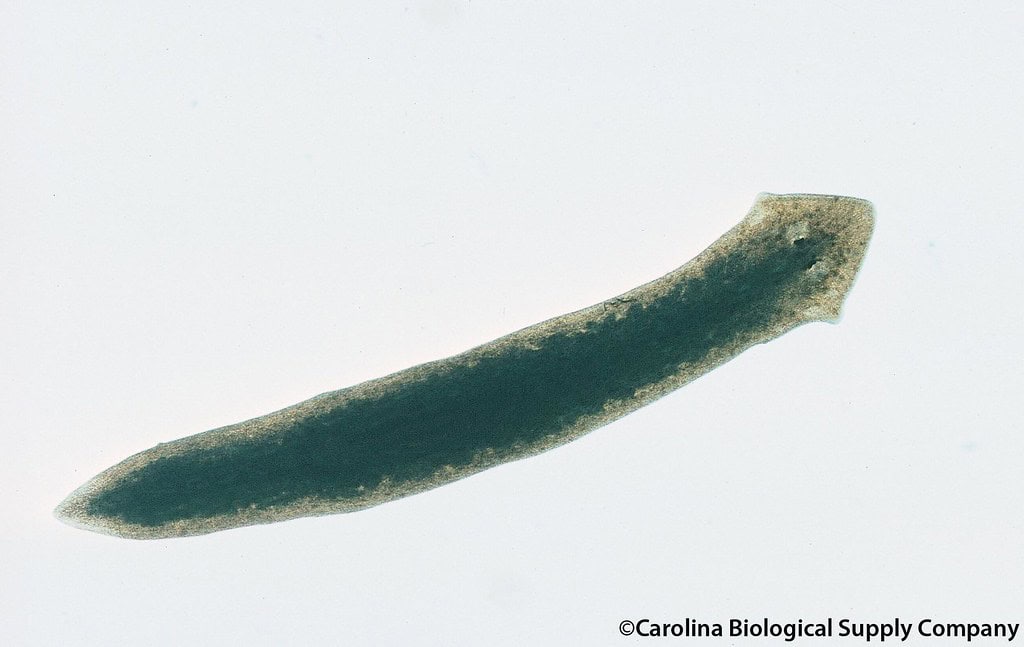
The planarian flatworm’s ability to regenerate its entire brain represents one of the most remarkable regenerative feats in the animal kingdom. This unique capability offers a window into the fundamental mechanisms of neural development and regeneration, presenting valuable lessons that may someday be applied to human medicine. As research technologies advance, our understanding of the planarian’s regenerative secrets continues to deepen, potentially bringing us closer to breakthroughs in treating neurological injuries and diseases. While we may never be able to regenerate human brains in the same way that planarians do, the molecular and cellular insights gained from these simple yet extraordinary creatures could revolutionize approaches to neural repair and regeneration. The humble planarian, with its cartoon-like appearance and incredible regenerative powers, reminds us that nature’s most profound solutions often come from the most unexpected sources.

- The Story of the Arctic Fox’s Incredible Seasonal Transformation - July 18, 2026
- 10 Most Venomous Snakes in US National Parks - July 18, 2026
- The Moth That Drinks Blood - July 18, 2026