
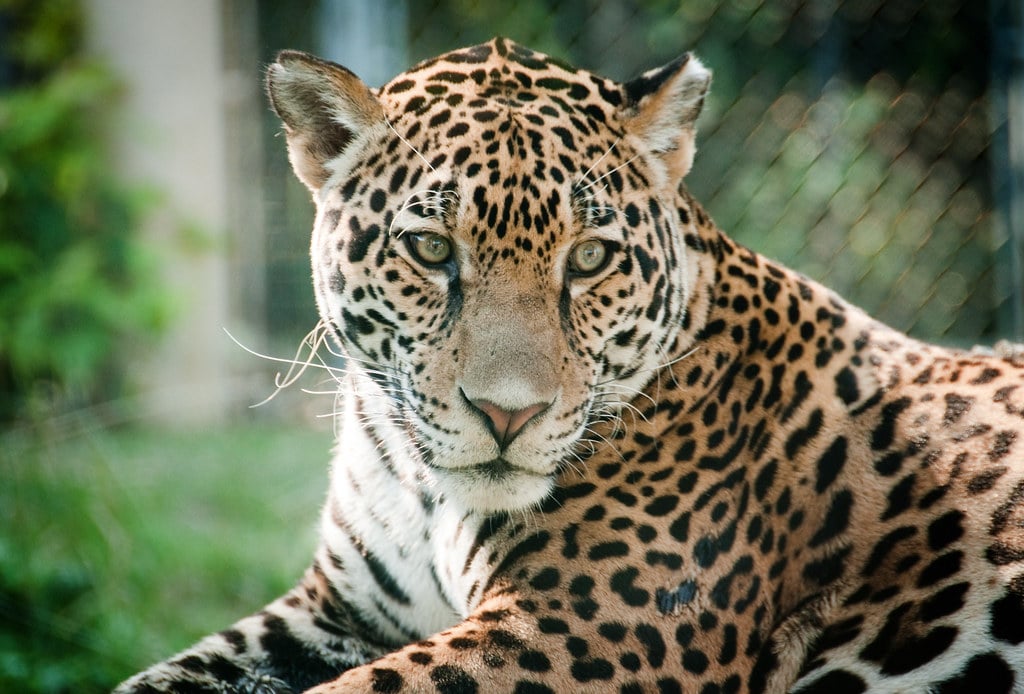
Imagine driving along a quiet, winding road, the sun casting golden hues over the rugged landscape, when suddenly, a majestic jaguar strides across your path. This isn’t a scene from a wildlife documentary set in the Amazon; it’s a rare reality in the United States. Yet, despite this extraordinary opportunity, few venture to witness it. Why?
The Last Stronghold: Southern Arizona’s Sky Islands
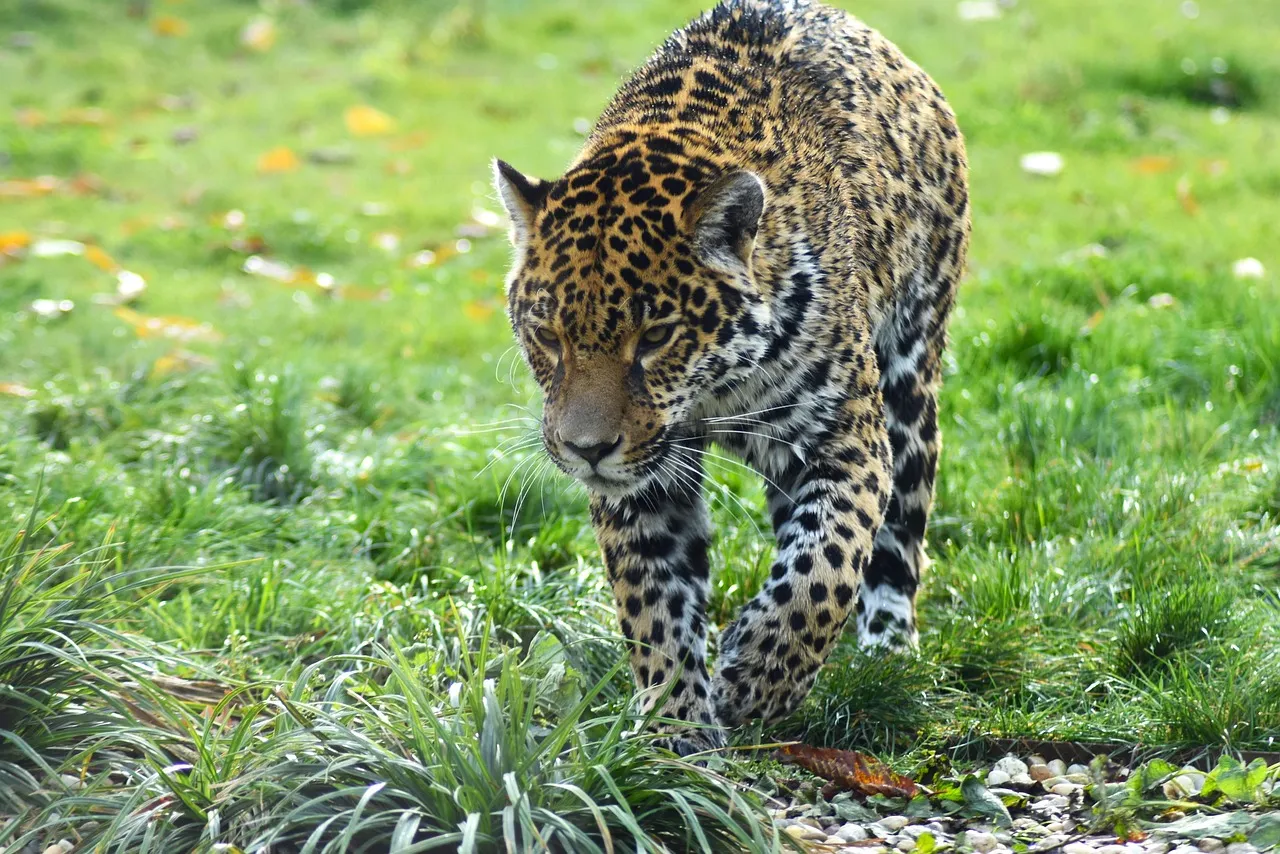
Southern Arizona’s “Sky Islands” – isolated mountain ranges rising dramatically from the desert floor – serve as the northernmost outposts for jaguars in North America. These rugged terrains, with their dense vegetation and abundant prey, offer a semblance of the jaguar’s preferred habitat.
Historically, jaguars roamed extensively across the American Southwest, from California to Louisiana. However, due to hunting and habitat loss, their presence dwindled significantly. Today, the Sky Islands stand as the last bastion where these elusive cats are occasionally spotted.
El Jefe: The Phantom of the Santa Ritas
Between 2012 and 2015, a male jaguar, affectionately named “El Jefe” (The Boss), was frequently sighted in Arizona’s Santa Rita Mountains. His presence was a beacon of hope for conservationists, symbolizing the potential for jaguar resurgence in the U.S.
El Jefe’s appearances were sporadic, and by late 2015, he vanished from the area, presumably returning to Mexico. His fleeting presence underscored the challenges of sustaining a stable jaguar population north of the border.
The Road Less Traveled: Accessibility and Awareness
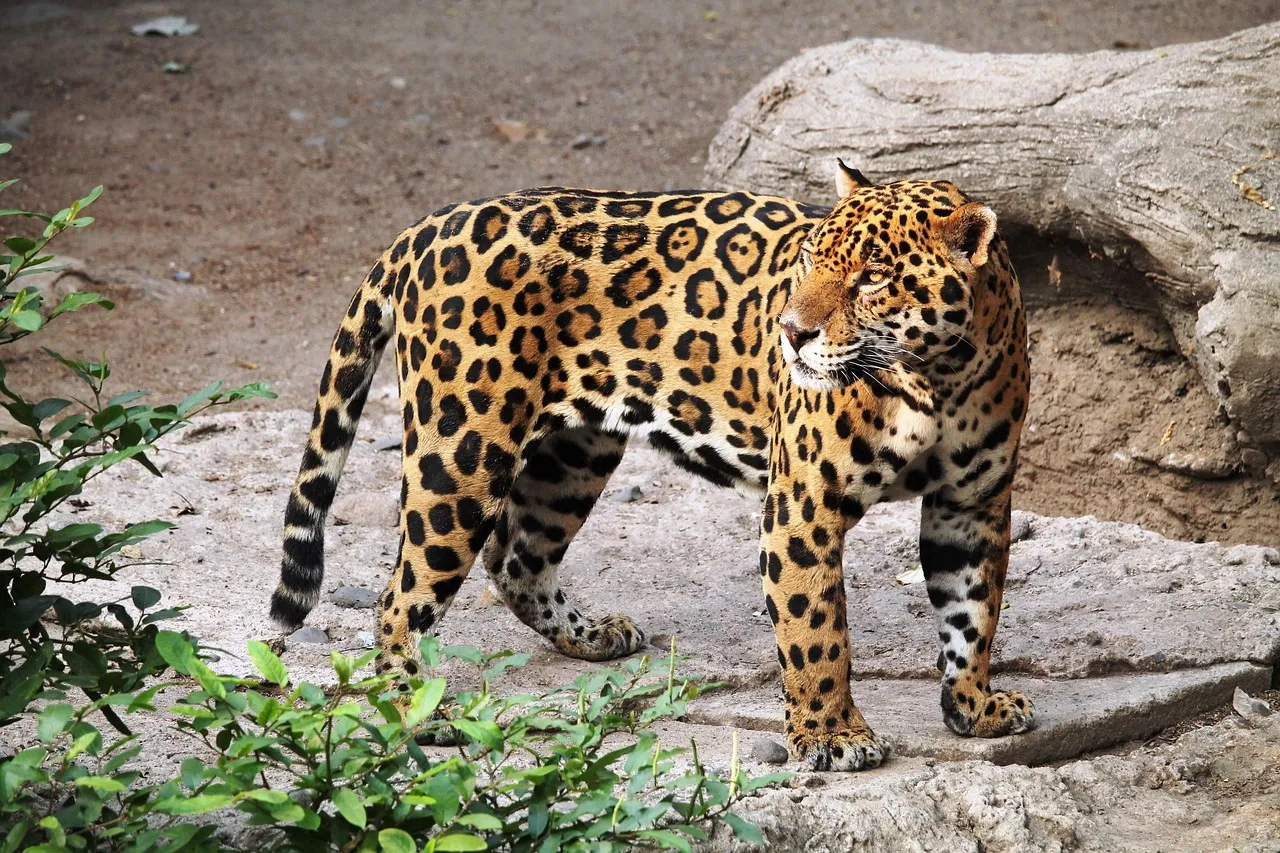
While the idea of spotting a wild jaguar from the roadside is tantalizing, the reality is less straightforward. The regions where jaguars are sighted are remote, with limited infrastructure and challenging terrains, deterring casual tourists.
Moreover, public awareness about the presence of jaguars in the U.S. is minimal. Many Americans are unaware that these big cats still roam parts of Arizona, leading to a lack of interest or motivation to seek them out.
Conservation Efforts: Balancing Protection and Public Engagement
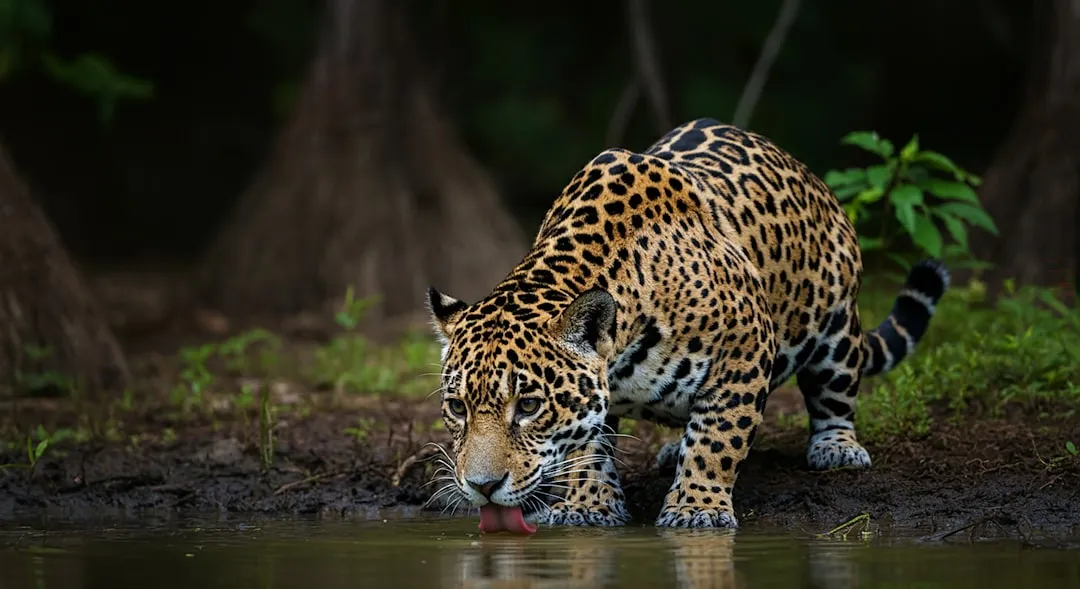
Conservationists face a delicate balancing act: protecting the jaguar’s habitat while promoting eco-tourism to foster appreciation and funding for conservation efforts. Increased human activity can disrupt these solitary animals, yet public engagement is crucial for their survival.
Initiatives like the Northern Jaguar Project work to preserve habitats and educate the public, aiming to create a sustainable coexistence between humans and jaguars.
Border Barriers: Physical and Political Challenges
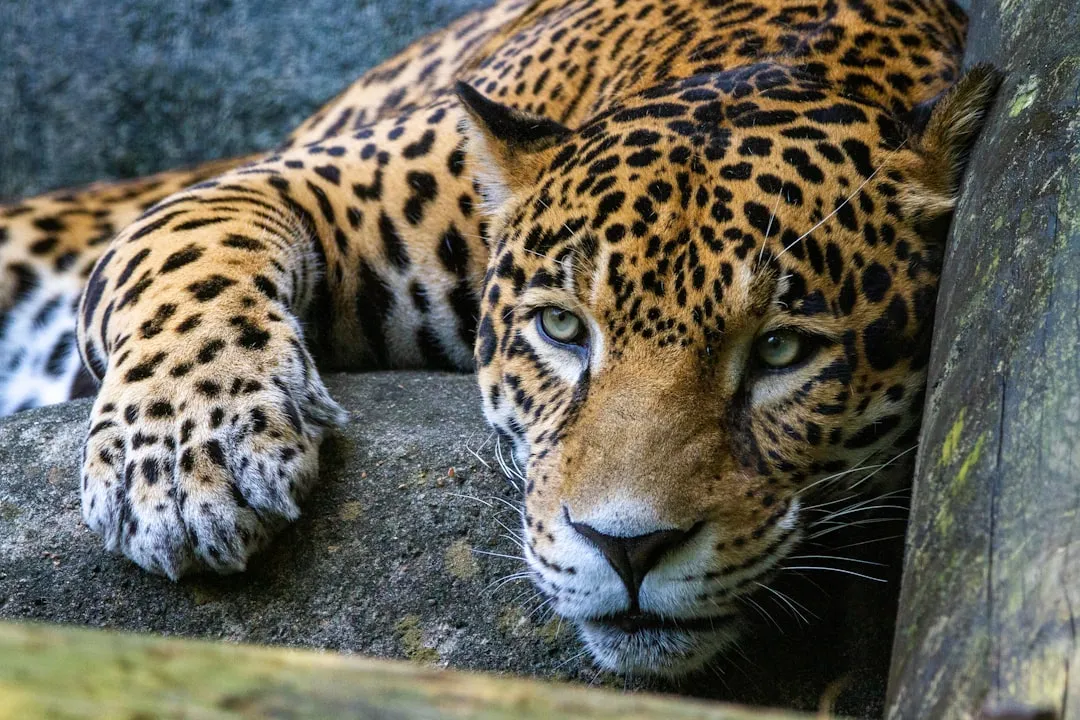
The U.S.-Mexico border presents significant obstacles for jaguar movement. The construction of border walls and fences disrupts natural migration corridors, isolating populations and hindering genetic diversity.
Political tensions and differing conservation policies between the two nations further complicate efforts to protect these transboundary creatures, making collaborative conservation strategies essential yet challenging.
The Allure of the Elusive: Why the Journey Matters
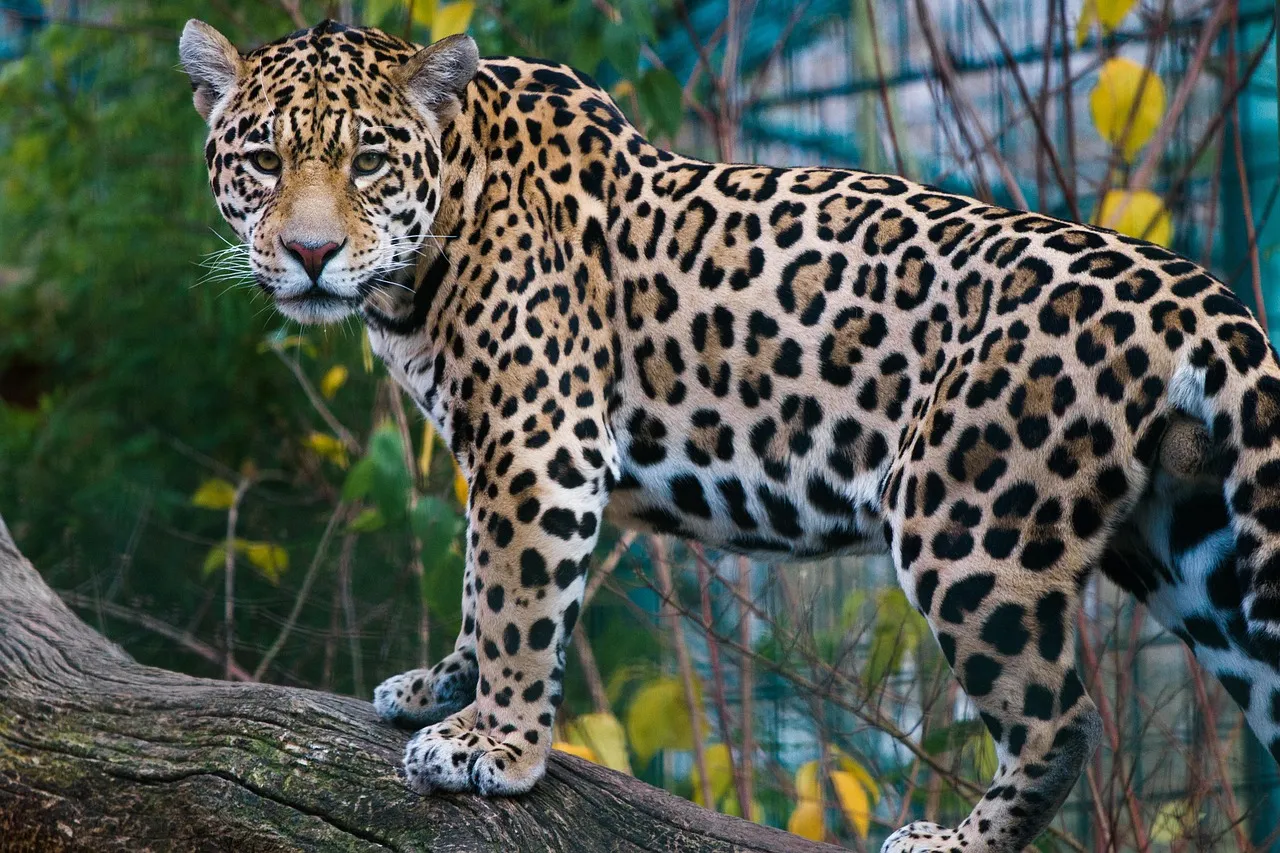
For those willing to venture into the heart of the Sky Islands, the reward is more than just the chance to see a jaguar. It’s an immersion into a unique ecosystem, a testament to nature’s resilience, and a reminder of the wildness that still exists in pockets of our world.
While the odds of spotting a jaguar are slim, the experience fosters a deeper appreciation for conservation efforts and the importance of preserving these habitats for future generations.
Conclusion: A Call to the Wild
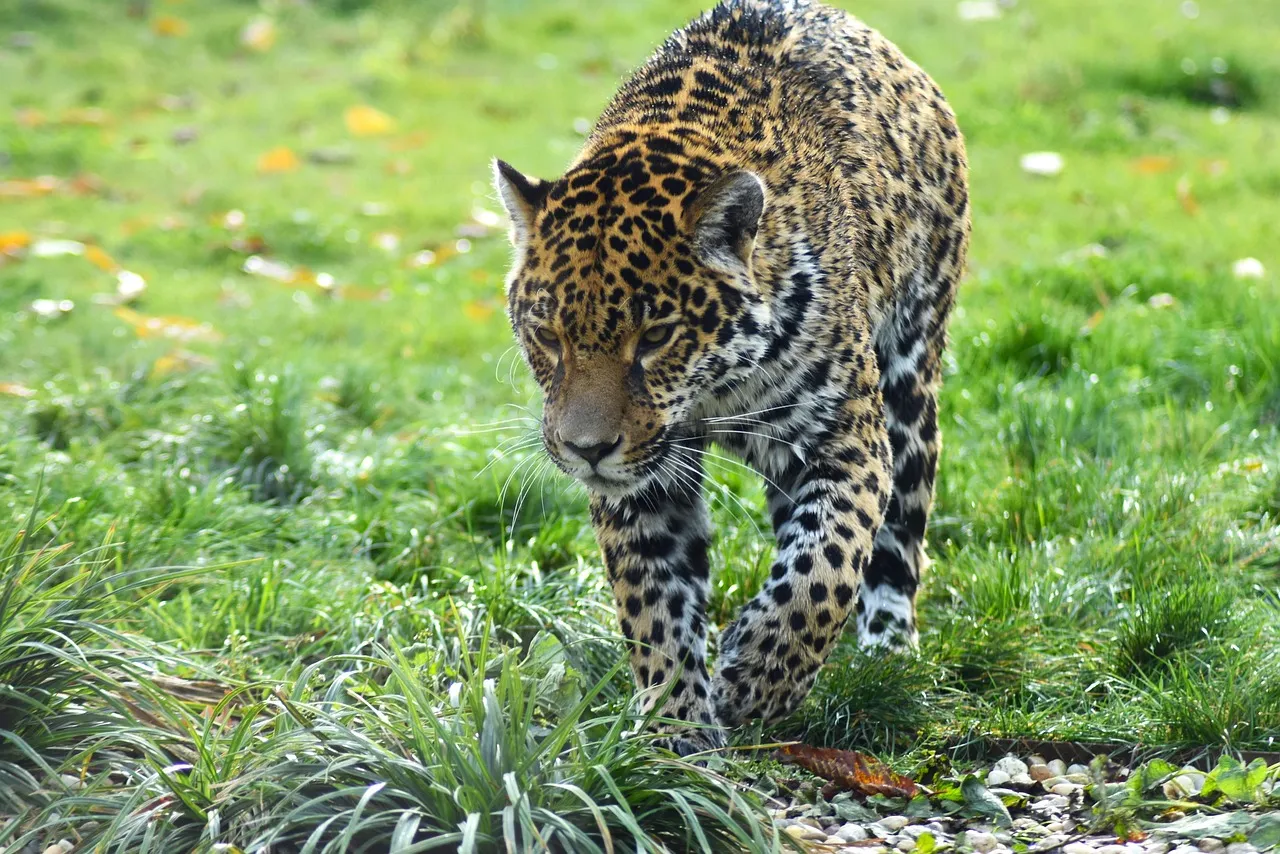
The opportunity to witness a wild jaguar from the roadside in North America is a rare and precious one, confined to the remote corners of Southern Arizona. The scarcity of visitors underscores a broader disconnect between modern society and the natural world. Perhaps it’s time to rekindle our sense of adventure and curiosity, to seek out these hidden marvels before they vanish entirely. After all, isn’t the chance to glimpse the untamed worth the journey?

- 6 Exotic Bird Species You Can Spot in U.S. National Parks - July 19, 2026
- 11 Iconic American Birds Facing New Challenges and How You Can Help - July 19, 2026
- 10 Friendliest Animals in the World - July 19, 2026