
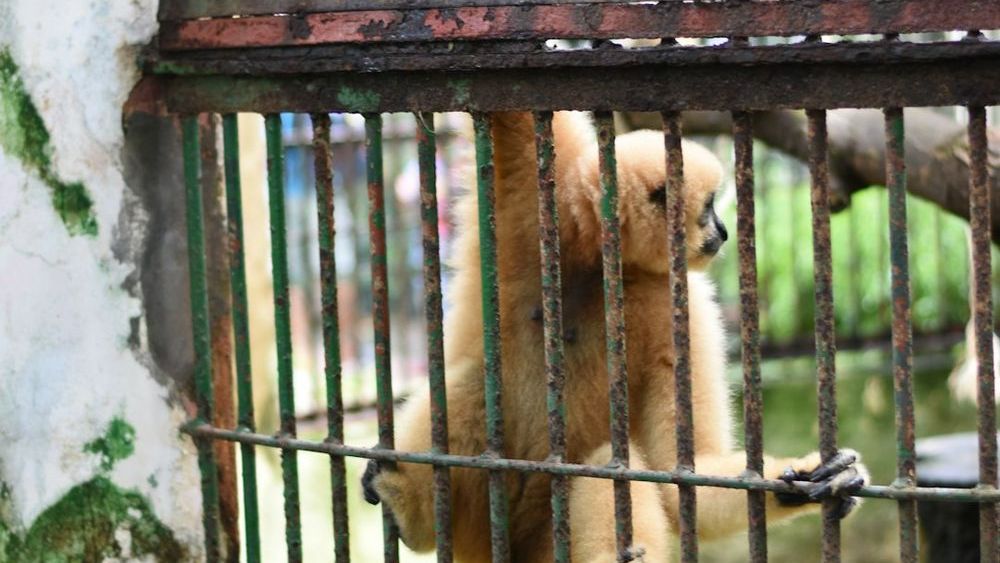
Imagine a majestic tiger cub, wild-born and fierce, yanked from its mother in the dead of night, destined for a suburban cage. This isn’t some distant horror story. It’s the gritty underbelly of the exotic pet trade, where dreams of owning the wild collide with unimaginable suffering.
From poaching raids to disease outbreaks, the consequences ripple far beyond cute selfies. Here’s the thing: the allure blinds us to the real cost. Let’s peel back the layers and face what lurks beneath.
The Brutal Capture from the Wild
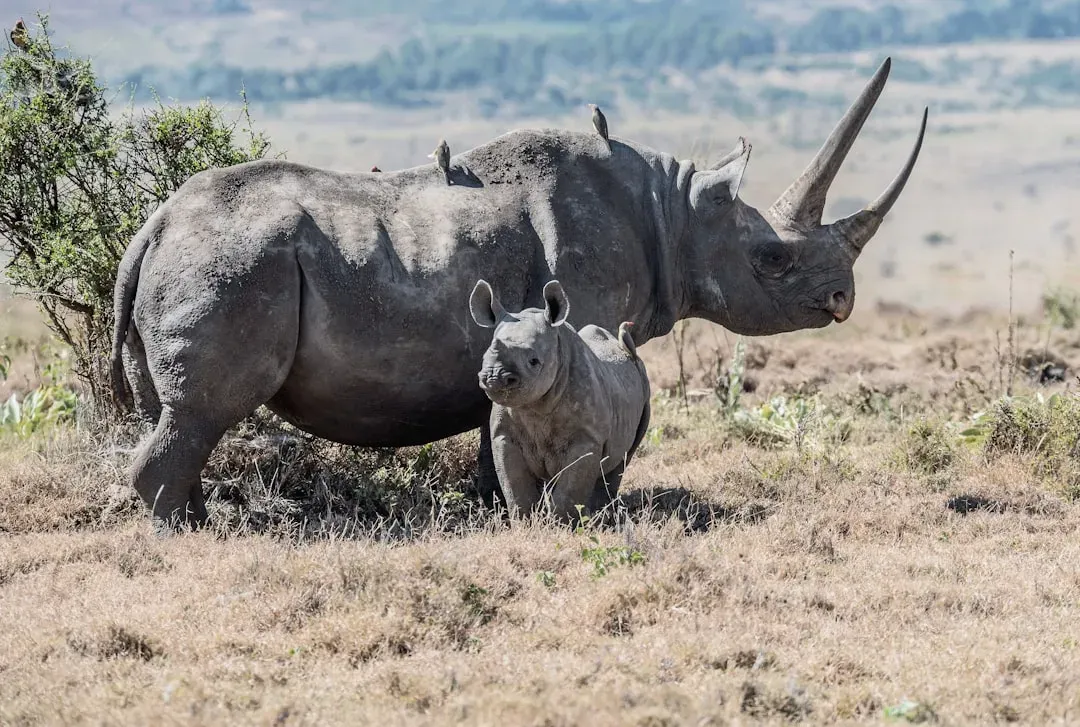
Poachers target remote habitats, using snares and nets to grab animals like parrots and reptiles straight from their homes. Mothers get separated from babies in chaotic raids, leaving orphans to a grim fate. The process inflicts deep trauma right from the start.[1][2]
Trappers prioritize profit over lives, often killing adults to secure young ones. Wildlife populations plummet as demand surges. Honestly, it’s like stripping nature bare for a fleeting thrill.[3]
Hellish Conditions in Transit
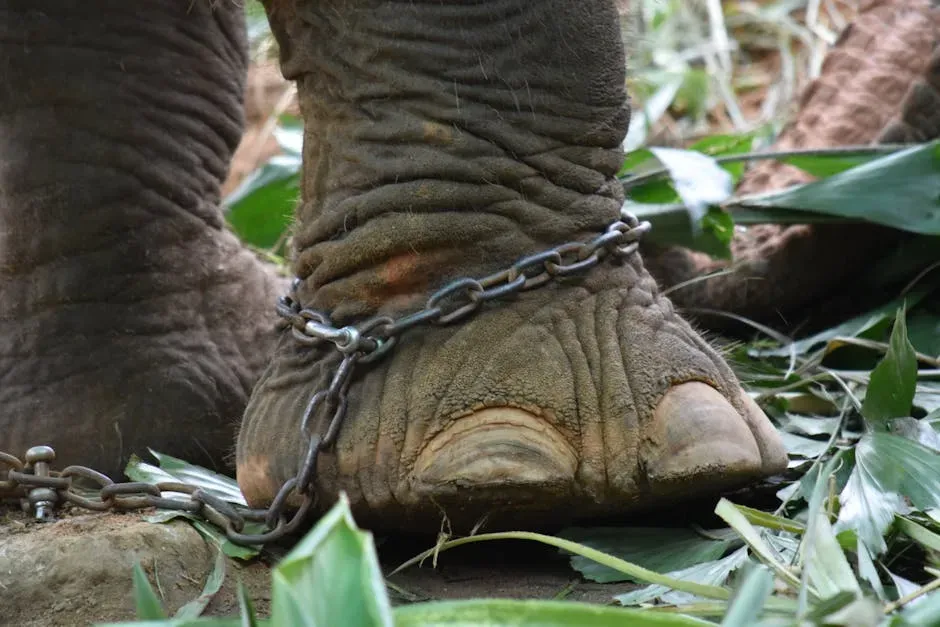
Animals endure suffocating crates, starved and dehydrated during long hauls across oceans. Many arrive dead or dying from shock and neglect. Suppliers cram dozens into boxes, ignoring basic needs.[4][5]
Reptiles gasp in plastic bags; birds suffer broken wings from rough handling. Survival rates hover shockingly low. I know it sounds brutal, but these journeys claim countless lives before pets even reach stores.
One infamous supplier lost thousands weekly to these horrors. The waste is staggering.
Devastation to Endangered Species
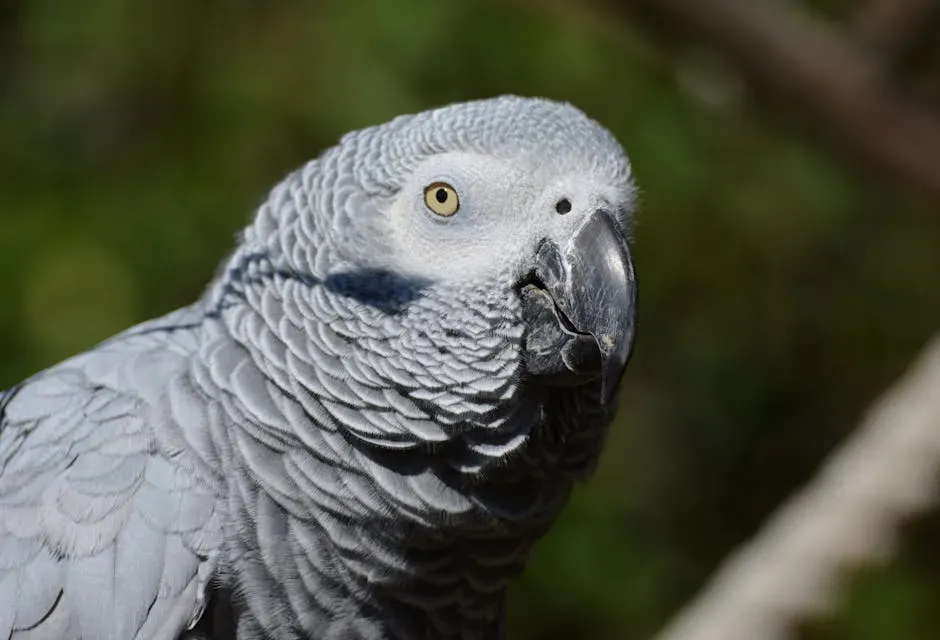
The trade destabilizes fragile populations, pushing species like certain parrots toward extinction. Over 50 parrot types face peril from this demand. Amphibians fare no better, with a quarter of traded ones already threatened.[6][7]
Illegal harvesting ignores quotas, emptying wild nests and forests. Conservationists warn of irreversible losses. It’s not just numbers; entire ecosystems teeter on the edge.[8]
Zoonotic Diseases on the Loose
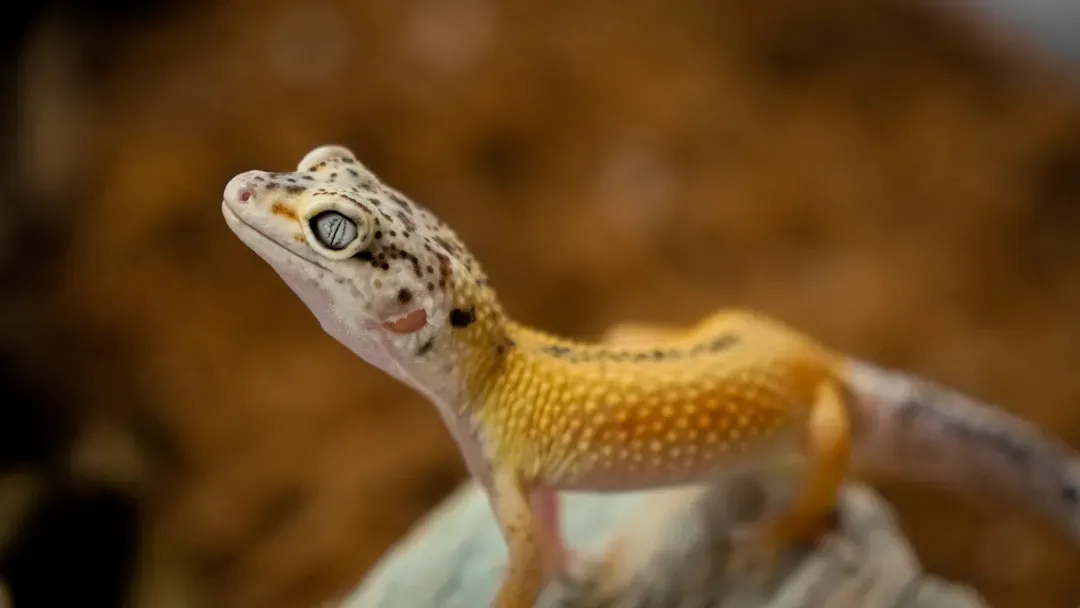
Exotic pets harbor pathogens that jump to humans, sparking outbreaks. Reptiles alone link to over 90,000 salmonella cases yearly in the US. Close handling amplifies the risk for families.[9][10]
These animals carry exotic bugs unknown to vets, spreading silently. Owners face fevers, worse. Let’s be real: your dream sloth could unleash a health nightmare.
Safety Nightmares for Owners and Public
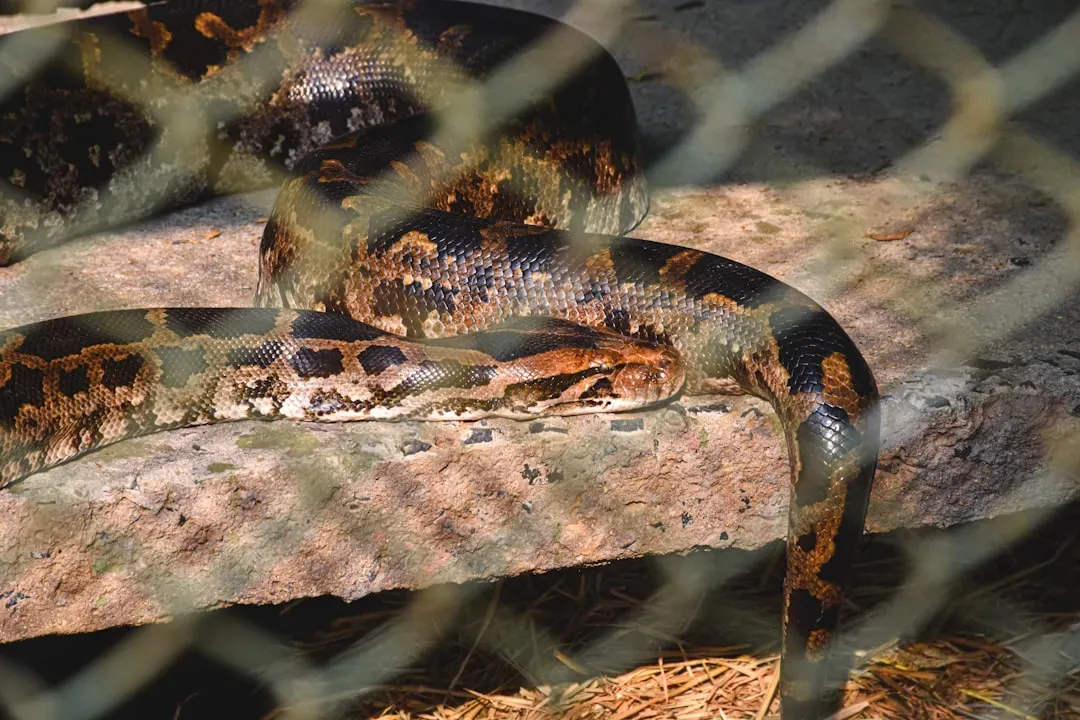
Big cats maul handlers; snakes envenom unwary keepers. Injuries and deaths stack up from primates, constrictors, even seemingly tame exotics. Children suffer most in these risky homes.[11][12]00413-5/fulltext)
Escaped animals threaten neighbors, sparking attacks. The danger never sleeps. Who knew status symbols pack such lethal punches?
Black Markets and Legal Gaps
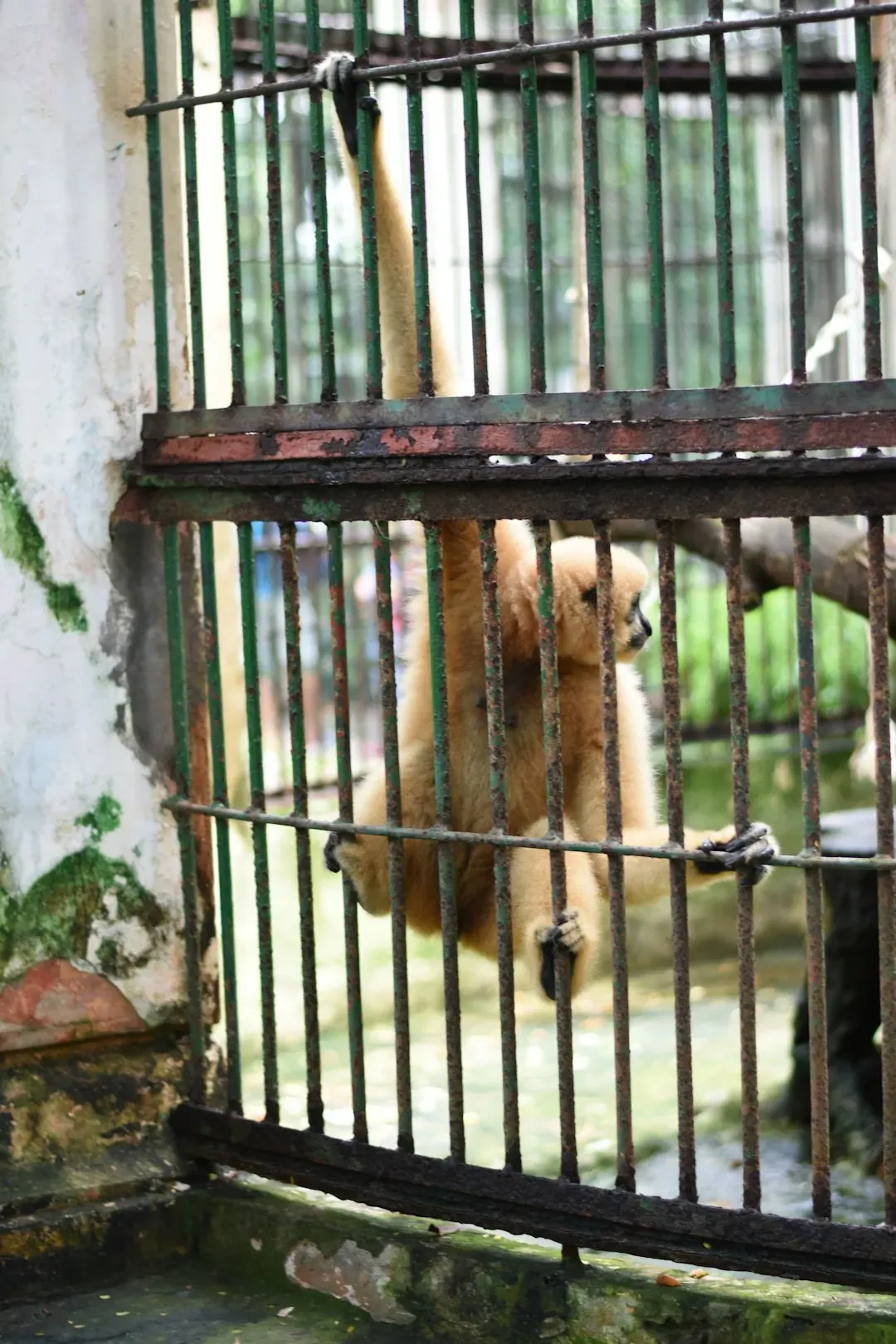
Online sales explode despite bans, with traders dodging permits via captive-bred claims. CITES pushes tighter rules amid booming demand for reptiles and birds. Black market iguanas fetch thousands illegally.[13][14]
US states ramp up 2026 regs, but loopholes persist. Underground networks thrive unchecked. The trade’s shadow economy mocks conservation efforts.
Conclusion: Facing the Reckoning
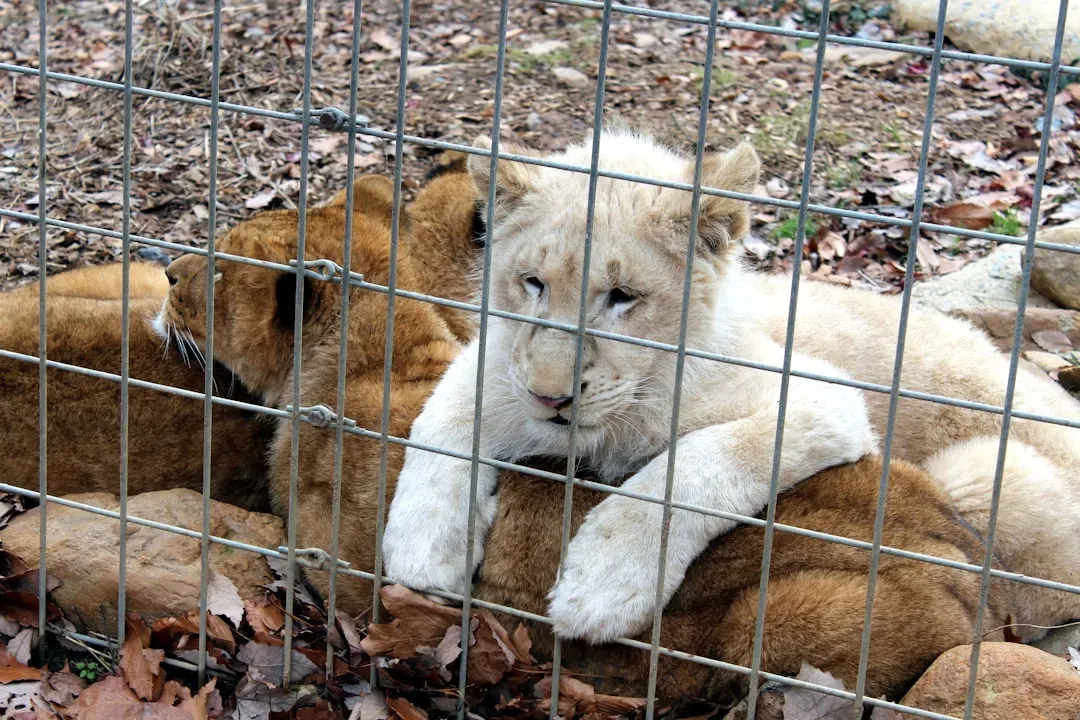
Busts reveal the cruelty, from massive cruelty cases to smuggled cubs beaten in apartments. Global leaders tighten nets, yet demand fuels the fire. Change demands we rethink ownership.[15][16]
Support sanctuaries, push laws, admire from afar. The wild belongs in the wild. Would you risk a life for a photo op? Tell us below.

- Which Zodiac Signs Are Naturally Drawn to Ocean Animals - July 14, 2026
- The Most Playful Horse Breeds That Love Bonding With Humans - July 14, 2026
- 24 Things Nobody Tells You About Adopting a Dog in Your Sixties - July 14, 2026