
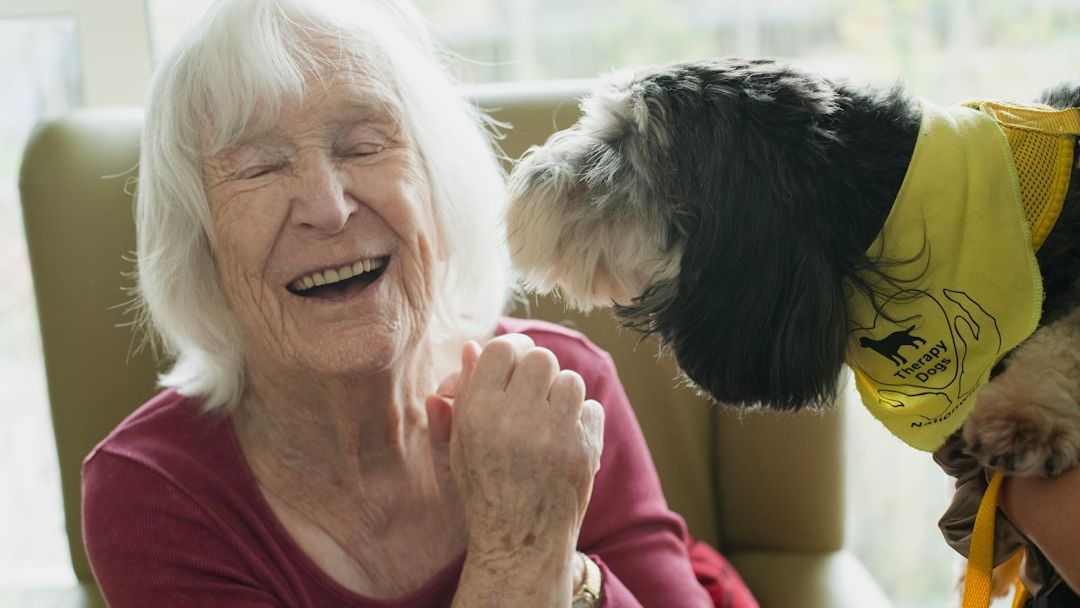
There’s something undeniably heartwarming about watching a senior light up when a four-legged friend bounds into the room. Maybe it’s the wagging tail or the enthusiastic purrs, but the connection runs deeper than we might initially think. While everyone knows grandparents love spoiling their human grandkids, a fascinating phenomenon has been quietly unfolding across households. The bond between older adults and their children’s pets, affectionately known as grand-pets, has become a source of joy, purpose, and genuine health benefits.
This isn’t just about cute videos on social media, though there are plenty of those. It’s about meaningful relationships that enrich lives on both sides of the generational divide. Let’s explore what makes this connection so special and why it matters more than you’d expect.
The Emotional Pull That Defies Logic
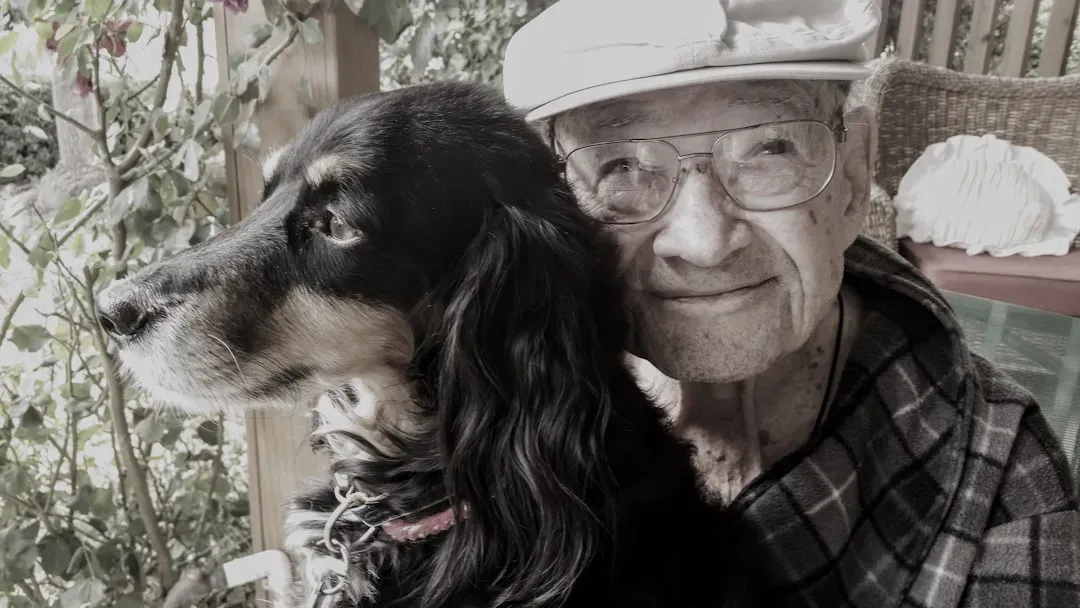
Dogs can form deep relationships with new people quickly, especially if they see them with fair regularity. This explains why grand-pets seem to recognize grandma and grandpa the moment they walk through the door. The excitement is mutual, creating a loop of affection that feels almost magical.
Dogs have no idea that their owners and their parents are related, so whatever bond they’ve formed with their “grandparents” is based on affection for them as individuals. That’s actually beautiful when you think about it. The relationship isn’t built on obligation or family duty. It’s pure, earned love.
Grandparents often bring out the best treats, the most patient ear scratches, and unlimited belly rubs. If parents think of a dog as their grandchild, they are likely going to bust out the good treats. It’s the same indulgent energy they bring to human grandchildren, just translated into a different language of care.
Staring eye-to-eye with dogs releases oxytocin in our brains, making us feel good, and this “love hormone” spreads warmth and happiness when we are close to loved ones, including our dogs. This biochemical reaction creates a genuine bond that transcends species. The feeling is real, not imagined.
The attachment can be so profound that even in cases of dementia, grandparents may not remember their own children but still remember the dogs. That says everything about the depth of these connections.
Bridging Generational Gaps Through Furry Mediators
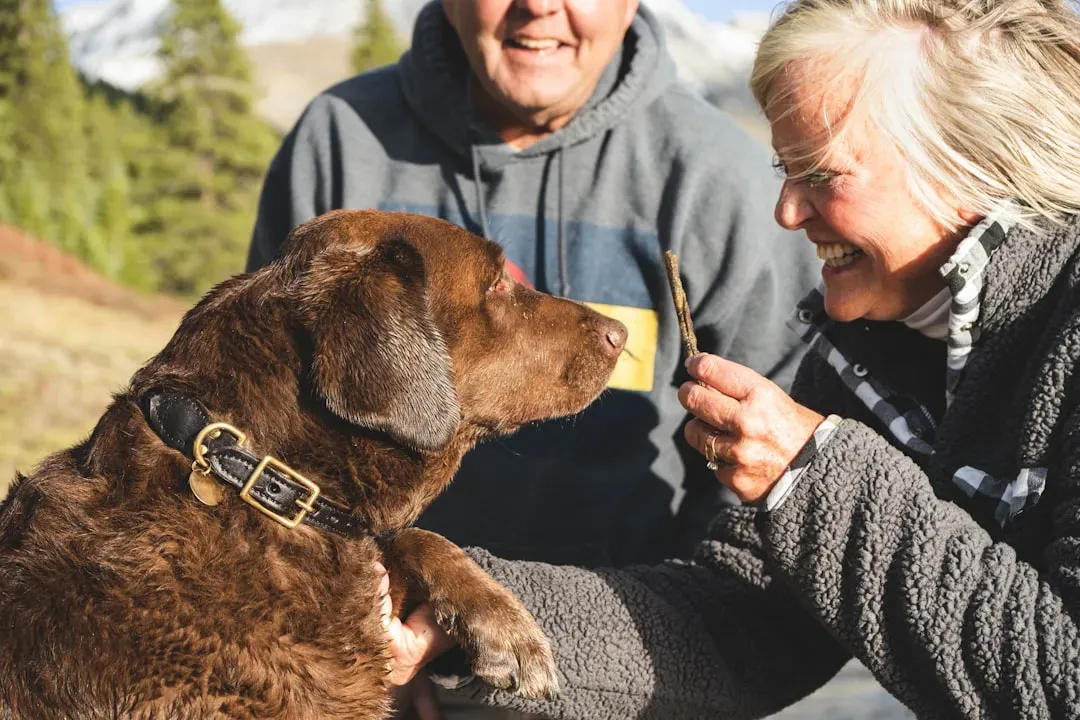
Seniors with pets are more able to bridge generational gaps and strengthen intergenerational bonds, particularly in families where grandchildren are involved, as the shared experience of caring for and bonding with a pet can create lasting memories. Pets become the common ground where different ages meet without awkwardness.
Think about it. A teenager might not know what to talk about with Grandpa, but they both love that goofy golden retriever. Suddenly there’s laughter, stories, and shared moments that wouldn’t have happened otherwise. Seniors can teach their grandchildren how to care for animals, and love for a pet can bring families closer together.
If pets are in the house, grandchildren might be more likely to visit and spend time with their grandparents, which could lead to opportunities for bonding and shared experiences. The pet becomes an excuse, a conversation starter, and a living reminder that someone needs visiting.
This dynamic works both ways. Grandparents get to feel useful by sharing their wisdom about pet care, while grandchildren see their elders as active participants in something they care about. The pet doesn’t just sit between them; it connects them.
Honestly, it’s easier to teach responsibility through a wagging tail than through lectures. Kids watch how grandparents gently handle animals, and they absorb lessons about patience, kindness, and unconditional love without anyone needing to spell it out.
The Health Benefits No One Saw Coming
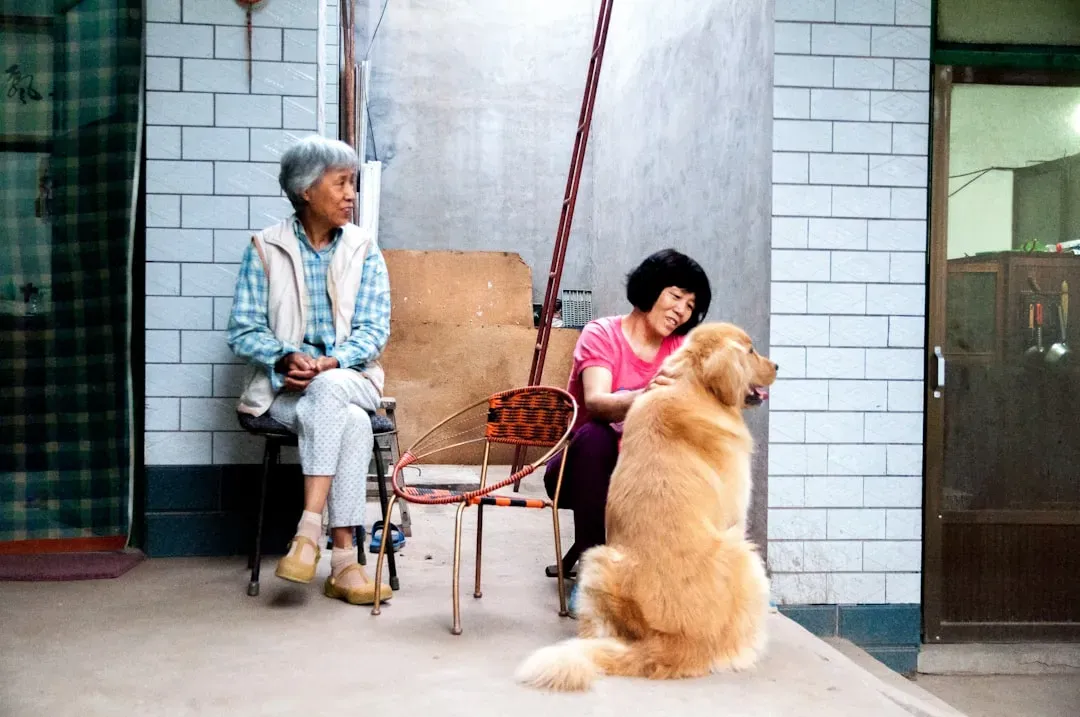
Pet ownership is linked to improved cardiovascular health and blood pressure control. For grandparents specifically, interacting with grand-pets during visits offers many of these same advantages. The simple act of petting a dog or cat triggers physiological changes that medical professionals can actually measure.
Interacting with animals can lower blood pressure, decrease the risk of heart disease, and even boost immunity in older individuals. It’s hard to say for sure, but regular visits with a beloved grand-pet might be doing as much for cardiovascular health as some medications.
Pet owners tend to be more physically active, have a reduced risk of heart disease, and engage in more social interactions with others due to their pets. Even if they’re not the primary owner, grandparents who regularly interact with grand-pets often find themselves moving more, whether it’s tossing a ball in the backyard or taking a leisurely walk around the block.
Caring for pets has been shown to promote a sense of calmness, reductions in anxiety and blood pressure levels and for some older adults, they provide a sense of purpose. That sense of purpose matters more than we give it credit for, especially for retirees adjusting to life without a structured workday.
Let’s be real: the health industry spends billions trying to solve problems that a friendly dog might address naturally. There’s something profoundly simple about the solution, which is maybe why it gets overlooked.
When Grandparents Become the Favorite
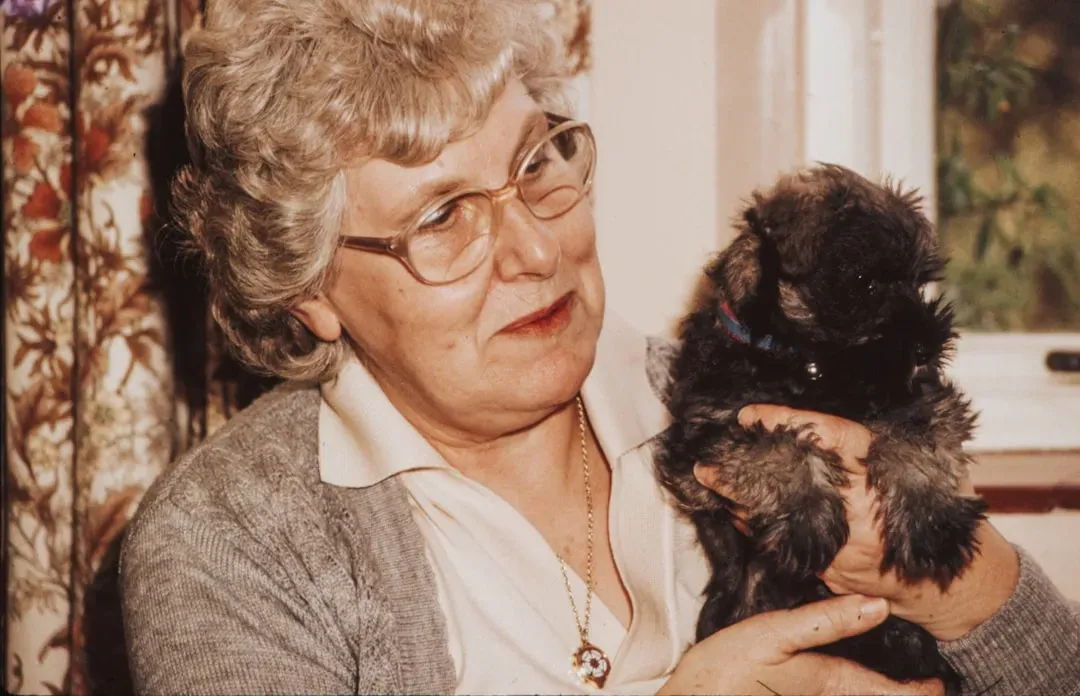
The moment dogs catch sight of their grandparents, they wriggle free and bolt toward them at lightning speed, perfectly summarized as “You get a dog for unconditional love, he chooses your parents instead.” This hilarious reality plays out in countless households, and the slight betrayal pet parents feel is matched only by the pure delight on grandparents’ faces.
Social media is full of videos showing dogs losing their minds with excitement when grandparents arrive. Dogs bolt out of the car, across the front lawn, and up to their grandparents’ front door. The enthusiasm is impossible to fake and utterly contagious.
Roughly 95 percent of dog and cat owners strongly or somewhat agree that their pets provide unconditional love. When grandparents enter the equation, pets often shower them with that same intensity of affection, sometimes even more enthusiastically than with their actual owners.
Why does this happen? Grandparents can absolutely buy their dog’s love with treats, as every criminal knows that a guard dog can be outwitted with some steak. While that’s a bit tongue-in-cheek, there’s truth to it. Grandparents often have more time, patience, and willingness to spoil.
The dynamic creates a funny but touching triangle: kids watch their own pets choose their parents over them, parents pretend to be offended, and grandparents bask in the glory of being everyone’s favorite. It’s a win for the pets, who get extra love, and ultimately a win for everyone involved.
The Grand-Pet Gap and Modern Family Structures
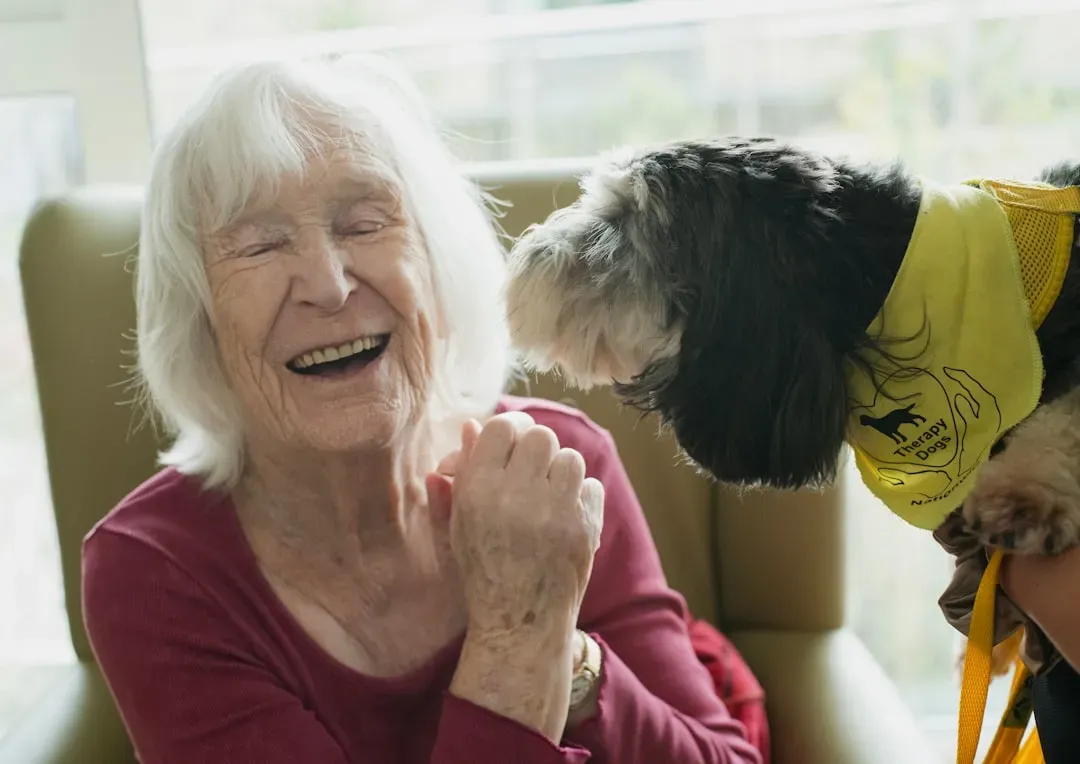
The grandchild gap is a real social trend that leaves folks of a certain age, who had planned on doting on grandkids, out in the cold. Many baby boomers expected to have multiple grandchildren to spoil by this point in their lives. Reality often looks different.
Those who want some grandparent action may dote on pets, and that may be the easiest thing to do. Rather than feeling empty or purposeless, these grandparents redirect that nurturing energy toward furry family members. The instinct to spoil and care for the younger generation doesn’t disappear just because human grandchildren aren’t in the picture.
Some grandparents have spent thousands of dollars on medication, fancy treats, Christmas gifts, and other luxuries for their grand-pets. They buy Halloween costumes, organize birthday celebrations, and refer to themselves as “Grammy” and “Pops” without a trace of irony.
This isn’t sad or pathetic. It’s adaptive and life-affirming. Everyone is a lot lonelier today, and people have made animals their best friends and part of the family. The form of family has shifted, but the need for connection remains constant.
Some might roll their eyes at grandparents who create Instagram accounts for their grand-dogs, but I think there’s something deeply human about finding ways to love and be loved. Whether that comes through human grandchildren or four-legged ones matters far less than we pretend it does.
Practical Magic in Everyday Moments
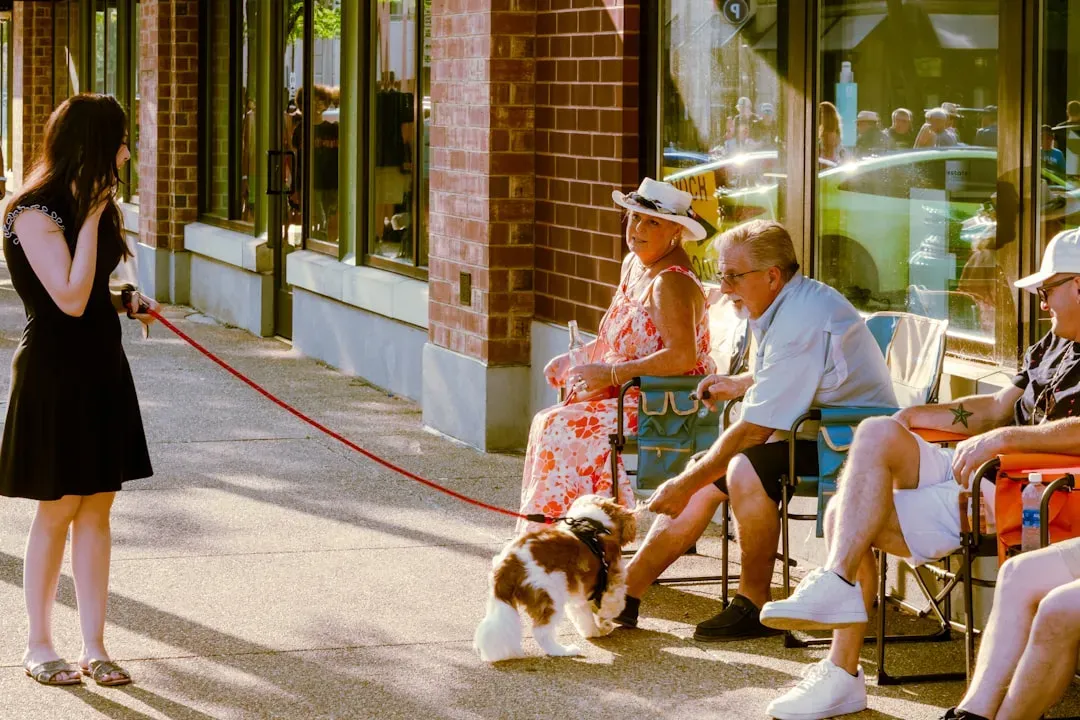
It never hurts to give dogs more stable, rewarding relationships, and dogs who have a few trusted humans in their lives might adapt better if their primary caretaker or owner has an emergency. From a practical standpoint, having grandparents bonded with the family pet creates a built-in support system.
When life gets chaotic, families need backup. Grandparents who already have a relationship with the pet can step in during emergencies, vacations, or unexpected life events. Millions of pet parents equal millions of pet grandparents, and there may come a time when your kid needs you to sit for your new granddog or grandcat.
Even at 96, grandparents knew the importance of continuity and how much the dog would miss those treats, ear scratches and toys. This kind of commitment speaks to the seriousness with which many grandparents approach these relationships. They’re not casual observers; they’re active participants in the pet’s life.
The routine of caring for or visiting with a grand-pet also provides structure to a grandparent’s week. There are scheduled visits, anticipated reunions, and the comforting predictability of a wagging tail waiting at the door. These small rituals matter more as other structures in life fall away.
Let’s not overlook the mutual benefit here. Pets thrive on consistent, loving interactions with multiple people, and grandparents gain purpose, exercise, and social connection. It’s one of those rare situations where everyone involved genuinely wins. What do you think? Have you noticed this special bond in your own family? It’s worth paying attention to.

- 6 Exotic Bird Species You Can Spot in U.S. National Parks - July 19, 2026
- 11 Iconic American Birds Facing New Challenges and How You Can Help - July 19, 2026
- 10 Friendliest Animals in the World - July 19, 2026