
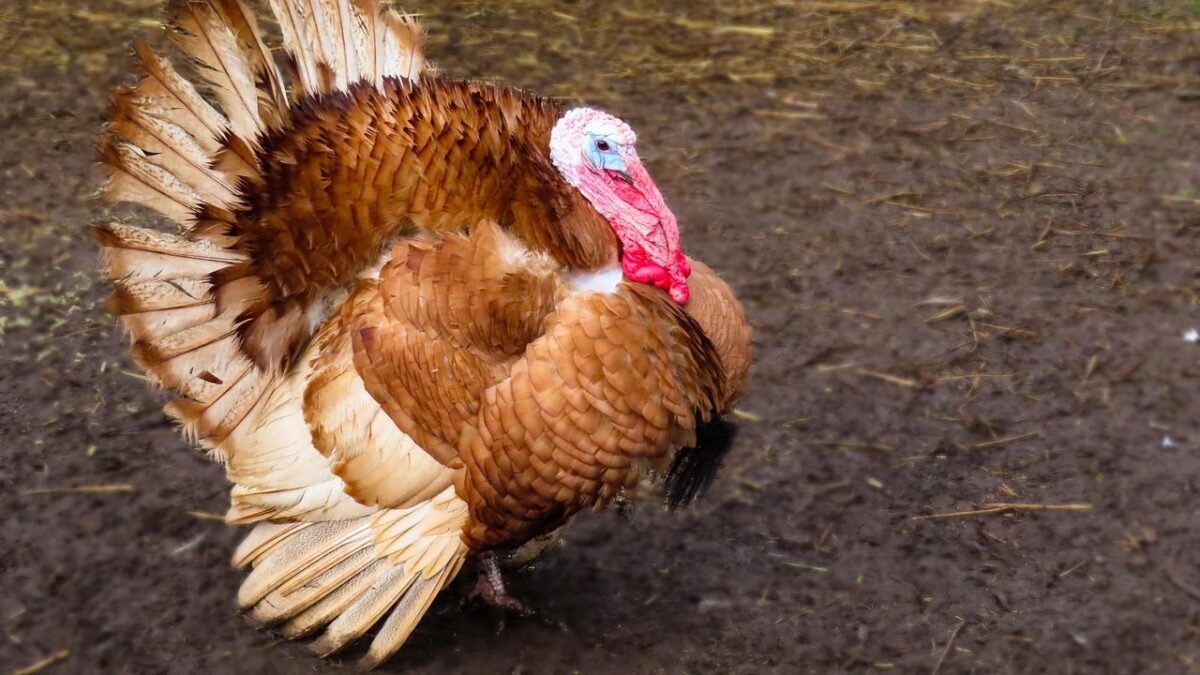
There’s something quietly remarkable about spotting a wild turkey in the woods. For many Americans today, it barely registers as unusual. Yet a century ago, seeing one would have been genuinely extraordinary. The bird that had roamed freely across most of North America had been hunted, displaced, and crowded out until it nearly vanished from the continent entirely.
The fact that millions of wild turkeys now wander forests, meadows, and even suburban backyards across the country isn’t coincidence. It’s the result of decades of deliberate work, policy decisions, scientific ingenuity, and an unlikely alliance of people who cared enough to act. Their story tells us something important not just about turkeys, but about what natural resilience actually looks like when it gets a little help.
From Abundance to Near Absence
Turkeys were a valuable food source for Native Americans, who first domesticated the birds, and early European colonists also hunted them for their meat. Populations were abundant until the mid-1800s, when European colonists cleared forestland for agriculture, development, and railroad construction.
The rapid loss of forest habitat coupled with unregulated hunting led to steep declines, and turkey populations plummeted to their lowest by the 1930s and 1940s. Some estimates suggest that turkeys declined across their range by roughly nine in ten birds, even vanishing from many states they had previously occupied, including Vermont and New York.
The combination of habitat destruction through logging and market hunting caused the wild turkey population to plummet: by 1940, the species was reduced to nearly 200,000, representing a decline of about 98 percent. To put that in perspective, America’s wild turkey population was once estimated to be approximately 30,000 at its lowest point, a number comparable to today’s estimates for polar bears worldwide.
By 1813, Connecticut’s wild turkeys were gone, and Vermont followed with no wild turkeys by 1842. These weren’t slow, ambiguous shifts. They were swift disappearances from landscapes that had known the birds for thousands of years.
The Science That Saved Them
Their numbers didn’t really start to rebound until the 1950s, because until then, conservationists couldn’t figure out a good way to relocate wild turkeys to these habitats. Finally, in the 1950s, conservationists realized they could safely relocate wild turkeys with rocket or cannon nets, which shoot out and trap animals.
In 1951, Herman Holbrook took a net cannon that had, until then, only been used to capture waterfowl and turned it on a wild turkey. By 1957, Holbrook had used the cannon net to capture 241 eastern wild turkeys. It was one of those moments where borrowing a tool from one discipline quietly changed the fate of a species.
At one point, many state agencies had relied on hatchery programs that raised turkeys like livestock and then released them. Farm-raised stock was simply not equipped to survive beyond its pen. These naive creatures fell quickly to predators, hunters, disease, and weather.
On the other hand, trapping wild turkeys in areas where they thrived and reintroducing them to suitable habitat proved spectacularly successful. The birds quickly established themselves in reforested areas. The difference between wild-caught and farm-raised birds turned out to be the entire story.
An Unexpected Ally: The Great Depression
The 1930s saw a major shift among the U.S. population that would end up benefiting wild turkeys, albeit unwittingly. The Great Depression forced many families to abandon their farms, leaving the land open for wild turkeys to expand into.
In regions like New York and New England, turkey recovery also benefited from a unique environmental shift: forests regenerated on abandoned farmland after the Great Depression, providing the perfect habitat for their return. Nature, it turns out, moves quickly when given the space to do so.
Several state wildlife agencies made the first attempts at restoring turkey populations. In their favor, turkey habitat was increasing due to the abandonment of farms during the Great Depression and the subsequent regrowth of forests.
It’s a rare case in conservation history where an economic catastrophe inadvertently created the conditions for ecological recovery. The crisis in native species populations galvanized conservationists, who helped pass the Federal Aid in Wildlife Restoration Act of 1937, also known as the Pittman-Robertson Act, which placed a tax on hunting guns and ammunition to pay for wildlife restoration efforts.
A Coalition of Hunters, Scientists, and Citizens
The conservation movement was catalyzed by figures including Theodore Roosevelt and George Bird Grinnell, who were concerned about natural resource losses resulting from logging and hunting. Decades before the Endangered Species Act became law, these conservationists rallied for government to protect and recover wild turkeys.
More help came in 1973 after the creation of the National Wild Turkey Federation (NWTF), which is credited as a huge driving force behind their recovery and the restoration of wild turkey habitat. The NWTF works to intertwine conservation with hunting by emphasizing that protecting habitats and species will preserve the practice of hunting itself.
Hunters, at the core, are a primary driver of turkey conservation and have been since restoration started in the 1940s and beyond. The resources that hunters put into purchasing licenses and buying equipment largely drive state agencies and the resources that can be put back into land management and conservation efforts.
With careful management that included moving birds around one state dozens of times over ensuing decades, New Hampshire’s population alone has grown to roughly 40,000 birds. State by state, that same patient, methodical effort was repeated across the country.
A Recovery With New Complexities
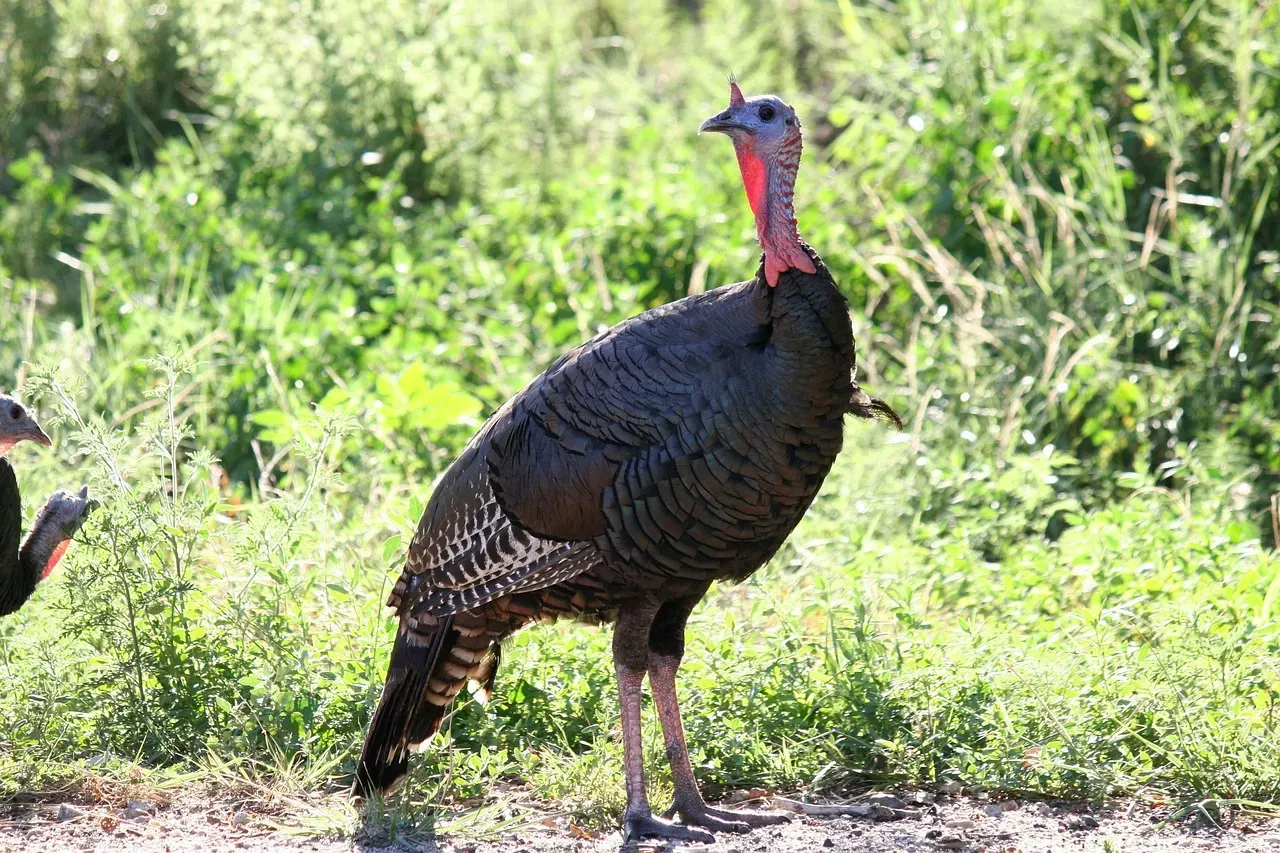
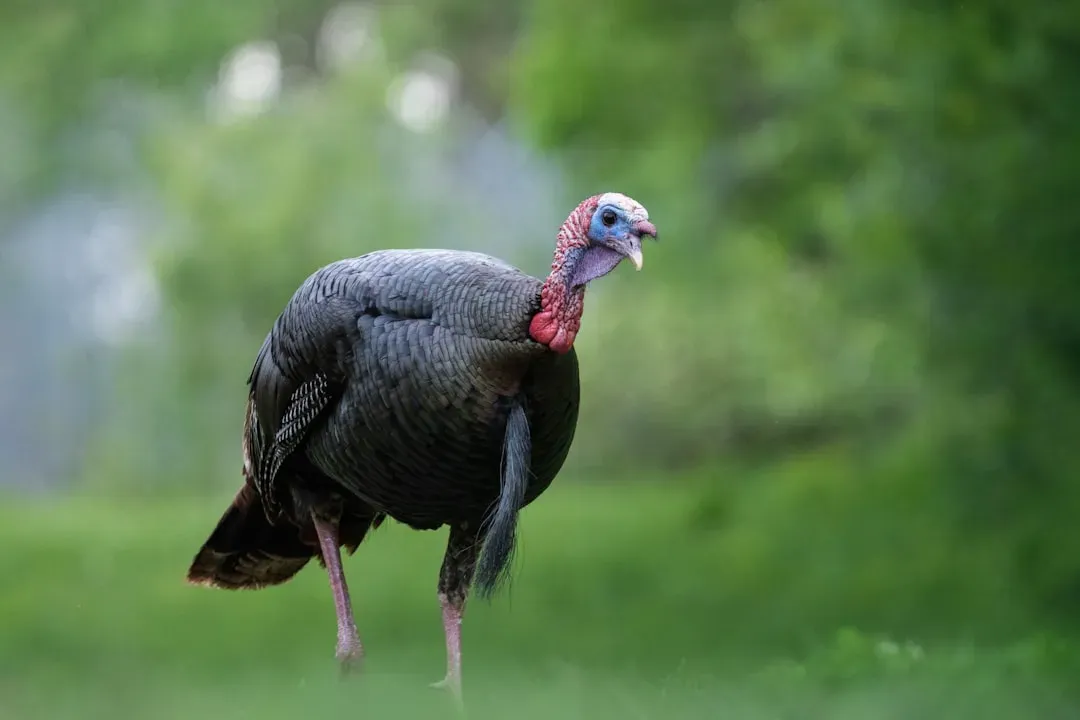
Once nearly wiped out and absent from more than half the United States, wild turkeys have made an astonishing recovery, from just 200,000 birds in the 1930s to more than 7 million today. Once extinct in 18 states, they now roam in 49 states, including many areas where they hadn’t been seen in over a century.
Wildlife conservation, however, is rarely static, and soon after, the wild turkey’s success story took a complicated turn. In many suburbs and cities, turkeys began making themselves at home, and the arrivals weren’t always welcome neighbors. Flocks have been known to stop traffic, tear up gardens, and occasionally assert themselves with surprising boldness toward pedestrians.
Despite their current abundance, wild turkeys face new threats. States like Missouri and parts of the Southeast are now seeing population declines, with causes including habitat fragmentation, nest predation, disease, and climate change.
The wild turkey’s recovery proves that science-based conservation works. It also reminds us that wildlife rebounds don’t happen by accident; they require sustained funding, policy support, and public involvement. To keep wild turkeys thriving, we must continue to protect the forests, grasslands, and wetlands they depend on.
Conclusion: What the Turkey Teaches Us
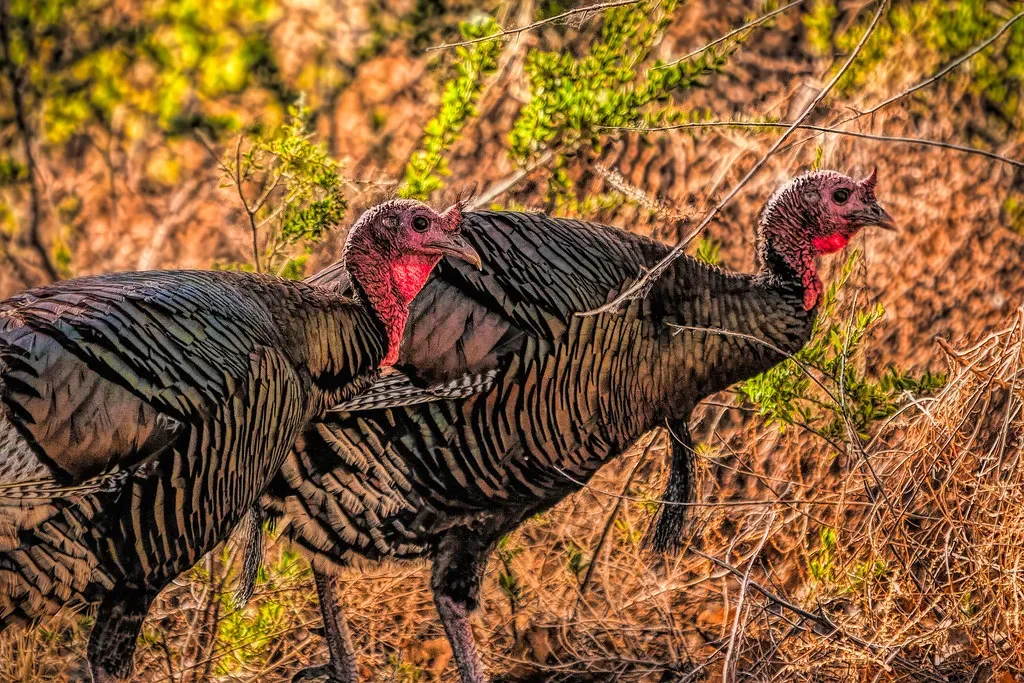
The story of the wild turkey is genuinely one of the more hopeful things in American environmental history. A bird that was reduced to near-nothing in the span of a century was brought back through a combination of good science, smart policy, changed land use, and a lot of determined people. None of it was accidental.
Ultimately, it is a story of cooperative conservation, of hunters, scientists, and conservationists all coming together to save a species. That kind of coalition isn’t always easy to build, which makes the outcome all the more worth recognizing.
The lesson learned is that conservation takes sustained investment and work to be successful. Many people and organizations give money to a project for a year or two, but to experience tangible success, we must commit to long-term efforts and understand that changes to species’ populations and habitats do not happen overnight.
The next time a turkey crosses a trail ahead of you, or struts through a suburban yard with complete indifference to the surrounding houses, it’s worth pausing for a moment. That bird is not just a funny, oversized creature causing a minor traffic delay. It’s a living marker of what becomes possible when humans decide, collectively, that something is worth saving.

- 10 Orca Quirks That Will Make You Forget the Boat Attacks - June 19, 2026
- What Do Animals Dream About When They Sleep? - June 19, 2026
- 6 Winter Pests That Can Ruin Your Garden - June 19, 2026