
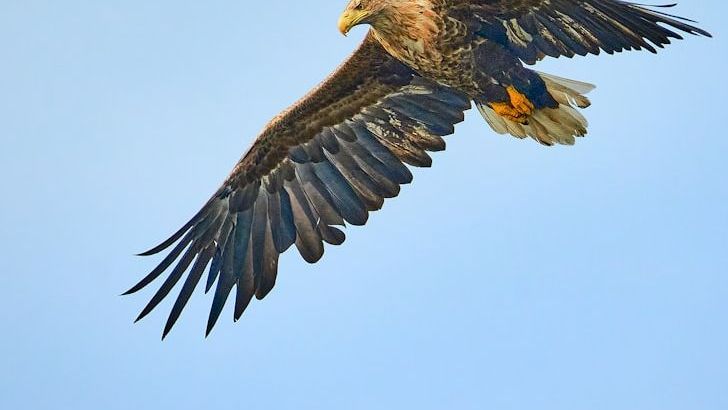
The skies above Alaska tell a remarkable story of adaptation. For thousands of years, eagles have soared across this vast landscape, following predictable seasonal patterns that connect Arctic breeding grounds to wintering areas thousands of miles south. Yet something profound is happening in their ancient journeys.
These magnificent raptors are quietly rewriting the map of North American migration. From the towering peaks of the Wrangell Mountains to the windswept valleys of Denali, scientists are documenting changes that reveal how wildlife responds to our rapidly shifting world.
Golden Eagles Navigate a Changing Landscape
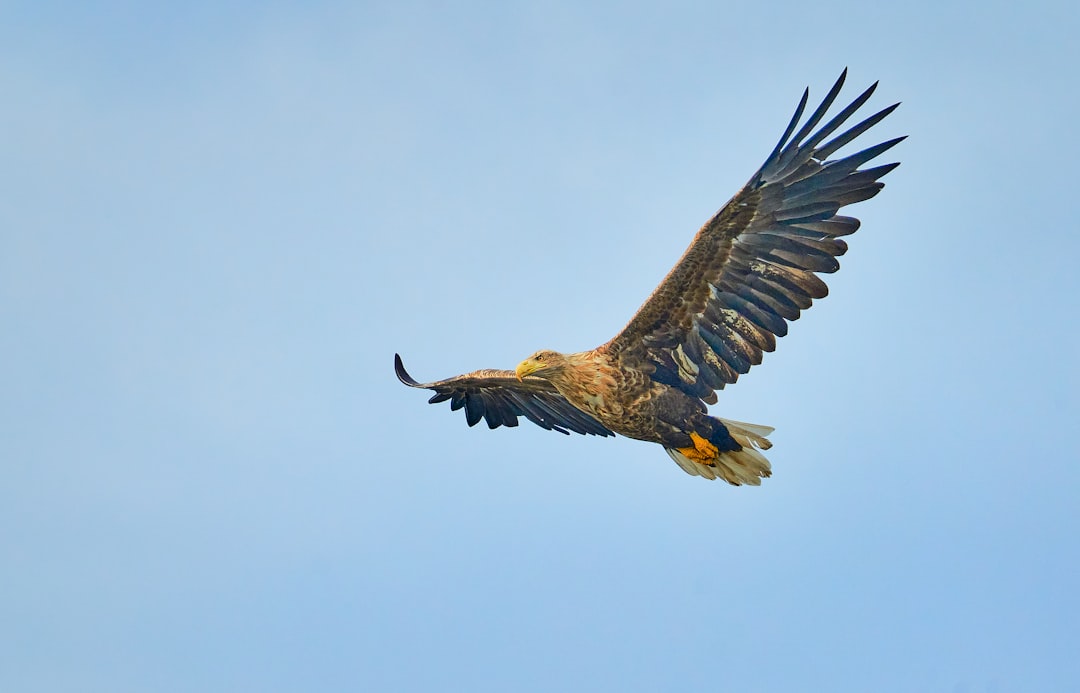
In both 2022 and 2023, researchers counted more than 1,300 golden eagles migrating through study areas during three-week periods in spring. Golden eagles that breed in northern Alaska, Yukon, and North West Territories are known to undergo the longest migrations, wintering in Arizona, Colorado, New Mexico, Southern California, and Northern Mexico.
Within just six weeks of fledging, some of Denali’s juvenile eagles fly over 4,000 miles to spend the winter in central Mexico. If a golden eagle raised in Denali lives to age 20 and repeats similar migrations, it will travel over 250,000 miles in its life.
Weather Drives Route Selection Around Mountain Barriers

When golden eagles migrate to and from Alaska each year, they have to fly around a huge obstacle: the towering peaks of the Wrangell Mountains, which reach heights of over 18,000 feet. Some of the eagles choose a route that skirts the northern edge of the mountains. Others go south.
Research shows that in the fall, a northern route around the mountains becomes more popular with stronger winds from the south. “That south wind comes off the Gulf of Alaska, potentially bringing some pretty bad weather with it”. In the spring, stronger south winds actually made the southern route more popular, because the wind flowing into the mountains can create good updrafts that the eagles can use to fly.
Climate Change Accelerates Migration Timing
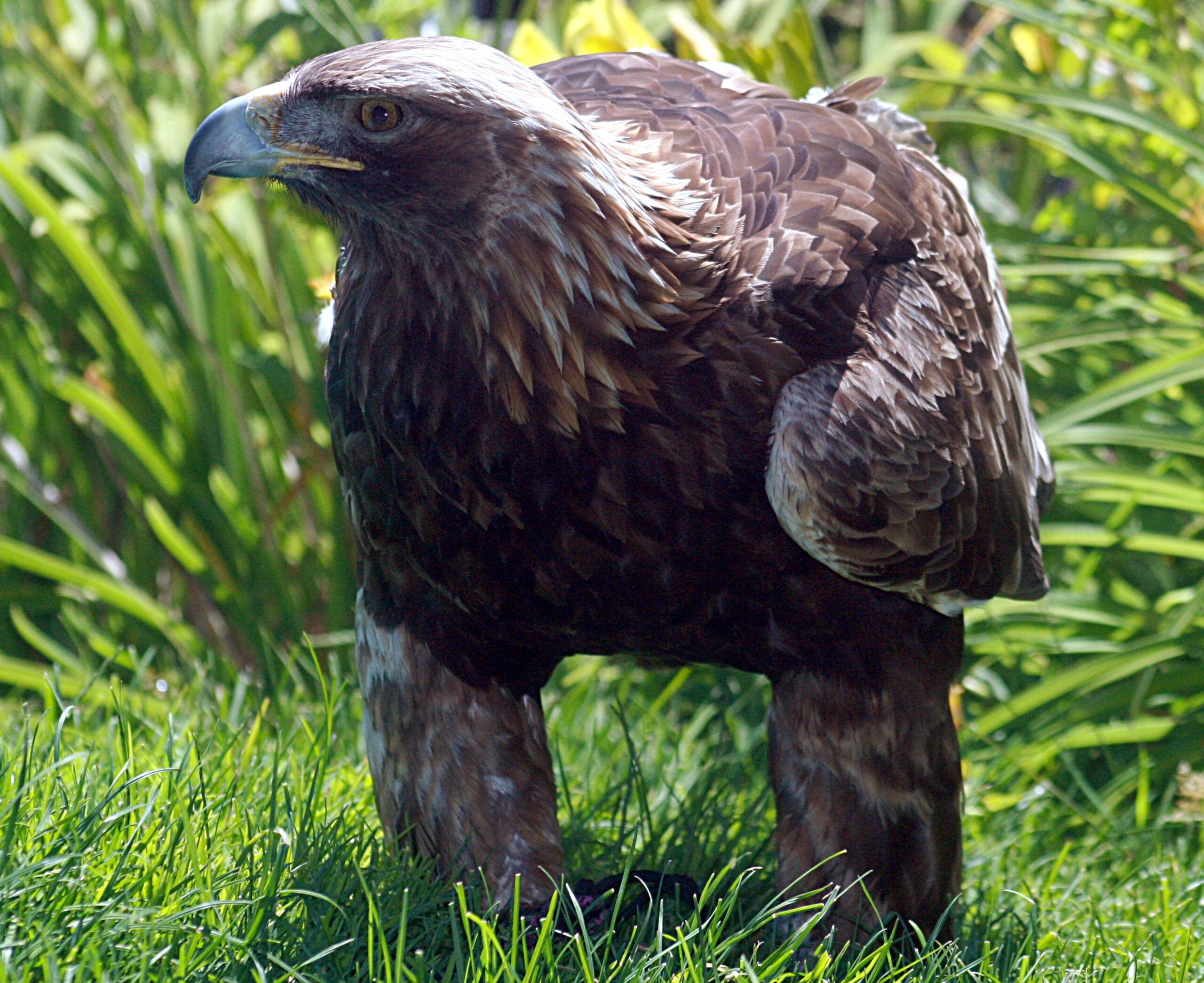
Research analyzing eagle data from 1991 to 2019 found that migration started about half a day earlier each year – a change that compounded over 25 years to cause a shift of nearly two weeks. “Basically, climate change is rushing them to go north early”.
Analysis of movement data from more than 100 golden eagles revealed differences in arrival times at breeding grounds over a 24-year period. After mild winters, immature birds arrived earlier in the spring to breeding grounds than adult birds. Such changes may impact their breeding success.
Habitat Changes Challenge Traditional Patterns

The expansion of shrubs and trees across breeding grounds in Denali could present challenges for golden eagles that often forage in more open landscapes. Increased vegetation cover is likely to have a negative effect on important prey species, such as Arctic ground squirrel.
Extended drought on the golden eagle wintering areas could result in reduced prey availability and decreased survival. These are just a few examples of how human-related activities could both directly and indirectly affect Denali’s golden eagles.
Two Major Migration Corridors Emerge
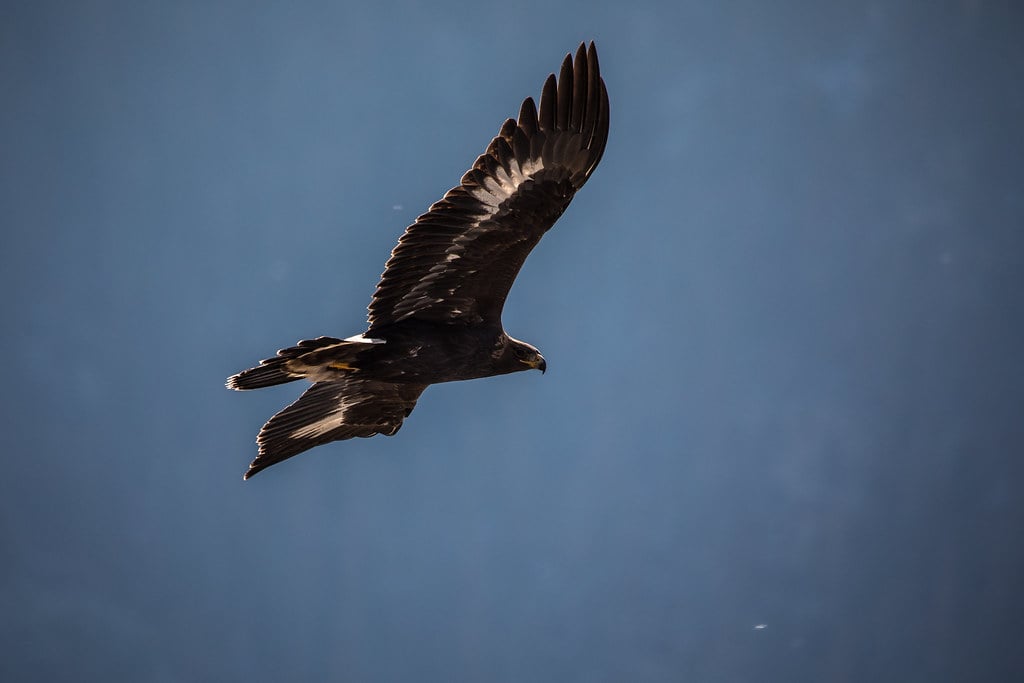
Telemetry data revealed two primary migration corridors in the area: one to the south and one to the north of the higher elevation regions of the Wrangell Mountains. Golden eagles from territories ranging from southcentral to northwest Alaska migrate through the northern corridor, but only eagles from territories in southcentral and southwest Alaska migrate through the southern corridor.
Migration routes across the interior and south-central regions of Alaska and the southern portion of the Yukon tend to run east-west and northwest-southeast. However, starting in northern British Columbia, migration routes are predominantly north-south to northern Mexico.
Bald Eagles Show Similar Migration Shifts
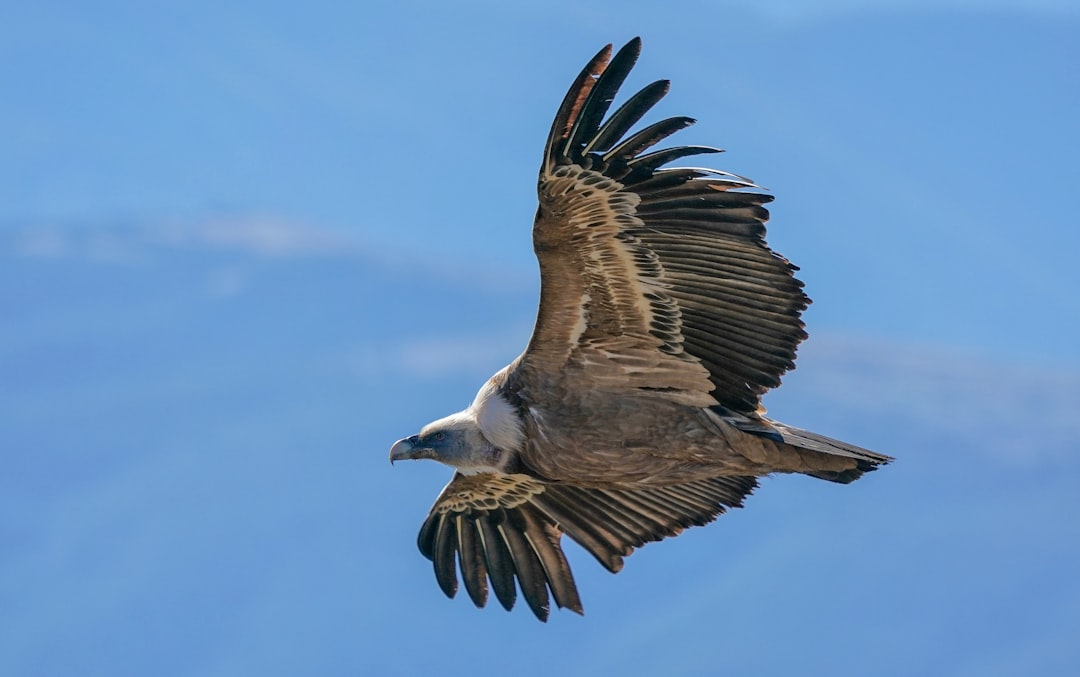
While experts say the overall population is stable in Alaska, tribal leaders and researchers who have observed changing migration patterns share concerns. They say the pattern reflects a worrying trend – the health of the Chilkat River is threatened by both human development and environmental changes.
The 2024 Bald Eagle Survey found the eagle population was about half that of the 2023 findings. “The eagles seem to be congregating less here. We do still have a spectacular congregation, but it’s not like it was in the ’80s”.
Technology Reveals Hidden Migration Mysteries
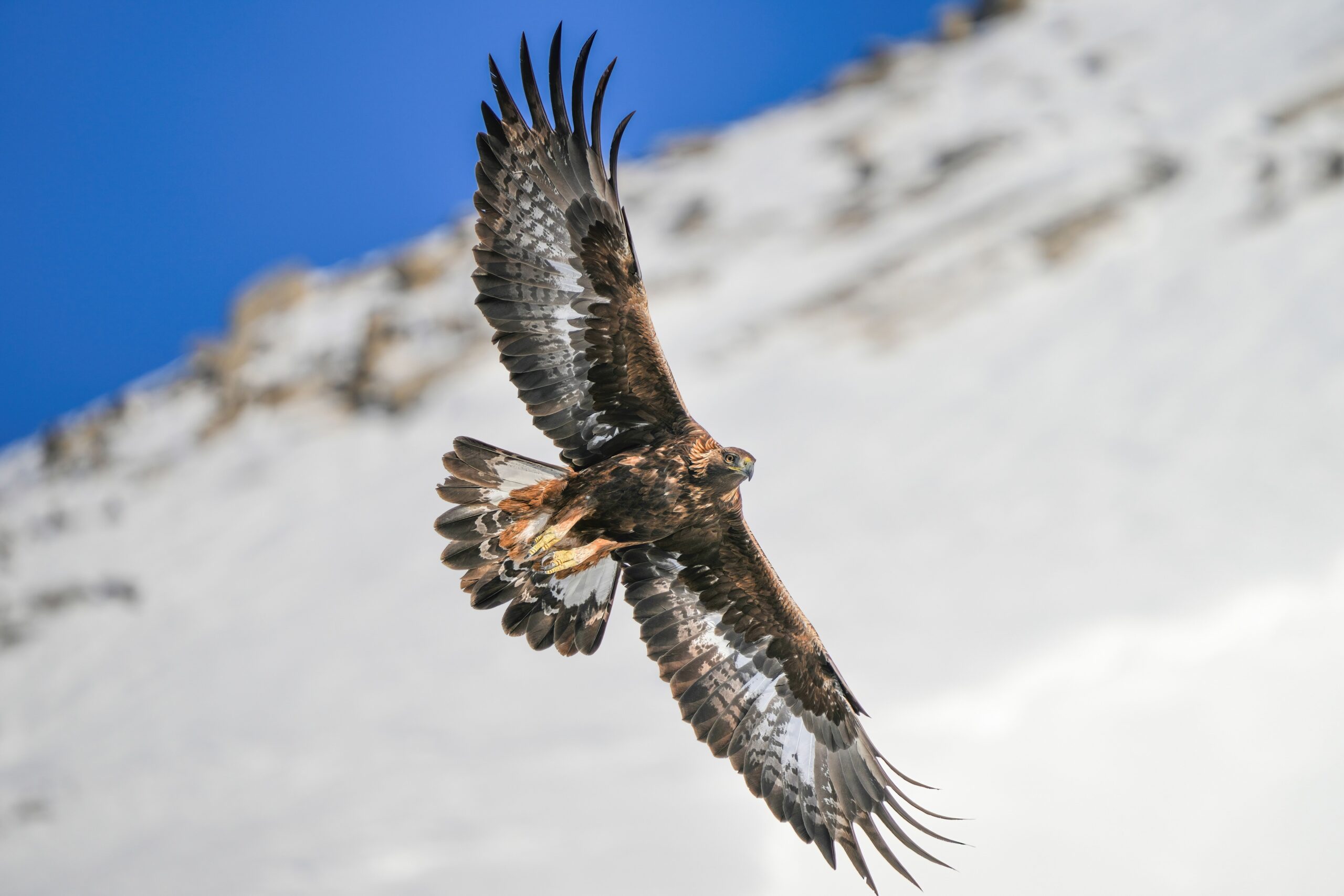
In Denali, a three-year telemetry study of golden eagles revealed more about their movements than did 10-plus years of banding, providing new information on annual ranges and survival. Previous studies had identified the importance of Denali as a nesting area for golden eagles, but little information existed about their migratory paths or wintering areas.
Scientists caught golden eagles at Gunsight Mountain, using roadkill moose and caribou as bait. Then, they fitted the eagles with miniature, solar-powered GPS backpacks that weigh about as much as a Snickers bar.
The vast wilderness of Alaska continues to serve as one of North America’s most critical wildlife corridors. Yet as these remarkable birds adjust their ancient routes to match our changing climate, they remind us that even the most enduring natural patterns can shift. Their adaptability offers hope, though the ultimate success of these adjustments remains to be seen.
What fascinates you most about these incredible journeys across thousands of miles? Tell us in the comments.
