
When you think of Disney movies, what comes to mind first? The princess finding her prince, the villain getting their comeuppance, or the magical moments that make you believe in happily ever after? While all of these elements are crucial, there’s one aspect that often steals the show – those lovable, memorable animal sidekicks. From Sebastian’s catchy “Under the Sea” to Timon and Pumbaa’s carefree “Hakuna Matata,” these characters have become just as iconic as the main heroes themselves. But here’s something that might surprise you – many of Disney’s most beloved animal companions are based on real creatures living in our world today. These actual animals possess fascinating characteristics that Disney animators brilliantly transformed into the personalities we’ve come to adore. Some of these real-life inspirations are exactly what you’d expect, while others might leave you scratching your head in amazement. Let’s dive into the wild world of nature to discover the incredible animals that brought these animated friends to life.
Sebastian the Caribbean Crab – A Musical Marvel from the Deep
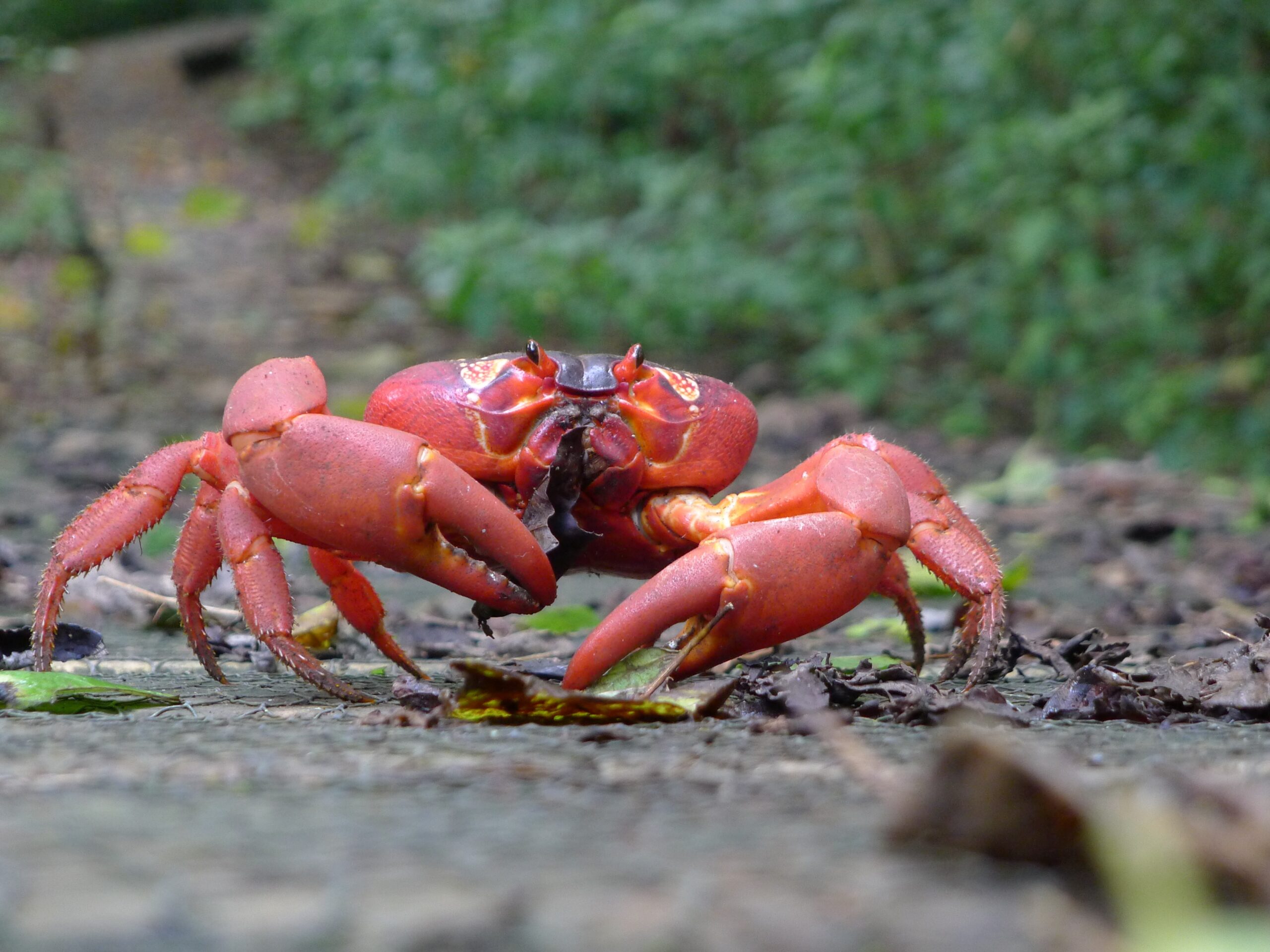
Sebastian, the red, Jamaican-accented crab from Disney’s The Little Mermaid, is the offspring of Claud Crab and Claudia Crab and serves as King Triton’s advisor and “distinguished” court composer. According to the science, it’s probably most accurate to call him a crab, and what may best illustrate that he’s a crab: his color. The debate about whether Sebastian is a crab or lobster has raged for years, but marine biologists have settled this once and for all.
Well, he is in fact, a red Jamaican crab. Known for their striking colouration from bright red to orange or even purple, red Jamaican crabs vibrant appearance helps them to blend in with the colourful environments they inhabit, including mangrove forests and coastlines. Thanks to the live-action The Little Mermaid basing its sea life on their real-world counterparts, it’s now clear that Sebastian is a crab. More accurately, the design for Sebastian in the live-action movie is based on that of a tropical ghost crab. These remarkable crustaceans actually possess some of the theatrical flair that makes Sebastian so endearing.
Timon and Pumbaa – An Unlikely Friendship That Really Exists
The iconic friendship of Timon and Pumbaa in Disney’s The Lion King has charmed audiences for decades, symbolizing loyalty, laughter, and the beauty of unlikely friendships. Interestingly enough, Natural Habitat Adventures tells us that warthogs and meerkats aren’t usually the best of friends. Although they’re not necessarily sworn enemies, they’re not typically spotted together in the wild. It sounds like it’s quite an anomaly that the two animals in the video above have such a friendly relationship.
However, real life has a way of imitating art in the most delightful ways. A recently surfaced video captures a real-life warthog and meerkat frolicking together in a way that mirrors the beloved animated duo, sparking wonder and nostalgia among viewers. This enchanting footage reveals that sometimes nature itself can recreate the friendships we once thought were pure fiction. Although meerkats and warthogs don’t spend much time with one another in nature, rehabilitation can apparently bring them together. Namibian farmer Ruben Lambrechts cares for many different creatures, including a few “Timons” and “Pumbaas” of his own.
Meerkats – The Real Timons Standing Tall
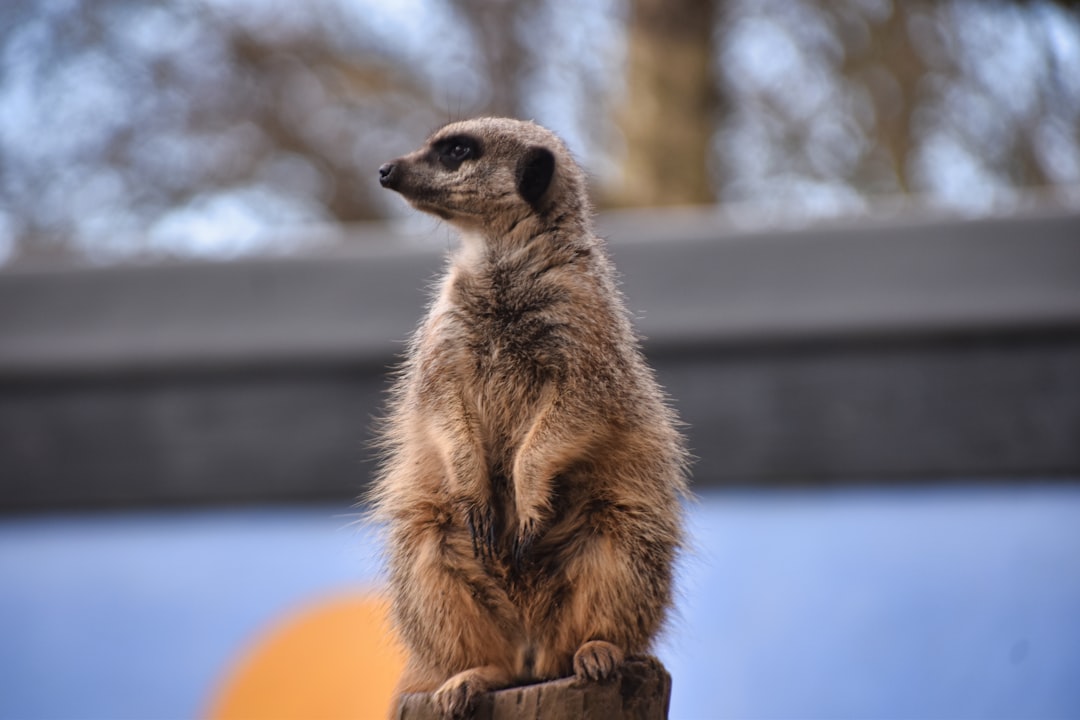
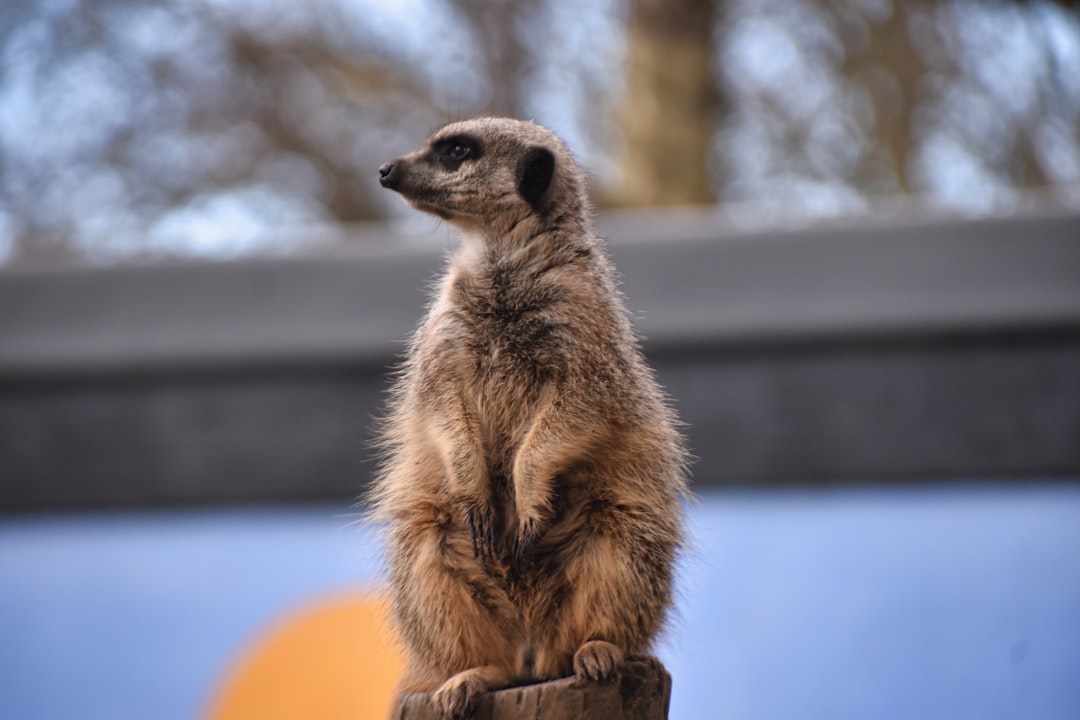
Meerkats are among the most charismatic creatures in the African savanna, and it’s easy to see why Disney chose them to represent Timon’s personality. A group of meerkats is called a “mob” and every member plays an important role. Some are sentries, babysitters, food gatherers, and housekeepers. Scorpions are a favorite food since meerkats are immune to their venom. Just like Timon’s protective nature over Simba, real meerkats are incredibly devoted to their family groups.
These small mammals have developed an intricate social system that would make even the most organized human society jealous. They take turns standing guard while others forage, much like how Timon always kept an eye out for danger during their jungle adventures. The sentinel meerkats will bark different warnings for different types of predators, showing the same kind of quick thinking and communication skills that made Timon such an effective sidekick to both Pumbaa and Simba.
Warthogs – The Gentle Giants Behind Pumbaa
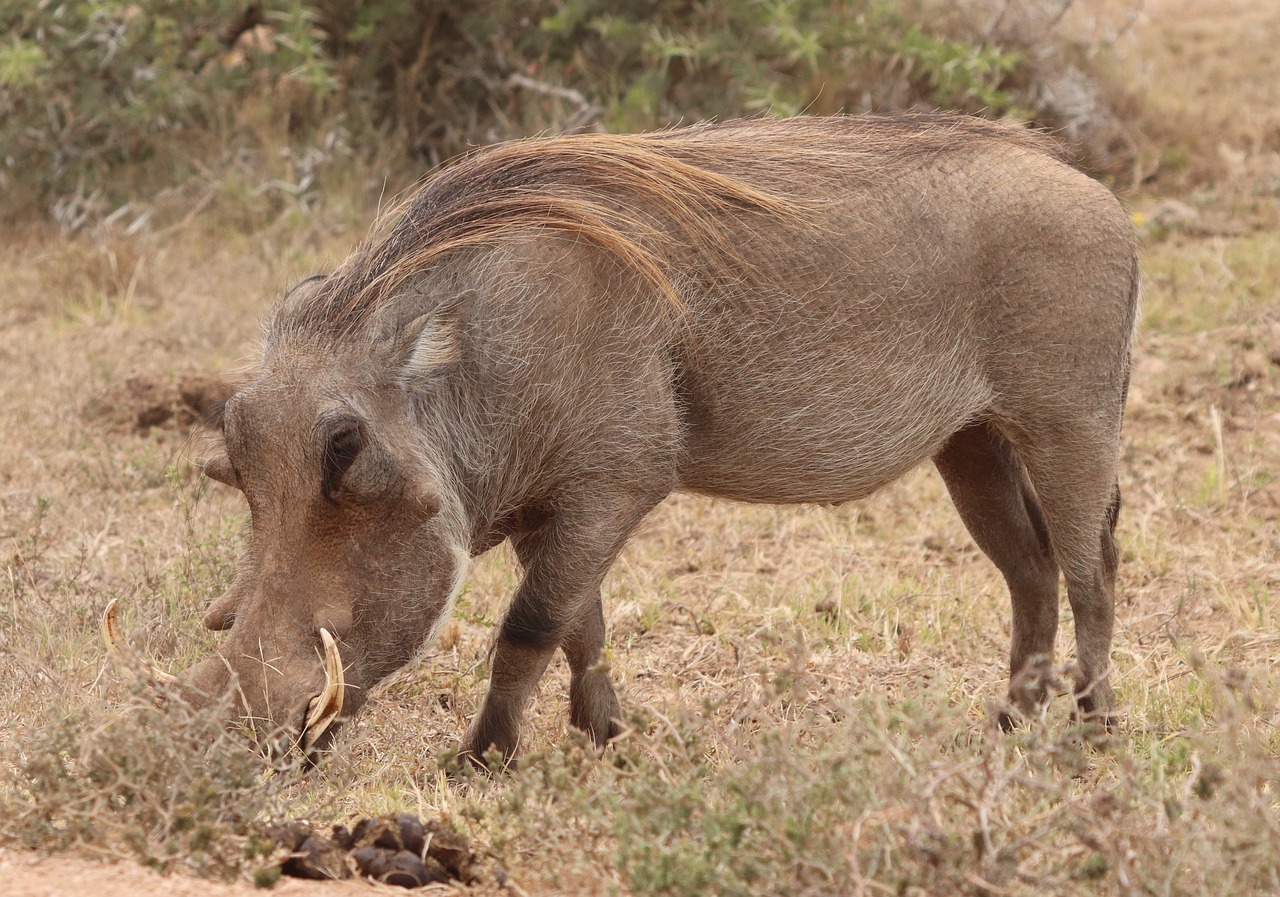
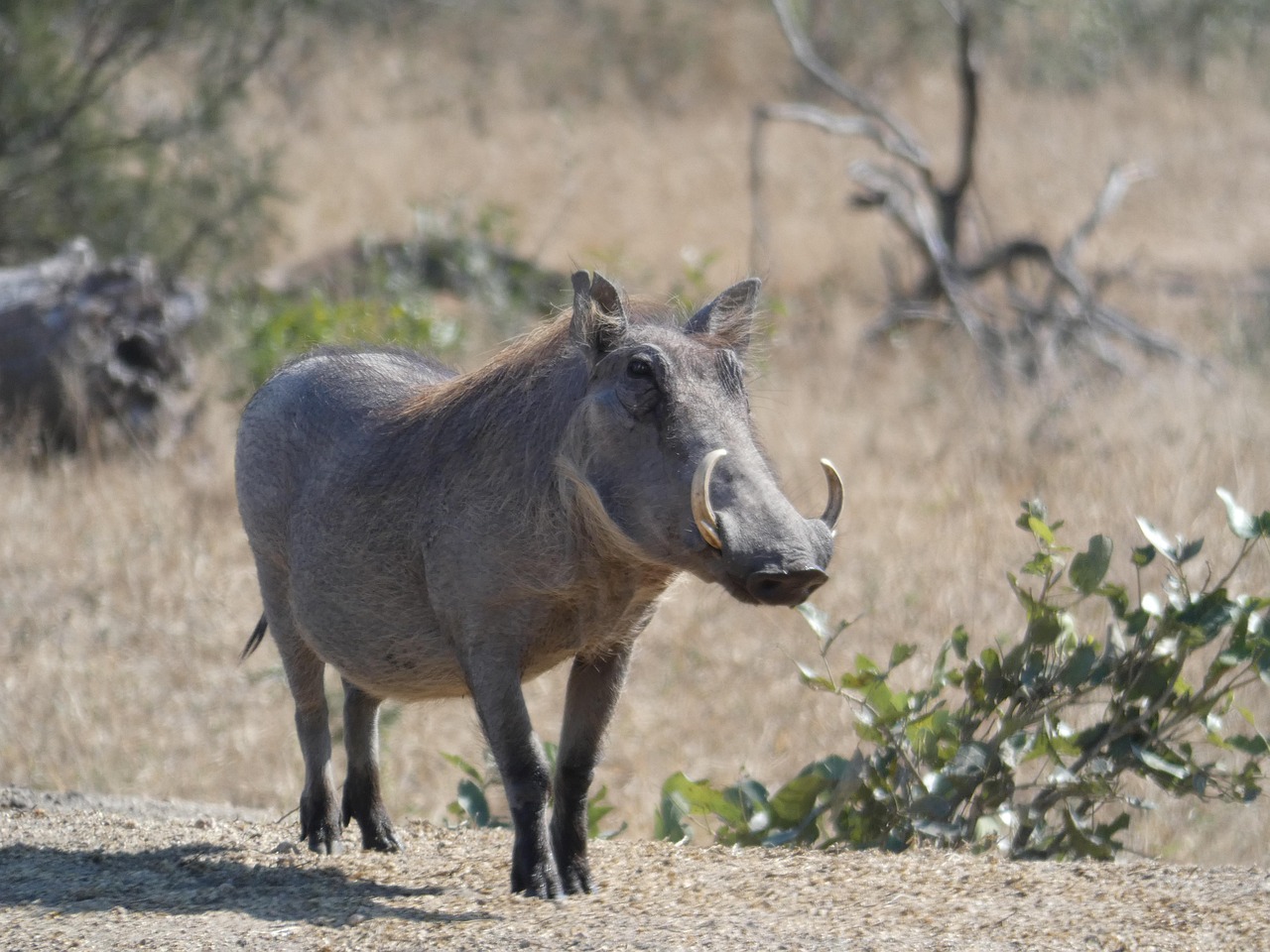
Warthogs might look intimidating with their tusks and robust build, but they’re actually quite similar to Pumbaa’s gentle, fun-loving nature. In July, we announced the birth of our three baby warthogs – all males – on the Disney Parks Blog. Only male warthogs have prominent warts, skin growths that cushion blows sustained during battles with other male warthogs over females for the right to mate. Despite their tough appearance, these African mammals are primarily plant-eaters who enjoy rolling in mud to keep cool and protect their skin from insects.
Like Pumbaa’s philosophy of “Hakuna Matata,” warthogs live relatively stress-free lives when not threatened. They’re actually quite social animals who communicate through various grunts and squeals, much like how Pumbaa’s distinctive way of speaking became one of his most endearing traits. Their love of wallowing in mud and their somewhat clumsy appearance perfectly captured the essence of our beloved animated friend.
Abu the Mischievous Monkey – Inspired by Real Capuchin Antics
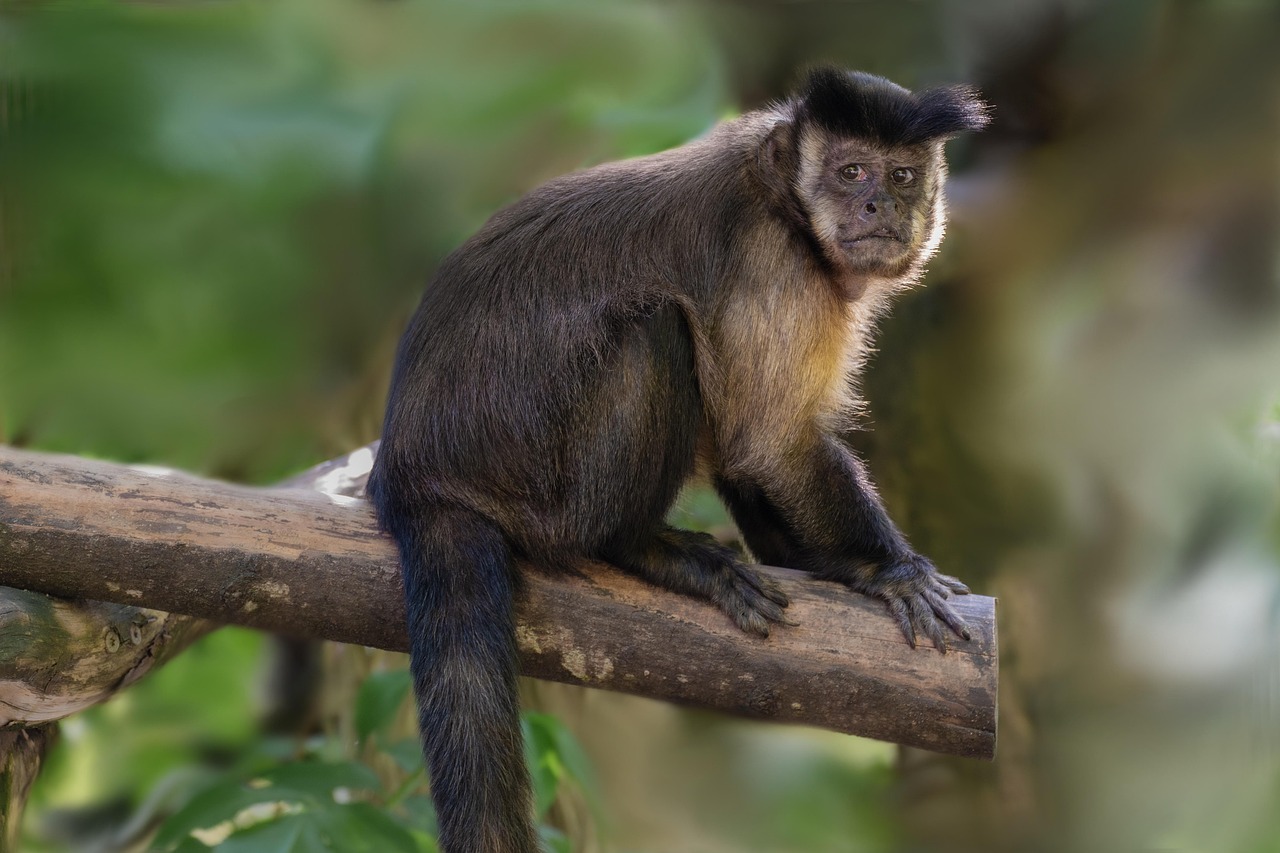
Aladdin may have another very popular blue sidekick, but let’s not forget his original pal Abu (Frank Welker). This monkey suffers from some serious kleptomania in Aladdin, which almost resulted in his and Aladdin’s death in the Cave of Wonders. For years, Abu helped Aladdin to survive on the streets, where he surely wouldn’t have made it on his own.
While Abu is often described as a monkey, his design and behavior closely match that of a capuchin monkey, known for their intelligence and mischievous nature. These New World monkeys are incredibly clever and have been observed using tools in the wild. Their nimble fingers and curious personalities make them natural pickpockets, just like Abu’s tendency to grab shiny objects despite the consequences. Capuchin monkeys also form strong bonds with their companions, showing the same loyalty Abu demonstrates toward Aladdin throughout their adventures.
Pascal the Color-Changing Chameleon – A Master of Disguise
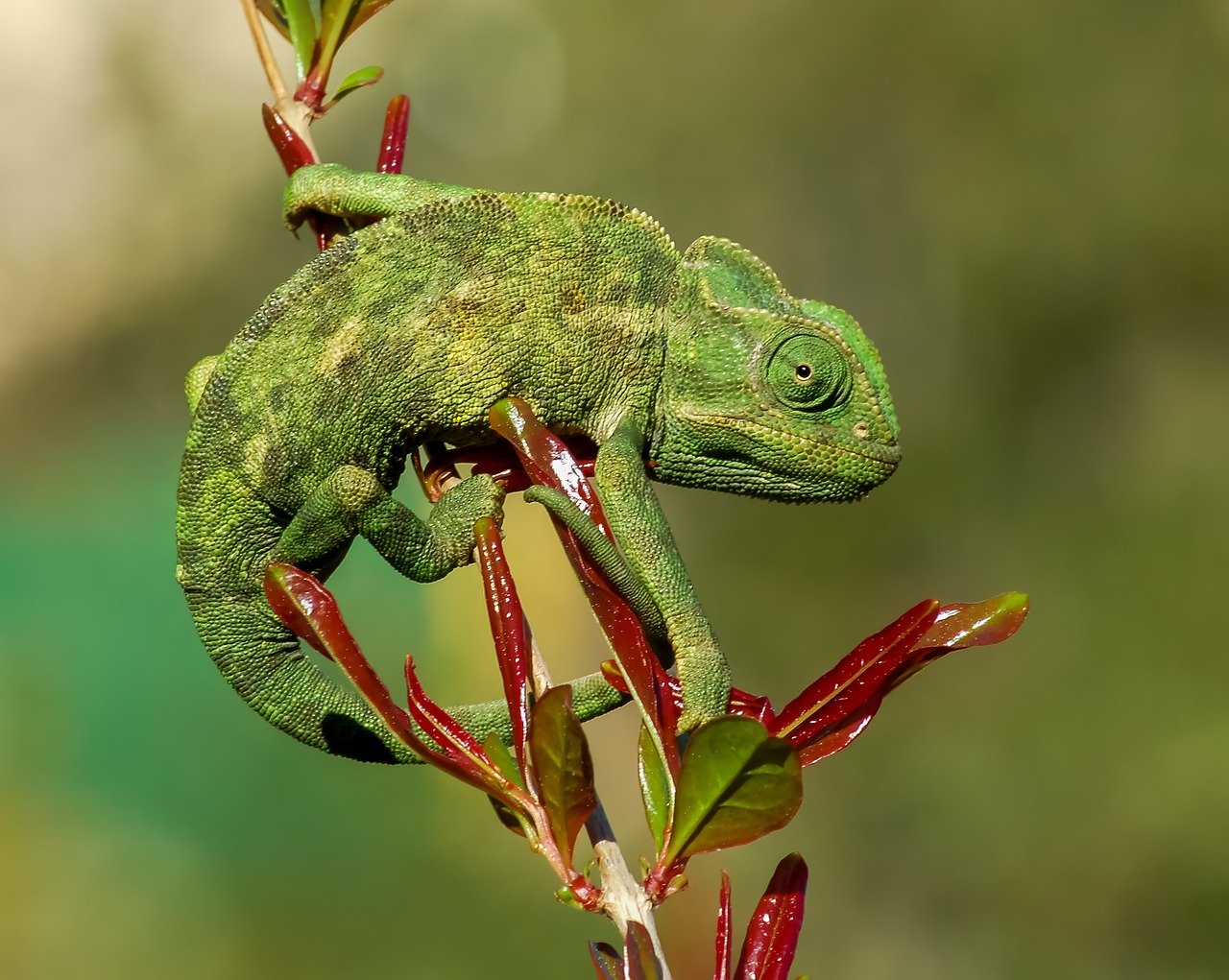
Pascal is a little green chameleon who served as Rapunzel’s best friend and confidant during her long imprisonment in the tower. Real chameleons are just as remarkable as their animated counterpart, possessing abilities that seem almost magical. These fascinating reptiles can change their skin color not just for camouflage, but also to communicate their moods and regulate their body temperature.
Like Pascal’s expressive nature in Tangled, chameleons are incredibly communicative creatures who use color changes, body postures, and even head movements to convey different emotions. Their independently moving eyes allow them to watch for predators while hunting for food, making them excellent guardians – just like how Pascal always looked out for Rapunzel’s safety. The bond between chameleons and their territory mirrors the protective relationship Pascal shared with Rapunzel during her years of isolation.
Maximus the Noble White Horse – Based on Andalusian Strength
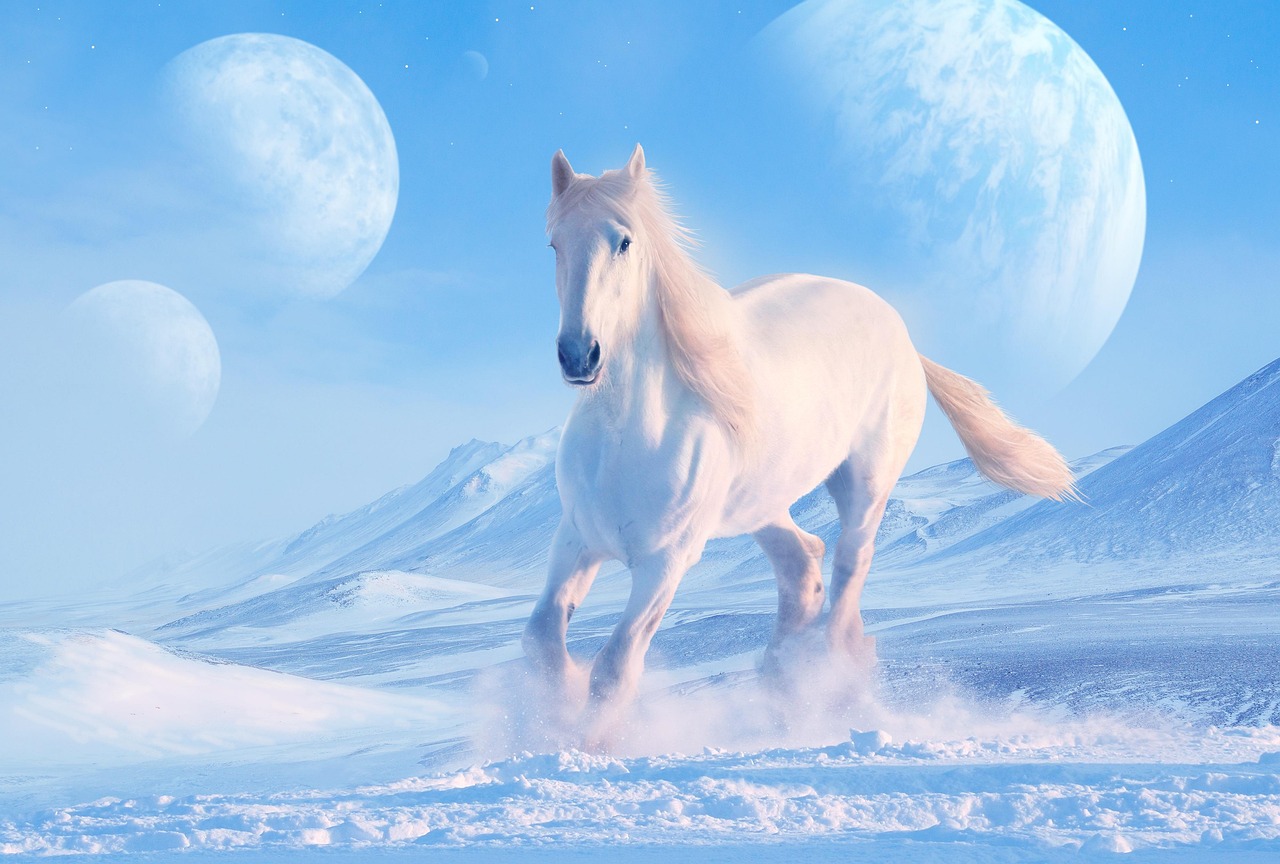
Maximus is a big white stallion who starts out the movie hunting down Flynn with the police – and ends the movie as a loyal friend to Flynn and Rapunzel and the head of the Royal Guard. Maximus is hands down the best non-speaking sidekick in the Disney realm. He doesn’t even need to speak to get his point across because he is a badass. He’s got a sassy attitude and it’s great.
Maximus appears to be inspired by the magnificent Andalusian horse breed, known for their intelligence, strength, and noble bearing. These Spanish horses have been prized for centuries for their ability to perform complex movements and their strong bonds with handlers. Andalusians are remarkably expressive animals who can communicate effectively through body language alone, much like how Maximus conveys his thoughts and emotions without ever speaking a word. Their combination of power and grace makes them perfect candidates for royal guard duties, both in animation and reality.
Flounder the Loyal Fish Friend – More Than Just a Name
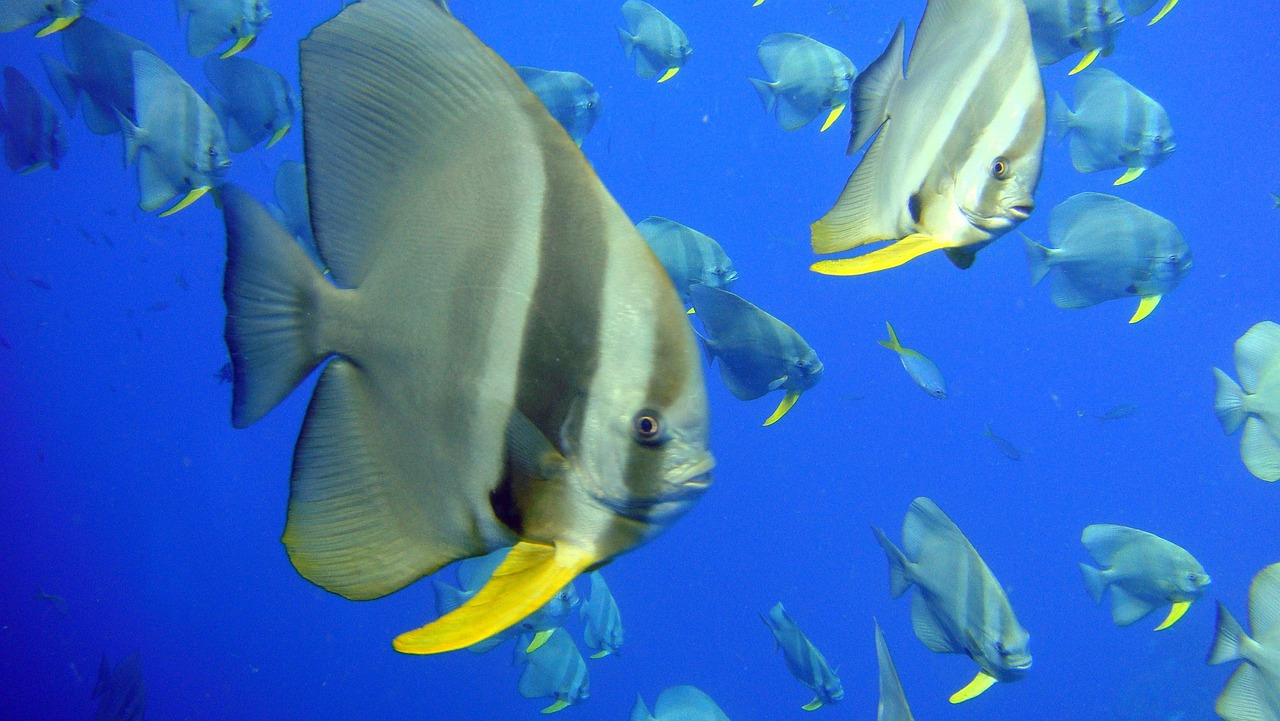
In “The Little Mermaid”, Flounder is depicted as a bright yellow and blue tropical fish with a round body, however in reality, flounder are a type of fish with a vastly different appearance. They are a type of flatfish that belongs to the family Pleuronectidae, with a flat, diamond-shaped body with both eyes located on one side of their body. In the context of the animated movie, Flounder’s design is likely a creative choice made to make the character visually appealing and relatable to the audience. While the character may not be a biologically accurate representation of a flounder, he has become an iconic and beloved character in Disney’s storytelling.
Despite his name, Disney’s Flounder looks more like a tropical angelfish or butterflyfish, with his bright yellow and blue coloring and round, friendly face. These coral reef fish are known for their vibrant colors and social nature, often swimming alongside larger sea creatures for protection. Just like Flounder’s unwavering loyalty to Ariel, many tropical fish species form symbiotic relationships where they benefit from staying close to their companions while offering services like cleaning parasites or warning of danger.
Jiminy Cricket – The Tiny Conscience with a Big Voice
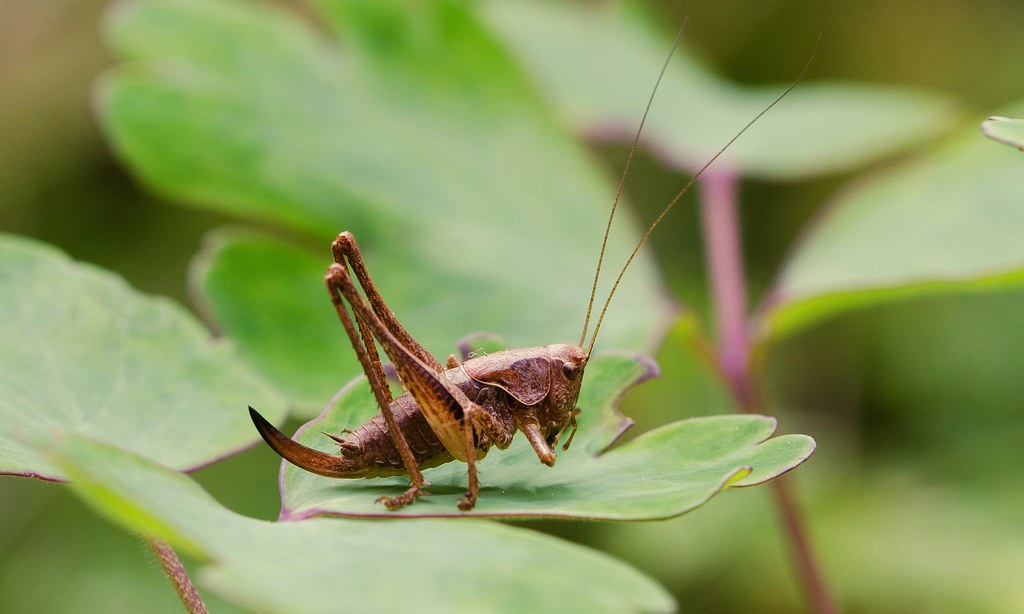
Jiminy Cricket (Edward Cliff) is Pinocchio’s conscience…who keeps getting ignored. But like all good consciences, he never truly goes away and will follow Pinocchio anywhere. He’s loyal and dedicated even when it doesn’t serve his own best interests. Real crickets are indeed remarkable creatures whose chirping has been associated with good luck and wisdom in many cultures around the world.
The field cricket, which likely inspired Jiminy’s design, produces its distinctive chirping sound by rubbing its wings together in a process called stridulation. These insects are surprisingly hardy and persistent, much like how Jiminy never gives up on helping Pinocchio make the right choices. Crickets are also known for their impressive jumping ability relative to their size, symbolically representing how even the smallest voice can make the biggest difference when it comes to moral guidance.
Dug the Golden Retriever – Squirrel-Obsessed Reality
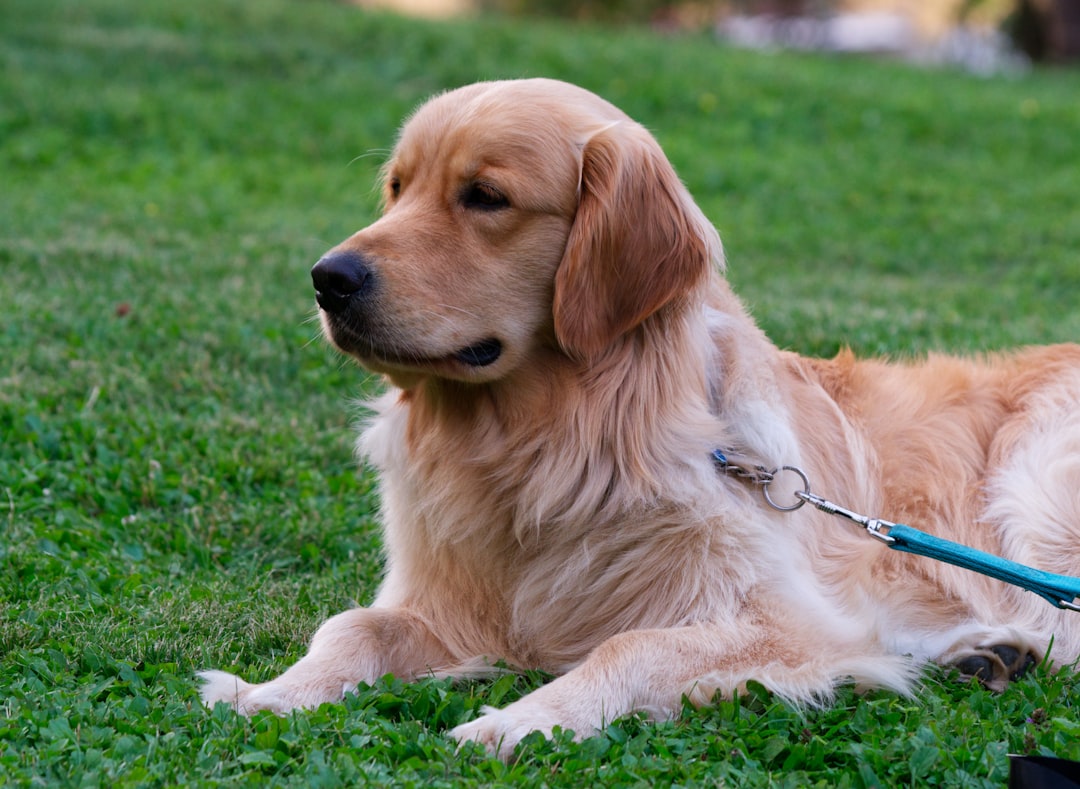
The lovable golden retriever from Pixar’s “Up” is as brave, silly and loyal as they come – and he can talk about squirrels and giant birds to his heart’s content, thanks to a special canine-translating collar. While Dug is technically a Pixar character rather than traditional Disney animation, his portrayal perfectly captures the essence of real golden retrievers.
Golden retrievers are known for their friendly demeanor, unwavering loyalty, and yes, their tendency to get distracted by small animals like squirrels. These dogs were originally bred for hunting and retrieving waterfowl, which explains their intelligence and eagerness to please. Their gentle mouths, designed for carrying birds without damaging them, translate to their careful and loving nature around children and other animals. Dug’s childlike enthusiasm and instant attachment to Carl perfectly mirrors how golden retrievers form deep bonds with their human companions.
Thumper the Rabbit – Hopping with Boundless Energy
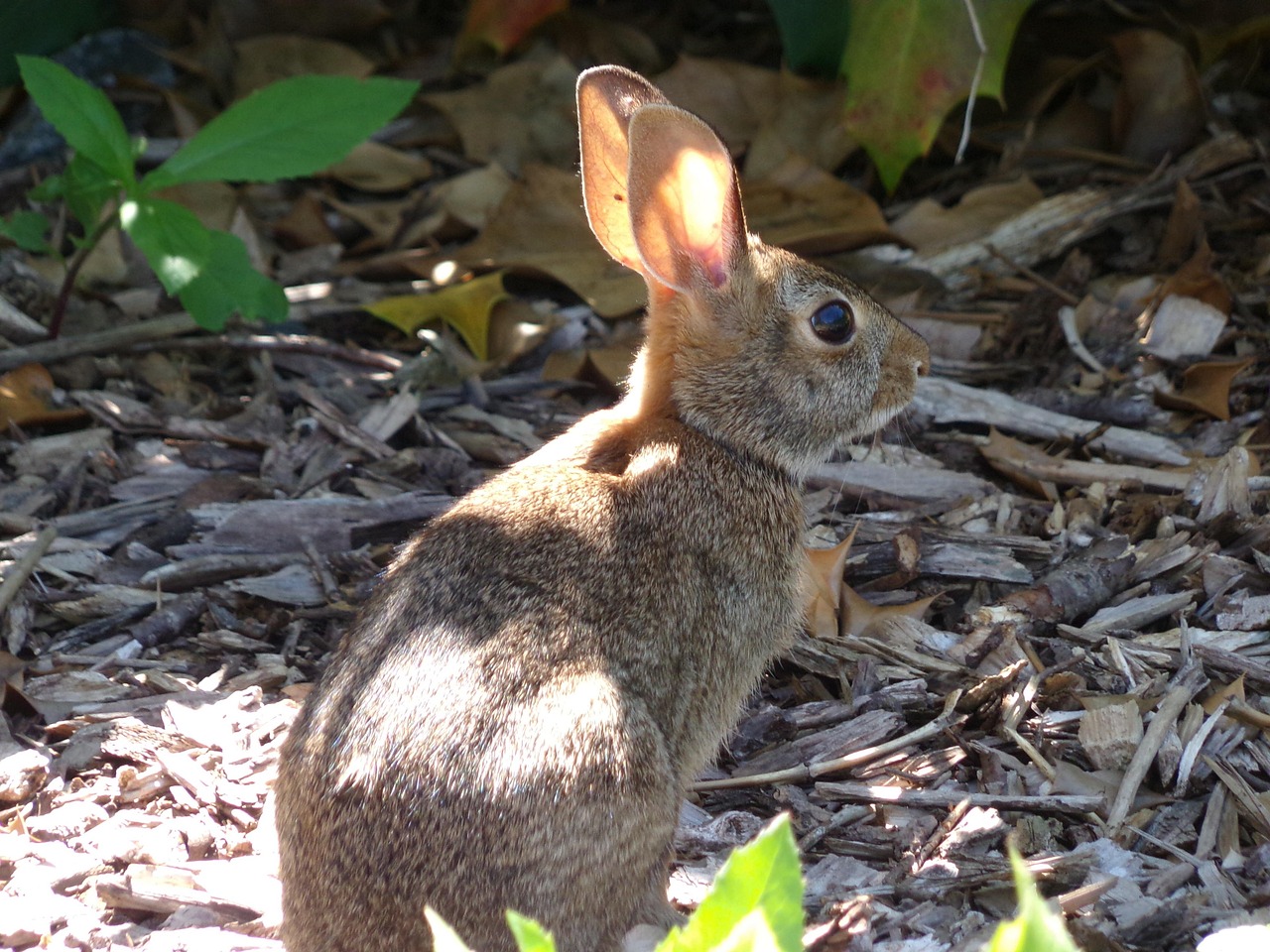
He hands down wins the contest for cutest sidekick, but Thumper is everything that is adorable and right in the world. I’m pretty sure Thumper taught every single one of us that if you can’t say something nice, don’t say it at all. Dear internet trolls, take note. Bambi’s funniest friend, Thumper, has an out-of-control foot and a fascination with the baby fawn. We especially love when he becomes twitterpated.
Real rabbits, particularly cottontails like Thumper, are known for their energetic personalities and their habit of thumping their powerful hind legs when excited or alerting others to danger. This behavior is where Thumper gets both his name and his most distinctive characteristic. Young rabbits are incredibly playful and curious, much like how Thumper approaches the world with boundless enthusiasm and wonder. Their rapid reproductive cycle and family-oriented nature also explain Thumper’s eventual romantic storyline and his role as a protective friend to Bambi.
Pegasus the Flying Horse – Mythical Yet Magnificent
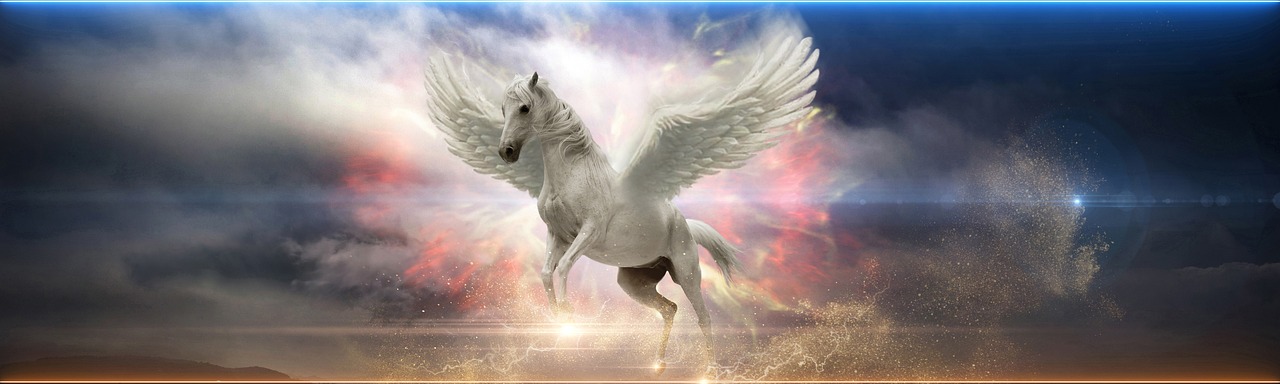
Pegasi are right up there with dragons and unicorns – we want them all! Honestly, Pegasus is the perfect companion for Hercules. He seems to have no issues flying his muscle-bound friend around and perfectly understands human language. Pegasus goes way beyond just pet status for Hercules, often acting as a best friend would. While Pegasus is mythical, his design and personality draw from real horses, particularly those bred for strength and agility.
The mythical Pegasus combines the noble characteristics of horses with the freedom of flight, creating the ultimate companion animal. Real horses, especially those like the Arabian or Thoroughbred breeds, display incredible intelligence, emotional sensitivity, and strong bonds with their riders. They can read human emotions and respond accordingly, much like how Pegasus seems to understand Hercules’ feelings and needs. The protective and sometimes jealous nature Pegasus shows toward Hercules mirrors the territorial behavior many horses exhibit when they form strong attachments to specific humans.
Conclusion
The magic of Disney’s animal sidekicks lies not just in their animated charm, but in how closely they mirror the fascinating behaviors and characteristics of their real-world counterparts. From Sebastian’s vibrant personality reflecting the colorful nature of Caribbean crabs to Timon and Pumbaa’s unlikely friendship that actually exists in wildlife rehabilitation centers, these characters serve as delightful bridges between fantasy and reality. These real animals possess the same qualities that make their Disney versions so beloved – loyalty, humor, intelligence, and the ability to form deep bonds with those around them. By drawing inspiration from nature’s own storytelling, Disney has created characters that feel authentic and relatable while still maintaining their magical appeal. Next time you watch your favorite Disney movie, remember that somewhere in the wild, the real versions of these amazing sidekicks are living their own adventures. What do you think about discovering the real animals behind these beloved characters? Tell us in the comments which Disney sidekick surprised you the most with their real-life inspiration!
