
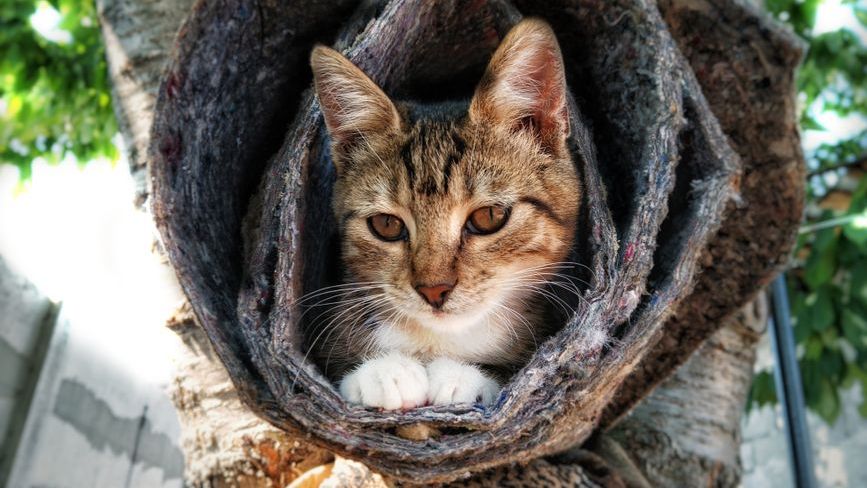
Most people assume a stray cat lingers around a home because someone leaves out scraps or a bowl of kibble. That explanation feels tidy, yet it rarely captures the full picture of what draws these independent animals to settle in one spot over another.
Stray cats weigh many subtle signals before claiming a territory. Their choices often hinge on factors that have little to do with an easy meal and far more to do with long term security and comfort.
The Food Myth Debunked

Plenty of homes offer regular handouts yet never attract a steady feline visitor. Cats quickly learn which sources of food come with strings attached, such as sudden loud noises or aggressive dogs that appear without warning.
They favor locations where meals appear consistently without forcing them into risky situations. A reliable snack helps, but it rarely seals the decision on its own.
Prioritizing Security and Shelter

Safety ranks highest on a stray cat list of priorities. They scan for spots that offer quick escape routes, elevated perches, and cover from weather or predators.
A quiet backyard with dense shrubs or an open garage that stays undisturbed during the day can feel like a fortress. These features reduce stress and allow the cat to rest without constant vigilance.
The Power of Scent and Memory

Cats rely heavily on smell to map their world. A house that once belonged to a friendly person or carried the lingering scent of another calm cat can feel familiar and inviting.
Even subtle traces from previous residents linger in the air and on surfaces. This olfactory map helps a stray decide whether the location has hosted welcoming animals or humans in the past.
Observing Daily Human Patterns

Stray cats watch routines closely before committing. They notice which doors open at predictable times and which residents move slowly without sudden gestures.
People who keep a steady schedule and avoid chasing or cornering the animal earn quiet trust over weeks. That consistency signals a low threat environment worth returning to each evening.
Finding the Perfect Micro Environment
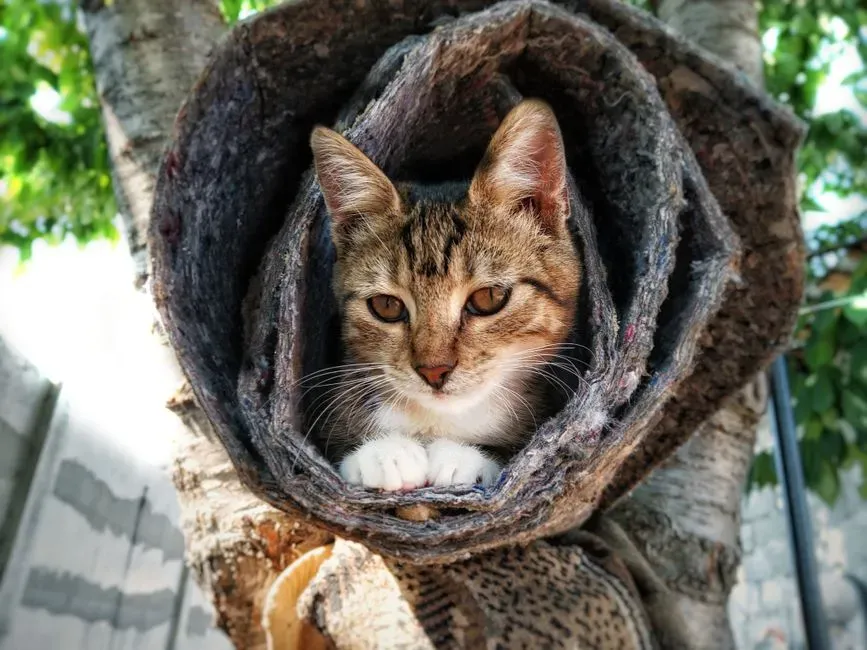
Small details in the landscape matter more than grand features. Sunny windowsills, sheltered porches, and patches of soft ground for digging can tip the balance.
Cats test these spots during different hours of the day. A location that stays warm at night and offers shade by afternoon becomes far more appealing than one with constant foot traffic.
Navigating Social Cat Dynamics

Existing feline residents influence newcomers. A stray may avoid a house already claimed by a territorial cat while gravitating toward one where the local population appears tolerant.
They assess body language and scent markings from a distance. Peaceful coexistence reduces conflict and frees energy for hunting or resting instead of constant defense.
Reflections on Our Feline Neighbors

Understanding these quiet preferences changes how we view the cats that appear at our doors. Offering space and patience often matters more than any single handout.
When a stray settles nearby, it signals that the surroundings feel safe enough to call home. That choice reflects a careful judgment rather than simple hunger, and it invites us to meet them on their own terms.

- Which American Wild Cat Matches Your Element: Fire, Earth, Air, or Water? - August 2, 2026
- 14 Things Hummingbirds Do the Week Before They Disappear for Winter – Most Gardeners Never Catch It - August 2, 2026
- 7 Unique Facts About Arizona - August 2, 2026