
Wolves Are Hardwired to Fear Us
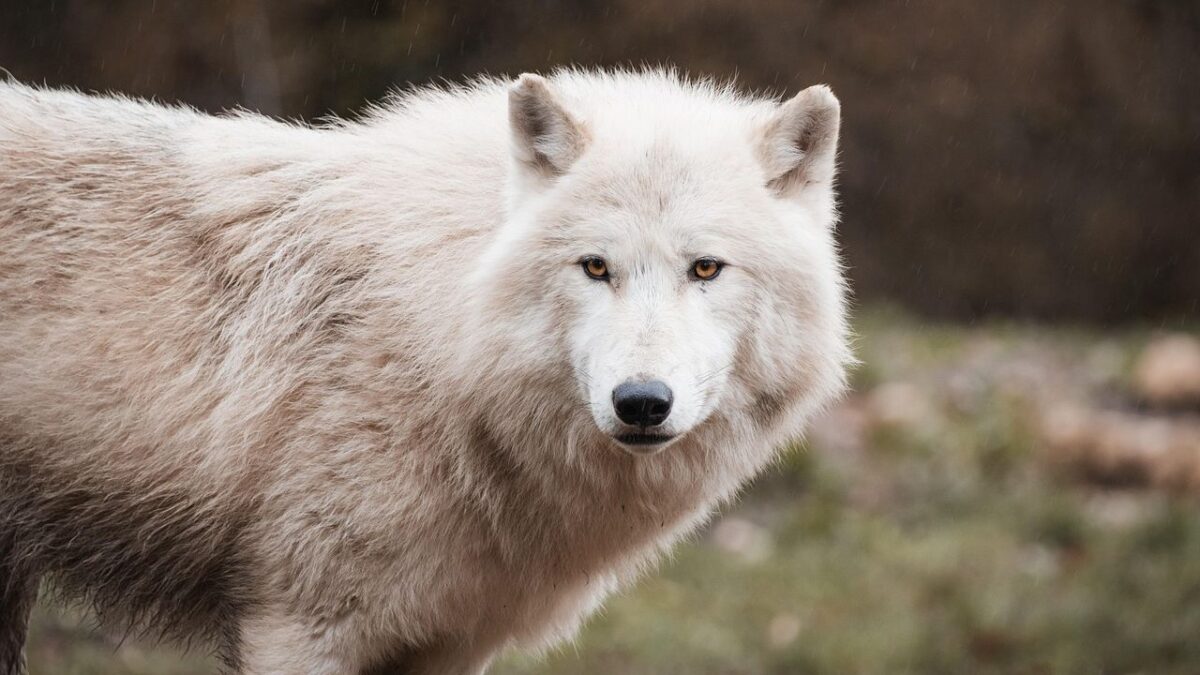
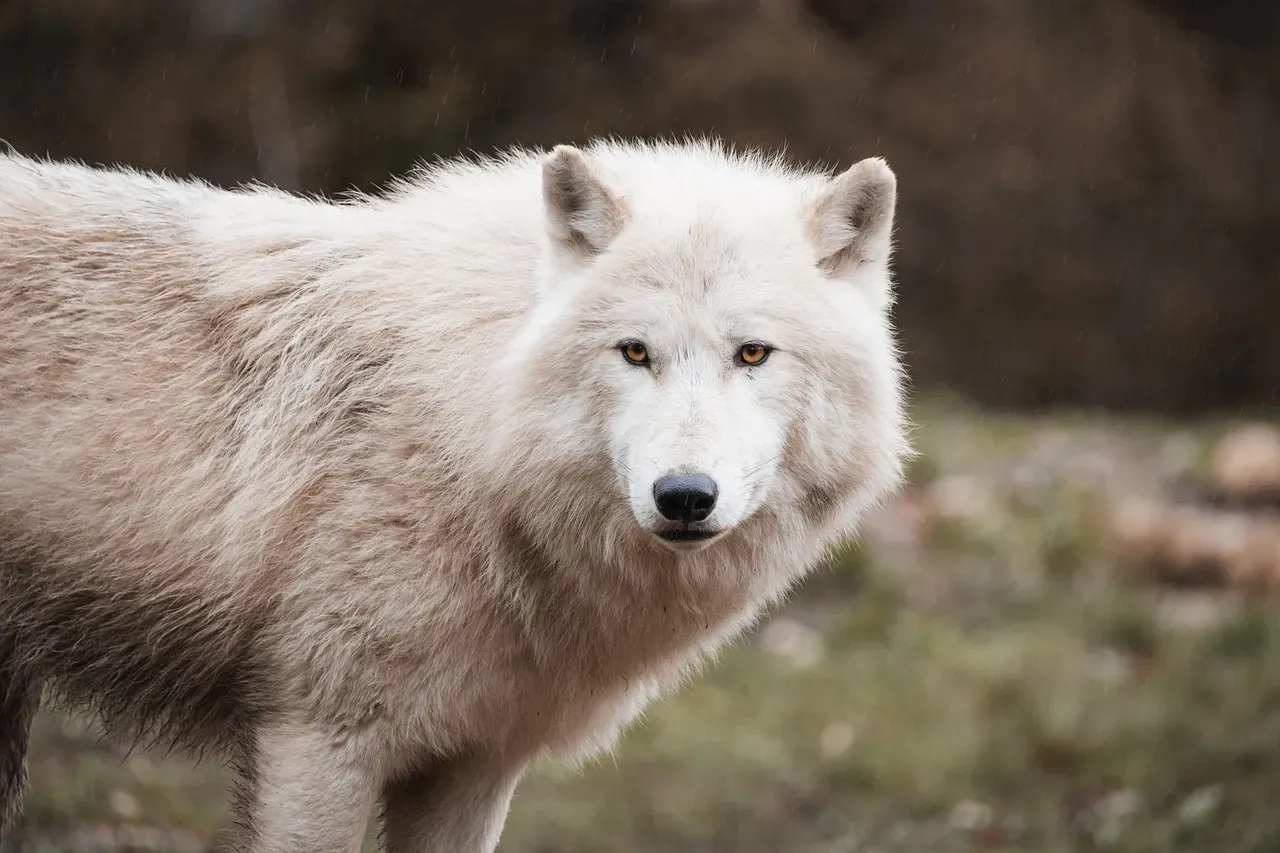
The single most important reason wolves don’t attack people is simple: they’re afraid of us. Wolf biologist L. David Mech hypothesized in 1998 that wolves generally avoid humans because of fear instilled by hunting. Centuries of being pursued, trapped, and killed by people have left a deep imprint on wolf behavior that persists even today.
Mech also noted that humans’ upright posture is unlike wolves’ other prey, and similar to some postures of bears, which wolves usually avoid. That distinction matters more than most people realize. To a wolf, a standing human doesn’t look like food. It looks unfamiliar, unpredictable, and potentially dangerous.
Wolf biologists who have spent decades studying these animals in the wild consistently report that wolves typically retreat upon detecting human presence, often before humans even realize wolves are nearby. That’s worth sitting with for a moment. In countless instances, a wolf has seen or smelled a person and simply turned around and walked away.
They Are Naturally Risk-Averse Hunters
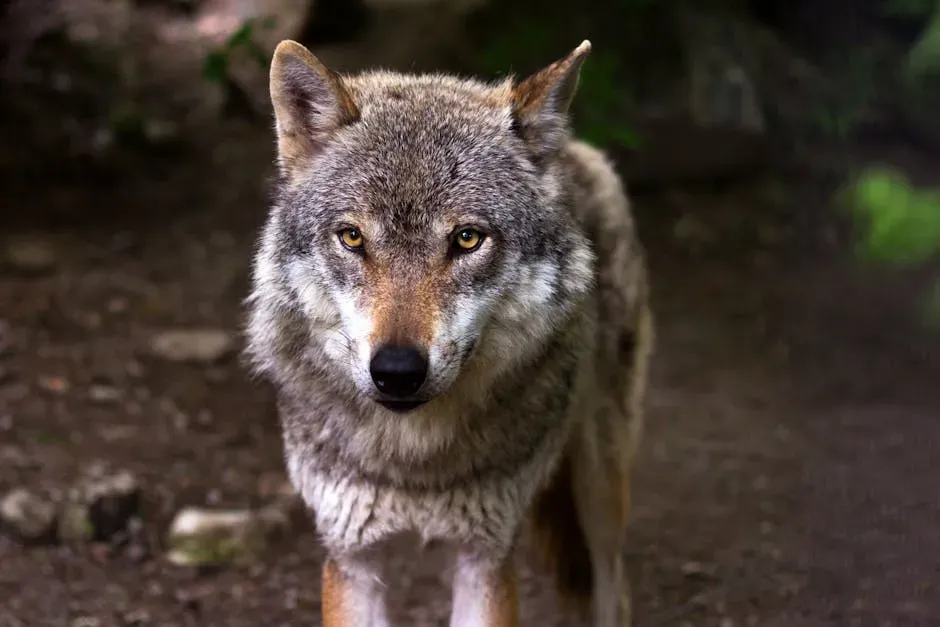
Research into wolf predatory behavior demonstrates that they are highly selective hunters who minimize risk during hunts. Even when pursuing their natural prey, wolves have approximately a ten to twenty percent success rate and frequently sustain injuries during hunting attempts. This risk-averse hunting strategy makes unfamiliar prey like humans particularly unattractive targets.
Wolves have evolved to pursue prey they understand, prey whose behavior is predictable and whose vulnerabilities are known. Humans fit neither category. Wolves can easily distinguish humans from their natural prey through scent, sound, and visual cues, and they’ve developed strong evolutionary instincts to avoid novel potential threats.
There’s also a practical calculation at play. Getting injured during a hunt can be fatal for a wild animal. A wolf that sustains a serious wound chasing a human gains nothing and loses everything. That calculus, played out over thousands of generations, has shaped a species that simply doesn’t see people as worth the trouble.
Social Learning Keeps the Instinct Alive Across Generations
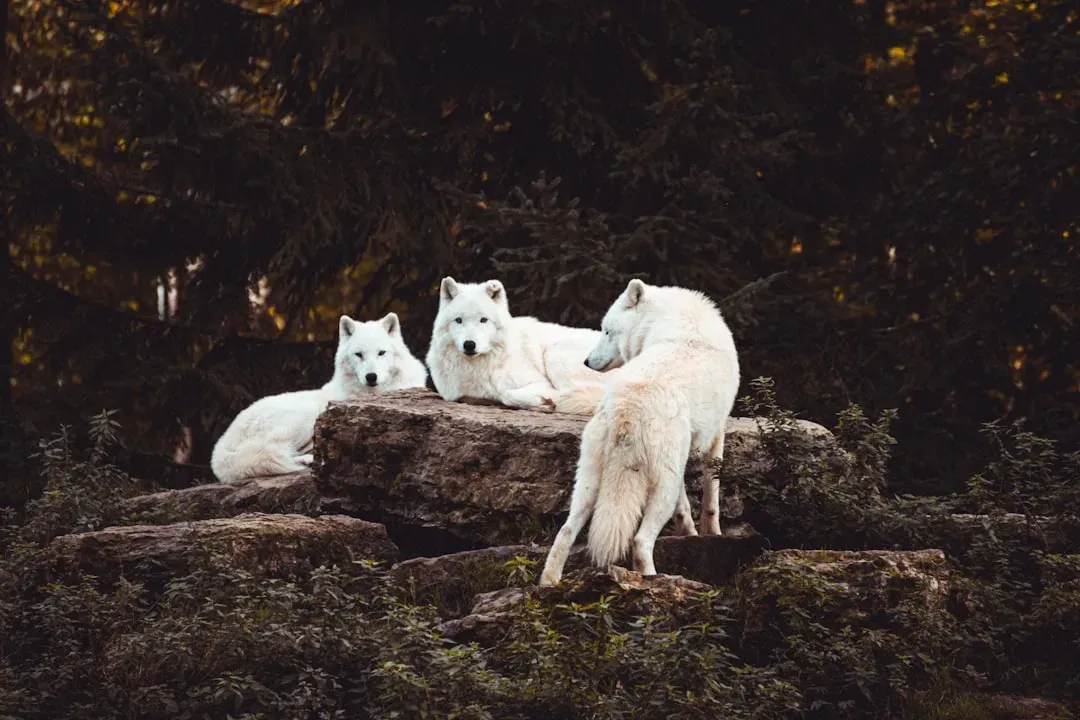
Wolves’ sophisticated social organization plays a crucial role in regulating aggressive behavior. Wolf packs are not random assemblages of individuals but highly structured family units typically consisting of a breeding pair and their offspring from current and previous years. This family structure includes complex communication systems and behavioral norms that help maintain pack cohesion.
Senior wolves actively teach younger pack members appropriate behaviors, including what to hunt and what to avoid. This social learning process helps transmit the instinct to avoid humans across generations within a pack. The wariness isn’t just genetic. It’s also taught, passed from experienced adults to younger wolves the same way a skill or habit might be.
This generational transmission of behavior is one of the less-discussed reasons attacks remain so rare. Even in landscapes where wolves and humans share territory regularly, the older wolves in a pack tend to set the tone, and their tone is generally one of cautious withdrawal from people.
Wolves Have Natural Prey and Rarely Need to Look Elsewhere
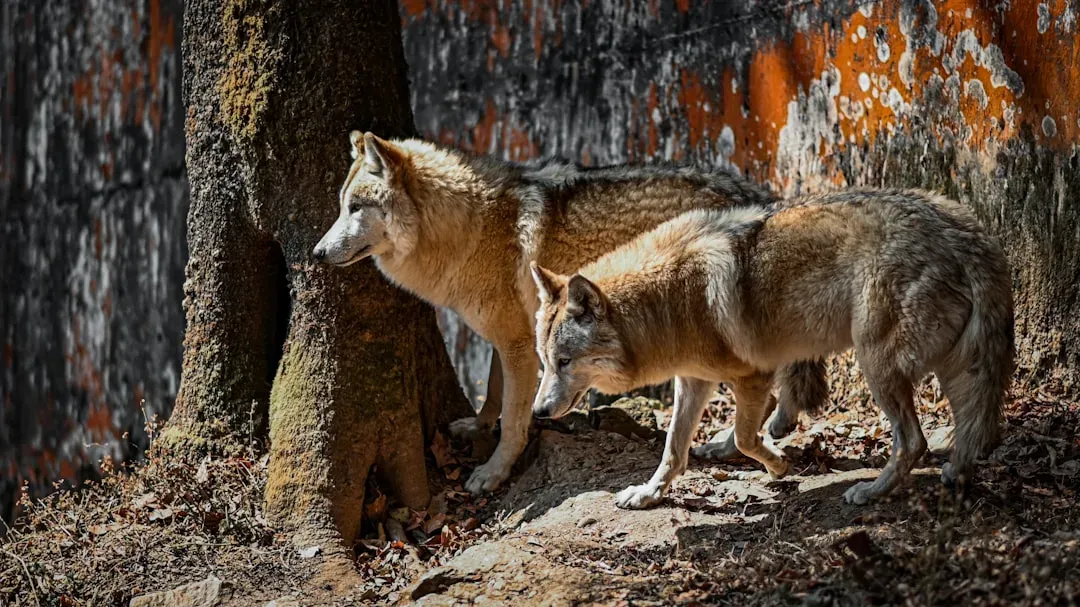
Wolves will only under specific circumstances, primarily when they find themselves without other food options or feel threatened while protecting their young. In regions where livestock becomes scarce due to habitat loss or human expansion into wild areas, wolves may turn to alternative prey out of sheer necessity.
Where ecosystems are healthy and natural prey like deer, elk, and moose are plentiful, wolves have no motivation to approach humans. No wolf has attacked a human in Yellowstone National Park since wolves returned in 1995. Yellowstone receives about four million visitors per year, including tent campers, and roughly one hundred wolves live there and are exposed to people, with few issues.
The pattern holds globally. Attacks have historically been more common in parts of Asia where prey populations have been heavily depleted and wolves and impoverished rural communities share extremely compressed spaces. The scarcity of food, not some inherent aggression, drives the equation.
The Numbers Are Smaller Than Almost Anyone Expects
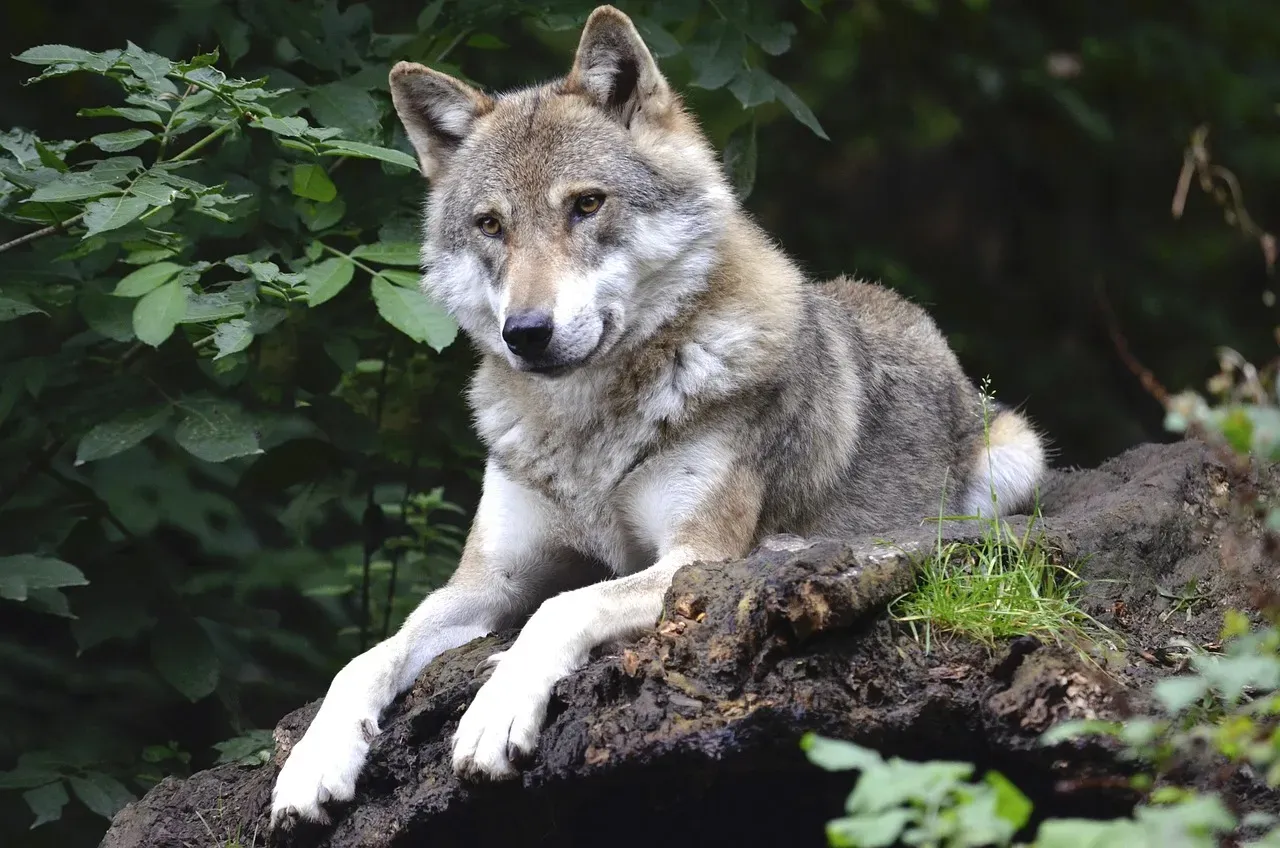
There have only been two fatal attacks by wild wolves in North America in the past 120 years. Of those two, one is inconclusive as to whether the attacker was a bear or wolves. In contrast to larger predators and other animals that can be dangerous to people, lethal wolf attacks in North America are exceedingly rare.
Wild bears have killed 55 people in North America and mountain lions have killed five in the last 20 years. Wild venomous snakes were responsible for 28 human deaths during that same timeframe. Perhaps surprisingly, dogs kill around 30 people per year in the United States, while cattle kill 20, and deaths attributed to bees and other stinging insects number around 100 cases per year.
According to the latest research, which studied worldwide data from 2002 to 2020, the risks associated with a wolf attack are described as “above zero, but far too low to calculate.” That framing says a great deal. We are not talking about a creature that poses a meaningful threat to the average person walking in wolf country.
When Attacks Do Happen, There’s Usually a Specific Reason
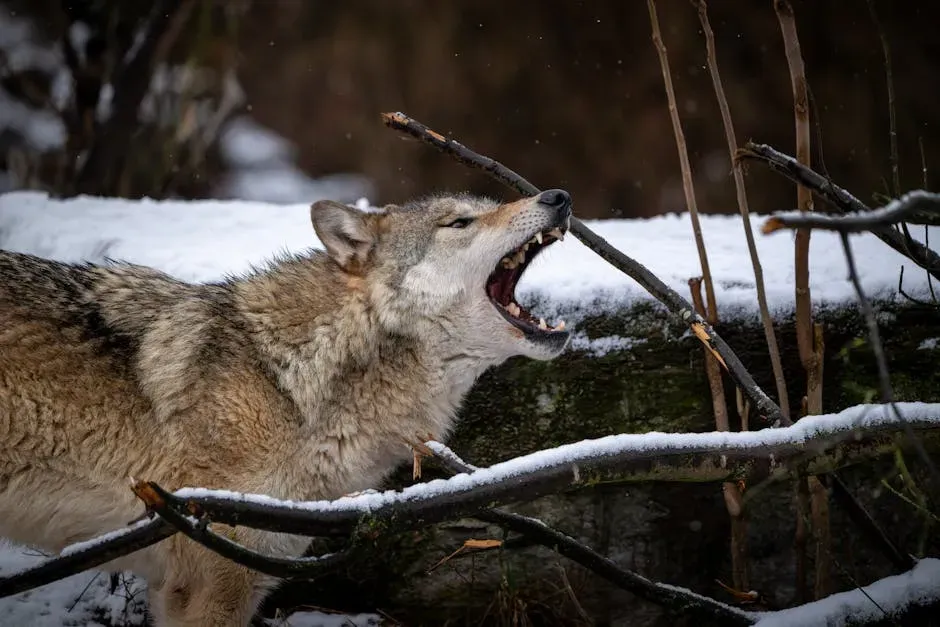
Wolf attacks are more likely to happen when preceded by a long period of habituation, during which wolves gradually lose their fear of humans. This was apparent in cases involving habituated North American wolves in Algonquin Provincial Park, Vargas Island Provincial Park, and Ice Bay.
Since wolves tend to fear people, most attacks occur when human behavior has resulted in the erosion of the wolf’s natural fear. When wolves have grown accustomed to receiving food directly from people, by learning that food can be found at campsites or by becoming habituated to feeding at open garbage dumps, they may come to associate people with food and be more likely to approach them.
When examining historical records of wolf attacks on humans, one factor appears with remarkable frequency: rabies. Prior to modern rabies control programs, rabid wolves were responsible for the majority of serious wolf attacks on humans, particularly in Europe and Asia. A rabid wolf behaves fundamentally differently from a healthy one, losing its natural fear of humans and potentially becoming aggressive due to the neurological effects of the virus. In other words, the wolf attacking was no longer behaving like a wolf at all.
Conclusion: A Predator That Chooses Restraint
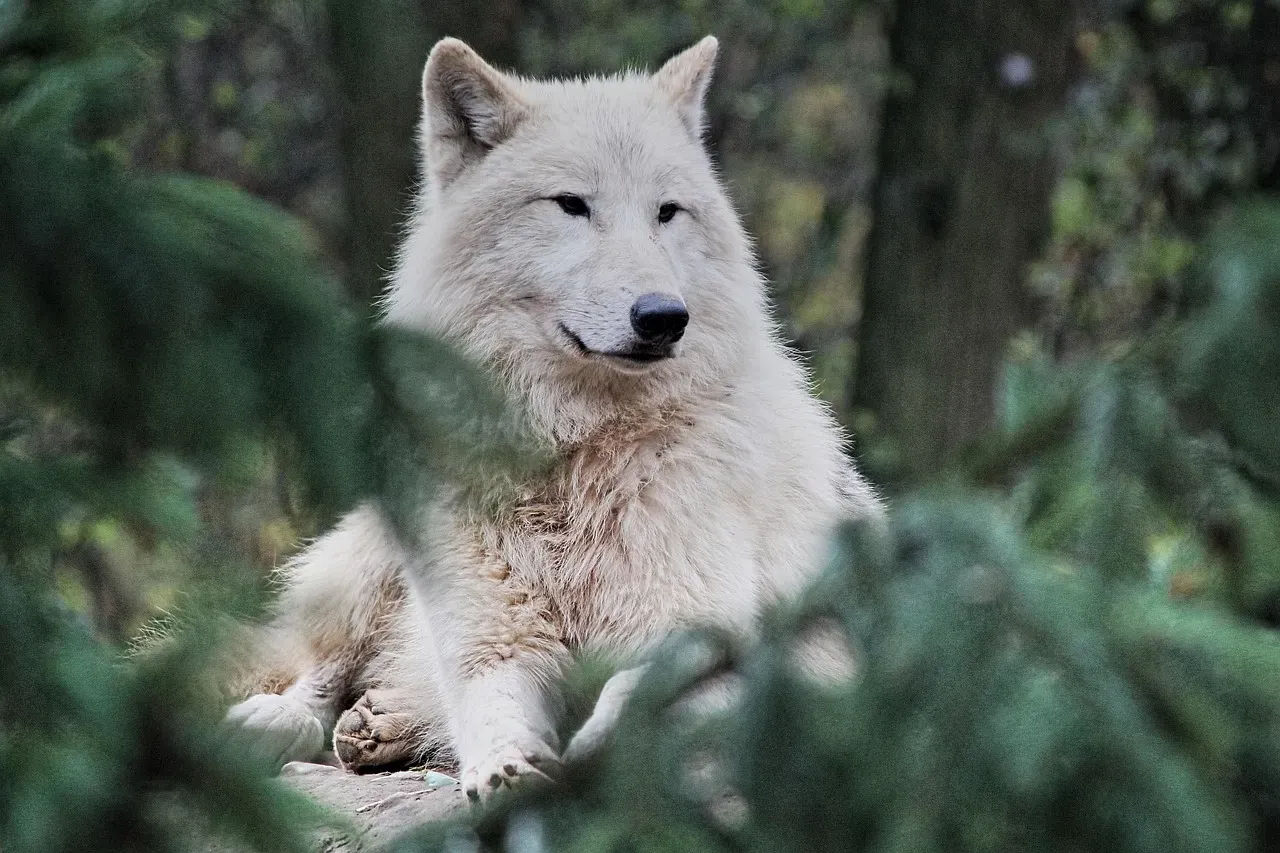
The wolf’s reputation as a human hunter is not supported by the evidence. It never really was. What the data reveals, consistently and across centuries, is an animal that prefers distance, avoids confrontation, and attacks people only when something has gone significantly wrong: starvation, disease, or habituation caused largely by human behavior.
Researchers suggest people should view wolves much as many view black bears, as animals that rarely pose a threat but can be dangerous. That framing is both honest and proportionate. It neither dismisses the risk entirely nor inflates it beyond reason.
Perhaps the most useful thing the science tells us is this: the wolf avoiding you in the forest is not showing weakness. It’s showing precisely the intelligence and restraint that allowed the species to survive alongside humans for thousands of years. Respecting that distance, on both sides, is what makes coexistence work.

- The Deep-Ocean Formation That Geoscientists Say Cannot Exist at Its Current Depth Under Any Model of Tectonic Movement - June 22, 2026
- Crocodiles Haven’t Changed in 200 Million Years – Here’s the Science Behind Their Survival - June 22, 2026
- 14 Myths About Lions and Tigers That People Still Believe (But Should Not) - June 22, 2026