
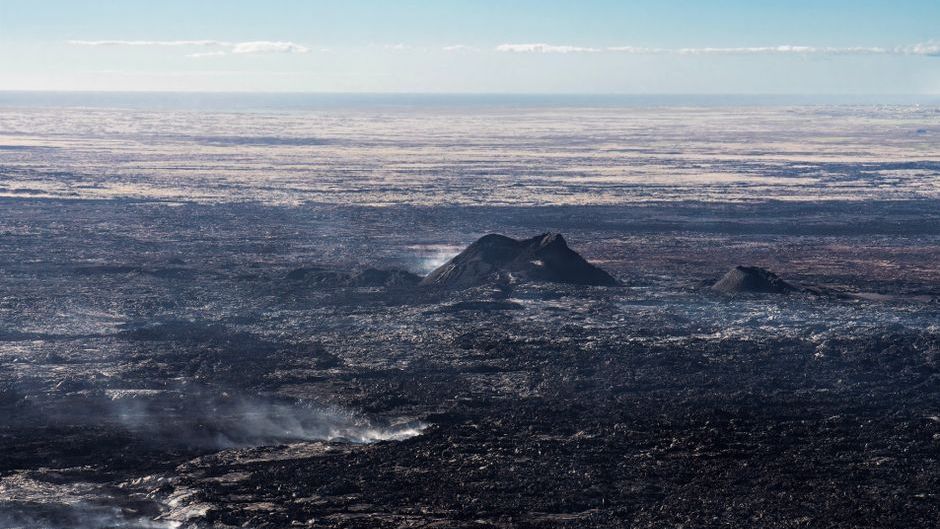
Picture the floor of the Pacific Ocean, vast and seemingly well mapped by decades of study. Far below it, in the planet’s lower mantle, lie formations that refuse to fit the standard picture of how tectonic plates have moved over time.
These features appear where models predict they should not, raising quiet questions about what we assume we know of Earth’s interior dynamics.
Discovery Through Seismic Imaging
Researchers at ETH Zurich turned to earthquake wave patterns to peer deep into the mantle. Their computer models processed vast datasets from seismic events across the globe, highlighting unexpected zones where wave speeds differed sharply from surrounding rock.
These anomalies sit beneath the western Pacific, well away from active subduction zones where plates normally descend. The structures resemble the cooled remnants of ancient oceanic crust, yet their location defies expectations built from known plate motions over hundreds of millions of years.
Characteristics of the Anomalous Zones
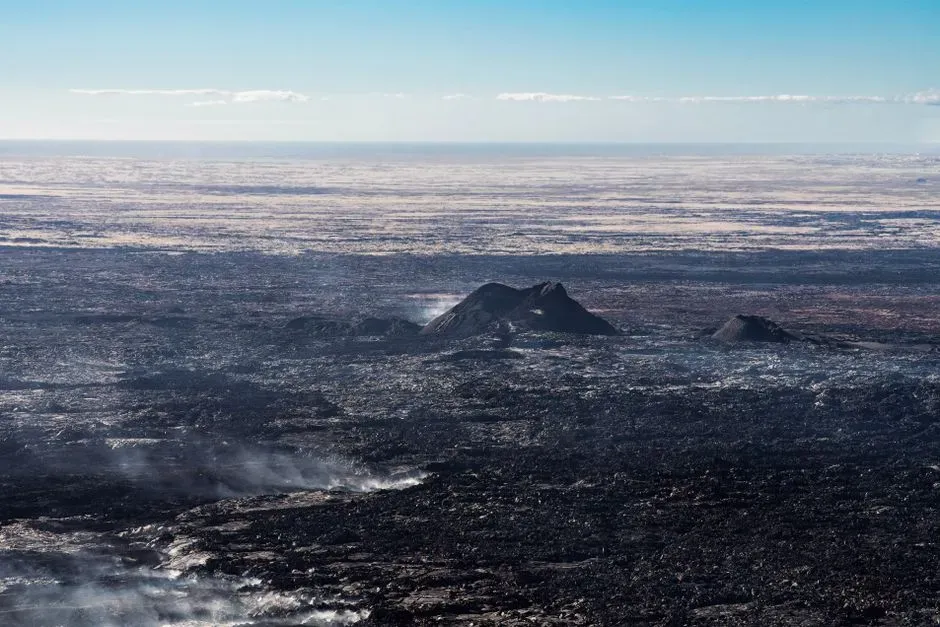
The formations occupy depths in the lower mantle, roughly 1,000 to 2,000 kilometers below the surface. They show up as regions with distinct seismic properties, suggesting differences in temperature, composition, or both compared with typical mantle material.
Size estimates place some of these zones on scales comparable to entire continents at the surface. Their presence implies either an unrecognized mechanism for transporting material or a history of plate movement that current reconstructions have missed entirely.
Conflict With Established Tectonic Models
Standard plate tectonic theory accounts for subduction along specific boundaries, where dense oceanic plates sink and leave traceable signatures in the mantle. These particular zones lie hundreds or thousands of kilometers from any such boundary today or in recent geologic time.
Reconstructing plate positions backward through time using magnetic stripes, hotspots, and other markers fails to place subducted material at these coordinates. The mismatch suggests either the models overlook a process or the structures formed through an entirely different route than simple plate descent.
Possible Origins Under Consideration
One line of thinking explores whether the zones represent iron rich accumulations left over from Earth’s earliest differentiation rather than recycled plates. Another considers whether ancient subduction events occurred in locations far removed from modern boundaries before continents and oceans rearranged themselves.
Some researchers examine the role of mantle convection patterns that might have shifted material laterally over vast distances. Each idea carries its own set of testable predictions, though none yet accounts fully for the observed seismic signatures without stretching existing frameworks.
Broader Implications for Earth History
If these formations truly represent subducted material in unexpected places, they point to gaps in our timeline of plate interactions. That could reshape estimates of how much oceanic crust has been recycled into the mantle over billions of years.
Such revisions would influence models of heat flow from the core, the distribution of volatiles like water in the deep interior, and even the long term evolution of the magnetic field. The structures serve as a reminder that the planet’s dynamic record remains only partially read.
Limitations of Current Observational Tools
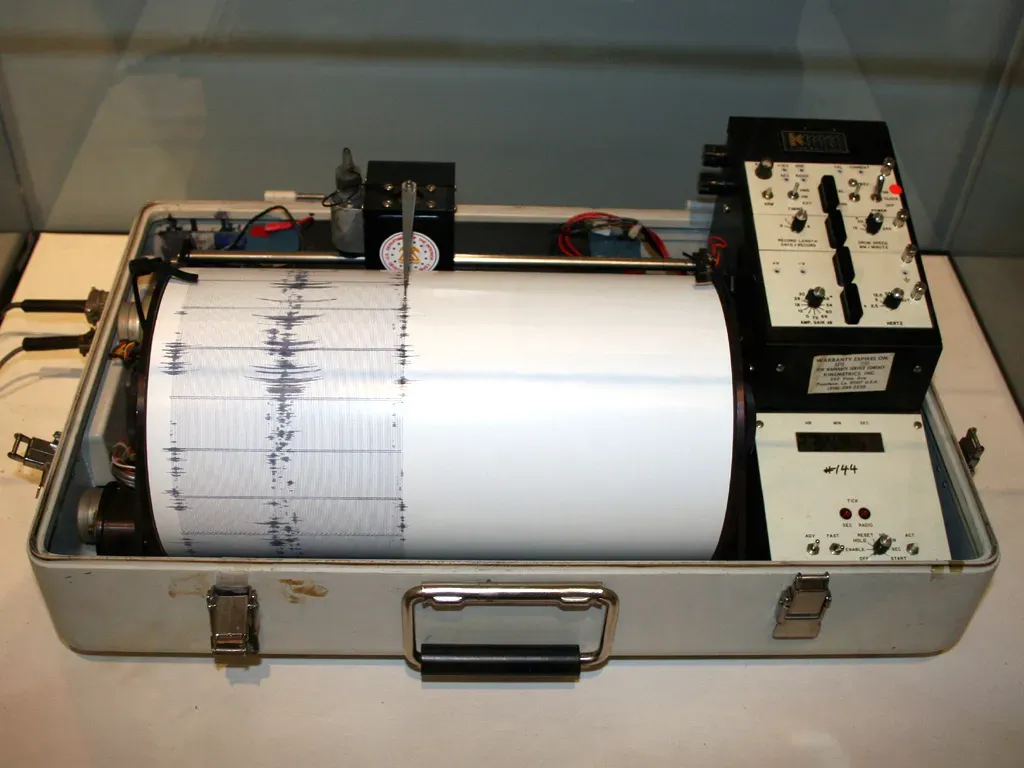
Seismic tomography provides the primary window into these depths, yet resolution decreases with distance from earthquake sources and receiver stations. Complementary data from mineral physics experiments and numerical simulations help interpret the signals but cannot replace direct sampling.
Drilling reaches only the uppermost crust, leaving the mantle inaccessible. As a result, interpretations rest on indirect evidence that multiple physical processes can produce similar wave speed variations, leaving room for ongoing debate about exact composition and age.
Paths Forward in Research
Improved global seismic networks and higher resolution modeling continue to refine images of the mantle. Integration with geochemical data from volcanic rocks that sample deeper sources offers another avenue for cross checking interpretations.
Collaborations across institutions are already testing alternative convection scenarios against the new observations. Progress will likely come from incremental tightening of constraints rather than a single breakthrough revelation.
Looking Ahead With Measured Curiosity
These deep Pacific anomalies stand as a concrete example of how new data can challenge long held assumptions without immediately overturning them. They invite careful re examination of mantle dynamics rather than wholesale dismissal of plate tectonics.
Earth’s interior still holds surprises that reward patient, evidence driven inquiry. In time, refined models may accommodate these features or reveal entirely new chapters in the planet’s geologic story. The real value lies in letting observations guide the next questions rather than forcing them into familiar boxes.

- 15 Unique Animal Habitats You Won’t Believe Exist in the United States - August 7, 2026
- What Your Birth Month Animal Reveals About Your True Spirit - August 7, 2026
- What Your Go-To Snack Reveals About Your Spirit Animal - August 7, 2026