


The idea that a bird once declared functionally extinct in the wild is now gliding again over the canyons of California feels almost unreal. For years, the California condor existed more as a cautionary tale than a living creature, a symbol of how badly humans could damage the natural world. Yet today, this giant scavenger with a three‑meter wingspan is back in the sky, and its story is reshaping how scientists and conservationists think about saving other species on the brink.
That doesn’t mean everything is fixed or that the danger is over. Condors still face serious threats, and their recovery is fragile and heavily managed. But that’s exactly why their comeback matters so much: it shows that even in worst‑case scenarios, carefully planned action can pull a species away from the edge. If a bird that once dwindled to only a couple dozen individuals can return, it forces us to ask a hopeful question: how many other species are we giving up on too early?
The California Condor’s Near-Extinction Was Shockingly Recent
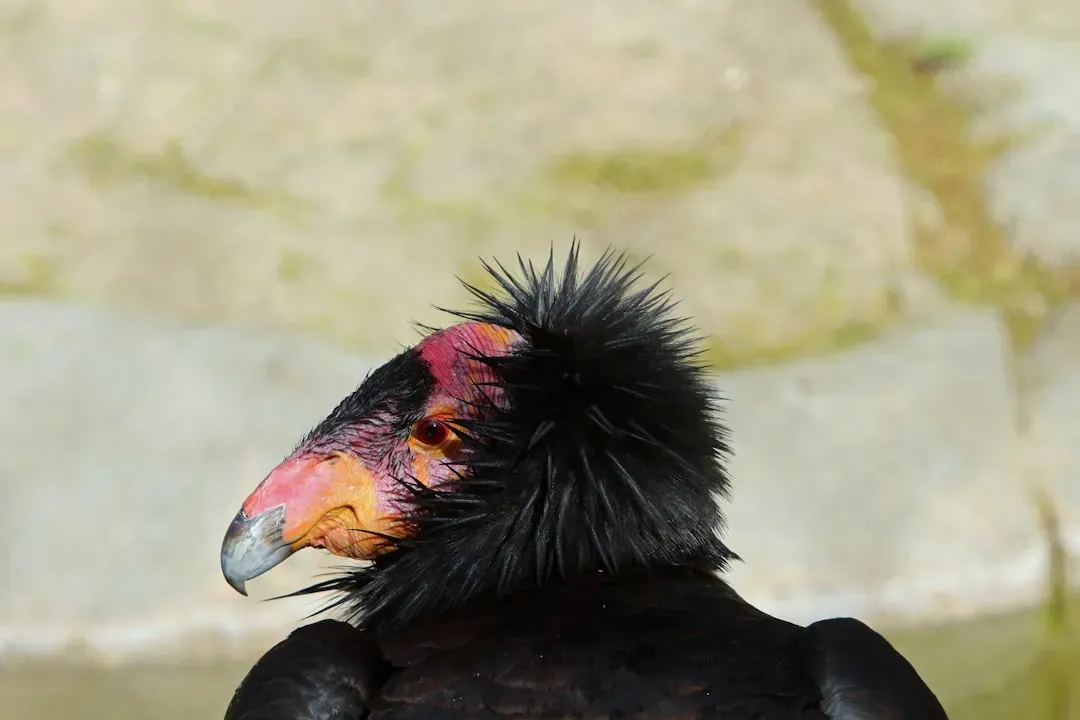
One of the most jarring details about the California condor story is how recently things almost ended. By the mid‑1980s, there were only about two dozen condors left on the planet, scattered across rugged parts of Southern California. In 1987, every single wild condor was captured and brought into captivity, which meant there were officially zero condors flying free anywhere in the world. It was a desperate move that many people at the time saw as a kind of last‑ditch experiment, not a guaranteed rescue.
That decision to take the final wild birds into human care was controversial and emotionally charged. Some argued that removing them from the wild meant the species was effectively gone. But the alternative was almost certain extinction. Looking back from 2026, it’s clear how narrow that window was; a few more years of lead poisoning, habitat loss, and shooting, and there might have been nothing left to save. It’s hard not to feel shaken by how close we came to losing a bird that had once soared over Western North America for thousands of years.
How Captive Breeding Brought a Species Back from the Brink
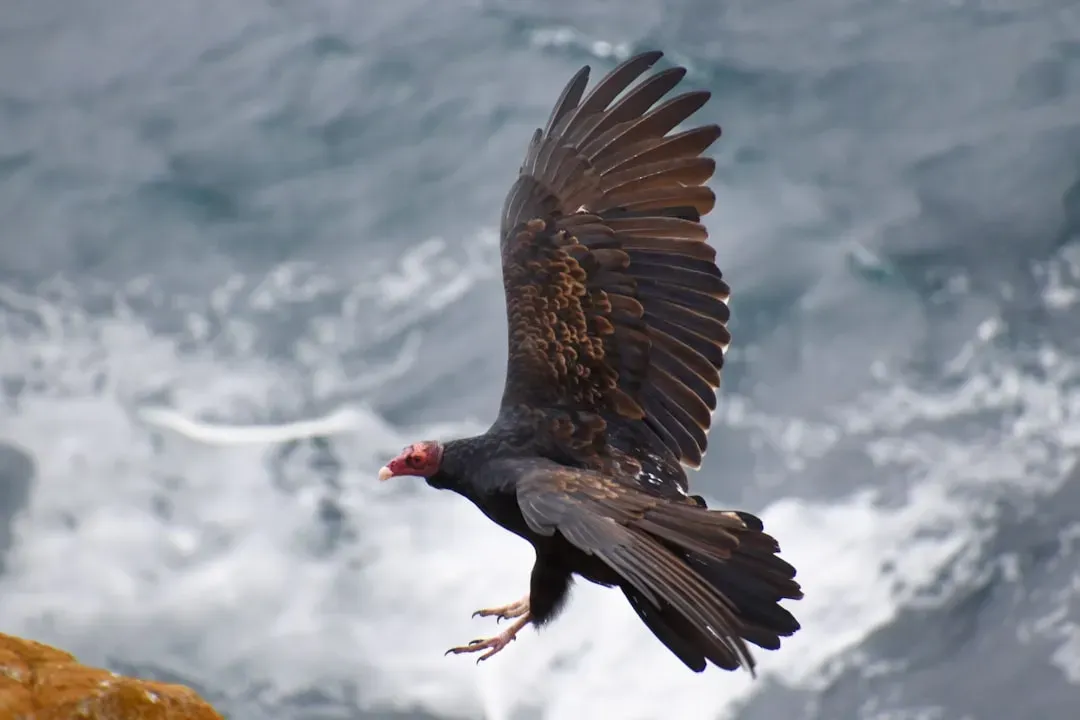
The backbone of the condor comeback has been an intensive captive‑breeding program, coordinated among zoos and conservation centers in California, Oregon, Idaho, and Arizona. At first, breeding a bird with such slow reproductive habits looked almost impossible. A condor pairs for life, lays only one egg every year or two, and invests huge effort in raising that single chick. Scaling that up into a population‑level recovery project required patience, technology, and a willingness to experiment.
One key breakthrough was using a strategy called double‑clutching – removing an egg so parents lay a second one, and then raising one chick by hand while the adults raise the other. Over time, biologists learned how to incubate eggs, feed chicks with condor puppets to avoid imprinting on humans, and track genetic lineages to keep the tiny gene pool as healthy as possible. The numbers tell the story: from just 27 birds in the late 1980s to several hundred today, with well over half of them living in the wild across multiple release sites. It’s not natural in the purest sense, but it is survival, and that matters.
Reintroducing Condors to the Wild: A High-Risk, High-Reward Gamble
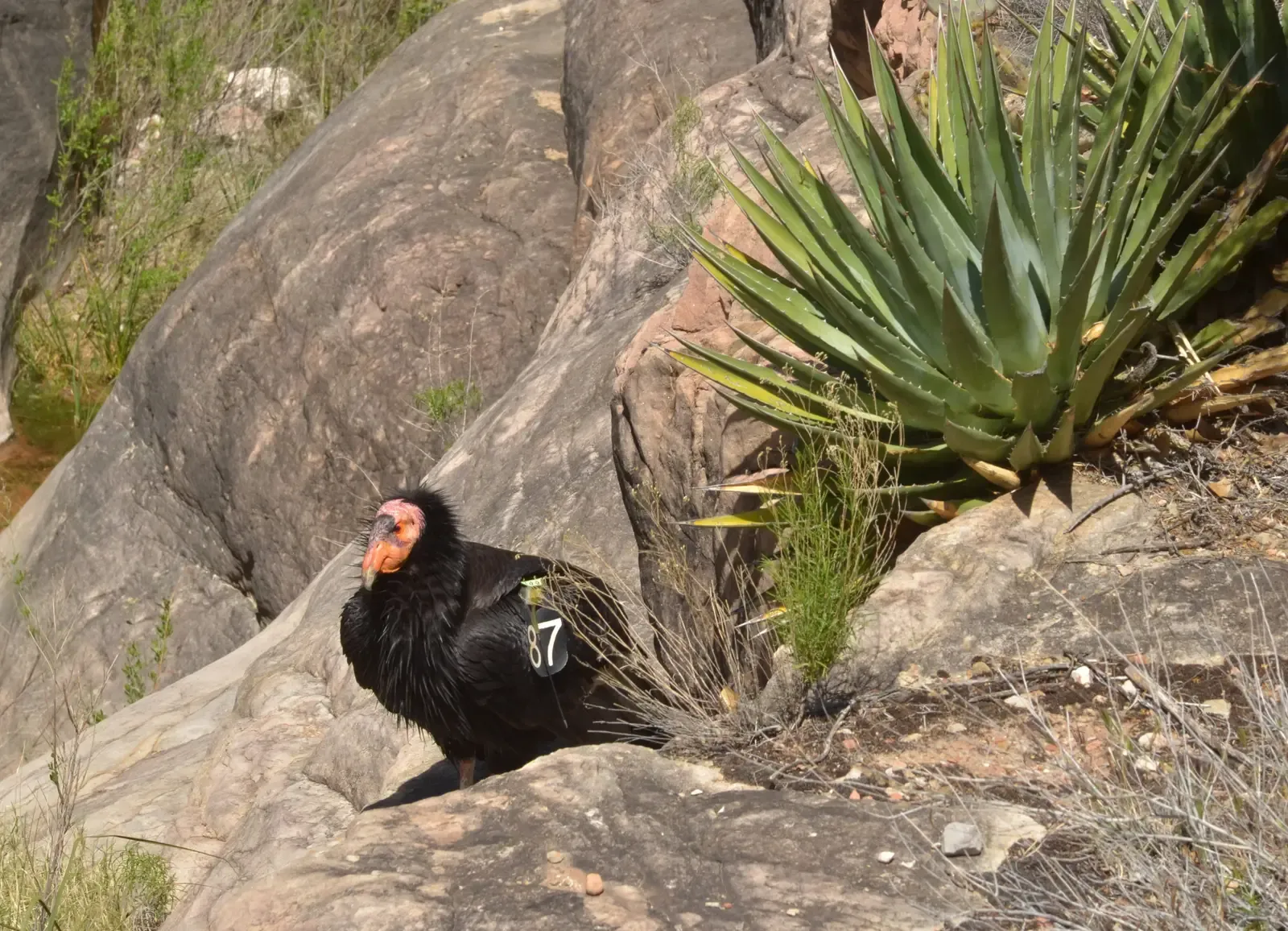
Breeding birds in captivity is one challenge; returning them to the wild is another level entirely. The first condor releases in the early 1990s were cautious and heavily monitored, with birds fitted with wing tags and radio or GPS transmitters. Biologists followed them almost obsessively, learning how they moved, where they fed, and what new dangers they encountered. Some early reintroductions failed, and a number of birds died from collisions, poisoning, or simple inexperience.
Over time, though, the birds began to do what their ancestors had always done: soar vast distances, find carcasses, and socialize in complex hierarchies. New release sites were added in Arizona’s Grand Canyon region, in central California, in Baja California, and more recently in the Pacific Northwest, including areas important to Indigenous communities. Watching condors roost together on cliffs and nest on wild ledges again is more than just a scientific milestone; it’s an emotional one. It shows that a species that survives only behind glass is not the final goal – getting them back into their ecological role is.
The Biggest Ongoing Threat: Lead Poisoning from Ammunition
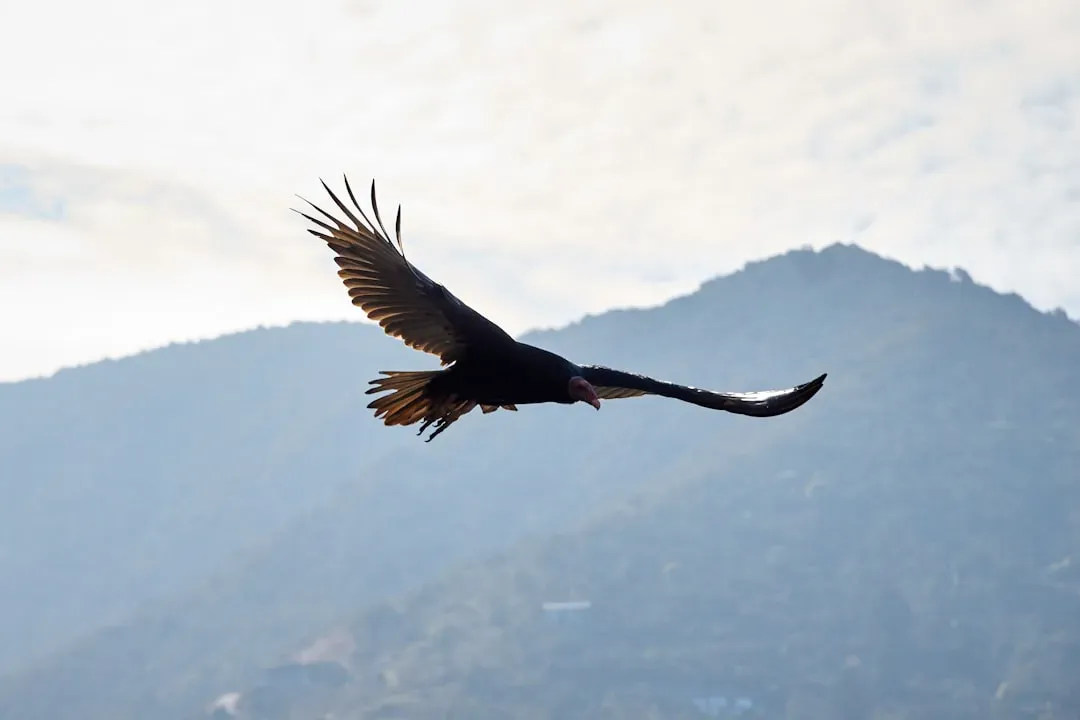
If there is one stubborn villain in the condor story, it’s lead. Condors are scavengers, and when they feed on gut piles or carcasses left by hunters using lead ammunition, tiny fragments can poison them. Even a small amount of lead can be deadly for a bird that feeds by gorging itself on a single carcass. For years, testing showed a significant share of wild condors suffering from lead exposure, with many needing emergency treatment, sometimes repeatedly.
This issue forced an uncomfortable conversation: how do you protect a critically endangered bird while also respecting hunting traditions and rural livelihoods? In California, lead ammunition is now banned for hunting, and other states have promoted voluntary switches to non‑lead alternatives. Some hunters have been among the strongest advocates, once they saw the data and the x‑rays showing lead fragments in carcasses. The problem hasn’t disappeared, but the shift toward non‑lead ammo offers a rare example of how changing a single human practice can directly reduce deaths in a threatened species.
What the Condor Teaches Us About Saving Other Birds on the Edge
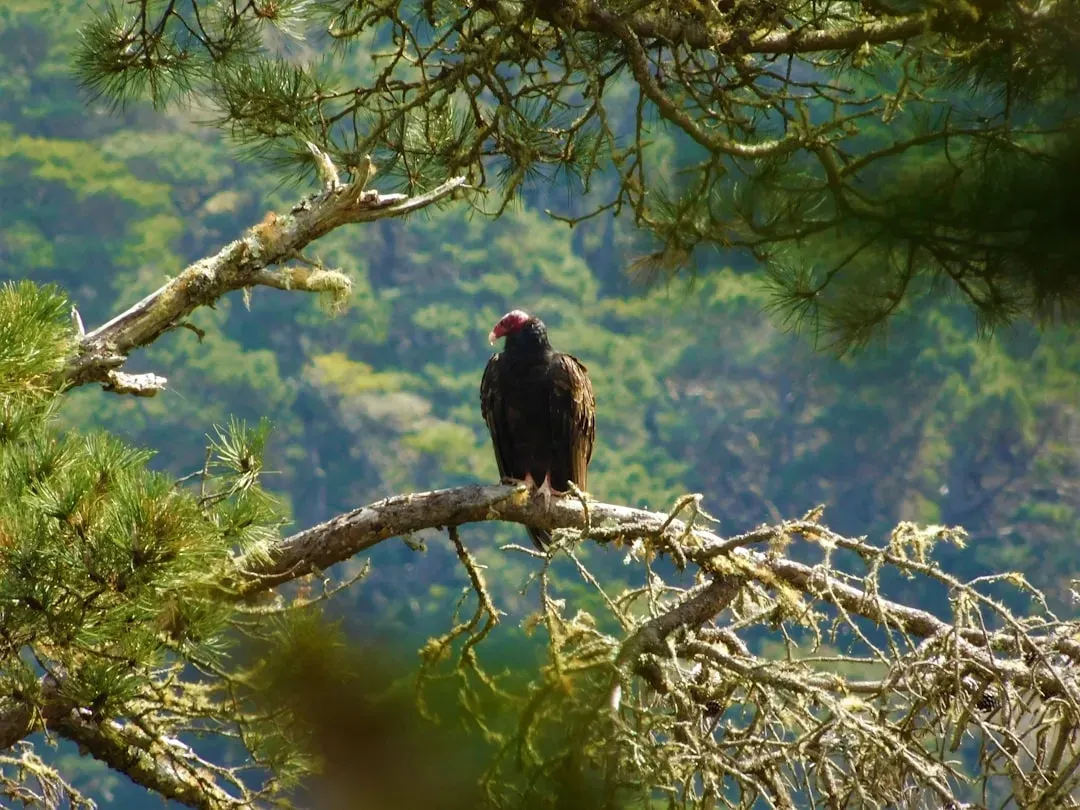
The recovery of the California condor has become a kind of playbook for saving other critically endangered birds. First, it proves that captive breeding, if done carefully and ethically, can be more than just a last‑stand gesture. It can actually rebuild wild populations, even for slow‑breeding species. For condors, breeding centers were not a permanent home but a springboard back into the wild, and that shift in mindset matters a lot for planners working with other species.
Second, the condor project shows that focusing only on breeding is not enough. You have to dig into the root causes of decline – like lead poisoning, habitat loss, or invasive predators – and systematically reduce them. That approach is now shaping how conservationists tackle crises for other birds, from island parrots threatened by introduced rats, to vultures in South Asia poisoned by veterinary drugs, to shorebirds losing nesting Grounds to coastal development. The core lesson is simple but powerful: without fixing what broke the system in the first place, birds will just keep falling through the cracks.
Parallel Comebacks: From Vultures to Parrots and Cranes
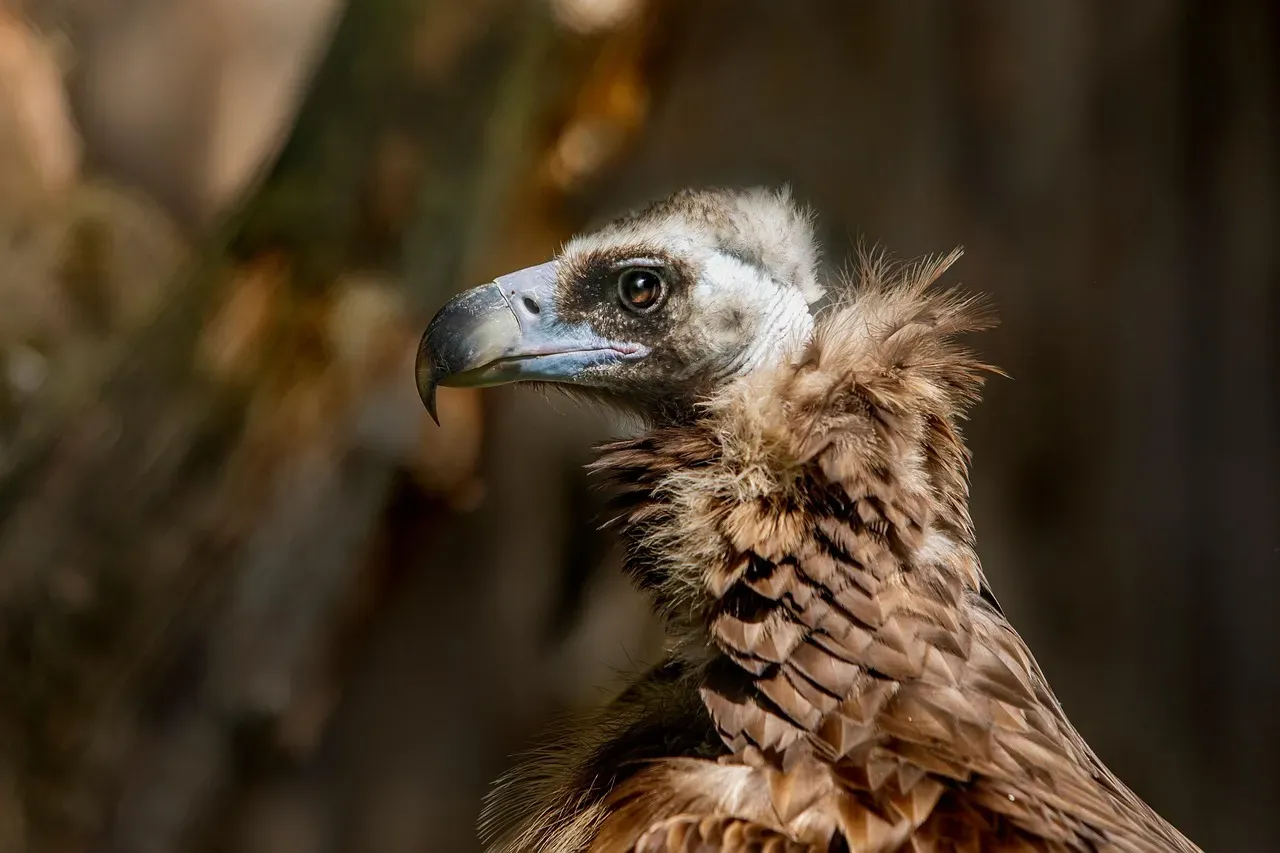
The condor story is not an isolated miracle. Around the world, several other birds have staged impressive comebacks using some of the same tools: captive breeding, habitat protection, and targeted policy changes. The whooping crane in North America, for example, was reduced to only a few dozen individuals in the twentieth century but now persists through a combination of wild and reintroduced populations. Similarly, some island parrots and macaws have recovered from tiny numbers thanks to nest protection, predator control, and carefully managed breeding programs.
Old World vultures in parts of Europe have also rebounded once poisoning and persecution were reduced and safe food sources were restored. These birds, like the condor, play a crucial role as nature’s cleanup crew, preventing carcasses from piling up and disease from spreading. Each success story is specific to its landscape and culture, but patterns keep repeating: when we fund long‑term work, listen to local communities, and confront uncomfortable threats, populations can slowly turn around. The condor has become one of the most famous symbols of that possibility, but it’s part of a broader quiet revolution in bird conservation.
The Critical Role of Indigenous Leadership and Local Communities
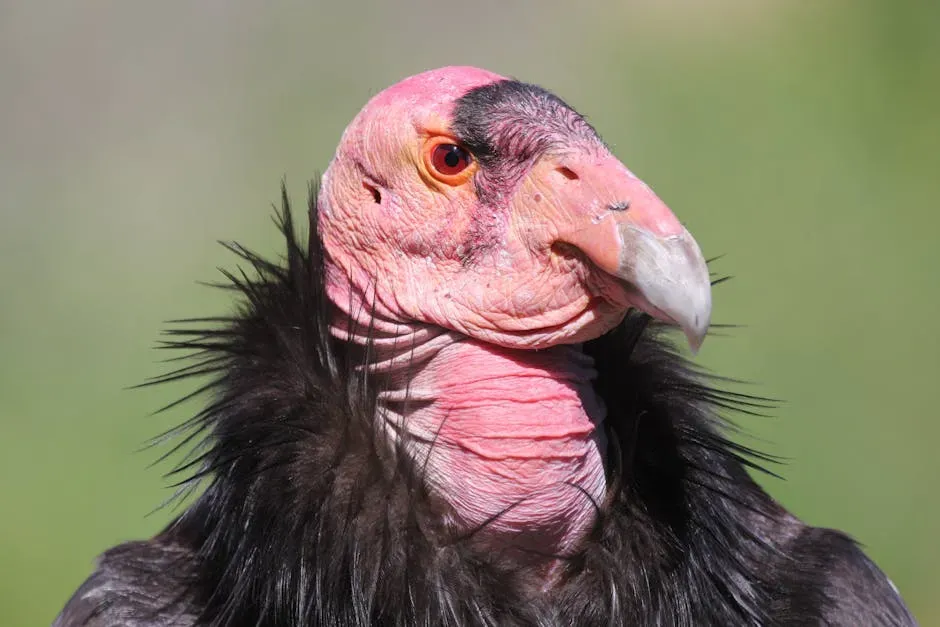
One of the most inspiring shifts in condor conservation over the past decade has been the growing leadership of Indigenous nations. For some tribes in California and the Pacific Northwest, condors aren’t just wildlife; they’re cultural relatives, central to ceremony and story. When those communities stepped forward to lead reintroduction efforts on their ancestral lands, the project gained not just new release sites but a deeper sense of purpose and responsibility. It changed the tone from saving a rare bird to restoring a relationship.
Local ranchers, hunters, and rural residents have also become key partners, especially around issues like providing safe carcasses or reducing lead exposure. In my own experience talking to people who live near condor country, the turning point often comes when someone actually sees one of these birds in the wild – a vast black shape riding invisible air currents, almost unnaturally silent. That kind of experience can make abstract conservation debates feel suddenly personal. When people on the ground feel they are caretakers rather than obstacles, the odds of long‑term success rise dramatically.
Why Genetic Diversity and Long-Term Management Still Matter
For all the hope in the condor story, scientists are very clear: the species is not “saved” in the sense of being self‑sustaining and free from human support. With such a tiny founding population, genetic diversity is limited, which can increase the risks of disease, deformities, or reduced fertility over generations. Conservation geneticists carefully track bloodlines, plan pairings, and adjust breeding strategies to keep the gene pool as healthy as possible. It’s a bit like managing a centuries‑old family tree, but with the survival of an entire species at stake.
On top of that, many condors in the wild still rely on interventions like health checks, supplemental feeding in some areas, and treatment for lead poisoning. Some people argue that a species that cannot currently survive without this level of management is not truly recovered. Others point out that human activity caused the problem in the first place, so ongoing stewardship is simply part of the cost of repair. Either way, the condor reminds us that conservation is not a one‑time rescue; it’s a long‑term commitment measured in decades, not field seasons.
How Ordinary People Can Help Critically Endangered Birds
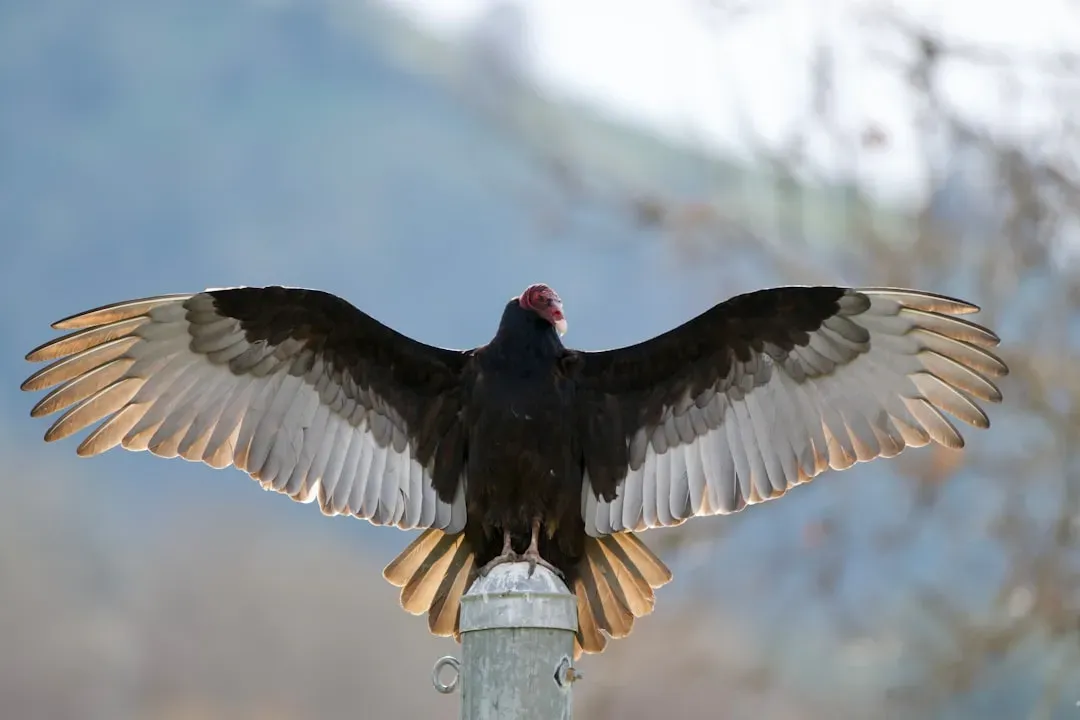
It’s easy to hear a complex story like the California condor and think it belongs in a world of experts and agencies, far from daily life. But part of what makes this story powerful is that it connects to choices ordinary people make. Hunters who choose non‑lead ammunition, tourists who keep a respectful distance at nesting sites, voters who support conservation funding, and landowners who maintain open spaces all directly shape the futures of endangered birds. Even small decisions, multiplied across thousands of people, can create or remove pressure on fragile populations.
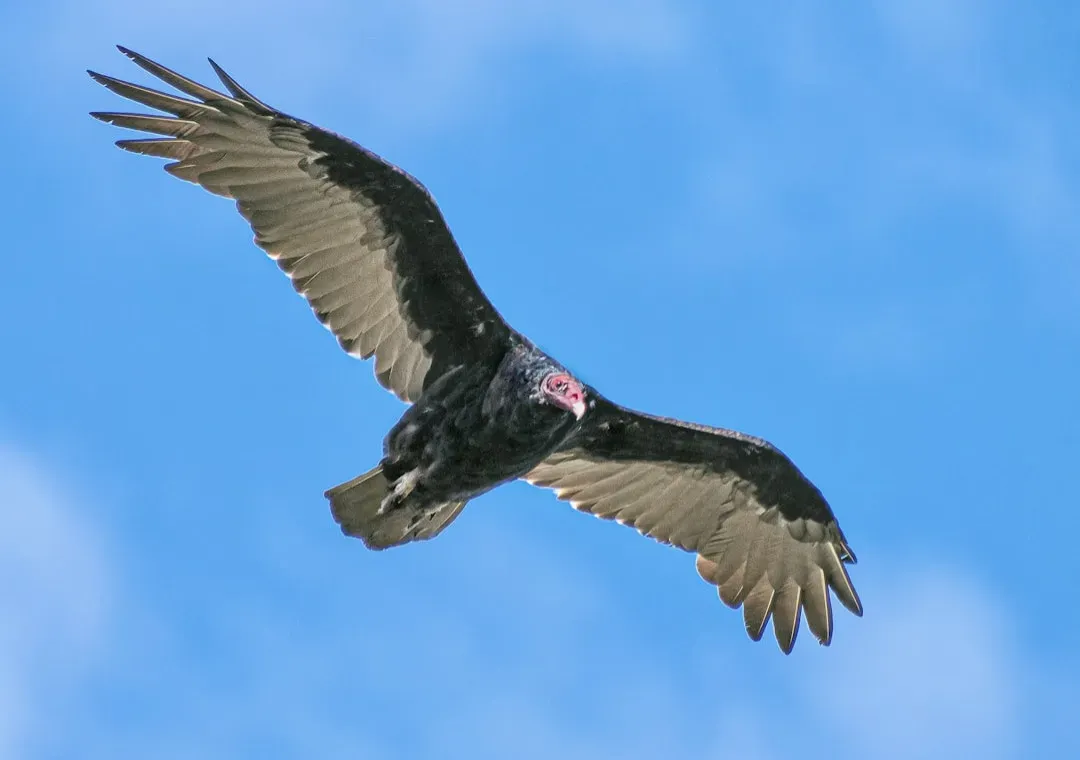
Beyond policy and purchases, there’s also the quieter work of paying attention. Supporting local bird conservation groups, joining community science projects like bird counts, or simply learning which species are at risk in your region builds a sense of shared responsibility. I still remember the first time I realized that the enormous dark shape overhead on a hike in central California was not a turkey vulture but a tagged condor; that moment stuck with me far more than any statistic. When we care enough to notice, we’re far more likely to care enough to act.
Conclusion: A Giant Bird, a Narrow Escape, and a Wider Hope
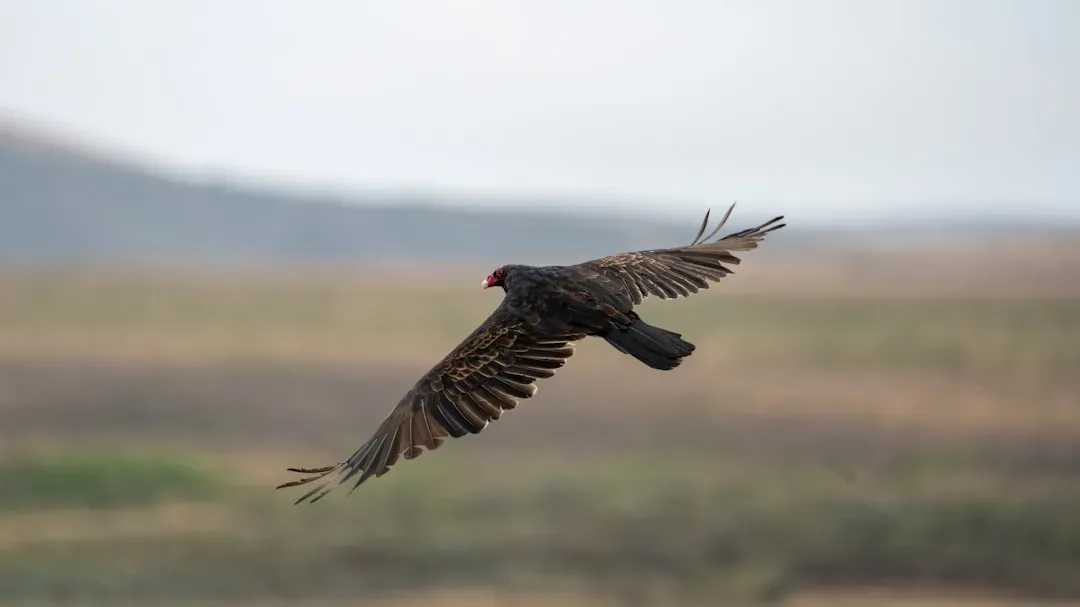
The California condor’s recovery is not a neat fairy tale with a tidy ending. It’s messy, expensive, heavily managed, and still unfinished. But maybe that’s exactly why it resonates so strongly. It shows that even when we have pushed a species to the brink, it is still possible – through science, persistence, and humility – to pull it back. The sight of a condor wheeling over a canyon in 2026 is a living reminder that giving up is often more of a choice than a necessity.
For other critically endangered birds, from vultures and cranes to parrots and shorebirds, the condor offers both a warning and a promise. The warning is that waiting until the last minute makes everything harder; the promise is that last minutes can still matter. If we can change ammunition types to save scavengers, restore wetlands for migrants, or protect nesting islands from invasive predators, we’re not just preserving species – we’re deciding what kind of world we want to live in. When you picture those vast wings against the sky, does it change how urgent that choice feels to you?
