
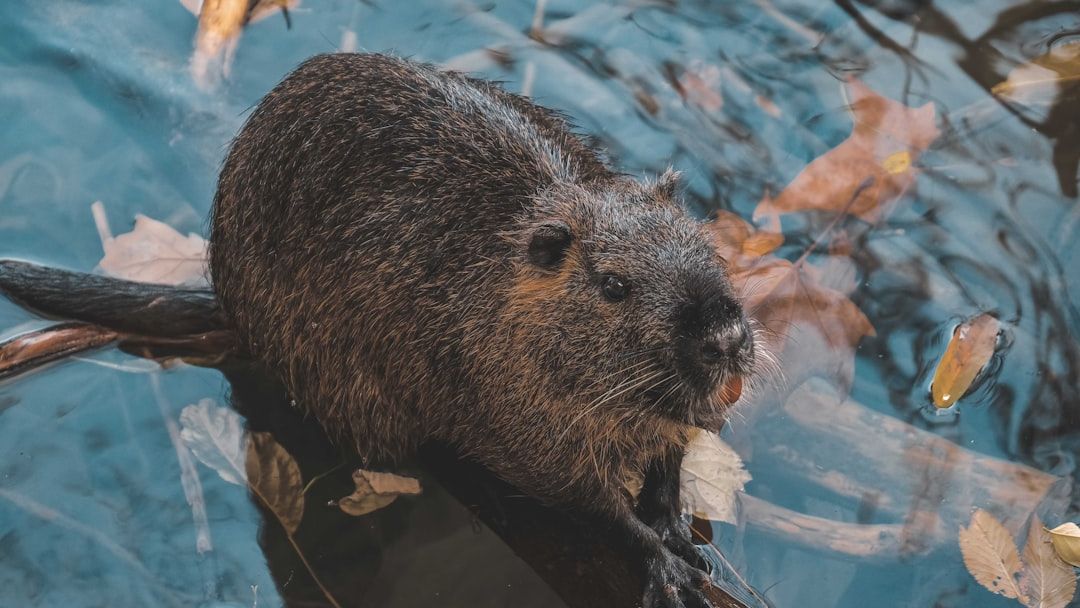
Worried about unexpected vet bills?
Pet insurance can cover thousands in unexpected vet costs. Get a free quote from Lemonade in under 2 minutes.
Get My Free Quote →Sponsored · Opens Lemonade.com
Think of the most effective restoration crew you’ve ever heard of. They work around the clock without pay, never complain, and their engineering projects create benefits that ripple through entire watersheds. They’re not human contractors armed with bulldozers. They’re beavers.
These paddle-tailed rodents are staging one of North America’s most stunning conservation comebacks. After being hunted nearly to oblivion for their luxurious pelts, beavers are reclaiming their ancestral territories across the United States. What’s even more remarkable is how scientists and conservationists are finally recognizing what Indigenous peoples have known for centuries: beavers are master ecosystem engineers whose work benefits countless other species.
From Near Extinction to Ecological Heroes
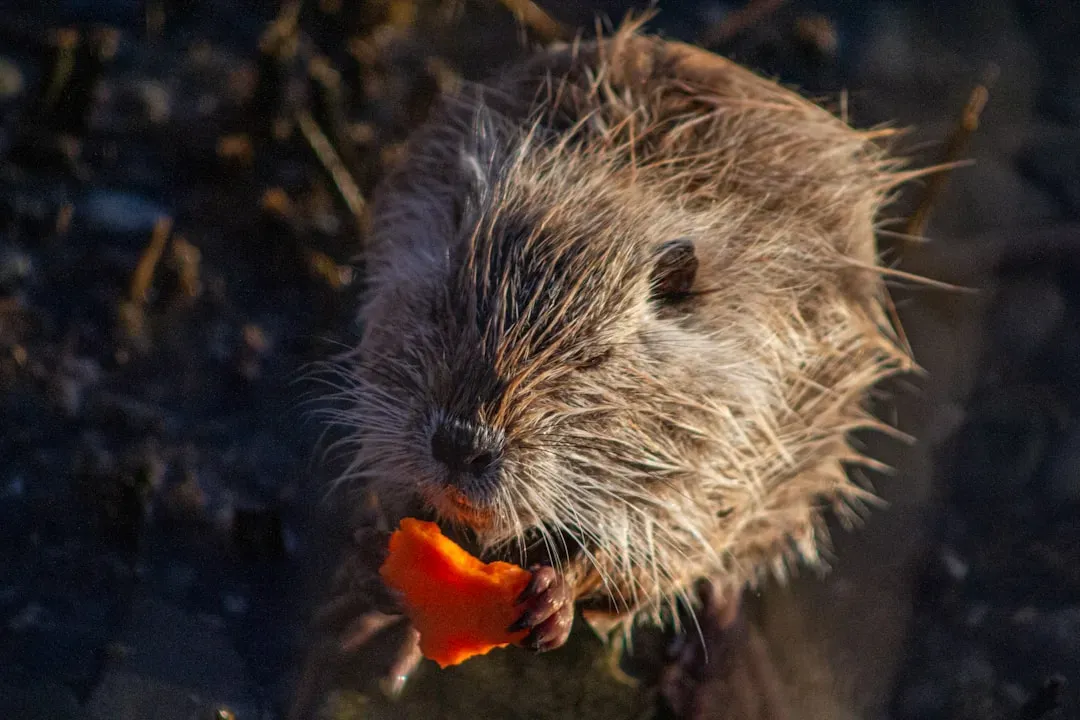
The numbers tell a sobering story. Before European colonization, beaver populations in North America ranged somewhere between sixty and four hundred million animals. Today, roughly ten to fifteen million beavers inhabit the continent. That dramatic decline happened because fur traders valued beaver pelts so highly that they systematically trapped these animals across vast landscapes.
Once beavers disappeared from much of their range, human settlers converted the wildlife-rich wetlands into agricultural lands and built towns in the flat, fertile valley bottoms. For generations afterward, people viewed beavers primarily as nuisances whose dam-building flooded farmland and blocked roadways. The cultural shift we’re witnessing now represents a complete reversal of that perspective, and it’s grounded in solid science about what beavers actually accomplish.
Nature’s Water Storage Systems in Action
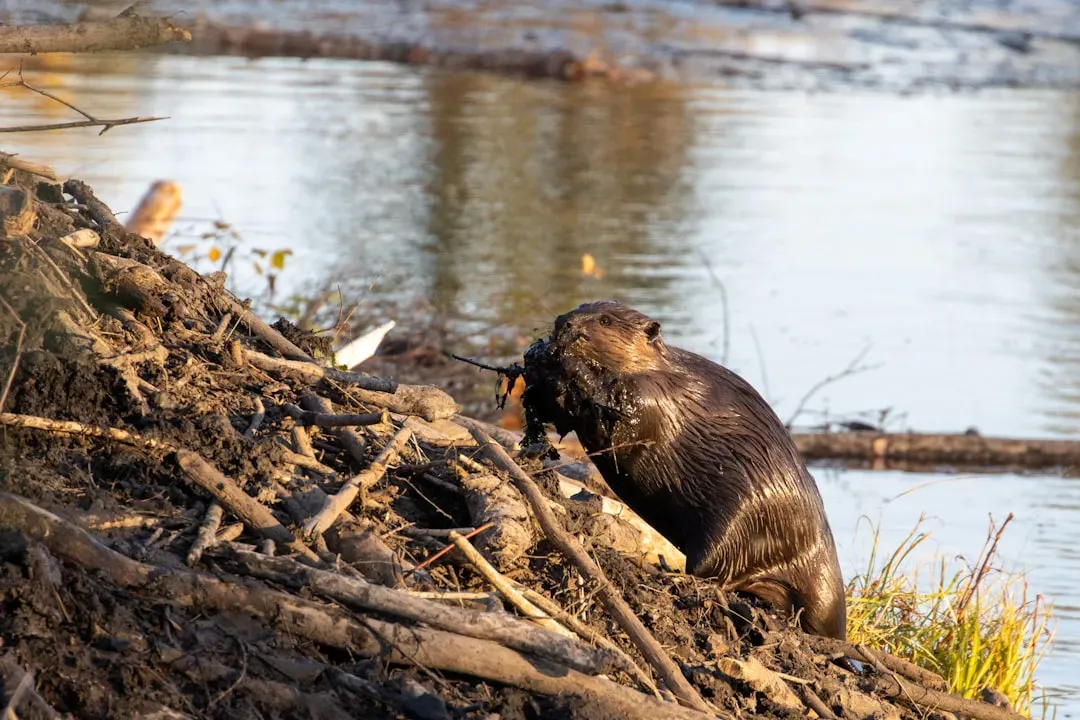
Beavers have earned their reputation as superheroes in natural watershed management through their dynamic dam construction. These dams create cool ponds that foster biodiversity, improve water quality, and even limit the spread of wildfires. They frequently construct multiple dams within an area, creating wetland networks known as beaver wetland complexes.
These complexes provide long-term freshwater storage and recharge groundwater, a crucial benefit especially in the American West where dwindling surface water supplies result from sustained climate change-driven drought. Think of beaver ponds like natural sponges. This water storage system slowly releases cold, clean water downstream throughout hot summers while other streams without beavers often go dry. Beaver dams also capture sediment, decrease the impact of debris flows, and expand riparian habitat.
Biodiversity Hotspots Created by Dam Builders
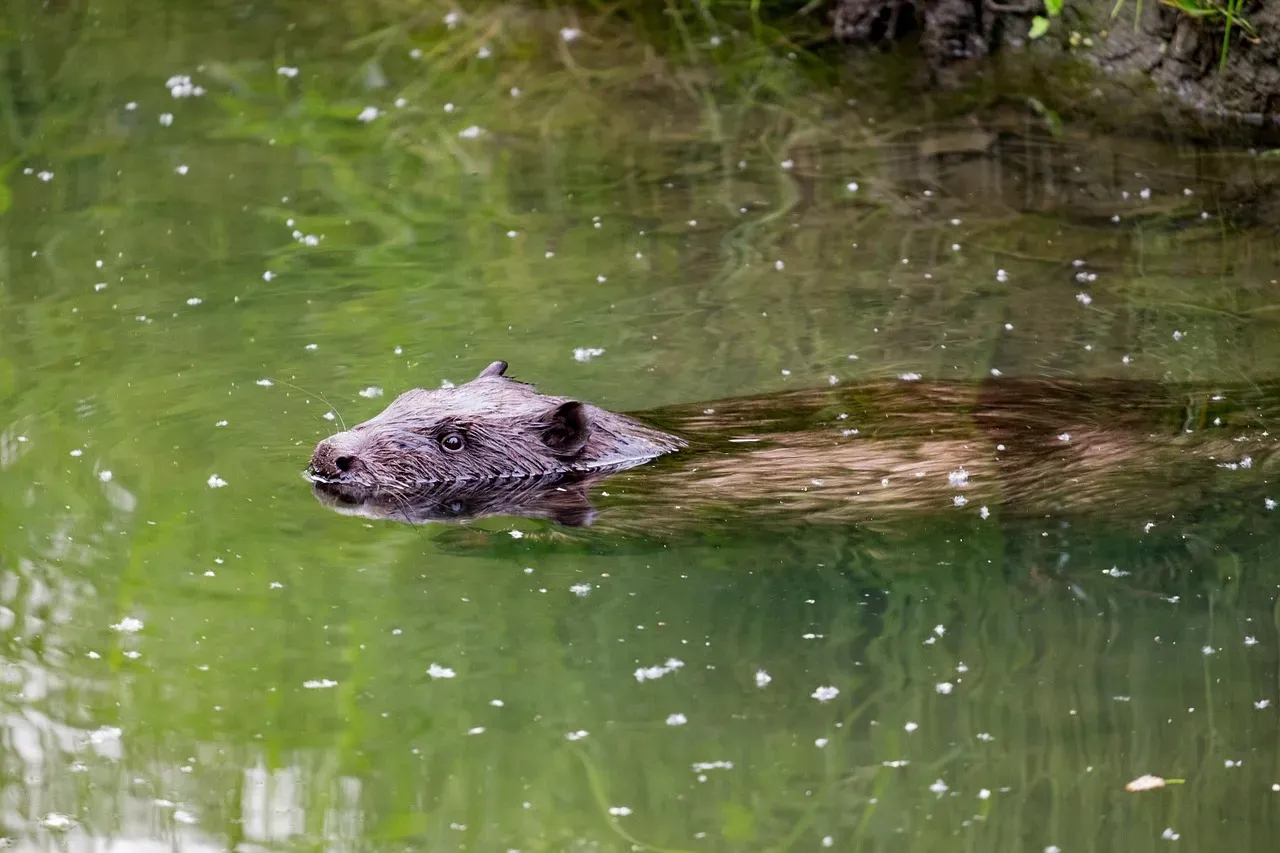
The ecological benefits extend far beyond water management. Wetlands provide biodiversity habitat for fish and wildlife. In the American West where conditions are quite dry, wetlands cover just about two percent of total land area but support roughly eighty percent of the biodiversity.
Once a beaver dam is complete, the pace at which the waterway moves slows down and its path is altered, creating extensive wetlands upstream that house vast biodiversity including endangered species. A variety of birds nest on the riverbanks, fish like rainbow smelt and steelhead thrive in the ponds, and mink, muskrats and otters forage the bogs. Beavers increase the presence of woody debris in rivers such as fallen trees, branches and logs, creating sheltered areas which act as habitats for fish, insects and amphibians.
Fighting Climate Change One Dam at a Time
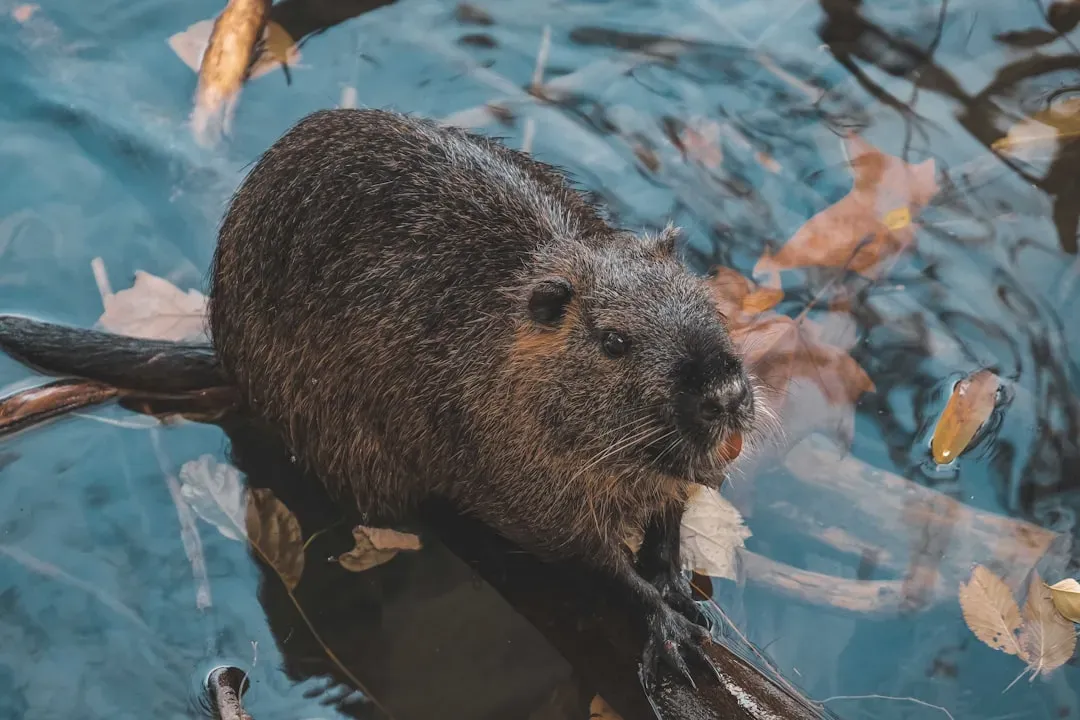
Here’s something that might surprise you: beavers are genuine climate heroes. Beavers help reduce carbon accumulation as their wetlands absorb and store greenhouse gases. Globally, beaver wetlands hold 470,000 tons of carbon each year.
One study estimates that beavers save the United States around one hundred and thirty-three million dollars in habitat and biodiversity protection and approximately seventy-five million dollars in greenhouse gas sequestration. That’s actual dollar value from animals simply doing what comes naturally to them. In places where climate change is drying out rivers and intensifying fires, beaver-built ecosystems act as buffers, maintaining moisture and promoting ecological resilience. Their presence can raise water tables, rehydrate soil and even cool local microclimates.
Bridging the Gap Between Wildlife and Human Needs
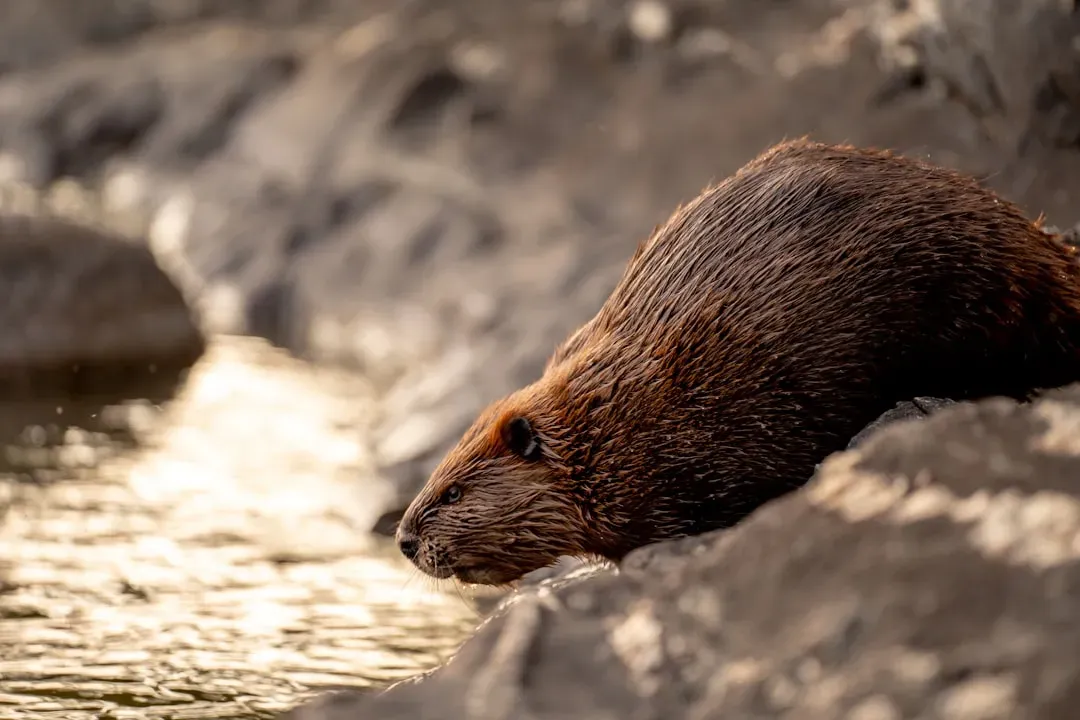
Let’s be real though. Not everyone welcomes beavers with open arms. Beaver activity can create problems for nearby communities. New dams can temporarily reduce water flows, putting stress on downstream water users struggling with drought conditions. Unmanaged beaver populations can pose flooding threats to homes, crops and infrastructure.
Recent research has mapped more than eighty beaver pond complexes across diverse regions in Colorado, Wyoming, Montana and Oregon using high-resolution aerial imagery. Researchers aim to assist managers in restoring wetlands, boosting biodiversity and improving water quality. The goal isn’t to put beavers everywhere, but to identify locations where their engineering will deliver maximum benefits while minimizing conflicts with human activities. Conservation groups highlight beavers’ crucial role in ecosystem restoration while promoting peaceful coexistence with humans. Beaver pond levels can be managed using fencing and piping to install pond levelers that reduce flood damage to infrastructure and protect trees.
Conclusion: Letting Nature Do the Heavy Lifting
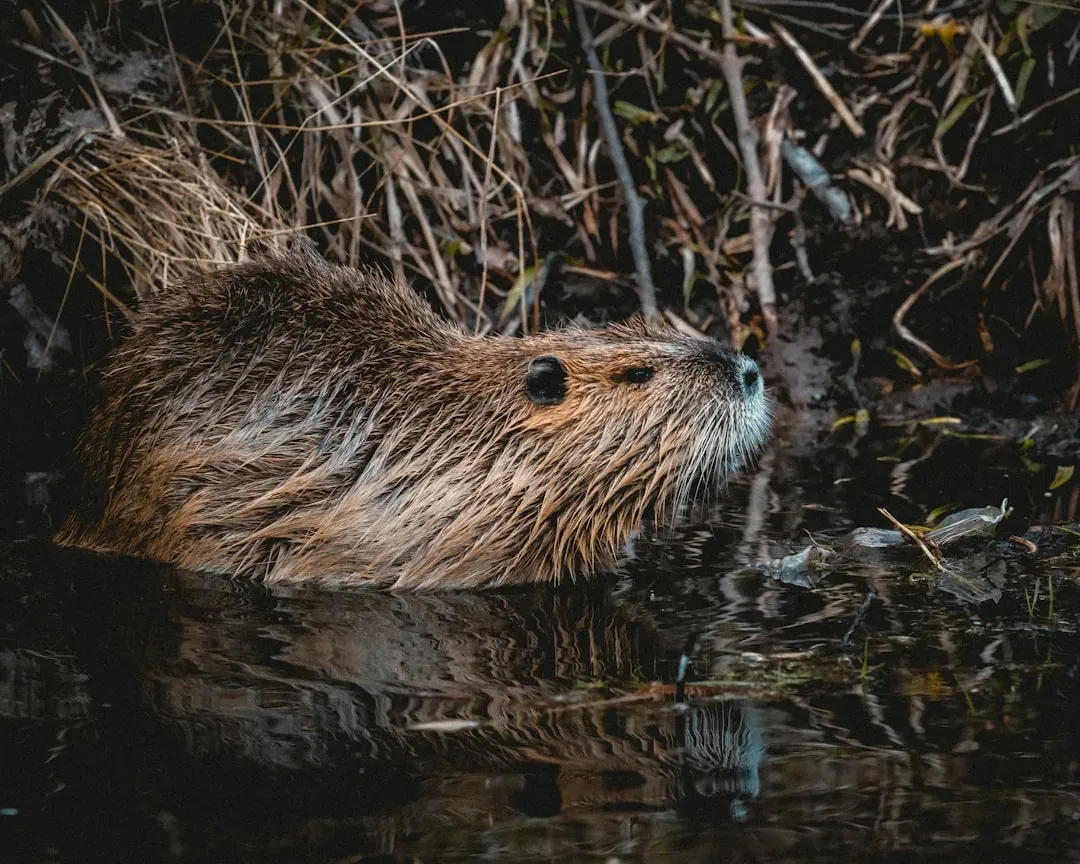
Watching how attitudes toward beavers have evolved over recent decades offers genuine hope for conservation. These rodents aren’t just surviving, they’re actively healing landscapes that humans degraded. Working with nature rather than against it unlocks powerful climate and biodiversity solutions. Beaver dams are proving to be living infrastructure that’s dynamic, adaptable and deeply intertwined with environmental health.
The most compelling aspect of beaver restoration is its elegance. We don’t need expensive machinery or complex interventions. We simply need to give these animals space to work their magic. Beavers make a powerful restoration tool, often more effective in the long term than other restoration methods like installing physical structures. Sometimes the best conservation strategy is recognizing when nature already has the perfect solution.
What impresses you most about what beavers accomplish? Their engineering skills, their climate benefits, or their ability to create homes for so many other species?
Worried about unexpected vet bills?
Pet insurance can cover thousands in unexpected vet costs. Get a free quote from Lemonade in under 2 minutes.
Get My Free Quote →Sponsored · Opens Lemonade.com
